

Veterinary & Affiliate Disclaimer: Bunnyowners.com shares educational rabbit care resources, not professional veterinary advice. Always consult a qualified veterinarian regarding your rabbit’s medical, dietary, or behavioral needs. This post may also contain affiliate links; as an Amazon Associate and affiliate partner, we earn from qualifying purchases at zero extra cost to you.
Living with a rabbit means accepting that they don’t express pain or discomfort through obvious, vocal cues; you won’t get any theatrical whimpering or heavy, dramatic sighing at your feet. As prey animals, showing any vulnerability in the wild makes them an easy target, so they are hardwired to mask illness or stress. Because of this deep survival instinct, catching serious health and behavioral problems early relies entirely on your ability to spot tiny, unexpected shifts in their daily routines before they escalate.
When tracking a rabbit’s behavior, eating habits, or physical health, subtle shifts usually point toward localized environmental stress, dental discomfort, or the early stages of digestive stasis. Because rabbits instinctively hide their pain to keep from looking like easy targets for predators, keeping a close eye on micro-changes in their daily routine is your most effective tool for spotting underlying distress. If you notice a persistent change that spreads across multiple areas over a 12-to-24-hour window, it requires quick, focused attention to prevent a minor ailment from escalating into a severe metabolic shutdown.
This overview is designed to help you isolate exactly what those small changes mean without the guesswork or the endless scrolling through medical forums. By using this simple sorting system, you can easily match your observations with this resource, or browse through my other practical guides to rabbit health—whether the shift involves their diet, mood, energy levels, bathroom habits, or physical appearance. Let’s break down these primary categories so you can find the deeper context you need to keep your companion safe and happy.
1. How to Think About Rabbit Changes
Don’t panic and immediately assume a diagnosis the second your rabbit gives you the cold shoulder. Instead, just look at what actually changed. Usually, it’s one of five things:
- How they look physically
- What they eat
- How they act
- How much they move
- What’s happening in the litter box
If it’s a tiny shift that lasts a couple of hours, don’t sweat it. A sudden loud noise might make them freeze or hide for an afternoon. That’s just biology doing its job. Real trouble shows up when a change sticks around for a full 24 hours, or when you notice two or more things going wrong at the exact same time. If a bunny is acting distant and skipping breakfast, that’s your cue to step in.
To help you sort out a false alarm from a real health issue, keep this simple rule of thumb in mind:
- Single category shift (short-term): Usually an emotional or environmental reaction (like a loud noise or a moved cage).
- Multi-category shift (persistent): Almost always points to an underlying medical issue or physical pain.
The chart below maps out these five areas, your monitoring window, and what those shifts actually mean.
Table 1: Primary Symptom Monitoring Framework
| Change Category | Primary Monitoring Window | Core Risk Factor |
| Eating & Drinking | 12 Hours | Hindgut Stagnation |
| Behavior & Mood | 24 Hours | Environmental Stress |
| Movement & Energy | 12 Hours | Localized Discomfort |
| Bathroom Output | 12 Hours | Metabolic Stasis |
| Physical Appearance | 48 Hours | Systemic Progression |
2. Eating & Drinking Changes
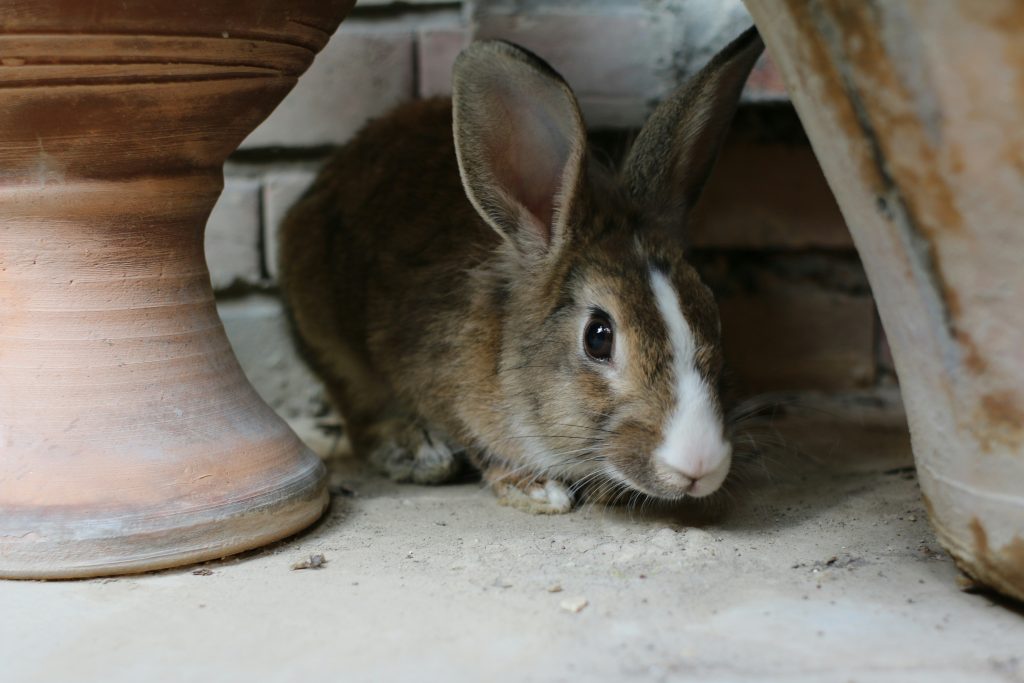
A rabbit’s gut cannot stop moving. If it does, things turn life-threatening fast. That is why any shift in how they chew, swallow, or approach the bowl is the biggest red flag you will get. Watching their daily food intake is your absolute best defense against a sudden physical crash. In fact, a recent PLOS ONE study on rabbit gastrointestinal stasis notes how rapidly missing fiber or physical stressors can disrupt the essential baseline of the gut microbiota.
Eating less than usual
Healthy rabbits are food-obsessed. If yours is leaving pellets behind, ignoring their fresh greens, or just picking at their food over several hours, something is wrong. Mouth pain, nausea, or a brewing gut issue will cause this. It’s a slow downshift you need to catch before the stomach contents dry out and stall.
Refusing specific foods
Sometimes they will lunge for treats or pellets but won’t touch a single strand of hay. This selective appetite almost always means their molars are overgrown or have sharp spurs cutting into their tongue. When a bunny is suddenly choosing pellets over their normal hay portions, it makes chewing long, coarse grass incredibly painful. It isn’t just pickiness—it’s a dental issue.
Eating normally but differently
You might see them eat their usual amount, but the technique changes. They chew at a snail’s pace. They drop half-eaten greens straight out of their mouth. Or maybe they let breakfast sit untouched until midnight. The appetite is there, but a physical ache or stress is making the physical act of eating a chore.
Drinking more or less than usual
Water habits bounce around depending on the weather or how wet their leafy greens are. But noting a sudden drop in your rabbit’s water consumption represents a dangerous turn. Dehydration paralyzes a rabbit’s gut in hours. If the bowl stays full all day, you need to find out why and get fluids into them before a blockage forms.
Understanding Appetite Shifts
Moving their cage or a loud house schedule can throw their appetite off for a minute. However, observing a bunny who refuses to eat entirely for more than a few hours is a legitimate crisis. Learn their baseline. My rabbit Mocha always dives into her morning greens the second they hit the floor. If she ever passes them up, I know instantly that something is wrong.
The index below details these eating disruptions and the exact thresholds to watch for.
Table 2: Diet Disruption Severity Index
| Appetite Shift Type | Stool Output Impact | Urgency Threshold |
| Total Refusal | Severe Drop / Halts | Immediate Emergency |
| Hay Refusal Only | Pellets Small / Dark | 12 Hours Observation |
| Selective Pellets | Remains Stable | 24 Hours Observation |
| Fluid Intake Drop | Sticky Fecal Output | 12 Hours Tracking |
3. Behavior Changes
Rabbits are prey animals, which means their whole world revolves around feeling safe. When their personality suddenly flips, it is almost always a direct reaction to stress, a perceived threat to their territory, or hidden pain. As noted in the Association of Shelter Veterinarians’ guidelines on humane housing, proper setup of secondary enrichment and hiding zones is absolutely required to satisfy a lagomorph’s evolutionary security needs.
Less active or withdrawn behavior
Curiosity is a rabbit’s default setting. If a normally social bunny is suddenly hunkered down in a dark corner, ignores you when you walk in, or seems totally detached, they are protecting themselves. Check their ears, eye tension, and posture. It’s the only way to tell if they are just having a deep nap or actively hiding a severe ache.
More clingy or attention-seeking behavior
Sometimes a spooked, lonely, or anxious rabbit goes the other way and treats you like a giant, hairless security blanket. If your bunny is suddenly following your every step across the rug or begging for non-stop head scratches, look at their surroundings. They might just want extra reassurance, or they are trying to tell you that something in the house feels unsafe.
Destructive or repetitive behavior
Chewing and digging are healthy behaviors that keep their teeth worn down and minds busy. But when casual chewing turns into frantic, obsessive gnawing on your baseboards, walls, or cage bars, you are likely looking at a rabbit trying to chew everything in sight. Usually, it’s a tiny prison protest against cage boredom or high frustration.
When a rabbit frantically scratches at a carpet corner or the plastic bottom of their pen, it usually points to an obsessive nesting or digging urge. You can easily redirect this frantic energy, and save your floors, by offering safe alternatives like a cardboard box stuffed with shredded paper.
Aggressive or defensive behavior
A rabbit that suddenly grunts, charges, or lunges when you reach into their pen isn’t turning mean out of nowhere. If you are dealing with a rabbit showing uncharacteristic aggression, they are almost always acting out of fear or protecting their territory. This defensive flip frequently occurs when adolescent hormones spike or when hidden pain makes them protective of their space.
Sticking to calm, predictable movements is the best way to handle them without breaking their trust. When a lunge turns into a bite that breaks skin, it has passed simple communication and moved into full defense mode. You have to figure out the trigger to stop it before snapping becomes their automatic response to stress.
Tracking Emotional Baseline Shifts
Most bad moods clear up once whatever scared them stops. But if the grumpiness or fear sticks around and they start turning down treats, it’s a physical health issue, not a personality quirk.
4. Movement & Activity Changes
Rabbits run on a strict internal clock. They are crepuscular, meaning they get a massive surge of energy at dawn and dusk, then spend the middle of the day sleeping. Long-term research published in a BMC study on domestic rabbit population welfare confirms that sudden deviations from these twilight energy cycles provide crucial early hints of underlying orthopedic or systemic distress.
Moving less than usual
Flopping out after a wild run is normal. But if they completely skip their usual morning playtime, refuse to stand up for greens, or look too weak to hop, it’s serious. A completely lethargic rabbit that won’t move looks very different from a standard afternoon nap, and a bunny that feels too heavy or weak to move needs to be evaluated immediately.
When auditing your rabbit’s energy drops, cross-referencing their posture against my comprehensive diagnostic guide to rabbit health indicators will help you easily identify the physical markers of silent suffering before full stasis sets in. Look for these three distinct postures that hint at hidden discomfort:
- The Guarded Huddle: Sitting tightly tucked into a ball with eyes wide, tense, or partially closed.
- The Constant Shift: Lying down, immediately getting back up, and pacing around to find a comfortable position.
- The Rigid Press: Forcing their belly flat against the floor while keeping their rear legs tucked tightly underneath them.
More active than usual
When a rabbit feels 100% safe and happy, they explode with kinetic energy. If you see them sprint across the room, twist mid-air, and shake their head, you’re looking at pure joy. Those crazy acrobatics, called binkies, mean their environment is hitting every comfort need. Knowing what triggers those joyful high-speed binkies helps you lock down what an ideal baseline looks like.
Restlessness or inability to settle
A rabbit in pain can’t get comfortable. If your bunny is constantly swapping positions, getting up and down, laying their belly flat on the floor, and then immediately moving somewhere else, they are hurting. Usually, it’s bad gas or abdominal cramps. Don’t ignore it—it’s a gut crisis in the making.
5. Bathroom Habit Changes
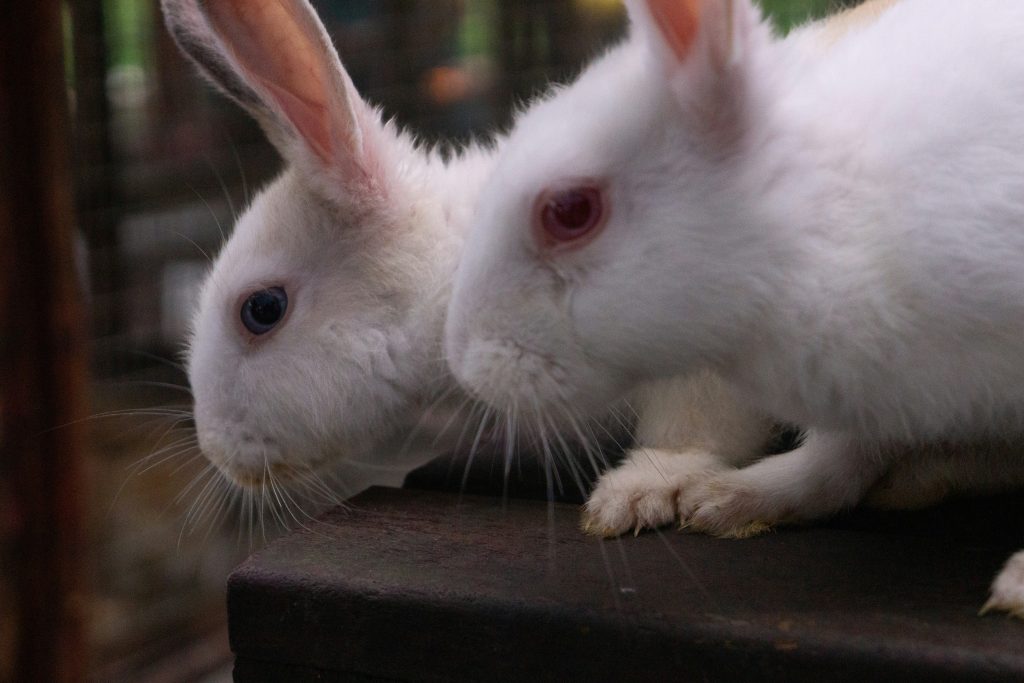
What comes out of your rabbit tells you exactly what is happening inside them. Because they rely on hindgut fermentation, the litter box is your absolute best health barometer. Tracking the size, shape, and frequency of their poop is how you catch a gastrointestinal shutdown before it becomes fatal, using practical parameters like those outlined by the Best Friends Animal Society resource library.
Droppings look different
A single small or dark pellet can happen if they get a temporary scare or eat a new vegetable. But if you observe that your rabbit has stopped passing droppings entirely or notice the feces steadily shrinking, getting hard and dry, or disappearing entirely over a 12-hour window, the gut is actively putting on the brakes. Catch it while they are still passing small droppings—it is way easier to reverse than a total shutdown.
Urine changes
Urine colors range from bright yellow to deep orange-red depending on what plants they ate. That’s normal. However, monitoring unusual pigments or textures in rabbit urine is vital; if the output looks thick, milky-white, or chalky—or if they arch their back and strain painfully to pass it—they have bladder sludge or an infection. Catch it before it causes permanent kidney damage.
If they start leaking urine onto their back legs or whimpering in the litter box, they need medical help. These signs point to urinary tract issues that will cause painful skin scaling and urine scald if left alone.
Litter box behavior changes
When a previously house-trained rabbit suddenly starts leaving neat piles of pellets or puddles of urine across your couch, it is rarely a medical issue. Instead, a rabbit scattering droppings everywhere is usually staging a behavioral protest—reacting to a new household scent, a shifted furniture layout, or an instinctual urge to re-assert territorial boundaries. In most cases, minor tweaks to their setup will quickly get them back on track.
Spotting a True Gut Slowdown
One weird dropping isn’t a crisis. A real emergency is when bathroom output drops at the exact same time their appetite plummets. A synchronized decline in both over 12 hours means the digestive tract is actively turning off.
The chart below maps these stool changes to immediate steps you should take.
Table 3: Gastrointestinal Output Tracking Table
| Output Shift Metric | Stool Shape Change | Immediate Step |
| Size Reduction | Small, Hard, Oval | Audit Fiber Intake |
| Complete Cessation | Zero Feces Passed | Emergency Call |
| Color Shifts | Darker / Variable | Check Diet Greens |
| Stray Scattering | Round, Scattered | Check Social Environment |
6. Appearance Changes
Internal pain is easy for a rabbit to hide, but physical changes on the outside are a different story. A simple daily look at facial symmetry and coat condition is your easiest path to catching systemic issues before they wipe out your rabbit’s stamina. For clear visual metrics on skeletal alignment, ear health, or structural tracking, clinical case briefs from the University of Edinburgh Rabbit Outpatient Service highlight how whole-body diagnostics help map hidden joint disease, dental spurs, and middle-ear infections early.
Eyes look different
Watery eyes, tear tracks on their cheeks, crusty fur, or clear discharge mean an irritated tear duct, allergies, or an upper respiratory issue. Also, because their tooth roots sit directly under their eye sockets, chronic eye wetness means you need a vet to check for underlying dental disease in rabbits and overgrown teeth.
Nose changes
A dusty bale of hay can cause a random sneeze. But thick, white fluid around their nose—or matted fur on their front paws from constantly wiping their face—means a respiratory infection. They need treatment to clear those airways.
Ears look different
Rabbits pump blood through their ears to control body temperature. Warm or cool ears throughout the day are normal. But continuous scratching, violent head shaking, or a droopy ear held at a weird angle points to a painful mite infestation or a deep ear infection.
Teeth or mouth changes
Their teeth grow constantly. If the front incisors don’t line up right, or if the molars develop razor-sharp spikes that slice their tongue or cheeks, you’ll see a wet chin, drooling, or hear a strange clicking sound when they try to chew.
Coat or fur changes
Heavy, cyclical sheds are normal. They will lose massive clumps of hair, leaving funny ridges or uneven patches. Don’t worry unless the skin underneath looks bright red, flaky, scabby, or bald. That means mites or an infection, not a normal molt.
Weight or body condition changes
Fluffy fur can hide a scary amount of muscle loss. Regularly run your hands down their spine and hips. If you find yourself wondering why your rabbit is losing weight because the bone structure suddenly feels sharp, prominent, or hollow, they are dropping mass and need an immediate clinical evaluation.
Connecting Looks to Behavior
An isolated physical quirk isn’t automatically an emergency. It matters when it changes how they act. A watery eye needs monitoring; a watery eye paired with a rabbit who stops chewing hay is a compounding crisis.
7. Social & Relationship Changes
Rabbits have complex social setups and very rigid boundaries. When they flip the script on how they treat you or their partner, look for environmental stress or hidden pain. Sudden social withdrawal is a massive sign of unmanaged pain or social breakdown in a pair. If you are tracking these shifts in group dynamics, clinical advice from the Rabbit Welfare Association emphasizes that sudden hostility or antisocial isolation usually points to localized physical pain or intense environmental frustration.
More affectionate than usual
Mutual grooming is how rabbits build trust and establish their social hierarchy. If your bunny suddenly starts obsessively licking your hands, clothes, or feet, congratulations—you have been officially drafted into the family unit as their favorite piece of living furniture. They feel completely safe around you.
To contrast this sweet behavior with more demanding physical nudges or pushy forehead presses, you can also explore our breakdown on decoding rabbit headbutts and attention-seeking behavior.
When a usually outgoing rabbit retreats to the back of their enclosure, you have to determine whether the bunny is hiding due to emotional depression or pain. Checking their ear position, eye tension, and body posture provides crucial clues to help you tell whether they are simply enjoying a lazy nap or desperately trying to hide physical suffering.
Changes in bonded rabbit behavior
Even the most tightly bonded pairs will have minor squabbles over a favorite toy or a prime sleeping spot. However, if a stable duo suddenly stops grooming, launches into aggressive chasing, or starts fighting during meals, the relationship has hit a dangerous fracture line. You need to step in and separate them immediately before a passing grudge turns into a serious physical injury.
Seeking isolation or independence
As adolescent bunnies mature, they naturally start seeking out their own independent resting spaces instead of staying glued to you or their bonded partner. Recognizing this normal boundary shift helps you distinguish standard teenage growing pains from a sudden, pain-driven medical withdrawal.
Isolating Passing Moods from Reality
Before launching into a panic, audit any recent household disruptions. A rabbit might easily give you the cold shoulder for an afternoon if you rearrange the living room furniture or bring home a strange new scent. However, when that distant attitude stretches over days without a clear environmental trigger, it’s time to stop looking at it as a passing mood and start looking for a medical cause.
8. Normal Changes That Are Often Misunderstood

Not every sudden physical or behavioral modification indicates an underlying medical issue or environmental crisis. It is common for owners to mistake normal seasonal developments for signs of distress. For instance, my resident rabbit Chino undergoes an incredibly heavy seasonal molt twice a year where his coat looks ragged, patchy, and uneven, yet his internal energy metrics and appetite remain completely normal.
Twice a year, a standard molt can cause their coat to drop in uneven clumps, giving them a distinctly ragged appearance. This heavy shedding is driven by seasonal changes in light and temperature, which trigger the hair follicles to enter a rapid resting and shedding phase.
If you are tracking these intense cosmetic patterns against standard veterinary baselines, the House Rabbit Society’s official guide to grooming and molting confirms that this sudden blowout is entirely benign—even if they develop brief bald patches—as long as their baseline appetite and underlying energy metrics remain completely stable.
- Seasonal shedding: Patchy fur, distinct growth lines, or loose tufts as their coat transitions.
- Temperature shifts: Natural reductions in physical movement during warm summer spells to regulate body temperature.
- Aging slowdown: Gradual reductions in high-speed running or binkies as your rabbit matures into their senior years.
- Moving stress adjustment: Short-term hiding or protective posturing during the first few days in a new living space.
- Hormonal changes after neuter/spay: The predictable, steady reduction of territorial behaviors over the weeks following a surgical alteration.
- Bonding transitions: Minor shifts in hierarchy or mutual grooming priorities between stable, paired companions.
The Takeaway: These individual shifts will usually balance out on their own without any intervention, as long as your rabbit’s core vitals, like their appetite, energy levels, and litter box habits, stay completely steady.
To assist in differentiating standard developmental shifts from actual clinical markers, the layout below contrasts normal physical patterns with their expected action tracks.
Table 4: Distinguishing Benign vs. Systemic Transitions
| Benign Modification | Expected Visual Pattern | Behavioral Baseline Status | Required Action Layer |
|---|---|---|---|
| Seasonal Shedding | Ragged, Patchy Fur Growth | Alert, Full Appetite | Increased Brushing Cycles |
| Temperature Shifts | Stretched Sprawling Posture | Normal Stool & Digestion | Cooling Systems Audit |
| Senior Slowdown | Reduced Binky Frequency | Consistent Food Interest | Comfort Accessories Update |
| New Space Hiding | Corner Selection Focus | Returns to Feed at Night | Quiet Acclimation Period |
9. When Multiple Changes Happen Together
The single most reliable indicator of distress in a rabbit is multi-system overlap. When an isolated habit shifts, such as an animal casually chewing on a new wicker toy, it typically reflects a simple behavioral response to their surroundings. However, when two or more distinct categories alter at the exact same time, it means a real crisis is developing, making it crucial to cross-reference their physical responses with standard baselines like the RSPCA’s advice on rabbit behavioral cues.
While some multi-category shifts can represent temporary false alarms if they resolve fully within a brief window, a genuine health issue is defined by its persistence and steady progression.
- Eating + bathroom change: A sudden refusal to consume food paired with a noticeable reduction in fecal size or frequency confirms an active digestive stall. Catching the early structural signs of a brewing digestive slowdown ensures you intervene before a complete, dangerous system shutdown.
- Behavior + appetite change: A friendly animal that suddenly grows defensive or nips when approached while leaving their morning pellets untouched is communicating acute localized pain.
- Activity + withdrawal change: A bunny that abruptly stops binkying, refuses to explore during their typical dawn or twilight active hours, and isolates itself in the back of an enclosure is sick or in pain, not just sleepy.
The diagnostic urgency tracker below highlights how overlapping behavioral symptoms indicate severe physiological distress and specifies the critical observation cutoff windows.
Table 5: Cross-System Overlap Urgency Index
| System Concurrence | Overlap Risk Indicator | Observation Window Cutoff |
| Diet + Digestion | Advanced Stasis Hazard | 12 Hours Maximum |
| Mood + Appetite | Pain Response Indicator | 12 Hours Maximum |
| Energy + Social | Severe Lethargy Warning | 8 Hours Maximum |
10. Emergency Changes That Require Immediate Action
Because a rabbit’s metabolism is incredibly fragile, certain physical and behavioral symptoms cannot be monitored at home. If your rabbit is exhibiting any of these critical signs, bypass troubleshooting guides entirely and seek emergency veterinary care immediately, following immediate response parameters shared by the Animal Welfare Foundation’s rabbit wellness network.
Stops eating completely
Any total refusal of food for a 12-hour window is an absolute emergency. Because a rabbit’s digestive tract relies on constant movement to stay functional, a complete drop in appetite can cause their system to paralyze and go into a life-threatening shutdown within a single day.
No droppings
A complete cessation of fecal output over a 12-hour period is a direct sign of an active gastrointestinal blockage or acute gastrointestinal stasis within the hindgut. If your rabbit has completely stopped producing waste, their digestive highway is blocked and requires immediate clinical intervention.
Collapse or extreme lethargy
A rabbit that goes entirely limp, remains unresponsive, or seems too weak to lift its head or stand is experiencing severe physiological shock or sudden metabolic failure. True collapse is a critical, final-stage response to profound internal distress. If your bunny reaches this point, skip the home checks entirely—they require immediate transportation to an emergency exotics clinic to save their life.
Difficulty breathing
Open-mouth breathing, loud wheezing, clicking sounds, or heavy chest movements where the stomach visibly pumps are critical signs of respiratory distress. Rabbits are obligate nasal breathers, meaning they are built to breathe strictly through their noses—if they are forced to use their mouth to gasp for air, their airway is severely compromised.
Bloated abdomen
Evaluating a swollen, hard abdomen to distinguish painful gas from stasis becomes a true emergency if the area feels like a tight balloon when gently pressed. This structural swelling means dangerous gas or fluid is trapped in the stomach or intestines, putting lethal pressure on major organs.
Seizures or neurological signs
A sudden permanent twisting of the neck caused by neurological head tilt where the neck turns permanently to one side, continuous rolling, involuntary spinning, or rhythmic body tremors mean a severe disruption is taking place. This is typically triggered by a severe inner ear infection, a parasitic flare-up, or acute toxin exposure, all of which require immediate medical stabilization.
11. Simple Daily Rabbit Check (Baseline Monitoring System)
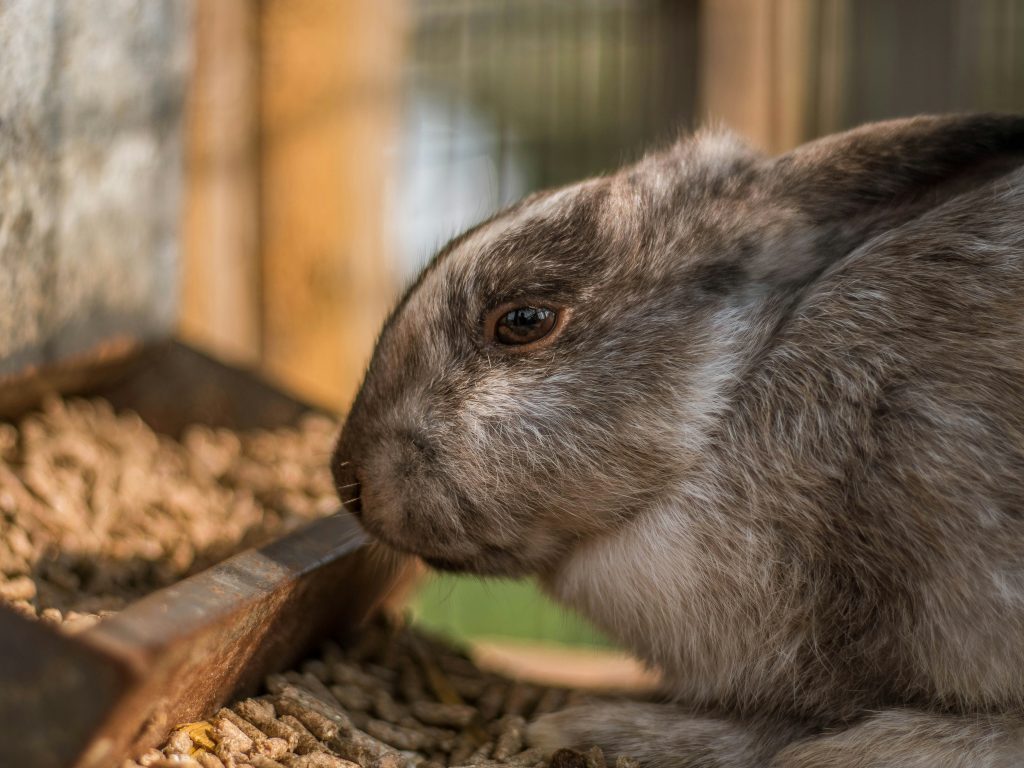
To ensure your rabbit remains securely within a safe physical baseline, use this streamlined monitoring checklist every morning and evening, which aligns with daily checks recommended in the People’s Dispensary for Sick Animals analysis of sleep cycles:
- Eating normally: The animal eagerly approaches and consumes their standard portions of fresh hay and pellets without hesitation.
- Drinking normally: Water levels in their designated bowl or bottle drop consistently over a standard twelve-hour tracking window.
- Droppings normal: Fecal pellets are abundant in number, uniform in diameter, perfectly round, and crumble easily under pressure.
- Activity normal: Your pet moves fluidly, explores their designated territory, and responds dynamically to subtle environmental changes.
- Behavior consistent: You observe zero instances of sudden territorial lunging, uncharacteristic hiding, or persistent pacing.
- Social interaction normal: They interact predictably and comfortably with human caretakers or their established bonded partner.
- Appearance unchanged: Their eyes remain clear, their nose is entirely dry, their posture is erect, and they display no signs of drooling.
Just keep in mind: The goal here isn’t to demand absolute perfection from your bunny every single day—it’s simply about catching obvious, noticeable departures from their usual personal routine before they turn into major health problems.
12. Frequently Asked Questions
How can I tell if my rabbit’s behavior change is emotional or medical?
Look for secondary clues alongside the personality shift. A purely emotional reaction—like getting spooked by a loud noise—usually happens in a vacuum without affecting your rabbit’s basic vitals. However, if a behavioral change is paired with a dropping appetite or a sudden shift in their litter box output, treat it as a medical issue.
What should I do if my rabbit’s behavior change doesn’t fit a specific category?
Monitor your rabbit over a strict 12-hour window while tracking exact food intake and fecal volume. If these core inputs and outputs stay steady, the shift is likely a temporary environmental reaction. If multiple vitals decline simultaneously, seek veterinary care immediately.
How long can I safely wait before calling the vet if my rabbit stops eating?
Never take a “wait and see” approach for missing appetite blocks. Because a rabbit’s digestion relies on constant movement, an animal that stops eating completely can develop life-threatening complications within 12 hours. Route these changes instantly to emergency medical resources.
Can a sudden rise in room temperature make my rabbit less active?
Yes, rabbits cope poorly with heat stress and will sharply decrease their physical movement to regulate core body temperature. If your rabbit becomes less active but continues to eat and poop normally, check environmental factors rather than assuming a medical emergency.
Why is my house-trained rabbit suddenly pooping outside the litter box?
This typically points to a territorial or bonding shift rather than a digestive health issue, provided the stool remains plump and normal. Alterations to their living environment or a new companion can cause protective marking behaviors that belong in our bonding routing clusters.
13. Conclusion: Understanding Structural Shifts
Learning to read your rabbit’s baseline shifts is one of the most critical skills you can develop as an owner. Because rabbits are prey animals biologically hardwired to conceal any hint of vulnerability, catching a health issue relies entirely on spotting subtle details rather than waiting for obvious signs of illness. By grouping these daily changes into clear buckets—like diet, litter box output, or social interaction—you instantly strip away the guesswork and ensure your response is both measured and accurate.
Ultimately, tracking these daily habits gives you a clear roadmap for action. Being able to confidently separate a brief emotional quirk from a serious digestive issue is exactly how you protect your rabbit’s long-term health while preserving your own peace of mind. By keeping a quiet mental checklist of their routine and cross-referencing any unusual behaviors, you can stay perfectly in tune with your pet’s physical wellness and underlying needs.
Medical & Veterinary Disclaimer: Bunnyowners.com is an informational resource for rabbit owners and enthusiasts. We are not veterinarians. The content on this website is for educational purposes only and is not a substitute for professional veterinary advice, diagnosis, or treatment. Always consult a qualified veterinarian with any questions or concerns regarding your pet’s health, medical conditions, diet, or overall care. If you have concerns about your rabbit’s health, it’s always best to reach out to a veterinarian rather than relying solely on information found online.