
Veterinary & Affiliate Disclaimer: Bunnyowners.com shares educational rabbit care resources, not professional veterinary advice. Always consult a qualified veterinarian regarding your rabbit’s medical, dietary, or behavioral needs. This post may also contain affiliate links; as an Amazon Associate and affiliate partner, we earn from qualifying purchases at zero extra cost to you.
Many caretakers find themselves asking a central question when they observe their pet in a state of deep, motionless repose: Is it normal for a rabbit to sit still for hours at a time? This uncertainty stems from the lagomorph’s evolutionary instinct to mask pain, which often leaves owners wondering if they are witnessing a restorative nap or the silent onset of a systemic medical crisis.
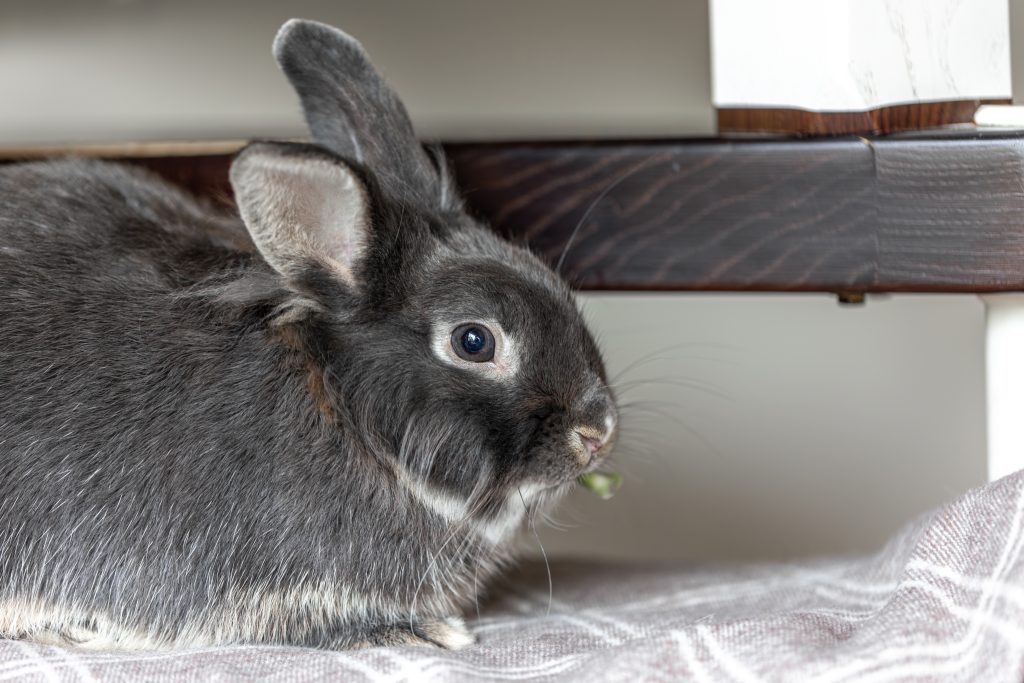
Yes, it is normal for a rabbit to sit still during their natural rest cycles, but they must remain alert and responsive to their environment. A healthy rabbit will react to sounds, movement, or the promise of food, whereas a lethargic rabbit appears disengaged, has a dull expression, and will not move even when stimulated by high-value treats or external noise. Distinguishing between a midday nap and a medical emergency is critical for maintaining systemic wellness and preventing gastrointestinal decline.
To navigate this biological uncertainty, this guide establishes a technical framework for observation rooted in rabbit health that I apply to my resident rabbits, Mocha and Chino. I will break down the crepuscular rhythm, provide diagnostic comparison tables to differentiate rest from illness, and outline the critical hydration and emergency protocols required to prevent your rabbit’s specialized digestive system from hitting a fatal metabolic bottleneck.
1. Understanding Normal Rabbit Resting Patterns
To determine what is abnormal, we must first establish the “control” of our home laboratory: the crepuscular rhythm. Rabbits are not nocturnal, nor are they diurnal. They have evolved to be most active during the twilight hours of dawn and dusk, when the light is low enough to provide cover from predators but sufficient for foraging.
The Activity Window
During the middle of the day, a rabbit’s metabolic rate naturally slows. It is entirely normal for a rabbit to remain in one spot for several hours between 10:00 AM and 4:00 PM. During this window, they are often processing “cecotropes”—specialized droppings that are re-ingested to maximize nutrient absorption. Stillness during this time is a sign of a healthy, functioning digestive system.
Table 1: Activity Levels by Time of Day
| Time of Day | Biological Activity Level | Clinical Significance of Stillness |
| Dawn (5 AM – 9 AM) | High (Peak) | Red Flag: Stillness suggests a lack of energy for peak foraging. |
| Midday (10 AM – 4 PM) | Low (Rest) | Normal: This is the standard metabolic nap window. |
| Dusk (5 PM – 9 PM) | High (Peak) | Red Flag: Stillness during the second peak is a high-intent sign of illness. |
| Night (10 PM – 4 AM) | Intermittent | Moderate: Rabbits may nap or forage; monitor for engagement. |
If your rabbit is motionless during their peak dawn or dusk windows, you are no longer looking at “rest.” You are looking at a diagnostic data point for potential illness.
2. Signs That Stillness Is Not Normal
The primary metric for a healthy rabbit is engagement. A researcher doesn’t just look at if the rabbit is moving, but how it responds to the world around it. This is the “Alertness Metric.”
The “Ear Radar” Test
A rabbit’s ears are not just for hearing; they are sophisticated radar dishes that track movement even when the rabbit is resting. If you enter the room and your rabbit’s ears do not pivot toward you, or if they remain “plastered” to the back without a twitch, the rabbit is likely withdrawing into itself to manage internal distress.
Signs a rabbit sitting still is NOT normal:
- Lack of Engagement: The rabbit fails to acknowledge the sound of a treat bag or your approach.
- Prolonged Stasis: The rabbit remains in the exact same position and orientation for more than 4–6 hours outside of rest windows.
- Physical Resistance: The rabbit does not hop away when gently nudged or touched.
- Pain Posture: The rabbit appears “hunched,” with eyes squinted and ears held tightly against the body.
3. Comparison: Healthy Rest vs. Medical Lethargy
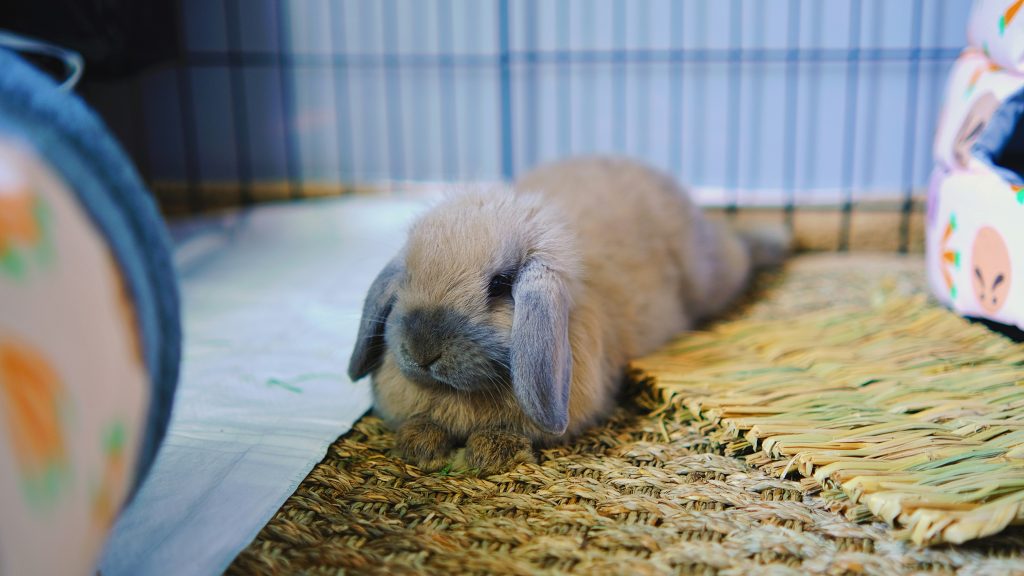
Distinguishing between a “happy loaf” and a “painful hunch” requires a keen eye for muscle tone and facial expression. A relaxed rabbit has a soft, rounded appearance. A sick rabbit looks “tucked” or “pressed” into the floor.
Table 2: How to Differentiate Rest from Illness
| Feature | Normal Resting Rabbit | Lethargic / Sick Rabbit |
| Response to Food | Enthusiastic; nose twitches rapidly. | Disengaged; may turn head away or ignore food. |
| Nose Twitching | Fast, rhythmic, and consistent. | Slow, shallow, erratic, or stopped entirely. |
| Muscle Tone | Relaxed, “doughy,” or sprawled out. | Rigid, hunched, or “tucked” abdomen. |
| Awareness | Alert; eyes bright and track movement. | Dull, glazed, or “sunken” eyes; disengaged. |
| Ear Temperature | Warm to the touch (thermoregulation). | Notably cold or excessively hot. |
The “nose twitch” is a useful secondary data point. A rabbit’s nose twitching is linked to their respiration and alertness; a significant slowdown often precedes a visible clinical decline.
4. Lethargy as a Medical Emergency
In the world of rabbit husbandry, lethargy is rarely a standalone symptom. It is usually the physical manifestation of a system-wide failure. When stillness is combined with a drop in body temperature, you have moved from “monitoring” to a life-threatening emergency.
The Hypothermia and Shock Threshold
Rabbits have a higher resting body temperature than humans. When their heart rate slows due to pain or illness, their extremities (ears and paws) lose heat first. According to the VCA Animal Hospitals on Rabbit Health, maintaining a rabbit’s core temperature is the first line of defense in an emergency.
- Normal Temperature: 38.3° C – 39.4° C (101° F – 103° F).
- Emergency Threshold: Below 37.8° C (100° F).
When is a lethargic rabbit an emergency?
- Anorexia: The rabbit has completely refused to eat pellets or hay for more than 6–8 hours.
- Cold Extremities: The ears feel significantly colder than your own skin, signaling metabolic decline.
- Unresponsiveness: The rabbit is limp or does not react to being handled.
- Mouth Breathing: A sign of terminal respiratory or cardiac distress.
- Inactivity: No fecal droppings have been produced in the litter box for over 6 hours.
5. Common Causes of Lethargy in Rabbits
Cause #1: Acute Pain (The Silent Mask)
Whether it is dental spurs or internal inflammation, pain causes a rabbit to enter a “shutdown” mode to conserve energy and avoid attracting predators. As noted by the RSPCA on Rabbit Welfare, pain in rabbits is often only visible through these micro-deviations in behavior.
Cause #2: GI Stasis (The Digestive Stalemate)
When smooth muscle contractions in the gut stop, gas builds up rapidly, causing excruciating pain. This creates a vicious cycle of anorexia and further hypomotility, transforming standard digesta into an acutely bloated, drum-tight stomach mass.
Cause #3: Environmental Heatstress
Rabbits do not sweat and dissipate heat only through their ears. When ambient temperatures exceed 26° C (78° F), they can quickly succumb to heatstroke. The first sign is profound lethargy, followed by rapid, shallow breathing.
Cause #4: Systemic Infection
Infections such as E. cuniculi or respiratory pasteurellosis can drain a rabbit’s reserves. Technical details on these pathologies can be found in the MediRabbit guide to urolithiasis and associated infectious diseases.
6. Symptom Combinations and Severity
Table 3: Symptom Matrix & Required Action
| Symptom Pairing | Potential Condition | Severity Level | Immediate Action |
| Lethargy + Cold Ears | Metabolic Shock | CRITICAL | Emergency Vet + Gentle Warmth |
| Lethargy + Not Eating | GI Stasis / Blockage | CRITICAL | Emergency Vet (Do not wait) |
| Lethargy + Hunched Back | Acute Pain | HIGH | Vet appointment within 4 hours |
| Lethargy + Heavy Breathing | Heatstroke / Infection | HIGH | Immediate cooling or Vet visit |
As outlined in the Merck Veterinary Manual, any combination of lethargy and anorexia is a clinical emergency.
7. Immediate Action Steps: The “Treat Test”
The Researcher’s Protocol
If you suspect lethargy, move from observation to testing:
- The High-Value Treat Test: Offer a favorite pellet or herb. A “sick” rabbit will ignore it or turn away.
- Check for Droppings: If there have been no new pellets passed in 4–6 hours, the gut is likely in stasis.
- Check Temperature: Gently feel the ears. Cold ears indicate a slowing circulatory system.
- Offer Water: Encourage drinking to keep the gut hydrated.
Hydration Strategies
Hydration is the gut’s vital “lubricant.” When food mass dries into a brick, it frequently triggers the onset of rabbit urinary problems.
- Wet Forage: Serve all leafy greens dripping wet. This “wet salad” protocol ensure every calorie consumed provides a mechanical advantage for kidney flushing.
- Flavoring: Add a splash of unsweetened apple juice or aquafaba to the bowl to incentivize drinking. Oxbow Animal Health identifies consistent water intake as the most critical factor in preventing the “stasis stalemate.”
- Manual Flushing: If voluntary drinking stops, syringe-feed 5-10 cc of water every hour to prevent stomach contents from hardening.
8. Critical Warnings: What NOT to Do
- The “Wait and See” Fallacy: Never wait 12 hours. A delay in treatment is often the difference between a successful recovery and a sudden death health crisis.
- Forced Exertion: Do not force a lethargic rabbit to move; the surge of adrenaline can induce cardiac arrest.
- Home Medication Risks: Strictly avoid human pain relievers like ibuprofen, which are highly toxic to rabbits. As noted by the AVMA on Pet Care, physical movement is vital, but forced exercise in a crisis is dangerous.
9. Frequently Asked Questions
Is my rabbit tired or sick? Tired rabbits remain alert, reacting to noise or treats with ear flicks. Sick rabbits are disengaged, ignoring stimuli and showing glazed or sunken eyes.
Why is my rabbit laying down and not moving? Relaxed side-flops are trust markers. However, a hunched posture signifies pain, and limpness suggests life-threatening circulatory shock.
Can a rabbit recover from lethargy on its own? Rarely. Lethargy combined with anorexia is a biological shutdown requiring professional fluids, pain relief, and motility agents to restart the digestive system.
How fast does a rabbit’s health decline? Extremely fast. A rabbit can transition from “quiet” to “critical” in 4 to 6 hours. Early symptoms often indicate an advanced underlying crisis.
What is the normal temperature for a rabbit? The core range is 38.3°C – 39.4°C. Temperatures below 37.8°C represent a medical emergency, while those above 40°C signal dangerous fever or heatstroke.
Can underlying oral issues cause full-body lethargy?
Yes. Untreated overgrown teeth and dental disease cause excruciating mucosal ulcers, forcing the rabbit to stop eating and withdraw into a state of deep, painful exhaustion.
10. Final Recommendations for Long-Term Monitoring
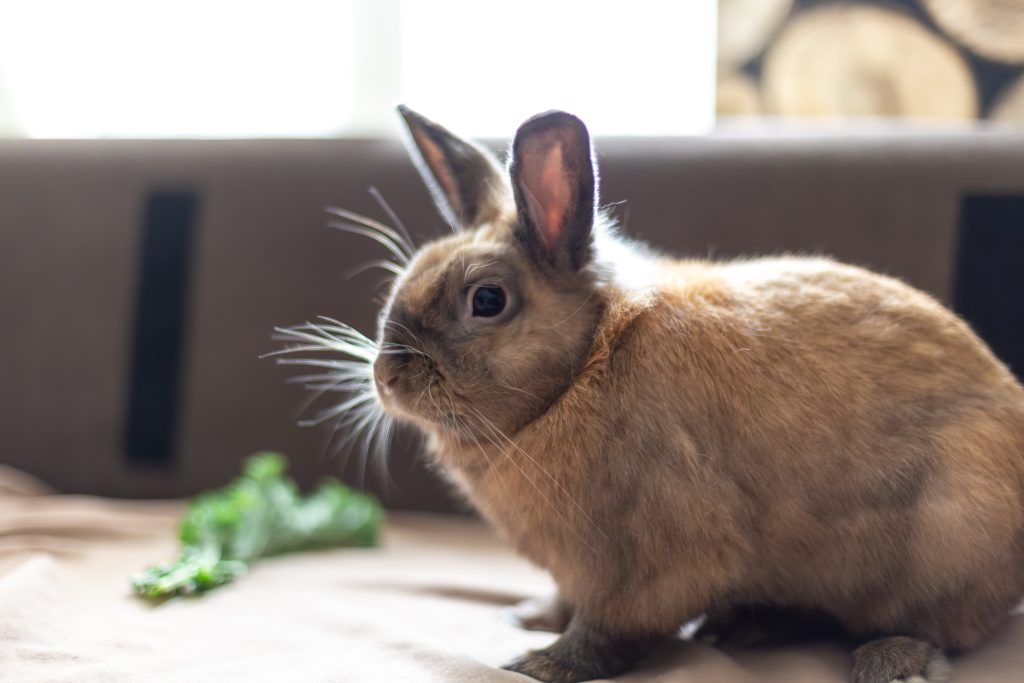
Effective ownership is built on the “Home Laboratory.” Knowing your rabbit’s “Normal Activity Baseline” is the best early-warning system. Through my daily observations of Mocha and Chino, I’ve come to view the litter box as a laboratory—monitoring the color, consistency, and frequency of output as the primary data points for their systemic health.
Consistent water intake and a low-calcium diet, as outlined in the House Rabbit Society on Diet, are your primary safeguards. For ongoing health monitoring tips, the PDSA Rabbit Health hub is an excellent resource. Additionally, my rabbit health guide provides further context on maintaining systemic wellness.
Final Summary:
- Stillness is normal; Disengagement is a crisis.
- Temperature is the best indicator of circulatory health.
- Observation is your early-warning shield.
Medical & Veterinary Disclaimer: Bunnyowners.com is an informational resource for rabbit owners and enthusiasts. We are not veterinarians. The content on this website is for educational purposes only and is not a substitute for professional veterinary advice, diagnosis, or treatment. Always consult a qualified veterinarian with any questions or concerns regarding your pet’s health, medical conditions, diet, or overall care. If you have concerns about your rabbit’s health, it’s always best to reach out to a veterinarian rather than relying solely on information found online.