
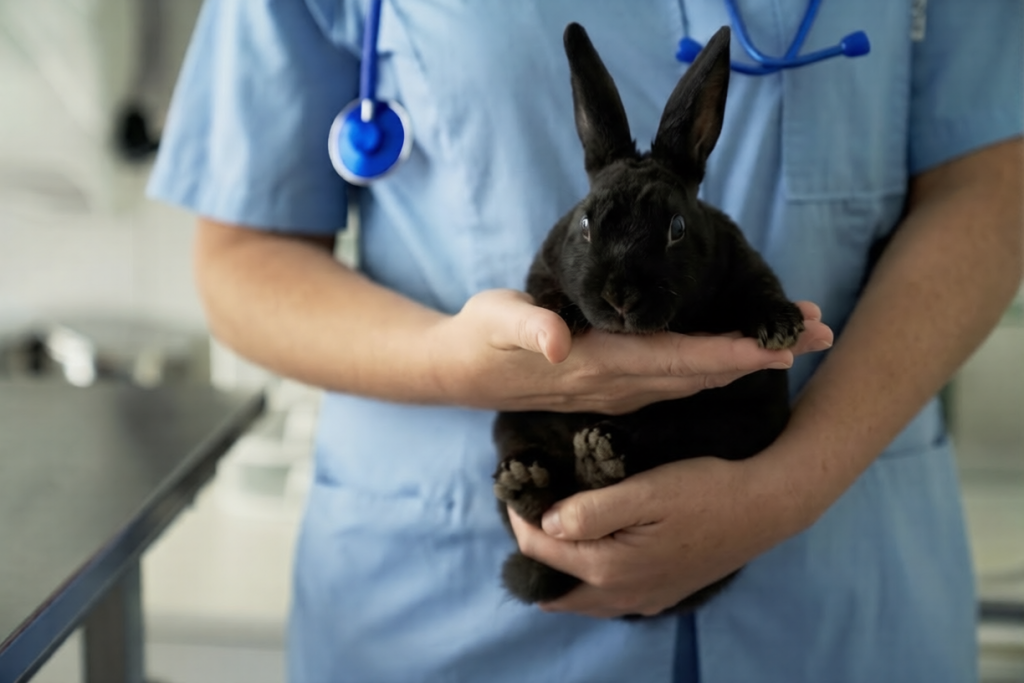
Veterinary & Affiliate Disclaimer: Bunnyowners.com shares educational rabbit care resources, not professional veterinary advice. Always consult a qualified veterinarian regarding your rabbit’s medical, dietary, or behavioral needs. This post may also contain affiliate links; as an Amazon Associate and affiliate partner, we earn from qualifying purchases at zero extra cost to you.
Rabbits are biologically hardwired to hide illness as a core survival mechanism. In the wild, showing any sign of weakness—be it a limp, a lethargic gait, or a lack of appetite—invites immediate predation. In a domestic setting, this means symptoms often remain invisible to the owner until a condition has reached a critical, and sometimes irreversible, stage. Because their metabolic rate is exceptionally high and their digestive systems operate on a “perpetual motion” basis, a minor physiological glitch can escalate into systemic failure within a 12-to-24-hour window.
Maintaining long-term rabbit health requires a proactive, evidence-based approach centered on five core pillars:
- Unlimited Grass Hay: Providing constant access to Timothy, Orchard, or Meadow hay to ensure gut motility and natural dental wear.
- Daily Monitoring: Systematically tracking “output” (fecal size/consistency) and “input” (water and food consumption) with clinical precision.
- Clean, Low-Stress Environment: Maintaining a predator-free, quiet space with stable temperatures to prevent cortisol-driven immune suppression.
- Regular Veterinary Care: Scheduling annual exams with a rabbit-savvy specialist and staying current on vaccinations (such as RHDV2).
- Immediate Emergency Action: Treating any cessation of pooping or eating for more than 12 hours as a life-threatening medical emergency.
The vast majority of domestic rabbit health crises stem from dietary mismanagement (specifically a lack of long-strand fiber) and environmental stress. These factors lead directly to Gastrointestinal (GI) Stasis and dental malocclusion—the two primary reasons for emergency veterinary admissions. Secondary causes include lack of exercise, which leads to obesity and pododermatitis, and delayed veterinary intervention due to a failure to recognize subtle behavioral shifts.
1. Biological Differences in Rabbits
To understand the health of rabbits, we must first deconstruct their evolutionary history. Unlike dogs or cats, who have spent millennia as predators, rabbits have evolved as “the world’s snack.” This position in the food chain has dictated every aspect of their physiology. Think of them as high-strung athletes living in a state of permanent existential dread. Their 360-degree vision and incredible metabolic pathways are built for one thing: survival through flight.
In the wild, a rabbit’s life is a constant calculation of risk versus reward, and their internal systems reflect this high-stakes reality. Their anatomy is a masterclass in efficiency; light bones for speed, large ears for thermoregulation and acoustic detection, and a digestive tract designed to squeeze every calorie out of the most nutrient-poor forage available.
Prey Instinct and Hiding Pain
Their primary defense is silence. In my time studying these animals, it becomes clear that the “Prey Mask” is a biological imperative. If a rabbit looks tired, it gets hunted. This is why even with a molar spur digging into their tongue, they will mimic eating behaviors. They sit by the hay, move their jaws, and deceive the casual observer. They aren’t lying; they are surviving.
This deception extends to their posture—a rabbit will often sit in a “loaf” to hide the fact that they are shivering from pain or that their abdomen is distended with gas. Rabbits have a “freeze” response that can be mistaken for calmness; in reality, a frozen rabbit is often in a state of extreme tonic immobility, a last-ditch survival effort that causes a massive spike in circulating catecholamines, which can actually damage cardiac tissue over time. It’s a high price to pay for safety.
Metabolic Rate and System Failure
Rabbits have a heart rate that can exceed 300 bpm during stress, which facilitates the rapid delivery of oxygen to muscles for flight. However, this high-energy state requires a constant influx of calories to maintain a blood glucose level that remains remarkably stable in health but crashes catastrophically in illness. When a rabbit stops eating, they do not simply “lose weight” like a human would over several days.
Instead, they enter a state of hepatic lipidosis—where the liver is overwhelmed by fat stores being mobilized too quickly—within as little as 24 hours. Their biological “clock” runs much faster than ours; a single day without food for a rabbit is physiologically equivalent to a human going nearly a week without sustenance.
This is compounded by the fact that their gut flora is highly pH-sensitive; without constant fiber intake, the pH shifts, killing off beneficial symbionts and allowing pathogens like Clostridium to thrive, releasing toxins that lead to multi-organ failure with terrifying speed.
Importance of the “Golden Hour”
The window for intervention in rabbit medicine is notoriously narrow. Most researchers refer to the first 12 hours of a gut slowdown as the “Golden Window.” During this time, the gut is still hydrated enough that motility agents like Cisapride can restart the system.
Once you pass the 24-hour mark, the stomach contents often dehydrate into a solid mass known as a trichobezoar, which can create a physical blockage that no medication can move. Research suggests that for every hour stasis goes untreated, the metabolic cost to the rabbit increases significantly, leading to secondary issues like electrolyte imbalances and renal strain.
2. Identifying a Healthy Rabbit
Establishing a “control group” is the first rule of research. For a rabbit owner, that control group is your rabbit on a perfectly healthy Tuesday afternoon. You cannot spot a deviation if you don’t know the baseline. In my work, I’ve found that observing the social rituals of a bonded pair like my rabbits, Mocha and Chino, provides the most accurate data.
For example, if Mocha is usually the one to initiate the morning grooming session or wait for Chino to start eating his pellets before joining in, a shift in that hierarchy is an early warning. If Mocha lingers in her hidey-house for an extra ten minutes past breakfast time, I know the data set has been compromised. A physical check is then non-negotiable.
How to Check Vital Signs
Establishing a “Wellness Baseline” is essential. You should learn to take these vitals when the rabbit is relaxed, not after a stressful event like a bath or a car ride.
Normal Temperature
A rabbit’s normal temperature is 38.5°C to 40°C (101.3°F to 104°F). This is a narrow window. If a rabbit’s temperature hits 38°C (100°F), they are likely entering shock. This hypothermia occurs because the rabbit’s body pulls blood away from the skin and extremities to protect the core organs during systemic failure. Because of their high surface-area-to-volume ratio, they lose heat rapidly once the metabolic furnace slows down. It is a downward spiral that is hard to stop once it begins.
Normal Heart Rate
At 130 to 325 bpm, a rabbit’s heart is a high-speed engine. You can feel this by placing your palm under their chest just behind the front legs. A “slow” heart rate (bradycardia) in a rabbit is often more concerning than a fast one (tachycardia), as it indicates the body is losing the ability to maintain blood pressure and is entering the final stages of collapse.
Normal Breathing
Normal breathing is 30 to 60 breaths per minute. Look for “chest heaving” or “flaring nostrils.” A rabbit that is “panting” like a dog is in critical respiratory distress or experiencing heatstroke. Researchers look for “abdominal effort” in breathing, which indicates the diaphragm is working overtime to compensate for poor oxygen exchange in the lungs.
Evaluating Poop Health
If a researcher could only look at one metric for rabbit health, it would be the poop. The rabbit gut is a conveyor belt; what comes out the back is a direct report on the state of the machinery inside.
Size and Color Standards
Healthy pellets should be large, round, and light-colored (the color of dried hay). Dark, small, or crumbly pellets indicate dehydration or a slow gut. If you see “pear-shaped” or hooked pellets, the gut is struggling to move material efficiently, often due to a lack of hydration or the early stages of a hair-related slowdown.
Connected Poops
This occurs when fecal pellets are connected by hair. While common during a molt, it indicates that the rabbit is ingesting too much fur and needs more hydration and fiber to move that hair through the system safely. It is a sign that the mechanical “sorting” in the colon is becoming cluttered with non-digestible keratin, which risks a physical impaction.
Normal vs. Abnormal Cecotropes
Cecotropes are nutrient-rich fermentations that look like clusters of grapes. Finding them on the floor is a “red flag” data point. It means the rabbit is either too obese to reach them, has arthritis in the spine (preventing the necessary reach), or the diet is so high in sugar/protein that the cecum is over-producing, leading to “mushy” output that the rabbit finds unpalatable.
TABLE 1 — Normal vs Abnormal Rabbit Health Signs
| Category | Normal Baseline | Warning Sign (Red Flag) |
| Appetite | Immediate interest in hay/treats | Sniffing food and walking away |
| Fecal Size | Large, uniform spheres (approx. 1cm) | Tiny “peppercorn” pellets or none |
| Behavior | Curious, social, grooming partner | Hiding, lethargy, “face to the wall” |
| Vitality | Binkies, zooms, ears alert | Ears flat, eyes squinted, “loafing” |
| Eye Clarity | Bright, dry, and clear | Weeping, discharge, or squinting |
3. Early Warning Signs of Illness
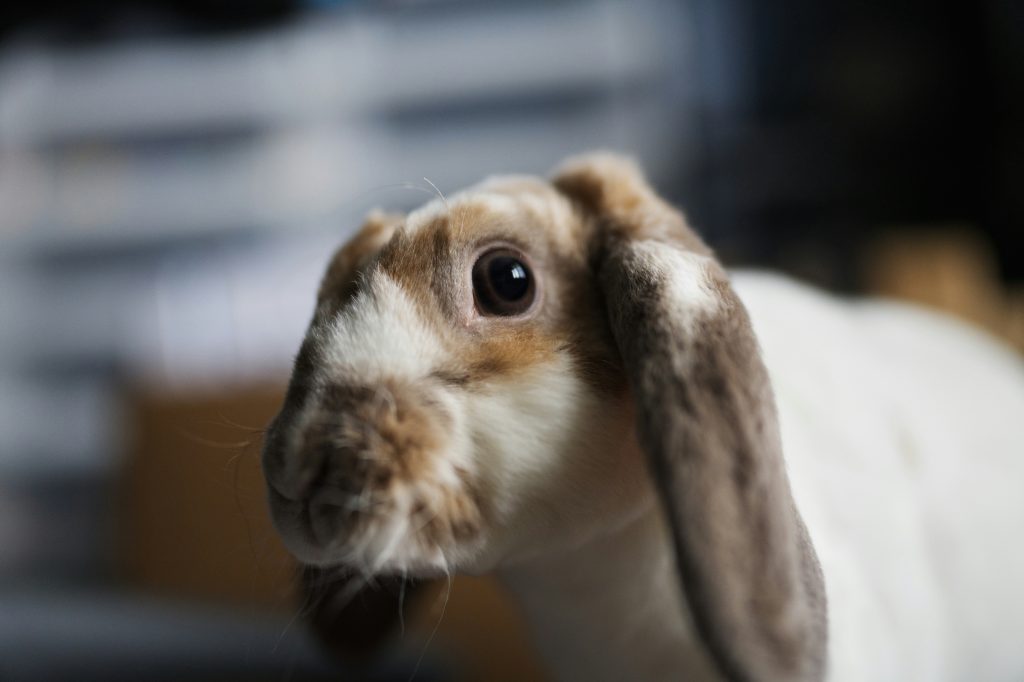
The transition from a “pre-symptom” to a full crisis is often measured in millimeters. As a owner, you must become familiar with the Rabbit Grimace Scale (RGS). This is a peer-reviewed method for assessing pain by observing specific “facial action units” that are consistent across the species. It moves us beyond “he looks sad” into quantifiable data.
Identifying Pain in the Face
A rabbit in pain does not cry out; their face simply “contracts” in a predictable pattern.
- Orbital Tightening: A healthy rabbit has round, bright eyes with clear corneas. A pained rabbit will “squint,” narrowing the eye aperture as a reflex to internal distress.
- Cheek Flattening: Pain causes tension in the masticatory muscles, making the cheeks look “flat” or “sunken” compared to their normal roundness. This is often accompanied by a tightening of the jaw.
- Nose/Muzzle Shape: Watch the “V” of the nose. Pain causes the muzzle to contract, making the nose look more pointed and the philtrum (the slit in the lip) look more pronounced.
- Ear Position: While ears move for communication, “pained ears” are often held tightly back against the body or splayed unusually far apart in a “stiff” manner, separate from a relaxed “resting” position.
- Whisker Change: Whiskers should fan out symmetrically. Pain causes them to droop, bunch together, or even twitch in an asynchronous fashion.
Changes in Normal Behavior
The “Nudge Test” is a favorite researcher’s diagnostic. A healthy rabbit, even a sleepy one, will react to a gentle nudge with a “head flick” or by moving away to find a new napping spot. A rabbit in pain will often remain completely still, essentially “frozen” in their discomfort, hoping that by not moving, the pain will not increase. Another subtle sign is “pica”—if you see your rabbit suddenly trying to eat their litter or the carpet, they are often trying to find a source of roughage to jumpstart a stalling gut, a behavioral attempt to fix a physiological problem.
Serious Emergency Indicators
If you see any of the following, stop reading and go to a vet:
- Mouth Breathing: Rabbits are obligate nasal breathers. Mouth breathing is a sign of terminal respiratory failure or severe pulmonary edema.
- Seizures or Paralysis: Indicates a severe neurological event, such as an E. cuniculi flare-up, or extreme shock.
- Cold Ears: Indicates the body is redirecting blood flow away from extremities (vasoconstriction) to protect vital internal organs like the heart and brain.
4. Digestive Disorders and GI Stasis
The rabbit digestive tract is a masterpiece of biological engineering—a dual-pathway system designed to extract every possible calorie from low-nutrient forage. However, this complexity makes it prone to “mechanical failure” if the fiber-to-starch ratio is imbalanced.
How GI Stasis Happens
GI Stasis is not a single disease but a systemic failure. When motility stops, the lack of movement causes the moisture in the gut to be reabsorbed, leaving behind a “dehydrated mass” of food and hair. This mass acts as a plug. VCA Animal Hospitals defines this as a medical emergency because the gas produced by the trapped bacteria cannot escape, causing the stomach or cecum to distend. This distension stretches the pain receptors in the organ walls, leading to a drop in blood pressure and eventual shock.
Role of the Cecum
The cecum is where the real magic happens. It is a large sack at the junction of the small and large intestines filled with a delicate balance of bacteria, yeasts, and protozoa. If a rabbit eats too much sugar (like a carrot or a fruit treat), the pH of the cecum drops, killing the “good” bacteria and allowing Clostridium or E. coli to thrive.
This leads to enterotoxemia—a rapid poisoning of the blood by bacterial byproducts. Researchers have found that a healthy cecum should maintain a slightly acidic pH to support the production of volatile fatty acids (VFAs), which are the rabbit’s primary energy source.
Distinguishing Bloat from Stasis
As a owner, you need to be able to distinguish between “stasis” (slow) and “bloat” (acute).
- Stasis: The stomach feels soft; the decline is over 12-24 hours.
- Bloat: The stomach feels like a hard, tight balloon (like a basketball). The rabbit may be panting or lying on its side. Bloat is a surgical emergency with a very short survival window. In bloat cases, the gas buildup is so severe that it can actually compress the vena cava, preventing blood from returning to the heart.
TABLE 2 — Digestive Issues Comparison
| Condition | Key Symptom | Primary Cause | Severity |
| GI Stasis | Gradual reduction in poop | Low fiber, pain, stress | Critical |
| Bloat | Hard, distended abdomen | Acute blockage | Emergency |
| Cecal Dysbiosis | Smelly, mushy droppings | High sugar / Pellets | Moderate |
| True Diarrhea | Completely liquid stool | Bacterial toxins | Emergency |
5. Understanding Dental Disease
Rabbits are “hypsodonts,” meaning their teeth possess open roots and grow continuously throughout their lives. Unlike human teeth, which are static, rabbit teeth are biological conveyor belts that require constant maintenance.
The Grinding Mechanism
A rabbit needs to chew at least 120 times per minute to maintain dental health. The silica in grass hay acts as a natural sandpaper. If a rabbit is fed primarily pellets, they use an “up-and-down” chewing motion, which does not wear the molars.
Hay requires a “side-to-side” lateral grinding motion, which is the only way to prevent the formation of molar spurs. Research into dental enamel shows that the outer layer is incredibly hard, but the inner dentin is softer, which allows the teeth to wear into a “self-sharpening” chisel shape when the correct forage is provided.
Signs of Molar Spurs
Most owners only check the front teeth (incisors), but the back molars are where 90% of dental disease occurs. When these teeth don’t wear down, they develop “spurs”—sharp spikes of enamel that grow into the tongue or cheeks. UC Davis Veterinary Medicine notes that dental care is a lifetime commitment. Signs include “the slobbers” (drooling), dropping food, or even foul-smelling breath as the lacerated tissue in the mouth becomes infected.
Dangers of Root Abscesses
If the crown of the tooth cannot grow upward because it is blocked by the tooth above it, the “growth pressure” pushes the root downward into the jawbone. This creates root abscesses—pockets of infection that are notoriously difficult to treat because rabbit pus is thick and “cheesy,” preventing it from draining naturally. In severe cases, these roots can grow into the nasal cavity or the eye socket, causing chronic respiratory issues or bulging of the eyeball.
6. Sore Hocks (Pododermatitis)
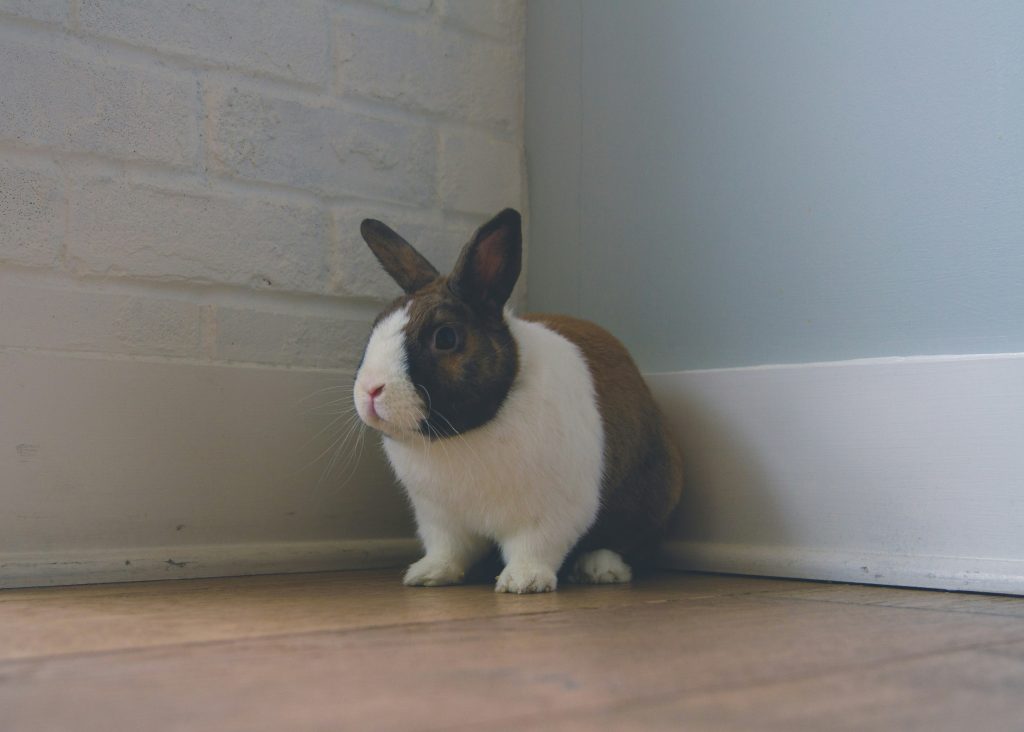
In the engineering of the animal kingdom, the rabbit foot is a specialized tool for sprinting on soft earth. It was never designed for the friction of modern flooring or the stationary lifestyle of many domestic pets.
Why Rabbits Lack Paw Pads
They have no “cushion” between their skin and the bone of the hock. They rely entirely on a dense mat of fur to distribute their weight. Once that fur is worn away (due to obesity, hard floors, or damp bedding), the skin becomes inflamed. This is Pododermatitis. Grade 1 starts as simple fur thinning, but by Grade 5, the infection can reach the bone (osteomyelitis), which is often a terminal diagnosis.
Flooring and Traction Risks
As a researcher, I’ve noted that hardwood floors are often a primary culprit in pododermatitis. Because rabbits have no “grip” (no paw pads), they must use their claws to stabilize. On hardwood, they “slip-slide,” creating shearing forces on the skin of the hock. This friction creates micro-tears that allow bacteria like Staphylococcus aureus to enter. Non-slip rugs or memory foam mats are a medical necessity, providing the surface area needed to distribute the rabbit’s weight away from the sensitive hock bone.
TABLE 3 — Flooring Type vs. Hock Health Risk
| Flooring Type | Risk Level | Medical Impact |
| Wire Flooring | Critical | Cuts fur; prevents natural weight shifting |
| Polished Hardwood | High | Shearing friction; muscle/joint strain |
| Commercial Carpet | Moderate | Abrasive “rug burn” on delicate skin |
| Fleece / Grass Mats | Safe | Even weight distribution; high grip |
7. Calcium Metabolism and Bladder Sludge
Rabbits process calcium differently than almost any other mammal on the planet. In humans, we only absorb what we need and the rest is discarded in the feces; rabbits absorb almost 100% of the calcium they eat and must flush the excess through their kidneys and into their urine.
Understanding Bladder Sludge
If a rabbit is fed a diet high in calcium (like Alfalfa hay or too much kale) and doesn’t drink enough water to keep the kidneys flushed, that calcium precipitates out as a thick, sandy sediment in the bladder. This is “Bladder Sludge.” It has a heavy, grainy consistency that irritates the bladder wall. The Royal Veterinary College notes that sludge is the precursor to bladder stones. These stones (uroliths) can be jagged and cause significant bleeding (hematuria) and pain.
Monitoring Urine for “White Spots”
A healthy rabbit will have slightly cloudy urine. However, if you see a thick, chalky white spot on the litter that feels gritty like wet sand to the touch, your rabbit’s “calcium-to-water” ratio is off. This is a cue to increase hydration (using wide water bowls rather than drip bottles) and switch to low-calcium greens like cilantro, romaine, or raspberry leaves. Increasing exercise also helps, as the physical movement helps keep the sludge suspended in the urine so it can be passed more easily.
8. Viral Threats (RHDV2 and Myxomatosis)
We are currently in a high-risk era for rabbit epidemiology. Rabbit Hemorrhagic Disease Virus (RHDV2) is a highly stable calicivirus that can survive for months on a surface, in the soil, or even through freezing temperatures.
Myths of Indoor Rabbit Safety
Many owners believe their indoor rabbits are safe. This is a dangerous myth that costs lives. RHDV2 can be brought into the home on your shoes, on your clothes, or via a single mosquito or fly that bites an infected wild rabbit and then enters your home. The virus causes acute liver necrosis and internal hemorrhaging. Often, the only symptom is sudden death.
Vaccination is the only reliable biosecurity measure. Wildlife Health tracks current North American outbreaks; if it’s in your state, vaccination is no longer an “option”—it’s a requirement for survival. Experts also recommend a 10-minute bleach soak for any shoes worn in “high-risk” outdoor areas.
Myxomatosis and Insects
While RHDV2 gets most of the press in 2026, Myxomatosis remains a threat, particularly in coastal regions where mosquito populations thrive. It is transmitted primarily by fleas and mosquitoes. Signs include severe swelling of the eyes, ears, and genitals, often referred to as “Myxo-eyes.” There is no cure; prevention through insect-proofing and monthly flea treatment is the only approved strategy.
9. Hygiene and Maintenance
As an owner, you cannot be squeamish about the biological realities of your pets. A rabbit’s hygiene is a direct indicator of their mobility and metabolic health.
Cleaning Scent Glands
Rabbits have scent glands in “slits” on either side of their anus. These glands produce a waxy, dark, and often pungent buildup called “shmoo.” In an active, healthy rabbit, this is usually managed through self-grooming. However, in older or obese rabbits, it can build up and become a solid, pungent mass that causes localized skin infection or “bumblefoot” of the perineum.
Checking these monthly and cleaning them with a moistened Q-tip is a “Researcher’s Protocol” that prevents many secondary skin issues. The buildup is actually a mixture of glandular secretions and shed skin cells that, if left alone, can become quite hard and uncomfortable.
Risk of Flystrike
“Poopy butt” is never just a mess; it’s a failure of either diet (cecal dysbiosis) or mobility (arthritis). If a rabbit cannot reach its backside to clean it, they are at extreme risk for Flystrike. Flies are attracted to the moisture and odor; they lay eggs in the fur, and the maggots hatch within hours, literally eating the rabbit’s living tissue.
This is a 10/10 emergency and can happen in less than half a day during summer months. Owners should perform a “tail-end check” twice a day when temperatures rise above 20°C (68°F).
10. Mental and Psychological Health
In lagomorph biology, the brain and the gut are intrinsically linked. Stress triggers a “fight-or-flight” response that diverts blood away from the digestive tract to the heart and lungs, physically stopping gut motility.
The Benefit of Bonding
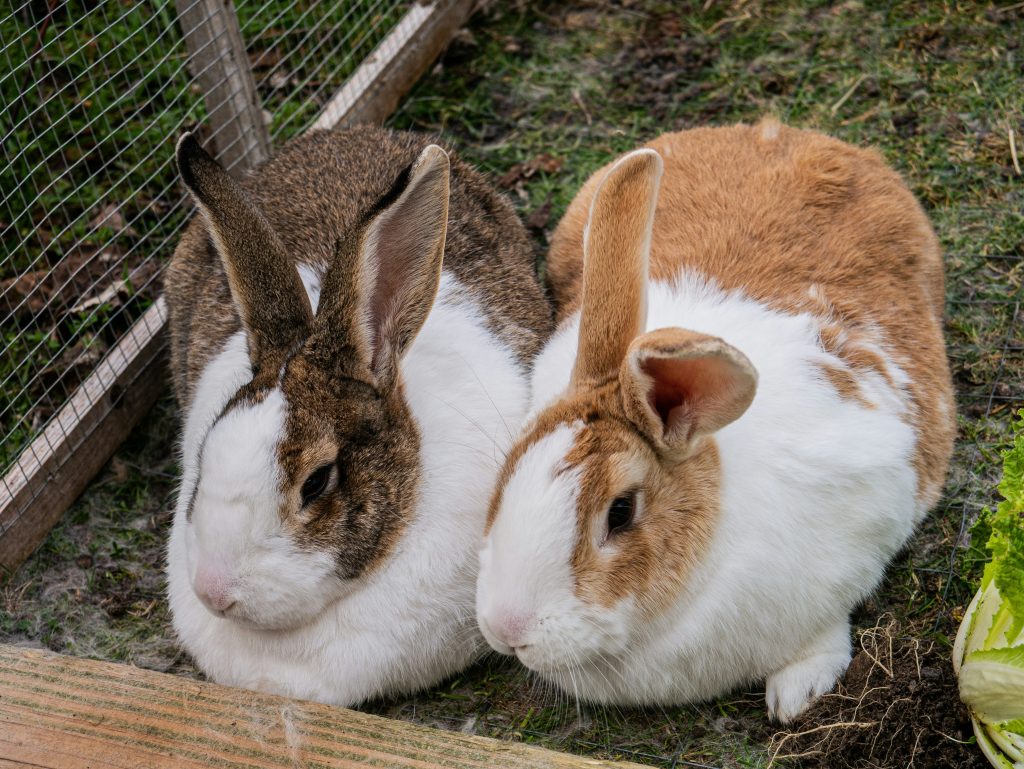
Rabbits are obligate social animals. Observing the daily interactions of a bonded pair like Mocha and Chino shows how they use each other as a “stress buffer.” When one rabbit is frightened, the presence of the other acts as a neurochemical anchor, lowering their heart rate faster than a lone rabbit. Solitary rabbits are statistically more prone to “loneliness-induced stasis,” where the lack of mental stimulation leads to a sedentary lifestyle and gut slowdown.
I’ve observed that bonded pairs often synchronize their naps and meals, a behavior that lowers their baseline cortisol and keeps their immune systems robust against opportunistic infections.
Using Enrichment as Medicine
A rabbit that is bored is a rabbit that is stressed. Providing “foraging opportunities” (hiding food in cardboard boxes, hay tunnels, or treat balls) isn’t just about fun; it’s about ensuring the rabbit stays moving. Movement is the mechanical driver of the gut.
I recommend changing enrichment items weekly to keep the data set (behavior) fresh and active. “Destruction toys” like willow balls or cardboard castles allow rabbits to exhibit natural behaviors that prevent the psychological frustration which often leads to gut-slowing stress.
11. Reproductive Health Risks
The hormones that drive a rabbit’s high reproductive rate are also the ones that cause their early demise in captivity. Reproductive health is an area where “waiting” is a fatal strategy.
Uterine Cancer Hazards
For unspayed female rabbits over the age of 4, the risk of uterine cancer is a staggering 80%. This is one of the highest cancer rates in any mammal species. Because it is an internal cancer, it is often not detected until it has metastasized to the lungs, at which point the rabbit may show a “honking” breath or persistent cough.
Spaying is a preventative medical requirement for any female rabbit. The House Rabbit Society provides data on why desexing is the primary factor in female longevity. Spaying also eliminates the risk of “false pregnancies,” which are stressful hormonal events that can cause the rabbit to stop eating.
Hormonal Stress and Neutering
Neutering males is equally important for long-term health. While they don’t face the same high cancer risks as females, unneutered males are in a constant state of hormonal stress, which can lead to aggression, “spraying” behavior, and obsessive mounting.
This stress keeps their baseline cortisol levels higher, making them more susceptible to immune-related issues. Neutering usually results in a more relaxed subject that is easier to bond with a companion, further improving their health through the “stress buffer” effect.
12. Eye, Ear, and Cardiac Health Deep-Dive
While the gut and teeth take priority, the secondary systems are often where “silent” chronic issues reside, requiring a keen eye to detect.
Tear Ducts and Tooth Roots
Rabbits have a single tear duct that runs from the eye, right past the roots of the upper teeth, into the nose. If a rabbit has overgrown tooth roots (retrograde growth), those roots will pinch the tear duct shut. This causes “weepy eyes” (dacryocystitis). If you see white, milky tears, it’s often not an eye infection—it’s a dental problem masquerading as one. Long-term blockage can lead to permanent scarring of the duct, requiring lifelong eye maintenance.
Head Tilt (E. Cuniculi)
E. cuniculi is a microscopic parasite that affects the brain and kidneys. The most famous symptom is “Head Tilt” (torticollis), where the rabbit’s world is literally turned sideways. House Rabbit Network notes that stress is the primary trigger for a flare-up. This must be distinguished from deep inner ear infections (otitis media/interna), which often involve a “Pasteurella” colonization in the tympanic bulla and may require a CT scan for a definitive diagnosis.
Senior Cardiac Care
Senior rabbits (7+ years) are increasingly diagnosed with congestive heart failure. Symptoms are subtle: a slight reduction in activity, heavy “chest” breathing, or a blue tinge to the mucous membranes (cyanosis). Owners must monitor seniors for any decline in “zoom” frequency as a potential cardiac marker. Medications like Enalapril or Pimobendan are now being used successfully in senior lagomorphs to extend their quality of life.
13. Common Rabbit Health Myths
To be a #1 resource, we must correct the misinformation that litters the pet industry and harms our subjects.
- Myth: “Carrots are a staple food for rabbits.”
- Reality: Carrots are pure sugar to a rabbit. It’s the equivalent of a human living on candy bars. Sugar destroys the pH balance of the cecum, leading to a “gut bomb” of pathogenic bacteria.
- Myth: “Rabbits are great starter pets for kids.”
- Reality: They are fragile, expensive, exotic patients. Their skeletons are light—bones make up only 7-8% of their body weight—and a fall from a child’s arms can easily break a rabbit’s back.
- Myth: “Rabbits don’t need vaccines if they stay inside.”
- Reality: Insects and shoes are the primary vectors for RHDV2. No rabbit is “safe” without a vaccine. Even a single fly entering the house can be a lethal vector.
- Myth: “Rabbits love bread and crackers.”
- Reality: Starch is nearly as dangerous as sugar. It causes a rapid fermentation that leads to painful gas and stasis.
14. Medication Guide
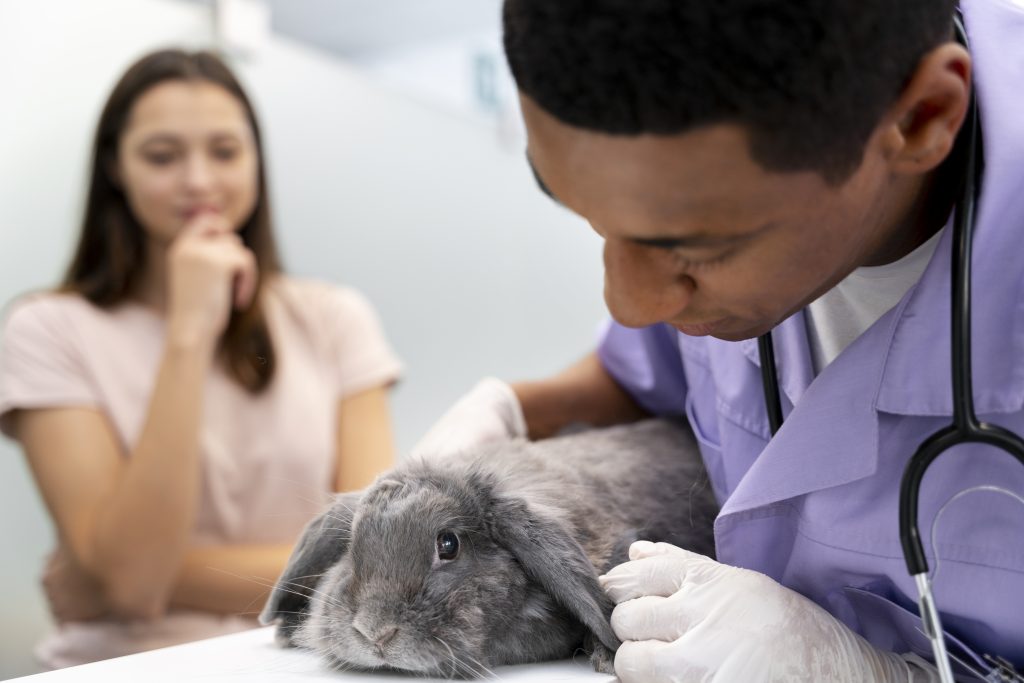
Owners should know and understand exactly what their vet is prescribing. Rabbits metabolize drugs much faster than cats or dogs, requiring different dosing strategies.
- Meloxicam (Metacam): A high-potency NSAID. Rabbits often need doses 5-10 times higher than a dog to achieve the same pain relief due to their high metabolic clearance rate. It is essential for managing the pain that causes gut-stopping stress.
- Cisapride / Metoclopramide: The “gut starters.” These drugs stimulate the muscles of the stomach and small intestine to move food through. They should only be used after a vet has confirmed there is no physical blockage.
- Simethicone: Baby gas drops. These break up the “surface tension” of gas bubbles, making them easier for the rabbit to pass. It is one of the few medications safe for “at-home” initial intervention.
- Enrofloxacin (Baytril): A common broad-spectrum antibiotic. However, penicillins (like Amoxicillin) are orally toxic to rabbits as they destroy the gut flora; they must only be given as injections.
15. Essential First Aid Kit Protocol
Every rabbit owner needs a field kit. This is your “Immediate Response” protocol for when the data takes a turn for the worse.
TABLE 4 — The Essential Rabbit First Aid Kit
| Item | Purpose | Usage Protocol |
| Critical Care | Nutritional support | Mix with warm water to a pudding consistency. |
| Simethicone | Gas relief | 1 ml every hour for the first 3 hours of stasis. |
| Digital Thermometer | Vital check | Must be used rectally with plenty of lubricant. |
| 10ml Syringes | Forced hydration | Feed slowly (1 ml at a time) to prevent aspiration. |
| Styptic Powder | Nail bleed | Apply pressure to a torn nail to stop blood flow. |
| Heating Pad | Rewarming | Use on low with a towel; cold rabbits need “active” rewarming. |
16. Root Causes of Rabbit Health Problems
The vast majority of rabbit health issues are not “bad luck”—they are the result of cumulative environmental or dietary failures.
Importance of Fiber
Fiber is the “engine oil” of the rabbit. Without long strands of hay, the muscular walls of the gut lose their tone (atony). This is the root cause of 90% of GI stasis cases. In my research, I have seen that a rabbit’s digestive tract requires the mechanical “push” of indigestible fiber to trigger the contractions of the colon. When the diet is shifted toward processed pellets, the gut essentially becomes sedentary, allowing hair and food to compact.
Effects of Chronic Stress
Living in a high-traffic area, being near a loud television, or smelling the scent of a predator (even a friendly dog) keeps the rabbit’s adrenal glands in a state of over-secretion. This chronic stress suppresses the immune system, making the rabbit vulnerable to opportunistic infections like Pasteurella. As researchers, we must view the environment as a clinical variable; a low-stress room is a proactive medical intervention that keeps the immune system from being “distracted” by perceived threats.
17. Preventative Care Plan
Prevention is achieved through a 80-90% hay-based diet, maintaining a low-stress indoor environment, and performing daily health checks on appetite and output. Annual veterinary exams with a rabbit specialist and staying current on vaccinations like RHDV2 are the final components of a successful prevention plan. Establishing the correct “fuel mixture” is your primary duty as a caretaker.
TABLE 6 — Rabbit Health Checklist (Daily–Annual)
| Frequency | What to Check | Why It Matters |
| Daily | Eating, poop | Detect illness early |
| Weekly | Weight, fur | Spot gradual changes |
| Monthly | Nails, teeth | Prevent complications |
| Annual | Vet exam | Catch hidden issues |
18. Nutrition and Diet Guide: The 80/15/5 Rule
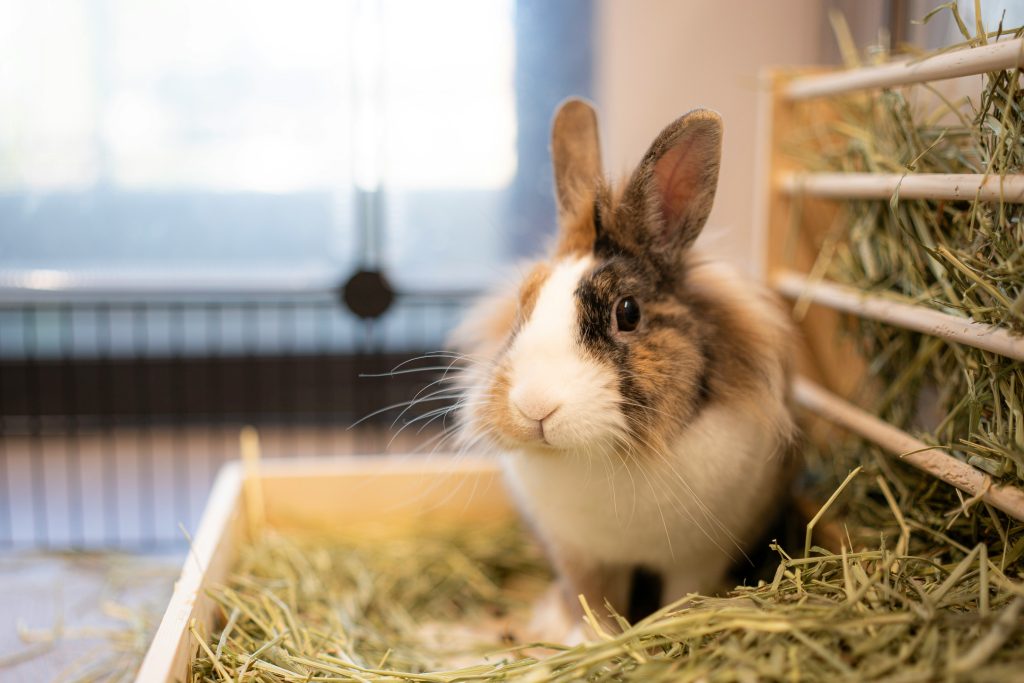
Nutrition is the only medicine a healthy rabbit needs. Establishing the correct “fuel mixture” is your primary duty as a caretaker.
Hay Requirements
Timothy hay is the gold standard for adults. Orchard grass is a good alternative for owners with allergies. Alfalfa should be strictly avoided for adults as the high calcium and protein levels lead to the aforementioned bladder sludge issues and obesity.
Recommended Greens
Focus on “dark and leafy.” Romaine, cilantro, parsley, and spring mix are excellent. Avoid iceberg lettuce, which contains lactucarium—a chemical that can be toxic in high quantities and provides zero nutritional value. Experts also warn against “selective feeding,” where a rabbit only picks out the sweet greens; mixing them well is key.
Pellet Restrictions
Pellets should be Timothy-based and should not contain “colorful bits,” seeds, or dried corn. Limit to 1/4 cup per 5 lbs of body weight. Overfeeding pellets is the fastest way to “lazy gut” syndrome.
19. Housing and Environment
A rabbit’s space should mimic their natural burrow systems—safe, stable, and expandable.
Flooring and Space
A minimum of 12 square feet of flat space is required to prevent “cage paralysis.” Non-slip flooring is non-negotiable for joint health; rabbits that live on slippery surfaces often develop hip dysplasia or spinal issues over time. I also suggest providing “vertical space” (low platforms) so rabbits can stretch their spines fully, which helps with core muscle tone and gut motility.
Temperature Safety
15°C to 22°C (60°F to 72°F) is the sweet spot. Rabbits are prone to hyperthermia; ensure they have access to cool tiles or frozen water bottles in the summer. A rabbit’s ears are their primary cooling towers; if the ears are hot to the touch and the rabbit is panting, the situation is critical. Heat production in the gut during fermentation means a rabbit is always warmer than their environment.
20. Emergency Care Steps: The First 4 Hours
If your rabbit stops eating, the clock starts now. Every minute you wait allows the gut contents to dehydrate further.
- The Palpation Check: Gently feel the stomach. Does it feel soft (Stasis) or hard/tight (Bloat)? If hard, go to the vet immediately.
- Temperature Audit: Use a digital thermometer. If the temperature is below 100°F, your rabbit is in shock. Do not feed; provide “active” rewarming with a heat pad and go to the vet.
- The Treat Test: Offer their absolute favorite treat (dill, cilantro, or a single pellet). If they turn it down, call the vet immediately.
- Administer Gas Drops: If the stomach is soft and the temperature is normal, 1 ml of Simethicone can help relieve the pressure of gas.
- Gentle Movement: If the rabbit is stable, encourage them to hop around. Physical movement can sometimes help “gas out” a minor slowdown before it becomes full stasis.
21. Seasonal Risks and Molting
Twice a year, rabbits experience a “total fur change.” During this time, the amount of hair they ingest while grooming triples. Since they cannot vomit, every single hair must pass through their system.
Trichobezoars and Hydration
If the gut isn’t moving fast (due to low fiber), this hair creates a “trichobezoar” (blockage). Extra brushing—sometimes twice daily—is a health requirement during a molt, not a grooming choice. Experts recommend increasing “wet greens” during this time to provide the lubrication necessary for hair passage. You should also watch for “pearl poop”—pellets connected by hair—as a sign that you need to increase your brushing efforts immediately.
22. Common Care Mistakes
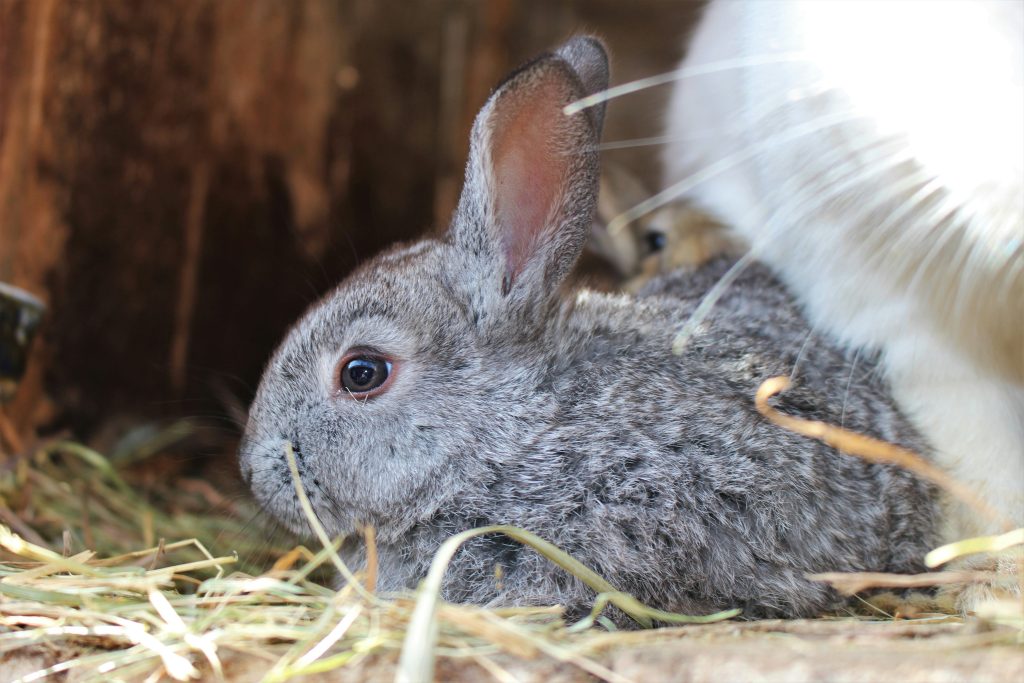
The #1 mistake is the “Wait and See” approach. Owners wait until the morning to see if the rabbit feels better. In that 8-hour gap, the rabbit’s liver begins to mobilize fats to compensate for the lack of glucose, leading to hepatic failure.
Proper Bedding and Diet
Another common error is using wood shavings like cedar or pine. These contain phenols that are toxic to the rabbit’s liver and respiratory system. Similarly, “Fruit Overload”—feeding too many berries or apple slices—is a common pitfall. While fruit is natural, the high fructose levels cause a rapid fermentation in the cecum that leads to painful gas and eventual stasis. I always recommend vinegar and water as the primary cleaning solution for a lagomorph environment to avoid chemical irritation.
23. Frequently Asked Questions
- How do I know if my rabbit is sick? Look for the “Prey Mask” to slip. If they aren’t greeting you, aren’t eating their “favorite” treat, or are sitting in a strange, hunched position, they are likely sick.
- Why is my rabbit not eating? The most common causes are dental pain (spikes on the molars), GI stasis (gut slowdown), or extreme stress.
- How long can rabbits go without eating? No more than 12-24 hours. After 24 hours, the rabbit’s body begins to experience “hepatic lipidosis” (fatty liver disease), and the gut flora begins to die off.
- What is the most common rabbit illness? Gastrointestinal Stasis is the most common, followed closely by Dental Disease and Respiratory Infections (Snuffles).
- Can rabbits recover from GI stasis? Yes, with aggressive veterinary care (fluids, pain relief, and motility drugs). Early intervention has a nearly 90% success rate.
24. Summary and Final Rules
The study of rabbit health is a study of vigilance. As we have explored in this deep-dive, the rabbit’s greatest biological asset—their ability to hide weakness—is also their greatest risk in a domestic setting. By moving from a “reactive” owner to a “proactive” researcher, you can effectively bypass 90% of the common pitfalls that lead to rabbit illness.
A rabbit that stops eating is always an emergency. There is no “waiting it out” with a rabbit. Consistent observation of their appetite and fecal output is your strongest defense against their fragile biology. By adhering to the 80/15/5 diet rule, maintaining a low-stress environment, and acting immediately when the “Prey Mask” slips, you ensure that your rabbits—whether they are youngsters or seniors like Mocha and Chino—live long, vibrant, and healthy lives. The data is clear: an informed owner is a rabbit’s best medicine.
Medical & Veterinary Disclaimer: Bunnyowners.com is an informational resource for rabbit owners and enthusiasts. We are not veterinarians. The content on this website is for educational purposes only and is not a substitute for professional veterinary advice, diagnosis, or treatment. Always consult a qualified veterinarian with any questions or concerns regarding your pet’s health, medical conditions, diet, or overall care. If you have concerns about your rabbit’s health, it’s always best to reach out to a veterinarian rather than relying solely on information found online.