
Veterinary & Affiliate Disclaimer: Bunnyowners.com shares educational rabbit care resources, not professional veterinary advice. Always consult a qualified veterinarian regarding your rabbit’s medical, dietary, or behavioral needs. This post may also contain affiliate links; as an Amazon Associate and affiliate partner, we earn from qualifying purchases at zero extra cost to you.
To the untrained eye, a rabbit appears to be a resilient forager, a creature capable of thriving on whatever greenery happens to be in its path. In reality, the domestic rabbit is a biological high-performance machine with a digestive tract that operates on a razor-thin margin of error. As a researcher, I tend to view their gut as a “glass cannon”—powerful and efficient at extracting nutrients from low-quality fiber, yet incredibly easy to shatter with a single dietary misstep.
What foods are toxic to rabbits? Rabbits must never eat avocado, chocolate, onions, garlic, or rhubarb leaves, as these contain compounds that can trigger rapid organ failure. You should also strictly avoid “silent killers” like iceberg lettuce, muesli-style seed mixes, and high-starch vegetables such as corn or beans, which quickly destroy their fragile gut bacteria. Because a rabbit physically cannot vomit to clear these dangers from their digestive tract, even a small bite of the wrong food instantly becomes a life-threatening emergency.
Unlike a dog or a human, a rabbit cannot purge a mistake; once it is swallowed, the substance must navigate a winding, 10-foot-long digestive journey. This guide moves beyond simple lists to analyze the chemical and biological reasons why these 17 foods are incompatible with lagomorph life, serving as an essential safety foundation before you explore my broader guides on rabbit diet and food.
1. Why Rabbit Digestion is Highly Sensitive
The domestic rabbit is an obligate herbivore that evolved as a “trickle-feeder.” In their natural habitat, ancestors of our pets spent nearly 70% of their waking hours consuming high-volume, low-nutrient lignified fiber. To survive on a diet that most mammals would find indigestible, rabbits developed a “one-way” digestive strategy. This system relies on constant movement, known as peristalsis, fueled by long-strand cellulose. When this flow is interrupted by inappropriate food, the results are almost always systemic.
One of the most critical biological constraints is the rabbit’s cardia, or the sphincter at the entrance of the stomach. This muscle is exceptionally strong, effectively sealing the stomach and preventing the rabbit from vomiting. While this prevents them from losing precious nutrients during the fermentation process, it also means they have no “reset button.”
If a rabbit ingests a poisonous plant or a piece of moldy hay, they are committed to that choice. The toxins will be absorbed by the small intestine or fermented in the cecum long before the owner notices a change in behavior. This is why we must recognize that we are the only gatekeepers of their safety; their biology offers them no second chances.
The rabbit’s metabolic rate is significantly higher than that of larger mammals. This means that toxins are processed and integrated into their systems with alarming speed. A substance that might cause mild discomfort in a dog can lead to full organ failure in a rabbit within hours. The researcher’s goal is to maintain the “equilibrium of the gut,” a delicate state where motility, pH balance, and microbial diversity coexist. When we introduce toxic or unsafe foods, we aren’t just giving them a “bad meal”; we are introducing a catalyst for biological chaos.
2. Quick Reference List of Unsafe Foods
Before analyzing the biochemistry of these substances, it is helpful to categorize the primary offenders into three distinct risk tiers.
To better synthesize this data for quick reference in a crisis, I have compiled the primary offenders into the following hierarchical risk table:
Categorized Rabbit Food Danger Reference
| Risk Category | Examples | Primary Threat Level |
| Acute Chemical Toxins | Avocado, Chocolate, Alliums, Rhubarb | Critical: High risk of sudden organ failure. |
| Digestive Disruptors | Muesli, Corn, Beans, Iceberg Lettuce | High: Risk of GI Stasis and Enterotoxemia. |
| Environmental Hazards | Treated Grass, Pesticides, Houseplants | High: Variable risk depending on chemical load. |
| Physical Hazards | Fruit Pits, Seeds, Bread, Crackers | Moderate/High: Risk of choking or impaction. |
Tier 1: Acute Chemical Toxins
These contain specific molecules that target the heart, lungs, or blood cells.
- Avocado: Persin content leads to myocardial necrosis.
- Chocolate/Caffeine: Methylxanthines overstimulate the nervous system.
- Onions/Garlic: N-propyl disulfide destroys red blood cells.
- Rhubarb Leaves: High oxalic acid levels cause kidney failure.
Tier 2: Digestive Disruptors
These are “silent killers” that trigger bacterial failures and gut stasis.
5. Muesli Mixes: High-fat seeds and sugary grains that disrupt gut flora.
6. Iceberg Lettuce: High water content and lactucarium.
7. Corn: High starch and indigestible hulls.
8. Beans & Peas: Cause rapid, painful gas and enterotoxemia.
9. Potatoes: High starch and potential solanine toxicity.
10. Bread & Crackers: Complex carbohydrates that fuel pathogenic bacteria.
11. Dairy/Meat: Rabbits lack the enzymes to process animal proteins.
Tier 3: Botanical and Environmental Hazards
- Lilies: Highly cardiotoxic.
- Pothos: Causes oral swelling and airway obstruction.
- Foxglove: Contains digitalis, which stops the heart.
- Fruit Pits: Contain cyanogenic glycosides.
- Treated Grass: Pesticides and herbicides on lawn forage.
- Wild Mushrooms: Many varieties cause acute liver failure.
3. How a Rabbit’s Digestive System Works
To understand why “safe” human foods are toxic to rabbits, we must look at the cecum. The cecum is a massive fermentation vat located at the junction of the small and large intestines. It contains a complex ecosystem of anaerobic bacteria, yeast, and protozoa. This microbial community breaks down cellulose into volatile fatty acids (VFAs), such as acetate, butyrate, and propionate, which provide up to 40% of the rabbit’s energy.
The stability of this ecosystem depends entirely on pH balance. When a rabbit ingests high-sugar or high-starch foods, the fermentation process accelerates rapidly. This leads to an overproduction of lactic acid, dropping the pH within the cecum. This acidic environment kills beneficial fiber-digesting bacteria and allows pathogenic strains, such as Clostridium spiroforme, to proliferate. These pathogens release epsilon toxins into the bloodstream, which can cause sudden death—a condition known as enterotoxemia.
In my observational work with my rabbits Mocha and Chino, I’ve noted that even a 12-hour delay in hay consumption—often triggered by something as simple as a brand switch or a slightly too-sweet treat—results in a measurable decrease in fecal pellet size and a noticeable drop in activity. This real-world sensitivity is why researchers emphasize the “Why” of toxicity. A small carbohydrate “bomb” can stall this complex biological engine before the owner even notices the rabbit has stopped eating. According to the VCA Animal Hospitals guide on GI Stasis, maintaining this constant motility is the single most important factor in rabbit longevity.
The cecum also produces cecotropes—nutrient-rich droppings that the rabbit re-ingests. This process, known as cecotrophy, allows the rabbit to absorb B-vitamins and proteins produced by the gut bacteria. When toxic foods disrupt the cecal balance, the production of these “night droppings” stops, leading to secondary nutritional deficiencies. It is a cascading failure; once the gut stops, the rabbit’s entire biological foundation begins to crumble.
4. Highly Toxic Foods
This group represents the most immediate threat to rabbit health. These foods contain chemicals that do not require gut fermentation to cause damage; they are absorbed directly into the bloodstream through the stomach and small intestine.
From my perspective, the chemical pathways are just as important as the foods themselves. The following data set correlates the specific toxin to its physiological consequence:
Biochemical Breakdown of Acute Toxicity
| Food Item | Specific Toxin | Physiological Impact |
| Avocado | Persin | Myocardial necrosis (heart tissue death) and pulmonary edema. |
| Chocolate | Theobromine | CNS overstimulation, cardiac arrhythmia, and seizures. |
| Onions/Garlic | N-propyl disulfide | Oxidative damage to hemoglobin (Hemolytic Anemia). |
| Rhubarb Leaves | Calcium Oxalate | Acute renal failure due to kidney crystallization. |
| Fruit Pits | Amygdalin | Potential Cyanide poisoning and intestinal blockage. |
Avocado
Every part of the avocado—the pit, skin, and flesh—contains a fungicidal toxin called persin. While humans and some other mammals can process small amounts of persin, rabbits are extremely sensitive to it. Persin interferes with the mitochondria in cardiac muscle cells, leading to myocardial necrosis (the death of heart tissue). Ingestion usually results in respiratory distress, pulmonary edema (fluid in the lungs), and heart failure. There is no known safe dosage for rabbits. The toxicity levels can vary by avocado variety, but as a rule, they should be strictly avoided.
Chocolate and Caffeine
Chocolate contains theobromine and caffeine, both of which are methylxanthines. These chemicals act as powerful central nervous system and cardiac stimulants. Rabbits have a very slow metabolism for theobromine, meaning it remains in their system for an extended period. It triggers a massive surge in heart rate, muscle tremors, and eventually seizures.
The ASPCA Animal Poison Control identifies chocolate as one of the most common causes of preventable poisoning in small mammals. High concentrations, like those found in dark chocolate or baking cocoa, are lethal in minute quantities.
Onions, Garlic, and Alliums
Members of the Allium family, including leeks and chives, contain N-propyl disulfide. This molecule causes oxidative damage to the hemoglobin in red blood cells, creating “Heinz bodies.” These damaged cells are then destroyed by the body, leading to hemolytic anemia.
Because rabbits have a high metabolic rate and relatively small blood volume, the loss of oxygen-carrying capacity can lead to rapid organ failure. This effect is cumulative; even small amounts fed over several days can be lethal. Signs often include pale gums and weakness, but by the time these appear, the anemia is often advanced. Consult the House Rabbit Society for further clinical data on Heinz body anemia in rabbits.
Rhubarb
Rhubarb leaves are loaded with oxalic acid and calcium oxalates. When a rabbit consumes these, the oxalates bind with calcium in the blood to form insoluble crystals. These crystals then lodge in the nephrons of the kidneys, causing acute renal failure. Symptoms often include drooling, lethargy, and a total refusal of water. While the stalks contain less oxalic acid than the leaves, they are still considered high-risk and should be excluded from the diet.
5. Foods That Disrupt Digestion
While not “poisons” in the traditional sense, these foods represent a “slow-motion” toxicity. They dismantle the rabbit’s digestive health over weeks or months, often leading to a sudden, fatal collapse.
Muesli and Seed Mixes
The “muesli” style of rabbit food—colorful bags filled with corn, seeds, and pea flakes—is a nightmare. This format encourages “selective feeding.” Rabbits will choose the high-fat, high-sugar components first and ignore the high-quality, fiber-rich pellets that make up the best rabbit food. This leads to two major issues: first, the lack of fiber causes the teeth to overgrow (dental disease), and second, the high fat content leads to hepatic lipidosis (fatty liver disease). The RSPCA’s guidelines on rabbit diets explicitly state that muesli-style mixes are a leading cause of preventable chronic disease in rabbits.
Iceberg Lettuce
Iceberg lettuce contains a chemical called lactucarium, which can act as a sedative or mild toxin in large quantities. However, the primary danger is its nutritional void. Iceberg is nearly 96% water with virtually no fiber. When a rabbit fills its stomach with iceberg, it feels “full,” but its gut motility slows down because there is no long-strand fiber to push the bolus through the intestines. This leads to soft stools, which can progress into a full GI shutdown. Romaine or dark leafy greens are far safer, provided they are introduced slowly.
High-Starch Foods (Corn, Beans, and Peas)
Corn is particularly dangerous due to its indigestible hull. If a rabbit swallows a whole kernel, it can cause a physical impaction in the narrowest part of the small intestine (the ileum). Additionally, corn, beans, and peas are “carbohydrate bombs.” As explained in the mechanics section, these starches provide an immediate food source for harmful bacteria in the cecum, leading to painful, life-threatening gas and bloating.
6. Toxic Houseplants and Garden Plants
Domestic rabbits are curious and explore with their mouths. Because they did not evolve alongside tropical houseplants or ornamental garden flowers, they lack the instinct to avoid them. In a household setting, “rabbit-proof” must extend beyond wires to include a full botanical audit.
For those managing a bioactive indoor environment, the following botanical reference table highlights the most common household risks found in clinical veterinary reports:
Common Household Botanical Risks
| Plant Name | Toxic Component | Primary Signs of Ingestion |
| Lily (All) | Cardiac Glycosides | Arrhythmia, weakness, sudden death. |
| Pothos | Calcium Oxalates | Oral pain, swelling, airway blockage. |
| Aloe Vera | Saponins | Severe diarrhea, rapid dehydration. |
| Foxglove | Digitalis | Bradycardia (slow heart rate), collapse. |
| Philodendron | Insoluble Oxalates | Drooling, head shaking, refusal to eat. |
- Lilies (all species): Every part of the lily is considered highly cardiotoxic. Even a small bite can lead to cardiac arrhythmia and death.
- Pothos (Devil’s Ivy): These contain calcium oxalate crystals that cause immediate swelling of the mouth and tongue, potentially obstructing the airway and making swallowing impossible.
- Aloe Vera: Aloe contains saponins and anthraquinones, which act as violent purgatives in the lagomorph gut. This causes severe, dehydrating diarrhea that a rabbit’s delicate system cannot withstand.
- Foxglove (Digitalis): This plant contains cardiac glycosides that can stop the heart in extremely small doses. It is one of the most dangerous plants found in ornamental gardens.
Owners should treat their homes as a controlled environment. If you cannot identify a plant with 100% certainty, it must be removed. The ASPCA Toxic and Non-Toxic Plants List
is an excellent resource for verifying botanical safety. In addition, Veterinary Partner provides a searchable index for common indoor risks.
7. Secondary Toxicity: Pesticides and Chemicals
This is an often-overlooked area of good quality care. A dandelion or a blade of grass is biologically “safe,” but if it has been treated with herbicides (like glyphosate) or common lawn fertilizers, it becomes a delivery vehicle for poison. These chemicals can cause acute neurological symptoms or chronic organ damage that is difficult to diagnose.
Additionally, plants growing near busy roads accumulate heavy metals from vehicle exhaust, such as lead and cadmium. If you forage for your rabbit, you must ensure the area is at least 30 feet from any roadway and has not been chemically treated for at least three years. Even “organic” fertilizers like bone meal or blood meal can be problematic if they contain pathogens or attract flies that carry diseases like RHDV2. The safest approach is to grow your own forage in a controlled, raised bed using organic, rabbit-safe soil.
8. Choking Hazards and Physical Risks
Physical hazards often mirror chemical toxins in their lethality. A rabbit’s esophagus and intestines are very narrow, making them prone to mechanical blockages that require surgical intervention—an extremely high-risk procedure for lagomorphs.
Fruit Pits and Large Seeds
Pits from cherries, peaches, apricots, and plums are significant choking hazards. Furthermore, the seeds of apples and pears contain amygdalin, which converts to cyanide during digestion. While the amount of cyanide in a single seed is low, the cumulative effect in a small mammal can lead to respiratory failure.
Processed Carbohydrates (Bread, Crackers, Pasta)
Beyond the bacterial issues mentioned earlier, processed human foods are often far too hard or sticky for a rabbit’s teeth and throat. Hard crackers can cause small abrasions in the mouth, leading to abscesses, while sticky foods can cause a rabbit to choke. These foods offer no dental benefits and actively contribute to the breakdown of the rabbit’s health.
9. Safe Treats and Alternatives
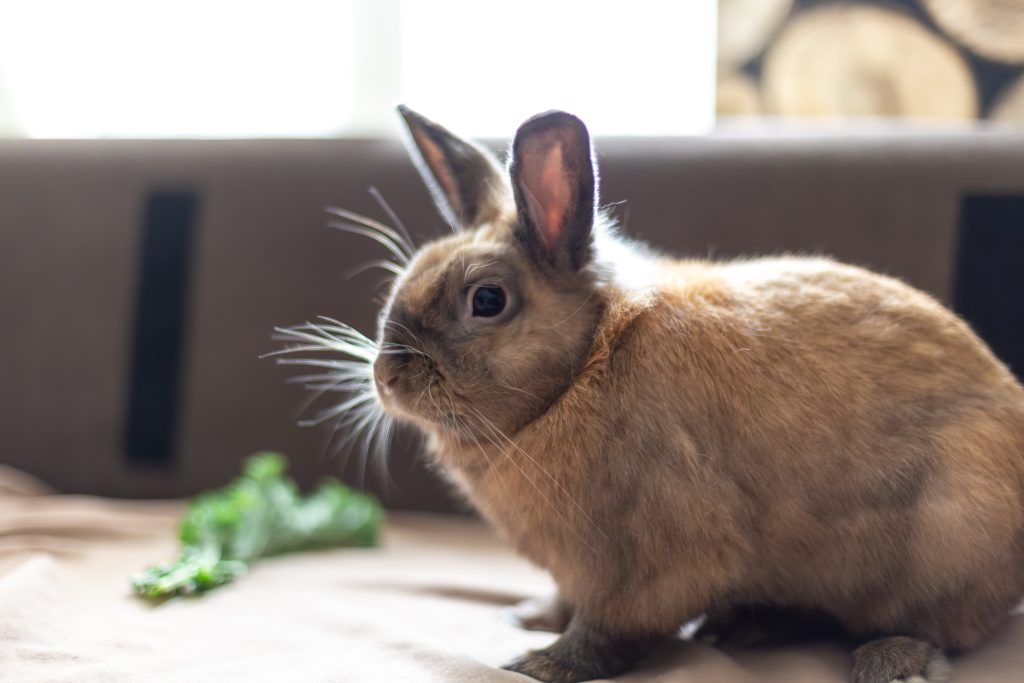
The goal is not just to eliminate danger, but to optimize the reward system. We often feel the need to give our pets “treats” to bond, but we must redefine what a treat is based on rabbit biology rather than human taste.
During my engagement testing, I’ve found that Mocha and Chino are significantly more responsive to the scent profile of fresh cilantro, basil, or dill than they are to high-sugar commercial fruit sticks. This suggests that olfactory stimulation is a higher-value reward for a rabbit than raw caloric density. Herbs provide the variety they crave without the metabolic risk.
As a general rule, treats should never exceed 10% of the total daily intake. A “treat” should be about the size of a postage stamp. Safe options include:
- Fresh Herbs: Cilantro, parsley, mint, basil, dill, and rosemary.
- Leafy Greens: Romaine, red leaf lettuce, bok choy, and dandelion greens (if safe).
- Small Fruit Portions: Apple (no seeds), strawberry, blueberry, or a tiny slice of banana.
- Review the House Rabbit Society’s Vegetable Guide for a curated list of safe daily greens.
10. Signs of Poisoning and Illness
Because rabbits are prey animals, they have evolved to mask symptoms of illness. By the time a rabbit “looks” sick, they are often in advanced stages of distress. A researcher must look for behavioral deviations rather than obvious signs like vomiting.
To assist in rapid decision-making, the following diagnostic triage table summarizes the signs of distress and the corresponding urgency of care:
The Rabbit Toxicity Severity Scale
| Severity Level | Behavioral Signs | Required Action |
| Level 1 (Mild) | Soft stool, clumpy cecotropes, slight lethargy. | Remove food; provide hay/water; monitor for 4 hours. |
| Level 2 (Urgent) | Tooth grinding, hunched posture, no eating. | Call a rabbit-savvy vet immediately. |
| Level 3 (Crisis) | Seizures, cold ears, mouth breathing, no feces. | Emergency clinic transport; prioritize warmth. |
The “Rabbit Grimace Scale”
Researchers use specific facial cues to identify pain. Look for “orbital squeezing” (squinting eyes), flattened ears, and “bulging” cheeks.
- Level 1: Mild (Monitor Closely): Clumpy cecotropes, slight lethargy, or “sitting hunched” in a corner. These are early warning signs of gut slowdown.
- Level 2: Urgent (Call the Vet): Loud tooth grinding (a sign of intense pain), a “doughy” or hard abdomen, or refusal of a favorite treat for more than 4 hours.
- Level 3: Crisis (Emergency Transport): Seizures, hypothermia (cold ears), “mouth breathing,” or total lack of fecal output for 12 hours. This requires immediate clinical intervention.
11. Emergency Protocol: The Golden Hour
If you catch your rabbit eating something from the “Never Feed” list, the first 60 minutes—the “Golden Hour”—will determine the outcome.
- Remove the Substance: Immediately take the food away and keep a sample for the vet.
- Assessment: Note how much was eaten and at what time. Check the rabbit’s mouth for residue.
- The “No-Vomiting” Rule: Never attempt to induce vomiting. This is biologically impossible for a rabbit and will cause a fatal rupture of the stomach or esophagus.
- Temperature Regulation: Rabbits in shock lose body temperature rapidly. Wrap them in a warm (not hot) towel and use a “Snuggle Safe” or warm water bottle for transport.
- Clinical Intervention: Contact a rabbit-savvy vet immediately. They will likely use subcutaneous fluids to flush the kidneys and motility agents (like metoclopramide) to keep the gut moving. Early treatment significantly increases the survival rate.
12. Frequently Asked Questions
Can rabbits eat carrots?
Carrots are the quintessential “rabbit food” in media, but in reality, they are very high in sugar. They should be treated as a “cookie”—given only in tiny, 1-inch increments occasionally. The green tops, however, are a fantastic, fiber-rich choice that can be fed daily in moderation.
Is bread okay if it’s toasted or whole grain?
No. Toasting does not remove the complex carbohydrates that act as fuel for pathogenic bacteria in the cecum. Bread, crackers, and cereal are major contributors to obesity, dental issues, and GI stasis.
Are tomato stems toxic?
Yes. While the ripe fruit of a tomato is safe in tiny amounts, the stems and leaves are part of the nightshade family. They contain solanine, a toxic alkaloid that causes digestive distress, weakness, and slow heart rate.
Can they eat wild grass from my yard?
Only if you are 100% certain it is free of pesticides, herbicides, and parasites from wild animals. For most urban owners, it is safer to stick to store-bought, sun-cured timothy or orchard hay.
How do I know if a plant is toxic if it’s not on this list?
The safest approach is the “Researcher’s Default”: if it isn’t hay or a verified safe leafy green, do not feed it. Use resources like the Association of Exotic Mammal Veterinarians (AEMV) to stay updated on new clinical findings regarding rabbit nutrition and dental health.
13. Summary of Rabbit Feeding Safety
Managing a rabbit’s diet requires a shift in perspective. We must stop viewing them as small humans with furry ears and start viewing them as sensitive biological systems. The “80% Hay” rule is not a suggestion; it is the fundamental law of their survival. Long-strand fiber provides the mechanical action needed to grind down their ever-growing teeth and the physical bulk needed to keep their intestines moving.
By eliminating these 17 dangerous foods and focusing on high-quality fiber and fresh herbs, you are doing more than just feeding a pet—you are maintaining a complex, living machine. Vigilance is the highest form of care we can provide. Stick to the basics: unlimited hay, a small amount of high-fiber pellets, and a variety of safe, leafy greens. Your rabbit’s longevity depends entirely on your ability to say “no” to unsafe treats and “yes” to evidence-based nutrition.
Medical & Veterinary Disclaimer: Bunnyowners.com is an informational resource for rabbit owners and enthusiasts. We are not veterinarians. The content on this website is for educational purposes only and is not a substitute for professional veterinary advice, diagnosis, or treatment. Always consult a qualified veterinarian with any questions or concerns regarding your pet’s health, medical conditions, diet, or overall care. If you have concerns about your rabbit’s health, it’s always best to reach out to a veterinarian rather than relying solely on information found online.