
Veterinary & Affiliate Disclaimer: Bunnyowners.com shares educational rabbit care resources, not professional veterinary advice. Always consult a qualified veterinarian regarding your rabbit’s medical, dietary, or behavioral needs. This post may also contain affiliate links; as an Amazon Associate and affiliate partner, we earn from qualifying purchases at zero extra cost to you.
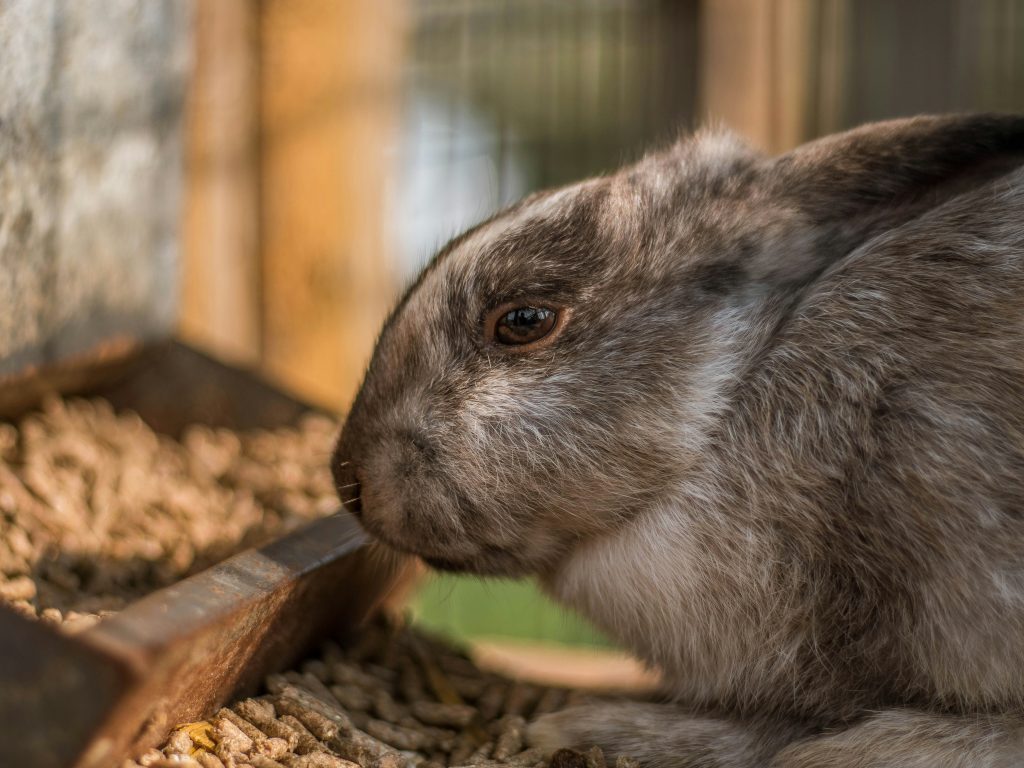
When a domestic rabbit eagerly devours their daily bowl of compressed pellets but completely refuses to touch their fresh grass hay, owners often mistake the sudden behavioral change for harmless pickiness. However, because these two distinct food textures require entirely different chewing mechanics, selectively avoiding long-stem forage is a critical indicator of an underlying physical conflict.
When a rabbit eats pellets but refuses hay, it is usually due to hidden dental pain, pellet overfeeding, stress, or early digestive issues. Because fibrous hay requires painful molar grinding, sore rabbits switch to softer, vertically crushed pellets instead. Safely fix this by reducing pellet portions, offering aromatic hays, and scheduling a vet exam immediately.
Hay refusal in rabbits is never something to ignore, as missing out on long-stem fiber can quickly cause a hungry pet to spiral into life-threatening gastrointestinal (GI) stasis or painful dental overgrowths. To help you protect your pet and focus on keeping rabbits healthy, this comprehensive guide will break down the crucial biomechanical differences between chewing grass and processed food, explore the primary hidden health issues and behavioral triggers behind selective eating, and provide clear, step-by-step correction strategies to safely get your rabbit grazing again.
1. Is It Normal for Rabbits to Stop Eating Hay?
In a healthy domestic rabbit, grazing should be a near-constant daylight activity. Long-stem grass hay—such as Timothy, orchard grass, or meadow hay—must make up roughly 80% to 90% of your rabbit’s total daily intake. A rabbit’s cecum, the large fermentation vat in their hindgut, relies entirely on a steady, uninterrupted stream of dietary fiber to prevent stasis and fuel the beneficial bacteria that break down nutrients.
If the hay rack sits untouched for even a portion of the day, the delicate ecosystem of the gut begins to shift toward dangerous bacterial overgrowth. These animals are naturally built to be constant grazers, not occasional snackers; they are biological lawnmowers operating on a mandatory 24-hour shift.
Why pellets are easier to eat
To understand why a rabbit will happily munch on a pellet while turning their nose up at grass, look at how the food is processed in the mouth. Pellets are made of pre-ground ingredients that are compressed into dense, uniform bites. When a rabbit bites a pellet, it requires a basic, vertical crushing motion. It shatters easily with minimal jaw exertion. It is the lagomorph equivalent of eating soft fast food.
Hay requires an entirely different physical action. A blade of grass must be drawn deep into the mouth and subjected to an intense, wide, side-to-side lateral grinding motion across the molars.
According to recent computational biomechanical modeling of lagomorph mastication, this grinding action requires significant jaw pressure and forces the tongue and inner cheeks into constant, close contact with the grinding surfaces of the teeth. If the jaw is sore or the teeth are uneven, the lateral grind of hay becomes agonizing, while the vertical crush of a pellet remains tolerable.
| Food Type | Chewing Motion | Jaw Effort | Tissue Contact |
| Grass Hay | Wide lateral grinding | High pressure | Constant cheek/tongue friction |
| Compressed Pellets | Simple vertical crushing | Minimal exertion | Low interior friction |
Why hay refusal matters
When a rabbit stops consuming long-stem fiber, a cascading series of health issues begins almost immediately, turning a minor dietary quirk into a major biological crisis:
- Gastrointestinal Slowdown: Without coarse fiber pushing through the digestive tract, gut motility drops, leading to gas accumulation, severe pain, and eventual gastrointestinal stasis.
- Overgrown Teeth: A rabbit’s teeth grow continuously throughout its life. Without the abrasive friction of hay grinding them down, they will quickly develop overgrown teeth and severe dental disease.
- Obesity and Nutritional Shifts: Pellets are incredibly calorie-dense. When a rabbit substitutes their high-fiber hay intake for pure pellet consumption, they experience rapid weight gain and an unhealthy shift in gut pH.
Field Notes: Managing Selective Appetite at Home
This transition can be incredibly deceptive because a rabbit’s appetite often appears perfectly normal on the surface. In a home care setting, close observation of my bonded Lionheads, Mocha and Chino, reveals how an animal dealing with early molar discomfort will still run eagerly to the food bowl at feeding time. However, they will selectively pull out the softest pellets while completely ignoring the Timothy hay rack.
The underlying drive to consume food remains entirely intact, but the abrasive texture of the grass makes the wide lateral grinding motion too painful. Animals do not engage in a hunger strike out of spite; they simply choose the path of least physical conflict.
2. Your Rabbit May Simply Prefer Pellets
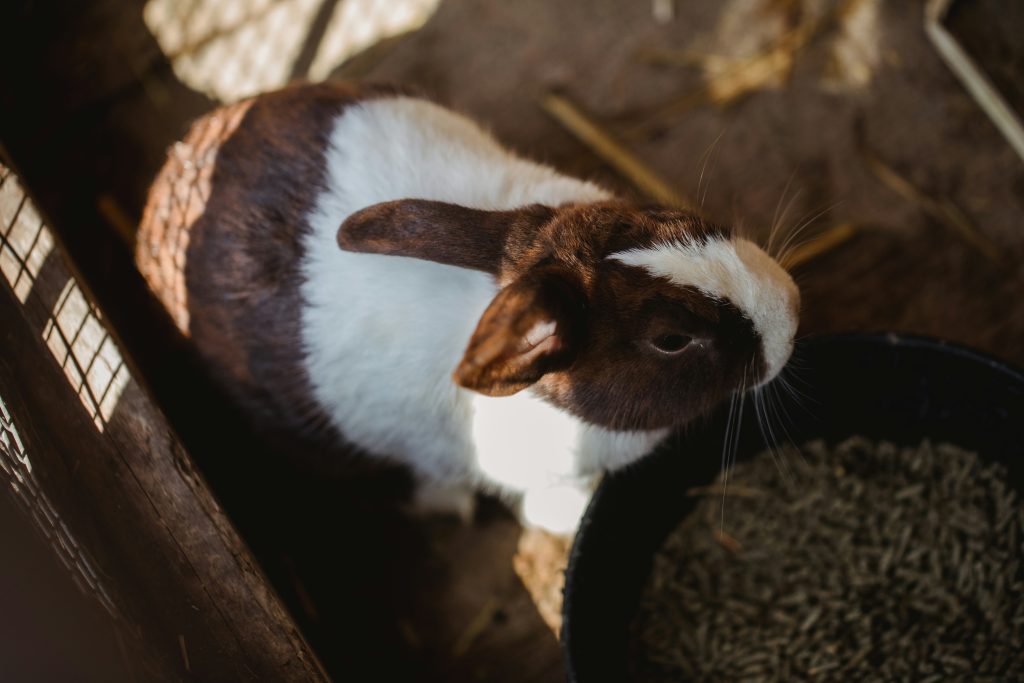
If a veterinary examination rules out any physical or dental abnormalities, the issue may be purely behavioral. To put it bluntly: your rabbit may have a pellet addiction. In the wild, rabbits are hardwired to seek out the most calorie-dense, nutrient-rich food sources available to conserve energy.
Pellets represent a concentrated, easily digestible jackpot of carbohydrates, fats, and proteins. Given the choice between a bowl of rich, flavorful pellets and a pile of dry, fibrous grass, a physically healthy rabbit will almost always choose the pellets. It is hard to blame them; very few of us would choose a plain salad if a bowl of cereal was left unsupervised on the counter.
Too many pellets reduce hay consumption
When a rabbit is given an unrestricted or overly generous portion of pellets, they become full incredibly fast. Pellets expand slightly in the stomach when mixed with digestive fluids, creating a false sensation of prolonged satiety. A rabbit that has filled up on a morning scoop of pellets has absolutely no physiological incentive to engage in the tedious, labor-intensive task of grazing on hay for the rest of the afternoon. Over time, this lack of structural grazing behavior causes the digestive system to become lazy, shifting the delicate balance of the hindgut.
Signs the issue is preference rather than illness
If the refusal to eat hay is rooted in behavioral pickiness rather than physical pain, you will typically observe a specific set of clinical clues. If your rabbit is highly energetic, maintains a perfectly steady weight, displays normal posture, and has no issues physically chewing hard treats or fresh greens, you are likely dealing with a behavioral preference that needs structural correction.
However, it is vital to emphasize that any sudden drop in hay intake should still be evaluated by an exotic veterinarian to ensure a subtle health issue isn’t being masked by the rabbit’s high drive for treats.
First-Person Case Study: Early on in my journey with rabbit husbandry, I fell into the classic trap of over-serving pellets because Chino begged for them so effectively. Within weeks, both he and Mocha began leaving their daily hay practically untouched. Their droppings became darker and smaller, signaling an immediate lack of long-stem fiber in their digestive tracts. By gradually restricting their pellet rations to measured, strictly scheduled amounts, their natural grazing instincts returned, and they were back to emptying their hay rack within a few days. It turns out that good parenting occasionally requires being the fun-killer who rations the snacks.
How much pellets rabbits actually need
Many owners are shocked to learn how little pellet volume a domestic rabbit actually requires. For a fully grown, healthy adult rabbit, pellets should only constitute a tiny fraction of their daily food intake—roughly 1/4 cup of pellets per 6 pounds of body weight per day.
If you are filling up a large ceramic bowl to the brim every morning, you are inadvertently making it mathematically impossible for your rabbit to ever feel hungry enough to eat their required amount of hay. Detailed parameters for balanced feeding schedules can be cross-referenced with established animal welfare resources like the House Rabbit Society Holistic Dietary Guides.
| Rabbit Weight | Daily Pellet Portion | Primary Diet Role |
| 3 lbs (1.36 kg) | 1/8 cup (approx. 2 tbsp) | Supplemental vitamins/minerals |
| 6 lbs (2.72 kg) | 1/4 cup (approx. 4 tbsp) | Supplemental vitamins/minerals |
| 12 lbs (5.44 kg) | 1/2 cup (approx. 8 tbsp) | Supplemental vitamins/minerals |
3. The Most Common Reason: Dental Disease
Acquired Dental Disease is the leading medical cause behind selective hay refusal. Because a rabbit’s teeth grow non-stop, any slight misalignment in how they chew will cause the teeth to wear down unevenly. Over time, this lack of uniform wear results in the formation of sharp, microscopic enamel points known as molar spurs.
When a rabbit attempts the lateral, side-to-side grinding motion required to slice through tough hay, these sharp molar spurs cut directly into the sensitive tissue of the tongue or the inner lining of the cheek. Because pellets do not require this wide lateral movement, the rabbit can carefully crush them using a vertical motion that keeps the tongue and cheeks away from those painful enamel spikes.
Comprehensive physiological documentation on these chewing mechanics is widely detailed across specialized literature, such as the Journal of Veterinary Dentistry Official Page.
Signs dental disease may be the cause
Because rabbits are master hidden-illness experts—a survival mechanism designed to prevent them from looking like easy prey—you must look closely for subtle behavioral clues. They will not announce their discomfort, so you have to play detective.
Watch for these telling indicators during feeding time:
- Selective Eating: Eagerly approaching the food bowl for pellets or treats but completely ignoring or sniffing and walking away from the hay rack.
- Dropping Food: Picking up a strand of hay, attempting to chew it, and then letting it drop out of the side of the mouth.
- Slower Chewing Rates: Taking significantly longer to finish a small portion of food or chewing with an awkward, exaggerated head tilt.
- Wet Chin or Drooling: Chronic dental pain or structural inability to close the mouth fully leads to saliva pooling around the mouth and wetting the lower jaw.
- Decreased Dropping Size: Feces that gradually become smaller, harder, or irregularly shaped due to reduced fiber intake.
- Discharge From the Eyes: The long roots of the upper molars run incredibly close to the tear ducts. If a tooth root becomes inflamed or elongated, it can compress the tear duct, causing chronic tearing or discharge.
Rabbits can still seem hungry with severe dental disease
One of the most dangerous traps a rabbit owner can fall into is assuming their pet is healthy because they still have a ravenous appetite for pellets. The underlying drive to eat does not disappear just because a rabbit has dental disease. Your rabbit is genuinely hungry; their metabolism is demanding calories.
Owners frequently delay seeking essential veterinary care because they assume an animal in severe dental pain would refuse all food entirely. By the time the rabbit finally stops eating pellets too, the dental damage is often extensive, and the animal is on the brink of metabolic collapse.
Why back teeth problems are commonly missed
When an owner peeks at their rabbit, they are only seeing the prominent front incisors. However, the true culprit is almost always hidden deep in the back of the oral cavity. A rabbit’s molars are located down a long, narrow, dark oral tunnel that is completely impossible to visualize without specialized medical equipment.
An animal’s front teeth can look perfectly straight, white, and beautiful even while their back molars are heavily spiked, abscessed, or structurally failing. Expecting to see dental disease just by looking at a rabbit’s yawn is like trying to check a car’s spark plugs by looking at the front bumper.
How veterinarians diagnose dental problems
A definitive dental diagnosis requires a professional clinical evaluation. Your veterinarian will use an otoscope or a specialized dental speculum to look down the oral cavity. Because a rabbit’s jaw can only open a very small distance voluntarily, and because the tongue constantly blocks the view, a vet may recommend light sedation or full anesthesia to get a clear view of every single molar surface. In advanced cases, skull radiographs (X-rays) or CT scans are utilized to evaluate the health of the tooth roots hidden deep inside the jawbone.
4. Hay Quality Problems
Rabbits possess an incredibly keen, highly developed sense of smell that helps them navigate their environment and identify safe vegetation. If a bag of hay has been sitting on a shelf for months, losing its natural oils and aromatic freshness, a rabbit will often flatly refuse to touch it.
Dusty hay is not only unappetizing to them, but it can also severely irritate their sensitive upper respiratory tracts, causing them to completely avoid the location of the hay rack. If it smells like a forgotten attic to you, it smells like an absolute disaster to them.
Hay texture preferences
Just like humans, rabbits develop clear preferences for specific textures. You can experiment with the best hay types based on when they were harvested:
- First-Cutting Hay: Extremely high in fiber, very stemmy, coarse, and contains numerous seed heads. Some rabbits find this texture too rough on their mouths, especially if they have mild, underlying gum sensitivity.
- Second-Cutting Hay: The golden standard for most adult rabbits. It features a perfect balance of soft, pliable leaves and moderately crunchy stems, providing an appealing texture and excellent fiber profile.
- Third-Cutting Hay: Incredibly soft, dense, and lush green with almost no stem content. While highly palatable to ultra-picky rabbits, it is lower in the indigestible fiber needed for optimal tooth wear.
| Hay Cut | Texture Profile | Fiber Content | Palatability |
| First Cutting | Coarse, stemmy, heavy seeds | Very High | Moderate (Harder to chew) |
| Second Cutting | Mixed soft leaves and crunchy stems | High | High (Standard baseline) |
| Third Cutting | Ultra-soft, dense leaves, few stems | Moderate | Very High (Picky rabbit favorite) |
Sudden hay brand changes
Rabbits are creatures of intense habit. If you have been consistently buying one specific brand of bright, sweet-smelling orchard grass and suddenly switch to a different commercial brand of coarse, pale Timothy hay, your rabbit may stage a complete hunger strike against the new box. The sudden shift in aroma, taste, and physical mouthfeel can cause them to view the new food source with deep suspicion, leading them to rely entirely on their familiar pellets. They do not appreciate budget-friendly culinary surprises.
Moldy or poor-quality hay
Moisture is the absolute enemy of stored forage. If hay is packed tightly or stored in a high-humidity environment, it can easily develop micro-toxins and hidden mold centers. Moldy hay often gives off a distinct, heavy, damp, or musty smell that humans might miss but a rabbit will detect instantly. Never force a rabbit to eat discolored, damp, or heavily dusty hay.
Because their unique cecal digestive process prolongs their internal exposure to contaminants, consuming mold spores and fungal toxins can cause severe mycotoxicosis, acute gastrointestinal disorders, and fatal immunosuppression in rabbits. When in doubt about the freshness of a forage batch, throw it out immediately rather than risking your rabbit’s life.
5. Stress and Environmental Changes
Rabbits are highly sensitive prey animals. When a rabbit experiences an elevated stress response, their sympathetic nervous system fires up, releasing hormones that immediately alter their baseline rabbit behavior and habits. Their biological wiring prioritizes survival over digestion.
Common triggers
A wide variety of common household shifts can trigger a prolonged stress or anxiety response in a sensitive rabbit:
- Moving to a New Home: A complete change in physical territory disrupts their scent markings and security layouts.
- Bonding Stress: Introducing a new companion or navigating a tense territory dispute with a bonded partner can cause significant emotional strain.
- Presence of Predators: The scent or sound of a new household dog, cat, or outdoor predator can keep a rabbit in a constant state of hyper-vigilance.
- Loud, Unfamiliar Noises: Home renovation projects, nearby construction, or thunder can easily spook a sensitive animal.
- Extreme Heat: Rabbits tolerate cold far better than heat. Temperatures rising above 75°F (24°C) can cause heat stress, drastically suppressing their appetite.
Why stress affects hay before pellets
When an animal is highly stressed or feeling physically vulnerable, they do not want to spend hours sitting out in the open calmly grazing on a large pile of grass. Grazing is a relaxed, slow-paced activity that requires a feeling of total safety.
A stressed rabbit wants to run out from cover, quickly consume a highly concentrated, energy-dense source of nutrition (like a bowl of pellets), and then immediately retreat back into the safety of a dark hiding box. Leisurely dining is an elite luxury reserved only for the calm and secure.
6. Gastrointestinal Discomfort and Early GI Problems
When a rabbit’s stomach or intestinal tract begins to feel slightly inflamed, gassy, or sluggish, their natural eating patterns alter immediately. High-fiber grass hay requires significant muscular effort from the stomach and cecum to break down and move along the digestive pathway.
If the gut is already feeling tender due to gas buildup, the rabbit will often instinctively avoid coarse materials that feel heavy or difficult to tolerate, turning instead to easily dissolvable, highly processed pellets.
Warning signs digestion may be involved
You must learn to spot the physical presentation of a rabbit experiencing early-stage gastrointestinal discomfort before it spirals into a full medical crisis. Watch for these symptoms:
- Altered Dropping Dynamics: Fecal pellets that are noticeably smaller, misshapen, strung together by long strands of hair, or drastically reduced in total daily volume.
- Loud Gastrointestinal Noises: A hyper-silent abdomen or, conversely, extremely loud, watery gurgling and clicking sounds emanating from the stomach area.
- Abdominal Bloating: The sides of the stomach feel unusually tight, hard, or drum-like when very gently palpated.
- The “Hunched” Posture: Sitting tightly packed in a corner with the back arched high, the head pressed down, and the eyes partially squinted in pain.
- Lethargy and Shifting: Pressing the stomach flat against a cool floor, then shifting positions constantly to find a comfortable way to relieve internal gas pressure.
Hay refusal can be an early GI stasis warning
A drop in hay consumption is often the very first domino to fall in the development of acute gastrointestinal stasis. It forms a dangerous, self-reinforcing loop: something causes the rabbit to reduce their hay intake, the drop in long-stem fiber causes the digestive tract to slow down even further, the slowdown creates painful internal gas, and the gas pain makes the rabbit refuse to eat anything at all.
Recognizing a drop in hay consumption early allows you to intervene before the digestive tract completely paralyzes. If you want to understand the grim mechanics behind this shutdown, clinical pathology overviews on rabbit gastrointestinal hypomotility confirm that large quantities of indigestible fiber are the absolute mandatory driving force for normal intestinal peristalsis. Remove the fiber, and the entire system crashes.
| Stage of Slowdown | Fecal Appearance | Behavioral Status | Intervention Window |
| Early Warning | Smaller, darker, fewer count | Refusing hay; accepting pellets | Taper pellets, track output |
| Moderate Decline | Misshapen, rare, linked by fur | Hunched posture, lethargic | Contact exotic vet immediately |
| Acute Stasis | Absent (No output for 12 hours) | Total anorexia, cold ears, hiding | Emergency veterinary crisis |
7. Why Baby Rabbits Sometimes Refuse Hay
A young, growing baby rabbit (under six months of age) has vastly different nutritional requirements than a mature adult. Their bodies are rapidly developing bone density, muscle tissue, and organ systems, requiring massive amounts of protein and calcium.
Because of this, young rabbits are typically fed alfalfa pellets, which are incredibly sweet, rich, and high in calories. If a young rabbit is allowed unrestricted, twenty-four-hour access to a massive bowl of alfalfa pellets, they will almost always ignore their grass hay completely because the pellets perfectly satisfy their intense metabolic cravings. It is the childhood dream of an all-dessert diet realized.
Importance of early hay habits
The first six months of a rabbit’s life are critical for establishing long-term behavioral habits and building structural jaw strength. If a baby rabbit grows up eating nothing but soft pellets, they will fail to develop the robust lateral jaw musculature required to efficiently grind down tough grass hays later in life.
Their cecal microbiome becomes accustomed to high levels of simple carbohydrates rather than complex fibers, making it much harder to successfully transition them to a healthy adult diet later on.
Best hay types for young rabbits
While adult rabbits should avoid alfalfa due to its high calcium and protein content, Alfalfa Hay is the ideal choice for growing youngsters under six months of age. It is highly palatable, sweet, and matches the nutritional profile of their growth pellets.
However, to prevent behavioral pickiness later on, you should always mix alfalfa hay with small amounts of Timothy or orchard grass early on. This introduces different textures to their oral palate, ensuring they know how to process standard grass hays well before they reach adulthood. Think of it as introducing vegetables alongside the baby food.
8. How to Get a Rabbit Eating Hay Again
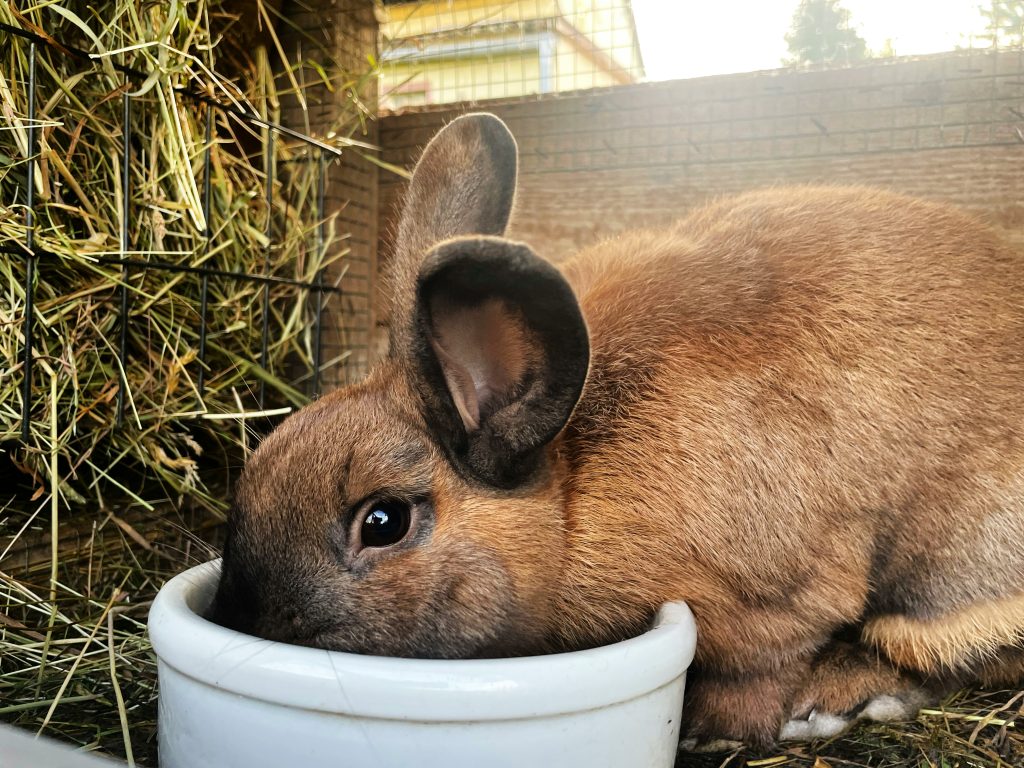
If your veterinarian has completely cleared your rabbit of any underlying dental or medical issues, you can begin addressing behavioral pellet addiction. Never remove pellets completely cold turkey. If a rabbit is stubborn and refuses to eat hay, cutting off their only accepted food source entirely can cause them to fast, which quickly triggers fatal hepatic lipidosis (fatty liver disease) in lagomorphs.
Instead, use a measured, gradual reduction strategy. Slowly reduce their total daily pellet allowance by 25% every three to four days until you hit the ideal clinical target of 1/4 cup per 6 pounds of body weight. This gradual decrease safely triggers a natural caloric deficit, causing your rabbit to look toward their hay rack to fill the empty space in their stomach. Hunger is a fantastic motivational speaker.
Offer multiple hay varieties
Do not limit your rabbit to a single type or cut of grass. Go to your local supplier and purchase small sample bags of several different varieties to see what appeals to their specific palate:
- Timothy (Second Cut): The standard balance of soft leaf and stem.
- Orchard Grass: Extremely soft, sweet-smelling, and highly recommended for rabbits with sensitive mouths or owners with severe allergies.
- Oat Hay: Coarse, thick-stemmed, and packed with highly prized, sweet oat hulls that rabbits love to forage for.
- Meadow Hay: A diverse mix of different wild grasses, herbs, and textures that mimics natural meadow grazing.
Improve hay presentation
Rabbits are highly spatial animals, and how their food is delivered matters immensely. If their hay is shoved tightly into a wire feeder that requires immense physical effort to pull a single strand out, they will quickly give up out of pure frustration. They appreciate good service just as much as we do.
Try placing large, loose, fluffy piles of fresh hay directly into their litter box. Rabbits possess a unique physiological urge to graze while simultaneously eliminating waste. By placing fresh, aromatic piles of grass directly in front of them while they use the litter tray, you naturally encourage passive, consistent consumption. It may seem odd to us, but it is peak convenience in the rabbit world.
Increase enrichment feeding
Transform hay consumption from a boring chore into an engaging mental game. Try stuffing handfuls of fresh hay and fragrant dried herbs inside empty, unbleached cardboard toilet paper rolls or tissue boxes.
Force the rabbit to chew through the cardboard, toss the tube around, and dig inside to extract the hidden forage. You can also scatter their small daily ration of pellets directly into a massive pile of hay, forcing them to use their noses to hunt through the blades of grass, inevitably consuming fiber as they forage.
Encourage natural grazing behavior
Create an environment that stimulates their ancestral wild instincts. Instead of keeping hay confined to a single corner of the room, set up multiple grazing stations throughout their entire living territory. Use shallow woven baskets, cardboard digging boxes filled with hay, and safe forage mats. The more frequently a rabbit bumps into a fresh, clean pile of aromatic grass during their daily explorations, the more likely they are to stop and take a few casual bites.
Monitor droppings carefully during diet changes
Throughout any dietary modification program, you must act as a vigilant health inspector. Check their litter box daily. As you successfully decrease pellets and increase hay intake, you should see a clear, positive shift in their fecal production: their droppings should gradually become larger, lighter in color (reflecting the digested grass particles), and perfectly round. If at any point the droppings stop completely, shrink to tiny dark beads, or become watery, halt the diet plan immediately and consult your exotic veterinarian.
| Transition Week | Pellet Adjustment | Hay Strategy | Fecal Target Check |
| Week 1 | Reduce daily allocation by 25% | Place loose fresh piles in litter tray | Monitor for steady baseline volume |
| Week 2 | Reduce daily allocation by 50% | Introduce alternative aromatic varieties | Look for increased size and golden tints |
| Week 3 | Hold at strict 1/4 cup per 6 lbs | Use cardboard foraging tube games | Confirm large, round, fibrous pellets |
9. What NOT to Do
There is a dangerous, highly pervasive myth in some pet care circles that an animal will eventually eat whatever food is placed in front of them if they get hungry enough. This logic is completely fatal when applied to rabbits. A rabbit’s digestive system cannot safely tolerate periods of prolonged fasting.
If a rabbit goes without food for more than 12 to 24 hours, their liver begins aggressively breaking down body fat to create energy, flooding their organs with lipids and triggering acute liver failure. Never try to win a standoff with a stubborn rabbit using starvation.
Avoid sugary treats to stimulate appetite
When an owner panics, they often make the mistake of offering a barrage of sweet treats or fruit. This strategy backfires spectacularly. Flooding a low-fiber digestive tract with sugary toxic foods fuels the growth of dangerous pathogens in the cecum, rapidly accelerating stasis.
Don’t ignore prolonged hay refusal
A rabbit that stops eating hay but continues to eat pellets is not experiencing a temporary phase or a harmless mood swing. Ignoring this behavioral shift for weeks or months allows underlying dental disease to progress to a catastrophic point where molar roots become infected, or jawbones permanently deform.
This progressive risk was recently highlighted in a private practice study published in the journal Animals, which explored common risk factors of acquired dental disease in domestic rabbits. Early intervention is significantly cheaper, safer, and far less stressful for the animal than waiting until a full-blown medical crisis occurs. Wishful thinking is not an effective veterinary strategy.
Avoid excessive pellets as a long-term solution
It can be incredibly tempting to just give in and let your rabbit live entirely on a diet of pellets if that is all they want to eat. However, a pellet-only diet is a definitive ticking time bomb for their health. Without the structural physical wear provided by long-stem hay, your rabbit will eventually face severe dental problems and chronic, painful digestive system disruptions that will severely shorten their lifespan.
10. When to See a Rabbit Vet
A rabbit refusing hay should see a veterinarian if the behavior change is sudden, lasts for more than 24 hours, or occurs alongside other critical symptoms outlined in my rabbit health guide, such as weight loss, drooling, noticeably smaller droppings, lethargy, or visible signs of physical pain.
Immediate warning signs
While chronic hay pickiness can be managed at home over time via gradual behavioral adjustments, you must learn to recognize when selective eating has officially crossed the line into an acute medical emergency. Seek immediate, same-day veterinary attention if you observe any of the following warning behaviors:
- Complete Anorexia: The rabbit suddenly stops eating everything.
- Zero Fecal Output: No droppings have been produced in the litter box for over 12 consecutive hours.
- Audible Tooth Grinding: A loud, slow, clicking or crunching sound coming from the jaw that sounds distinctly different from a soft, happy “purr” tooth chatter. This loud grinding is a definitive sign of severe physical pain.
- Extreme Drooling: The fur underneath the chin, along the neck, and down the chest becomes completely soaked with saliva.
- Inability to Stand or Move: The rabbit is completely lethargic, unresponsive to your presence, or unable to hold up their own body weight.
Why early treatment matters
When it comes to lagomorph medicine, time is your absolute most valuable resource. Dental issues caught in their earliest stages can often be easily corrected with a quick, non-invasive outpatient molar filing or trim.
However, if you wait until the animal’s gut has completely shut down from pain, you are no longer just treating a simple tooth problem—you are fighting to stabilize a critically ill animal dealing with systemic shock, hypothermia, and advanced metabolic decline.
Global regional directories of exotic veterinary practitioners can be reviewed through specialized networks like the Association of Exotic Mammal Veterinarians.
| Symptom Profile | Threat Assessment | Required Timeline | Action Needed |
| Enjoys pellets, ignores grass hay | Chronic / Developing | 24 to 48 Hours | Schedule regular vet dental check |
| Dropping hay, wet chin, slow chewing | Moderate Physical Pain | Next Available Appointment | Veterinary oral exam assessment |
| Total food refusal, zero fecal output | Acute Life Emergency | Immediate (Within 12 Hours) | Urgent exotic emergency clinic visit |
11. Frequently Asked Questions
Why does my rabbit eat pellets but not hay?
Pellets are pre-ground and compressed, requiring a simple vertical crushing motion to consume. Hay requires an intense, wide, side-to-side grinding motion. If a rabbit has underlying dental disease, tooth root inflammation, or sharp molar spurs, the wide grinding movement causes pain as the teeth scrape against the tongue or inner cheek, leading them to select the less painful pellet option.
Can rabbits survive without hay?
No. Long-stem grass hay must make up 80% to 90% of a domestic rabbit’s daily diet. Without the constant flow of long-stem indigestible fiber, a rabbit’s cecum will stall, leading to fatal gastrointestinal stasis. Additionally, their teeth grow continuously and will rapidly overgrow without the abrasive friction of hay grinding them down.
Is refusing hay always a dental problem?
While a sudden refusal of hay is a primary clinical indicator of dental disease, it is not the only cause. Healthy rabbits may reject hay due to behavioral pellet addiction (being overfed pellets), high stress levels from recent environmental changes, or a poor-quality, stale, or dusty batch of hay.
What is the best hay for picky rabbits?
If your rabbit is turning their nose up at standard second-cut Timothy hay, highly aromatic alternatives like Orchard Grass or Oat Hay are excellent choices. Orchard grass is typically much softer on sensitive mouths, while oat hay contains crunchy seed heads that appeal directly to a rabbit’s natural evolutionary drive to forage.
How long can a rabbit go without hay?
A rabbit should never go longer than 12 to 24 hours without consuming long-stem fiber. If a rabbit stops eating hay and subsequently starts refusing their pellets and treats as well, their system will enter a critical state of gut slowdown within hours, requiring emergency veterinary care.
Why did my rabbit suddenly stop liking hay?
Rabbits do not naturally alter their core taste preferences overnight. A sudden drop in hay consumption almost always points directly to an acute physical issue, such as a fresh molar spur slicing into the soft tissue of the mouth, an undiagnosed source of internal pain, a sudden environmental stressor, or a spoiled, moldy batch of hay.
Should I stop pellets completely?
No, never eliminate pellets cold turkey to force a rabbit to eat hay. If your rabbit is refusing hay due to hidden dental pain, removing their only accessible calorie source will cause them to stop eating completely, triggering rapid liver failure or acute gut stasis. Always consult a veterinarian first and reduce pellet rations gradually.
12. Final Thoughts
While a selective appetite is easily mistaken for pickiness, hay refusal is a clear indicator of hidden oral pain or a severe dietary imbalance. Pellets mask these issues because they require far less physical exertion to chew, but relying on them invites life-threatening gastrointestinal stasis and severe dental overgrowth.
Proactively enforcing pellet limits, monitoring fecal health, and consulting an exotic veterinarian at the first sign of an altered appetite will break the cycle of selective eating and ensure your rabbit thrives on the high-fiber diet nature intended.
Medical & Veterinary Disclaimer: Bunnyowners.com is an informational resource for rabbit owners and enthusiasts. We are not veterinarians. The content on this website is for educational purposes only and is not a substitute for professional veterinary advice, diagnosis, or treatment. Always consult a qualified veterinarian with any questions or concerns regarding your pet’s health, medical conditions, diet, or overall care. If you have concerns about your rabbit’s health, it’s always best to reach out to a veterinarian rather than relying solely on information found online.