
Veterinary & Affiliate Disclaimer: Bunnyowners.com shares educational rabbit care resources, not professional veterinary advice. Always consult a qualified veterinarian regarding your rabbit’s medical, dietary, or behavioral needs. This post may also contain affiliate links; as an Amazon Associate and affiliate partner, we earn from qualifying purchases at zero extra cost to you.
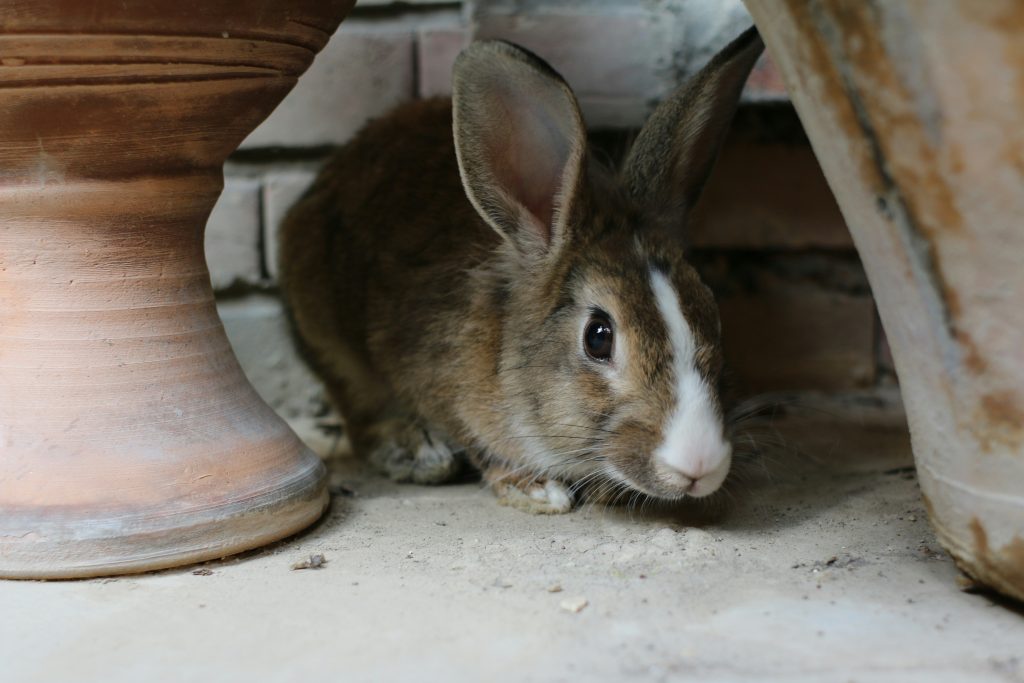
It is incredibly unsettling to walk into a room and find your usually enthusiastic rabbit wedged under the couch, staring blankly at the baseboard as if they are pondering the futility of existence. As a researcher who has spent years analyzing lagomorph health data, I have learned that a rabbit acting suddenly withdrawn isn’t just in a passing bad mood. Because rabbits are prey animals uniquely hardwired to conceal physical vulnerabilities, any sudden departure from their baseline behavior is a biological red flag.
Why is my rabbit hiding and acting depressed?
Sudden withdrawal usually means a rabbit is in pain, sick, or highly stressed. Common causes include GI stasis, dental issues, or environmental fear. If they also stop eating, it is a life-threatening veterinary emergency.
When a rabbit enters this state of deep isolation, time is rarely on your side, and assuming they are simply “sleepy” is a dangerous trap. Caring for my own bonded pair, Mocha and Chino, has reinforced that you must immediately cross-reference their hiding habits against other subtle symptoms. To help you navigate this, the following guide breaks down Rabbit health to distinguish normal resting from dangerous withdrawal, the top medical and environmental triggers, and the exact emergency signs that require an immediate vet visit.
#1: Is It Normal for Rabbits to Hide?
Context matters. Before throwing yourself into a panic, you have to look at the baseline ecological role that hiding plays in a healthy rabbit’s daily life.
Normal Hiding Behavior
Rabbits are obligate prey animals. Out in the wild, if you get spotted by a hawk or a fox, you are dinner. That deep-seated survival programming doesn’t just evaporate because a bunny lives safely on a living room rug. Healthy rabbits naturally seek out dark, low-clearance spaces to sleep because it triggers a neurological safety mechanism, dropping their vigilance so they can actually get some real rest.
Normal hiding usually follows a predictable routine:
- The Crepuscular Nap: Rabbits are active at dawn and dusk. It is completely normal for them to vanish into a preferred cardboard castle during the bright, noisy middle of the day.
- The Warren Instinct: Sleeping under a bed or behind a chair mimics the safety of a underground burrow.
- The Quick Scare: A dropped pan or a vacuum cleaner will cause a temporary retreat. But once the noise stops, a healthy rabbit pops back out within a few minutes to investigate.
When Hiding Becomes Abnormal
The line between healthy rest and a medical crisis comes down to volition and timing. You should be concerned if the behavior shifts into a dead-end isolation characterized by these distinct changes:
- The Shift is Sudden: Your rabbit’s usual routine flips overnight without an obvious explanation.
- Marathon Sessions: The rabbit stays tucked away for hours right through their typical morning or evening active periods.
- The Treat Snub: They refuse a favorite green or pellet while sitting in their hiding spot.
- Social Ghosting: A bunny that usually chins your ankles or grooms their partner suddenly isolates themselves or runs away when approached.
Table 1: Contextualizing Hiding Behavior
| Observation Context | Likely Normal Hiding | Potential Pathological Withdrawal |
| Time of Day | Mid-day or early afternoon (standard resting periods). | Active twilight hours (dawn and dusk). |
| Duration of Retreat | Brief periods or standard nap blocks; emerges for meals. | Stays hidden for consecutive hours; skips regular routines. |
| Response to Disturbance | Ears track noises; emerges quickly once a threat passes. | Remains completely frozen, dull, or unresponsive to noises. |
| Appetite Check | Readily leaves the hiding spot if a target treat is offered. | Refuses high-value treats or food brought directly to them. |
You should worry if your rabbit suddenly hides more than usual and also stops eating, becomes lethargic, or avoids movement. Hiding with appetite loss or abnormal droppings may signal illness or pain. Persistent withdrawal needs veterinary attention.
#2: What Does “Depressed” Behavior Look Like in Rabbits?
Rabbits do not cry, weep, or sigh, so human interpretations of “depression” must be translated into species-specific clinical signs. When a rabbit owner notes that their pet looks “sad,” they are usually picking up on a set of subtle postural and behavioral cues.
Common Signs Owners Notice
When a rabbit is withdrawing from their environment, they display several characteristic shifts in body language:
- The Rigid Hunch: They don’t look relaxed. They sit tightly compacted, feet tucked completely away, back curved in a stiff arch, with their head pulled tightly into their shoulders.
- Zero Curiosity: They stop tracking your movements, leave their favorite digging boxes untouched, and show no interest if you roll a fresh willow ball across the floor.
- Grooming Extremes: You will notice either a total stoppage of grooming—leading to a dull, spike-furred coat—or obsessive over-grooming of a single spot due to localized pain.
- Dull, Half-Closed Eyes: Healthy rabbit eyes are bright and wide. A sick or withdrawn rabbit often keeps their eyelids drooping, presenting a glazed, distant expression.
Calm vs. Lethargic Rabbit
It is easy for a novice owner to confuse a deeply relaxed, calm rabbit with one that is dangerously lethargic. The distinction lies entirely in their responsiveness to external stimuli.
Table 2: Calm vs. Lethargic Clinical Sign Differentiation
| Metric | Calm Rabbit | Lethargic Rabbit |
| Alertness | Ears move independently toward sounds; nose twitches rhythmically. | Ears remain pinned flat or completely unresponsive; nose movement is slow or absent. |
| Physical Tone | Can shift effortlessly into a stretch, flop, or hop if a treat appears. | Appears heavy, limp, or physically weak; may stagger slightly if forced to move. |
| Eyelid Position | Eyes may close during deep sleep but pop wide open upon approach. | Eyelids remain consistently half-closed or drooping even when a human interacts with them. |
| Appetite Check | Rustling a bag of pellets or opening a box of fresh hay causes instant alertness. | Completely ignores high-value foods placed directly under their nose. |
Rabbits can show depression-like behaviors such as withdrawal, inactivity, and reduced appetite. These signs are often linked to stress, loneliness, pain, or illness rather than emotion alone. Sudden behavior changes should always be taken seriously.
#3: Why Rabbits Hide When Sick or in Pain
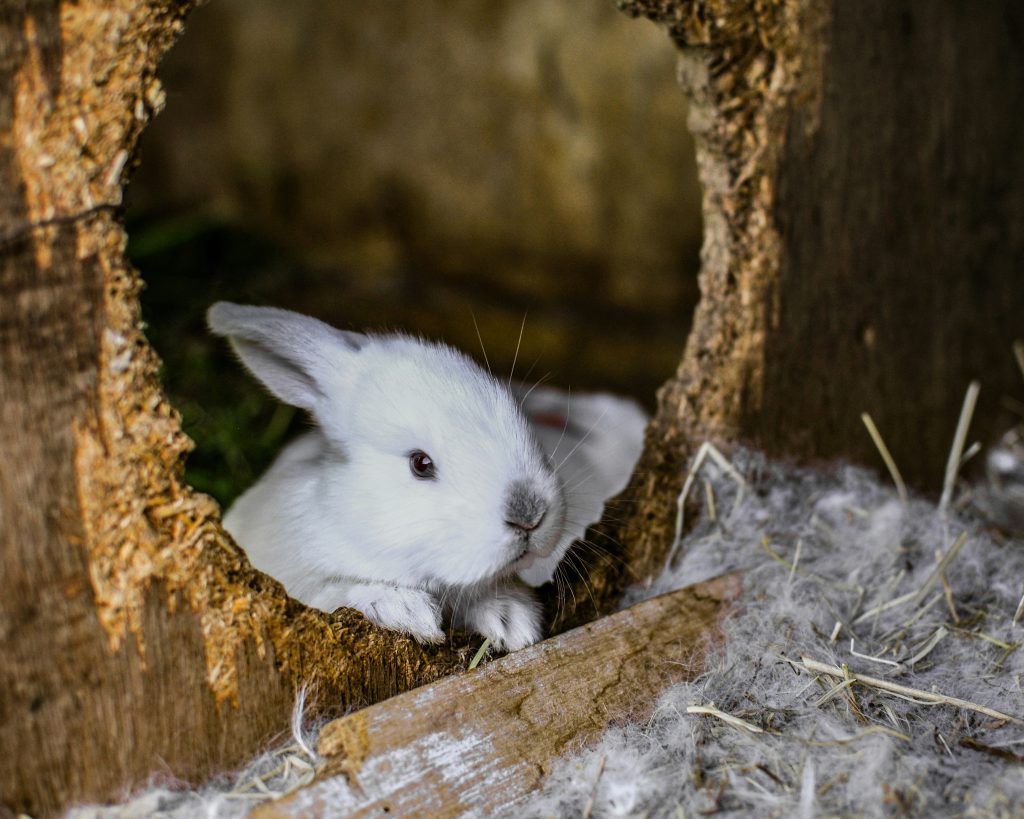
To understand why a rabbit acts “depressed” when sick, we have to look at the harsh realities of wilderness survival. In an ecosystem, showing any sign of physical weakness is an open invitation to dinner for local predators.
Prey Animal Survival Instincts
Because rabbits are low on the food chain, evolutionary pressures have scrubbed away visible expressions of suffering. A dog might whine, and a cat might vocalize, but a rabbit will remain completely silent and mask their symptoms for as long as biologically possible. Hiding reduces their perceived vulnerability. By tucking themselves into a tight, dark space, they ensure that a predator cannot spot a limp, a hitch in their breathing, or a lack of alertness.
Why Illness Looks Like “Depression”
When a medical issue progresses past the point of being easily masked, the rabbit’s energy budget collapses. Pain and systemic infection require immense metabolic resources. To fight off the issue or cope with acute discomfort, the rabbit shuts down non-essential behaviors—such as exploring, socializing, and playing—to conserve every shred of energy for survival. What looks like human sadness is actually a tightly regulated physiological shutdown aimed at self-preservation.
Rabbits instinctively hide when sick or in pain because they are prey animals. Sudden withdrawal, inactivity, or hiding more than usual can be an early sign of illness. Appetite changes often appear at the same time.
#4: Common Medical Reasons Rabbits Hide or Act Depressed
If your rabbit’s behavior shifts abruptly, medical causes must always be investigated first. Systematically evaluating their physical symptoms against a comprehensive rabbit health guide can help you determine the severity of their condition. Here is a breakdown of the primary clinical conditions that manifest as withdrawal or hiding.
GI Stasis or Digestive Pain
Gastrointestinal (GI) stasis is the silent killer of domestic rabbits. According to VCA Animal Hospitals, it occurs when the smooth muscles of the digestive tract slow down or stop completely, causing food and hair to form a static, dehydrating mass in the stomach or cecum. This process causes severe gas buildup and excruciating abdominal pain.
- Key Accompanying Signs: Total refusal to eat hay or pellets, a precipitous drop in fecal output (or a rabbit not pooping at all), audible stomach gurgling or complete silence upon auscultation, and frequent “belly pressing” where the rabbit shunts their abdomen flat against a cold floor to relieve gas pressure.
Rabbits with GI stasis often hide because abdominal pain makes movement uncomfortable. They may also stop eating, sit hunched, grind their teeth, or produce fewer droppings. GI stasis is a medical emergency.
Dental Disease
Rabbits have elodont teeth—meaning their incisors and molars grow continuously throughout their entire lives. If their diet lacks sufficient coarse roughage (like timothy hay) to wear the teeth down, as highlighted by Oxbow Animal Health, or if genetic malocclusion is present, dental disease in rabbits will develop razor-sharp enamel points or spurs. These spurs slice directly into the sensitive tissues of the tongue and cheeks every time the rabbit attempts to chew.
- Key Accompanying Signs: A rabbit that approaches food eagerly but drops it after one bite, noticeable drooling or a chronically wet chin (slobbers), a foul odor from the mouth, selective eating (shunning hard hay in favor of soft pellets), and progressive weight loss.
Dental disease can cause chronic pain that makes rabbits hide, eat less, and appear withdrawn. Many rabbits avoid hay, lose weight, or drool excessively when dental problems become severe. Veterinary treatment is usually needed.
Injury or Musculoskeletal Pain
Rabbits possess incredibly strong, muscular hind limbs paired with a lightweight, fragile skeleton. A bad landing from a couch, a slip on a slick hardwood floor, or rough handling can easily result in spinal strains, subluxations, micro-fractures, or torn toenails. Additionally, aging rabbits are highly prone to severe osteoarthritis in their hips and hocks.
- Key Accompanying Signs: A distinct limp, reluctance to hop up onto previously favored surfaces, holding a foot slightly off the ground, or a sudden display of defensive aggression (growling or lunging) if you attempt to touch a painful joint.
Respiratory Infection
Upper respiratory infections—often grouped under the colloquial term “snuffles”—are typically driven by bacterial pathogens like Pasteurella multocida (Merck Veterinary Manual). As the infection compromises their nasal passages, breathing becomes physically taxing, severely lowering blood oxygenation and draining the rabbit’s energy.
- Key Accompanying Signs: Frequent clicking or rattling sounds while breathing, clear or white nasal discharge, matted fur on the inside of their front paws (from using their legs as tissues to wipe their nose), and frequent sneezing.
Ear Infection or Head Tilt Disorders
Infections of the inner ear or neurological conditions like Encephalitozoon cuniculi (E. cuniculi) cause intense inflammation in the vestibular system. This completely destroys the rabbit’s sense of balance, making them feel as if the entire world is spinning continuously.
- Key Accompanying Signs: A pronounced rabbit ear infection symptom like tilting the head to one side, horizontal nystagmus (eyes flicking rapidly from side to side), walking in repetitive circles, or completely losing balance and rolling over like a log.
Urinary Tract Problems
Bladder stones, urinary tract infections, or “sludge” (an accumulation of calcium carbonate crystals in the bladder) cause severe inflammation and burning sensations within the urinary tract.
- Key Accompanying Signs: Frequent, strained attempts to urinate while producing only a few drops (a classic sign of rabbit urinary problems), a chronically wet or bare perineal area (urine scald), and blood-tinged urine on their litter or bedding.
Heat Stress
Rabbits are evolutionarily built for cold weather; they possess thick fur coats and lack the ability to sweat or pant efficiently. When ambient temperatures rise above 80°F (26°C), their primary method of heat exchange—radiating heat through the large blood vessels in their ears—fails, throwing them into acute heat stress.
- Key Accompanying Signs: Extreme lethargy, rapid or open-mouthed breathing, ears that feel hot to the touch, and a wet, moisture-lined nose.
Table 3: Summary of Common Medical Causes
| Medical Condition | Primary Physiological Trigger | Highlighted Accompanying Signs | Emergency Status |
| GI Stasis | Intestinal slowdown; gas pocket buildup. | Belly pressing, loud teeth grinding, no droppings. | Critical Emergency |
| Dental Disease | Sharp molar spurs slicing inner cheeks. | Drooling, wet chin, dropping food, dropping hay. | Urgent Vet Care |
| Musculoskeletal | Spinal strain, arthritis, sprains, torn nails. | Limping, structural stiffness, defensive aggression. | Monitor / Vet Visit |
| Respiratory Infection | Bacterial snuffles in the nasal passages. | Nasal discharge, matted front paws, audible clicking. | Urgent Vet Care |
| Ear / Vestibular | Inner ear inflammation or E. cuniculi. | Pronounced head tilt, eyes flicking, rolling over. | Urgent Vet Care |
| Urinary Problems | Bladder sludge, stone buildup, infections. | Straining to urinate, wet tail area, urine scald. | Urgent Vet Care |
| Heat Stress | Environmental temperatures exceeding 80°F. | Rapid breathing, hot ears, wet nose, severe weakness. | Critical Emergency |
Heat stress can cause rabbits to hide, breathe rapidly, and become lethargic or weak. Rabbits are highly sensitive to high temperatures, especially above 80°F. Severe overheating can become life-threatening quickly.
#5: Stress and Environmental Causes
If a thorough medical workup reveals a completely healthy rabbit, the focus must shift to environmental psychology. According to the Rabbit Welfare Association & Fund (RWAF), rabbits crave stability; their nervous systems operate on high alert, meaning minor changes to their ecosystem can spark a profound stress response.
Sudden Changes in the Home
A rabbit’s internal map of their territory is highly rigid. Disrupting this map can cause them to retreat into a state of anxious isolation:
- The Chaos of Moving: Relocating to a new house or apartment upends all familiar scent markers and environmental landmarks.
- Intrusive Noise Profiles: Nearby construction, yelling children, or loud audio setups can keep a rabbit in a state of chronic adrenaline overload.
- Layout Remodeling: Even something as simple as moving their enclosure to a different room or radically rearranging the furniture can strip away their sense of safety.
Fear or Predator Stress
House rabbits possess the exact same sensory organs as their wild ancestors. If they perceive that a predator is nearby, they will choose to hide rather than risk exposure. Chronic exposure to the scent or sight of a domestic dog, an inquisitive cat staring into their pen, or even wild predators visible through a low window can trigger a permanent state of fear-induced withdrawal.
Stress commonly causes rabbits to hide more and avoid interaction. Loud environments, predators, routine changes, or unfamiliar pets can trigger fear-related withdrawal. Severe stress may also reduce appetite.
Lack of Mental Stimulation
Boredom in intelligent animals can look identical to depression. A rabbit confined to a small, barren cage with zero environmental enrichment will eventually slip into a state of learned helplessness. They stop exploring because there is nothing to explore. However, unlike a sick rabbit, a purely bored rabbit will almost always maintain a robust appetite and react instantly if a favorite treat enters the picture.
Loss of a Bonded Rabbit
Rabbits form incredibly profound, monogamous-style social bonds with their companions. When a bonded partner passes away, the surviving rabbit will experience a distinct period of behavioral grief, much like how rabbits feel your sadness. They may wander the space searching for their partner, reduce their overall food intake, and spend days sitting quietly in the spots they used to share.
Table 4: Environmental and Psychological Stress Triggers
| Environmental Category | Specific Triggers | Behavioral Outcomes |
| Territorial Shifts | Moving homes, layout changes, cage relocation. | Persistent baseline anxiety; lingering in deep hideouts. |
| Acoustic Disturbance | Construction work, loud music, barking dogs. | Adrenaline spikes; sudden flight to tight corners. |
| Olfactory / Visual Fear | Predatory pet scents, cats staring into the pen. | Continuous hiding; defensive posturing; elevated alert levels. |
| Under-stimulation | Bare cages, lack of forage toys, social isolation. | Boredom-related withdrawal; learned helplessness. |
| Social Bereavement | Passing of a closely bonded rabbit partner. | Grief behaviors; wandering search tracks; low activity. |
#6: Signs Your Rabbit May Be in Pain
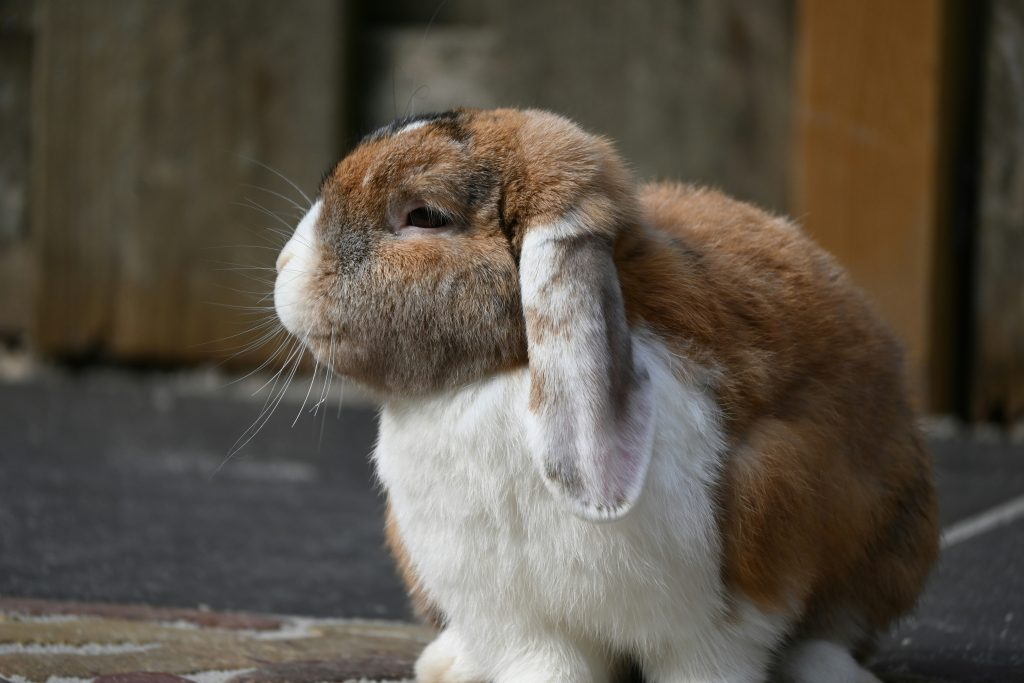
Because you cannot ask a rabbit where it hurts, you have to become an expert in reading their non-verbal pain scale. If your hiding rabbit exhibits a combination of these behavioral markers, pain is the driving force behind their “depressed” state:
- The Tooth Grind Distinction: Do not confuse gentle “purring” (soft tooth clicking when being petted) with a rabbit in grinding teeth pain. Tooth grinding is loud, slow, rhythmic, and sounds like two stones being crunched together. It can often be heard from across the room.
- The Orbital Tightening Scale: A rabbit in pain will pull their ears tightly back against their body, contract the muscles around their eyes to create a squinted, angular look, and tense their cheeks until their nose appears pointed rather than rounded.
- Aversive Touch Reactions: If you gently slide your hand over their back or press lightly near their flanks, a painful rabbit may flinch, emit a soft hiss, or execute a sharp, defensive lunge to force you away from the painful zone.
Rabbits in pain often hide, sit hunched, grind their teeth, or stop eating. Many become quiet, reluctant to move, or unusually withdrawn. Because rabbits hide weakness instinctively, symptoms can appear subtle at first.
#7: Symptoms That Make Hiding an Emergency
Not all hiding scenarios allow for a “wait and see” approach. Because of their highly volatile physiology, a rabbit can transition from mildly uncomfortable to completely un-resuscitatable in a matter of hours. As emphasized by exotic veterinary experts like PetMD, the following signs indicate a critical medical emergency:
- Refusing Food or Water: If a rabbit is not eating and goes for more than 8 to 12 hours without ingesting fiber, the lack of motility allows dangerous, toxin-producing bacteria (like Clostridium) to proliferate in the gut, inducing rapid systemic shock.
- Altered Droppings or Total Stoppage: Passing no droppings over an 8-hour window, or the sudden appearance of watery, foul-smelling rabbit diarrhea, points directly to a major gastrointestinal crisis.
- Dyspnea (Breathing Struggles): If your rabbit is breathing with their mouth open, extending their neck upward toward the ceiling, flaring their nostrils wildly, or showing a blue/purple tint to their gums, they are facing imminent respiratory failure.
- True Physical Collapse: A rabbit that is lying flat on their side, completely unresponsive to touch, unable to right themselves onto their feet, or showing cold, limp extremities requires immediate emergency veterinary treatment.
Table 5: CRITICAL EMERGENCY CHECKLIST
| Urgent Emergency Category | Specific Systemic Presentation | Required Immediate Action |
| Refusing Food or Water | Anorexia or food refusal lasting between 8 to 12 hours total. | Contact an emergency exotic veterinarian right away. |
| No Droppings or Diarrhea | Complete absence of stool for 8 hours or watery, foul discharge. | Seek immediate veterinary intervention to manage gut crisis. |
| Difficulty Breathing | Open-mouth breathing, extended neck posturing, blue/purple gums. | Transport to emergency clinical care with oxygen support. |
| Collapse or Severe Weakness | Lying limp on their side, unresponsive to touch, cold extremities. | Keep warm and transport to an emergency exotic vet instantly. |
| Severe Bloating | Abdomen is tightly distended, feeling firm like a drum; pain signs. | Emergency clinical decompression and pain management needed. |
Take your rabbit to the vet immediately if hiding occurs with not eating, lethargy, breathing problems, bloating, or abnormal droppings. Rabbits can decline rapidly once symptoms appear. Delaying treatment may become life-threatening.
#8: What You Should Do if Your Rabbit Is Hiding or Acting Depressed
When you spot your rabbit exhibiting signs of withdrawal, approach the situation systematically. Do not panic; instead, act as a clinical observer.
Step 1: Execute a Food and Waste Audit
Before changing anything, check the status of their resources. Look inside their hay rack—has the volume decreased at all over the last twelve hours? Check their pellet bowl. Next, examine their litter box. Count the number of droppings and note their size and texture. If the box is completely pristine from the last several hours, you are likely dealing with a medical emergency.
Step 2: The High-Value Treat Test
Step 2: The High-Value Treat Test: Offer your rabbit a small piece of their absolute favorite fresh vegetables or a treat—whether that is a sprig of fresh cilantro, a slice of romaine, or a tiny piece of fruit. If they eagerly grab it and eat, their digestive tract is still functioning, and you are likely dealing with early-stage stress or boredom. If they turn their head away, back deeper into their hideout, or actively swat the treat out of your hand, their appetite is compromised.
Step 3: Run a Basic Physical Scan
Step 3: Run a Basic Physical Scan: Without forcing a painful rabbit into stressful handling, gently feel their body. Are their ears freezing cold or burning hot? Gently place your fingers under their chest to monitor if your rabbit is breathing fast. Observe their resting posture—are they pressing their belly hard into the floor, or sitting in a hyper-arched hunch?
Step 4: Stabilize the Environment
Turn off loud televisions, move other household pets into a separate room, and dim the lights in the rabbit’s area. Ensure the room temperature is sitting safely between 65°F and 73°F. Provide a predictable, quiet space so that if the hiding is driven by a fear response, their sympathetic nervous system can successfully step down from a fight-or-flight loop.
Step 5: Contact an Exotic Animal Specialist
Standard cat and dog veterinarians rarely possess the advanced training required to manage complex lagomorph physiology. If your treat test fails, or if you note a drop in fecal output, immediately call a certified rabbit-savvy veterinarian or an emergency exotic animal hospital.
If your rabbit is hiding and not eating, contact a rabbit-savvy veterinarian immediately. Monitor droppings, water intake, posture, and breathing while keeping the rabbit warm and stress-free. Appetite loss in rabbits is always serious.
#9: How Veterinarians Diagnose the Cause
When you arrive at the clinic, an exotic animal veterinarian will use a suite of diagnostics designed to peer past the rabbit’s masking behaviors:
- Comprehensive Palpation: The vet will carefully feel the abdomen to check for gas distension, hard fecal impactions, or signs of acute pain response.
- Otoscopic Dental Examination: Using a specialized light and speculum, they will look deep into the back of the oral cavity to identify hidden molar spurs, cheek lacerations, or structural tooth decay.
- Diagnostic Imaging: X-rays (radiographs) are crucial for visualizing gas patterns in the cecum, spotting bladder stones, or diagnosing arthritis in the joints.
- Blood Chemistries: Blood tests can reveal underlying kidney or liver failure, systemic infection levels, or active exposure to E. cuniculi.
#10: Can a Lonely Rabbit Become Depressed?
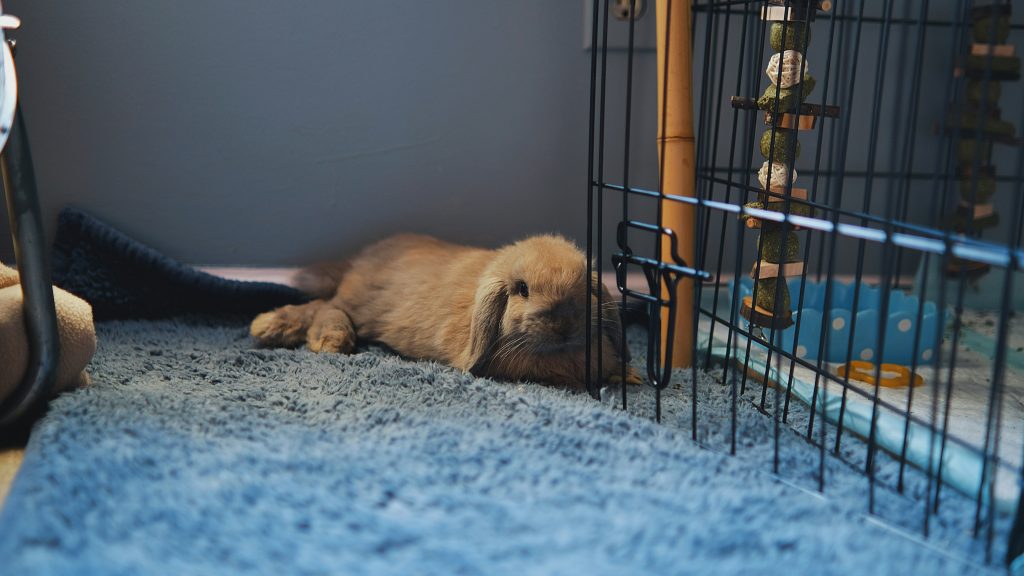
Because rabbits are highly social animals that evolved to live in large, cooperative wild warrens, chronic isolation can take an immense toll on their psychological well-being. A single rabbit left alone in an empty room for 23 hours a day will frequently showcase signs of profound lethargy and behavioral withdrawal.
However, we must introduce a hard clinical boundary here: never blame a rabbit’s sudden hiding on loneliness until you have completely ruled out underlying medical pathologies. It is incredibly common for an owner to assume their hiding rabbit is just “lonely,” only to discover too late that the animal was actually experiencing acute pain from GI stasis or a severe dental infection. If you look at a bonded pair like Mocha and Chino, their social dynamic thrives on baseline health; a sudden lapse in their interaction is almost always physical, not emotional. Rule out the physical body before attempting to treat the mind.
Some rabbits become withdrawn or less active when isolated for long periods. However, sudden hiding or lethargy should never be blamed on loneliness until illness or pain has been ruled out by a veterinarian.
#11: How to Prevent Hiding and Withdrawal in Rabbits
Proactive management is the best way to keep your rabbit out of a chronic hiding cycle. You can preserve both their physical health and emotional stability by implementing a few foundational husbandry habits, many of which are reinforced by guidelines from the House Rabbit Society:
- Fiber-First Nutrition: Ensure that clean, fresh, unlimited hay makes up at least 80% of your rabbit’s total dietary intake. This constant influx of long-stem fiber keeps the cecal fermentation loop moving smoothly, preventing GI stasis while naturally wearing down those ever-growing molars.
- Environmental Enclosure Upgrades: Ditch tiny commercial cages. Provide your rabbit with a spacious exercise pen or a bunny-proofed room filled with safe tunnels, cardboard digging boxes, and elevated resting platforms.
- Consistent Household Routines: Try to feed, clean, and interact with your rabbit on a highly predictable daily schedule. Minimizing sudden shocks to their environment reduces background cortisol levels, keeping them confident enough to explore their kingdom rather than cowering away from it.
Table 6: Preventative Husbandry Protocols
| Prevention Focus Area | Actionable Protocol | Intended Health Target |
| Dietary Management | Provide unlimited grass hay (80% of total diet daily intake). | Maintains gastrointestinal tract motility; wears molars down. |
| Enrichment Spaces | Utilize large playpens; add tunnels and cardboard structures. | Eliminates chronic boredom-related withdrawal and helplessness. |
| Routine Stability | Feed and interact on a highly predictable daily schedule. | Drops stress hormone levels; limits background anxiety loops. |
| Veterinary Wellness | Schedule bi-annual evaluations with an exotic clinical professional. | Catches subtle molar point progression and weight variations early. |
#12: Frequently Asked Questions
Why is my rabbit suddenly hiding from me?
A sudden retreat from human interaction usually indicates that your rabbit associates recent events with fear, or they are experiencing early physical discomfort. If they recently experienced a stressful event (like a nail trim or a loud house visitor), they may hide temporarily to re-establish their sense of security. If the hiding persists and they refuse treats, it is likely a sign of physical illness.
Why is my rabbit sitting still and not moving much?
If a rabbit sits completely still for hours outside of their normal afternoon sleeping window, they are often experiencing lethargy or pain. Pay close attention to their posture; a healthy resting rabbit will look relaxed or floppy, whereas a painful rabbit will hold their body tense, keep their eyes partially squinted, and ignore nearby environmental action.
Why is my rabbit hiding but still eating?
If your rabbit is spending more time in their hideouts but still emerges to enthusiastically eat their hay, greens, and pellets, you are likely looking at an environmental or stress-related issue rather than an acute medical emergency. Check for recent changes in the home, nearby loud noises, or the presence of new household pets that could be triggering a fear response.
Can boredom make rabbits seem depressed?
Yes. Without proper toys, foraging opportunities, and structural space to run and binky, a rabbit will eventually showcase signs of extreme boredom and withdrawal. They may sit motionless for long periods simply because their environment lacks any meaningful stimuli. Providing cardboard boxes, willow sticks, and daily floor time can quickly reverse this state.
Do rabbits hide before they die?
In the final stages of a severe, unmanaged medical crisis, a rabbit’s predatory defense instincts will drive them to seek out the most remote, enclosed hiding space available. This is a survival mechanism intended to protect them from predators when they are entirely defenses. Any rabbit showing extreme weakness, cold extremities, and persistent hiding requires immediate emergency veterinary treatment.
Why is my rabbit hiding in the corner?
Hiding face-first in a corner is a classic sign of an anxious or uncomfortable rabbit. By facing the wall, they cut off visual stimuli that may be causing them fear, or they are attempting to isolate themselves from household activity due to internal pain. Step through a food and droppings check immediately to ensure they are physically stable.
#13: Conclusion
When a rabbit begins hiding or acting “depressed,” they are utilizing the only language available to them to state that their equilibrium has been disrupted. Whether that disruption is driven by an impending case of GI stasis, a painful molar spur, or the chronic stress of a barking dog, you must never brush the shift aside as a simple bad mood.
By keeping a rigorous eye on their daily food intake, checking their litter box output with the scrutiny of a researcher, and knowing the precise boundaries between healthy rest and pathological withdrawal, you can intervene long before a subtle symptom escalates into a life-threatening crisis. When in doubt, drop the guesswork, preserve a quiet environment, and get your rabbit in front of a qualified exotic veterinarian.
Medical & Veterinary Disclaimer: Bunnyowners.com is an informational resource for rabbit owners and enthusiasts. We are not veterinarians. The content on this website is for educational purposes only and is not a substitute for professional veterinary advice, diagnosis, or treatment. Always consult a qualified veterinarian with any questions or concerns regarding your pet’s health, medical conditions, diet, or overall care. If you have concerns about your rabbit’s health, it’s always best to reach out to a veterinarian rather than relying solely on information found online.