
Veterinary & Affiliate Disclaimer: Bunnyowners.com shares educational rabbit care resources, not professional veterinary advice. Always consult a qualified veterinarian regarding your rabbit’s medical, dietary, or behavioral needs. This post may also contain affiliate links; as an Amazon Associate and affiliate partner, we earn from qualifying purchases at zero extra cost to you.
Sudden or rapid weight loss in a rabbit is a critical clinical indicator that should never be ignored. Because rabbits are prey animals, their evolutionary survival strategy relies on pretending everything is absolutely fine until their systems reach a point of metabolic exhaustion—meaning by the time you notice they are physically shrinking, they’ve likely been keeping a major medical secret from you for weeks. So, what causes a rabbit to lose weight suddenly?
Sudden weight loss in rabbits is primarily caused by hidden dental disease, gastrointestinal disorders, metabolic organ failure, or intestinal parasites. When a rabbit drops weight while still eating, it typically indicates chronic pain, nutrient malabsorption, or a severe condition like cancer. Because a persistent appetite can mask these underlying issues, a prompt veterinary evaluation is essential to identify the root cause.
To unravel this health mystery, this guide—part of my comprehensive library of rabbit health guides—will walk you through how to accurately assess your rabbit’s physical condition at home, how to recognize critical emergency warning thresholds, and how to identify the specific underlying causes—ranging from dental issues to chronic diseases—so you can work with your vet to build a targeted recovery plan.
1. How to Tell If Your Rabbit Is Actually Losing Weight
Rabbits are masters of structural deception. Thanks to their dense, plush pelts, a rabbit can shed a dangerous amount of body mass while looking entirely unchanged from the outside. This is particularly true during active molting seasons or heavy winter coat cycles, where loose fluff creates an optical illusion of a well-padded body. Reliance on sight alone frequently leads to delayed interventions.
The Hands-On Palpation Checklist
To accurately judge a rabbit’s condition, you must put your hands on them. A thorough, physical palpation should be performed along the skeletal boundaries:
| Anatomical Zone | Physical Assessment Protocol | Target Wasting Indicator |
|---|---|---|
| The Spine | Run your fingers gently down the backbone. | Vertebrae feel sharp, jagged, or distinct like a row of pencil tips instead of rounded bumps. |
| The Hips and Flanks | Palpate the pelvic bones (iliac crests) with light pressure. | Protruding hip bones combined with concave, sunken, or hollow flanks. |
| The Dewlap & Hindquarters | Check the pocket of fat beneath the chin and muscle density over the hind legs. | Notable reduction in dewlap size or flat, hollow hindquarters pointing to advanced atrophy. |
Home Weight Diagnostics
Visual checks and palpation are vital, but objective data is your best defense against slow-burning illnesses. Every rabbit owner should possess a digital kitchen scale or a dedicated infant scale capable of measuring in small increments.
Using precise tracking protocols I established during home health baselines for my rabbits, Mocha and Chino, I highly recommended weighing your rabbits at least once a week. Because a rabbit’s weight can fluctuate mildly based on cecal fullness or hydration, tracking the long-term trend line is far more important than a single daily data point. According to the House Rabbit Society, a consistent downward trend over two to three weeks demands an investigative trip to a rabbit-savvy vet.
The Rabbit Body Condition Score (BCS) Matrix
Veterinarians use a standardized 1-to-5 Body Condition Score (BCS) scale to classify a rabbit’s physical state. The Rabbit Welfare Association & Fund (RWAF) emphasizes that manual palpation is the only entirely reliable method for differentiating fluid retention or thick fur from genuine muscular wasting.
| BCS Score | Classification | Palpation Markers | Visual Appearance |
|---|---|---|---|
| 1 | Emaciated | Spine and ribs are razor-sharp; no palpable fat or muscle over bones. | Severe hollow flanks; skin appears loose and draped over skeleton. |
| 2 | Thin | Bones are easily felt with minimal pressure; muscle mass over limbs is diminished. | Flanks are concave; face and hindquarters look noticeably smaller. |
| 3 | Ideal | Spine and ribs are easily plateaued but feel rounded; smooth muscle coverage. | Sleek, proportional profile; clear division between chest and abdomen. |
| 4 | Overweight | Spine and ribs are difficult to feel; thick fat pads present over the pelvis. | Dewlap is large; body shape appears distinctly round or blocky. |
| 5 | Obese | Spine and ribs cannot be felt even with deep pressure; heavy tail fat pads. | Pendulous abdomen; skin folds interfere with grooming access. |
2. Is Sudden Weight Loss an Emergency? Knowing the Thresholds
While chronic weight loss gives you a small window to schedule an appointment, sudden weight drops coupled with acute behavioral changes constitute a true medical crisis. Clinical summary profiles from the People’s Dispensary for Sick Animals (PDSA) highlight that a rapid drop in food intake represents an absolute emergency.
You must seek emergency veterinary care immediately if your rabbit’s weight loss is accompanied by any of the following clinical signs:
- Absolute Anorexia: When a rabbit stops eating entirely, refusing any food, greens, or treats for more than 8 to 12 hours.
- Altered Fecal Output: Droppings that are tiny, hard, misshapen, coated in mucus, or completely absent from the litterbox.
- Lethargy and Posture: Sitting hunched in a corner with eyes half-closed, non-responsive to your presence, or showing extreme physical weakness.
- Signs of Severe Pain: Loud, rhythmic tooth grinding (distinguishable from the soft “purring” click of a happy rabbit) or rapid, shallow breathing.
- Abdominal Bloating: A stomach that feels hard, taut, and drum-like when gently pressed.
Metabolic Acceleration Risk
Rabbits possess incredibly fast metabolic rates. When a rabbit stops eating normally or experiences a rapid drop in caloric intake, their liver begins processing stored body fats at an accelerated pace to supply the body with energy. Unfortunately, a rabbit’s liver cannot handle this rapid influx of lipids efficiently.
This triggers a cascade known as hepatic lipidosis (fatty liver disease), a life-threatening state where fat infiltrates the liver tissue, leading to acute hepatic failure. Because smaller rabbit breeds have even higher basal metabolic rates, they can deteriorate from a minor digestive slowdown into terminal liver failure and sudden, unexpected death in a matter of 24 to 48 hours.
When to Call an Emergency Rabbit Vet Immediately
If your rabbit has dropped more than 10% of their baseline body weight within a single week, clinical guidelines from PetMD classify this as acute cachexia. Do not wait for a regular weekday opening. If you observe structural wasting paired with hypothermic ears, a total absence of stool, or a cold, non-responsive demeanor, your rabbit requires immediate stabilization, intravenous fluid therapy, and pain management at an emergency veterinary clinic equipped to treat exotic pets.
3. Dental Disease: The Leading Catalyst for Weight Loss
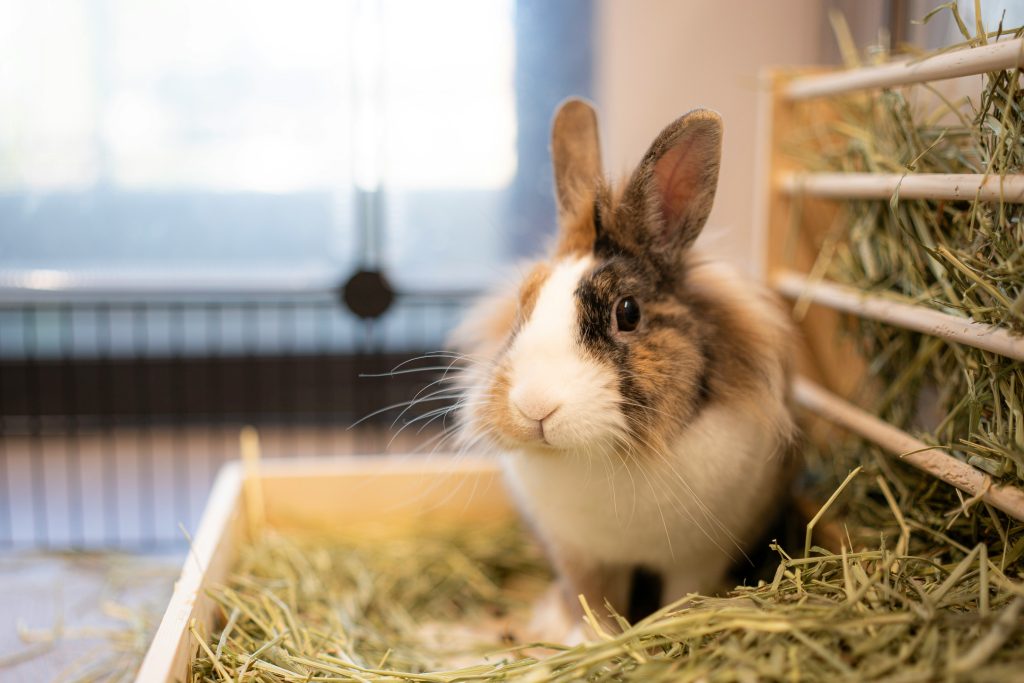
Rabbits have elodont dentition, meaning all of their teeth—both the visible front incisors and the hidden back cheek teeth (molars)—grow continuously throughout their entire lives. In a healthy rabbit, the constant grinding of coarse, fibrous plant material wears the teeth down at the exact same rate they grow.
However, if a rabbit’s diet lacks sufficient roughage, or if genetic jaw misalignment is present, the teeth do not wear down evenly. Detailed diagnostic summaries from VCA Animal Hospitals explain that this lack of appropriate wear causes the molars to develop sharp, razor-like enamel edges known as molar spurs, leading to severe overgrown teeth and dental disease. These spurs dig directly into the sensitive tissue of the tongue and cheeks, transforming the simple act of chewing into a source of agonizing pain.
Clinical Identifiers of Dental Attrition
Because you cannot see a rabbit’s molars without a specialized veterinary otoscope, you must watch for secondary signs of oral pain. The Royal Veterinary College highlights several definitive symptoms:
- Selective Eating: The rabbit suddenly stops eating hard hay but will still attempt to nibble on soft pellets or fresh herbs.
- Dropping Food (“Quidding”): The rabbit picks up food eagerly, chews for a second, and then drops the crushed pieces out of their mouth.
- The “Wet Chin” Syndrome: Hypersalivation caused by the inability to swallow comfortably due to mouth ulcers, leaving the fur under the chin and neck perpetually damp or matted.
- Ocular Discharge: Overgrown upper tooth roots can impinge upon or completely block the nasolacrimal (tear) duct, causing chronic weeping or crusting around the eyes.
The Evolution of Treatment
Never attempt to clip or trim a rabbit’s teeth at home. Doing so can easily fracture the tooth root, leading to catastrophic jaw abscesses that are notoriously difficult to cure.
A rabbit-savvy vet will place the rabbit under safe general anesthesia to perform an occlusal equilibrium. Using specialized dental burs, the vet will safely grind the sharp molar spurs down into a flat, smooth plateau, smoothing out the painful edges. If a tooth root is structurally diseased or an abscess has formed within the jawbone, surgical extraction and long-term antibiotic therapy will be required.
4. Gastrointestinal Disorders and Malabsorption
A rabbit’s digestive tract is essentially a highly tuned, fiber-powered fermentation vat. The cecum houses billions of beneficial bacteria that break down indigestible fiber into digestible nutrients, including volatile fatty acids and nutrient-dense cecotropes (night feces). If a rabbit is fed an inappropriate diet—such as one high in simple sugars or lacking the dietary basics needed to prevent stasis—the delicate pH of the cecum shifts.
This shift triggers cecal dysbiosis, a state where beneficial microbes die off and harmful pathogens propagate. Without a stable microbial population, the fermentation process fails, and the rabbit can no longer extract essential calories and nutrients from their food, leading to progressive weight loss despite a full stomach.
Parasitic Exploitation
Intestinal parasites are another common cause of unexplained weight drops, particularly in younger rabbits or those sourced from multi-animal environments.
- Coccidiosis: Caused by microscopic protozoan parasites (Eimeria spp.), coccidiosis damages the mucosal lining of the intestines and liver. The inflamed gut wall loses its capacity to absorb nutrients, resulting in chronic soft stool, a distended abdomen, and rapid muscle wasting.
- Pinworms: While Passalurus ambiguus infections are generally less acute than coccidiosis, heavy infestations can cause persistent localized inflammation, nutrient theft, and systemic thriftiness. Diagnostic validation via a veterinary fecal flotation exam is necessary to pinpoint these invisible hitchhikers.
The “Eating But Losing Weight” Paradox
One of the most confusing scenarios for an owner is watching a rabbit consume food with boundless enthusiasm while continuously transforming into a skeleton. This specific anomaly occurs when the rabbit’s basic caloric intake is completely outpaced by malabsorption or an invisible systemic demand.
My ongoing observational studies with Mocha and Chino reinforce that a rabbit’s energy expenditure is tightly bound to their digestive equilibrium. If the gut lining is compromised by chronic low-grade inflammation or parasitic activity, nutrients pass straight through the body unabsorbed. The rabbit feels starving on a cellular level and will eat continuously, yet their body is forced to scavenge its own lean muscle tissue just to maintain a basic core temperature.
5. Systemic Illness, Pain, and Chronic Organic Disease
As rabbits age, or due to underlying genetic factors and chronic subclinical infections, their vital metabolic organs can begin to decline.
- Chronic Kidney Disease (CKD): Advanced renal failure is a significant driver of muscle wasting in rabbits. When the kidneys lose their filtration efficiency, metabolic toxins build up in the bloodstream. This leads to a state called uremia, which suppresses appetite, induces chronic nausea, and accelerates tissue cachexia. A classic clinical signature of kidney decline is polyuria and polydipsia—a dramatic, uncharacteristic surge in water consumption and changes in urine output.
- Liver Insufficiency: Non-fatty liver diseases, chronic infections, or toxic exposures impair the organ’s ability to synthesize critical proteins, causing a slow but steady decline in overall body mass.
Osteoarthritis and Mobility-Induced Anorexia
Rabbits are exceptionally fragile creatures prone to degenerative joint disease, especially in the spinal columns and coxofemoral (hip) joints of senior individuals. Chronic orthopedic pain fundamentally alters a rabbit’s daily behavior.
If it is painful to hop, a rabbit will dramatically reduce their trips across the enclosure to reach their hay rack or water bowl. This creates a cycle of self-imposed restriction: the rabbit eats less because movement hurts, leading to rapid, age-compounded muscle atrophy over the pelvic limbs.
Neoplasia and Internal Pathologies
Cancer is a powerful driver of rapid weight loss due to a phenomenon known as cancer cachexia. Malignant tumors alter the host’s metabolism, actively secreting inflammatory cytokines that force the body to break down its own muscle and fat stores to fuel the tumor’s rapid growth.
- Uterine Adenocarcinoma: This is the most prevalent cancer in unspayed female rabbits over the age of three, boasting an incidence rate of up to 60–80% depending on age. It frequently manifests as slow, unexplained weight loss accompanied by intermittent hematuria (blood in the urine).
- Lymphoma and Intestinal Tumors: These malignancies can affect rabbits of any age or gender, crowding out functional organ tissue, disrupting nutrient absorption, and causing deep, internal structural decline.
6. Environmental and Psychological Stress Triggers
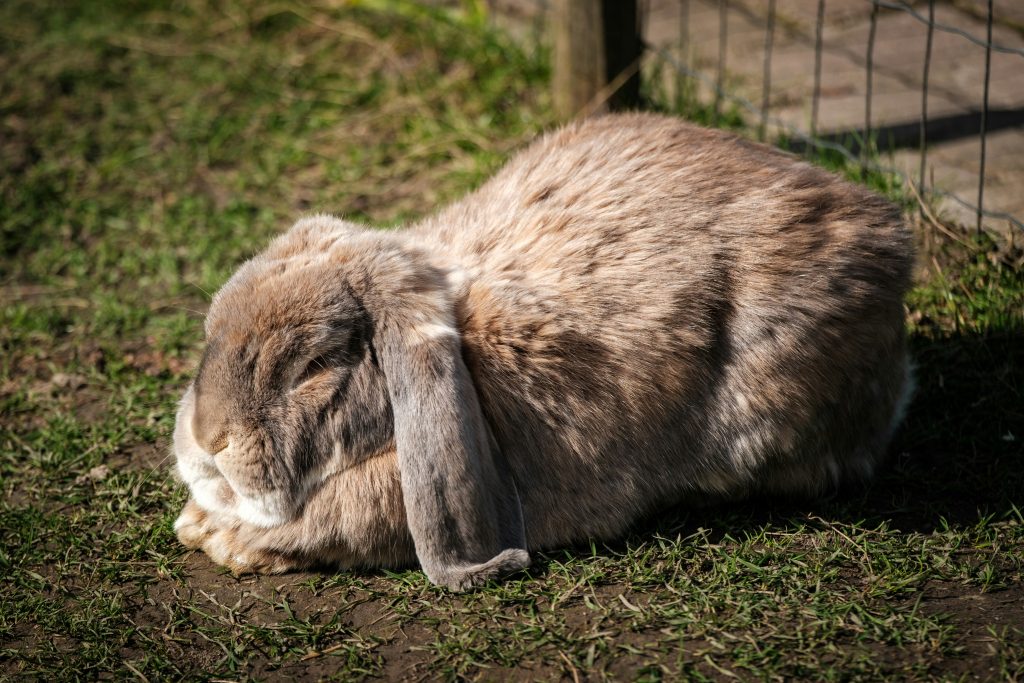
Rabbits possess a highly sensitive sympathetic nervous system. When exposed to chronic psychological stress, their adrenal glands flood their system with cortisol and adrenaline. Chronic elevation of these hormones has a devastating effect on lagomorph physiology, actively suppressing gastrointestinal motility and altering blood glucose regulation.
Common environmental stressors include:
- The unmediated presence or scent of household predators (dogs, cats, ferrets).
- Chronic, loud environmental noises (renovations, loud music, shouting).
- The loss of a bonded companion or a poorly executed, stressful bonding attempt with a new partner.
An anxious, depressed, or hiding rabbit spends their day in a state of hyper-vigilance, burning excessive calories in a perpetual “fight-or-flight” loop while simultaneously reducing their forage intake.
Thermal Stress Overload
Rabbits are evolutionarily built to tolerate cold temperatures far better than heat. They do not possess the ability to sweat, and their only mechanisms for heat dissipation are panting and radiating heat through the large surface area of their ears.
When ambient temperatures exceed 77°F (25°C), rabbits experience immediate thermal stress. To minimize internal heat production generated by metabolic digestion, a heat-stressed rabbit will dramatically cut back their consumption of dry, fibrous hay. Over a hot summer season, an improperly cooled indoor or outdoor rabbit can drop a catastrophic amount of weight simply due to heat-induced anorexia.
7. Senior Rabbit Dynamics: Age-Related Sarcopenia vs. Pathology
Just like aging humans, geriatric rabbits experience sarcopenia—the natural, age-associated loss of skeletal muscle mass and strength. As a rabbit moves into their twilight years (typically around 7 to 9 years of age), their metabolic rate shifts, their overall activity levels naturally decline, and their body composition shifts toward a slightly boney, lean profile. A senior rabbit may develop a slightly more prominent spine or leaner hindquarters despite receiving an impeccable diet and carrying no underlying diseases.
The Red Line: Identifying True Pathology
While a gentle, gradual decline over several years can be part of the normal aging process, you must never write off sudden, sharp weight drops as “just old age.” Aging is a slow slope; pathology is a cliff.
If a senior rabbit drops noticeable mass within a couple of weeks, or if their baseline energy levels drop off abruptly, they are likely suffering from a manageable age-related illness like dental wear, arthritis pain, or early-stage kidney disease. Regular comprehensive blood chemistry panels and physical exams are vital for this demographic to catch and treat these conditions early.
8. Veterinary Diagnostic Frameworks: What to Expect
Because weight loss is a broad symptom for dozens of overlapping illnesses, your veterinarian will need to perform a systematic medical workup to uncover the root cause.
| Diagnostic Step | Clinical Target / Assessment Protocol | Vital Markers Analyzed |
|---|---|---|
| 1. Physical & Oral Exam | General physical assessment and thorough otoscopic check of the oral cavity. | Structural symmetry, coat health, and presence of molar spurs or mouth ulcers. |
| 2. CBC & Biochemistry Panel | Automated analysis of blood cells and key chemical compounds in the bloodstream. | Kidney filtration markers, liver enzymes, blood glucose, and white blood cell levels. |
| 3. Fecal Flotation Analysis | Microscopic screening of fresh fecal samples to detect hidden infestations. | Presence of coccidiosis oocysts (Eimeria spp.) or intestinal pinworm eggs. |
| 4. Diagnostic Imaging | Advanced visual profiling using radiography and sound wave frequencies. | Elongated tooth roots, spinal bone changes, bladder stones, or soft-tissue masses. |
The process begins with an exhaustive physical assessment, including an otoscopic examination of the oral cavity. Next, the vet will draw blood for a Complete Blood Count (CBC) and a Biochemistry Panel.
This crucial data lets the vet assess kidney filtration markers, evaluate liver enzymes, check blood glucose, and look for an active internal infection or abscess. A fresh stool sample will also be screened via fecal flotation to rule out intestinal parasites.
Advanced Imaging
If the bloodwork and oral exam return normal, your veterinarian will recommend diagnostic imaging. Full-body digital radiographs (X-rays) are essential for visualizing the entire skull architecture, allowing the vet to see if overgrown tooth roots are invading the jawbone or pushing into the eye sockets.
Radiographs can also reveal arthritic remodeling along the spine, hidden bladder stones, or abnormal lung patterns. If an internal mass or fluid accumulation is suspected within the abdomen, an ultrasound will be used to safely evaluate the structural integrity of the stomach, liver, and kidneys.
9. Immediate Home Support and Stabilization Protocols
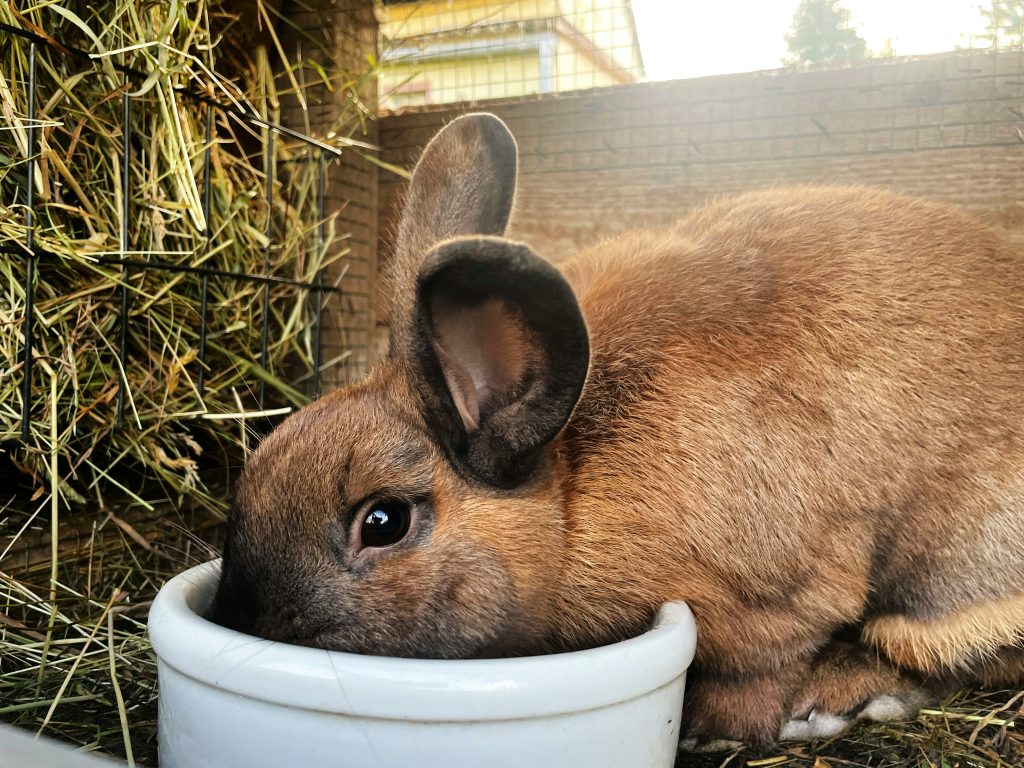
Dehydration drastically accelerates systemic decline and acts as a primary trigger for fatal gastrointestinal stasis. To keep a failing rabbit stable, you must maximize their fluid intake. If your rabbit currently uses a water bottle, immediately place a heavy, wide-rim ceramic water bowl next to it.
Rabbits naturally drink far more efficiently from an open bowl, which mimics their natural drinking posture. Additionally, you can rinse fresh, rabbit-safe leafy greens (like romaine lettuce, cilantro, or parsley) in cold water and serve them dripping wet, forcing extra hydration into their digestive system with every bite.
Critical Nutritional Support Safety
If your rabbit’s appetite has plummeted alongside their weight, you may need to provide nutritional support via syringe feeding using an elemental recovery formula like Oxbow Critical Care. However, you must observe a strict safety rule: never force-feed a rabbit via syringe unless they have been cleared by a veterinarian.
If the underlying cause of your rabbit’s weight drop is an acute, physical intestinal blockage or a severely bloated stomach, forcing a thick fiber slurry down their throat can cause fatal gastric rupture. Always have a vet palpate or radiograph the abdomen to confirm the gut is clear before starting a syringe-feeding regimen.
10. Preventative Care and Long-Term Management
The absolute foundation of rabbit health, dental longevity, and weight stability is a diet built entirely around long-stem forage. Your rabbit’s daily intake must strictly reflect the golden ratio of lagomorph nutrition:
| Dietary Component | Targeted Percentage | Forage Specification & Management |
| Grass Hay | 80% – 85% | Unlimited access to high-quality grass hay like Timothy, Orchard, or Meadow forage. |
| Fresh Leafy Greens | 10% – 15% | Daily rotation of clean, dark greens (Romaine, Cilantro, Parsley, Kale). |
| High-Fiber Pellets | 5% | Strictly measured, high-quality rabbit pellets without added seeds or colorful junk. |
For a complete perspective on establishing protective environmental baselines alongside proper diet ratios, my comprehensive rabbit health guide details how these components interact over a rabbit’s entire lifespan.
Unlimited access to high-quality grass hay forces the constant side-to-side, lateral chewing motion required to naturally file down those fast-growing molars. Keep high-calorie treats, commercial seed mixes, and sugary fruits entirely out of their daily routine to preserve gut health.
Proactive Screening Schedules
The best way to treat dangerous weight loss is to catch it when it is still measured in ounces. Establish a strict habit of monthly weight checks for adult rabbits, and bump that frequency up to a weekly schedule once your rabbit crosses into their senior years.
Ensure your rabbits receive annual veterinary checkups, moving to bi-annual (every 6 months) physical and dental exams for geriatric individuals. National health data published via the Animal and Plant Health Agency (APHA) and the British Veterinary Association (BVA) underlines that active scanning surveillance and routine checkups remain the primary defenses against emerging or subclinical pathologies in companion animals.
Catching a developing molar spur or early kidney decline before it manifests as physical emaciation is the key to expanding your rabbit’s lifespan..
11. Frequently Asked Questions (FAQ)
Why is my rabbit bony but still has a big, round belly?
This presentation is a classic warning sign of either a severe parasitic infestation (like coccidiosis) or structural bloating. When parasites inflame the intestinal lining, fluid shifts and gas accumulation stretch the abdominal wall outward, creating a “potbellied” appearance. Meanwhile, the rabbit’s muscles are actively wasting away along the spine and hips due to nutrient starvation. This requires a veterinary fecal exam and immediate treatment.
How much weight loss is considered dangerous for a rabbit?
Any unplanned loss of 10% or more of a rabbit’s normal, healthy baseline body weight is considered a major medical emergency according to clinical standards from PetMD. For a small 4-pound rabbit, a loss of just 6.4 ounces represents a massive, highly dangerous depletion of bodily tissue and demands an urgent diagnostic workup.
Can a rabbit recover from severe muscle wasting?
Yes, rabbits possess a remarkable capacity for cellular recovery, provided the underlying cause is diagnosed and corrected early. Once dental spurs are filed, pain is managed with veterinary therapeutics, or parasites are eradicated, switching to a recovery diet under professional guidance can successfully rebuild lost muscle mass and restore a healthy body condition score.
Should I increase pellet portions automatically if my rabbit is thin?
No, never make drastic dietary shifts without a diagnosis. If your rabbit is losing weight due to a hidden dental issue or severe gut dysbiosis, flooding their system with dense, starchy pellets can easily disrupt their cecal pH further, leading to enterotoxemia or acute GI stasis. Always consult your vet to rule out medical issues before adjusting caloric intake.
Can a change in hay brands cause sudden weight drops?
Yes, indirectly. Rabbits are notoriously pick-and-choose eaters and possess highly sensitive senses of smell and taste. If you abruptly switch to a batch of hay that is coarse, dusty, yellowed, or a completely different grass species, your rabbit may simply refuse to eat it. This self-imposed strike can cause their fast-moving metabolism to burn through muscle and fat reserves rapidly.
How do parasites cause weight loss if my rabbit stays indoors?
Indoor rabbits are still susceptible to parasite transmission. Oocysts (parasite eggs) from coccidia or pinworms can easily be tracked into your living space on your shoes, clothes, or via unwashed hands after handling other animals. Contaminated batches of fresh greens or poorly stored hay can also introduce these microscopic pests directly into your rabbit’s pristine indoor environment.
| Transmission Vector | Description | Common Prevention Strategy |
|---|---|---|
| Fecal-Oral Route | Microscopic oocysts or eggs are shed in stool and accidentally consumed. | Immediate removal of soiled bedding and daily sanitization of food bowls. |
| Fomite Tracking | Parasite elements are brought indoors on human shoes, clothing, or hands. | Washing hands after outdoor activities and leaving outdoor footwear at the door. |
| Forage Contamination | Wild rabbits pass parasites onto growing commercial hay crops or outdoor greens. | Sourcing premium, high-quality hay brands and washing all fresh produce thoroughly. |
12. Final Thoughts
Sudden weight loss in a rabbit is a critical biological distress signal that should never be ignored. Because their instinct as prey animals is to mask illness until total exhaustion sets in, a prominent spine or a drop on the scale indicates your rabbit’s internal defense mechanisms are already failing.
Whether the issue stems from hidden dental spurs, parasitic malabsorption, or chronic organ decline, early clinical intervention remains your most powerful tool. Maintaining strict weekly weight logs and seeking timely veterinary care are essential to successfully intercepting these hidden pathologies and restoring your rabbit’s health.
Medical & Veterinary Disclaimer: Bunnyowners.com is an informational resource for rabbit owners and enthusiasts. We are not veterinarians. The content on this website is for educational purposes only and is not a substitute for professional veterinary advice, diagnosis, or treatment. Always consult a qualified veterinarian with any questions or concerns regarding your pet’s health, medical conditions, diet, or overall care. If you have concerns about your rabbit’s health, it’s always best to reach out to a veterinarian rather than relying solely on information found online.