
Veterinary & Affiliate Disclaimer: Bunnyowners.com shares educational rabbit care resources, not professional veterinary advice. Always consult a qualified veterinarian regarding your rabbit’s medical, dietary, or behavioral needs. This post may also contain affiliate links; as an Amazon Associate and affiliate partner, we earn from qualifying purchases at zero extra cost to you.
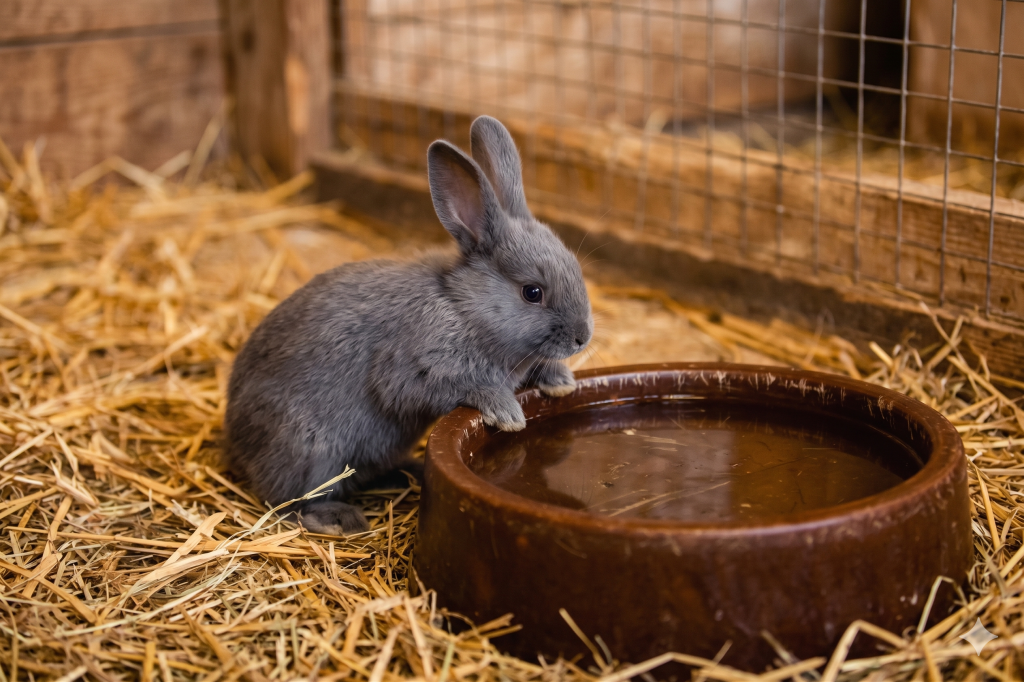
Discovering your rabbit not drinking water usually triggers an immediate countdown: how long has it been, and is this an emergency? In the rabbit world, a refusal to hydrate is rarely just a temporary mood; it is a clinical signal. Since rabbits are biologically programmed to hide vulnerability, a sudden drop in water intake is often the first warning of a silent health crisis like GI stasis or dental pain. Whether it’s a total strike or a slight dip, identifying the cause and checking for dehydration right now is critical for their survival. What does it mean if a rabbit stops drinking water?
A rabbit that stops drinking water may be dealing with dental pain, the onset of GI stasis, heat stress, or intense environmental anxiety. While it is common for rabbits to drink less when eating moisture-rich fresh greens or during cold weather, a total refusal to drink—especially when combined with a lack of appetite or lethargy—is a medical emergency. Dehydration in rabbits is a fast-moving threat that can lead to digestive shutdown or kidney failure within 12 to 24 hours.
I look at water intake as a primary vital sign for rabbit health and longevity, just like heart rate or temperature. If the water level hasn’t moved a millimeter in a day, your rabbit is likely in trouble. We’re going to look at the metabolic reasons behind this behavior, how to perform a 2-second dehydration test, and what practical “bribes” you can use to get them hydrating again.
1. Is It Normal for a Rabbit to Drink Less Water?
Owners often freak out when they don’t see their rabbit at the bottle for a few hours. But “less drinking” isn’t always a crisis. There are several variables that can naturally dial back a rabbit’s thirst without it being a medical catastrophe.
Individual Metabolic Variation
Rabbits aren’t identical machines. A tiny Netherland Dwarf has a completely different metabolic engine than a massive Flemish Giant. Things like age, how much they zoom around the room, and even the humidity in your house will change their daily requirements.
If your rabbit has always been a light drinker but still produces a mountain of healthy droppings, that’s likely just their baseline. My observations with my rabbits, Mocha and Chino, show that their habits shift depending on whether they spent the morning napping or doing “binkies” across the living room rug.
The “Greens Factor” in Hydration
This is usually why a rabbit starts drinking less. If you’ve been generous with the cilantro, parsley, or romaine lettuce lately, your rabbit is essentially eating their water. Most leafy greens are about 85% to 95% water. When Mocha and Chino finish a big plate of wet greens, their water bowl often stays full until the next morning.
They aren’t dehydrated; they’re just full of “lettuce water.” The Rabbit Welfare Association & Fund (RWAF) notes that for some rabbits, moisture from forage can significantly offset bowl-drinking.
| Green Type | Approximate Water Content | Impact on Thirst |
| Cucumber | 96% | Extremely High |
| Romaine Lettuce | 95% | Extremely High |
| Celery | 95% | High |
| Cilantro | 92% | Moderate |
| Parsley | 88% | Moderate |
Cooler Weather and Thermoregulation
Rabbits use those big ears as heat exchangers. When it’s cold out, or if you have the AC cranked up, they don’t lose much moisture through their breath or skin. Their body doesn’t feel the same “thirst alarm” as it does in the summer. On the flip side, if your heater is blowing dry air all winter, you might actually see them drink more to keep their mucous membranes moist.
Sipping Less vs. A Total Strike
There is a massive difference between a rabbit who is “drinking a bit less” and one who is on a total water strike. A total refusal is the red flag. If that water level hasn’t budged in 12 hours and you haven’t given them a giant pile of wet veggies, you’re moving into emergency territory. For more on behavioral shifts, the House Rabbit Society offers extensive guides on identifying the subtle “poker face” of a sick rabbit.
2. How Much Water Should a Rabbit Drink?
Rabbits drink a surprising amount. Proportionately, they often drink as much as a dog that weighs five times more. This is because their digestive system is essentially a water-cooled machine. According to the Merck Veterinary Manual, rabbits are highly susceptible to water deprivation, which can lead to metabolic issues almost immediately.
Average Daily Water Intake Table
Use this as a rough guide for a rabbit on a standard diet of hay and pellets.
| Rabbit Size | Approximate Daily Water Intake | Typical Volume |
| Small (1–2 kg) | 50–150 mL | 0.5 to 1 cup |
| Medium (2–4 kg) | 200–400 mL | 1 to 1.5 cups |
| Large (5+ kg) | 500 mL+ | 2+ cups |
The “Hay-Water Loop”
A rabbit’s diet is supposed to be 80% hay. That dry fiber needs a massive amount of moisture to move through the intestines. Think of it like a water slide: if the water stops flowing, the hay gets stuck halfway down. This “logjam” is what leads to the dreaded gastrointestinal stasis, a condition where the gut stops moving entirely. If your rabbit is still eating hay but ignoring the water, the hay will start to pull moisture out of their body, making the dehydration even worse.
The Importance of Moving Water
As detailed in my comprehensive rabbit health guide, in the wild, rabbits often drink from moving streams or dew on grass. This is why some rabbits ignore stagnant bowls but go crazy for a dripping faucet. If you have a finicky drinker, a cat-style water fountain can be a game-changer. The sound of moving water acts as a psychological trigger that tells the rabbit “this water is fresh and safe.”
3. Common Reasons Rabbits Stop Drinking Water
When the water stops, we look for a cause. It usually boils down to three things: the water itself, the hardware, or a medical problem. Data from Vetlexicon suggests that environmental stressors are often as significant as physical ones in cases of polydipsia or adipsia.
Water Quality and “The Slime Factor”
Rabbits have incredibly sensitive noses. If a bowl has a “slime” layer—a biofilm of bacteria—they might refuse to touch it. Lukewarm water is also a turn-off. Plus, city water with high chlorine can smell like a swimming pool to them. If you wouldn’t drink it, they probably won’t either. Try offering filtered water in a freshly scrubbed bowl and see if they change their mind.
The “Vacuum Lock” in Bottles
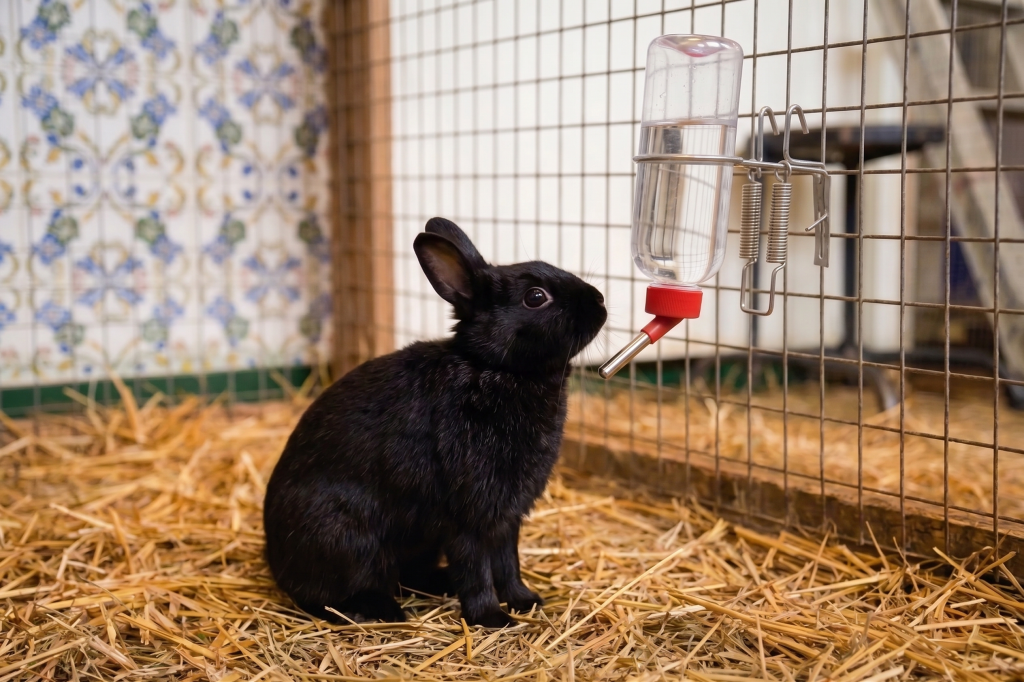
If your rabbit isn’t using their bottle, it might be because the bottle is broken. Ball-point bottles rely on a vacuum. Sometimes an air bubble gets trapped behind the ball, or mineral deposits from the water “glue” the ball in place. Tap the metal ball with your finger every single day. If you don’t see a bubble rise to the top, your rabbit is licking a dry piece of metal and getting nothing for their effort.
Bowls vs. Bottles: The Great Debate
Rabbits are built to drink from puddles and streams, not from overhead drippers. Lapping from a bowl is a much more natural posture. It also lets them take in more water with less effort. If your rabbit is a “lazy” drinker, a bowl can often double their daily intake.
| Setup Component | Potential Problem | Quick Fix |
| Water Bottle | Vacuum Lock / Stuck Ball | Tap ball daily; check for bubbles. |
| Water Bowl | Biofilm / Algae | Scrub with vinegar and hot water daily. |
| Water Temperature | Warm/Stale Water | Replace with cool water twice daily. |
| Location | High Traffic / Noisy | Move to a quiet, “safe” corner. |
Dental Pain
This is a silent killer. If a rabbit has molar spurs (sharp spikes on their teeth) or a mouth infection, the act of lapping or using a sipper tube can hurt. They might look at the water longingly, hop toward it, and then turn away. If your rabbit is still eating soft greens but ignoring hard hay and water, they are likely suffering from underlying overgrown teeth and dental disease. Get their teeth checked immediately. PDSA research highlights that dental disease is a leading cause of anorexia and secondary dehydration in lagomorphs.
The Role of Calcium and Bladder Sludge
Rabbits have a unique way of processing calcium—they absorb all of it and flush the excess through their urine. If a rabbit isn’t drinking enough, this calcium settles in the urinary tract. Over time, this thick sediment causes painful changes to rabbit urine consistency and color, turning into a gritty “bladder sludge.” This sludge is painful to pass, and a rabbit in pain will often stop drinking even more. It’s a vicious cycle that can only be broken by aggressive hydration.
4. Signs Your Rabbit May Be Dehydrated
You need to know how to spot dehydration before it becomes fatal. Since they won’t tell you they feel sick, you have to look for physical “glitches.” In my work researching digital resources for pet health, I’ve found that the skin turgor test remains the most reliable field assessment for non-clinicians.
The “Skin Tent” Test
This is the easiest way to check. Gently pinch the skin on the back of the rabbit’s neck (the scruff), pull it up into a little “tent,” and let go. According to the Blue Cross rabbit health checklist, this test should be a regular part of your weekly health exam.
- Hydrated: The skin snaps back instantly.
- Dehydrated: The skin stays “tented” for a second or two.
Tacky Gums and Sunken Eyes
A rabbit’s gums should be slippery. If you touch them and they feel “tacky” or sticky, they are losing moisture. In severe cases, the eyes will look dull or slightly recessed into the skull because the fat pads behind the eyes are shrinking from lack of fluid.
Understanding Dehydration Severity
Not all dehydration is the same. Recognizing the stages can help you decide whether to try “home hacks” or head to the ER.
| Stage | Signs | Urgency |
| Mild | Slightly darker urine, skin takes 1s to snap back. | Monitor & Increase Wet Greens. |
| Moderate | Tacky gums, smaller droppings, lethargy. | Contact Vet Today. |
| Severe | Sunken eyes, skin stays tented, cold ears, collapse. | Emergency ER Visit Now. |
Check the urine. If it’s very dark orange, thick, or “chalky,” it means the urine is too concentrated. MediRabbit
provides an extensive database of urine types, identifying that dark, sediment-heavy urine is often the body’s last-ditch effort to conserve fluids. Their droppings will also get tiny, hard, and misshapen as the body tries to suck every last drop of water out of the waste mass, causing the animal to become dangerously constipated and unable to poop.
5. What To Do if Your Rabbit Is Not Drinking Water
Litter Box Data
If your rabbit is still alert, you can try these “hacks” to jumpstart their thirst.
The “Juice Bribe”
Add a teaspoon of unsweetened apple juice or pineapple juice to their water bowl. The scent alone is usually enough to get them to take a few sips. Just don’t leave it in there for more than a few hours, as the sugar will turn the bowl into a bacterial petri dish.
The “Hydro-Salad”
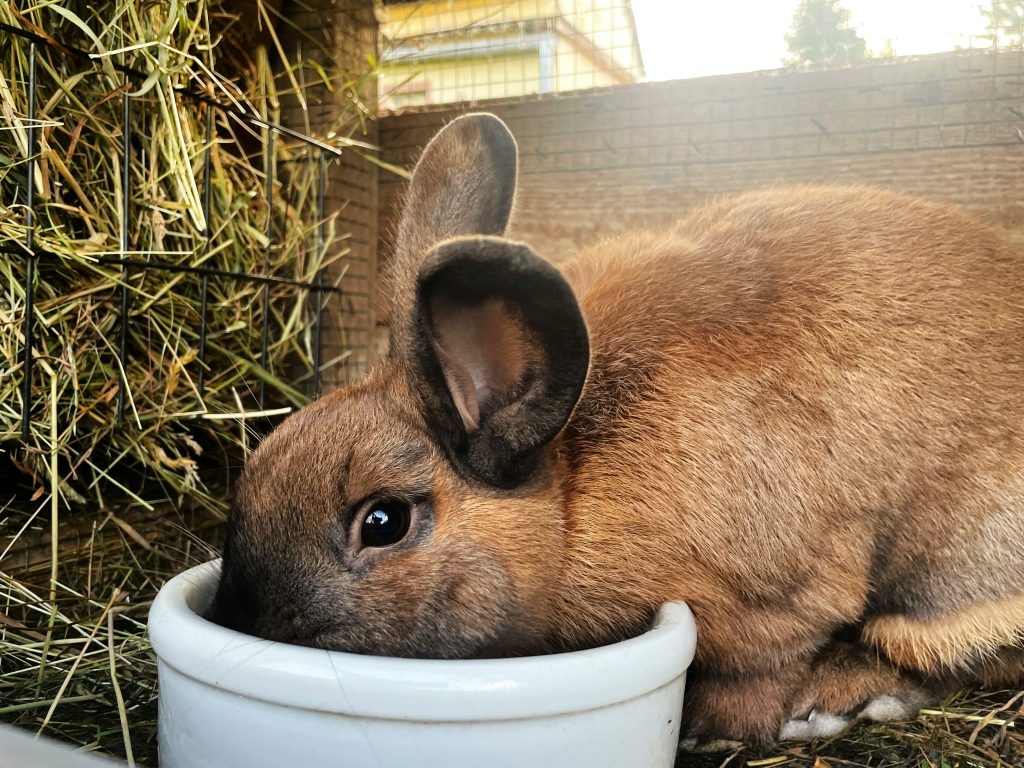
This is the most effective trick in the book. Take their favorite greens—cilantro, parsley, or kale—and dunk them in a bowl of water. Serve them on a plate while they are still dripping wet. Oxbow Animal Health suggests that this method is the safest way to increase fluid intake without the stress of force-feeding. They’ll eat the greens and consume the water without even realizing they’re hydrating.
The “Herb Tea” Technique
Some rabbits are “tea” lovers. Take a handful of fresh mint or basil, bruise the leaves slightly to release the oils, and drop them into a bowl of water. Let it sit for 10 minutes until the water smells like herbs. This natural “scented water” is often irresistible to rabbits who are bored with plain tap water.
Temperature Sensitivity
Believe it or not, some rabbits are very picky about water temperature. If the water is ice cold, it can be a shock to their sensitive mouths. If it’s too warm, it tastes stale. Room temperature water is usually the “Goldilocks” zone for most bunnies.
6. When Is it an Emergency?
Rabbits decline with terrifying speed. If your rabbit hasn’t touched water for 12 to 24 hours, you need to call a vet. As a researcher focused on pet welfare, I’ve observed that the window between “lethargy” and “critical shock” is often less than six hours. But if you see these “Red Flags” listed by the RSPCA, don’t wait:
- Refusal to eat: Turning down high-value fresh greens or refusing to eat pellets and hay.
- Hunched Posture: Sitting in a tight ball, looking miserable.
- Cold Ears: This indicates the rabbit is going into shock.
- Loud Tooth Grinding: A rhythmic “crunching” sound that means they are in serious pain.
Waiting until morning is often a gamble you don’t want to take. A vet can give subcutaneous fluids that rehydrate them in minutes, eliminating the risk of a sudden death health crisis.
7. Prevention: Keeping the Water Flowing
The ultimate framework for keeping your companion’s system moving relies on structural consistency:
- The Double Source Rule: Always provide a bowl and a bottle. If one breaks or gets dirty, they have a backup.
- Daily Scrubbing: Don’t just “top off” the water. Dump it, scrub the bowl, and refill it.
- Filter the Tap: If your water smells like chemicals, use a basic pitcher filter. Your rabbit’s nose is much more sensitive than yours.
- Scheduled “Wet Greens”: Make it a habit to serve at least one meal of “dripping wet” greens daily. This acts as a hydration insurance policy.
To see how these environmental steps form a complete roadmap for lifestyle health, my optimized protective diet guide outlines exactly how proper moisture parameters maintain gastrointestinal muscle motility over a rabbit’s entire lifespan.
8. Frequently Asked Questions
Why is my rabbit eating but not drinking?
They might be getting all their moisture from wet greens. If their pees look normal and they have energy, they’re likely fine. But keep an eye on those droppings—if they get small, the water intake is too low.
Should I use a water fountain for my rabbit?
Yes, if they are finicky drinkers. The filtration in fountains also helps keep the water cleaner for longer, which appeals to their sensitive palates.
Can rabbits drink distilled water?
No. Distilled water lacks the essential minerals that rabbits need. Filtered tap water or spring water is much better.
Should I syringe water to my rabbit?
Only if you are very careful. It’s easy for them to breathe the water into their lungs, which causes pneumonia. It’s always better to use the “wet greens” trick first. Petplan (UK) warns that force-feeding fluids should only be done under veterinary guidance.
9. Conclusion
A rabbit who stops drinking is a puzzle that needs a fast solution. While it might just be a case of “too much lettuce,” you have to treat every water strike with a healthy dose of caution. Keep the bowls clean, the greens wet, and always have a rabbit-savvy vet on speed dial.
Your rabbit’s gut is a complex piece of machinery that simply cannot run without a steady flow of water. Keep it moving, and they’ll keep binkying.
Medical & Veterinary Disclaimer: Bunnyowners.com is an informational resource for rabbit owners and enthusiasts. We are not veterinarians. The content on this website is for educational purposes only and is not a substitute for professional veterinary advice, diagnosis, or treatment. Always consult a qualified veterinarian with any questions or concerns regarding your pet’s health, medical conditions, diet, or overall care. If you have concerns about your rabbit’s health, it’s always best to reach out to a veterinarian rather than relying solely on information found online.