
Veterinary & Affiliate Disclaimer: Bunnyowners.com shares educational rabbit care resources, not professional veterinary advice. Always consult a qualified veterinarian regarding your rabbit’s medical, dietary, or behavioral needs. This post may also contain affiliate links; as an Amazon Associate and affiliate partner, we earn from qualifying purchases at zero extra cost to you.
Watching your rabbit suddenly start shaking is usually enough to send your blood pressure through the roof. We throw around words like shaking, trembling, shivering, vibrating, and twitching. In lagomorphs, though, these movements map to wildly different physiological states. It could be a harmless burst of excitement. It could be a life-threatening crisis. Because rabbits are evolutionary masters at hiding illness, any sudden shift in their physical resting state demands a much closer look.
A rabbit will typically shake due to intense fear, environmental stress, acute pain, or a sudden drop in body temperature. While brief trembling after a loud noise is a normal survival reflex, persistent full-body shivering often indicates a critical illness like GI stasis, neurological disease, or toxicity. If this shaking is paired with lethargy, freezing cold ears, or a complete refusal to eat, it is a true medical emergency requiring immediate exotic veterinary care.
As prey animals, their survival instinct dictates one simple rule: suffer in silence. By the time you notice visible quivering or full-body tremors, they might have been masking a problem for hours. Here is a breakdown of what these movements actually mean, how to triage the situation on your living room floor, and when you just need to grab the carrier and run to the exotic vet. For more in-depth guidance, you can also explore my comprehensive library of rabbit heath resources.
1. Is Rabbit Shaking Normal or Dangerous?
Before you panic, you need to establish a baseline. Differentiating between a harmless bunny quirk and a genuine medical crisis comes down to context and accompanying symptoms. It is easy to misinterpret lagomorph behavior, especially since their default state often resembles nervous energy. Let’s look at the critical dividing line between a bunny blowing off steam and an animal quietly crying out for help.
Situations Where Mild Trembling Can Be Normal
Evolution hardwired rabbits to assume everything is a threat. They are furry, twitching stress barometers at the slightest provocation. A brief period of mild trembling? Completely normal physiological response to a short-term stressor. You’ll see this after a brief handling session, a bumpy car ride, a trip to the vet, or a dropped pan in the kitchen. Sometimes it’s just pure, unadulterated excitement during play. The key is duration. Normal trembling burns off quickly once the stimulus is gone.
Signs the Shaking Is More Serious
Trembling crosses the line into dangerous territory when other clinical signs show up. Elevate your concern immediately if the shaking tags along with a total refusal to eat food, a hunched posture, loud and grinding teeth, or labored breathing. Ice-cold ears. Falling over. A pronounced head tilt. A bloated, tight abdomen that feels like a water balloon. These aren’t quirks. They are red flags.
To help clarify the severity of the symptoms you are observing, refer to this quick diagnostic reference table:
| Symptom Category | Signs to Look For | Action Required |
| Normal/Mild | Brief trembling after noise, rapid recovery, normal eating habits | Monitor closely; reduce stress |
| Moderate/Warning | Hunched posture, slight lethargy, hiding, decreased appetite | Call your exotic vet for advice |
| Severe/Emergency | Loud tooth grinding, cold ears, collapse, open-mouth breathing | Immediate ER vet visit |
Rabbits Hide Symptoms Until They Become Severe
You are dealing with an animal designed to look perfectly healthy right up until the moment it collapses. Prey animal survival instinct 101. This means subtle trembling matters immensely. Early intervention is the literal difference between a simple medical fix and a devastating outcome. Never assume a trembling rabbit is just taking a moment to process the universe.
2. What Different Types of Rabbit Shaking Can Mean
Not all shakes are created equal. Identifying the specific frequency and pattern of the movement is your first major clue in figuring out what is going on under the hood. A localized muscle twitch tells a completely different story than a full-body vibration. By acting as a quiet observer, you can decode their physical language and relay vital, accurate information to your veterinary team.
Fine Trembling or Quivering
A very fast, fine quiver just under the skin usually points to a spiked emotional state. Pure fear or anxiety. But don’t write it off too quickly. That exact same fine trembling is frequently the very first visible indicator of low-level pain. Or feeling too cold. Or the sneaky early onset of a systemic illness.
Full-Body Shaking
When the entire body is visibly rattling, the situation has escalated. This is rarely just an emotional response to a loud noise. Full-body tremors commonly link back to severe, acute pain. Clinical shock. Dangerous hypothermia. Toxic exposure. Or an underlying neurological disease firing off.
Vibrating While Sitting Still
Sometimes a rabbit looks perfectly relaxed, but if you place a hand on their back, they feel like a buzzing smartphone. This low-level vibrating can be a localized stress response or a residual adrenaline dump. But strangely, it can also be a sign of deep contentment. I frequently observe this with my own two rabbits; Mocha will do this exact “vibrate” when she’s wedged herself under the sofa, completely relaxed and tooth-purring while Chino stands guard. If the rabbit is hunched up tight rather than relaxed, however, that same vibration might indicate a fever or internal discomfort.
Intermittent Muscle Twitching
A sporadic twitch in the leg or flank isn’t an automatic cause for panic. Deep sleep twitching is perfectly normal as they dream about whatever it is rabbits dream about. Bananas, probably. But if the rabbit is wide awake, intermittent muscle spasms might point to a weird electrolyte imbalance or localized neurological irritation.
Violent Convulsions or Seizure Activity
No ambiguity here. Violent convulsions, frantic paddling of the legs, or rigidly locking up mean seizure activity. Absolute emergency. Zero time to waste.
Here is a breakdown of how to identify the specific type of shaking your rabbit is exhibiting:
| Movement Type | Visual Description | Common Causes | Urgency Level |
| Fine Quivering | Rapid, subtle vibrations just under the skin | Fear, anxiety, early illness, cold | Low to Moderate |
| Full-Body Shaking | Entire body visibly trembling | Severe pain, shock, hypothermia | High (Emergency) |
| Intermittent Twitching | Sporadic spasms in the limbs or flank | Sleep (normal), electrolyte imbalance | Low to Moderate |
| Violent Convulsions | Rigid locking, paddling, loss of control | Seizures, severe toxicity, trauma | Critical Emergency |
3. Common Causes of Shaking or Trembling in Rabbits
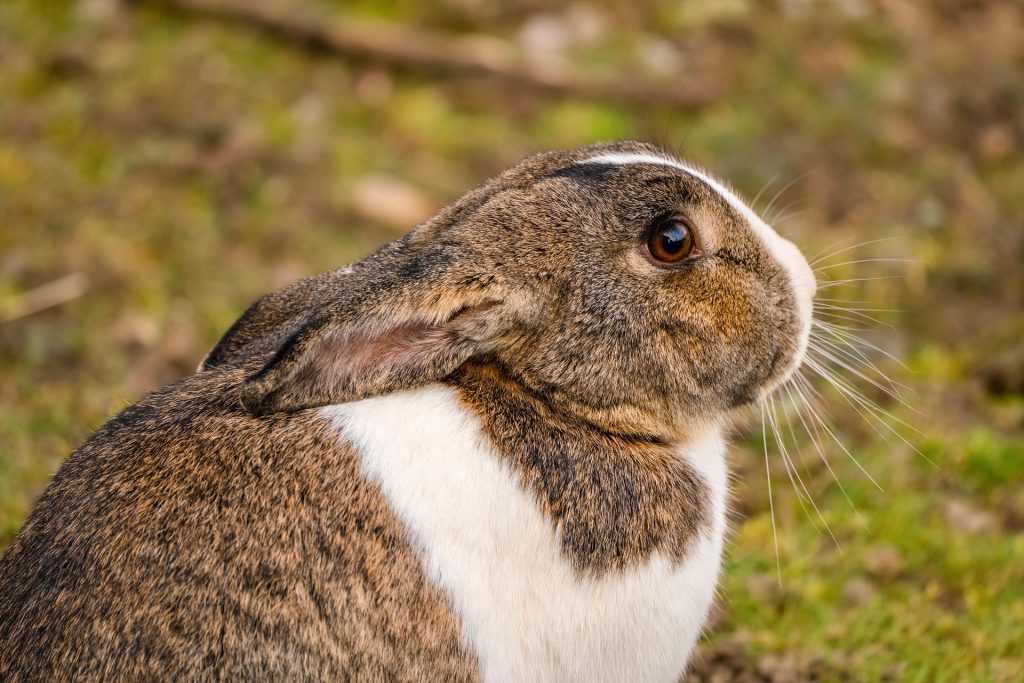
The list of potential triggers is long, spanning from simple emotional overload to severe systemic organ failure. Here are the most frequent culprits you need to consider. While diagnosing a rabbit at home is impossible, understanding the primary suspects helps you evaluate the environment. Whether it is a sneaky houseplant or a sudden digestive stall, pinpointing the cause is half the battle.
Fear, Stress, or Anxiety
The most common non-medical trigger? Sheer terror. Fireworks, the scent of a predator, the neighbor’s cat staring through the sliding glass door, or the sheer indignity of vet transport. Adrenaline floods their system. A stressed rabbit flattens out, widens their eyes until you see the whites, breathes rapidly, and freezes solid. Chronic stress is highly dangerous to overall rabbit health. It can rapidly induce a gastrointestinal slowdown.
Pain
Pain is arguably the number one medical culprit for a trembling rabbit. Sources of acute pain include neglected dental disease, a physical injury, urinary stones, dangerous rabbit gas buildup, or arthritis in senior buns. A rabbit in pain sits in a tight, hunched position. They loudly grind their teeth—a harsh, crunching sound entirely different from a soft, happy tooth purr. They refuse food. They refuse to move. To better map these subtle physical cues, the PDSA provides excellent clinical markers for identifying pain in pets.
GI Stasis
Gastrointestinal stasis is the silent killer of the lagomorph world. As the gut stalls out and gas aggressively builds up, the resulting severe abdominal cramping, shock, and weakness will frequently cause a rabbit to visibly shake. Watch for them refusing food entirely, failing to poop normal pellets, or pressing their belly hard against the floor to relieve gas pressure. If you suspect this is happening, pull up the House Rabbit Society’s emergency protocols for GI Stasis immediately.
Cold Temperatures or Hypothermia
Like any mammal, a rabbit shivers involuntarily to generate heat when their core body temperature takes a dive. Risk factors include outdoor housing in damp conditions, having wet fur, suffering from an underlying illness, or actively going into shock. Dangerous hypothermia is marked by freezing cold ears, lethargy, and incredibly slow movement. Severe hypothermia is a life-threatening crisis.
Heatstroke
Rabbits cannot sweat. This makes them incredibly prone to overheating. Some rabbits tremble right before they collapse from heatstroke. Look for frantic panting, excessive drooling, severe weakness, and bright red, alarmingly hot ears. Heatstroke turns fatal rapidly, especially in poorly ventilated rooms or hot cars.
Poisoning or Toxic Exposure
Trembling is a classic hallmark of toxicity. Toxin sources include common houseplants you thought were out of reach, a dropped pill, insecticides, or heavy floor cleaners. Emergency symptoms of toxicity include heavy drooling, seizures, severe weakness, collapse, and liquid diarrhea. Get the toxin away from them and consult a resource like the ASPCA Animal Poison Control Center while you race to the clinic.
Neurological Disorders
Conditions attacking the brain and nervous system frequently manifest as shaking. The most notorious offender is the microscopic parasite Encephalitozoon cuniculi (E. cuniculi), which causes brain inflammation. Other causes include deep bacterial ear infections or head trauma. Look for additional signs like a dramatic head tilt and loss of balance, rolling over like an alligator, or rapid eye flicking (nystagmus). Additionally, The VCA Animal Hospitals database offers thorough insights into E. cuniculi management.
Seizures
Rabbit seizures are terrifying to witness. Rigid body, violent shaking, frantic paddling of the limbs, collapse, and often a temporary post-seizure blindness or confusion. Causes range from toxins to end-stage neurological disease. Keep the rabbit safe on a padded floor. Do not forcefully pin them down. Get to an emergency vet the literal second the seizure breaks.
Shock
Medical shock is a true, no-holds-barred emergency. The circulatory system begins to fail. It stems from severe pain, blood loss, trauma, or advanced illness. Signs include freezing cold ears, pale or white gums, a very weak pulse, profound weakness, and trembling. Rabbits in shock decline exceptionally fast.
Respiratory Distress
Rabbits are obligate nasal breathers. If they are struggling for air, they will often tremble just from the sheer physical exertion of trying to oxygenate themselves. Signs requiring immediate oxygen therapy include labored or open-mouth breathing, stretching the neck upward to gasp, and blue-tinged gums.
Fever or Infection
Systemic illness and the resulting fever cause shivering. Think of the chills you get with a bad flu. Possible infections include hidden abscesses, pneumonia, severe urinary tract infections, or acute bacterial snuffles outbreaks. Watch for severe lethargy, a total loss of appetite, abnormally warm ears, and nasal discharge.
Below is a summarized matrix of these common ailments, their hallmark signs, and your required first steps:
| Potential Cause | Hallmark Accompanying Symptoms | Immediate First Step |
| GI Stasis | Refusing food, tiny/no poops, belly pressing | Contact exotic vet immediately |
| Heatstroke | Panting, red ears, severe lethargy, drooling | Move to cool area, seek ER vet |
| Neurological Issue | Head tilt, rolling, rapid eye flicking | Keep rabbit safe from falling/injury |
| Pain/Infection | Hunched posture, loud tooth grinding, warm ears | Observe closely, schedule vet exam |
4. Rabbit Shaking After Specific Situations
Context is everything in lagomorph behavioral analysis. If the trembling immediately follows a distinct event, the cause is usually directly tied to that specific stressor. Rabbits are masters of associative reactions. By examining what happened in the sixty minutes prior to the physical symptoms, we can quickly rule out complex diseases in favor of acute environmental triggers.
Rabbit Shaking After Being Picked Up
Most rabbits inherently hate being lifted. It closely mimics being snatched by a hawk. Shaking after being picked up is usually pure fear or the result of unstable, scary restraint. But if they were dropped or kicked out violently, consider the possibility of a spinal injury.
Rabbit Shaking After a Vet Visit
The car travel, the weird chemical smells, the prodding, the handling—it all creates a massive adrenaline spike. Monitor their recovery time once home. They should shake it off and start munching hay within an hour or two.
Rabbit Shaking During Bonding
Introducing two rabbits is a highly charged, high-stakes emotional event. When I bonded Mocha and Chino, the trembling during their first few neutral-territory dates was so intense I thought the pen was vibrating. It was mostly nervous anticipation, not pure aggression. However, you must carefully distinguish that kind of nervous trembling from the rigid, focused posture that immediately precedes a violent attack.
Rabbit Shaking After Surgery
Post-operative shaking is incredibly common. It’s a messy mix of anesthetic recovery, mild hypothermia from being under on the table, and the sharp onset of pain as the clinical medications wear off. Keep a close eye out for emergency signs, like a total refusal to eat or a prolonged drop in body temperature.
5. When Rabbit Shaking Is an Emergency
Sometimes you don’t have the luxury of monitoring the situation. Recognizing the absolute red flags will dictate whether you stay home or rush to the clinic. When a rabbit decides to drop its stoic facade and show you they are failing, time is no longer on your side. These are the non-negotiable signs that require you to grab the carrier and hit the road immediately.
Call a Rabbit Vet Immediately If You Notice:
Do not wait to see if things magically improve if the trembling is paired with:
- Not eating for more than 10-12 hours
- Zero droppings in the litter box
- Collapse or inability to stand up
- Active seizures
- A sudden, severe head tilt
- Open-mouth breathing or gasping for air
- A hard, bloated abdomen
- A freezing cold body and ears
- Severe, uncharacteristic lethargy
- Uncontrollable rolling
- Total unresponsiveness to your voice or touch
Rabbits Can Deteriorate Extremely Fast
A rabbit’s metabolism does not afford you the luxury of a “wait and see” approach. Deciding to wait overnight when a rabbit is shaking and refusing food is highly risky and very often fatal. Always ensure you have an exotic-savvy veterinarian’s emergency contact saved on your phone.
6. What To Do If Your Rabbit Is Shaking
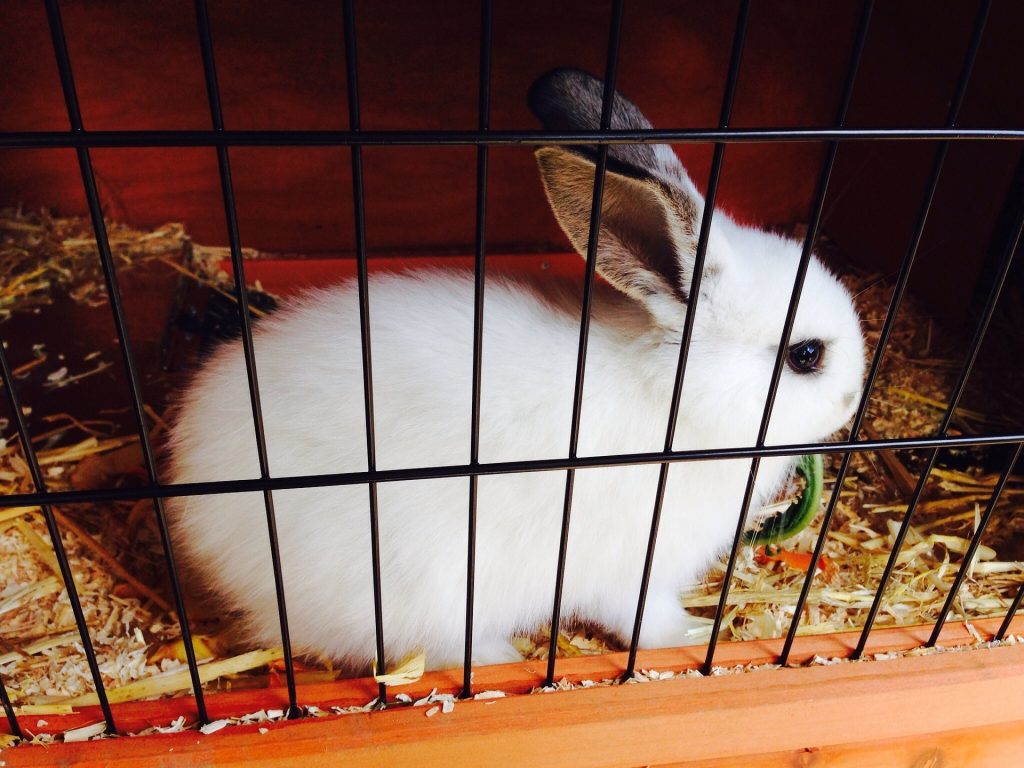
Your immediate response can stabilize the situation or make it infinitely worse. Step one is always triage, followed by rapid, safe environmental control. Panic is contagious, and your rabbit will absolutely feed off your anxiety. Take a breath, secure the area, and systematically evaluate their vital signs before taking further action.
Move Your Rabbit to a Quiet Area
Immediately cut the environmental stress. Lower the overhead lights, turn off the television, and banish other pets from the room.
Check Basic Symptoms
Do a rapid, hands-off physical assessment. Are they eating their hay? Are they pooping? Is their breathing labored or loud? Feel the base of their ears to gauge their temperature, and watch how they move when you prompt them.
You can use the following home triage checklist to evaluate your rabbit’s condition:
| Body System | What to Check | Normal Finding | Abnormal/Warning Sign |
| Appetite | Interest in hay/treats | Enthusiastic eating | Refusing all food and water |
| Digestion | Litter box output | Normal sized, round droppings | Tiny, misshapen, or zero droppings |
| Temperature | Base of the ears | Warm to the touch | Ice cold or uncharacteristically hot |
| Respiration | Breathing rate/effort | Quiet, even nasal breathing | Open-mouth gasping, heavy heaving |
Keep Them Warm — But Not Overheated
If their ears are ice cold, deploy safe warming techniques. Wrap a warm (not boiling hot) water bottle in a thick towel and place it next to them. Never place a rabbit directly on an electric heating pad. They can easily suffer thermal burns if they are too weak to drag themselves away from the heat source.
Do Not Force Feed a Rabbit in Respiratory Distress
Syringe feeding is a lifesaver for GI stasis. But never, ever force food or water into the mouth of a rabbit that is struggling to breathe. They will easily aspirate the fluid directly into their fragile lungs.
Remove Potential Toxins
Suspect they ate something toxic? Instantly remove the remaining plant or chemical from their reach. Bag up the packaging or a leaf of the plant and bring it to the vet for identification.
Contact a Rabbit-Savvy Veterinarian
Call your exotic vet. Explain the symptoms clearly and concisely. Regular dog and cat vets often lack the highly specialized pharmacology knowledge required to safely treat lagomorphs, which is why finding a certified exotic specialist ahead of time is non-negotiable.
7. What NOT To Do
Good intentions can easily kill a fragile exotic pet. Avoid these common, highly dangerous mistakes when dealing with a compromised rabbit. The internet is unfortunately packed with outdated, risky home remedies for sick rabbits. When in doubt, doing nothing and calling a professional is always safer than guessing with human medications or forced feeding.
Do Not Assume It’s “Just Stress”
Never brush off trembling without running a full visual and physical check of the rabbit’s basic bodily functions.
Do Not Delay Care if Appetite Stops
In the rabbit world, an empty stomach is a ticking clock. Period.
Do Not Give Human Medications
Never play doctor with human pain relievers or gas drops unless you have explicit, dosed instructions from your vet. Rabbits have highly specific, incredibly sensitive digestive tracts. Veterinary Partner maintains extensive documentation on why off-label medication is often lethal to exotics.
Do Not Force Handling During Severe Trembling
If a rabbit is in deep shock or actively seizing, aggressively handling them can trigger a fatal heart attack. Hands off, keep them safe.
Do Not Ignore Cold Ears or Weakness
Cold ears are the ultimate canary in the coal mine for cardiovascular shock. Take them seriously.
8. How Veterinarians Diagnose Shaking in Rabbits
Exotic vets don’t guess; they investigate. Here is exactly what happens once you get your rabbit onto the examination table. Lagomorph medicine is highly specialized, relying on a combination of hands-on assessment and advanced diagnostics to peer past their prey-animal camouflage.
Physical Examination
The vet listens to the heart and lungs, palpates the abdomen to check for trapped gas or hard blockages, and assesses the rabbit’s overall body condition.
Temperature Assessment
A rectal thermometer is the only mathematically accurate way to determine if a rabbit is hypothermic or battling a dangerous fever.
Dental Evaluation
Using a specialized lighted scope, the vet checks the deep molars for sharp spurs, ulcers, or nasty abscesses that could be causing severe, entirely unseen pain.
X-rays or Ultrasound
Imaging is critical. It visualizes the stomach size, maps out gas patterns in the intestines, or spots calcium-heavy bladder stones.
Bloodwork
A blood panel checks organ function, hunts for elevated white blood cells indicating infection, or flags dangerous electrolyte imbalances.
Neurological Examination
The vet tests reflexes, pupil response to light, and overall balance to rule out brain lesions or the dreaded E. cuniculi.
9. How Rabbit Shaking Is Treated
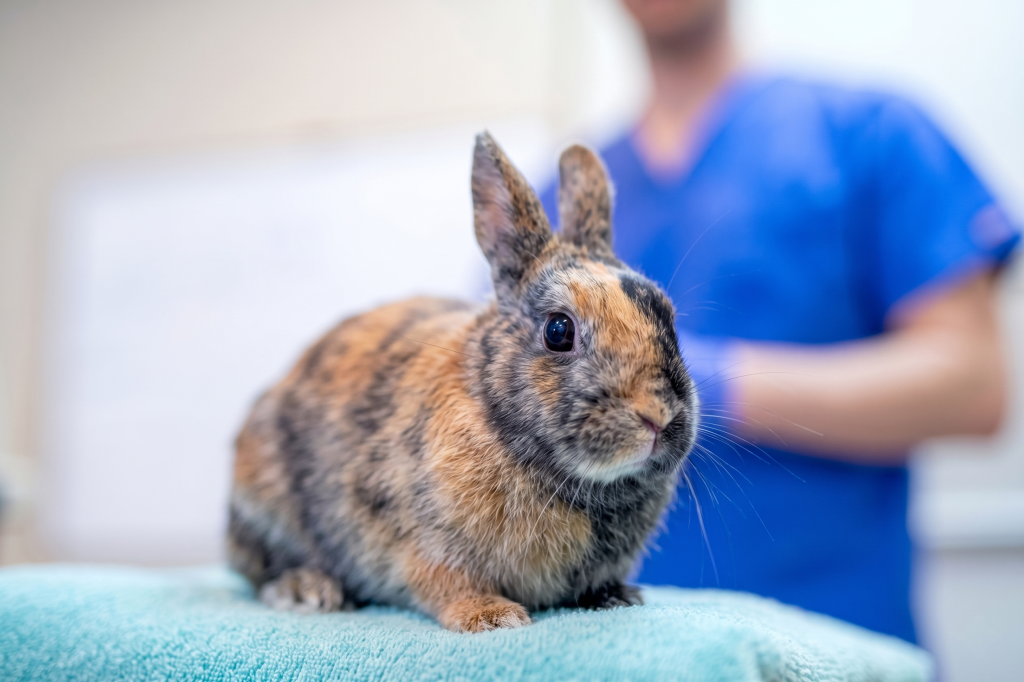
Once the root cause is identified, the medical response must be swift and targeted. Rabbit pharmacology is highly specific, often involving a multi-pronged approach to stabilization. Because their digestive systems are so intricately tied to their overall survival, even treatments for non-GI issues must be carefully managed to keep their gut moving through the stress of recovery.
Stress Reduction
Medical treatment always begins in a quiet, oxygen-rich environment far, far away from barking dogs.
Pain Management
Exotic-safe NSAIDs (like Meloxicam) or heavy-duty opioids (like Buprenorphine) are administered to aggressively break the pain cycle.
Fluid Therapy
Subcutaneous or intravenous fluids combat dehydration and aggressively flush the kidneys.
Nutritional Support
If the gut is confirmed clear of hard blockages, high-fiber recovery formulas (like Critical Care) are carefully syringe-fed to reboot the digestive tract.
GI Stasis Treatment
This usually involves a carefully calculated cocktail of pain meds, fluids, and prokinetic drugs (Gut Mobility medications) to get the stalled stomach contracting again.
Antibiotics or Antiparasitic Drugs
Targeted medications are deployed if a bacterial infection or E. cuniculi is positively diagnosed.
Emergency Stabilization
In severe shock, the rabbit receives pure oxygen, aggressive warming, and intensive fluid support before any other stressful diagnostics are even attempted.
10. Can Rabbit Shaking Be Prevented?
The best emergency room visit is the one that never happens. You can drastically reduce the odds of sudden medical crises through rigorous husbandry and environmental management. A proactive approach to diet, temperature control, and routine veterinary checkups builds a resilient rabbit that is far less likely to succumb to sudden, mysterious ailments.
Reduce Environmental Stress
Keep their primary living area quiet, predictable, and physically safe from predatory house pets.
Maintain Proper Temperature
House rabbits indoors in climate-controlled environments. Keep their setups away from drafty windows or direct, blasting heating vents.
Feed a High-Fiber Diet
Feed a High-Fiber Diet: Providing an optimized high-fiber diet to prevent stasis consisting of 80% to 85% long-stem grass hay prevents the exact dental and digestive issues that lead to severe pain.
Schedule Regular Rabbit Vet Exams
Annual checkups catch those sneaky dental spurs and subtle, creeping illnesses before they explode into weekend emergencies.
Rabbit-Proof the Home Against Toxins
Go through your house like a paranoid safety inspector. Keep all toxic houseplants, spicy electrical cords, and harsh cleaning supplies strictly out of reach.
11. Frequently Asked Questions
Why is my rabbit shaking but still eating?
If a rabbit is munching away but still shaking, they might be experiencing mild environmental stress. Or, they could be in the very early, creeping stages of an illness where their appetite hasn’t crashed yet. Pain can definitely still be present even if a rabbit is enthusiastically eating.
Why is my rabbit trembling when lying down?
A rabbit trembling while flattened out may be paralyzed by fear, experiencing deep abdominal pain, running a fever, or fighting hypothermia. If they refuse to get up when you prompt them, treat it as a medical emergency.
Why is my rabbit vibrating while petting?
Context is everything here. If their body feels like melting butter and they are softly grinding their teeth, vibrating is a sign of deep contentment and pleasure. If their eyes are bulging, you can see the whites, and their body is rigid as a board, they are vibrating purely out of anxiety.
Why is my rabbit shaking suddenly?
Sudden, acute shaking is almost always triggered by a rapid stressor (a loud, unexpected noise), a sudden physical injury, a nasty spike in GI pain, a neurological misfire, or the rapid onset of poisoning.
Can rabbits shake from pain?
Yes. Without question. Trembling is one of the most common, reliable, and undeniable indicators of acute pain in lagomorphs.
Is shaking a sign of GI stasis?
It absolutely can be. Trembling from severe, trapped-gas abdominal cramping is incredibly common in GI stasis. Especially when it’s paired with a sudden, worrying loss of appetite and heavy lethargy.
12. Conclusion
Seeing your rabbit tremble is unsettling, but always approach it methodically. Mild trembling from a temporary scare usually resolves quickly, but persistent or severe shaking is a major clinical red flag. Remember: if shaking is paired with a loss of appetite, lack of droppings, lethargy, cold ears, or labored breathing, you are out of time for home remedies. Because rabbits instinctively hide illness, visible shivering means they are already in crisis. Always err on the side of caution and seek immediate veterinary care.
Medical & Veterinary Disclaimer: Bunnyowners.com is an informational resource for rabbit owners and enthusiasts. We are not veterinarians. The content on this website is for educational purposes only and is not a substitute for professional veterinary advice, diagnosis, or treatment. Always consult a qualified veterinarian with any questions or concerns regarding your pet’s health, medical conditions, diet, or overall care. If you have concerns about your rabbit’s health, it’s always best to reach out to a veterinarian rather than relying solely on information found online.