
Veterinary & Affiliate Disclaimer: Bunnyowners.com shares educational rabbit care resources, not professional veterinary advice. Always consult a qualified veterinarian regarding your rabbit’s medical, dietary, or behavioral needs. This post may also contain affiliate links; as an Amazon Associate and affiliate partner, we earn from qualifying purchases at zero extra cost to you.
For a rabbit, the digestive tract isn’t just a biological process—it is a high-performance engine that requires constant fuel to avoid the catastrophic stall of GI stasis. Unlike humans, a lagomorph’s “stomach ache” is a full-scale systemic crisis that demands immediate triage before the window of recovery slams shut.
GI stasis occurs when gut motility slows or stops entirely, leading to a dangerous buildup of gas and dehydrated food that can become fatal within 12 to 24 hours. The primary signs include a total loss of appetite, lethargy, and a lack of fecal output, often accompanied by loud teeth grinding or a hunched posture. Immediate intervention with pain management and hydration is critical to breaking the “Pain Cycle” and restarting the digestive conveyor belt.
Unmasking this “silent killer” requires us to look past the rabbit’s evolutionary poker face and into the biological hardwiring that dictates their survival. Because rabbits are masters of concealing physical vulnerability, we must rely on a clinical understanding of rabbit health to spot trouble within their internal systems. This guide breaks down the specific progression of symptoms, incorporates the 2026 research updates on Liver Lobe Torsion, and provides a 72-hour recovery roadmap to ensure your rabbit’s high-precision metabolism remains a well-oiled machine.
1. Understanding Rabbit GI Stasis
To understand why the gut stops, we must first look at the biological engineering of the rabbit. Rabbits are “hindgut fermenters,” meaning their survival depends on a massive cecal chamber filled with specialized bacteria that break down tough cellulose into usable energy. In my observational work with my rabbits Mocha and Chino, I have noted that their digestive systems are essentially high-performance engines that require a specific type of fuel (long-stem fiber) to keep the pistons moving.
Fiber and Gut Motility
A rabbit’s gut demands a relentless supply of long-stem fiber to kickstart peristalsis—the rhythmic muscular contractions that propel waste through the system. According to the House Rabbit Society, fiber isn’t simply a polite dietary suggestion; it’s the physical, mechanical force that quite literally keeps the gastrointestinal tract alive and churning.
This constant movement maintains a delicate, highly specific pH balance within the cecum. As a rabbit plows through hay, cecal bacteria ferment the material to produce Volatile Fatty Acids (VFAs), which act as their primary energy currency. Speaking from my own experience observing Mocha’s non-stop grazing habits, understanding this biological engine is the absolute baseline for keeping your rabbit healthy and avoiding a dangerous metabolic stall.
When motility slows, VFA production drops, and the pH level begins to shift. This shift is catastrophic. It creates an environment where beneficial bacteria die off, and pathogenic bacteria—such as Clostridium species—begin to proliferate. These “bad” bacteria release toxins that can lead to enterotoxemia, often the final stage of a fatal stasis episode.
Dehydration of Digestive Contents
As motility slows, the gut becomes a stagnant pool. The rabbit’s body, sensing a lack of movement, begins to pull moisture from the contents of the stomach and cecum to maintain systemic hydration.
Addressing systemic dehydration in rabbits is critical during this phase, as a lack of fluid causes the food mass to form a hard, immovable “mat.” This is particularly dangerous because the harder the mass becomes, the less likely it is that motility drugs alone will move it. It essentially turns the digestive tract into a clogged pipe that is under high internal pressure.
Pain and the Motility Cycle
Gas produced by the dying bacteria and ongoing fermentation begins to build up. Because the muscles aren’t contracting, the gas is trapped, leading to extreme pressure and inflammation. This creates the Pain Cycle: the pain causes the rabbit to stop eating, the lack of food further slows the gut, and the slowing gut increases the pain. Learning to identify the subtle signs your rabbit is in pain—such as a specific “clenching” of the facial muscles (the rabbit grimace scale)—allows owners to intervene before this cycle becomes fatal.
2. Differentiating GI Emergencies
One of the most dangerous errors a rabbit owner can make is misdiagnosing a life-threatening blockage or “Bloat” as simple stasis. Observational research has shown that while stasis often develops over several hours, Bloat is a sudden, explosive event.
Testing for Bloat
In standard GI stasis, the stomach usually feels soft, doughy, or even empty if the rabbit hasn’t eaten in a while. In Bloat, the stomach is distended and feels hard like a basketball. If you flick the abdomen gently with your finger, you may hear a hollow “ping” or drum sound. This is a surgical emergency. Bloat is often caused by a sudden fermentation of high-sugar foods or a physical obstruction that prevents gas from escaping.
Identifying Intestinal Blockages
A blockage is a physical obstruction (often a mass of hair, carpet fibers, or a foreign object) that prevents anything from passing. Unlike stasis, where a rabbit might still pass a few tiny, misshapen poops, a blockage usually results in a complete and sudden cessation of all poop output. A rabbit with a blockage will often show intense, localized pain—they may repeatedly stretch their body out and then pull back in, unable to find a comfortable position.
Neurological Causes of Stasis
Sometimes the gut stops because the rabbit is suffering from E. cuniculi or a middle ear infection (Head Tilt). The systemic stress of a neurological condition will halt the gut. Triage requires looking for the “primary” vs “secondary” emergency. If the rabbit is rolling or has a tilted head, the stasis is a symptom of the infection, not the diet.
TABLE 1 — Emergency Comparison
| Condition | Onset | Key Sign | Physical Feel | Urgency |
| GI Stasis | Gradual | Picks at food | Doughy/Soft | Emergency |
| Bloat | Sudden | Drum-like belly | Hard/Inflated | CRITICAL |
| Blockage | Sudden | Intense pain | Hard mass felt | CRITICAL |
3. GI Stasis Symptoms and Timeline
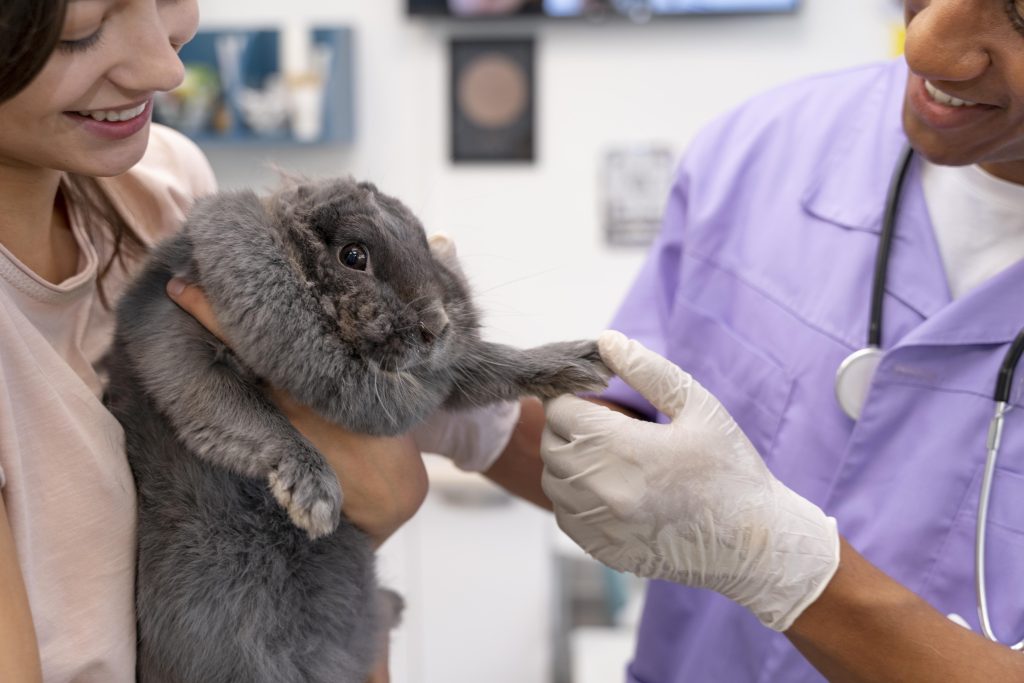
Rabbits are masters of disguise. As prey animals, they hide pain until they can no longer physically mask it. If you wait for a rabbit to cry out, you have waited too long.
Phase 1: Early Warning Signs (0–4 Hours)
If you are observant, you can catch stasis before it fully sets in. In my ongoing observational research, I’ve noticed that a rabbit will often skip their “third favorite” herb first. This “picky” phase is the most critical time for intervention. You may notice:
- Selective Appetite: They eat the banana but ignore the hay.
- Posture Shifts: They shift from a “loaf” to a “stretch” more frequently than usual.
- Poop Morphology: You see a “string of pearls” (pellets held together by hair) or slightly smaller pellets.
Phase 2: Early Stasis (4–8 Hours)
By this stage, the rabbit has likely stopped eating entirely. They may still move around, but they lack their usual vigor. The litter box will show a significant decrease in output. If you offer a favorite treat and the rabbit turns their head away or “shuns” the food, the gut muscles have likely reached a standstill.
Phase 3: Moderate Stasis (8–12 Hours)
The rabbit is now in significant pain. You will see a total absence of poop. The rabbit will likely sit in a “hunched” position, often pressing their belly against the floor to find relief from gas pressure. Their eyes may appear “squinty,” and their ears may start to feel cool to the touch as their blood pressure begins to drop.
Phase 4: Severe Stasis and Shock (12+ Hours)
The rabbit is entering a state of shock. You may hear loud, grating teeth grinding—this is not the happy “tooth purr” seen during petting, but a sharp, rhythmic sound of distress. Their body temperature will drop below 100 degrees fahrenheit. At this point, the microbiome has shifted so far that the liver and kidneys may begin to struggle with the toxins being released into the bloodstream.
TABLE 2 — Progression Timeline
| Stage | Timeframe | Behavioral Marker | Action Required |
| Pre-stasis | 0–4 hrs | Picky eating, smaller poop | Hydrate, increase hay |
| Early | 4–8 hrs | Shunning treats, lethargy | Contact Vet |
| Moderate | 8–12 hrs | Hunched posture, no poop | Emergency Clinic |
| Severe | 12+ hrs | Cold ears, teeth grinding | Intensive Care |
4. Understanding Rabbit Droppings
Monitoring the litter box is the most effective way to audit a rabbit’s internal health. Fecal output is a lagging indicator; by the time you see “stasis poop,” the problem has been brewing for hours.
Pellet Size and Hydration
Healthy pellets should be large, light brown, and crumbly. They should be composed of visible hay fibers. If the pellets are dark and hard, the transit time in the gut has slowed down, allowing the colon to over-extract moisture.
- Teardrop Shapes: This usually indicates a physical slowing of the gut where the rectal muscles are “pinching” the pellet as it moves too slowly.
- Small “Peppercorns”: This is a classic sign of chronic low-level dehydration or a diet too high in pellets and too low in hay.
Mucus in Droppings
A clear sign of high-level irritation is when pellets are covered in a clear or yellowish mucus. This indicates that the intestinal lining is sloughing off because of the stagnation. This is a precursor to a total shutdown and should be treated with immediate hydration.
Cecotropes and Abnormal Stool
Rabbits produce soft, grape-like clusters called cecotropes. Between managing Mocha and Chino, I’ve found that uneaten cecotropes are often the first sign of a diet too high in protein or sugar. If these are left smashed in the enclosure—a mess Chino is usually responsible for when the treat ratio slips—it’s a clear indicator of “dysbiosis,” or an imbalance in the cecal bacteria.
To identify specifically what your rabbit’s output is telling you, I suggest reading my rabbit health guide. True liquid diarrhea in an adult rabbit is extremely rare and is often a sign of a parasitic infection (coccidiosis) or acute poisoning, which is a separate critical emergency.
5. Causes of GI Stasis
Stasis is almost always a symptom, not a standalone disease. Finding the trigger is the only way to prevent a relapse.
Dietary Causes and Hay Balance
The House Rabbit Society notes that low-fiber diets are the #1 cause of stasis. However, a common mistake is over-feeding Alfalfa hay to adult rabbits. Alfalfa is high in calcium and protein, which can lead to kidney sludge and a slow gut. Timothy, Orchard, or Meadow hay should be the primary fuel. If a rabbit is “full” on pellets, they won’t eat the hay required to provide the mechanical stimulus the gut needs.
Stress and Gut Health
Rabbits have a “fight or flight” system that is constantly on standby. A loud noise, a new cat in the house, or even a change in the brand of litter can trigger a cortisol spike. Cortisol physically halts the gut motility as the body diverts blood flow to the heart and muscles for an escape that never happens. This “phantom stress” is a frequent cause of “idiopathic” stasis.
2026 Update: Liver Lobe Torsion (LLT)
A major gap in traditional stasis guides is the failure to mention Liver Lobe Torsion. This is an emerging “Silent Killer” where a lobe of the liver twists, cutting off blood supply. It presents exactly like GI stasis (lethargy, not eating), but motility drugs like Reglan can actually worsen the pain because the issue is vascular, not just digestive. Research from MSPCA-Angell suggests that any stasis rabbit showing signs of anemia or unusual liver enzymes on bloodwork should be immediately screened for LLT via ultrasound.
Dental Issues and Stasis
According to the Cornell Wildlife Health Center, dental disease is the most common silent trigger. Rabbit teeth grow continuously. If they don’t have enough hay to grind them down, they develop molar spurs—sharp spikes that cut into the tongue. The rabbit stops eating because it hurts to chew, and the gut stops within 6 hours of the last meal.
6. Immediate First Aid Steps
If a rabbit stops eating, the “wait and see” approach is often fatal. There is a very narrow window to act before the system becomes too dehydrated to move.
Checking for Gut Sounds
Before acting, perform a “Listening Audit.” Press your ear to your rabbit’s flank (the side of the belly). A healthy gut sounds like a bubbling brook—constant gurgles and soft pops. “Dead silence” is the sound of an ileus (stasis) shutdown. If you hear extremely loud, high-pitched “pings,” this is indicative of trapped gas that hasn’t yet stopped the gut but is causing intense pain.
First Hour Home Treatment
- Offer “Wet” Herbs: Drench cilantro, basil, or parsley in water. The combination of the scent and the extra hydration is often the best “natural” motility agent.
- Tummy Massage: Place the rabbit on a flat surface. Using your fingertips, gently knead the abdomen in a clockwise motion. If the rabbit allows it, gently lift their hindquarters a few inches off the ground to help gas bubbles move toward the colon.
- Check Temperature: Normal is 101–103 degrees fahrenheit. If they are below 100 degrees, use a SnuggleSafe or a warm towel. Never use a high-heat human heating pad, as you can easily burn their thin skin.
Safe Home Interventions
Never force-feed a rabbit (using Critical Care) until you have confirmed with a vet that there is no blockage. If you force food into a blocked gut, the stomach can rupture. Avoid “home remedies” like pineapple juice or papaya enzymes; while they contain enzymes, research from LafeberVet has shown they are ineffective at dissolving the keratin in hairballs and the sugar can actually worsen the bacterial imbalance.
Baby Gas Drops (Simethicone): This is a safe, at-home intervention that acts as a biological pressure-release valve to break up painful gas bubbles. The standard exotic vet baseline is typically 1cc (or 1ml) of the 20mg/ml liquid suspension, given every hour for the first three hours. Disclaimer: This is a temporary triage measure to provide relief while you prepare for the clinic, not a cure for the underlying cause of the stasis.
The 60-Minute Triage Checklist (Fridge-Ready)
If your rabbit refuses food, start the clock. Screenshot or print this checklist for immediate reference.
- [ ] Perform the Acoustic Audit: Press your ear to their flank. Silence or high-pitched pings require immediate action.
- [ ] Check Temperature: The target is 101°F–103°F. If they drop below 100°F, apply a safe, ambient heat source like a warm towel.
- [ ] Administer Simethicone: Give 1cc (20mg/ml suspension) to begin breaking up gas bubbles.
- [ ] Tummy Massage: Spend 10 to 15 minutes gently kneading the abdomen in a clockwise motion to physically assist gas movement.
- [ ] Offer Wet Herbs: Present heavily drenched cilantro or parsley for immediate, fragrant hydration.
- [ ] Call the Vet: If there is no improvement or return to eating within 60 minutes of these steps, head directly to the exotic emergency clinic.
7. Clinical Veterinary Treatment
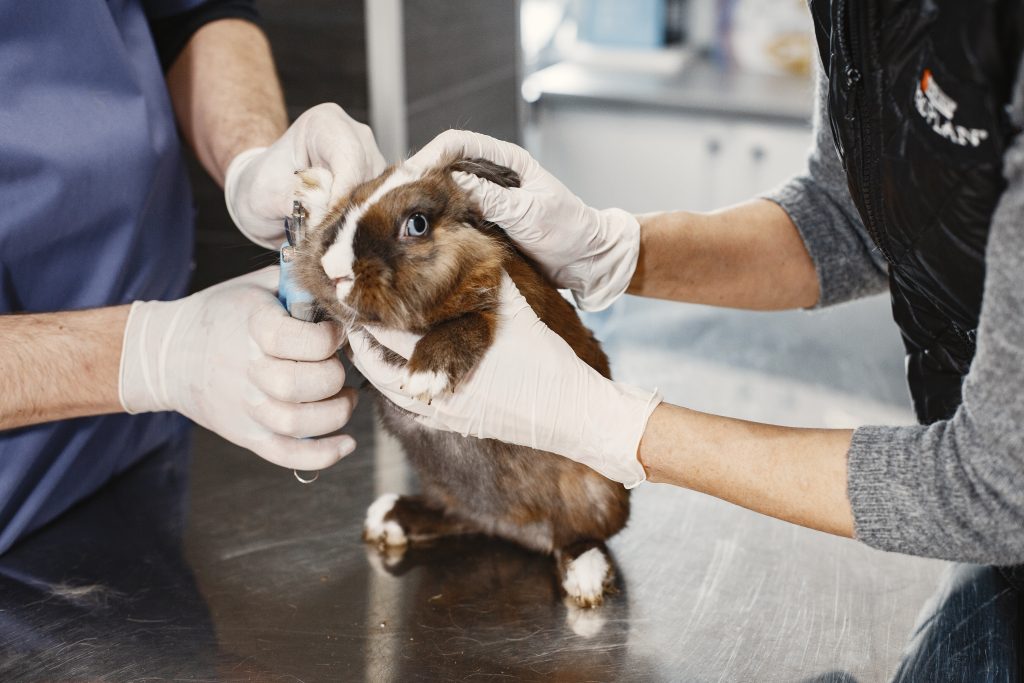
A rabbit-savvy vet will take a multi-pronged approach to restarting the gut, looking past the symptoms to the root cause. In my research into veterinary protocols, I’ve found that the “standard of care” has shifted toward aggressive pain management as the primary driver of recovery.
Diagnostic Imaging
A vet should perform a set of X-rays (radiographs). This is the only way to see if there is gas buildup (stasis) or a solid obstruction (blockage). An X-ray will also show if the stomach is “haloed” by gas, which is a sign of a long-standing stasis that has become critical.
Common Medications
- Pain Relief (Analgesia): Usually Meloxicam (Metacam) for mild cases or Buprenorphine for severe pain. Without pain relief, a rabbit’s body remains in “fight or flight” mode, which prevents the gut from moving.
- Motility Drugs (Prokinetics): Meds like Cisapride (works on the upper GI) or Metoclopramide (Reglan, works on the lower GI). These are the “jump start” for the gut muscles.
- Hydration (Sub-Q Fluids): Rehydrating the “mat” of food in the stomach is essential. Subcutaneous fluids are absorbed over several hours, providing a steady stream of hydration that oral water cannot match.
Supportive Syringe Feeding
Once a blockage is ruled out, the vet will start “syringe feeding” a high-fiber recovery food like Oxbow Critical Care. This provides the physical bulk needed to push the stagnant contents out of the system.
8. Recovery and Preventing Relapse
The first “gold poop” after stasis is a cause for celebration, but the danger isn’t entirely over. Relapse is the most common cause of death in the days following a vet visit.
The 24–48 Hour Recovery Window
Often, a rabbit will seem better after their first dose of pain meds and fluids, only to “crash” 24 hours later. This happens because the initial meds wear off, but the gut hasn’t fully restarted its own natural rhythm. In my observations of Chino, consistency in medication timing is the only way to avoid the crash.
Reintroducing a Proper Diet
Do not rush to reintroduce sugary treats (carrots, fruit, or heavy pellets) during the first 72 hours. The microbiome is still fragile. Stick to:
- Fresh Hay: Use the most fragrant, high-quality hay you can find.
- Leafy Greens: Romaine, spring mix, and herbs.
- Water Bowls: Rabbits drink significantly more from a bowl than a bottle.
Identifying Relapse Signs
If the poop size starts to shrink again, or if the rabbit stops eating their “third favorite” herb, you are back in the warning phase. Relapse is often caused by an unaddressed root cause, such as an undiagnosed dental spur or chronic stress from a neighbor’s barking dog.
9. How to Prevent GI Stasis
Prevention is about removing “friction” from the digestive system before it becomes a stop-block. You must fuel your rabbit’s biological engine with a diet of at least 80% long-stem hay to guarantee continuous gut motility.
Pair this endless hay buffet with heavy water bowls for maximum hydration, and brush your rabbit frequently during a shed to stop ingested hair from creating a physical blockage. Finally, encourage ample free-roam exercise to physically stimulate digestion, because a stationary rabbit is practically inviting their highly tuned metabolic engine to stall.
The Standard Rabbit Diet
For long-term health, a rabbit’s diet should roughly follow this structure:
- 80% Hay: This should be available 24/7.
- 10% Greens: A variety of leafy greens (3 types daily).
- 5% Pellets: A high-quality, grain-free pellet (limited to 1/4 cup per 5lbs of rabbit).
- 5% Healthy Treats: Small amounts of fruit or carrots.
Exercise and Digestion
A rabbit that moves, moves their gut. Exercise stimulates the cecum and helps gas pass naturally. According to the PDSA, free-roam rabbits have a significantly lower incidence of GI stasis than those kept in small cages.
Grooming During Shedding
Rabbits ingest massive amounts of hair during a shed. Since they cannot vomit, that hair must pass through. Brushing is a medical requirement during a shed. If the gut is already slow, the hair will act as “rebar” in the stomach mat, making it nearly impossible to move without surgery.
10. Common Mistakes to Avoid
- Ignoring the “Small Poop” Phase: Many owners wait until the rabbit has completely stopped eating to act. By then, the “Pain Cycle” is already at full speed.
- Using Pineapple Juice: While a popular old-wives’ tale, the high sugar in juice can actually fuel the “bad” bacteria in the cecum, causing a gas explosion that worsens the stasis.
- Over-reliance on Pellets: Pellets are a supplement, not a meal. They are too calorie-dense and low-fiber to be the main diet.
- The “Wait and See” Approach: Thinking “he’s just not hungry today” is the most common mistake. Rabbits are designed to eat nearly constantly. If their daily hay intake drops and they haven’t eaten for 6 hours, it is a medical crisis.
11. Frequently Asked Questions
- Can rabbits survive GI stasis? Yes. With early intervention and aggressive veterinary care, the survival rate is high. Act at the first sign of appetite loss.
- How fast does GI stasis develop? It can progress from a slightly picky appetite to a full systemic shutdown in as little as 6 to 8 hours.
- Is GI stasis painful? Extremely. The buildup of gas in the cecum is akin to severe bloating in humans, but rabbits cannot easily expel gas once motility stops.
- Can it resolve on its own? While a minor “slowdown” might pass if the rabbit starts eating hay, true stasis almost always requires medical intervention to break the pain-stagnation cycle.
12. Summary and Key Takeaway
If there is one absolute in rabbit ownership, it is that a rabbit who refuses food is in a state of emergency. Their biology is a high-speed engine that cannot afford to idle; once the motor stops, the internal chemistry shifts toward a dangerous and painful stagnation. By maintaining a high-fiber diet and acting at the first sign of a small or misshapen poop, you can ensure that your rabbit’s health remains on track.
Medical & Veterinary Disclaimer: Bunnyowners.com is an informational resource for rabbit owners and enthusiasts. We are not veterinarians. The content on this website is for educational purposes only and is not a substitute for professional veterinary advice, diagnosis, or treatment. Always consult a qualified veterinarian with any questions or concerns regarding your pet’s health, medical conditions, diet, or overall care. If you have concerns about your rabbit’s health, it’s always best to reach out to a veterinarian rather than relying solely on information found online.