
Veterinary & Affiliate Disclaimer: Bunnyowners.com shares educational rabbit care resources, not professional veterinary advice. Always consult a qualified veterinarian regarding your rabbit’s medical, dietary, or behavioral needs. This post may also contain affiliate links; as an Amazon Associate and affiliate partner, we earn from qualifying purchases at zero extra cost to you.
The domestic rabbit is a biological marvel of efficiency—essentially a high-performance fermentation engine designed to turn fiber into energy with relentless speed. However, this engine has no “idle” mode; if the fuel stops moving through the system, the entire biological apparatus begins to seize. This makes a sudden halt in fecal output much more than a minor hiccup; it is the start of a critical biological countdown.
If your rabbit is not pooping, it is a medical emergency that requires intervention within 12–24 hours. Because rabbits must continuously move fiber through their gut to maintain motility, a total stop in fecal output signals a dangerous biological shutdown, often caused by GI stasis, acute pain, or a life-threatening intestinal blockage. To prevent a total shutdown, immediately check their belly for hard bloating, offer a high-moisture treat to test their appetite, and contact your exotic vet.
I spend more time analyzing rabbit digestion than any normal person should, but all that research has taught me one absolute truth. Bunnies are masters of the ‘masking effect’—they will hide any sign of weakness to avoid looking like a quick snack to a passing hawk. But when it comes to a comprehensive rabbit health evaluation, the litter box never lies. The second the pellets stop dropping, the data is clear: a metabolic crisis has already begun. To figure out how to restart the engine, we first have to look under the hood at their GI physiology to see exactly where the system stalled.
1. Why Rabbit GI Stasis is a Medical Emergency
In the world of lagomorph health, time is the only currency you have. Unlike a dog or cat, where a missed meal or a day without a bowel movement might be something you just “keep an eye on,” a rabbit’s biological clock is set to a much faster pace. According to clinical guidelines from the House Rabbit Society, the prognosis for recovery drops off a cliff once you hit the 24-hour mark without intervention.
When the gut stops moving (ileus), the cecum—usually a finely tuned fermentation chamber—turns into a petri dish for pathogenic bacteria. Without the constant influx of new fiber to sweep the system, the chemical balance begins to shift. This isn’t just about “not pooping”; it’s about a systemic internal collapse where the liver begins processing fats for energy (lipidosis) and the body slides into ketoacidosis. If that “conveyor belt” stays still for 12 hours, the fermentation process stops being a power source and starts being a toxin factory.
Emergency Triage: Home Care vs. Vet Visit
Before you get lost in the weeds of GI mechanics, use this triage. Bunnies are neurologically programmed to hide weakness until they physically collapse. If you’re seeing symptoms, the “invisible” stage of the crisis has already wrapped.
Emergency (Drive Now)
- Gastric Distension (Bloat): If the abdomen feels like a turgid balloon or a hard drum, stop reading and go. This indicates a buildup of gas and fluid the rabbit simply cannot evacuate. This is a primary marker of a mechanical obstruction, which is far deadlier than simple stasis.
- Circulatory Shock: Check their ears. If they are ice-cold, the body is shunting blood to the core to save the organs. This is shock, often paired with hypothermia (body temp below 100°F). At this stage, the heart rate is likely plummeting.
- Mouth-Breathing: Rabbits are obligate nasal breathers; if they’re mouth-breathing, they’re in catastrophic pain or respiratory distress.
- The 24-Hour Zero-Mark: If the box has been empty for a full 24 hours, the engine has seized. You need an AEMV-certified professional for IV fluids and pain management before the system shuts down permanently.
Urgent (Call Exotic Vet)
- Anorexia: If they ignore even “Tier 1” treats (like fresh cilantro or dill) for more than 8 hours, the Catecholamine Trigger has likely paralyzed their appetite.
- Abnormal Fecal Consistency: Look for mucus in whatever droppings are left; it suggests the intestinal lining is irritated or trying to lubricate a desiccated “hay brick.”
- Behavioral Shifts: A rabbit sitting in one spot for hours, disinterested in life, is in the “meatloaf” pain posture. Calling the vet now prevents a localized slowdown from becoming a total systemic shutdown.
Monitor (Observe Closely)
- Early Motility Drift: If poop size has decreased slightly (a 10–20% drop in diameter) but they’re still eating hay and acting alert, you’re in the golden hour for home intervention. Offer wet greens and encourage movement. Research from the University of Edinburgh confirms that fiber and hydration are the twin pillars of keeping the fusi formis rhythm steady.
2. Normal Fecal Morphology: Recognizing Healthy Output
To identify a crisis, you have to understand the baseline. Rabbit fecal output is the byproduct of a clever two-stage logistics system. The first stage produces hard pellets—large, indigestible fiber that has been “scrubbed” clean of nutrients by the small intestine and sent straight to the exit to keep throughput at maximum.
How the Rabbit Colon Sorts Fiber
The proximal colon is a mechanical sorting facility that would make a logistics manager look like an amateur. Inside, the intestinal wall utilizes a series of haustra (pouches) and muscular contractions to separate particles. Larger particles of indigestible fiber move through the center of the lumen to be excreted, while smaller, fermentable particles are moved to the edges and flushed backward into the cecum via retrograde peristalsis.
This process is governed by the fusi formis, the gut’s electrical pacemaker. It sits at the junction of the proximal and distal colon and acts as a neurological switch. When pooping stops, the pacemaker has lost its beat. Do a “crush test” on a fresh dropping. A healthy pellet is friable—it should crumble into dry hay powder under pressure. If it’s sticky, rubbery, or liquid inside, the sorting office is failing to separate fluids from solids.
Identifying and Understanding Cecotropes
Rabbits produce cecotropes—those clusters that look like tiny blackberries. They’re fermentation gold, full of B-vitamins and proteins. Healthy rabbits eat these directly from the source, so you shouldn’t actually see them in the litter box. Finding mushy, smelly, uneaten cecotropes is a sign of dietary imbalance or obesity, often the precursor to a total system failure.
Table 1: Visual Guide to Rabbit Droppings
| Dropping Type | Physical Appearance | Clinical Meaning |
|---|---|---|
| Normal Pellet | Large, round, uniform, crumbly | Optimal motility and hydration. |
| Small & Hard | Tiny, dark, difficult to crush | Dehydration or early GI slowdown. |
| String of Pearls | Pellets connected by hair | High molt intake; high risk of blockage. |
| Mushy Smear | Smelly, dark, unformed mass | Cecal dysbiosis; often too much sugar/pellets. |
| Watery Diarrhea | Liquid, yellowish or dark | Critical Emergency: Severe infection or toxins. |
3. Soft Stool vs. True Diarrhea
One of the most common content gaps in pet care is failing to distinguish “mushy poop” (unformed cecotropes) from true watery diarrhea. In adult rabbits, true watery diarrhea in rabbits is extremely rare, highly caustic, and represents an immediate life-threatening emergency.
The Biochemistry of Cecal Dysbiosis
If you see a mushy smear, don’t assume the gut is “moving.” This is cecal dysbiosis. In a healthy rabbit, the cecum is a low-oxygen zone for beneficial anaerobic bacteria (mostly Bacteroides). When the pH shifts from its ideal range (5.5 to 6.5) to become more alkaline (7.0 or higher), the good guys die off and gas-producing pathogens like Clostridium bloom. According to clinical data from VCA Animal Hospitals, this chemical shift often starts hours before the pellets actually stop.
Table 2: Cecal Ecology & pH Drift Analysis
| Environment State | Cecal pH Range | Dominant Microflora | Metabolic Byproduct |
|---|---|---|---|
| Optimal | 5.5 – 6.5 | Bacteroides, Fibrobacter | Volatile Fatty Acids (Energy) |
| Drift | 6.6 – 7.0 | Early E. coli colonization | Methane/CO2 (Gas Pain) |
| Crisis | 7.1 + | Clostridium, Enterococcus | Ammonia & Endotoxins (Shock) |
Why Mushy Poop Triggers Digestive Stasis
The resulting gas creates massive abdominal pressure. Since rabbits can’t easily belch, the intestinal walls stretch, triggering a pain response that tells the brain to slow down all movement. It’s the biological “clutch” being depressed—the engine is technically running, but the wheels have stopped turning. As gas accumulates, the Vagus nerve sends inhibitory signals back to the brain, further cementing the state of ileus.
How Diet Affects Cecal pH Levels
Consistent, low-sugar feeding isn’t just a suggestion; it’s a requirement for gut stability. That “alkaline drift” happens fast once starch and sugar levels get too high. When the cecum becomes alkaline, the bacterial byproducts change from beneficial volatile fatty acids (VFAs) to harmful ammonia and endotoxins.
4. Signs of a Digestive Slowdown
The transition from “fine” to “seized” is a slide, not a jump. Most owners miss the warning signs because they aren’t looking for the subtle shifts in the box.
Hair Lattice and the “String of Pearls”
During a molt, rabbits swallow massive amounts of hair. Since they can’t vomit, it has to go through the narrow pylorus. When motility slows, the hair creates a lattice that traps food particles, forming a “String of Pearls.” This is a mechanical failure in the making; if that string snags on the intestinal wall, it becomes a physical plug (trichobezoar).
Three Stages of Fecal Change
- Stage 1: The Shrinking Pellet: The colon is aggressively reclaiming water, leaving feces dry and hard to pass. This is a sign of systemic dehydration.
- Stage 2: The Misshapen Drop: Jagged or “teardrop” shapes mean the gut walls are spasming rather than contracting. The coordinated wave is gone.
- Stage 3: Total Cessation: The box is empty. At this point, the risk of a gastric rupture or a toxic bloom from stagnant contents is imminent.
5. Common Causes of Digestive Shutdown
Pain Response and the Catecholamine Trigger
Rabbits are neurologically hard-wired to shut down digestion when they’re in pain. This is the Catecholamine Trigger. Adrenaline and cortisol physically paralyze the gut muscles to save blood for the heart and lungs. VCA Animal Hospitals notes that breaking this pain loop with analgesics is the primary goal of triage. If the rabbit feels pain, the gut will not move, no matter how many prokinetics you use. If the rabbit feels localized physical pain—such as from sharp molar spurs or raw mouth ulcers associated with advanced rabbit dental disease—the gut will not move, no matter how many prokinetics you use.
Stress, Cortisol, and Environmental Impact
Bunnies love routine. I’ve noticed with my own rabbits, Mocha and Chino, that even a minor hierarchy shift or loud construction nearby can cause a measurable 20% drop in output. For a sensitive rabbit, stress is a clinical event. While other pets might wear their discomfort on their sleeves, lagomorphs require you to be a data detective. If one rabbit is hiding or acting depressed while the other is active, check the box immediately.
Dehydration and Stomach Content Impaction
If a rabbit stops drinking for even a few hours, the stomach contents turn into a desiccated “brick” of hay. This brick can reach a state of impaction where it physically blocks the pylorus. Without hydration, motility is physically impossible, no matter how much the gut “wants” to move. This is why aggressive fluid therapy is almost always the first clinical step.
6. GI Stasis vs. Physical Obstruction
Checking for a Bloated Stomach
In standard stasis, the belly feels “doughy.” In a mechanical obstruction, the stomach distends with fluid and gas that has nowhere to go. It feels like a turgid drum—hard, tight, and resonant to the touch. Force-feeding during a blockage is one of the few ways an owner can accidentally cause a fatal gastric rupture. If you suspect this high-pressure state, review the critical emergency metrics for rabbit bloating and gas emergencies before administering any oral care.
Table 3: Comparison of Stasis and Blockages
| Symptom | GI Stasis (Slowdown) | Mechanical Blockage (Plug) |
|---|---|---|
| Onset | Gradual (hours/days) | Sudden (minutes/hours) |
| Appetite | Picky/Refusing pellets | Suddenly refuses everything |
| Abdomen | Soft or “doughy” | Turgid (hard like a drum) |
| Poop Size | Gradually smaller/fewer | Stops abruptly |
| Pain Level | Moderate/Intermittent | Severe/Constant |
7. Blood Glucose: The Liver’s Distress Signal
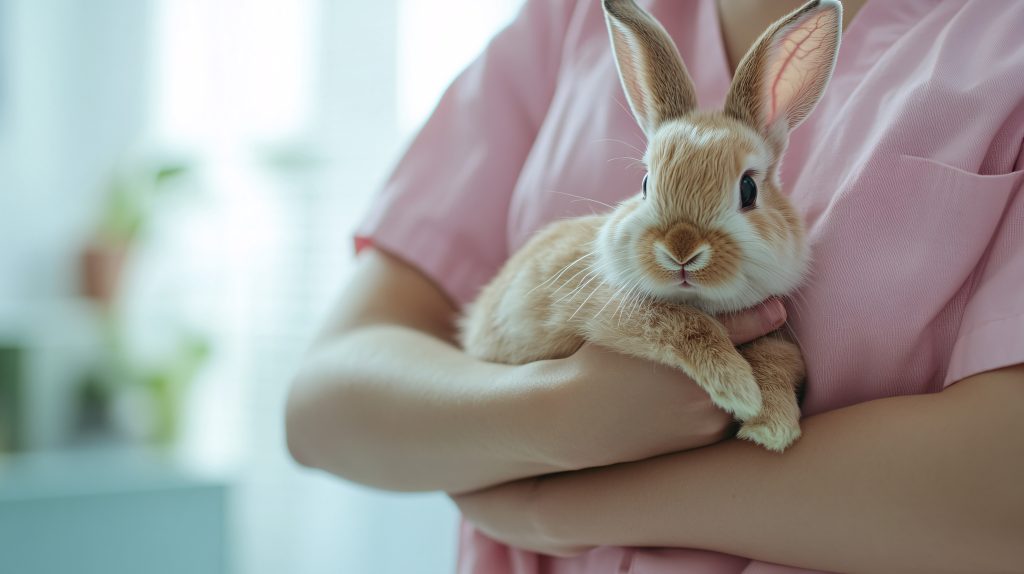
When you visit an exotic vet, the blood glucose monitor is the most vital tool they have to distinguish stasis from an obstruction.
Glucose Spikes During Obstructions
A physical blockage causes rising stomach pressure, triggering a massive cortisol release. This prompts the liver to dump stored glycogen into the blood as glucose (glycogenolysis). Imaging like X-rays can sometimes be ambiguous, but the blood glucose reading provides nearly instantaneous data on the level of physiological shock.
Interpreting Clinical Data Markers
I look for these specific ranges (citing AVMA standards):
- Normal: 80–120 mg/dL
- GI Stasis: 150–250 mg/dL
- Mechanical Obstruction: >360 mg/dL (often reaching 450–500 mg/dL)
A reading above 400 mg/dL is the liver essentially screaming. If glucose is high and temp is low, the prognosis is guarded.
8. Critical Emergency Red Flags
Pain Postures vs. Relaxed Positions
A happy rabbit flops. A suffering rabbit “meatloafs” with a critical difference: the back is arched high, the head is tucked low, and the eyes are squinted in a grimace. This is the Hunched Posture. If they’re pressing their belly against the floor and then moving restlessly, they’re trying to find relief from gas pressure.
Cold Ears and the Hypothermia Spiral
If the base of the ears feels ice-cold, they’re likely entering hypothermia (below 100°F). Digestion stops here because the enzymes are heat-dependent. Once the temp drops, the heart rate follows, and they enter circulatory shock. If the physical shivering spreads into rapid, full-body tremors, you must immediately address the causes of rabbit shaking and trembling to stabilize their core.
Loud Teeth Grinding (Bruxism)
Loud, rhythmic crunching (bruxism) is a vocalization of acute pain. It’s much louder and more rhythmic than the soft, contented “tooth purr” they do when they’re happy.
Using a Stethoscope for Gut Sounds
Using a stethoscope (auscultation) can provide deep insight:
- Normal: Regular “gurgling” or “rumbling” every few seconds.
- Hyper-Motile: Loud, frequent, high-pitched “tinkling” (often gas pain).
- Silent: No sound over a 60-second period indicates ileus has set in.
9. Rabbit Eating but Not Pooping
It’s a common misconception that an eating rabbit is “fine.” This is the Filling the Tank Paradox. Since they can’t vomit, every blade of hay they eat adds to the pressure if the “exit” is stalled.
Risks of Continued Food Intake
If input continues but output is zero for 12 hours, the stomach can stretch to the point of cutting off its own blood supply (ischemia). This is why monitoring the litter box is actually more important than monitoring the food bowl. If the tank is full but the exhaust is blocked, the engine will eventually fail.
10. The 12-Hour Action Plan: Step-by-Step
When the litter box is empty, analysis paralysis is your worst enemy. If you are within that critical 12-hour window, execute this action plan immediately to stabilize the metabolic engine.
Step 1: The Baseline Treat Test Offer a high-value, high-moisture herb like fresh dill or cilantro. If they lunge for it, the gut is still somewhat active. If they turn their head away, the anorexia loop has started. The House Rabbit Society notes that refusing a favorite treat is often the very first clinical sign of impending GI distress.
Step 2: Thermal Stabilization Rabbits cannot digest food if their core temperature drops. Use a digital thermometer to check their baseline. If they are reading below 101°F, wrap them in a warm towel with a fleece-covered heating disc. According to emergency protocols from VCA Animal Hospitals, restoring normal body heat must happen before attempting to feed or hydrate them, as hypothermia shuts down digestive enzymes.
Step 3: The Abdominal Check Gently palpate the belly. You are feeling for the difference between a soft, doughy stomach (stasis) and a hard, turgid balloon (blockage). If it feels like a tight drum, stop this action plan immediately. Do not force-feed, and locate an AEMV-certified professional right away.
Step 4: Gas Relief Administration If the belly is soft but the rabbit is exhibiting the hunched pain posture, administer liquid Simethicone (baby gas drops). Because it breaks down the surface tension of gas bubbles without entering the bloodstream, it is widely considered safe for immediate home use by the Rabbit Welfare Association.
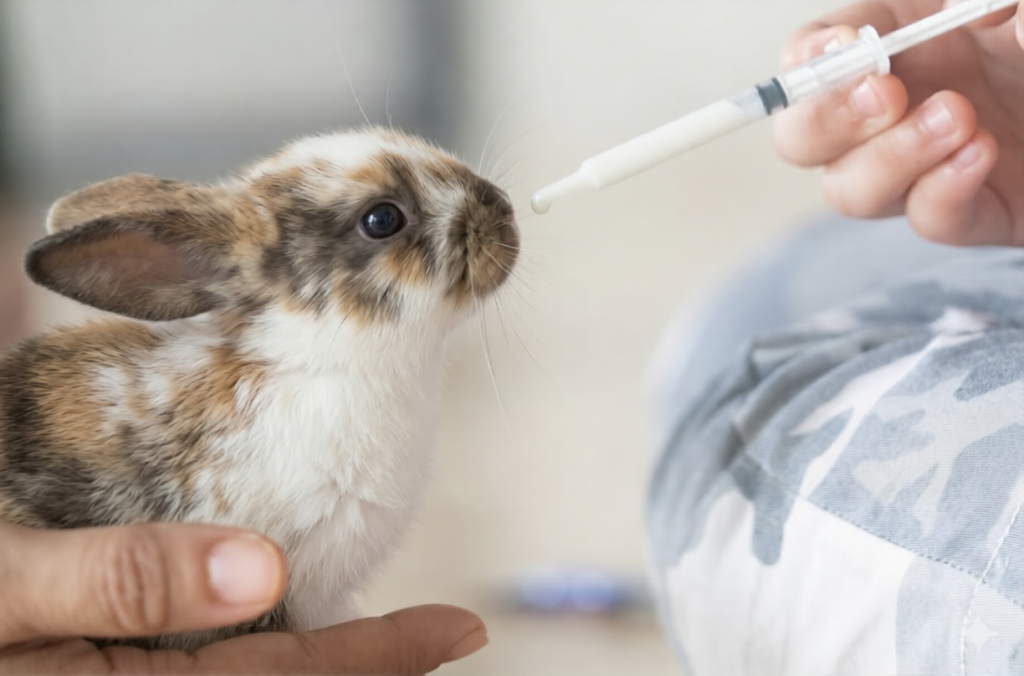
Step 5: Syringe Hydration A dehydrated gut is a paralyzed gut. If no mechanical blockage is suspected, use a side-entry syringe technique to administer 5–10 cc of room-temperature water or an unflavored pediatric electrolyte solution. This helps lubricate the impacted fiber mat sitting in the stomach.
Step 6: Controlled Movement Encourage the rabbit to hop around a safe, enclosed space for ten to fifteen minutes. Physical movement manually massages the digestive tract and can help shift trapped gas pockets. If there is zero output after completing these steps and waiting a few hours, the home-care window has closed. Consult PDSA emergency veterinary guidelines and head to a specialist clinic.
11. Clinical Treatment at the Vet
When home triage fails, a specialist veterinarian must take over. Identifying an AEMV-certified clinic before an emergency occurs is a prerequisite for responsible rabbit ownership.
Benefits of Aggressive Fluid Therapy
Rehydration is the cornerstone of stasis treatment. Subcutaneous or IV fluids do more than just hydrate the rabbit; they rehydrate the gut contents from the outside in. By drawing moisture back into the gastrointestinal tract, the fluid softens the impacted fiber, allowing prokinetics to be effective.
Medications and Gut Stimulants
Professional intervention typically follows “The Big Three” protocol:
- Pain Management: Relief from pain is the only way to stop the Catecholamine Trigger. Vets often use Buprenorphine or Meloxicam.
- Prokinetics: Once a blockage is ruled out, drugs like Cisapride or Metoclopramide are used to physically stimulate the smooth muscles.
- Gas Relief: High-dose Simethicone may be used to break down the surface tension of gas bubbles.
12. Recovery Timeline After Stasis
Recovery is a slow dial, not a switch. It usually takes 24 to 48 hours for the system to fully re-prime and begin producing output.
Mucus in Post-Stasis Droppings
As the gut starts moving, the first droppings are often small and covered in clear or yellow mucus. This is actually a positive signal. The intestinal lining produces this mucus to lubricate a passage that has been dry for too long. It’s a sign the “engine” is turning over.
The 7-Day Roadmap to Recovery
As noted in clinical recovery charts on PetMD, full restoration of the cecal microflora can take up to a week.
- Hours 1–12: The rabbit should look less “hunched” and may start grooming.
- Day 2: The “First Pip”—the arrival of the first post-stasis poops.
- Day 7: Return to the “Golden Pellet” standard.
13. Long-Term Prevention Strategies
Routine and Stress Management
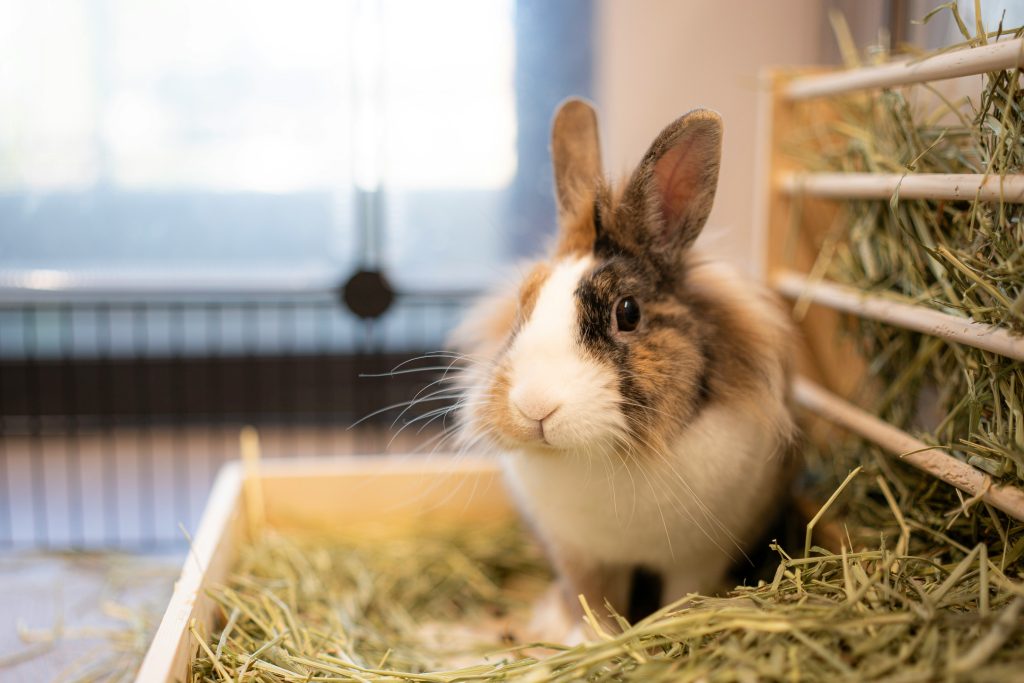
Rabbits are slaves to their internal clocks. In my household, Mocha and Chino have a “hard” schedule. They are fed at the exact same minute every morning. This predictability keeps their baseline stress levels low, meaning their “gut pacemaker” stays steady.
Importance of a High-Fiber Diet
A rabbit should consume a pile of hay the size of their own body every single day. This is the only way to provide the mechanical scrubbing required to keep the gut walls healthy. Long-strand fiber keeps the sorting office of the colon busy. For a complete perspective on establishing protective environmental baselines, an optimized rabbit diet plan to prevent stasis details how proper forage lengths support baseline muscle motility.
Essential Rabbit Emergency Kit
In the world of lagomorph care, you don’t shop during a crisis—you prepare for one. Every proactive guardian should maintain a dedicated kit to bridge the gap between noticing a slowdown and reaching an AEMV-certified facility. Having these emergency supplies on hand is the difference between a managed incident and a metabolic catastrophe.
Table 4: Emergency Kit Checklist
| Item | Purpose | Clinical Necessity |
|---|---|---|
| Simethicone | Gas bubble disruption | Breaks surface tension in the cecum to alleviate pressure. |
| Critical Care | Nutritional support | Syringeable, high-fiber calorie source to prevent hepatic lipidosis. |
| Digital Thermometer | Temperature monitoring | Identifies the onset of the hypothermic shock spiral early. |
| Infant Pedialyte | Electrolyte rehydration | Provides vital hydration to combat metabolic acidosis and treat secondary dehydration and dry gut impactions. |
| SnuggleSafe | Passive heating | Restores core body temperature without risk of thermal burns. |
Table 5: Daily Health Scorecard
| Metric | Healthy Goal | Warning Sign |
|---|---|---|
| Quantity | >100 pellets per rabbit | Empty box or <50 pellets in a 12-hour window. |
| Uniformity | All pellets similar size | A mix of large “normal” drops and tiny “stress” pellets. |
| Texture | Friable (crumbly) | Hard, clay-like, or mushy; indicates fecal output drift. |
14. Frequently Asked Questions
Why is my rabbit acting normal but not pooping? Acting “normal” is a deeply ingrained survival instinct. Rabbits are hard-wired prey animals that will actively hide their discomfort until the metabolic cost is simply too high to fake it anymore. If there is no poop, the gut is slowing down regardless of how well the bunny is performing. Trust the litter box data over their behavior every single time.
Can I give my rabbit baby gas drops? Yes. Simethicone is safe because it is not absorbed into the bloodstream; it stays in the gut to break up gas. It is the first responder for gas pain and should be administered as soon as you notice a hunched posture.
How much hay should they eat? Unlimited. A rabbit should never be without high-quality grass hay. If they stop eating hay but still eat treats, it’s an early sign of a motility slowdown or dental spurs.
15. Conclusion: Final Takeaway
Maintaining a rabbit is essentially a full-time gig in environmental data collection. Their physiology is a high-wire act of bacterial fermentation and mechanical motility. By prioritizing a high-fiber foundation and acting within that critical 12-hour window, you aren’t being “overprotective”—you’re acting as a highly effective guardian.
Keep the hay piles high, the water bowls full, and always trust what the litter box is telling you. If the system stalls, consult an exotic vet professional immediately. For more essential prep and care strategies, read my Comprehensive Rabbit Health Guide.
Medical & Veterinary Disclaimer: Bunnyowners.com is an informational resource for rabbit owners and enthusiasts. We are not veterinarians. The content on this website is for educational purposes only and is not a substitute for professional veterinary advice, diagnosis, or treatment. Always consult a qualified veterinarian with any questions or concerns regarding your pet’s health, medical conditions, diet, or overall care. If you have concerns about your rabbit’s health, it’s always best to reach out to a veterinarian rather than relying solely on information found online.