
Veterinary & Affiliate Disclaimer: Bunnyowners.com shares educational rabbit care resources, not professional veterinary advice. Always consult a qualified veterinarian regarding your rabbit’s medical, dietary, or behavioral needs. This post may also contain affiliate links; as an Amazon Associate and affiliate partner, we earn from qualifying purchases at zero extra cost to you.
When a rabbit stops acting like themselves, finding fast, reliable answers is critical to getting them relief. Because rabbits are prey animals, they instinctively hide signs of physical discomfort until they are seriously ill, meaning a sudden change in behavior often requires quick triage. One of the most common and painful underlying issues pet owners encounter is an acute accumulation of gas trapped within the intestinal tract—essentially the mammalian equivalent of swallowing an angry, expanding balloon.
Recognizing rabbit gas pain requires watching for key symptoms like pressing the belly flat against the floor, a tightly hunched posture, loud tooth grinding, and a sudden refusal to eat or accept treats. Safe at-home first aid includes offering unlimited grass hay, encouraging gentle free-roam movement, maximizing hydration via open water bowls, and performing soft belly massages if tolerated. However, if your rabbit shows severe warning signs like cold ears, a distended abdomen, or absolute lethargy, you must bypass home care and contact a rabbit-savvy veterinarian immediately.
To help you navigate this stressful situation safely, understanding core principles of rabbit health provides essential baseline context for your pet’s physical well-being. The following guide provides a step-by-step breakdown of how to identify abdominal distress before it turns into a medical emergency, covering everything you need to know about the root causes of intestinal fermentation, safe home remedies, and the exact clinical protocols veterinary professionals use to defuse acute digestive crises.
Quick-Reference Emergency Triage
If your rabbit is actively showing signs of severe distress, check these four critical markers right now:
- Has your rabbit completely stopped eating or refused favorite treats for several hours? (A rabbit turning down a favorite treat is a distinct behavioral emergency).
- Are your rabbit’s ears and feet cold to the touch? (A sign of potential systemic shock).
- Is your rabbit’s abdomen visibly swollen, or does it feel hard like a tight drum?
- Is your rabbit limp, unresponsive, or collapsed on its side?
If you observe these severe warning signs, skip home first aid entirely. Transport your rabbit to a rabbit-savvy emergency veterinarian as soon as possible.
1. Distinguishing Gas Discomfort From Systemic Shutdown
It is common for rabbit owners to use terms like gas pain and GI stasis interchangeably, but they are not the same thing. Keeping them distinct helps you communicate clearly with your veterinarian instead of playing guessing games during a clinic visit.
- Gas Pain: This is a symptom. It refers to the physical discomfort caused by trapped air bubbles stretching the walls of the intestines.
- GI Stasis: This is a disease process. It refers to a generalized slowdown or complete halt of the muscular contractions throughout the digestive tract.
Gas pain frequently occurs right before or during a gut slowdown. Early recognition and veterinary treatment may help prevent digestive problems from progressing, which is why tracking the early signs of GI stasis in rabbits is critical before the condition spirals into a systemic shutdown.
Key Differences Between Gas Symptoms and Systemic Stasis
| Feature | Rabbit Gas Pain (Symptom) | GI Stasis (Disease Process) |
| Primary Issue | Trapped gas bubbles stretching portions of the intestines. | The entire digestive tract slows down or stops pumping. |
| Onset | Can appear suddenly, sometimes within an hour of a trigger. | Typically develops gradually over days, though final symptoms escalate fast. |
| Fecal Output | Droppings may briefly look small or dry, but are still present initially. | Extremely sparse, tiny, mucus-covered droppings, or a complete absence of poop. |
| Appetite | May pick half-heartedly at food or refuse treats intermittently. | Complete and total refusal to eat anything, lasting for hours. |
| Core Danger | Intense pain that can secondarily trigger a systemic gut shutdown. | Severe dehydration, cecal impaction, dangerous bacterial overgrowth, and shock. |
2. Can Rabbits Get Gas Without GI Stasis?
Sometimes, yes. A rabbit can experience a brief, isolated bout of gas due to a minor stressful event or a small dietary indiscretion, which then resolves before causing a wider problem. If your rabbit accidentally nabs a single crumb of something they shouldn’t have, they might get a temporary bellyache that clears up on its own.
However, persistent or recurring gas usually indicates that gut motility is starting to slow down. If the muscles of the digestive tract aren’t moving at a normal pace, the gas naturally produced during fermentation gets trapped instead of passing through. For this reason, any signs of gas discomfort should be evaluated carefully, as a gut slowdown is often the primary reason why gas becomes trapped in the first place, forcing an owner to figure out why their rabbit is not pooping normally.
3. Rabbit Gas Pain Symptoms & Visual Posture Key
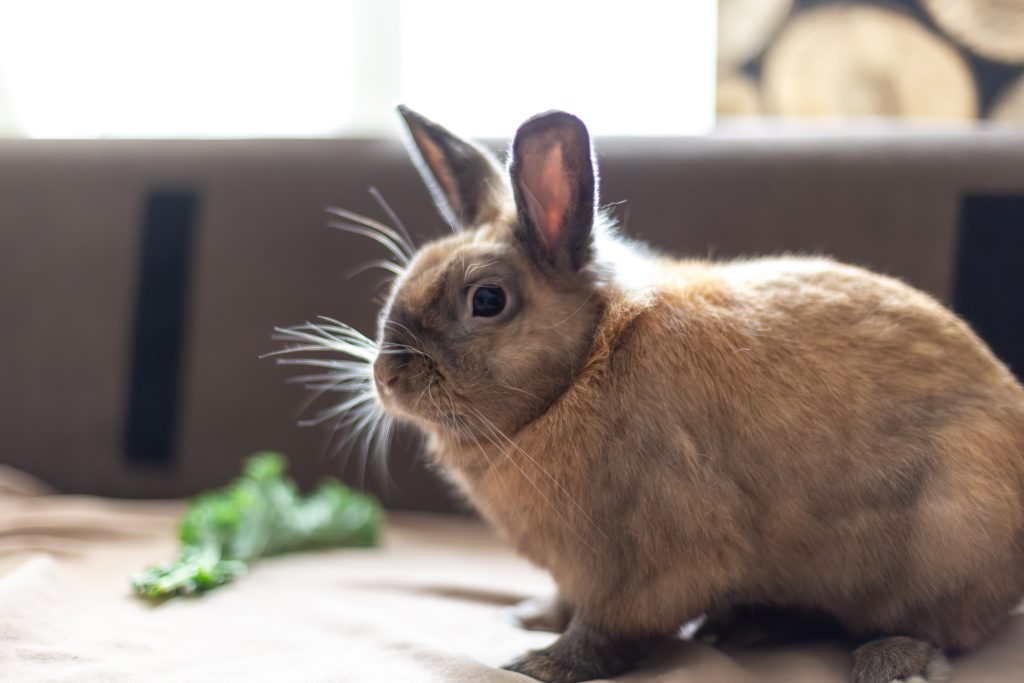
When a rabbit experiences abdominal discomfort, their behavioral changes can be quiet and easy to miss if you do not know what to look for. Learning how to decode basic rabbit body language along with identifying specific rabbit pain signs is vital for early intervention.
Common Signs of Gas Pain
- Pressing the belly flat against the floor to find comfort.
- Sitting in a tightly tucked, rigid “loaf” position for extended periods.
- Loud, rhythmic, sharp rabbit teeth grinding (distinct from happy “tooth purring”).
- A sudden loss of appetite or turning away from favorite treats.
- Restlessness, frequently shifting positions or stretching out repeatedly without settling.
- Hiding away in unusual, dark corners, often accompanied by general lethargic behavior.
- A swollen, tight, or loudly gurgling abdomen.
Visual Key: Healthy Loaf vs. Gas Hunch
Rabbits naturally rest in a compact shape, which can confuse new owners into thinking a sick rabbit is just enjoying a lazy afternoon nap. To tell the difference between a rabbit who is happily napping and one who is in pain, look closely at their weight distribution and facial expression.
- The Healthy Loaf: The rabbit looks soft and relaxed. Their paws are tucked comfortably under their chest, their face is neutral, their eyes are calmly open or softly blinking, and their spine forms a smooth, gentle, natural dome. This relaxed shape is exactly what I observe when my resident rabbit, Chino, stretches out comfortably for an undisturbed afternoon rest.
- The Gas Hunch (Pain Posture): The rabbit’s body is visibly tense and rigid. Instead of resting back on their haunches, their weight is shifted forward onto their front paws to keep pressure off their stomach. Their spine is sharply arched upward, their head is held low to the ground, and their eyes are tightly squinted or bulging in distress.
Identifying Restless Stretching vs. Contented Stretching
| Behavioral Context | Contented Stretch (Relaxed) | Restless Gas Stretch (Painful) |
| Movement Pattern | Extends legs out once or twice, then settles into a floppy, relaxed position. | Constantly shifts, stretching out and pulling back into a tight hunch repeatedly. |
| Abdominal Pressure | Keeps the belly elevated or gently resting on a soft surface without tension. | Forcefully presses the abdomen flat against the hard floor to attempt to relieve internal pressure. |
| Facial Expression | Eyes are halfway closed in a sleepy manner; ears are relaxed back. | Eyes are tightly squinted or bulging; ears are held rigidly taut against the body. |
| Accompanying Sounds | Silent, or accompanied by soft, irregular clicking (“tooth purring”). | Accompanied by loud, rhythmic, sharp tooth grinding from acute distress. |
4. The Three Phases of Symptom Progression
Gas discomfort moves along a progressive timeline. Recognizing which phase your rabbit is currently in helps you choose between at-home first aid and an immediate veterinary trip. Referencing a comprehensive rabbit health guide can provide additional framework for mapping out these behavioral patterns over time.
Phase 1: Mild Discomfort
At this starting point, your rabbit is just beginning to feel off. They might leave a portion of their morning pellets behind or pick half-heartedly at their fresh greens. They will be quieter than normal, staying inside their enclosure rather than coming out to explore. You might spot subtle posture changes, like a slight hunch, and their droppings may begin to look a bit smaller than usual, mimicking early signs of constipation.
Phase 2: Moderate Distress
Here, the internal pressure is mounting. The rabbit will exhibit frequent, restless stretching—extending their back legs out completely behind them in an attempt to relieve the pressure in their abdomen, only to pull right back into a tight hunch a few seconds later. They will be unwilling to hop or play, show a distinct loss of appetite, and stop grooming themselves, causing their coat to look slightly unkempt.
Phase 3: Severe Crisis
This is a serious emergency state. A rabbit that has completely stopped eating for several hours should be evaluated by a veterinarian immediately, as a rabbit not eating represents a profound metabolic crisis. According to clinical published data, severe gas distension initiates harmful hypomotility cycles that require rapid clinical intervention.
Fecal production may halt entirely, and you may see them collapse onto their side, their abdomen may look visibly distended, and their ears and paws will feel cold as their body temperature drops. If you observe severe emergency symptoms, immediate clinical care is required.
5. What Causes Gas to Build Up in the Gut?
Preventing gas requires keeping the sensitive ecosystem of the rabbit’s digestive tract balanced. When that balance is thrown off, it creates an environment for gas bubbles to form and become trapped.
Common Triggers & Likelihood
| Common Cause | Likelihood |
| Diet change | ★★★★★ |
| Too many pellets / carbohydrates | ★★★★★ |
| Low hay intake | ★★★★★ |
| Stress | ★★★★☆ |
| Dental disease | ★★★★☆ |
| Pain elsewhere | ★★★★☆ |
- Bacterial Imbalance (Dysbiosis): A rabbit’s cecum (a large fermentation pouch) relies on a balance of beneficial bacteria to break down fiber. Introducing new foods too quickly, or feeding excessive starchy, sugary treats like fruit and carrots, feeds the harmful bacteria. As outlined by Vets Now, an improper carbohydrate-heavy diet directly initiates painful fermentation cycles.
- A Lack of Long-Strand Fiber: Long-strand fiber keeps the muscular walls of the gut contracting and pushing food along. Clinical research on the Gastrointestinal Diseases of Rabbits underscores that coarse indigestible fiber is the primary driving mechanical force for normal intestinal peristalsis. Without it, normal pockets of air produced during digestion pool into painful air pockets, a problem often highlighted when owners try to decipher why their rabbit’s poops are so small.
- Stress-Induced Motility Halts: Rabbits are sensitive to environmental changes. Sudden stress—such as travel, loud noises (thunderstorms, construction), bonding sessions, or moving into a new home—triggers an adrenaline spike. Adrenaline naturally diverts blood away from the digestive tract, slowing gut movement.
- Secondary Illness and Dental Disease: If a rabbit is dealing with pain elsewhere in the body, such as sharp molar spurs cutting into their cheeks or arthritis in their joints, the systemic stress and reduced food intake will secondary cause their digestive system to slow down, trapping gas. This is why addressing chronic dental disease in rabbits is a mandatory preventive step for long-term gut health.
- Dehydration: If a rabbit doesn’t have access to clean water, or prefers a bowl but is forced to use a dripping bottle, the lack of hydration causes the moisture inside the gut to dry up. This creates a dense, sluggish slurry that blocks normal gas from passing smoothly through the intestines. Learn how to identify and resolve this in my guide to rabbit dehydration.
6. Safe At-Home First Aid Steps & Remedies
If your rabbit is exhibiting mild to moderate signs of gas (Phase 1 or early Phase 2) and you have completely ruled out the severe emergency warning signs, you can attempt these safe first-aid steps at home.
Step-by-Step Home First Aid
- Step 1: Observe and Document (First 10 Minutes)Sit quietly with your rabbit and record the exact timeline: note when they last ate, when they last pooped, and exactly what behaviors they are showing. This is highly useful data if you need to call the clinic later.
- Place fresh, fragrant grass hay directly at your rabbit’s nose level. Do not attempt to force-feed any recovery pastes or critical care formulas at this stage. If your rabbit’s stomach is dealing with a physical blockage rather than simple gas, forcing food into a stalled stomach can cause gastric rupture. If they ignore forage entirely, pinpointing why you’re rabbit won’t eat hay can help unearth hidden dietary or tooth obstacles.
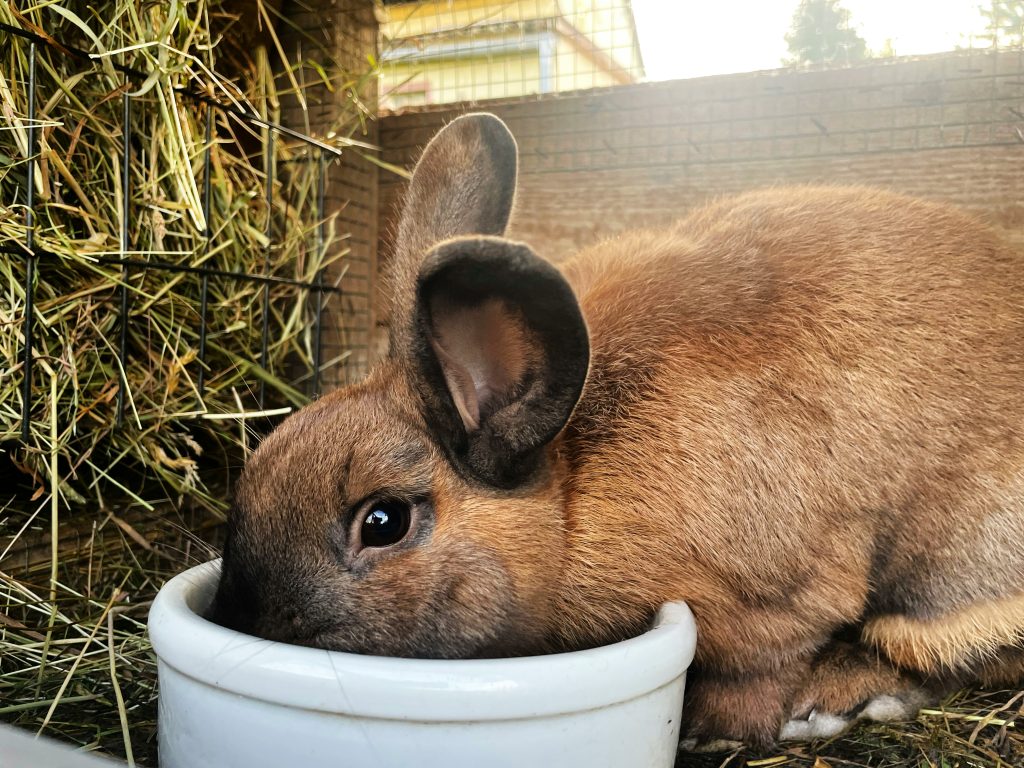
- Step 3: Prioritize Hydration (Ongoing) Ensure your rabbit has access to fresh, clean water in a heavy ceramic bowl, as rabbits drink significantly more from an open surface than a tube bottle. If they are completely unwilling to sip, a rabbit not drinking water faces rapid gut impaction. If they are willing to nibble, offer a few thoroughly wet, leafy greens (like romaine lettuce or cilantro) to introduce hydration directly into the digestive tract.
- Step 4: Promote Gentle, Unforced Movement (15–20 Minutes)Allow your rabbit some quiet, unforced free-roam time. Short periods of gentle walking can naturally stimulate the smooth muscles of the digestive tract to contract, helping to break up and move trapped gas bubbles along. Never chase or force them to run.
- Step 5: Perform a Gentle Belly Massage (10–15 Minutes)If your rabbit is willing to sit still, place them on a secure surface or in your lap. Slide your hands gently beneath their belly and softly lift their hindquarters slightly higher than their shoulders—this allows gravity to help move trapped air toward the exit. Using the flats of your fingers, perform soft, circular, front-to-back strokes across the abdomen. Care advice from Orlando Rabbit Care and Adoptions suggests repeating these gentle massages every 30 to 60 minutes to stimulate a lazy gut. I observed that my rabbit Mocha found mild abdominal pressure helpful during a brief bout of stress-induced gas, but close supervision remains crucial.
Important Massage Warning: If your rabbit tenses up, grinds their teeth sharply, struggles to get away, or shows clear signs of increased distress during the massage, stop immediately.
Can Simethicone Help Rabbits?
Simethicone (frequently sold as over-the-counter infant gas drops) is a common topic in online rabbit communities. It is a surfactant, meaning it works mechanically within the gut to alter the surface tension of gas bubbles. It causes thousands of tiny, painful micro-bubbles to coalesce into larger bubbles that are easier for the rabbit to pass.
First-aid support guidelines from Rabbit Advocates state that simethicone is considered safe for home use because it does not absorb through the intestinal lining into the bloodstream. It acts strictly mechanically to help move food or fur forward.
Clinical research published on the National Institutes of Health PubMed Database confirms that oral simethicone breaks down intestinal foam and successfully facilitates the dissipation of trapped gastrointestinal gas in rabbits. However, if your rabbit is not improving promptly, contact your veterinarian. Simethicone treats the physical gas bubbles themselves, but it does nothing to fix the underlying gut motility failure that caused the gas to trap in the first place. It should never be used as a substitute for professional veterinary care.
7. Critical Mistakes: What NOT to Do
When we see a beloved pet in pain, our instinct is to try everything to fix it. However, because a rabbit’s anatomy is delicate, several common choices can be dangerous.
- Do Not Force-Feed a Bloated Rabbit: Forcing thick recovery formulas or critical care slurries down a rabbit’s throat when their stomach is already distended, tight, or experiencing a physical obstruction can cause severe medical complications, including stomach rupture. For owners trying to sort out a rabbit bloated stomach, checking for abdominal distension must always happen before introducing any oral syringing.
- Do Not Wait It Out Overnight: A rabbit’s metabolic system runs at a high speed. If your rabbit has completely stopped eating and pooping, waiting overnight to see how they look in the morning is frequently a fatal mistake.
- Do Not Administer Human Painkillers: Never give your rabbit medications from your own medicine cabinet (like ibuprofen, aspirin, or acetaminophen). These are highly toxic to lagomorphs and can cause rapid liver failure, kidney failure, or severe internal bleeding.
- Do Not Apply Intense Direct Heat: While keeping a cold rabbit warm is vital, putting a hot water bottle or electric heating pad directly against a painful rabbit’s stomach can increase gas expansion and cause skin burns. Always wrap heating tools in thick towels and give the rabbit space to move away from the heat source if they choose to.
8. When Gas Pain Becomes an Emergency
Knowing when home care is safe and when it is time to drop everything and go to the clinic is a critical decision. Use this decision matrix to guide your next steps.
Safe to Monitor vs. Emergency Action
| Monitor Closely at Home (Max 1 to 2 Hours) | Call the Vet / Seek Emergency Care Now |
| The rabbit refuses pellets but is still actively nibbling small amounts of fresh hay. | The rabbit completely refuses all food, including hay, fresh greens, and treats. |
| The rabbit produced normal droppings within the last 2 to 3 hours. | Fecal production has slowed significantly or stopped completely for several hours. |
| The rabbit is shifting positions occasionally but remains alert, responsive, and bright-eyed. | The rabbit is completely lethargic, unresponsive to touch, or has collapsed on its side. |
| The abdomen feels completely soft and normal when very gently touched. | The abdomen feels rock-hard, distended, or tight like an over-inflated balloon. |
| The rabbit’s body temperature feels normal (ears and feet are warm, not hot or freezing). | The ears and extremities feel cold to the touch (a definitive sign of systemic shock). |
9. How Veterinarians Diagnose Gas Pain
When you arrive at the clinic, a veterinarian will perform several diagnostic checks to figure out exactly what is causing your rabbit’s distress and to rule out dangerous lookalikes.
- Physical Palpation: The vet will carefully feel your rabbit’s abdomen to check if the stomach or intestines feel filled with gas, fluid, or hard, impacted food.
- Auscultation (Stethoscope Check): The vet will listen to the abdomen to check for gut sounds. A healthy gut has constant gurgling and clicking sounds. A gas-heavy gut might sound hyperactive and sloshy, while advanced GI stasis will be completely silent.
- Radiographs (X-rays): This is one of the most useful diagnostic tools available. Diagnostic resources show that an abdominal radiograph allows vets to differentiate non-obstructive ileus from acute obstructive blockages. Additionally, a comparative imaging study in the Journal of Veterinary Medicine confirms that contrast radiography is an effective, non-invasive imaging technique to isolate dense blockages from simple pockets of air. This distinction matters because treating an obstruction requires completely different medical, and sometimes surgical, interventions than simple gas.
10. How Veterinarians Treat Acute Gas
Once your veterinarian has completed diagnostics and confirmed that your rabbit is dealing with acute gas discomfort rather than a physical blockage, they will build a targeted treatment plan.
- Pain Management: Because rabbits will not eat if they are in pain, breaking the pain cycle is the number one priority. Vets utilize specialized, rabbit-safe prescription pain medications (often non-steroidal anti-inflammatory drugs or stronger analgesics) to bring rapid relief.
- Fluid Therapy: Subcutaneous (under the skin) or intravenous (IV) fluids are administered to rehydrate the rabbit’s entire system. This moisture floods the digestive tract, softening dried-out food material and helping to flush the system.
- GI Motility Drugs: Once a physical obstruction is completely ruled out via imaging, the vet may administer prokinetic drugs. These medications stimulate the smooth muscles of the digestive tract to start pumping and contracting normally again, which helps the rabbit naturally pass the trapped gas.
11. Long-Term Prevention Strategies
The most effective way to deal with gas pain is to ensure your rabbit’s digestive tract stays consistently active and healthy. Excellent daily husbandry is their best defense.
- Provide Unlimited Forage: Grass hay should make up the vast majority of a healthy rabbit’s diet. Clinical guidelines on veterinary gut stasis management state that keeping high-fiber forage at roughly 80% of their daily intake provides the long-strand fiber needed to maintain normal intestinal movement. For tips on sourcing high-quality options, see my guide on selecting the best hay for rabbits.
- Ditch the Sugary Treats: Eliminate commercial treats packed with seeds, yogurt drops, or excessive corn. Limit fruits and carrots to tiny, occasional rewards, as the high sugar content can cause rapid fermentation in the cecum.
- Provide Open Water Bowls: Always provide fresh water in a heavy ceramic bowl. Rabbits drink significantly more water from an open bowl than from a metal ball-point bottle, ensuring their GI tract stays fully hydrated.
- Encourage Daily Physical Exercise: Ensure your rabbit gets several hours of free-roam time every single day. Hopping, running, and playing naturally keeps the smooth muscles of the digestive tract toned and active.
- Schedule Regular Dental Cleanings: Have a rabbit-savvy veterinarian check your rabbit’s molars at least once or twice a year. Catching and smoothing down sharp dental spurs early ensures your rabbit won’t stop eating due to mouth pain.
12. Frequently Asked Questions
Can rabbits pass gas naturally?
Yes. Rabbits do produce a normal amount of gas as a natural byproduct of cecal fermentation, and they can pass small amounts of it safely. However, due to their unique gastrointestinal anatomy, they cannot easily clear large, rapid expansions of trapped gas without assistance.
Can rabbits die from a bout of gas?
Yes. If left unmanaged, the intense pain from trapped gas can throw a rabbit’s sensitive body into shock within hours. Additionally, unresolved gas pain is a direct gateway into advanced GI stasis, which is fatal without veterinary intervention.
Will my rabbit still eat if they have gas?
In the early stages, they may pick half-heartedly at their food or show interest only in their absolute favorite greens. However, as the gas pockets expand and stretch the intestinal walls, the pain becomes too severe, and they will completely refuse all food.
How long does a typical bout of gas pain last?
Some rabbits with mild gas discomfort improve quickly after supportive care, while others progress rapidly to GI stasis. If your rabbit is not improving promptly within 1 to 2 hours of basic home care, contact your veterinarian.
Can overfeeding pellets cause gas?
Yes. Many commercial pellets are heavy in starches and low in long-strand fiber. Overfeeding pellets fills the rabbit up, causing them to eat less hay, while the excessive starches can cause a bacterial imbalance and adverse fermentation in the cecum.
13. Conclusion
Recognizing the subtle behavioral cues of rabbit gas pain early is one of the most powerful tools a pet owner has to prevent full-blown gastrointestinal stasis. Because a rabbit’s condition can worsen quickly, treating every shift in posture, appetite, or litter box output with immediate urgency is vital.
If your rabbit is showing early, mild signs of a tummy ache, you can safely implement first-aid steps at home by encouraging gentle movement, maximizing hydration with open water bowls, and performing soft belly massages. However, always prioritize a safety-first mindset: if your rabbit fails to show clear improvement promptly, or if they enter complete anorexia and lethargy, bypass home care entirely and contact an exotics specialist immediately.
Medical & Veterinary Disclaimer: Bunnyowners.com is an informational resource for rabbit owners and enthusiasts. We are not veterinarians. The content on this website is for educational purposes only and is not a substitute for professional veterinary advice, diagnosis, or treatment. Always consult a qualified veterinarian with any questions or concerns regarding your pet’s health, medical conditions, diet, or overall care. If you have concerns about your rabbit’s health, it’s always best to reach out to a veterinarian rather than relying solely on information found online.