
Veterinary & Affiliate Disclaimer: Bunnyowners.com shares educational rabbit care resources, not professional veterinary advice. Always consult a qualified veterinarian regarding your rabbit’s medical, dietary, or behavioral needs. This post may also contain affiliate links; as an Amazon Associate and affiliate partner, we earn from qualifying purchases at zero extra cost to you.
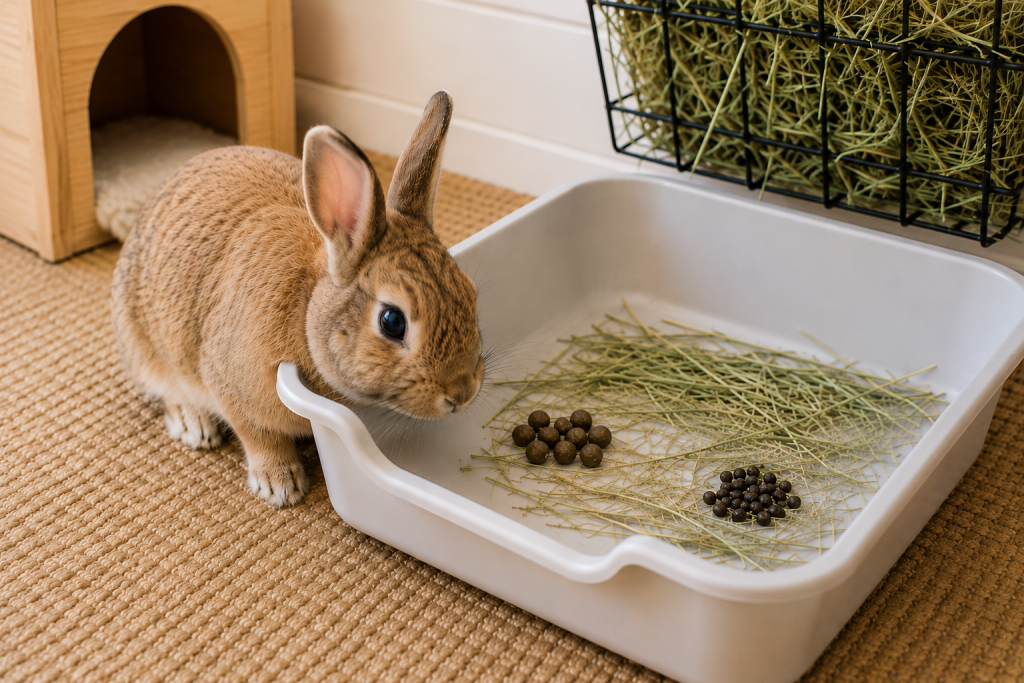
If you just looked into your rabbit’s litter box and noticed a sudden shift to tiny, dense pellets, that immediate wave of concern is completely justified. Healthy rabbits rely on an uninterrupted cycle of ingestion and elimination to survive. When their standard, uniform droppings suddenly shrink to the size of peppercorns, it is a direct behavioral and physiological distress signal sent straight from your pet’s digestive tract.
Rabbits have small poops when their gut moves more slowly, causing waste material to spend too much time in the colon where more water is pulled out. This digestive slowdown is primarily triggered by things like eating less fiber, minor dehydration, dental soreness, or environmental stress. While small droppings can appear during an early digestive slowdown, they are not a diagnosis on their own and can occur for several non-emergency reasons.
Because a rabbit’s health can decline rapidly when digestion slows, decoding their litter box output is a vital caregiving skill. To help you evaluate what is going on, this guide breaks down exactly what these structural changes mean, explores the primary culprits behind the shift, and outlines safe home-monitoring workflows so you know exactly when to call an exotic veterinarian.
For a wider look at underlying physical variables, you can also explore my collection of comprehensive rabbit health resources to navigate this digestive shift calmly and safely.
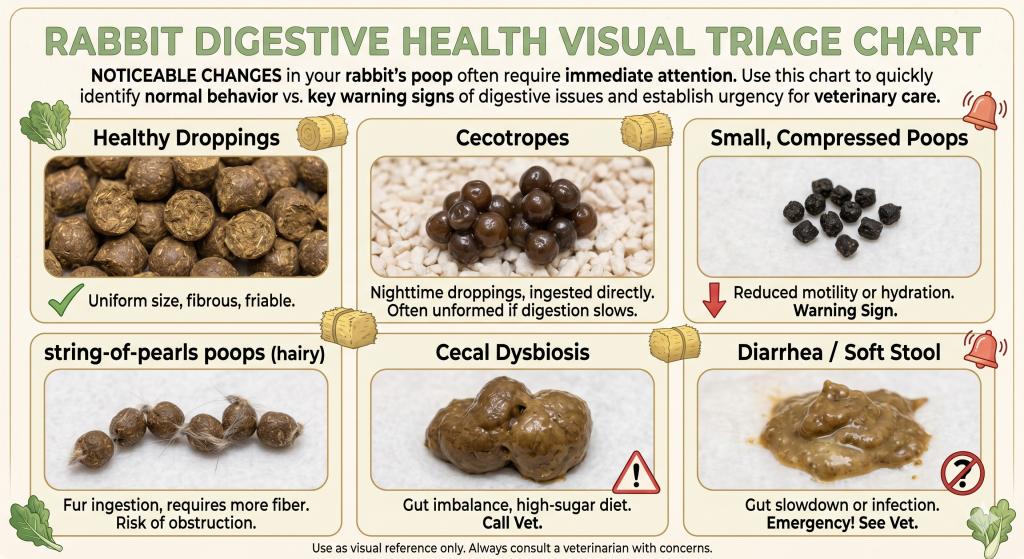
1. Rabbit Digestive Health Visual Triage Chart
Because this article serves as a visual triage tool, pairing our breakdown with an immediate visual reference helps you identify litter box changes in real time.
The chart below provides an instant diagnostic snapshot. By checking your rabbit’s current pellets against these distinct visual categories, you can quickly establish whether you are looking at a minor dietary shift, a shedding event, or a serious health emergency before diving into the detailed breakdown below.
2. Is It Normal for Rabbits to Have Small Poops?
The short answer is an emphatic no—a consistent shift to small poops is never normal. While a rabbit’s pellets may fluctuate slightly depending on how enthusiastically they tackled their daily hay pile, a uniform reduction in size indicates a digestive slowdown. When food moves too slowly through the gut, the system naturally pulls excess water out of the waste, leaving behind small, dry pellets.
This process is thoroughly documented in scientific research on companion rabbit gastrointestinal motility, which demonstrates that any delay in a rabbit’s unique proximal colon separation mechanism causes the colon to pull excess moisture from the waste mass, leaving behind shrunken, highly compacted, and occasionally misshapen pellets.
What healthy rabbit poop should look like
3.1 What healthy rabbit poop should look like
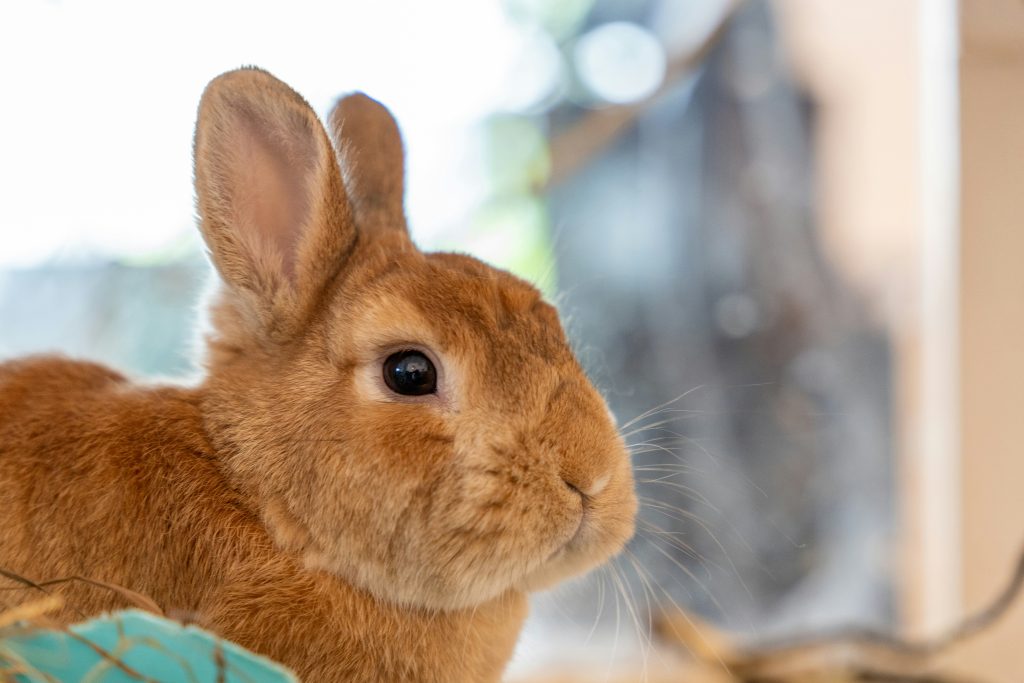
Evaluating your rabbit’s baseline output means checking their daily droppings against a few standard physical traits. A healthy, fully functional digestive system produces an immense volume of waste that should hit these metrics:
- Size matters. Plump and uniform—think small marbles, garbanzo beans, or large blueberries depending on your rabbit’s breed size.
- Perfect spheres. They should be round and smooth, never jagged, oval, or teardrop-shaped.
- Color ranges from medium brown to tan or dark green based on their current hay type.
- Texture: If you crush a normal pellet between your fingers, it should instantly break apart into sawdust-like fiber. If it feels sticky or pasty, something is wrong.
- Day vs. Night Consistency. While rabbits also produce soft, clustered, shiny nighttime droppings called cecotropes (which they naturally consume directly from the source to recycle nutrients), their standard daytime fecal pellets should remain uniform around the clock.
When small poops become a warning sign
A few stray, small pellets usually just mean a long afternoon nap disrupted your rabbit’s routine. But a litter box uniformly packed with minuscule, hard droppings is different—that means the gut has actively slowed down. An isolated cluster of slightly smaller pellets mixed in with normal droppings often points to a temporary distraction, such as a skipped meal due to a long afternoon nap. However, if you discover an entire litter box filled with uniformly minuscule, hard pellets, it signals a prolonged digestive slowdown where the gut is actively moving more slowly.
When these pellets emerge looking exceptionally hard and dark, it indicates a combined issue of low fiber intake and dehydration. The most critical tipping point occurs when this reduction in poop size is accompanied by a sharp decline in the overall quantity of droppings, meaning the system is rapidly trending toward a critical bottleneck.
3. Small Poops vs. GI Stasis: Key Differences
It is critical for rabbit owners to understand that small poops are not GI stasis itself, but rather an early digestive warning sign that may occur before it. Recognizing where this symptom sits on the health spectrum prevents unnecessary panic while ensuring you take the correct preventative steps.
Table 1: Distinguishing Symptom Signals from Systemic Shutdown
| Observation Metric | Small Poop Output (Digestive Slowdown) | Full GI Stasis (Systemic Shutdown) |
| Fecal Presence | Plentiful but visibly shrunken and dry | Complete absence of feces or rare, mucus-coated specks |
| Voluntary Appetite | Picky with hay, but will still eat favorite greens/treats | Total anorexia; rejects all food and high-value treats |
| Behavioral State | Mostly alert, moving, though slightly less active | Hiding, tightly hunched, cold ears, unresponsive |
| Primary Approach | Strategic home support (hydration, movement, fiber) | Immediate emergency veterinary intervention |
4. What Causes Small Rabbit Poops?
When the digestive tract slows down, it is typically a secondary reaction to an underlying physical or psychological stressor. Identifying the root cause is essential for implementing the correct supportive care before the condition advances.
Table 2: Primary Dietary and Environmental Causes of Slower Digestion
| Core Motility Stressor | Physical Mechanism in the Gut | Resulting Impact on Fecal Output |
| Low Fiber Consumption | Removes physical stimulus needed for regular movement | Droppings shrink due to lack of structural material |
| Systemic Dehydration | Gut over-extracts fluid to protect vital organs | Stool becomes exceptionally dense, hard, and dry |
| Physical Pain | Triggers internal stress responses that halt gut contractions | Intestinal transit times stall, creating minuscule pellets |
| Environmental Stress | Diverts energy away from digestion to skeletal muscles | Temporary reduction in pellet volume and diameter |
Eating less hay than normal
Rabbits require an uninterrupted flow of long-stem fiber to keep everything moving. If a rabbit reduces their hay intake, the lack of bulk inside the digestive tract removes the physical stimulus required for regular gut contractions. As noted in the Georgia House Rabbit Society guide, digestion stalls rapidly when physical foraging drops, and the minimal waste that survives the journey emerges as tiny, compressed pellets.
If your pet shifts habits and refuses to eat their hay, you must look closely into their routine to figure out what is blocking their appetite.
Early digestive slowdown
Small poops can sometimes appear early when digestion begins slowing down. The gut gradually winds down like a clockwork toy as environmental or physical factors take hold. A landmark veterinary report published in the CABI Digital Library study underscores that catching a general slowdown at this metric offers a critical window for supportive home care before the stomach and intestines become entirely immobile. If you need to stay ahead of a full motility shutdown, it helps to cross-examine these symptoms by learning to spot the early warning signs of GI stasis before a medical crisis hits.
Dehydration
Water is continuously absorbed from food contents as they pass through the large intestine. If a rabbit isn’t drinking enough water due to a clogged water bottle valve, an unpalatable bowl, or general discomfort, the body compensates by pulling moisture directly out of the stool. Clinical diagnostic breakdowns hosted in the NCBI Small Animal Practice guide warn that this rapid fluid reclamation forces the remaining fecal matter to emerge as exceptionally dry, dense, sticky, and tiny pellets. If you notice that your pet has stopped drinking fluid completely, you must act immediately to prevent their digestive tract from grinding to a complete halt.
Dental pain
A rabbit’s teeth grow continuously throughout their life, requiring constant grinding against coarse hay to stay worn down. If a rabbit develops sharp molar spurs, a tooth root abscess, or misaligned teeth, chewing coarse grass becomes excruciatingly painful. The Wiley Academic Database handbook notes that to avoid pain, rabbits quickly stop eating hay and favor soft foods or refuse meals entirely, resulting in an immediate reduction in pellet size.
Stress, fear, or environmental changes
Rabbits are highly sensitive prey animals. When they experience perceived danger, chronic stress, or sudden environmental disruptions, their bodies release stress hormones. These changes divert blood flow away from the digestive tract and toward the skeletal muscles to prepare for flight.
In my ongoing research with my resident rabbits, Mocha and Chino, I regularly note how directly environmental shifts impact digestion. For instance, when a severe summer thunderstorm caused prolonged, loud percussive noise directly outside their space, both rabbits exhibited a temporary bout of stress-induced digestive slowdown. Despite an unchanged diet, their fecal output over the subsequent twelve hours consisted of noticeably smaller, tighter pellets before their baseline returned once the environment quieted down. Similar drops can occur after vet visits, introduction of a new household pet, or simply rearranging familiar living room furniture without their permission.
Sudden diet changes
The rabbit gut houses a delicate balance of beneficial bacteria and microbes that break down fiber. Rapidly changing pellet brands, introducing an excessive volume of sugary treats, or adding a large amount of new, rich vegetables can abruptly alter the internal balance. As detailed by the Redbeck rabbit gastrointestinal information database, this microflora disruption leads to uncomfortable gas production, suppresses regular movement, and alters the shape and size of passed waste.
Heavy shedding during molts
When rabbits undergo a heavy molt, they ingest a substantial volume of loose fur during their self-grooming sessions. Because fur cannot be digested, it must mix thoroughly with large amounts of long-stem fiber to pass smoothly through the narrow passages of the digestive tract. If hay intake is insufficient, the swallowed fur creates a sluggish mass within the stomach or gut, compounding the mechanical slowdown and shrinking the size of the passed waste into a distinct “string of pearls” appearance.
5. Are Small Rabbit Poops an Early Sign of GI Stasis?
They can be, and they frequently are. A full digestive shutdown rarely occurs out of nowhere; it is typically a gradual downward slide. Understanding the progression of a digestive slowdown allows an owner to step in while the condition is still manageable at home, rather than waiting for a midnight emergency run.
How a slowdown typically develops
When an underlying issue—such as stress or minor dehydration—begins to take hold, the smooth muscles of the digestive tract lose their natural movement. Food stays in the system longer, drying out into a solid mass. Groundbreaking datasets published in the PLOS ONE sequencing study on the herbivore gut microbiome highlight how this stagnation rapidly alters the internal gut ecosystem, producing uncomfortable gas buildup that suppresses their desire to eat or drink, creating a dangerous feedback loop.
Table 3: Digestive Slowdown Stages
| Slowdown Phase | Intestinal Movement Status | Litter Box Output Markers | Accompanying Rabbit Behavior | Required Caregiver Action |
| 1. Baseline | Optimal digestive movement | Large, round, fibrous pellets | Bright, active, eating hay | Maintain current routine |
| 2. Warning | Minor movement delay | Noticeably smaller, darker pellets | Slight pickiness with coarse hay | Increase home hydration & fiber |
| 3. Advanced | Severe delay | Very few, tiny, misshapen pellets | Hiding, hunched, refusing treats | Contact veterinarian immediately |
| 4. Emergency | Complete digestive halt | Total absence of droppings | Lethargic, belly pressing, cold ears | Emergency vet clinic intervention |
6. What Other Symptoms Should You Watch For?
A change in fecal size should never be evaluated in total isolation. To determine the urgency of the situation, you must perform a full-body evaluation of your rabbit’s current physical state and behavioral presentation. Triage diagnostics detailed in the BSAVA Library clinical guide suggest categorizing secondary warning markers into distinct physical systems:
- Changes in eating habits: Reluctance to eat hay while still accepting pellets or greens indicates early discomfort or dental pain. Total refusal of treats signals an immediate emergency.
- Changes in behavior: Hiding in the back of the enclosure, resisting regular play hours, or showing an indifferent attitude toward your presence. If your usually social rabbit begins acting like an antisocial roommate, take note.
- Signs of pain: A tightly hunched posture with the head close to the ground, frequent “belly pressing” flat against the floor, or loud, rhythmic teeth grinding.
- Digestive changes: A tight, hard, or bloated abdomen; loud, hollow gurgling noises; or complete, eerie silence from the belly.
7. What Should You Do If Your Rabbit Has Small Poops?
If your rabbit is presenting with small poops but is still alert, active, and willing to consume food, you can implement supportive home care strategies to stimulate the digestive tract and reverse the slowdown before it spirals into a total shutdown.
Table 4: Triage Workflow and Home Action Steps
| Assessment Step | Observation Focus | Action Plan for Stable Rabbits | Danger Signals |
| 1. Verify Appetite | Response to fresh greens or favorite herbs | Offer fresh cilantro or parsley immediately | Turning away from highly valued greens |
| 2. Maximize Fiber | Interest in fresh forage options | Provide aromatic hay blends (Orchard/Botanical) | Total refusal of all long-stem fiber |
| 3. Elevate Hydration | Water intake and fluid access | Serve greens dripping wet; add wide ceramic bowls | Glassy eyes; dry, tacky gum tissue |
| 4. Stimulate Motility | Physical activity levels | Encourage a slow, gentle free-roam hop | Lethargic sinking into a corner |
Check your rabbit’s appetite first
The very first step is to offer a highly preferred fresh treat, such as a fresh sprig of cilantro, parsley, or dill. If the rabbit eagerly consumes the offering, you have confirmed that their swallowing reflex is functional and they have not yet entered full, painful appetite loss. This gives you a clear window to safely utilize dietary adjustments.
Encourage unlimited grass hay
Your primary objective is to get long-stem fiber moving through the stomach to restart consistent muscle movements. Empty the litter box entirely so you can clearly track new output, and fill it with fresh, fragrant hay. Rabbits are highly sensory foragers and can lose interest in hay that has sat in a rack for a single day.
To stimulate interest, establish multiple temporary hay stations around their living area. Whenever I notice a dip in pellet size at home, I immediately put down multiple temporary hay stations. Mixing their standard coarse Timothy hay with a handful of sweet Orchard grass or a fragrant botanical blend works wonders for tricking a sluggish appetite into foraging again. Providing this sensory variety breaks the monotony and encourages continuous foraging, which is exactly what a slow digestive tract needs to pick back up.
Increase water intake
At home, ensure your rabbit’s water source is always fresh and clean. If they primarily use a bottle, try adding a wide-rimmed ceramic water bowl; rabbits naturally prefer lapping from an open surface and drink significantly more from bowls. You can also rinse fresh, rabbit-safe leafy greens in cold water and serve them dripping wet to deliver moisture directly into their digestive tract.
To help target hydration goals, you can review the specific fluid and dietary parameters outlined in the PDSA clinical breakdown on a healthy rabbit diet.
Encourage gentle movement
Physical activity is a natural mechanical stimulant for gut movement. If your rabbit is willing, encourage them to take a gentle, slow stroll around a secure, carpeted room. Light hopping helps shift intestinal gas pockets, stimulates natural movement, and encourages the elimination of retained fecal matter. Do not force or chase a stressed rabbit.
8. When Should You Call a Veterinarian?
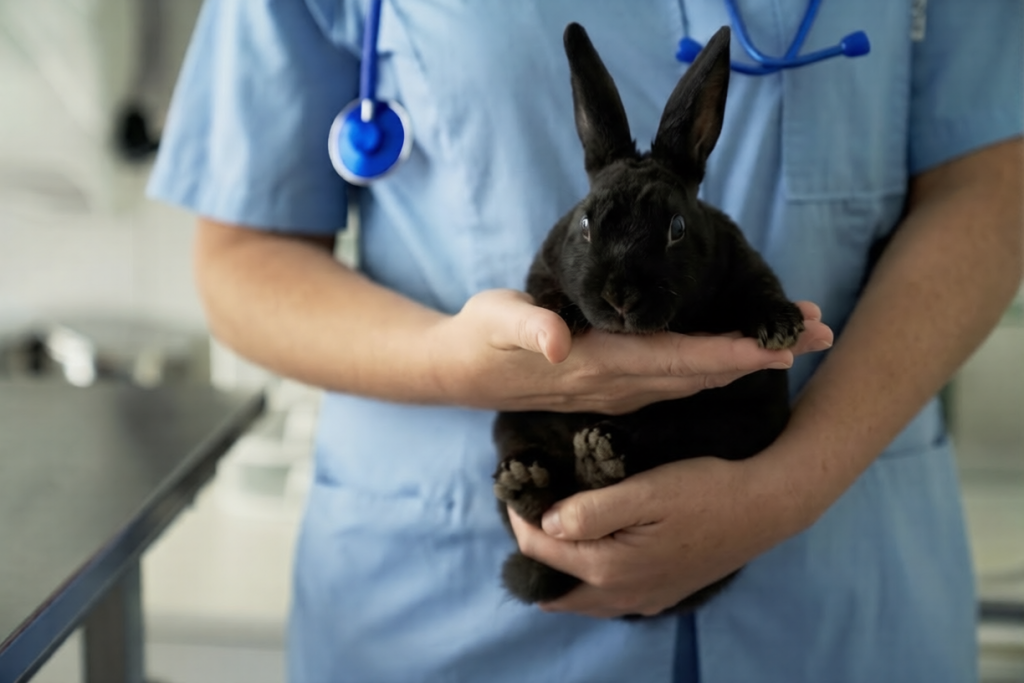
Because a rabbit’s physical health can deteriorate quickly once their digestion slows, knowing when to transition from home monitoring to professional veterinary care is critical.
Monitor at home if
You can safely manage the situation at home if your rabbit is bright-eyed, moving around normally, responsive to your presence, and actively eating their greens and hay. If, within six to twelve hours of increasing their hydration and fresh hay access, the passed droppings begin to gradually increase in size, moisture, and texture, the early digestive slowdown is successfully resolving.
Seek veterinary care immediately if
This is a medical emergency. You must contact an experienced exotic animal veterinarian immediately if your rabbit displays any of the following signs:
- Absolute refusal to eat any food, greens, or treats for more than 6 to 8 hours.
- Severe lethargy, where the rabbit is limp, unresponsive, or refuses to get up when approached.
- A visibly bloated, hard, or distended abdomen that feels taut and drum-like to the touch.
- Clear expressions of intense pain, including constant, loud teeth grinding or continuous belly pressing accompanied by half-closed eyes.
- Total Fecal Drop: A complete absence of any fecal output in the litter box for over 6 hours. If the box drops to absolute zero, follow our urgent protocol for a rabbit not pooping to manage a suspected blockage.
If you are dealing with an emergency outside regular business hours, you can utilize the Association of Exotic Mammal Veterinarians interactive database to pinpoint immediate nearby emergency practices qualified in advanced small mammal medicine.
9. How Long Does It Take for Rabbit Poops to Return to Normal?
Recovering from a digestive slowdown requires patience. The smooth muscles of a rabbit’s gut take time to regain their natural tone, coordination, and rhythm.
Mild digestive slowdowns
If the small droppings were triggered by a transient event—such as a stressful afternoon grooming session or a temporary drop in water intake—and you intervened early, you can expect to see a return to normal pellet size within 12 to 24 hours. You will notice an intermediate stage where the rabbit passes a mix of tiny, hard pellets alongside larger, irregularly shaped, fibrous droppings before the output returns to a uniform, plump appearance.
After veterinary care
If your rabbit required clinical veterinary steps, such as fluid therapy, movement support, and prescription pain management, the recovery timeline is longer. The gut can take anywhere from 2 to 5 days to fully stabilize. Fecal output will initially be small, sparse, and occasionally encased in clear mucus as the irritated intestinal lining sheds and clears out. As long as the rabbit continues to pass waste and their voluntary appetite increases, the recovery is moving in the right direction.
10. How to Prevent Small Rabbit Poops
Consistent daily care is your best tool for building strong digestive resilience and preventing emergency slowdowns before they start.
- Feed unlimited high-quality hay: At least 80% to 85% of your rabbit’s daily diet must consist of long-stem grass hay. This ensures a constant, uninterrupted flow of coarse fiber to keep the gut functioning efficiently.
- Keep your rabbit well hydrated: Always provide a large, heavy ceramic bowl of fresh, filtered water daily. Check the water level frequently to ensure your rabbit has unrestricted access to clean moisture.
- Introduce new foods slowly: When adding a new vegetable, herb, or pellet brand to your rabbit’s diet, introduce it in tiny amounts over a period of 7 to 10 days. This allows the delicate gut balance time to safely adapt without producing painful gas.
- Groom frequently during shedding season: Brush your rabbit daily during heavy molts to remove loose fur before they can ingest it during self-grooming.
- Encourage daily exercise: Provide several hours of supervised free-roam time in a secure, large space every day to maintain strong, active muscle tone in the gut.
- Schedule regular dental checkups: Ensure an experienced exotic veterinarian thoroughly examines your rabbit’s molars with an otoscope during their annual wellness exams to catch and smooth down minor molar spurs early.
For deeper guidelines on prevention, you can read the RSPCA expert clinical advice on creating an ideal rabbit environment.
11. Healthy Rabbit Poop vs. Small Rabbit Poop
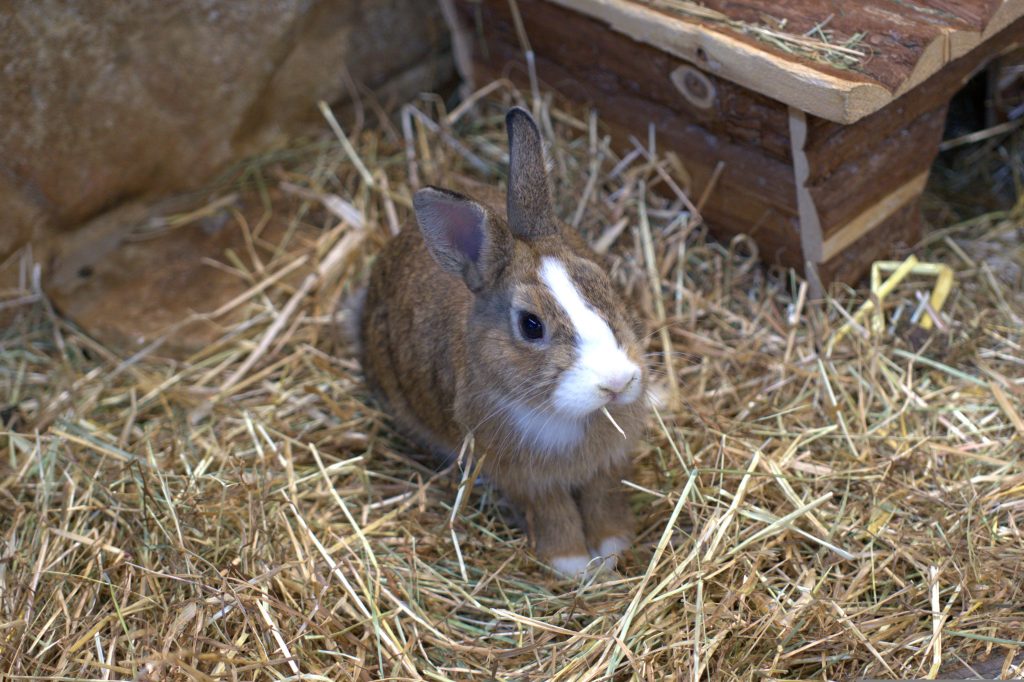
When evaluating the state of your rabbit’s litter box, relying on a quick mental comparison isn’t always enough during a stressful situation. Healthy droppings reflect a properly hydrated system, while small droppings are a literal artifact of physical compression and dehydration within a stalling intestinal tract.
By analyzing the specific structural changes, such as size consistency, structural friability, and texture variation, you can pinpoint exactly how heavily your rabbit’s system is struggling. To cross-examine unusual fecal symptoms with acute conditions like blockages, you can read the Veterinary Partner clinical handbook on rabbit diet and nutrition mechanics.
For an exhaustive breakdown of broader physiological baseline markers, you can check my comprehensive rabbit health guide to monitor your pet’s daily metrics. The table below outlines these precise physical contrasts to help you categorize exactly what you are seeing in the litter box.
Table 5: Physical Comparison of Healthy vs. Small Rabbit Droppings
| Physical Characteristic | Healthy Fecal Droppings | Small Fecal Droppings |
| Diameter & Size | Large, plump, marble-sized | Tiny, compressed, peppercorn-sized |
| Shape Consistency | Uniformly round, clean spheres | Irregular, oval, teardrop, or jagged |
| Internal Texture | Dry, crumbly, packed with visible fiber | Extremely hard, dense, compacted, smooth |
| Production Volume | Highly frequent (hundreds daily) | Sparse, infrequent, or sharply dropping |
| Dietary Context | Rabbit is eating hay and greens normally | Rabbit is picky or refusing coarse fiber |
| Urgency Level | Ideal baseline health; no action needed | Potential warning sign; requires immediate monitoring |
12. Frequently Asked Questions
Why are my rabbit’s poops suddenly smaller?
A sudden reduction in pellet size indicates that your rabbit’s digestive tract has hit a slowdown. This shift causes waste material to spend too much time in the large intestine, which extracts excess water and compresses the stool into tiny, hard pellets. Common triggers include low fiber intake, dehydration, hidden pain, stress, or an early digestive slowdown.
Can rabbits have small poops but still be healthy?
An occasional, brief cluster of slightly smaller poops can occur if a rabbit was temporarily distracted or napping instead of eating hay. However, consistently tiny poops over several hours are a reliable sign of an underlying digestive issue or stressor that requires your attention.
Can stress cause small rabbit poops?
Yes. When a rabbit experiences fear or chronic stress, their body releases stress hormones. This response diverts blood flow away from the digestive tract to prioritize basic survival functions, which slows down gut movement and results in smaller droppings.
Will eating more hay make rabbit poop bigger?
Yes, absolutely. Long-stem grass fiber provides the physical bulk needed to stimulate the smooth muscles of the digestive tract. A high-fiber diet increases the volume and frequency of the stool, returning the droppings to a healthy, large, plump size.
Should I still feed pellets if my rabbit has small poops?
You can continue to offer a small measured amount of standard high-fiber pellets, but you should completely eliminate all sugary commercial treats, fruits, or heavy starches. Your primary focus should be encouraging the consumption of loose grass hay and water-rich leafy greens.
How long should I wait before calling a veterinarian?
If they are active and eating, you can monitor them at home for 6 to 12 hours. However, if they refuse food entirely, stop passing poop for more than 6 hours, or show clear signs of pain, call an exotic vet immediately.
Can dehydration cause small rabbit droppings?
Yes. Low water intake forces the large intestine to absorb excess moisture from waste, resulting in dense, dry, and small droppings.
What if my rabbit has small poops but is still eating normally?
This health snapshot points to an early, mild digestive delay or minor dental discomfort. The gut is active, but you should increase water intake and offer fresh hay immediately to prevent the issue from compounding into a full shutdown.
13. Conclusion
Monitoring your rabbit’s litter box output is the most reliable way to track their digestive health. While a shift to small, dense poops confirms that gut movement has slowed down, it provides a vital warning window to intervene before an emergency develops. Always evaluate pellet size alongside your rabbit’s appetite, posture, and general behavior. By acting early with increased fiber and hydration, you can often reverse a minor slowdown at home—but never hesitate to contact an exotic veterinarian if your rabbit stops eating or shows signs of pain.
Medical & Veterinary Disclaimer: Bunnyowners.com is an informational resource for rabbit owners and enthusiasts. We are not veterinarians. The content on this website is for educational purposes only and is not a substitute for professional veterinary advice, diagnosis, or treatment. Always consult a qualified veterinarian with any questions or concerns regarding your pet’s health, medical conditions, diet, or overall care. If you have concerns about your rabbit’s health, it’s always best to reach out to a veterinarian rather than relying solely on information found online.