
Veterinary & Affiliate Disclaimer: Bunnyowners.com shares educational rabbit care resources, not professional veterinary advice. Always consult a qualified veterinarian regarding your rabbit’s medical, dietary, or behavioral needs. This post may also contain affiliate links; as an Amazon Associate and affiliate partner, we earn from qualifying purchases at zero extra cost to you.
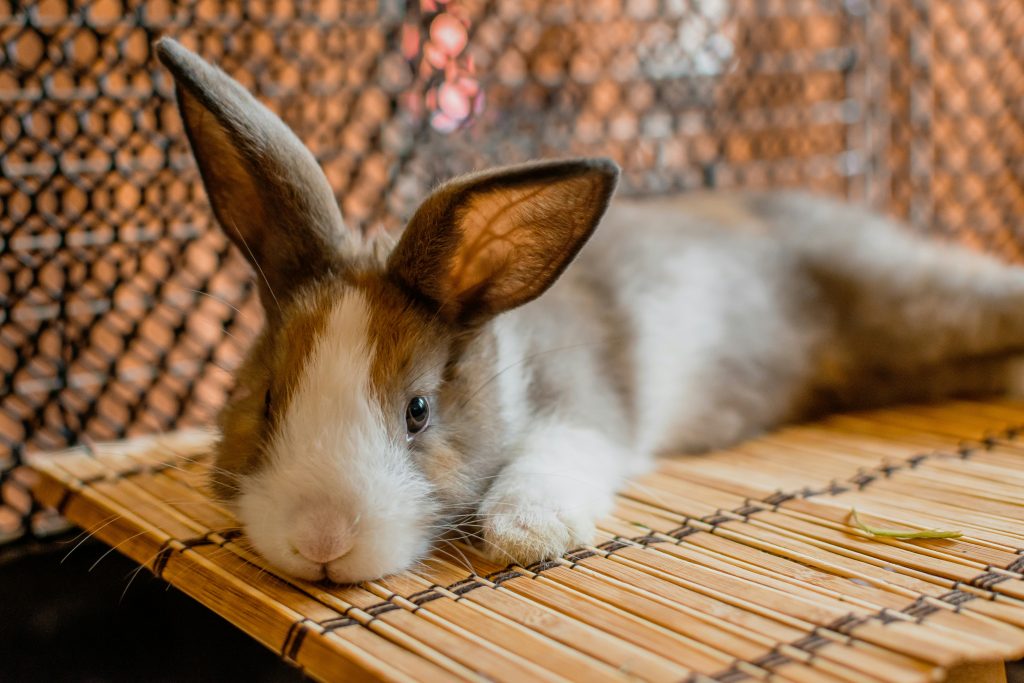
A rabbit flop can look deeply alarming the first time you witness it, as a pet that was sitting calmly one moment suddenly throws their entire body onto their side as if they have collapsed. This dramatic sideways drop often triggers an immediate wave of panic for new owners who worry their bunny is hurt, sick, or experiencing a sudden medical crisis. Understanding why this dramatic movement occurs helps clear up the confusion between a normal, healthy behavior and a real health emergency.
Rabbits flop over because they feel completely safe, relaxed, and comfortable in their home environment. Rolling onto their side allows them to lower their natural prey instincts and enter a state of deep, trusting rest. Unlike an involuntary medical collapse, a healthy rabbit flop is intentional and accompanied by normal breathing, appetite, and activity.
In this guide, we will explore what a rabbit flop looks like, the key reasons behind this dramatic posture, and how to tell the difference between a happy, relaxed flop and a potential health concern. You will also learn why your bunny chooses to flop near you, what it means when they flop on their back or in the same spot every day, and how this behavior compares to other common resting positions.
1. What Is a Rabbit Flop?
To understand the bunny flop, it helps to recognize what physically occurs during this specific rabbit behavior. During a flop, rabbits quickly shift their weight and drop sideways onto the floor. Their legs may stretch out, their body goes completely loose, and their eyes may partially close as they settle into a deep resting state.
A typical rabbit flop includes several recognizable features:
- A sudden roll onto the side (or occasionally the back)
- Legs becoming loose and fully relaxed
- Slow, calm breathing
- Partially closed or relaxed eyes
- Remaining still for several seconds or minutes
Before diving into the specific reasons behind flopping, it helps to compare the flop to other common postures your rabbit uses throughout the day.
Rabbit Resting Postures Comparison
| Resting Behavior | Physical Posture | Primary Behavioral Intent |
|---|---|---|
| Upright Sitting | Paws tucked under, head up | Alert resting; ready to move quickly |
| Standard Lying | Belly on the ground, paws front or side | General relaxation; moderate alertness |
| Splooting | Stretched out flat on belly, rear legs extended | Body temperature regulation and cooling |
| Flopping | Rolled fully onto side or back, legs loose | Deep relaxation, trust, complete ease |
While a splooting rabbit stretches out to cool off or ease muscle tension, a flopping rabbit drops into a sudden, deliberate state of total relaxation. Although these postures might look similar at first, recognizing different rabbit resting positions helps you quickly read what your bunny is trying to communicate.
2. Seven Reasons Why Rabbits Flop (And What It Means)
While flopping can look like a sudden, random event to human onlookers, it is always driven by specific physical, emotional, or environmental factors. Because rabbits are prey animals built to remain guarded, letting down their defenses to perform a full sideways roll requires an alignment of comfort, trust, and physical well-being.
Exploring these distinct behavioral causes helps clear up why your bunny chooses to flop when and where they do:
1. Your Rabbit Feels Completely Safe
As prey animals, rabbits are hardwired to remain vigilant. In the wild, lying down on their side makes them vulnerable to predators because it takes vital seconds to push off the ground and start running. Studies on domestic rabbit welfare and behavior indicate that animals only engage in vulnerable postures when perceived environmental threat levels are minimal. When a house rabbit flops over, their instincts allow them to relax because they perceive their environment as safe.
2. Your Rabbit Is Extremely Relaxed
Flopping often follows periods of gentle activity or quiet periods in the household. Because rabbits are crepuscular—meaning they are most active during dawn and dusk—you will frequently observe flopping during the middle of the day when their natural energy levels dip and they settle down for a deep nap.
3. Your Rabbit Is Comfortable in Their Environment
A rabbit will rarely flop in a new, unfamiliar, or noisy space. Flopping indicates environmental confidence. It means the rabbit is accustomed to the sights, sounds, and smells of your home, trusting that their territory is secure.
Rabbits are more likely to flop when their environment is:
- Familiar and predictable
- Quiet and free from sudden disturbances
- Filled with familiar scents
- Warm but not overly hot
- A place where they have established territory
4. Your Rabbit Is Cooling Down After Activity
It is very common for a rabbit to execute a flop right after a session of high-energy movement. After completing a series of energetic zoomies or binkies across the room, a rabbit may abruptly flop onto a surface to recover, relax their muscles, and sometimes take advantage of a cooler area. These bursts of energy are another normal expression of excitement and confidence, often called rabbit zoomies.
5. Your Rabbit Is Showing Trust Toward You
If your rabbit flops down right next to your feet or while you are sitting on the floor with them, take it as a major compliment. This behavior demonstrates that they do not view you as a threat. Instead, they regard you as a safe companion in whose presence they can feel secure enough to relax their normal alert behavior.
After years of watching my own rabbits, Mocha and Chino, navigate household routines, I’ve learned that a bunny choosing to flop right at your feet is one of the ultimate displays of trust.
6. Your Rabbit Is Preparing to Rest
Sometimes a flop is simply the prelude to sleep. Research exploring rabbit rest patterns reveals that deep muscle relaxation precedes full sleep states, and flopping allows them to achieve the complete physical release necessary for restorative rest.
7. Your Rabbit Simply Has a Personality That Loves Flopping
Just like humans, individual rabbits have distinct personalities. Some rabbits are naturally more dramatic and expressive, flopping multiple times a day, while other equally happy rabbits may prefer to rest in a more subdued posture.
3. Why Does My Rabbit Flop on Their Back?
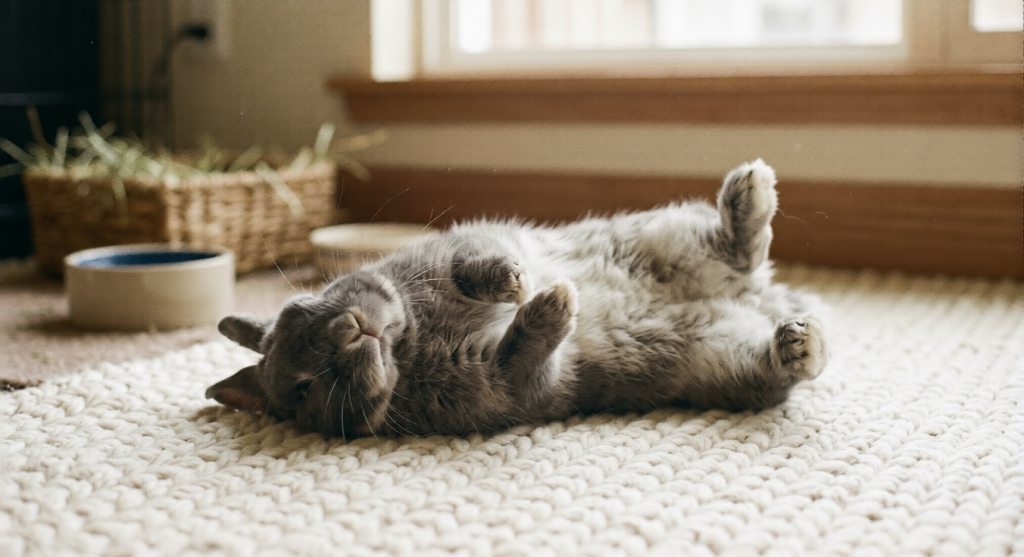
While most flops result in a rabbit resting flat on their side, some rabbits carry out a dramatic full roll that leaves them momentarily lying on their back with their belly exposed.
Seeing a rabbit on their back can be striking, but when done voluntarily, it is simply an extreme variation of the flop. Exposing their soft belly—the most vulnerable part of their body—is a sign that your rabbit feels completely secure in their space. Some rabbits naturally carry more momentum into their flop and quickly roll back over onto their side, while others may briefly stay in that position.
It is vital to note that a voluntary flop onto the back is very different from “trancing” or physically forcing a rabbit onto their back. You should never pick up a rabbit and turn them upside down, as turning a rabbit on their back against their will triggers tonic immobility—a severe, fear-based paralysis response rather than relaxation. A self-initiated flop, on the other hand, is entirely safe and natural.
4. Why Does My Rabbit Flop in the Same Spot?
Rabbits are creatures of habit with a strong sense of territory, and you may notice your pet flopping in the exact same location every day.
Favorite flopping locations usually provide:
- Familiar scents
- A comfortable surface
- Protection from heavy foot traffic
- A good view of the room
- A place where they feel secure
By flopping in the same area consistently, your rabbit is signaling that they consider that spot the ultimate safe zone within their established territory.
5. Is Rabbit Flopping a Sign My Rabbit Is Happy?
Yes, flopping is widely considered one of the clearest physical signs of a happy, contented rabbit. Interpreting a flop gets much easier when you view it within the broader context of rabbit body language—where posture, ear position, and subtle movements all work together to show you how your bunny feels.
A healthy, happy rabbit will pair flopping with other positive behaviors—like a hearty appetite, active grooming, natural curiosity, and the occasional joyful binky.
6. Rabbit Flop vs. Signs Something Is Wrong
Because a flop involves a rabbit falling sideways, new owners sometimes worry about neurological issues or physical collapse. Differentiating a normal flop from a health crisis is essential for peace of mind. Keeping an eye on how your rabbit moves, how their eyes look, and how quickly they bounce back makes it much easier to tell the difference between a cozy, relaxed rest and a potential neurological condition.
Since a flop occurs so suddenly, knowing what separates a normal, contented posture from a health emergency gives you instant clarity.
Normal Rabbit Flop vs. Medical Emergency Signs
| Observation | Normal Rabbit Flop | Potential Medical Concern |
|---|---|---|
| Movement | Intentional roll onto side | Involuntary twitching, rolling repeatedly, or seizure |
| Response | Gets up easily if startled or offered a treat | Unable to stand, loss of balance, or head tilt |
| Eyes | Calm, partially closed, or soft | Involuntary rapid eye movement (nystagmus) |
| General State | Eating, drinking, and acting normal otherwise | Lethargic, refusing food, or showing signs of pain |
Contact an exotic veterinarian promptly if your rabbit:
- Cannot stand or right themselves
- Has a persistent head tilt
- Refuses food
- Shows repeated rolling or seizures
- Appears weak or in pain
If your rabbit appears weak, cannot right themselves, or shows a persistent head tilt, consult an exotic animal veterinarian immediately.
7. Why Does My Rabbit Flop Near Me?
When a rabbit chooses to flop in close proximity to you, it is a clear social signal. Rabbits are highly social animals that use many social behaviors to show trust and connection, including resting near companions and sharing grooming behaviors. By flopping near your feet or couch, your rabbit is incorporating you into their social circle and expressing comfort in your presence.
8. Why Does My Rabbit Flop Then Immediately Get Up?
It can be funny to watch a rabbit flop onto the floor, only to leap back up a split second later. This typically happens when a sudden noise, subtle scent, or unexpected movement startles them out of their relaxed state. Their natural prey instincts briefly kick in, prompting them to reset their posture until they verify that everything is still safe.
9. Why Does My Rabbit Never Flop?
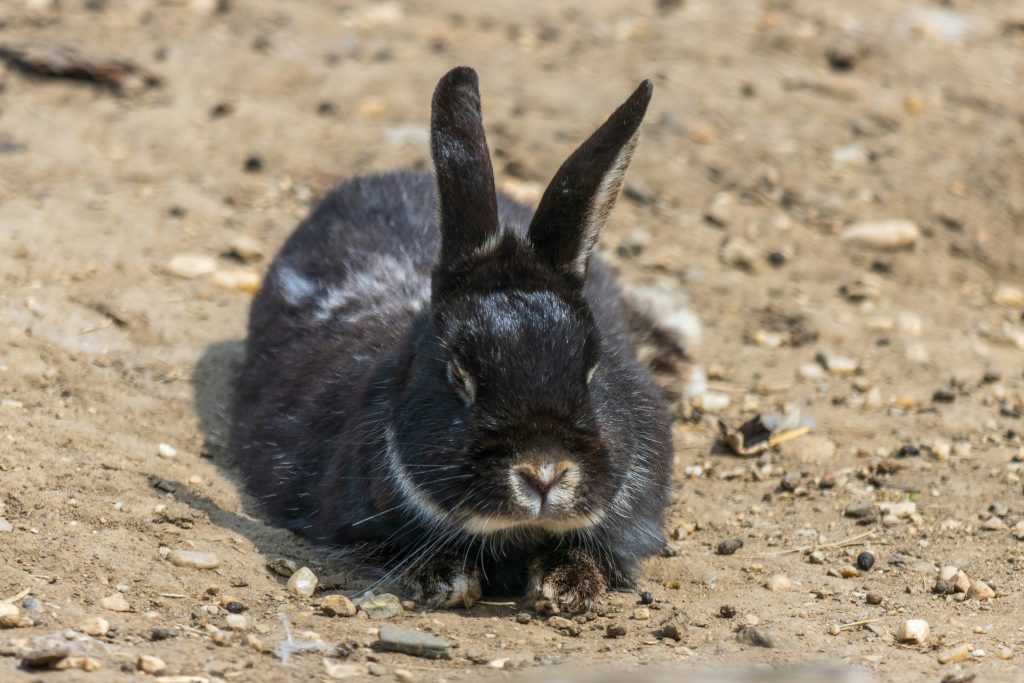
If your rabbit does not flop, it does not mean they are unhappy or that they do not love you.
Some rabbits rarely or never flop because of:
- Personality: Naturally cautious rabbits stay more alert.
- A new environment: It may take weeks or months to feel secure.
- Age or arthritis: Older rabbits often adapt their resting positions to avoid putting pressure on stiff or aching joints, making alternative resting setups or mobility support essential for senior pets.
- Frequent disturbances: Noise or other pets can prevent deep relaxation.
10. Do Baby Rabbits Flop?
Young rabbits can flop too, although individual personalities vary. In fact, some baby rabbits flop with sudden abandon because they spend a significant amount of energy growing and playing, leading to quick bursts of exhaustion. As long as the baby rabbit is active, nursing or eating well, and gaining weight, flopping is completely normal behavior.
11. When Do Rabbits Start Flopping?
Many rabbits begin showing flop behavior once they feel secure in their environment. As young rabbits settle in and grow accustomed to their surroundings, they naturally start displaying more relaxed resting behaviors. Some may flop within days or weeks of arriving in a new home, while more cautious rabbits may take months to fully settle into a new home and let their guard down.
Bonded rabbits also frequently flop near each other as their social trust matures. This type of relaxed companionship often develops as rabbits become comfortable with one another through the bonding process. Watching a pair of bunnies flop side-by-side is one of the clearest signs that a bond has fully stabilized.
12. Frequently Asked Questions
Why does my rabbit fall over on its side?
If your rabbit intentionally rolls onto its side while resting, it is executing a normal behavioral “flop” caused by deep relaxation and a feeling of safety. If the fall is involuntary or accompanied by rolling, balance loss, or head tilt, it requires immediate veterinary attention.
Is rabbit flopping a good sign?
Yes, flopping is an excellent sign. It demonstrates that your rabbit feels completely secure, unthreatened, and happy in their environment.
Do rabbits flop when they trust you?
Rabbits frequently flop near owners they trust. Because lying on their side leaves them vulnerable, doing so in your presence shows they view you as a safe companion.
Why does my rabbit flop after running?
Running and zoomies expend a lot of energy. Rabbits often flop immediately after exercise to relax their muscles and settle down comfortably.
What is the difference between a rabbit flop and a sploot?
A sploot involves a rabbit lying flat on their belly with their rear legs stretched out behind them, often used for cooling down. A flop involves the rabbit rolling completely onto their side or back in a state of sudden relaxation.
Why does my rabbit look dead when they flop?
A relaxed rabbit flop can look alarming because rabbits may become completely still, stretch out, and appear unresponsive at first glance. If your rabbit responds normally when prompted, eats well, and moves around as usual, this deep stillness is simply a sign of profound rest rather than a health issue.
Why does my rabbit flop and sigh or make a noise?
Some rabbits release a soft exhale, tiny grunt, or subtle sigh right as they drop onto their side, sometimes followed by gentle tooth purring. These sounds are just one part of the way rabbits communicate their emotions and intentions through sounds and vocalizations.
How often do rabbits flop?
Some rabbits flop several times a day, while others rarely do. Flopping frequency depends on personality, age, environment, and how secure a rabbit feels in their territory.
How long do rabbit flops last?
A flop can last anywhere from a few seconds to 15 or 20 minutes, or even transition directly into a full nap. As long as your rabbit is resting peacefully and gets up normally when awoken or offered a treat, the duration of the flop is entirely fine.
13. Conclusion
While a sudden rabbit flop can give any owner a brief heart-stopping moment the first time it happens, it is ultimately one of the clearest signs that your bunny feels safe, relaxed, and comfortable in your care. Allowing themselves to relax their normal alert behavior despite their prey instincts shows deep trust and security in their home environment. As long as your rabbit is alert, eating normally, and easily able to get back up, sit back and enjoy the show—it means you have created a safe, peaceful haven where your rabbit feels happy enough to truly relax.
Medical & Veterinary Disclaimer: Bunnyowners.com is an informational resource for rabbit owners and enthusiasts. We are not veterinarians. The content on this website is for educational purposes only and is not a substitute for professional veterinary advice, diagnosis, or treatment. Always consult a qualified veterinarian with any questions or concerns regarding your pet’s health, medical conditions, diet, or overall care. If you have concerns about your rabbit’s health, it’s always best to reach out to a veterinarian rather than relying solely on information found online.