
Veterinary & Affiliate Disclaimer: Bunnyowners.com shares educational rabbit care resources, not professional veterinary advice. Always consult a qualified veterinarian regarding your rabbit’s medical, dietary, or behavioral needs. This post may also contain affiliate links; as an Amazon Associate and affiliate partner, we earn from qualifying purchases at zero extra cost to you.
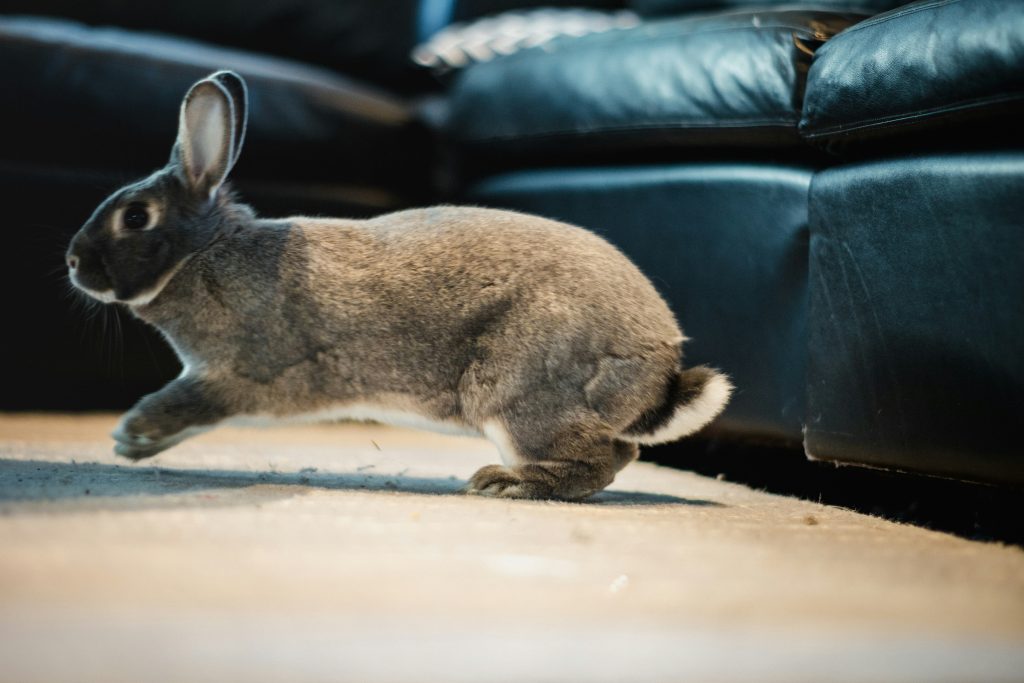
If your rabbit suddenly starts running around like crazy—darting across the living room at full tilt, weaving around furniture, and running laps in frantic circuits—your initial instinct might be to panic. It is completely normal to wonder why a calm pet has suddenly started running around like crazy, or whether that rabbit sprinting episode stems from pure joy or genuine fear. Zoomies are one of the clearest forms of body language, showing how your rabbit expresses excitement, confidence, and energy.
Rabbit zoomies are sudden, high-speed bursts of running that usually indicate your rabbit feels safe, happy, and excited. These energetic sprints commonly happen around dawn and dusk, right after an enclosure door opens, or in anticipation of treats during free-roam time. While joyful zoomies feature fluid movements and a relaxed posture, frantic running triggered by fright or pain looks distinctly different and requires an owner’s attention.
Knowing how to tell a happy speed lap apart from a panic sprint helps you support your pet’s energetic playtime with confidence. Below, we break down what triggers these sudden sprints, how they differ from binkies, and where zoomies fit into normal rabbit behavior.
1. What Are Rabbit Zoomies?
A “zoomie” is an explosive burst of speed where a rabbit dashes across an open space, navigates tight corners, and accelerates suddenly for no obvious external reason.
When a rabbit enters zoomie mode, you will typically observe:
- Sudden, rapid acceleration from a completely rested state.
- Sharp, agile directional changes and hairpin turns.
- Repetitive circuit running, such as a rabbit running in circles or executing figure-eights.
- Charging full-speed through tunnels or cardboard mazes.
- Slicing tight corners around couch cushions, rugs, or furniture legs.
Many rabbits combine zoomies with acrobatic leaps, but running is the primary behavior here. While a binky involves a mid-air twist or kick, a zoomie is all about ground speed—making it one of the most entertaining displays of rabbit behavior.
Owners often notice that rabbits intentionally seek out areas with good traction for these runs. Many rabbits prefer rugs or carpeted areas where their paws can grip the floor during high-speed runs.
2. Why Rabbits Get the Zoomies
Understanding the underlying trigger behind your rabbit’s sudden speed burst makes it easy to interpret their mood and daily rhythm.
They’re Happy and Excited
For most pet rabbits, excitement and positive emotion are the most common reasons for zoomies. Sprints are often accompanied by other positive physical signals, such as binkies, flopping, purring, or approaching you for attention during interactive play sessions.
Some owners also notice their rabbits become more playful in cooler temperatures.
They’re Releasing Pent-Up Energy
Rabbits are built for speed, possessing powerful hind leg muscles designed for rapid acceleration. Young rabbits generally zoom much more frequently due to higher overall energy levels, though older rabbits still get the urge, too.
If a rabbit has spent a quiet afternoon resting or spending time inside an enclosure, they are eager to stretch their legs and burn off excess energy as soon as the door opens.
Their Natural Active Hours Have Started
Because rabbits are naturally most active at dawn and dusk, many owners notice zoomies first thing in the morning or during the evening. If your rabbit suddenly turns into a racecar at 6:00 AM or right as you settle down on the couch at night, their internal biological clock as crepuscular animals is working normally.
Understanding these low-light activity peaks can help you time your pet’s free-roam sessions for maximum enjoyment.
They’re Excited About Food
Food anticipation is easily one of the most reliable zoomie triggers. The crinkle of a pellet bag, the fresh rustle of hay, or the sudden scent of leafy greens can instantly spark a sprint. Driven by the expectation of a favorite treat, a rabbit will often blast through two or three fast laps around your feet before screeching to a halt right at their bowl.
They’re Playing With Another Rabbit
In bonded pairs or small groups, zoomies can be contagious. Rabbits living in established pairs frequently copy each other’s zoomies, turning individual bursts of energy into shared play sessions that reinforce their social bond.
In my own living room, I observe this tag-team effect regularly with my rabbits, Mocha and Chino. The moment Mocha launches into a high-speed lap around the area rug, Chino usually hops out of his favorite spot to join the circuit, taking turns leading the chase.
When they wind down from play, partners will often sit together to clean each other’s coats.
3. What Rabbit Zoomies Look Like
Every rabbit develops a unique “zoomie signature” based on their personality, physical build, and the layout of their living space.
Instead of a rigid pattern, a typical zoomie routine is a lively, unpredictable sequence. Many rabbits finish a sprint by launching into an enthusiastic vertical jump, turning one joyful behavior into another within seconds before casually grooming themselves or settling into a relaxed flop.
Observation of companion rabbits over time reveals distinct styles: larger breeds may execute long, sweeping loops across a room, while smaller dwarf breeds tend to perform rapid, erratic zig-zags with frequent direction flips.
4. Zoomies vs. Binkies: What’s the Difference?
Because zoomies and binkies often occur within the same play session, owners frequently mix up the terms. However, they represent two distinct physical expressions of joy.
The following table breaks down the core differences in movement style, physical space needs, and underlying triggers between zoomies and binkies:
Comparing Zoomies and Binkies
| Behavioral Characteristic | Rabbit Zoomie | Rabbit Binky |
| Primary Motion | Horizontal speed and direction | Vertical elevation and rotation |
| Key Movement | Sprinting, looping, zig-zagging | Jumping, mid-air flicking, head shaking |
| Space Required | Large open floor space | Minimal (can happen on a small mat) |
| Primary Trigger | Energy release, routine excitement | Instantaneous burst of pure happiness |
While a zoomie focuses on covering ground as fast as possible, a binky is a localized vertical maneuver. It is very common for a rabbit to sprint across the room (zoomie), launch into a mid-air twist (binky), land cleanly, and continue sprinting.
5. Zoomies vs. Fear Running
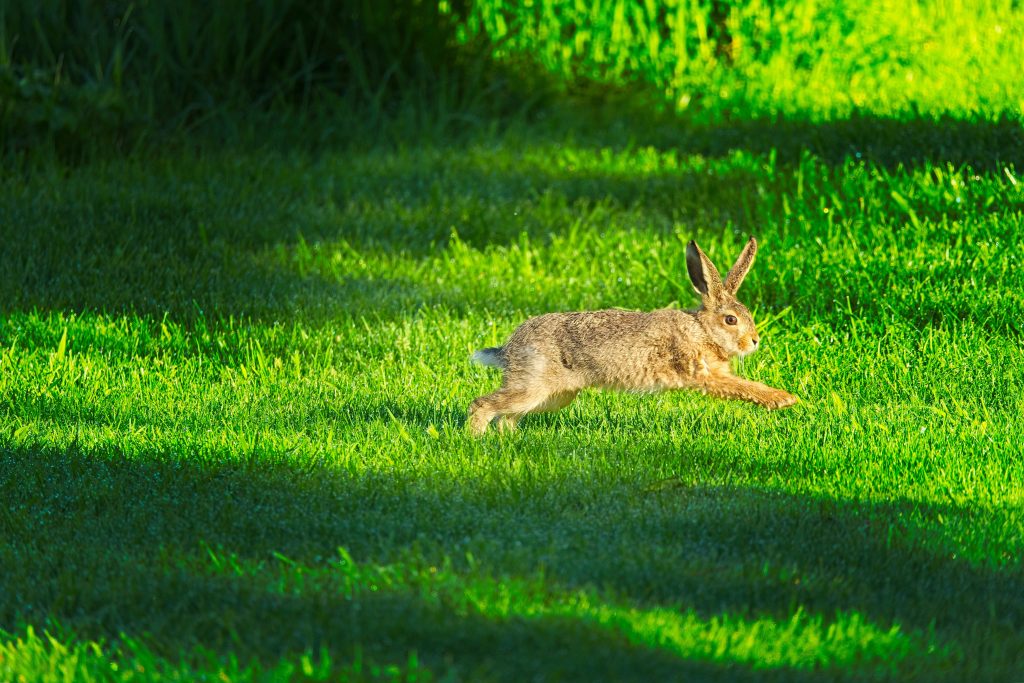
Not all high-speed running stems from happiness. It is crucial to distinguish joyful zoomies from a panic response caused by a sudden fright, predator instinct, or severe distress. During a panic sprint, a rabbit’s body posture and alert signals often change just as dramatically as its running behavior, making overall body language an important clue.
To help you tell these two behaviors apart at a glance, review the key body language and environmental markers outlined below:
Distinguishing Joyful Zoomies from Panic Running
| Observable Marker | Normal Joyful Zoomie | Panic / Fear Sprint |
| Body Language | Relaxed ears, inquisitive eyes, fluid motion | Flattened ears, wide eyes with visible whites (sclera) |
| Path Trajectory | Intentional loops, circuits, open spaces | Direct line to dark corners, under beds, or behind enclosures |
| Post-Run Behavior | Flopping down, grooming, or asking for treats | Freezing solid, rapid breathing, heavy thumping |
| Environmental Context | Playtime, feeding time, familiar routine | Loud noises, sudden movements, unfamiliar guests/pets |
During a true zoomie, the rabbit remains aware of their environment, easily weaving around furniture. During panic running, a rabbit’s fight-or-flight response takes over entirely, which can lead to accidental collisions with walls or doors.
6. Why Some Rabbits Rarely Get the Zoomies
If your rabbit rarely or never gets the zoomies, it is easy to worry that they aren’t happy. However, a lack of sprinting does not automatically mean your pet is unhappy or unwell.
Several factors influence how often a rabbit zooms:
- Personality: Some rabbits are naturally calm, low-energy observers who prefer gentle exploring or flopping near their humans over high-speed running.
- Age: Senior rabbits tend to trade fast laps for extra naps and quiet snuggles, saving their energy for lower-impact movements.
- Flooring and Space: Slippery floors like hardwood or tile can make a rabbit feel insecure. Without large rugs or runner mats for traction, many rabbits simply choose not to run.
- Confidence and Environment: Newly adopted rabbits or those still adjusting to a home may take weeks or months to feel secure enough to let down their guard and zoom.
- Health and Joint Comfort: Joint problems such as arthritis can make high-speed running less comfortable, especially for older rabbits. Painful foot issues like sore hocks may also cause affected rabbits to choose slower forms of exercise instead.
If your rabbit is calm, eating well, using their litter box, and showing curiosity, they may simply express happiness through quiet purring, grooming, or flopping rather than wild laps across the carpet.
7. Should You Let Your Rabbit Have Zoomies?
Yes, zoomies should always be encouraged as a vital form of physical exercise and mental enrichment. Allowing your rabbit to run at full speed supports cardiovascular health, maintains muscle tone, and prevents boredom-related destructive behaviors.
To keep zoomie sessions safe:
- Maintain Traction: Rabbits lack protective pads on the bottoms of their feet. Running at high speed on hardwood, tile, or laminate floors can cause slipping and lead to muscle strain or dislocated joints. Lay down runner rugs or foam mats to give them adequate grip.
- Remove Hazards: Clear away exposed electrical cords, sharp furniture corners, or heavy objects that could be knocked over.
- Give Them Space: Avoid stepping into their running path or trying to scoop them up mid-sprint, as this can startle them and transform a fun game into a fear response.
8. How to Encourage Healthy Zoomies
If you want to provide an optimal environment for your rabbit to burn off steam during dedicated free-roam time, simple adjustments to their living area can make a major difference.
Designing an engaging layout with varied play structures is key to encouraging natural behaviors in indoor pets.
Try introducing these elements into your setup:
- Tunnels and Arches: Set up fabric or cardboard tunnels along the perimeter of the room to create an obstacle course.
- Cardboard Castles: Cut entry and exit holes in large boxes so your rabbit can charge through them without slowing down.
- Consistent Schedules: Establish predictable free-roam hours. Rabbits thrive on routine and are much more likely to engage in enthusiastic zoomies when they know exactly when playtime occurs.
9. When Zoomies Can Be a Problem

While zoomies are generally a sign of a healthy, thriving pet, frantic running can occasionally indicate physical distress or disorientation. Learning to pick up on subtle physical discomfort can help you act quickly.
If your rabbit shows obvious signs of physical suffering, their behavior should be evaluated promptly by an experienced rabbit vet. Similarly, if your rabbit repeatedly experiences a sudden inability to stay upright or appears disoriented while running, professional medical care is necessary.
You can easily search for a qualified rabbit vet in your area using the Association of Exotic Mammal Veterinarians’ directory.
Be on the lookout for these specific symptoms:
- Loss of Balance or Coordination: Stumbling, rolling over, or leaning heavily to one side while trying to run.
- Colliding With Fixed Objects: Repeatedly running headfirst into walls or static furniture, which can indicate sudden vision loss or neurological issues.
- Excessive Lethargy or Panting: Open-mouth breathing, heavy panting, or complete physical collapse after a very short run.
- Involuntary Twitching: Uncontrolled muscle spasms or seizures mistaken for playful running.
Observing your rabbit’s post-run recovery is the easiest way to ensure their well-being. A healthy rabbit will catch their breath quickly, settle down comfortably, or immediately go back to munching hay.
10. Frequently Asked Questions
Why does my rabbit get the zoomies at night?
Rabbits are naturally crepuscular, meaning their energy peaks around dawn and dusk. When the lighting in your home dims at night, their natural instincts trigger a period of high activity and play.
Do zoomies mean my rabbit is happy?
In the vast majority of cases, yes. Zoomies are a primary expression of joy, safety, and excitement. As long as your rabbit isn’t displaying fear signals like thumping or hiding, high-speed running is a fantastic sign.
Why does my rabbit zoom after leaving its cage?
This is a classic energy-release zoomie. After resting in a confined space, entering an open room gives your rabbit the physical space needed to stretch their legs and dump accumulated energy.
Why does my rabbit binky during zoomies?
Binkies and zoomies go hand-in-hand. When the excitement of high-speed running peaks, your rabbit expresses that extra burst of joy by leaping into the air and twisting.
Why does my rabbit suddenly stop after zoomies?
Rabbits often run at full speed briefly, come to a sudden stop, and relax by lying flat, grooming, or resting before their next activity burst.
Can older rabbits still get zoomies?
Yes. While senior rabbits may not run as fast, as far, or as frequently as young kits, senior pets in good health still experience occasional “slow-motion” zoomies when they are happy.
11. Conclusion
Far from being a sign of stress or chaos, rabbit zoomies are often a sign that your rabbit feels comfortable, confident, and full of energy. By recognizing the subtle differences between a joyful speed run and a fear-driven sprint, providing plenty of floor traction, and creating a safe free-roam space, you can sit back and enjoy watching your rabbit put on their daily racetrack show with total peace of mind.
Medical & Veterinary Disclaimer: Bunnyowners.com is an informational resource for rabbit owners and enthusiasts. We are not veterinarians. The content on this website is for educational purposes only and is not a substitute for professional veterinary advice, diagnosis, or treatment. Always consult a qualified veterinarian with any questions or concerns regarding your pet’s health, medical conditions, diet, or overall care. If you have concerns about your rabbit’s health, it’s always best to reach out to a veterinarian rather than relying solely on information found online.