
Veterinary & Affiliate Disclaimer: Bunnyowners.com shares educational rabbit care resources, not professional veterinary advice. Always consult a qualified veterinarian regarding your rabbit’s medical, dietary, or behavioral needs. This post may also contain affiliate links; as an Amazon Associate and affiliate partner, we earn from qualifying purchases at zero extra cost to you.
Determining exactly how many pellets to feed your rabbit is a critical daily calculation. While these concentrated nuggets are convenient, treating them as an all-you-can-eat buffet rather than a strict nutritional supplement can cause serious health issues like obesity, selective eating, and gastrointestinal stasis. To safeguard your rabbit’s sensitive digestive tract, you must move away from free-feeding and implement a disciplined, weight-calculated portion routine.
Most healthy adult rabbits require just 1/8 to 1/4 cup of high-quality, Timothy-based pellets daily for every 5 pounds of target body weight. This measured baseline serving delivers essential trace vitamins and minerals without allowing your long-eared companion to fill up on energy-dense concentrates at the expense of their raw forage. Rapidly developing kits under seven months old represent the primary biological exception to this rule, requiring unrestricted access to plain pellets to fuel their intense skeletal and muscular growth phases.
To help you optimize your daily feeding routine and establish a lifetime of healthy digestion, this guide breaks down everything you need to manage your rabbit’s portions safely based on my comprehensive rabbit food and nutrition guides. We will explore weight charts for standard and dwarf frames, look at how nutritional requirements shift as a bunny ages, identify the early clinical indicators of overfeeding, and evaluate exactly what ingredients to look for on a commercial product label.
1. Daily Pellet Chart by Weight
Adult rabbits require strict portion control to maintain a lean body condition and optimal gut motility. As a baseline metric endorsed by the Rabbit.org Foundation, an adult rabbit should consume a carefully measured amount of compressed food based entirely on their ideal adult frame, not what they claim they want.
Baseline Food Allocation Matrix
| Rabbit Weight | Daily Pellet Allocation | Primary Forage Type | Target Feeding Goal |
| 2 lbs (e.g., Netherland Dwarf) | 1 to 2 tablespoons | Unlimited Grass Hay | Prevent rapid, spherical obesity |
| 3 lbs (e.g., Mini Rex) | 1/8 cup | Unlimited Grass Hay | Maintain stable metabolic energy |
| 5 lbs (e.g., Holland Lop / Mixed) | 1/4 cup | Unlimited Grass Hay | Standard adult baseline |
| 8 lbs (e.g., Rex / New Zealand) | 1/3 to 1/2 cup | Unlimited Grass Hay | Support larger skeletal frame |
| 10+ lbs (e.g., Flemish Giant) | Up to 1/2 cup max | Unlimited Grass Hay | Cap calories to protect heavy joints |
The Goldilocks Principle: These values are starting metrics, not absolute laws. If your rabbit prefers life as a sedentary couch potato or gains weight simply by looking at food, scale your daily allocation back toward the lower end of the bracket.
2. Pellet Amounts by Age Group
A rabbit’s nutritional requirements shifts drastically as their skeletal and digestive systems mature. Feeding an adult rabbit with the reckless abandon of a growing kit is a direct path to metabolic dysfunction and hepatic lipidosis (fatty liver disease).
Baby Rabbits (Under 7 Months)
During rapid growth phases, young kits burn through energy at an incredible rate, requiring dense protein and calcium levels to support bone density and muscle development.
- Portion: Free-choice (unlimited) plain pellets.
- Hay Pairing: Unlimited alfalfa hay, which provides the higher calcium profiles necessary for growing bodies.
- Warning: Avoid “muesli” style mixes packed with colorful flakes or seeds; uniform pellets are mandatory if you want to avoid raising a selective eater.
Adult Rabbits (7 Months to 5 Years)
Once a rabbit reaches structural maturity, their baseline energy demands level out significantly. This is the stage where rigorous portion testing becomes essential. For instance, my resident rabbit, Mocha, thrives right at the standard 1/4 cup threshold for her weight class, keeping her digestion perfectly balanced and her energy high without expanding her waistline.
- Portion: Measured 1/8 to 1/4 cup per 5 lbs of body weight.
- Hay Pairing: Transition fully to unlimited low-calcium grass hays (Timothy, Orchard, or Meadow hay).
Senior Rabbits (5+ Years)
Older rabbits are biologically unpredictable, often experiencing metabolic shifts or dental wear that impacts how well they chew coarse forage. Clinical guides from the RSPCA on Senior Rabbit Care advise that older bunnies may benefit from age-specific life-stage formulas, meaning portions must be dynamically modified to fight muscle wasting.
- Portion: Dynamic. If a senior rabbit maintains mass well, keep portions stable. If they experience age-related muscle wasting or weight loss, gradually increase pellet allocations under veterinary supervision to sneak in extra calories.
3. How Much to Feed Dwarf Breeds
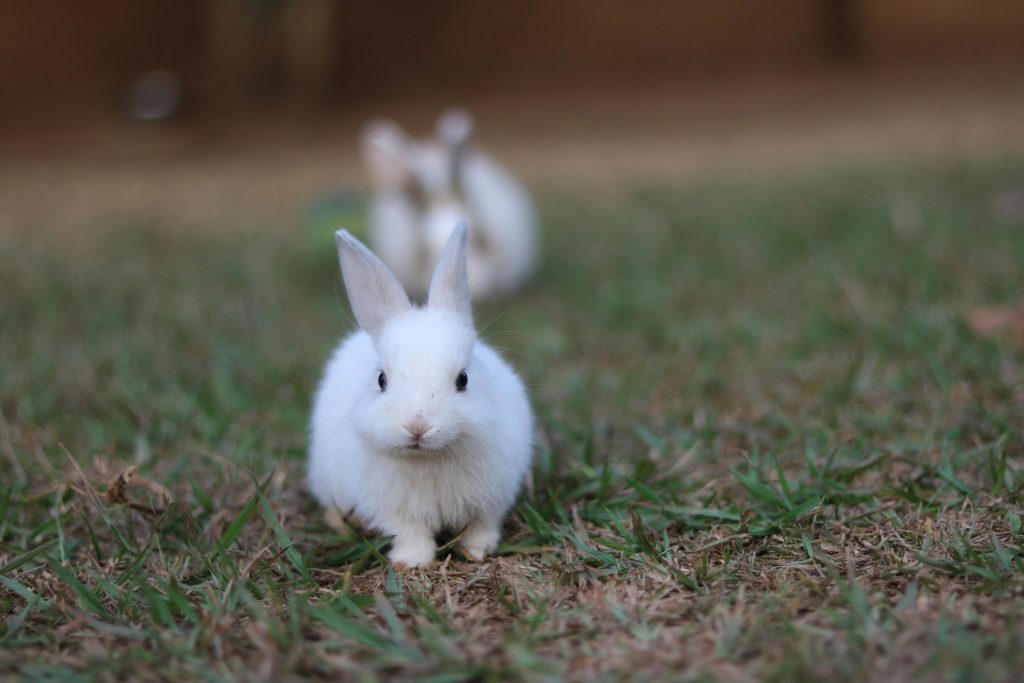
Dwarf breeds have very little room for error. Because they are so small, an extra unmeasured tablespoon of food represents a massive spike in their daily caloric intake, leading to dangerous fat accumulation around vital organs.
Dwarf Breed Portion Controls
Dwarf rabbits rarely need more than a literal splash of concentrates in their bowls to satisfy their nutritional requirements.
| Dwarf Breed Type | Average Weight Range | Max Daily Pellets | Primary Dietary Focus |
| Netherland Dwarf | 1.1 – 2.5 lbs | 1 tablespoon | Fiber-first gut regulation |
| Holland Lop | 2.0 – 4.0 lbs | 2 tablespoons | Weight monitoring via hands-on palpation |
| Lionhead | 2.5 – 3.75 lbs | 1.5 tablespoons | Preventing wool blocks via maximum hay intake |
| Mini Rex | 3.0 – 4.5 lbs | 2 tablespoons | Protecting sensitive hocks from excess weight |
When tracking portions for your smaller breeds, precision is your best friend. My other pet rabbit, Chino, gets a precisely leveled tablespoon every morning. If I over-index even slightly on his bowl, his interest in his daily Timothy hay drops noticeably by afternoon, proving just how easily a tiny digestive tract fills up on concentrates.
4. Why Unlimited Pellets Are Dangerous
Except for growing kits under 7 months old or severely malnourished rescues undergoing medical triage, healthy adult rabbits should never be free-fed pellets.
When a rabbit has unrestricted access to dense concentrates, they will naturally fill up on the easily chewed, highly palatable pellets and ignore the coarse grass entirely. According to dietary metrics published by the Rabbit Welfare Association & Fund, concentrated commercial pellets should only ever comprise 5% of a rabbit’s total caloric volume, strictly capped at approximately 15 grams of pellets per kilogram of body weight.
This lack of dietary long-fiber stalls the cecal fermentation process, leading to a dangerous reduction in gut motility. Pellets do not require the lateral, grinding jaw motion that coarse hay does. Without that structural wear, a rabbit’s continuously growing elodont (open-rooted) teeth will overgrow, forming painful spikes (molar spurs) that puncture the cheeks or tongue, requiring costly surgical intervention under anesthesia.
5. Signs Your Rabbit Is Overfed
If your rabbit’s diet is heavily weighted toward pellets rather than long-stem fiber, their body will quickly flash warning lights. Keep a close eye out for these classic indicators of pellet overindulgence:
- Chronic “Sticky Bottom” Syndrome: The rabbit leaves behind large, malformed, or unconsumed cecotropes (the nutrient-rich night droppings they normally re-ingest). This happens because the diet is too rich to require proper cecotrope recycling, leaving a messy accumulation on the fur.
- Blatant Hay Refusal: The rabbit treats fresh piles of grass hay like wallpaper, ignoring it entirely while waiting purely for the evening pellet bowl. If you find yourself asking “why won’t my rabbit eat hay,” overfeeding pellets is often the primary culprit.
- Gaining a Pear Shape: When viewing your rabbit from above, you should see a slight taper behind the ribs. If that silhouette rounds out into a pear shape, or if they develop a heavy, fatty dewlap
- Persistent Begging Routines: Pellets trigger a strong dopamine response. A rabbit constantly rattling their enclosure bars or buzzing around your feet for nuggets isn’t actually starving—they are displaying classic treat-seeking behavior.
6. Why Hay Matters More Than Pellets
To understand why pellet restrictions are so vital, we must look at the mechanics of the rabbit hindgut. Rabbits are obligate herbivores designed to extract nutrients from low-quality, highly fibrous vegetation.
According to veterinary research published in the PDSA’s Companion Animal Health Hub, long-stem fiber provides the necessary roughage to keep the digestive tract moving. It stimulates peristalsis—the natural muscular contractions of the intestines, which keeps food moving smoothly and prevents lethal blockages like GI stasis.
Pellets, even high-fiber versions, are pulverized during production. Once moist in the stomach, they break down into a fine slurry that lacks the physical structure needed to scratch the gut lining and stimulate natural motility. Hay must always comprise 80% to 90% of the total daily food volume, which is the foundational rule for determining how much hay a rabbit should eat daily.
7. How Often to Feed Rabbit Pellets
The total volume of food given within a 24-hour window matters far more than when the bowl hits the floor. However, implementing a strict routine can drastically reduce food anxiety and begging behaviors.
- Once-Daily Feeding: Ideal for owners with highly consistent morning or evening schedules. This provides a single mental milestone for the rabbit.
- The Split-Meal Method: Dividing the daily 1/4 cup allotment into two smaller portions (one at dawn, one at dusk) matches up well with a rabbit’s natural crepuscular activity patterns.
Feeding during their natural morning and evening activity spikes keeps their metabolism stable and ensures they spend the quiet midday hours chewing on long-stem fiber.
8. When Pellet Refusal Is an Emergency
While an over-eager appetite for pellets is standard behavior, the exact opposite reaction is an immediate clinical red flag. Because rabbits are hardwired to adore the concentrated taste of pellets, sudden pellet refusal is one of the clearest early indicators of a medical emergency. A rabbit not eating their favorite treats warrants an immediate clinical triage.
If your rabbit normally charges the bowl but suddenly ignores fresh pellets, run a rapid health check. Clinical triage guidelines from VCA Animal Hospitals on Rabbit Feeding emphasize that sudden loss of appetite for favored concentrates is a classic diagnostic symptom of acute dental pain from a molar spur, an escalating bout of GI stasis in rabbits, or an internal infection. If pellet refusal is accompanied by lethargy or hunched posture for more than 6 to 8 hours, consult a rabbit-savvy exotics veterinarian immediately.
9. What to Look for on the Pellet Label
Not all commercial bags are created equal. To ensure your pellet choice supports structural health rather than undermining it, always audit the nutritional label on the back of the packaging to avoid dangerous filler ingredients.
Optimal Nutritional Guaranteed Analysis
Cross-reference your current brand’s packaging with these veterinary nutritional standards to ensure long-term health. If you are struggling to find a premium brand that satisfies these strict fiber thresholds, you can cross-reference your options using our deep dive into the best rabbit food formulations on the market.
| Nutritional Component | Ideal Target Range | Purpose in the Rabbit Hindgut |
| Crude Fiber | 18% to 22% (Minimum) | Drives gut motility and prevents blockages |
| Crude Protein | 12% to 14% (Maximum) | Supports lean muscle mass without overloading kidneys |
| Calcium | 0.5% to 0.6% (Maximum) | Prevents bladder sludge and kidney stones |
| Crude Fat | 1% to 3% (Maximum) | Provides minimal essential fatty acids without obesity |
Ensure the product is entirely homogenous—plain, uniform brown pellets. Any brand selling a mix containing corn kernels, peas, sunflower seeds, or colorful cereal pieces should be left on the shelf. These additives introduce unnecessary starches and simple sugars that disrupt the delicate pH balance of the cecum, causing harmful bacterial blooms.
10. Common Feeding Mistakes to Avoid
To take these nutritional rules and apply them to your daily feeding routine, I have compiled a high-priority checklist of the most common care shortcuts. The following section outlines these critical feeding errors alongside their long-term physiological consequences and the exact corrective actions needed to fix them.
- Relying on Eye-Balling Methods: Grabbing an unmeasured handful of food every morning almost always results in accidental overfeeding. Use a dedicated, hard-plastic measuring cup to keep daily allotments identical.
- Using Pellets as a Foraging Substitute: Do not fill a large ceramic bowl to the brim to keep your rabbit occupied while you are at work. Instead, hide their measured tablespoon of pellets inside a pile of orchard grass or inside a cardboard tube to force them to forage naturally.
- Using Breeding-Formula Pellets for House Pets: Commercial show or meat-rabbit formulas are designed for rapid weight gain and high reproductive output. They are entirely unsuited for a spayed or neutered house rabbit with a sedentary lifestyle.
11. Timothy vs. Alfalfa and Filler Ingredients
When selecting a long-term commercial brand, the first ingredient listed on the bag tells the story of its nutritional value. For a comprehensive list of safe, vetted veterinary brands, consult the RSPCA Pet Food Standards Guide.
Pellet Base Comparison
| Base Ingredient | Recommended Life Stage | Pros | Cons |
| Timothy Hay Base | Adults (7 months to 5+ years) | Low calcium, high digestible fiber, manages weight | Unsuitable for rapidly growing kits |
| Alfalfa Hay Base | Kits (< 7 months) & Nursing Moms | Denser protein, rich calcium for skeletal growth | Triggers bladder sludge and obesity in adults |
| Soy/Grain Fillers | Never recommended for house pets | Cheap manufacturing costs | High starch, alters cecal pH, drives bloat |
12. Frequently Asked Questions (FAQ)
How many pellets should a 5-pound rabbit eat?
A healthy, active adult 5-pound rabbit requires approximately 1/4 cup of measured Timothy-based pellets per day, provided they are concurrently eating a pile of grass hay equivalent to their own body size as outlined by the Rabbit Obesity & Feeding Metrics compiled by the RWAF.
Can an adult rabbit survive entirely without pellets?
Yes. If an adult rabbit receives an abundant variety of dark, leafy greens (like romaine, kale, and cilantro) alongside unlimited high-quality grass hays, they can comfortably fulfill their micronutrient needs without a single pellet. However, veterinary care resource guides managed by the House Rabbit Society’s Master Diet Registry note that pellets act as a reliable insurance policy against specific trace mineral deficiencies.
Why does my rabbit act completely starved every time I walk by the pellet container?
Pellets are highly concentrated sources of carbohydrates and fats compared to grass. Your rabbit isn’t experiencing genuine biological starvation; they are exhibiting an instinctual evolutionary drive to consume energy-dense foods whenever available to survive in the wild.
Should I stop feeding pellets if my rabbit develops soft stools?
Soft, malformed stools or tracking mushy droppings are often caused by a diet too rich in pellets and too low in roughage. As detailed in the PDSA Preventive Medicine Reports, temporarily cutting back or completely halting pellet intake for 48 hours while encouraging maximum grass hay consumption is a standard first line of dietary correction.
13. Conclusion: Weekly Weight and Portion Checklist
Ultimately, keeping your rabbit lean and active comes down to strict, consistent boundary setting with their food dish. While your rabbit will easily convince you that they are continuously starving, stepping away from an unregulated, free-fed bowl is the kindest thing you can do for their long-term health.
To ensure your companion animal maintains peak vitality throughout their life stages, utilize this quick summary checklist during your weekly health weigh-ins:
- Kits (< 7 months): Free-feed alfalfa hay and uniform pellets to support rapid development.
- Adults (1-5 years): Strictly limit to 1/4 cup per 5 lbs of target weight; mandate unlimited grass hay.
- Dwarfs: Cap allocations tightly at 1 to 2 tablespoons daily to prevent swift obesity.
- Seniors (5+ years): Hands-on monitor spinal musculature; adjust portions upward only if real weight loss occurs.
Remember that dietary changes in lagomorphs should never occur overnight. If you realize you have been accidentally overfeeding pellets, scale down to the recommended daily allocation gradually over a period of two weeks to let the gut flora adapt safely to the increased workload of digesting raw grass hay.
Medical & Veterinary Disclaimer: Bunnyowners.com is an informational resource for rabbit owners and enthusiasts. We are not veterinarians. The content on this website is for educational purposes only and is not a substitute for professional veterinary advice, diagnosis, or treatment. Always consult a qualified veterinarian with any questions or concerns regarding your pet’s health, medical conditions, diet, or overall care. If you have concerns about your rabbit’s health, it’s always best to reach out to a veterinarian rather than relying solely on information found online.