
Veterinary & Affiliate Disclaimer: Bunnyowners.com shares educational rabbit care resources, not professional veterinary advice. Always consult a qualified veterinarian regarding your rabbit’s medical, dietary, or behavioral needs. This post may also contain affiliate links; as an Amazon Associate and affiliate partner, we earn from qualifying purchases at zero extra cost to you.
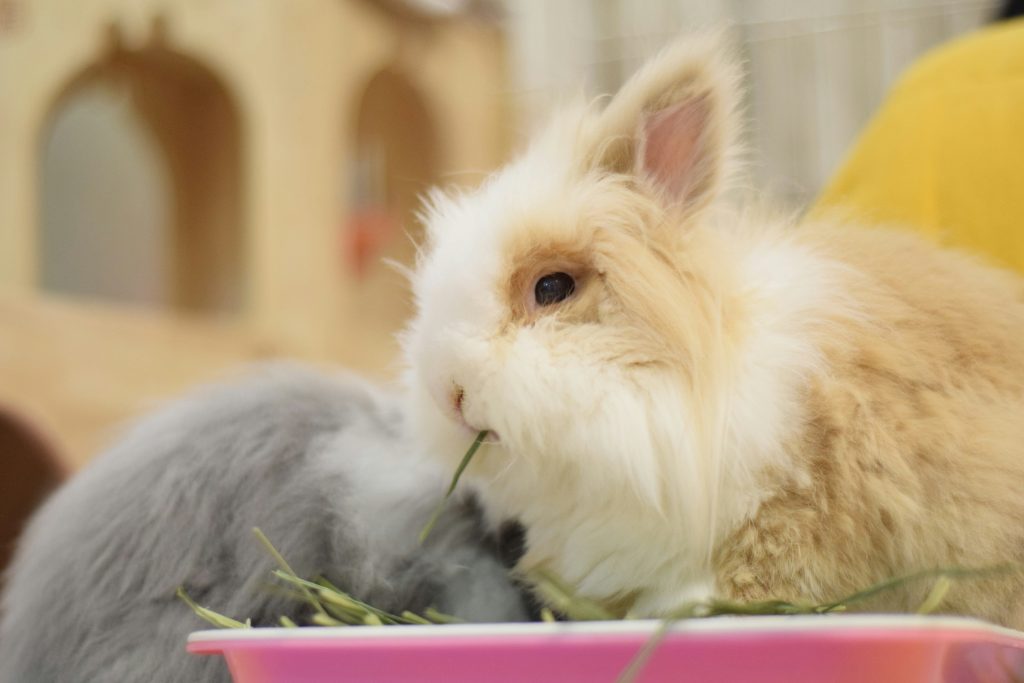
Watching your bunny consistently ignore a fresh pile of hay while waiting around for pellets or sweet treats is a deeply frustrating experience for any pet owner. When a rabbit begins avoiding their primary forage, it is easy to assume they are simply being stubborn or picky, but this shift in behavior is a major red flag that requires immediate investigation. Because long-strand fiber dictates their entire physical well-being, diagnosing the true intent behind this dietary strike is the only way to prevent severe internal complications.
Rabbits typically refuse to eat hay due to painful dental issues like molar spurs, early-stage gastrointestinal stasis, or “full belly syndrome” caused by the overfeeding of commercial pellets and treats. Additionally, environmental factors such as stale, dusty, or poorly stored grass can cause sensitive rabbits to reject a batch based on smell and texture. Identifying whether the refusal is a medical emergency or a behavioral preference is the critical first step to restoring their digestive health.
To help you solve this behavioral and biological puzzle, the rest of this guide—backed by the deep-dive research over at my rabbit food and nutrition hub—breaks down exactly what to do next. We will explore the medical reasons behind this sudden strike, map out the everyday dietary mistakes causing their stubborn pickiness, and outline concrete, step-by-step strategies to get your bunny back on track.
2. Why Rabbits Must Eat Hay
To understand why hay refusal is such a critical issue, it helps to look closely at how the lagomorph digestive tract is built. Rabbits operate via a fascinating system called hindgut fermentation. Unlike humans, who digest food completely upstream in the stomach and small intestine, a rabbit relies on a massive, continuously churning cecum at the back end of the line.
This system requires an uninterrupted influx of indigestible, long-strand fiber to stimulate peristalsis—the literal muscular contractions of the gut. Without this physical push, the digestive system hits a dangerous standstill known as gastrointestinal stasis.
A rabbit’s mouth presents a rather urgent biological deadline. Their incisors and molars are open-rooted, meaning they grow continuously throughout their lives. Evolution’s answer to this constant growth is the highly abrasive silica content found embedded inside grass structures.
The wide, lateral grinding motion required to break down long strands of hay acts as a natural emery board. As outlined in the specific rabbit diet and forage guidelines by the RSPCA, failing to provide enough abrasive material forces the teeth to overgrow, turning a vital daily function into a serious medical hazard. This exact dental dynamic is heavily documented in clinical veterinary studies tracking rabbit dental disease and abnormal wear patterns.
Table 1: Why Rabbits Need Long-Strand Fiber
| Anatomical System | Primary Physiological Mechanism | Impact of High-Fiber Grazing | Risk of Fiber Deprivation |
|---|---|---|---|
| Gastrointestinal Tract | Hindgut fermentation and smooth muscle peristalsis | Promotes constant cecal motility and healthy microbial balance | Cecal stagnation, bacterial dysbiosis, and GI stasis |
| Dentition (Teeth) | Continuous open-rooted eruption (incisors and molars) | Side-to-side grinding friction wears down crowns evenly | Formation of sharp molar spurs and oral lacerations |
3. Medical Reasons Your Rabbit Won’t Eat Hay
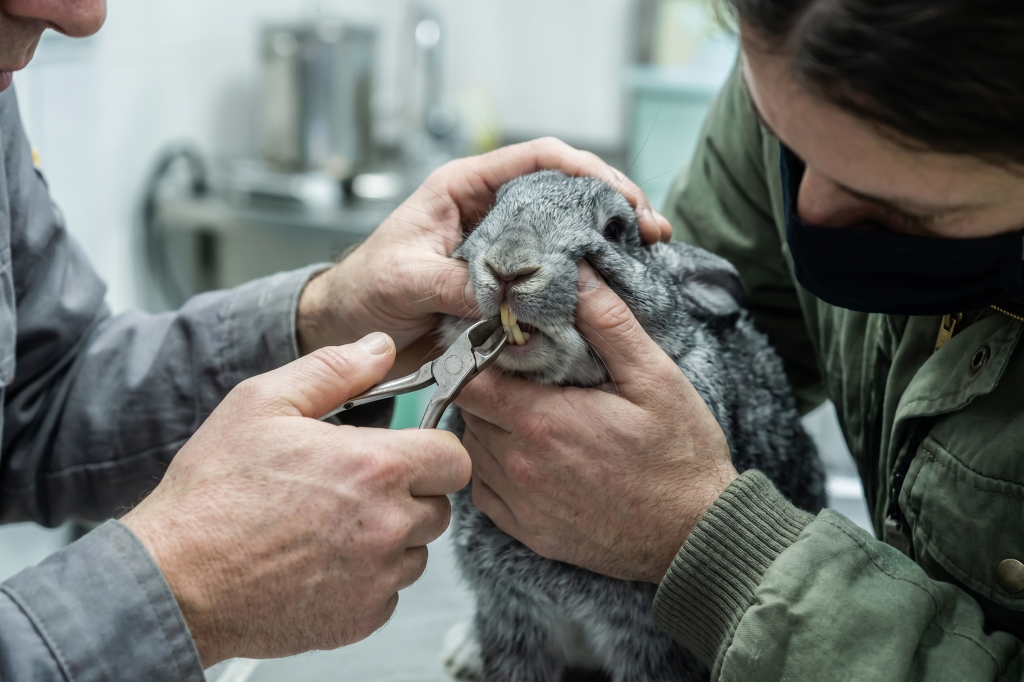
Before modifying a rabbit’s enclosure or cycling through different expensive artisanal grass brands, you must rule out physical discomfort. In many cases, a rabbit isn’t turning its nose up at a meal out of spite; they are refusing to eat because the mechanical act of chewing coarse fiber has become genuinely painful.
Dental Problems and Overgrown Teeth
The most common medical roadblock to grazing is dental disease. When a rabbit’s chewing angles shift even slightly, the crowns of their back molars wear unevenly, developing razor-sharp points called molar spurs. These spikes cut directly into the sensitive tissue of the tongue or cheeks with every single bite.
Because hay requires a rigorous, crushing jaw movement, a bunny dealing with oral trauma will quickly abandon it, opting instead for softer, easy-to-swallow pellets that require minimal oral effort. The severe impact of these internal lacerations is thoroughly detailed in the VCA Animal Hospitals guide on rabbit dental disease.
Gut Stasis and Digestive Gas
A slowing digestive tract causes a rapid decline in a rabbit’s overall appetite. When gas builds up or the stomach slows down, the rabbit feels progressively nauseous and bloated. During the earliest phases of this decline, they will often eliminate the most challenging, fiber-dense items from their diet first.
If your rabbit is suddenly ignoring their hay rack but still picking languidly at their favorite greens, their gut may already be entering a dangerous slowdown. This early warning sign provides a vital semantic bridge to audit your pet’s health before it turns into a severe emergency, which is covered extensively in my diagnostic guides on GI stasis in rabbits and identifying a rabbit bloated stomach.
This systemic slowing is a core mechanism reviewed in the VCA Animal Hospitals diagnostic article on gastrointestinal stasis.
Mouth Injuries and Ulcers
Soft tissue injuries can also cause an immediate halt to grazing. A sharp piece of wood, an improperly cut toy, or historical dental trauma can leave painful ulcers inside the oral cavity. When these sores make contact with rough grass stems, the stinging sensation causes immediate aversion. If your rabbit approaches the hay enthusiastically but drops it after a single chew, a painful mouth injury is highly probable.
Table 2: Medical Symptoms That Stop Rabbits From Chewing
| Medical Condition | Secondary Symptoms to Observe | Impact on Mastication (Chewing) | Urgency Level |
|---|---|---|---|
| Molar Spurs / Spikes | Drooling, wet chin, dropping food, dropping weight | High pain response during wide lateral jaw movements | High (Requires vet filing) |
| Early Gut Stasis | Lethargy, diminished interest in greens, shifting posture | Low baseline appetite due to nausea and bloating | Critical Emergency (12–24hr window) |
| Soft Tissue Ulcers | Sudden flinching, shaking head while holding hay | Stinging aversion to coarse or sharp grass stalks | Moderate (Requires pain relief) |
4. Overfeeding Pellets and Treats
If a thorough veterinary examination confirms your rabbit’s mouth and gut are in pristine condition, the issue is almost certainly a behavioral preference driven by human over-feeding. This is what researchers frequently refer to as “full belly” syndrome.
Simply put: why would a rabbit work hard to chew a dry, fibrous blade of grass when they know a bowl of delicious, carbohydrate-dense pellets or sweet treats is coming?
Feeding Too Many Pellets
Commercial rabbit pellets are highly concentrated, easy to chew, and packed with engineered flavor. Because they require minimal physical effort to consume, a rabbit can easily meet its daily caloric needs in a matter of minutes using pellets alone.
When owners leave an open, unlimited bowl of pellets in the enclosure, the rabbit remains perpetually satiated. They lose the natural evolutionary drive to forage, leading to immediate hay refusal.
Adult rabbits generally only need a small, measured ration of pellets per day—anything more turns them into junk-food junkies. This exact behavioral trap is highlighted in the House Rabbit Society’s comprehensive feeding guidelines.
Feeding Too Many Treats and Vegetables
An excess of fresh fruits, sweet vegetables like carrots, or commercial alfalfa-based treats will quickly ruin a rabbit’s appetite for grass. These items fill the stomach with fast-acting sugars that alter cecal pH levels and suppress the instinctual urge to graze on bland fiber.
To rectify this, owners must audit their entire feeding routine and completely eliminate high-sugar snacks. If you need a refresher on building a perfectly balanced daily plate, exploring my comprehensive rabbit diet and food guide is a great place to start.
If you are unsure whether your current treats are contributing to the issue, check our complete breakdown of toxic foods for rabbits to ensure you aren’t accidentally offering items that cause digestive upset and suppress healthy foraging drives. Restricting sweet foods aligns perfectly with the PDSA’s clinical article on feeding your rabbit correctly.
Table 3: How Different Foods Affect Foraging Habits
| Feed Category | Palatability Rating | Caloric Profile | Required Chewing Duration | Primary Behavioral Risk |
|---|---|---|---|---|
| Commercial Pellets | Extremely High | Nutrient-dense, low-moisture | Low (Minutes) | Suppresses natural forage hunger entirely |
| Sugary Treats / Fruits | Exceptionally High | High sugar, high simple carbohydrates | Very Low (Seconds) | Alters cecal pH, causes pickiness |
| Long-Strand Grass Hay | Moderate (Baseline) | High indigestible fiber, low calorie | Extremely High (Hours) | None (Essential biological standard) |
5. Poor Hay Quality and Picky Eaters
Rabbits possess incredibly sensitive noses and distinct individual preferences. Sometimes, the refusal has nothing to do with the species of grass, but rather the specific condition, freshness, or cut of the batch currently sitting in their home.
Stale, Dusty, or Moldy Hay
Hay that has been sitting in a warehouse or an unsealed bag for months loses its natural, sweet aroma. If the stalks are dusty, brown, or damp, a rabbit’s keen olfactory system will flag it as unpalatable or unsafe.
Mold spores from improper moisture control will trigger immediate refusal.
In my own observational research with my own bonded pair, Mocha and Chino, I’ve noticed a clear pattern: if a bale gets even slightly compressed or loses its sun-cured scent, they will sit right next to the box and ignore it entirely until a fresh, fragrant handful is fluffed into their litter area.
Differences in Hay Cuts (1st, 2nd, and 3rd)
The structural profile of grass hay changes dramatically depending on when it was harvested from the field:
- First Cut: This harvest is extremely high in fiber, containing thick, coarse stems and a large volume of crunchy seed heads. While excellent for dental health, some rabbits find it too woody and difficult to chew.
- Second Cut: The gold standard for adult rabbits. It features a balanced mix of soft, green leaves and flexible, medium stems, offering a strong aroma that appeals to most bunnies.
- Third Cut: Composed almost entirely of soft, delicate leaves with virtually no stems. It is highly palatable but lacks the aggressive abrasive qualities needed for optimal dental wear.
6. Alternative Types of Hay for Rabbits
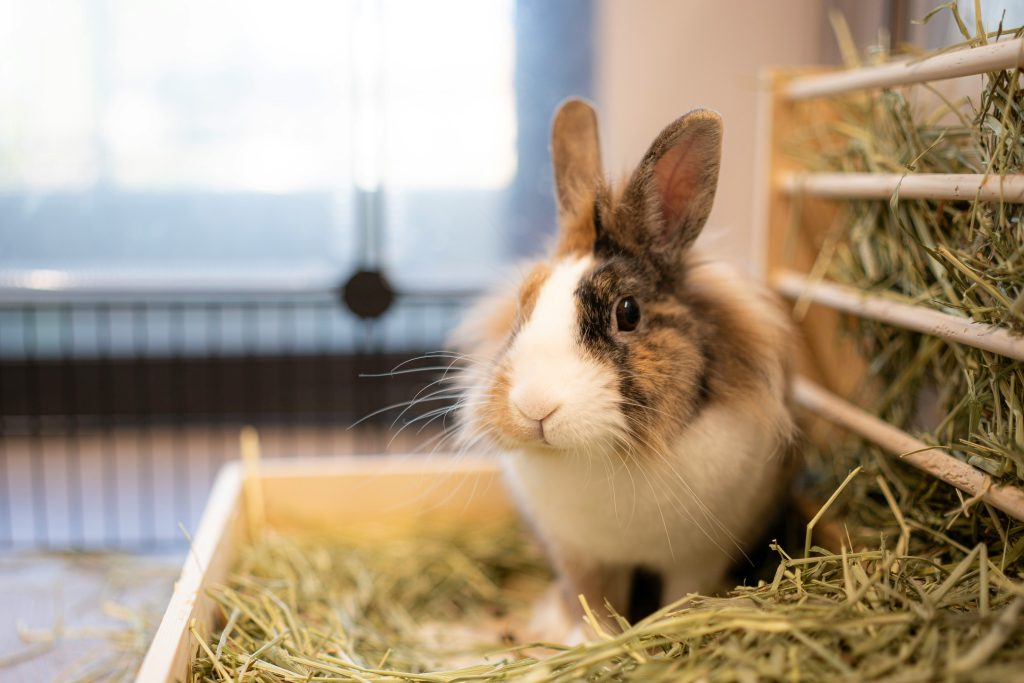
While Timothy hay is the most widely available option on pet store shelves, it is far from the only choice. If your adult rabbit flatly refuses Timothy, keeping them on it will only prolong the health risks. Exploring alternative grass families can stimulate their natural foraging instincts and solve the standoff.
Timothy Hay vs. Orchard Grass
Orchard grass is an exceptional alternative for stubborn rabbits. It is typically softer, greener, and carries a sweeter, more intense fragrance than standard Timothy.
Orchard grass is a lifesaver for rabbit owners who suffer from severe seasonal allergies, as its pollen count is significantly lower than Timothy.
Oat Hay and Meadow Hay
Oat hay introduces a wonderful textural change, featuring thick, hollow stems and crunchy oat hulls that rabbits love to break apart.
Meadow hay, on the other hand, is harvested from diverse pastures and contains a natural mixture of wild grasses, leaves, and safe meadow plants, mimicking a wild foraging environment.
Why Adults Shouldn’t Eat Alfalfa Hay
It is crucial to understand that Alfalfa is not a grass; it is a rich, calcium-dense legume. While excellent for growing kits under six months of age or seniors struggling to hold weight, its high protein and calcium levels pose a massive health threat to healthy adult rabbits.
Feeding Alfalfa to a mature bunny on a daily basis leads directly to kidney issues, bladder stones, and severe rabbit urinary problems. It should never be used as a primary substitute for grass hay.
Table 4: Comparison of Rabbit Hay Types
| Hay Type | Texture Profile | Best Suited For | Key Analytical Caution |
|---|---|---|---|
| Timothy (2nd Cut) | Balanced, medium leaf and stem | Standard daily adult baseline | Must be kept dry and green to retain aroma |
| Orchard Grass | Soft, leafy, highly fragrant | Picky eaters; owners with severe allergies | Lower abrasive dental wear than coarse cuts |
| Oat Hay | Coarse, thick stems with crunchy hulls | Foraging variety; stubborn fiber refusers | Higher carbohydrate load if seed heads are heavy |
| Alfalfa Hay | Extremely dense, leafy, soft | Growing kits under 6 months; convalescing seniors | High calcium and protein risk for stable adults |
7. How to Get Your Rabbit to Eat More Hay
Rehabilitating a picky eater requires patience and a methodical approach. You cannot simply starve a rabbit into eating hay, as going without food is fatal to their system.
Instead, you must use strategic lifestyle adjustments to gently nudge them back toward a grass-based diet.
Reduce Pellet Portions
The most effective behavioral step is to scale back their daily pellet allotment. If you currently offer an unlimited bowl, reduce it to a strict, measured amount based on their body weight, divided into two small feedings.
Once the constant safety net of pellets disappears, natural hunger will kick in, forcing the rabbit to turn to their hay rack to fulfill their chewing instincts.
Mix in Safe Herbs
You can make a boring pile of grass irresistible by engaging your rabbit’s love of foraging. Take dried, safe botanicals—such as chamomile, dandelion leaves, dried mint, or plantain—and aggressively mix them into the hay.
As your bunny roots around to find the fragrant herbs, they will naturally consume strands of the surrounding grass, rewriting their sensory association with the pile.
Use Interactive Hay Toys
Rabbits love to pull, tug, and dismantle items. Instead of placing all their food in a stationary rack, stuff fresh grass tightly inside empty cardboard toilet paper rolls, weave it into unpeeled willow baskets, or hide it inside brown paper bags with small holes punched through. Turning mealtime into an interactive game triggers their wild problem-solving behaviors.
Put Hay in the Litter Box
Rabbits are natural multi-taskers who prefer to graze while they relieve themselves. If your hay rack is placed on the opposite side of the enclosure away from their restroom area, consumption will drop. Always place a massive, fresh pile of grass directly inside or immediately overhanging their litter pan.
During my daily check-ins with Mocha and Chino, ensuring their fresh orchard grass sits directly inside their primary litter box is the single most consistent factor in maintaining a high daily consumption rate. This biological link between grazing and bathroom habits is heavily supported by the Best Friends Animal Society’s rabbit litter box training guide.
8. When Hay Refusal is a Vet Emergency
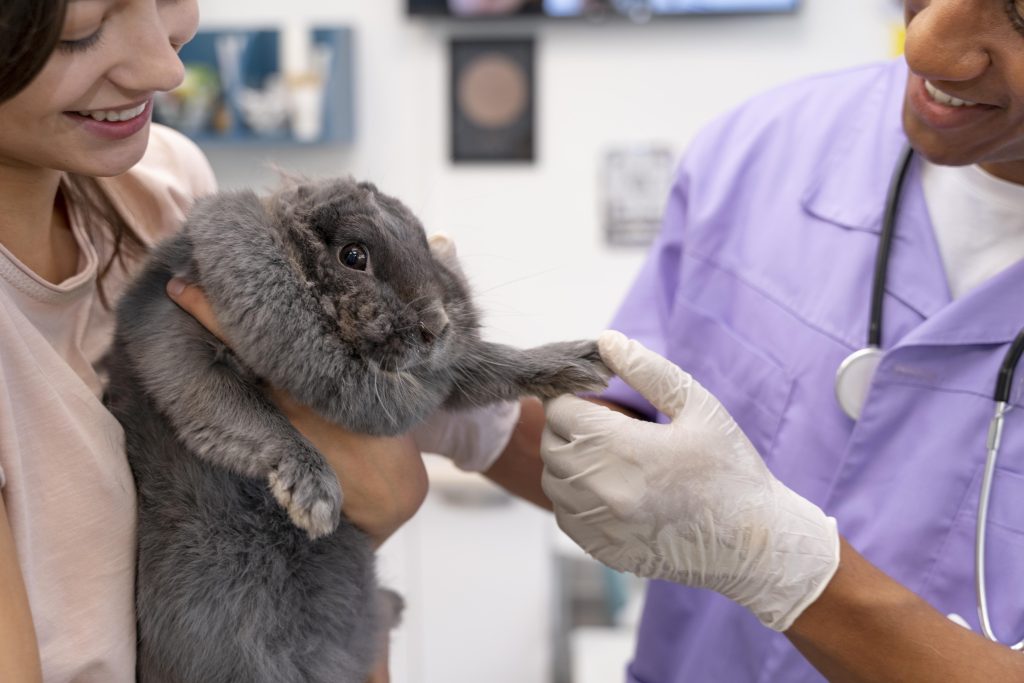
While a long-term preference for pellets is a behavioral puzzle you can solve at home, a sudden, absolute refusal to eat anything is a critical medical emergency.
Because of their fast metabolic rate, a rabbit that experiences a total loss of appetite faces life-threatening gastrointestinal shutdown within 12 to 24 hours. This timeline represents a crucial diagnostic boundary documented in the National Institutes of Health (NIH) pathology overview of rabbit gastrointestinal diseases.
If your rabbit is refusing their hay and displaying any of the following compounding symptoms, skip the dietary transitions and seek immediate emergency care:
- Total Food Rejection: Refusing pellets, fresh greens, and favorite treats simultaneously.
- Severe Lethargy: Sitting hunched in a corner, unresponsive to your presence, or refusing to move when gently nudged.
- Loud Teeth Grinding: A slow, heavy, clicking grind that signifies severe internal pain (distinct from soft, rapid tooth purring during pets).
- Altered Fecal Output: A total lack of droppings for over eight hours, or small, misshapen, fluid-covered pellets.
If you observe these dangerous signs, time is of the essence. You should immediately refer to my urgent care sheets regarding a rabbit not eating or a rabbit not pooping to evaluate their status while contacting an exotic pet specialist.
To help identify the exact tipping points between simple pickiness and organ failure, Oxbow Animal Health’s clinical guide on what to do if your rabbit stops eating offers an excellent step-by-step triage checklist.
Table 5: Picky Eating vs. Medical Emergency
| Clinical Indicator | Fussy / Preferential Refusal | Acute Veterinary Emergency |
|---|---|---|
| Alternative Intake | Enthusiastically accepts pellets, herbs, and greens | Flatly rejects all food items, including high-value treats |
| Fecal Diagnostics | Droppings remain consistent in size, count, and texture | Fecal output stops completely or becomes tiny, dry, and rare |
| Physical Demeanor | Active, alert, exploring, chinning items normally | Hunched posture, glassy eyes, grinding molars loudly in pain |
| Primary Remediation | Apply dietary restrictions and environmental optimization | Deliver immediate veterinary critical care and fluid therapy |
9. Frequently Asked Questions
Can a rabbit survive without eating hay?
No. While a rabbit might survive for a short period on alternative greens and pellets, a lack of long-strand grass hay will eventually cause fatal GI stasis, severe dental malocclusion, or chronic metabolic issues.
Why is my rabbit suddenly only eating pellets and ignoring hay?
This shift usually points to either early-stage dental pain (where soft pellets are easier to chew than coarse hay) or “full belly” syndrome caused by over-feeding concentrated foods.
How do I know if my rabbit’s teeth are too long?
Symptoms include drooling, wet fur around the chin, dropping food out of the mouth, watery eyes, and an enthusiasm for food that disappears after the first bite. A veterinarian must look with diagnostic equipment to view the back molars.
Is it normal for a rabbit to only eat the seed heads of oat hay?
Yes, rabbits will naturally harvest the tasty hulls first because they are high in energy. Mix the oat hay with a softer grass like Orchard to ensure they chew the fibrous stems as well.
Can I feed my adult rabbit alfalfa if they refuse grass hay?
No. Alfalfa contains too much calcium and protein for an adult rabbit, which will quickly lead to urinary sludge, bladder stones, and kidney damage. Stick to varying your grass choices instead.
10. Final Thoughts
Hay refusal isn’t a quirky personality trait. It’s an evolutionary distress flare. When your rabbit suddenly ignores their hay rack, they are either harboring a painful dental spike, fighting a stalling gut, or holding out for a sugary carrot because they know you’ll cave. The fix requires immediate detective work.
Clear the medical hurdles with your vet first. If their mouth is completely healthy, play hardball with the pantry. Cut the pellet buffet. Ditch the high-sugar treats. Mix fragrant orchard grass directly into their litter box to reboot their natural grazing instincts. Getting a stubborn lagomorph to eat their fiber is a battle of wills. It is also one you absolutely have to win.
Medical & Veterinary Disclaimer: Bunnyowners.com is an informational resource for rabbit owners and enthusiasts. We are not veterinarians. The content on this website is for educational purposes only and is not a substitute for professional veterinary advice, diagnosis, or treatment. Always consult a qualified veterinarian with any questions or concerns regarding your pet’s health, medical conditions, diet, or overall care. If you have concerns about your rabbit’s health, it’s always best to reach out to a veterinarian rather than relying solely on information found online.