
Veterinary & Affiliate Disclaimer: Bunnyowners.com shares educational rabbit care resources, not professional veterinary advice. Always consult a qualified veterinarian regarding your rabbit’s medical, dietary, or behavioral needs. This post may also contain affiliate links; as an Amazon Associate and affiliate partner, we earn from qualifying purchases at zero extra cost to you.
Finding the right rabbit litter seems simple enough until you run into endless options—paper pellets, compressed wood, fluffy bedding, cat litters, and bags promising miraculous odor control. The catch is that what works fine for a cat can be dangerous for a rabbit. Bunnies dig through their litter, lounge in it, groom residue off their paws, and routinely nibble on whatever is in the pan, so the material you choose directly affects their health.
The best litter for rabbits is an unscented, low-dust, highly absorbent material that won’t cause harm if your rabbit nibbles on a few pieces. Plain recycled paper pellets are the simplest and most dependable choice for most indoor house rabbits, while heat-treated wood pellets and aspen products are also practical, budget-friendly options. Traditional clay, clumping cat litters, silica crystals, and raw cedar or pine shavings should be left on the shelf because of heavy dust, strong aromatic oils, and potential digestive blockages.
Choosing what litter for your rabbit’s litter box is one of the first big hurdles of everyday care, but it does not have to be stressful. In this guide, we’ll sort through the safest options on the shelf, call out the dangerous ones to leave behind, and help you find a clean, reliable setup that actually works for your home.
1. What Is the Best Litter for Rabbits?
If you’re staring at all the choices and just want to know what to buy, start with plain paper pellets. They soak up urine well, usually aren’t very dusty, and you don’t have to worry about the strong oils found in some wood shavings. They’re not the only good option, but they’re probably the simplest place to start.
Wood pellets and aspen can work well too. With wood pellets, just check the bag carefully—you want plain, heat-treated pellets without added scents, fire-starting chemicals, or other extras.
Here’s a quick look at how the common options stack up:
Comparison of Common Rabbit Litter Types
| Litter Material | Absorbency | Best For / Verdict |
|---|---|---|
| Paper Pellets (Safe) | High | Best all-around pick for indoor rabbits |
| Paper Bedding / Pulp (Safe) | Moderate | Seniors, sore hocks, or tender paws |
| Kiln-Dried Wood Pellets (Safe*) | High | Odor control; great budget choice in bulk |
| Aspen Pellets (Safe) | Moderate | Non-aromatic wood option |
| Grass Hay (Safe) | Low | Hay topper only; poor as sole litter |
| Clay Cat Litter (Avoid) | Moderate | Dusty when dug; unsafe if eaten |
| Clumping Litter (Avoid) | High | Blockage risk if swallowed |
| Cedar / Pine Shavings (Avoid) | Moderate | Aromatic oils irritate bunny airways |
| Silica Crystals (Avoid) | High | Not rabbit-safe if chewed or swallowed |
Note: Wood pellets must be heat-treated without accelerants. Hay should top absorbent pellets, not replace them.
2. What Makes a Good Rabbit Litter?
Rabbit litter has a pretty simple job: soak up urine, keep odors under control, and give your rabbit a comfortable place to sit. That’s especially important because many rabbits spend a surprising amount of time hanging out in their litter box while eating hay.
Absorbency
A good litter should soak urine up quickly instead of leaving your rabbit sitting on a wet layer. The drier the top of the box stays, the nicer it is for your rabbit—and the less unpleasant the box is for you to clean.
Good Odor Control
If a litter needs perfume to control the smell, it’s probably solving the wrong problem. A good litter controls odor by soaking up urine well. Regular spot cleaning does the rest.
Low Dust
A little dust may not seem like a big deal until you watch a rabbit dig enthusiastically through a litter box with its nose an inch from the surface. Look for litter that doesn’t send up a visible cloud when you pour it or when your rabbit starts rearranging the box.
No Added Perfumes or Deodorizers
Fragrances and essential oils are added to please human noses, but they can easily irritate a rabbit’s sensitive nose or cause them to boycott the box entirely. It’s best to skip litters with chemical deodorizers or baking soda, since fine powders and artificial additives can bother a bunny’s nose and gut.
With plenty of plain, effective options on the shelf, there’s no reason to add unnecessary extras to the pan.
Safe Around Curious Rabbits
Rabbits investigate just about everything with their mouths, and litter is no exception. You don’t want them eating it, but the occasional nibble is another reason to avoid clumping litter and products loaded with fragrances or other additives.
Comfortable Underfoot
Texture matters a lot to a rabbit. Wire bottoms and rough substrates are tough on sensitive paws, and bunnies have surprisingly strong opinions about what they stand on. If your rabbit dislikes the way a litter feels underfoot, they won’t complain—they’ll just find a softer spot on your rug or carpet to use instead.
3. Best Safe Litter Types for Rabbits
Paper-Based Pellet Litter
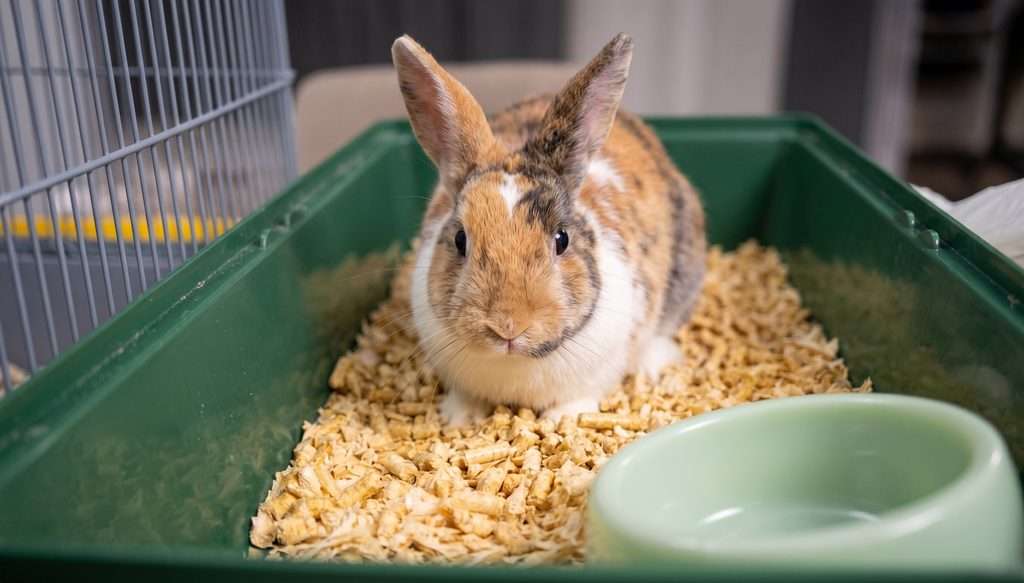
If you don’t know where to start, paper pellets are probably the easiest choice. They soak up urine well, don’t usually make much dust, and tend to stay in the box instead of getting scattered all over the floor. The downside is mostly price—they can cost quite a bit more than bulk wood pellets. Look for plain, unscented recycled paper pellets without added clumping agents or artificial dyes.
Paper Pulp and Soft Fluffed Bedding
Fluffy paper bedding can also work in a litter box, but it behaves differently from paper pellets. It’s soft and airy, which makes it gentle on sensitive feet, but it takes up more room in the pan, gets soggy faster, and has an annoying habit of hitching a ride on long rabbit fur. It works great as a softer top layer for older bunnies or rabbits with sore hocks, but it’s less practical as the sole litter for a high-traffic box.
Compressed Wood Pellets
Wood pellets are popular for two simple reasons: they’re inexpensive and they soak up a ton of urine. Choosing plain compressed pellets gives you a budget-friendly way to manage daily moisture without synthetic chemicals.
When wet, the pellets naturally break down into a soft sawdust. The critical step is checking the label before you buy to make sure you’re getting plain, heat-treated wood with zero fragrances or chemical accelerants.
4. Are Pine Pellets Safe for Rabbits?
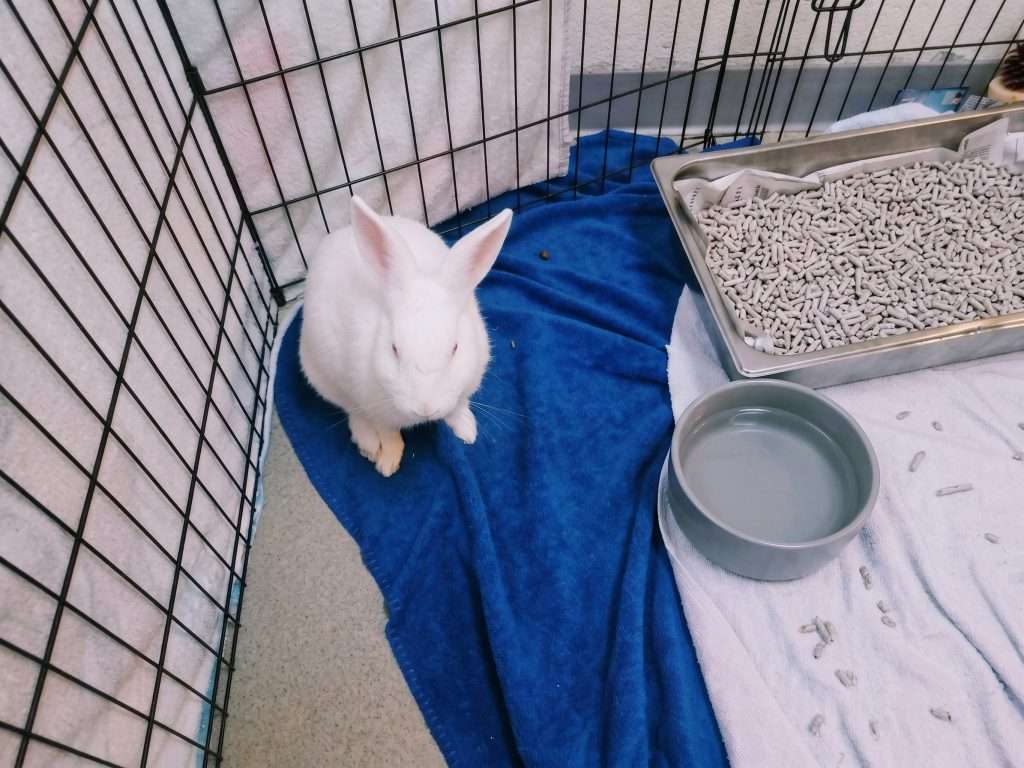
This is where pine gets confusing. Pine shavings and pine pellets sound like basically the same thing, but they aren’t.
The problem with raw pine shavings is that they’re strongly aromatic. That familiar pine smell comes from natural compounds called phenols, which is why rabbit-care groups generally recommend staying away from them.
Pine pellets are different because they’ve been processed with heat, which greatly reduces those aromatic oils. That’s why you’ll sometimes see plain pine pellets recommended for rabbit litter even though pine shavings are on the “avoid” list. Confusing? A little. If you’d rather not think about it, paper pellets are the easy fallback.
5. Is Aspen Litter Safe for Rabbits?
If you like the idea of wood litter but don’t want to mess around with pine, aspen is worth a look. Unlike cedar and raw pine, aspen doesn’t have those strong aromatic oils. You can easily find safe wood litter made from aspen that won’t irritate your rabbit’s nose and lungs.
You can buy it as pellets or loose shavings, although I’d lean toward pellets for a litter box simply because they soak up urine much better. Shavings tend to let urine pool at the bottom of the pan, and the dust can vary quite a bit from brand to brand.
6. Can You Use Hay as Rabbit Litter?
Hay absolutely belongs around the litter box—just don’t expect it to do the litter’s job.
Rabbits love munching while they poop, which is why hay and litter boxes go together so well. But hay is lousy at soaking up urine. Once it gets wet, it turns into a soggy mess pretty quickly, and sitting on damp hay isn’t good for your bunny’s feet or coat.
The best setup is simple: put a modest layer of absorbent paper or wood pellets across the bottom of the pan, then pile a generous handful of clean grass hay at one end. That way, the pellets trap the wetness underneath while the hay stays fresh and appetizing for grazing.
7. Rabbit Litter Types You Should Avoid
Certain common litters designed for cats or other pets are bad news for rabbits:
Overview of Inappropriate Rabbit Litters
| Unsafe Material | Why to Skip It |
|---|---|
| Clumping Cat Litter | Blockage risk if swallowed |
| Clay Cat Litter | Dusty when dug; unsafe if swallowed |
| Silica Crystal Litter | Not rabbit-safe if chewed or swallowed |
| Cedar Shavings | Strong aromatic oils that irritate airways |
| Raw Pine Shavings | Strongly scented, poor absorbency, splintery |
| Scented Litter | Artificial perfumes irritate sensitive bunny noses |
| Corn Cob Litter | Swells if eaten; prone to mold when wet |
Clumping and Clay Cat Litter
Clumping and clay cat litters are two of the easiest ones to rule out. They’re made for cats, not rabbits that sit in the box, dig through it, groom litter dust from their feet, and occasionally nibble whatever they find.
Clumping litter is especially concerning if swallowed because it can stick together inside the digestive tract. Clay litters also kick up a cloud of dust whenever a rabbit digs, which isn’t great for their eyes or nose.
Silica Crystal Litter
Silica crystal litter isn’t worth the gamble either. Those little crystals may work well in a cat box, but they’re not something you want a curious rabbit chewing on while hanging out in the pan.
Cedar and Raw Pine Shavings
These are the strongly scented wood shavings you can often smell before you even open the bag. They’re messy, not particularly absorbent, and the aromatic oils are the main reason rabbit-care groups recommend avoiding them.
Scented and Deodorizing Litter
Litters scented like lavender, wildflowers, or baby powder are made for people, not bunnies. Strong perfumes can easily overwhelm your rabbit’s keen sense of smell, irritate their nose, and sometimes cause them to stop using the litter box completely.
Corn Cob Litter
Even though it’s marketed as natural, corn cob bedding isn’t a good choice for rabbits. Swallowing pieces can cause digestive problems or potentially contribute to a blockage, and damp corn cob can also grow mold quickly in a wet litter pan.
8. Can Rabbits Use Cat Litter?
Sometimes—but don’t go grabbing a tub of regular cat litter. Clay, clumping, crystal, and scented cat litters should stay in the cat aisle.
The only exception is when a product happens to be made from rabbit-safe ingredients. Some products in the cat aisle are made from the same basic materials used in rabbit litter, including plain recycled paper or heat-treated wood pellets. That’s why the ingredients on the back of the bag matter more than the cat pictured on the front.
Just verify that the product has no clumping clay, chemical deodorizers, or added perfumes before bringing it home.
9. Paper Litter vs. Wood Pellets for Rabbits
If you’ve narrowed your choices down to paper pellets and wood pellets, you’re in good shape. Both work well. Paper is usually simpler; wood is usually cheaper:
Side-by-Side Comparison: Paper Pellets vs. Kiln-Dried Wood Pellets
| Feature | Paper Pellets | Kiln-Dried Wood Pellets |
|---|---|---|
| Absorbency | Fast surface wicking | High overall capacity |
| Odor Control | Good | Excellent |
| Dust Level | Usually very low | Low initially; turns to sawdust |
| Weight | Lightweight; easy to dump | Heavy; stays put in box |
| Cleanup Texture | Soft wet paper clumps | Breaks down into loose sawdust |
| Tracking | Minimal | Very low |
| Cost | Moderate to higher | Low (especially bought in bulk) |
| What to Check | Plain, unscented | Heat-treated; no added scents or accelerants |
I’d lean toward paper if you want the simplest option and don’t mind paying a little more. Wood pellets make more sense if you’re filling several boxes and want to keep costs down.
10. How Much Litter Should You Put in a Rabbit Litter Box?
More litter isn’t necessarily better. If your rabbit pees in the same corner every time, filling the whole box several inches deep mostly means throwing away a lot of perfectly clean pellets on cleaning day.
About 1–2 inches across the bottom is usually plenty. Add more if your rabbit is a particularly heavy wetter, but there’s no reason to bury the bottom of the box under a mountain of pellets.
11. Should You Put Hay in a Rabbit’s Litter Box?
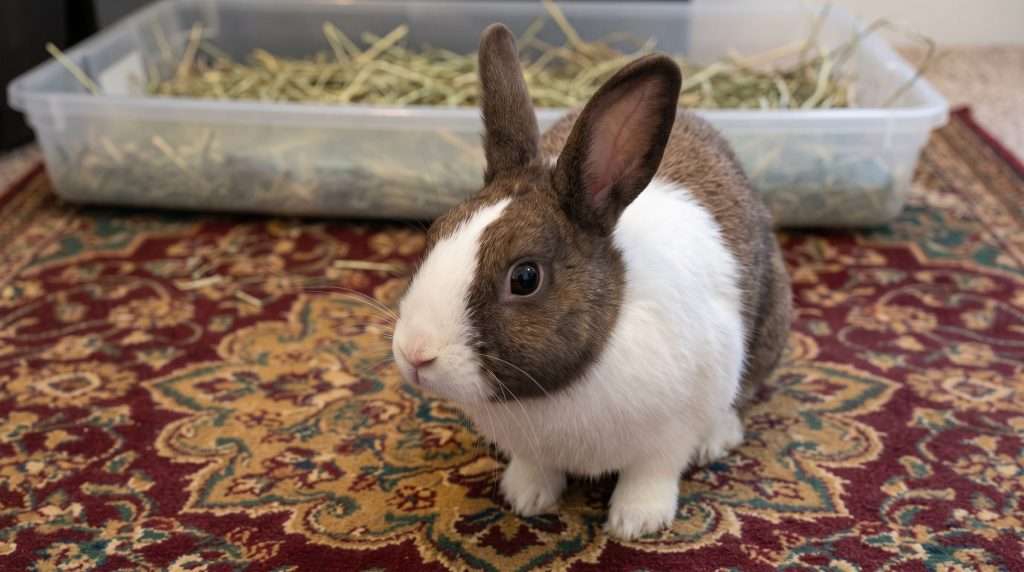
Yes. Rabbits commonly eat hay while using their litter box, so placing fresh hay right in or directly beside the pan works with their natural habits.
To keep things tidy, put a generous pile of clean hay at one end of the box or hang a feeder right above it. Keep the eating hay clean and dry, and pull out any soiled, damp strands whenever you do your daily spot checks.
12. How to Choose the Right Litter for Your Rabbit
Your rabbit gets a vote here too. A determined digger may do better with heavier pellets that don’t fly out of the box, while an older rabbit with tender feet may appreciate a softer layer of paper bedding on top.
Some rabbits are just ridiculously picky about what’s under their paws. I’ve watched this firsthand with my Lionheads, Mocha and Chino. Chino couldn’t care less—he’ll hop right onto hard, dense pellets, do his thing, and move on with his day. Mocha made it very clear she felt otherwise. She’d tiptoe along the edge of the box, hesitate to step in, and eventually decided the living room rug was a much better option.
The fix was simple: I kept the pellets at the bottom to handle the moisture, but scattered a handful of soft, fluffed paper bedding over the top. Just like that, she was back in the box.
If your rabbit suddenly starts avoiding a clean, well-placed litter box, don’t assume the training went out the window. They might just hate the way the litter feels.
13. What If My Rabbit Eats the Litter?
An occasional nibble of a rabbit-safe paper or wood pellet isn’t the same as deliberately eating mouthfuls of litter. If your rabbit repeatedly eats its litter, switch to another rabbit-safe material and make sure plenty of fresh grass hay is always available.
If your rabbit has swallowed an unsafe material—especially clumping cat litter—or begins eating less, producing fewer droppings, acting lethargic, or showing signs of belly pain, contact an experienced veterinarian right away.
14. Litter vs. Bedding: What’s the Difference?
Using litter and cage bedding interchangeably makes cleaning harder than it needs to be, and it can easily derail your rabbit’s litter habits.
- Litter: Belongs strictly inside the toilet pan. Its main job is to soak up urine, control odors, and make the box easy to dump and clean.
- Bedding: Material used to provide a comfortable resting or sleeping surface. Depending on your setup, this might include paper bedding, straw, fleece blankets, or woven grass mats.
Indoor house rabbits don’t need their entire playpen or room covered in loose bedding. In most setups, solid, non-slip, washable flooring with absorbent litter reserved strictly for the box is much easier to maintain and teaches your rabbit exactly where bathroom business belongs.
15. Quick Rabbit Litter Safety Checklist
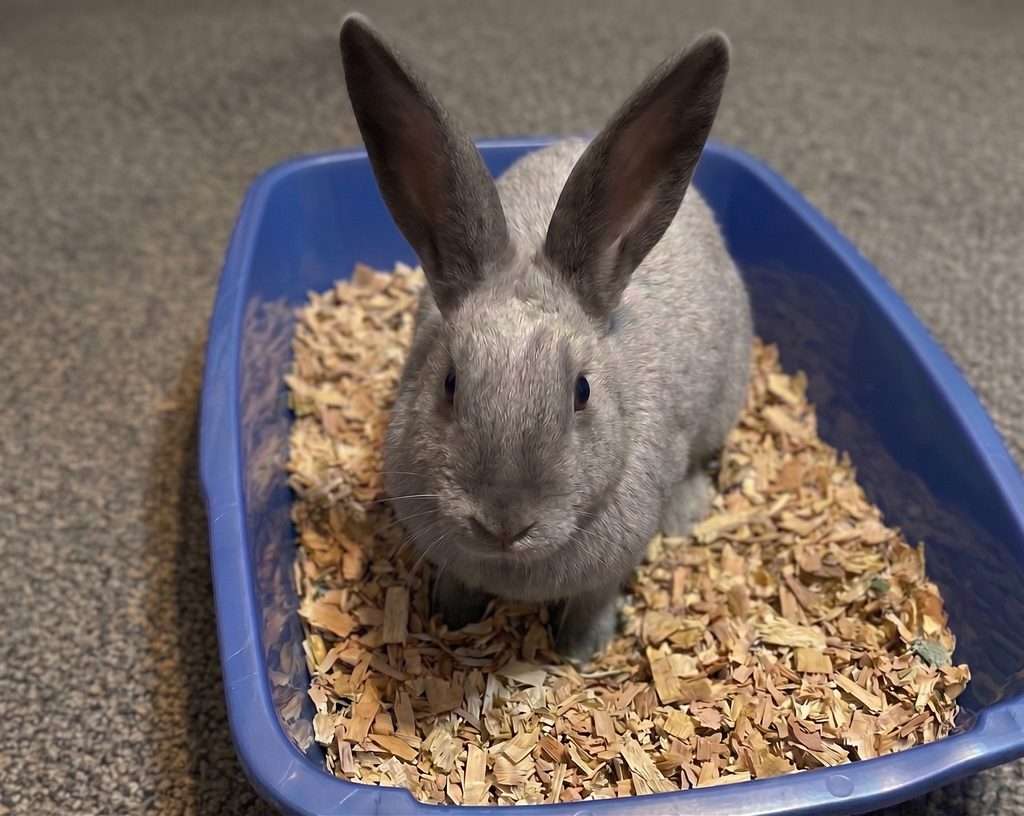
Before buying or pouring a new litter, make sure it checks these basic boxes:
- [ ] Unscented: Free of perfumes, botanical oils, and odor-masking chemicals.
- [ ] Low Dust: Pours cleanly without sending up a visible cloud of dust.
- [ ] Non-Clumping: Contains no swelling clay like sodium bentonite.
- [ ] No Aromatic Wood Shavings: Contains no raw cedar or untreated pine shavings.
- [ ] Additive-Free: Contains no fire accelerants or chemical deodorizers.
- [ ] Comfortable: Provides a stable, comfortable footing for your rabbit’s paws.
16. Frequently Asked Questions
What is the safest litter for rabbits?
Unscented recycled paper pellets are one of the safest and easiest litter choices for most rabbits. They don’t clump, stay low in dust, and don’t contain strong aromatic wood oils.
What litter is best for rabbit urine odor?
Plain kiln-dried wood pellets and dense paper pellets offer the best odor control by pulling liquid straight down and trapping wetness without relying on artificial perfumes.
Can rabbits use paper cat litter?
Yes, as long as the bag contains 100% plain, unscented recycled paper pellets with no clumping additives, fragrances, or deodorizing crystals mixed in.
Can rabbits use wood pellets designed for horse stalls?
Yes. Plain, kiln-dried equine bedding pellets made from pure wood fiber are practical and very economical. Just confirm that the product is heat-treated and contains no fire accelerants or added fragrances.
Can rabbits use Carefresh as litter?
Yes. Unscented paper pulp bedding is soft and safe, though it gets soggy faster than dense paper pellets and tends to stick to the coats of longer-haired rabbits.
Can I use shredded newspaper for rabbit litter?
Shredded newspaper isn’t a great litter even if you have plenty lying around. It absorbs very little, turns soggy quickly, does almost nothing for odor, and can leave dark ink marks on light fur.
Can puppy pads be used under rabbit litter?
Puppy pads should only be placed underneath litter if your rabbit cannot reach or dig down to chew them. The plastic lining and absorbent gel inside are dangerous if chewed and swallowed.
17. Final Thoughts on Choosing Rabbit Litter
Rabbit litter doesn’t need to be complicated. If you want the easiest starting point, grab a plain bag of unscented paper pellets and see how your rabbit likes them. Wood pellets can be a great cheaper alternative, especially if you’re filling several boxes, while aspen works well for rabbits that prefer something softer.
Whatever you choose, keep it simple: low dust, no perfume, no clumping ingredients, and enough absorbency to keep the box reasonably dry. Add plenty of fresh hay, clean the wet spots regularly, and let your rabbit tell you whether you’ve picked a winner.
Medical & Veterinary Disclaimer: Bunnyowners.com is an informational resource for rabbit owners and enthusiasts. We are not veterinarians. The content on this website is for educational purposes only and is not a substitute for professional veterinary advice, diagnosis, or treatment. Always consult a qualified veterinarian with any questions or concerns regarding your pet’s health, medical conditions, diet, or overall care. If you have concerns about your rabbit’s health, it’s always best to reach out to a veterinarian rather than relying solely on information found online.