
Veterinary & Affiliate Disclaimer: Bunnyowners.com shares educational rabbit care resources, not professional veterinary advice. Always consult a qualified veterinarian regarding your rabbit’s medical, dietary, or behavioral needs. This post may also contain affiliate links; as an Amazon Associate and affiliate partner, we earn from qualifying purchases at zero extra cost to you.
Walking down the small-pet aisle to pick out bedding can get confusing pretty quickly. The shelves are packed with giant compressed bags of paper fluff, wood shavings, fragrant flakes, straw, and pellets. Almost all of them feature rabbits, guinea pigs, and hamsters grouped together on the packaging, even though the right bedding can be very different from one species to another.
The best bedding for rabbits is soft, low in dust, absorbent, and safe if they nibble on it. Unscented paper bedding is the most practical choice for indoor sleeping areas, while clean, soft straw works best for keeping outdoor shelters warm. It is best to avoid sawdust, cedar shavings, scented bedding, and clumping cat litter, which can irritate their lungs or cause serious stomach blockages if swallowed.
Like most parts of rabbit care, setting up bedding comes down to keeping things safe and manageable. In this guide, I cover what materials actually work, what to avoid, and whether your rabbit even needs loose bedding on the floor. The goal is to set up a safe, comfortable space that fits your home without overcomplicating daily care.
1. Best Rabbit Bedding by Situation
There is no single bedding that works for every bunny. What keeps an outdoor hutch warm through a chilly night is completely different from what makes sense in a carpeted living room pen. A rabbit’s personality matters just as much, since a serial blanket-chewer needs a very different resting setup than a calm bunny who just wants a soft spot to flop.
Matching the material to where your rabbit lives, and how they behave, saves you money and spares you from constantly cleaning up sudden messes:
| Situation | Best Starting Option |
| Indoor setup needing loose bedding | Soft unscented paper bedding |
| Outdoor sheltered sleeping area | Soft, dust-extracted straw |
| High-absorbency alternative | Hemp or flax bedding |
| Washable resting surface | Polar fleece or vet bedding (non-chewers only) |
| Toilet area | Dedicated absorbent litter pellets (separate use) |
| Rabbit that repeatedly eats bedding | Avoid loose bedding; use a chew-safe resting mat |
The right bedding simply works with your living setup while keeping your rabbit cozy and dry. Matching the material to your actual space makes daily rabbit care so much easier.
2. Do Rabbits Actually Need Bedding?
Rabbits do not need loose bedding covering their whole floor if they live indoors with solid, non-slip flooring and a separate litter box. Outdoor rabbits are the real exception, needing deep bedding like clean straw in their sleeping quarters to trap body heat and keep out cold drafts.
A common myth in rabbit housing is that the enclosure floor has to be covered in several inches of loose bedding from edge to edge. That approach comes from older cages and hutches, but home setups work differently today.
If your rabbit lives indoors—whether in an exercise pen or a bunny-proofed room—covering the entire floor in paper or wood shavings gets messy fast, wastes money, and makes litter box training harder. A house rabbit with good traction, a clean litter pan, and a cozy hideout does not need loose material spread everywhere underfoot.
Outdoor setups are a different story. Rabbits in sheltered sheds or weather-protected runs face damp air and falling temperatures, so they rely on deep, dry bedding for warmth. Straw is great for this because its hollow stalks trap pockets of warm air, giving rabbits a snug spot to burrow in and stay comfortable.
If you’re wondering why your rabbit shoves soft bedding out of the way just to flop on a hard floor, this short video from The Bunny Lady explains what’s actually going on:
Bedding vs. Flooring vs. Litter
Keeping bedding, flooring, and litter separate in your mind makes running a clean rabbit enclosure much simpler:
- Flooring is the solid, stable, non-slip surface your rabbit walks and runs on to protect joints and maintain traction.
- Bedding is the soft, low-dust loose or washable material used selectively in sleeping areas for warmth and cushion.
- Litter is the dense paper or wood pellet substrate placed strictly inside the toilet area to absorb urine and control odor.
- Hay is the essential food rabbits need around the clock to keep their digestive system moving normally, not an absorbent floor covering.
Spreading litter substrate across the entire enclosure can blur the distinction between the toilet area and the rest of the living space, making litter habits harder to reinforce.
3. Best Safe Bedding Materials for Rabbits
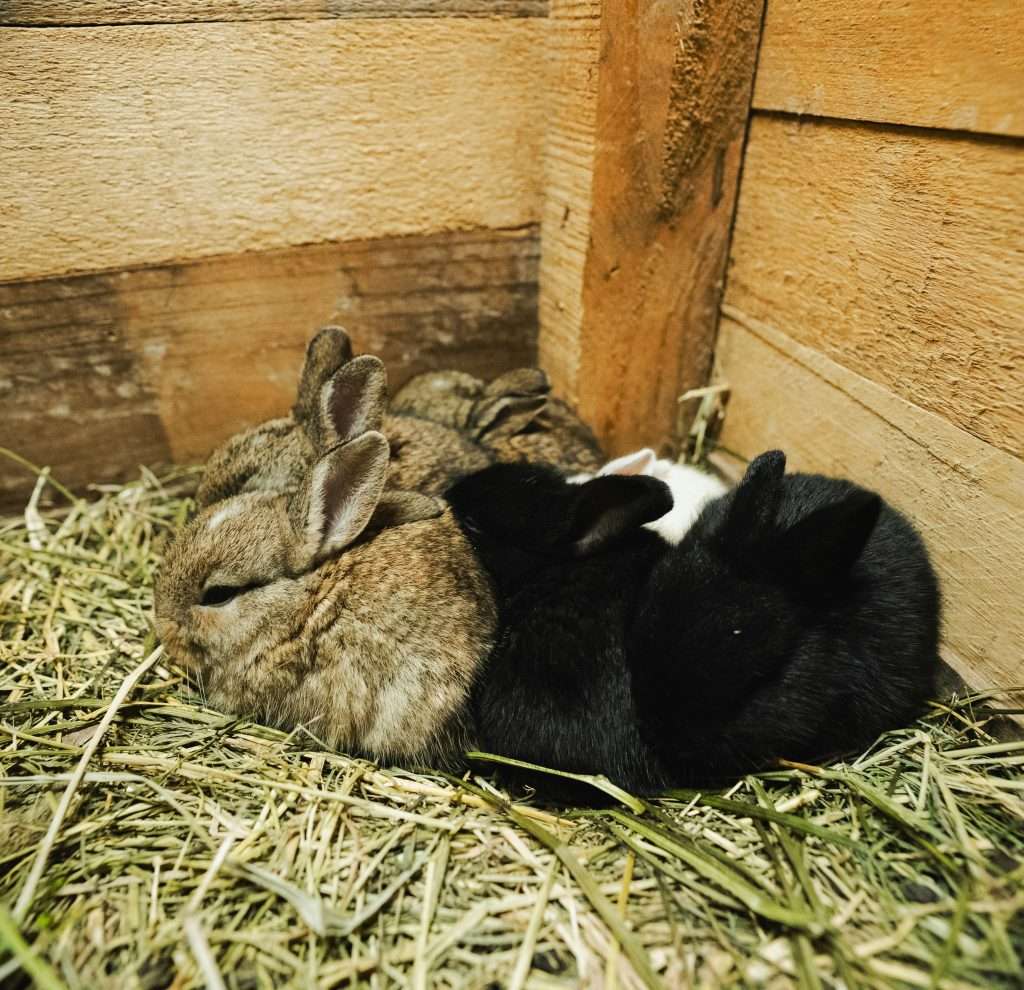
When evaluating bedding, focus on dust levels, comfort, and whether your rabbit treats it like a bed or something to eat:
Rabbit Bedding Materials Comparison
| Bedding Material | Safe? | Absorbency | Warmth | Best Use Case |
| Paper Bedding | Yes | Excellent | Moderate | Indoor resting areas & hide boxes |
| Soft Straw | Yes | Moderate | Excellent | Sheltered outdoor sleeping boxes |
| Hemp / Flax | Yes | Excellent | Moderate | Low-dust alternative for indoor or outdoor spaces |
| Aspen Shavings | Varies by product | Good | Moderate | Hardwood option; ensure dust-extracted |
| Shredded Paper | Conditional | Moderate | Moderate | Budget-friendly supplemental bedding |
| Hay | Safe (Food) | Low | Moderate | Daily diet; impractical as bedding |
| Fleece / Vet Bedding | Conditional | Varies | Good | Non-chewing indoor rabbits |
| Pine Shavings | Product-dependent | Good | Moderate | Better alternatives exist; avoid untreated types |
| Sawdust | No | Moderate | Poor | Avoid; irritates the lungs and eyes |
| Cedar Shavings | No | Good | Moderate | Avoid; strong aromatic wood oils |
| Clumping Clay Litter | No | Excellent | None | Avoid; risk of serious gut blockages |
Paper, straw, hemp, and washable bedding all have different strengths. Here is how each option works in practice:
Paper-Based Bedding
Soft paper bedding, like pulped paper or unbleached cellulose fiber, is one of the easiest loose beddings to use for indoor rabbits. It soaks up moisture well, keeps smells in check, and gives them a soft, cushioned spot to lounge.
Always look for bags marked unscented and dust-extracted. It also helps to know the difference between loose paper fluff and compressed paper pellets. Pellets do a fantastic job absorbing liquid, but they are hard underfoot and make a pretty stiff bed. Loose, fluffed paper bedding is a much better fit for a cozy sleeping corner.
Straw
Straw is made from the dried, golden stalks of harvested grain crops like wheat, barley, or oat. While hay is green and fed purely as food, straw is hollow, pale, and built for warmth.
Because those hollow stalks trap warm air, straw is one of the best bedding choices available for keeping sheltered outdoor sleeping boxes warm through cold weather. Just make sure the straw you source is soft and dust-extracted. Coarse agricultural straw can have sharp ends that increase the risk of eye irritation when rabbits burrow into their nests.
Hemp and Flax Bedding
Hemp and flax bedding have long been used for horses and are also sold for small pets. Made from the chopped woody core of the plant, these beddings are naturally absorbent, biodegradable, and low in dust when well-processed. They create a springy, comfortable mat and provide a soft alternative to paper bedding.
Aspen Shavings
Aspen is a hardwood option commonly found in retail pet aisles. Unlike cedar, aspen is not strongly aromatic and is widely sold as small-animal bedding.
Guidance on wood shavings varies. Some rabbit welfare guidance accepts clean, dust-free products, while other veterinary sources recommend using paper or hay instead. If you decide to use aspen, make sure the bag is clearly marked as dust-extracted, and keep in mind that soft paper or hemp is generally softer for resting.
Shredded Paper
Plain shredded paper works reasonably well as a budget-friendly bedding topper, but it doesn’t hold much liquid and mats down quickly once it gets wet. If you go this route, steer clear of glossy, treated paper. Standard newsprint is fine in a pinch, but keep an eye on your rabbit to make sure they aren’t actively eating it.
Fleece and Washable Fabric Bedding
Washable fleece blankets and vet bedding make fantastic, dust-free resting spots for indoor rabbits. When prepared properly and placed over an absorbent pad, fleece wicks moisture straight down into the layer below, leaving a dry, soft surface for your rabbit to lounge on. The real catch with fabric is chewing. Rabbits explore the world with their teeth, and some simply cannot resist gnawing on cloth.
My rabbits illustrate this difference well: Mocha rests peacefully on a plush fleece mat without chewing it, while Chino immediately starts tugging at the edges. If your rabbit chews fabric or pulls loose threads, take the fleece out right away and switch to a chew-safe alternative, as swallowed synthetic fibers can quickly trigger a dangerous gut blockage.
4. Rabbit Bedding to Avoid
A surprising number of bedding products marketed for small pets are not well-suited for rabbits.
Sawdust
Sawdust consists of the fine wood powder left behind by timber processing, and it should not be used in a rabbit pen. The tiny particles float into the air the moment a rabbit hops around, easily irritating sensitive eyes, nasal passages, and airways.
Cedar Shavings
Cedar shavings should be avoided. Cedar is strongly aromatic and releases natural wood oils that make it a poor choice for enclosed rabbit housing. With plenty of safe paper and hemp alternatives available, there is little reason to choose cedar.
Pine and Other Softwood Shavings
Pine shavings require some distinction:
- Untreated, strongly aromatic pine shavings retain natural wood oils and should not be used in rabbit housing.
- Kiln-dried pine shavings and heat-treated pellets have had the vast majority of those volatile oils removed during high-heat processing.
While properly dried pine is safer than raw wood shavings, paper and hemp are simpler choices if you would rather not worry about how the wood was processed.
Clumping and Clay Cat Litter
Clay-based and clumping cat litters are unsafe for rabbits. Rabbits explore with their mouths and groom their paws regularly. If swallowed, clumping clay litter can contribute to a serious intestinal blockage.
Scented Bedding
Beddings treated with lavender, floral perfumes, or chemical odor-blockers should be left on the shelf. Rabbits have sensitive respiratory tracts and keen senses of smell. Artificial fragrances offer no welfare benefit, and scent should never be used as a substitute for cleaning the enclosure.
5. Best Bedding for Indoor Rabbits
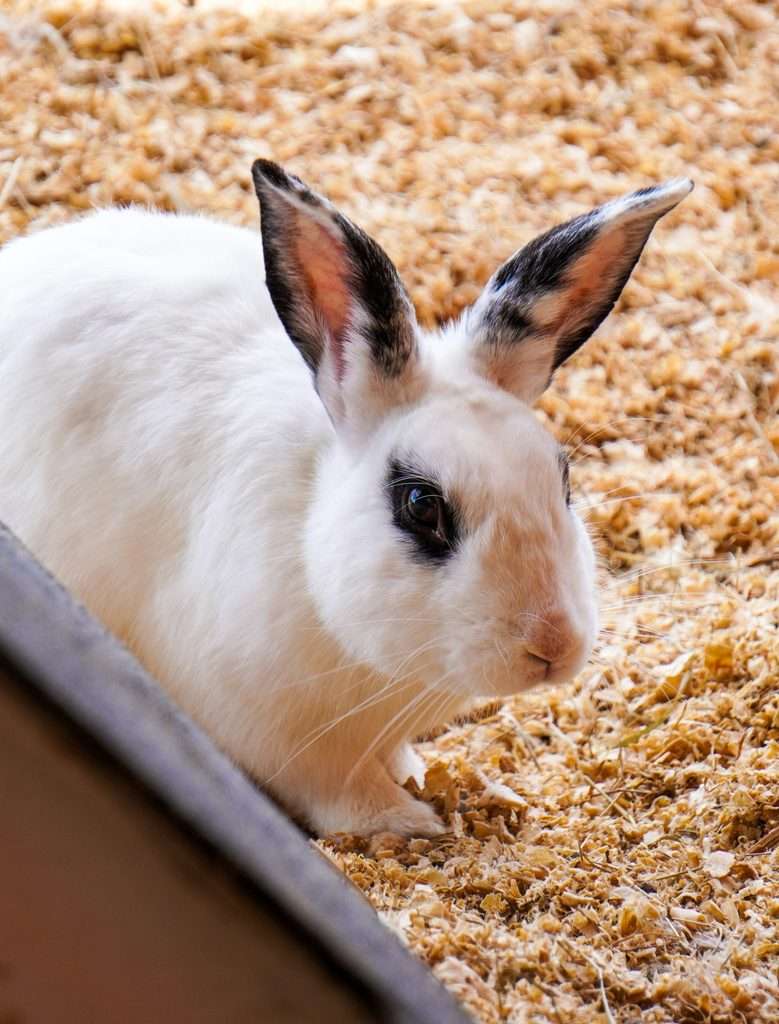
Most indoor rabbits do not need loose bedding spread across their entire living space. As long as your rabbit has safe, non-slip flooring and a clean litter box, loose bedding works best when confined to a cozy hideout or sleeping box if they enjoy a soft nest.
Soft paper bedding, hemp, or a chew-safe fleece mat are all practical choices for resting spots. Keeping loose bedding limited to a small resting area keeps the enclosure cleaner and reinforces good litter box habits.
6. Best Bedding for Outdoor Rabbits
Rabbits living in sheltered outdoor quarters face shifting temperatures and damp weather, which makes good insulation essential.
In outdoor sleeping compartments, a layered approach works best: place an absorbent paper liner or bedding layer at the base to catch dampness, then fill the rest of the compartment with a generous pile of soft, dust-extracted straw. This allows your rabbits to burrow down and shape a warm nest that retains body heat through cold nights.
7. What If Your Rabbit Eats Bedding?
It is normal for rabbits to nibble, dig through, or shred their bedding occasionally. The distinction is whether they are tearing the material apart or repeatedly swallowing noticeable quantities of it. If a rabbit begins deliberately eating its bedding, remove that material and switch to a resting surface they are less likely to consume.
Always ensure your rabbit has unlimited fresh grass hay to satisfy their chewing needs. If your rabbit consumes bedding and shows a drop in appetite, stops producing droppings, or seems lethargic, get in touch with a veterinarian promptly.
8. How Much Bedding Do Rabbits Need?
There is no rigid depth rule that applies to every setup. The right amount simply depends on where the bedding is placed and the job it needs to do.
For indoor resting areas, you only need enough loose paper or bedding to create a soft, cushioned surface for your rabbit to sprawl out on comfortably.
For outdoor sleeping quarters, provide a generous quantity of clean straw that fills the sleeping compartment, giving your rabbits enough depth to burrow in and stay warm. Add extra during colder weather.
9. How Often Should Bedding Be Changed?
Staying on top of bedding hygiene keeps resting areas comfortable and prevents damp spots from causing skin or airway irritation.
Get into the habit of spot-cleaning resting areas daily. Scoop out any wet clumps, soiled patches, or damp bedding near water bowls, and replace with fresh material to keep the area dry.
A weekly full change is a reasonable starting point for many resting areas, but damp or heavily used bedding may need replacing much sooner.
10. How to Choose Rabbit Bedding
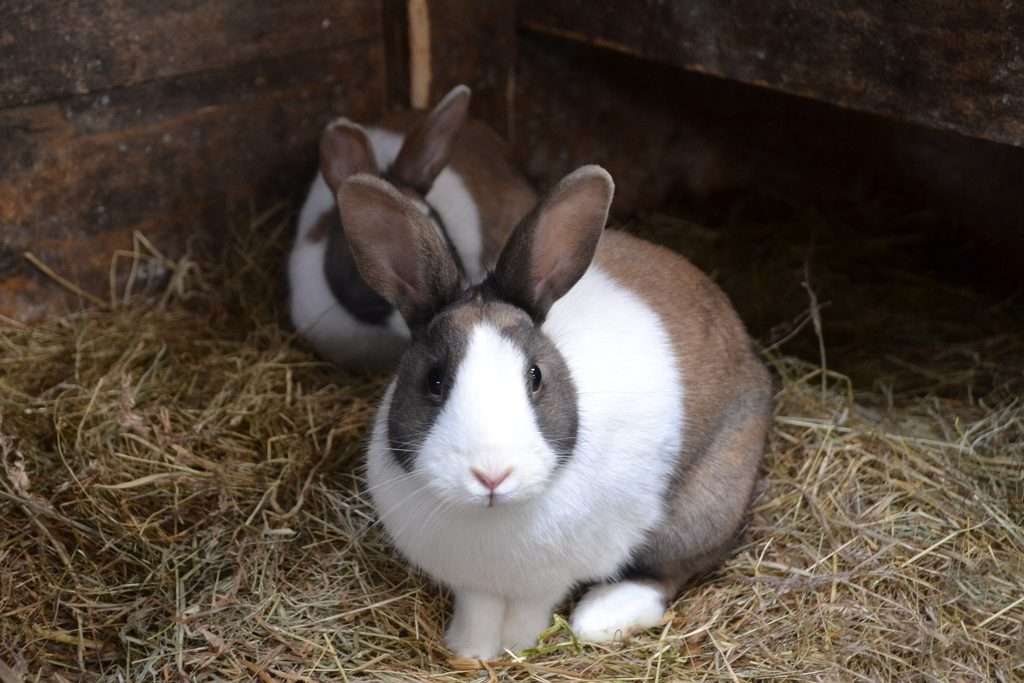
To pick the right bedding, match the material to your housing setup, your cleaning routine, and your rabbit’s chewing habits.
Here is what to evaluate when comparing products:
Bedding Selection Criteria
| Factor | What to Look For | Why It Matters |
| Dust | Low-dust or dust-extracted | Protects delicate airways and eyes. |
| Comfort | Soft and non-abrasive | Provides a comfortable resting surface and reduces pressure on the hocks. |
| Absorbency | High absorbency | Keeps resting surfaces dry. |
| Additives | Unscented and untreated | Prevents exposure to artificial perfumes and harsh wood oils. |
| Chewing | Appropriate if occasionally nibbled; avoid materials your rabbit repeatedly eats | Reduces risks from swallowed materials. |
| Warmth | Hollow-stem straw | Traps pockets of warm air for outdoor housing. |
| Maintenance | Simple to spot-clean or wash | Makes daily care easy to keep up with. |
11. Rabbit Bedding FAQ
Can rabbits use paper bedding?
Yes. Dust-extracted, unscented paper bedding is one of the safest and most absorbent loose beddings available. Avoid products that contain added perfumes or artificial dyes.
Can rabbits use straw for bedding?
Yes, and it is especially useful for sheltered outdoor sleeping boxes. The hollow stalks trap pockets of warm air, making straw particularly effective for insulation. Make sure it is soft and low in dust so it does not irritate their eyes.
Can rabbits use hay as bedding?
Sitting on hay will not harm a rabbit, but it makes poor bedding. Hay absorbs moisture poorly, spoils quickly when damp, and costs significantly more than straw or paper. Fresh hay should always be kept clean and fed as the primary part of their diet rather than used as floor bedding.
Can rabbits use pine bedding?
Untreated pine shavings should be avoided because of their natural aromatic wood oils. While kiln-dried pine has had most of those oils removed with heat, low-dust paper and hemp bedding are simpler, more reliable options.
Are cedar shavings safe for rabbits?
No. Cedar is strongly aromatic and can irritate a rabbit’s sensitive airways. Cedar should not be used in rabbit housing.
Can rabbits use cat litter as bedding?
Clay and clumping cat litters should never be used because they can cause serious intestinal blockages if swallowed. While some compressed paper or heat-treated wood pellets work well in a dedicated litter box, they are designed to absorb waste, not to serve as a soft resting bed.
Do indoor rabbits need bedding?
Not across their entire living space. If your rabbit has good traction on the floor and a dedicated litter box, they usually only need a small amount of soft bedding or a washable mat inside their favorite sleeping corner.
Can rabbits use fleece or blankets as bedding?
Fleece and blankets work well, but only for rabbits that do not chew fabric. If your rabbit nibbles the edges, tears holes, or pulls threads, remove fabric items immediately to prevent them from swallowing synthetic fibers.
12. Final Verdict: Matching Bedding to Your Setup
Picking the right bedding comes down to where your rabbit lives. Indoor rabbits rarely need loose bedding spread across their entire enclosure—a solid, non-slip base paired with an absorbent litter box and a soft resting mat is cleaner, more economical, and easier to manage. Outdoor rabbits, on the other hand, depend on deep, dust-extracted straw to trap body heat and block out cold drafts.
Stick to materials that are low in dust, completely unscented, and safe if occasionally sampled, while leaving cedar, sawdust, and clumping clay on the shelf. A clean, dry resting space tailored to your rabbit’s personal habits will keep them comfortable and healthy year-round.
Medical & Veterinary Disclaimer: Bunnyowners.com is an informational resource for rabbit owners and enthusiasts. We are not veterinarians. The content on this website is for educational purposes only and is not a substitute for professional veterinary advice, diagnosis, or treatment. Always consult a qualified veterinarian with any questions or concerns regarding your pet’s health, medical conditions, diet, or overall care. If you have concerns about your rabbit’s health, it’s always best to reach out to a veterinarian rather than relying solely on information found online.