
Veterinary & Affiliate Disclaimer: Bunnyowners.com shares educational rabbit care resources, not professional veterinary advice. Always consult a qualified veterinarian regarding your rabbit’s medical, dietary, or behavioral needs. This post may also contain affiliate links; as an Amazon Associate and affiliate partner, we earn from qualifying purchases at zero extra cost to you.
The common wisdom in the lagomorph community is that hay is “important,” but from a clinical perspective, hay is the entire foundation of a rabbit’s biological existence. While many owners treat hay as a simple substrate or a side dish to pellets, it is actually a mechanical necessity for survival. To the casual observer, a pile of grass is just bedding; to the rabbit, it is the primary engine driving a complex, high-fiber digestive system that cannot afford to stop.
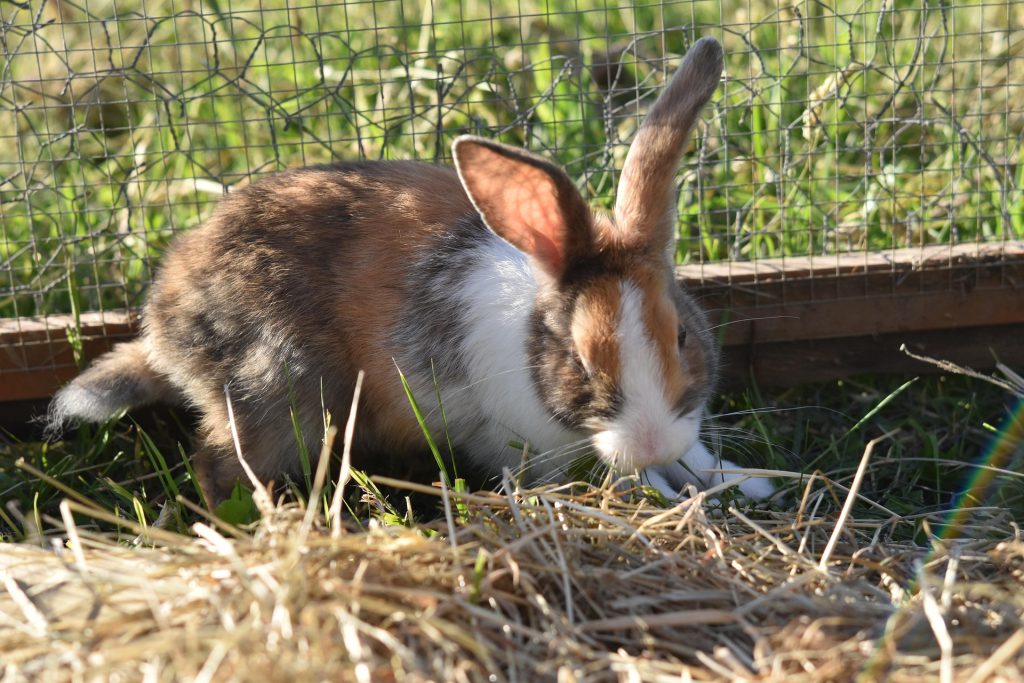
A rabbit should eat an unlimited supply of grass hay every day, which must account for 80% to 90% of their total diet. The standard daily measurement is a fresh pile of hay equal to your rabbit’s own body size. Constant 24/7 grazing is biologically required to maintain proper gut motility and prevent dental disease.
In my observational research with my own bonded pair, Mocha and Chino, I’ve seen that hay quality dictates everything from the gloss of their coat to the consistency of their energy levels. Understanding the “unlimited” rule is the difference between a thriving pet and one at risk for life-threatening gastric emergencies. As the absolute foundation of any comprehensive rabbit diet and food plan, this guide breaks down the volume, the “Information Gain” strategies, and the physiological triggers that ensure your rabbit is meeting its fiber quotas.
1. Rabbit Feeding at a Glance
Before we dive into the biological “why,” it is helpful to audit your current feeding routine—and your selection of the best rabbit food—against the proportions required for a healthy adult rabbit.
Daily Dietary Breakdown
| Food Category | Percentage of Diet | Daily Target Amount |
| Grass Hay | 80%–90% | A pile at least the size of the rabbit’s body. |
| Leafy Greens | 5%–10% | Approx. 1 packed cup per 2 lbs of body weight. |
| Pellets | 0%–5% | Roughly 1/4 cup per 5 lbs of body weight (max). |
| Fresh Water | Essential | Available 24/7 in a clean, open bowl. |
2. The Biological Imperative: GI Stasis and Dental Science
A rabbit’s digestive tract is essentially a high-speed conveyor belt. Unlike humans, who process food in a linear fashion, rabbits are “obligate herbivores” that require the constant pressure of new fiber to keep the old fiber moving.
Preventing the GI Stasis Cascade
According to the House Rabbit Society, hay provides the long-strand fiber necessary to keep the cecum—the specialized “fermentation vat” in their gut—functioning correctly. Without constant intake, the gut can stall, a condition known as Gastrointestinal (GI) Stasis. Even a few hours of hay refusal can lead to a noticeable shift in energy. If the gut stalls, harmful bacteria can bloom, leading to pain, gas, and a total refusal to eat.
Continuous Dental Wear
Rabbit teeth grow continuously—sometimes up to several inches a year. As noted by the Merck Veterinary Manual, the silica content in grass and the side-to-side grinding motion required to chew hay naturally wears down these teeth. Without this abrasive action, rabbits develop dental “spurs” that can pierce the tongue or cheek, making eating impossible and requiring surgical intervention.
3. Measuring Volume: The “Body Size Rule”
Weighing hay in grams is a researcher’s dream but a pet owner’s nightmare. Instead, use the Body Size Rule. Provide a pile of fresh hay at least as large as the rabbit itself every morning. By the evening, that pile should be significantly diminished. If it isn’t, your rabbit is likely filling up on “fast-food” calories like pellets or sugary treats.
The Rabbit Welfare Association & Fund suggests that freshness is the primary driver of consumption. I’ve noticed that Mocha and Chino will ignore a day-old pile but dive into a fresh “fluffed” handful immediately. Refilling the supply 2–3 times a day creates a “novelty effect” that encourages more frequent grazing.
4. The Hydration-Fiber Synergy: Why Fiber Fails Without Water
A common “content gap” in feeding guides is the failure to mention that fiber and water are a package deal. To move a “Body Size” pile of hay through the cecum, the rabbit must be intensely hydrated. Indigestible fiber requires significant intestinal lubrication; without it, the fiber becomes dry and stagnant, leading to impaction.
In my research, I’ve found that offering hay alongside a heavy ceramic water crock (rather than a drip bottle) leads to a measurable increase in hay consumption. Bowls allow for a more natural, “lapping” drinking position, ensuring the rabbit takes in enough fluid to keep that fiber moving.
5. Evaluating Quality: The “Five-Senses” Audit
Don’t just dump hay in a bin; audit the batch. Use this researcher’s checklist to ensure you aren’t feeding “cardboard” masquerading as nutrition.
| Sense | What to Look For | Red Flag |
| Sight | Bright green, long intact strands. | Dull brown, yellow, or “dusty” debris. |
| Smell | Sweet, “fresh-cut grass” aroma. | Damp, musty, or “attic” smell. |
| Touch | Flexible but crisp; doesn’t crumble. | Brittle, sharp, or damp/clumpy. |
| Sound | A distinct “snap” when bent. | A dull, silent bend (indicates high moisture). |
| Taste | Immediate rabbit interest. | Complete refusal or “searching” for seeds. |
6. Hay Types and Life Stage Strategy
Choosing hay is about matching the nutrient profile to the rabbit’s metabolic stage. Feeding the wrong hay can lead to obesity or calcium-based kidney issues.
- Baby Rabbits (0–7 Months): Require Alfalfa hay. As VCA Animal Hospitals points out, Alfalfa is a legume high in protein and calcium, supporting bone growth.
- Adult Rabbits (1–7 Years): Must transition to grass hays like Timothy or Orchard. Excess calcium from Alfalfa can cause “bladder sludge” in adults.
- Senior Rabbits (7+ Years): May require softer hay (second or third cut) if they have dental wear or arthritis that makes chewing tough stalks difficult. Mocha and Chino have shown a clear preference for softer Orchard grass as they’ve matured.
7. The Pellet Paradox: Behavioral Refusal
If your rabbit is ignoring their hay, it is usually a result of the “Pellet Paradox.” If you provide too many pellets, the rabbit will never be hungry enough to work for the low-calorie nutrients in hay. It is the human equivalent of offering a child unlimited pizza and then wondering why they won’t eat their kale. The PDSA recommends strictly limiting pellets to ensure hay remains the primary focus of the rabbit’s day.
8. The “Golden Hours” of Grazing
Rabbits are crepuscular, meaning their digestive systems are most active at dawn and dusk. I’ve tracked the grazing velocity of my rabbits and found that 60% of their daily hay intake occurs in two specific windows: 5:00 AM – 8:00 AM and 7:00 PM – 10:00 PM. If you only refresh hay once a day at noon, you are providing stale food during their peak metabolic windows. Always fluff the hay pile right before the sun goes down to maximize intake.
9. Seasonal Metabolic Shifts
Rabbit metabolism isn’t static; it fluctuates with the temperature. In the summer, rabbits may eat slightly less hay due to heat-induced lethargy. During these months, ensure the hay is kept in the shade. In the winter, their caloric needs increase slightly to maintain core body temperature. Never panic if consumption dips slightly during a heatwave, provided the “Output Audit” (poop) remains healthy and consistent.
10. Storage Science: Airflow vs. Plastic
How you store your hay directly impacts its nutritional value. Hay is a biological material that needs to breathe. Never store hay in an airtight plastic bin. Moisture trapped inside creates a micro-climate for mold growth. According to the University of California Agriculture and Natural Resources, hay should be kept in a cool, dry, and well-ventilated area—ideally in a breathable canvas bag or the original cardboard box. If the hay loses its “sweet” scent, it has likely oxidized and lost its appeal.
11. Output Monitoring: The “Sawdust Test”
A rabbit’s droppings are the most accurate daily diary of their gut health.
- Healthy Droppings: Should be large, light brown, and crumble into sawdust when pressed. This indicates a high-fiber, hay-rich diet.
- Warning Signs: Small, dark, or tear-drop-shaped droppings suggest a lack of fiber.
- Strings of Pearls: Droppings held together by fur indicate your rabbit needs more long-strand fiber to move ingested hair through the system. The House Rabbit Society notes that because rabbits cannot vomit, hay-driven motility is their only defense against hair and food blockages that lead to fatal Gastrointestinal (GI) Stasis.
12. FAQ (Frequently Asked Questions)
Can a rabbit eat too much hay? No. It is biologically impossible for a rabbit to overeat grass hay. It is the only part of their diet that should never be rationed.
What if I am allergic to Timothy Hay? Orchard grass is an excellent alternative that provides similar fiber levels with fewer airborne allergens. According to Rabbit Hole Hay, Orchard grass has softer leaves, far less dust, and fewer pollen residues, making it much better tolerated by owners who suffer from Timothy hay allergies.
Is brown hay bad? Not necessarily, but it is less nutritious. It has usually been sun-bleached. Aim for bright green hay that smells fresh and “sweet.”
How often should I refill the hay? At least twice a day. Freshness is key. If hay has been sitting for 12 hours, it has likely lost its aroma and appeal to a discerning rabbit.
Can I feed lawn clippings? Absolutely not. Lawn clippings ferment quickly and cause fatal bloating. They are often contaminated with pesticides or exhaust fumes.
Do they need hay if they eat grass outside? Yes. While fresh grass is great, hay is more concentrated in the dry, abrasive fiber required for the grinding motion that wears down their teeth effectively.
13. Conclusion: The Foundation of Longevity
Ultimately, the question of “how much” is simple: as much as they want, and then a little bit more. By adhering to the 80% to 90% hay rule and using the “Body Size” visual, you are providing the single most important factor in your rabbit’s longevity.
Whether you are managing a bonded pair or a single house rabbit, prioritizing high-quality grass hay over treats and pellets is the hallmark of a well-informed owner. If you notice any change in their grazing behavior or a drop in the quality of their droppings, consult a rabbit-savvy veterinarian immediately. In the rabbit world, gut health can change from “stable” to “critical” in a matter of hours.
Medical & Veterinary Disclaimer: Bunnyowners.com is an informational resource for rabbit owners and enthusiasts. We are not veterinarians. The content on this website is for educational purposes only and is not a substitute for professional veterinary advice, diagnosis, or treatment. Always consult a qualified veterinarian with any questions or concerns regarding your pet’s health, medical conditions, diet, or overall care. If you have concerns about your rabbit’s health, it’s always best to reach out to a veterinarian rather than relying solely on information found online.