Veterinary & Affiliate Disclaimer: Bunnyowners.com shares educational rabbit care resources, not professional veterinary advice. Always consult a qualified veterinarian regarding your rabbit’s medical, dietary, or behavioral needs. This post may also contain affiliate links; as an Amazon Associate and affiliate partner, we earn from qualifying purchases at zero extra cost to you.
If you treat hay as an optional side dish, you are fundamentally misunderstanding the biological architecture of a rabbit. As a researcher who has spent twenty years—and arguably too much of my personal time—dissecting lagomorph behavior and metabolic requirements, I’ve seen how the “hay hurdle” is the single biggest factor in long-term health. Most owners grab the first bag of green stalks they see, but the reality of fiber content and harvest timing is far more nuanced than a generic pet store label suggests.
Timothy hay is the best overall choice for adult rabbits due to its optimal fiber-to-calcium ratio. For specific needs, Alfalfa hay is best for growing kits under six months, while Orchard grass provides a high-fiber alternative for picky eaters or owners with allergies. Ideally, healthy adults should consume a pile of 2nd-cut Timothy hay as large as their own body every single day.
In the world of lagomorph research, it has become clear that not all “green stalks” are created equal. This guide serves as a foundational pillar within our broader research on the ideal rabbit diet and food, ensuring we move beyond surface-level advice to analyze the specific physics of 1st vs. 3rd cuts and how to identify high-quality strands before they ever hit the litter box rack. If you want to avoid a late-night emergency vet visit for GI stasis, you have to start with the specific mechanics of the chew.
1. How Hay Supports Rabbit Health
To understand why hay is mandatory, one must look at the rabbit as a highly specialized, somewhat temperamental fermentation vessel. According to the Merck Veterinary Manual, the high-fiber nature of hay serves three critical, non-negotiable functions: digestive motility, dental maintenance, and psychological stability.
Digestive Health and GI Stasis
Rabbits are hindgut fermenters. This means they rely on a massive organ called the cecum to house the bacteria that break down cellulose. Long-strand fiber acts as the physical “broom” of the gut. It triggers stretch receptors in the stomach and intestines, signaling the muscles to contract—a process known as peristalsis.
The reality is that a rabbit’s gut is effectively a one-way conveyor belt. If you stop putting high-fiber material in the front, the whole factory shuts down. This leads to Gastrointestinal (GI) Stasis, a shift in gut pH that allows toxic gas-producing bacteria to flourish. Biologically speaking, you are managing a delicate microbial ecosystem; hay is the only thing keeping the “bad” bacteria from staging a coup. When the gut stops moving, gas builds up, causing extreme pain and eventually heart failure. It is the leading cause of death in domestic rabbits, and it is almost entirely preventable through forage management.
Dental Health and Tooth Wear
Rabbits possess “elodont” teeth—meaning they grow continuously at a rate of roughly 2mm per week. The PetMD Guide to Rabbit Dental Health notes that the silica content in grass hay provides a sandpaper-like effect.
I find it fascinating that the silica phytoliths (microscopic crystals) found in grass are literally harder than the enamel on many surfaces. As the rabbit moves its jaw in a figure-eight motion, these phytoliths grind down the enamel. If a rabbit eats only soft foods or pellets, these teeth will develop sharp “spurs” or spikes. These will lacerate the tongue and cheeks. It’s as painful as it sounds and requires professional dental burring under anesthesia to correct.
2. Grass Hay vs. Legume Hay
When we categorize hay, we are essentially looking at the plant’s strategy for nitrogen storage. This dictates how it will affect your rabbit’s kidneys and weight.
Common Types of Grass Hay
Grass hays are the gold standard for daily maintenance. They are high in structural fiber (cellulose and lignin) and low-to-moderate in protein and calcium.
- Timothy Hay: The ubiquitous choice. It has a balanced mineral profile and a high-fiber “stemmy” texture that satisfies both the gut and the teeth.
- Orchard Grass: A softer, highly aromatic grass. It is particularly useful for owners with Timothy allergies as it has a lower pollen count. It’s also significantly less “dusty” when you’re pulling it out of the bag.
- Meadow Hay: Often a “pasture mix,” this variety includes various grasses and occasionally dried wild herbs. It’s excellent for mental stimulation, as the variety keeps them foraging longer.
- Oat Hay: Harvested early, this hay is crunchy and contains seed heads (oats). It is significantly higher in fats and carbohydrates, making it a bit like “bunny granola.” Use it for weight gain, not as a primary staple.
Alfalfa and Legume Hays
According to research from UC Davis Agriculture and Natural Resources, legume hays like Alfalfa are members of the pea family. They are dense in protein and calcium, making them essential for growing kits but potentially dangerous for healthy adults due to the risk of bladder sludge. The excess calcium is filtered by the kidneys and can precipitate in the bladder as “sludge” or stones. If your rabbit’s urine looks like thick, gritty toothpaste, you are likely overfeeding alfalfa.
Table 1: Nutritional Benchmarks by Category
| Hay Type | Crude Fiber | Crude Protein | Calcium | Starch/Sugar |
| Timothy (2nd) | 32–34% | 8–10% | 0.4–0.6% | Low |
| Orchard Grass | 30–32% | 7–11% | 0.3–0.5% | Low |
| Alfalfa (Legume) | 22–25% | 15–20% | 1.2–1.5% | Moderate |
| Oat Hay | 31–32% | 7–10% | 0.4% | High |
| Meadow Hay | 28–32% | 9–12% | 0.5% | Variable |
3. Timothy Hay Cuts Explained
The “cut” isn’t just marketing jargon—it’s a clinical description of where the plant was in its reproductive cycle when it was harvested. This guide to hay cuttings from Oxbow Animal Health explains that harvest timing determines the ratio of seed heads, leaves, and stems, which is the actual driver of pet preference and nutritional density.
- 1st Cut: This is the most mature hay. It is very “stemmy” and contains large seed heads. It has the highest fiber but the lowest protein. It’s the “cardio workout” of the hay world. If your rabbit is overweight, this is the one you buy.
- 2nd Cut: The balanced choice. It has a mix of leafy foliage and crunchy stems. This is what most rabbits find most palatable and what I personally recommend as the “default” setting for any healthy adult. It smells the best and offers the best “snap” during the chew.
- 3rd Cut: The final harvest. It is almost entirely soft leaves with very little stem. It is nutrient-dense and very tasty, but lacks the abrasive qualities needed for long-term dental health. It’s excellent for “tempting” a sick rabbit back to the hay rack.
4. Nutritional Value of Hay
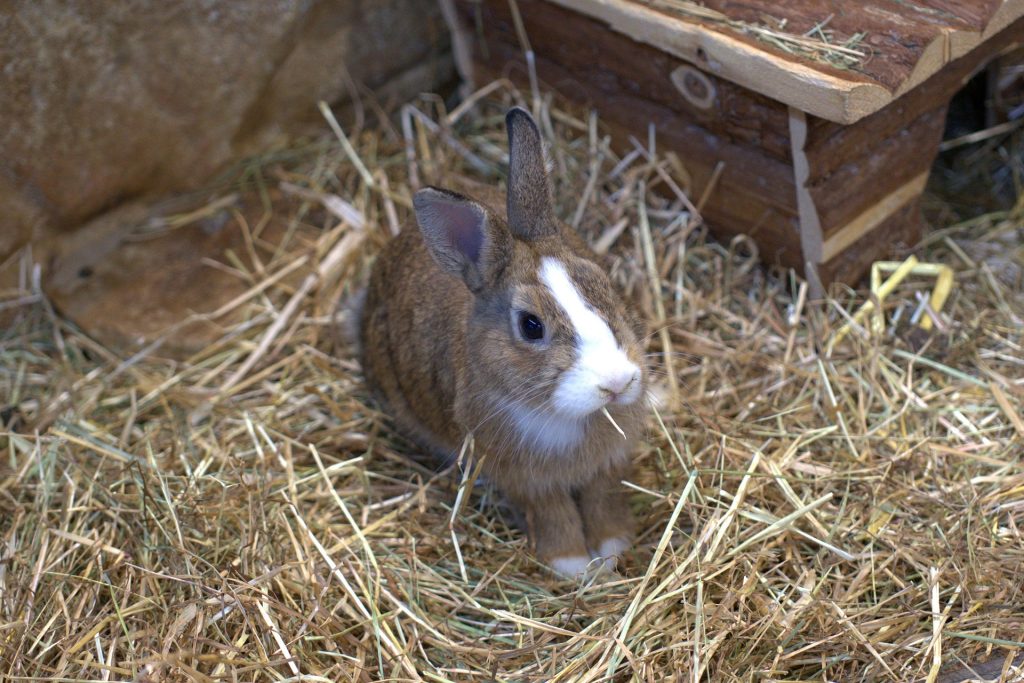
When I evaluate a batch of hay, I’m looking at the Phosphorus-to-Calcium ratio. Ideally, a rabbit’s total diet should maintain a ratio of approximately:
2:1(Calcium to Phosphorus)
Data from the PDSA Guide on Feeding Your Rabbits suggests that adult rabbits require a high-fiber intake to maintain gut health, specifically highlighting that forage should make up the vast majority of their daily intake. The bioavailability of these minerals depends on the freshness of the hay. As hay ages, the Vitamin A (beta-carotene) content degrades. This is why “greenness” matters—it’s not just for aesthetics; it’s an indicator of the antioxidant and vitamin profile that hasn’t been oxidized by sun or heat. If you buy “golden” hay that looks like autumn leaves, you are essentially feeding them flavored cardboard.
5. How to Transition to a New Hay
Even for a researcher, theory often meets a messy reality when applied to live subjects. In my own home, transitioning my own rabbits, Mocha and Chino, from their juvenile Alfalfa-heavy diet to an adult Timothy-only diet was a lesson in negotiation.
Mocha, being the more assertive of the two, initially protested the lower protein levels of Timothy by digging through her rack and flinging the “boring” stems across the room. Chino, conversely, showed a preference for the softer Orchard grass. Through a methodical transition—mixing 75% Alfalfa with 25% Timothy and slowly shifting the ratio over two weeks—I managed to bypass the usual digestive upsets. Seeing Chino’s “golden poops” (large, round, and fiber-rich) was the ultimate confirmation that the transition was a success.
6. How to Identify High-Quality Hay
Don’t buy hay based on a cartoon bunny on the bag. Use your senses.
- Color: Look for a vibrant, emerald green. Pale yellow or brown hay has likely been sun-bleached, losing vital nutrients.
- Aroma: It should smell like a summer meadow. If it smells like a damp, musty basement, put it back. That’s mold. I’ve smelled “budget” bales that had a sharp, vinegary scent—that’s fermented moisture. It’s a death sentence for a rabbit’s liver.
- Dust: Give the bag a shake. If a cloud of fine white dust appears, it’s a respiratory hazard for both of you. It can lead to chronic sneezing and “snuffles” symptoms.
- Texture: 2nd cut should have some “snap” in the stems but still feel pliable. Brittle, straw-like hay has lost its structural moisture and will shatter rather than grind, providing zero dental benefit.
7. Best Hay for Different Life Stages
Selecting hay isn’t a “one-and-done” decision. As a rabbit’s metabolism shifts, so must the forage.
Table 2: Recommended Life-Stage Protocol
| Rabbit Profile | Primary Forage | Supporting Forage | Goal |
| Kit (< 6 months) | Alfalfa | 2nd Cut Timothy | Skeletal growth/Protein. |
| Adult (Maintenance) | 2nd Cut Timothy | Orchard Grass | Digestive stability/Weight. |
| Senior (> 6 years) | 3rd Cut Timothy | Alfalfa (Limited) | Caloric density/Appetite. |
| Obese Rabbit | 1st Cut Timothy | Oat Hay (Seedless) | High fiber/Low sugar. |
| Picky Eater | Orchard Grass | Botanical Mix | Sensory engagement. |
8. How Much Hay Should a Rabbit Eat?
The rule is: Unlimited. A rabbit should consume a volume of hay roughly the size of their own body every single day. If you aren’t refilling the hay rack at least twice a day, you aren’t feeding enough. In our research setups, we recommend the “80-90% rule”: 80% of the total food weight entering the rabbit should be long-strand hay.
Pellets should be restricted to a small “side dish”—usually 1/8 to 1/4 cup per 5 lbs of rabbit weight. If your rabbit is filling up on pellets, they won’t consume the hay necessary to keep their gut moving. Think of pellets as a multivitamin and hay as the actual meal. If they aren’t eating their body size in hay, you need to cut the pellets back immediately.
9. What to Do if Your Rabbit Won’t Eat Hay
If your rabbit isn’t eating hay, it isn’t “pickiness”—it’s usually a biological or environmental conflict. In my twenty years of raising hundreds of rabbits, I’ve found that refusal usually stems from “menu competition.” If a rabbit knows a plate of fragrant greens or sugary pellets is coming, they will ignore the “broccoli” that is Timothy hay.
According to VCA Hospitals, persistent refusal can be a sign of underlying dental pain. If your rabbit wants to eat but stops after a few bites, they likely have a dental spur making it too painful to continue the grinding motion.
Table 3: Refusal Fixes for the Stubborn Rabbit
| Symptom | Probable Cause | Researcher Fix |
| Dumping the rack | Boredom/Specific taste | Switch to Meadow hay with herbs. |
| Ignoring fresh hay | Too many pellets | Reduce pellets by 25% weekly. |
| Slow, painful chewing | Dental malocclusion | Immediate Veterinary Dental Exam. |
| Selective leaf eating | Stems are too tough | Switch to 2nd or 3rd cut. |
10. Hay vs. Straw
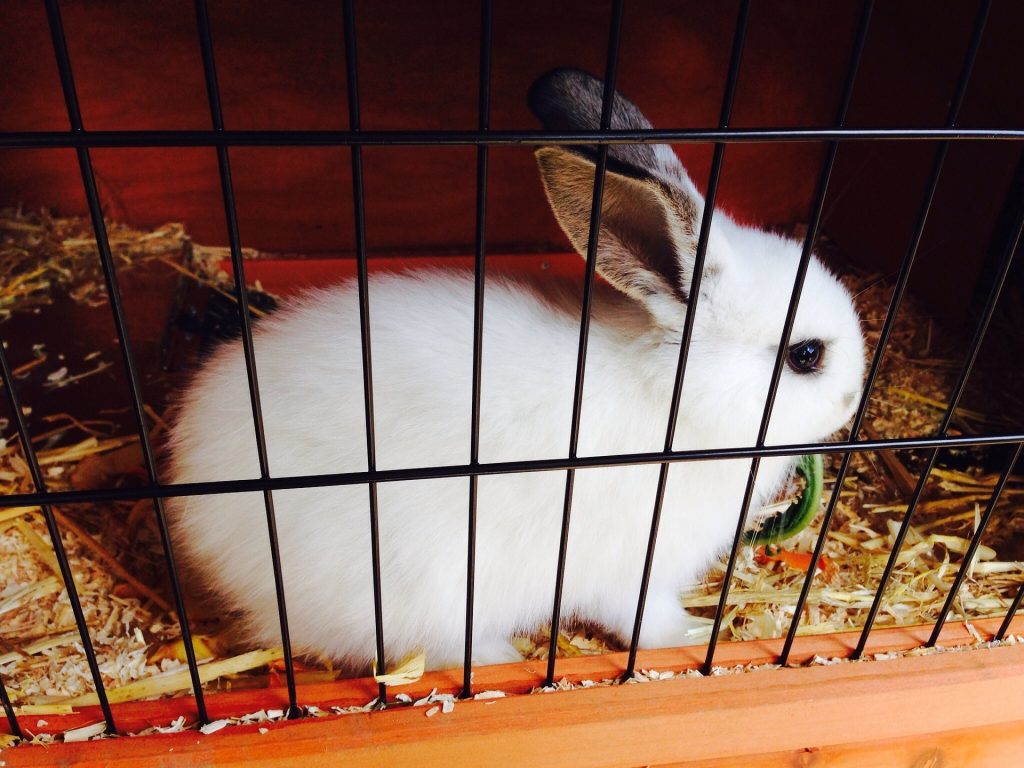
The most egregious error is confusing straw with hay. Straw is the byproduct of the grain harvest; it is a hollow, yellow tube of lignified fiber with virtually zero nutritional value. While it makes excellent bedding and insulation, it can cause impactions if a rabbit attempts to use it as a primary food source. If it looks like a shiny yellow tube, it’s straw. Don’t feed it. It offers nothing but a false sense of fullness while the rabbit’s system starves for real nutrients.
11. How to Store Hay Properly
Storing hay in your garage or a plastic bin is a recipe for disaster. Hay is an organic, living product that continues to respire even after being baled. I once experimented with sealed storage for a week; the result was a damp, hot mess that smelled like rotting compost. The moisture trapped in plastic creates a micro-climate for anaerobic bacteria and mold. If you wouldn’t sleep in a room with that smell, don’t make your rabbit eat it.
12. Storage Mistakes to Avoid
As noted in the AVMA Exotic Animal Care guidelines, proper storage prevents the buildup of environmental toxins and mold.
- Avoid Humidity: Keep hay in a cool, dry area. Humidity above 60% is an invitation for fungal growth.
- UV Light: Sunlight bleaches the chlorophyll and breaks down vital Vitamin A. Keep it dark.
- Airflow: Never seal it tight. Use canvas bags or cardboard boxes with ventilation holes.
- Elevation: Don’t put hay directly on concrete; the concrete will “wick” moisture into the bottom layer of the hay, leading to a hidden layer of rot.
13. Hay Racks and Enrichment
How you serve the hay is just as important as the quality of the hay itself. According to the Royal Veterinary College, hiding dried herbs (like parsley or rose petals) inside a hay pile triggers a rabbit’s natural foraging instinct. This environmental enrichment is vital for preventing the “monotony-induced boredom” that often leads to destructive behaviors.
In our house, we use a specific “Litter Box Hack.” Rabbits naturally graze and defecate simultaneously. By placing a hay rack directly above their clean litter box, we increased hay intake by up to 30%. It turns “bathroom time” into “snack time,” satisfying their psychological need to multi-task. This foraging behavior is essential; if a rabbit isn’t working for their food, they start working on your baseboards or power cords.
14. Signs Your Rabbit Is Eating Enough Hay
I spend an inordinate amount of time looking at rabbit droppings. It is the ultimate diagnostic tool. I remember a week where Mocha started producing small, dark, hard “peppercorns.” I realized her hay rack was slightly too high, making it a chore for her to reach the 1st cut. I lowered the rack by two inches, and within 24 hours, her “golden poops” returned.
Table 4: The Diagnostic Poop Chart
| Appearance | Biological Meaning | Action |
| Large, light, crumbly | High-fiber intake; healthy gut. | Keep it up! |
| Small, dark, hard | Low fiber; possible dehydration. | Increase hay; check water. |
| Pear-shaped/Strung | Ingested fur/Low motility. | Increase long-strand fiber. |
| Soft/Smelly (Cecotropes) | Excess sugar/protein. | Cut out fruit; reduce pellets. |
15. FAQ
What is the best hay for rabbits daily?
For the healthy adult, 2nd cut Timothy hay is the undisputed champion. It provides the abrasive texture needed for teeth and the long-strand fiber needed for the gut.
Can rabbits eat only hay?
Technically, yes, but they would eventually suffer from specific vitamin deficiencies. While hay is 80-90% of the diet, they need leafy greens for vitamins and a small amount of pellets for minerals.
What cut of Timothy hay is best?
2nd cut is the ideal balance. 1st cut is for weight loss; 3rd cut is for appetite stimulation or seniors.
Is orchard grass better than Timothy?
Nutritionally they are similar, but Orchard is a superior choice for owners with allergies.
Why won’t my rabbit eat hay?
Usually menu competition. Reduce their treats and pellets, and check for dental spurs.
16. Conclusion: The Gift of the Grind
The best rabbit food “hay game” is the most significant step you can take toward extending your rabbit’s lifespan. By focusing on the 2nd cut Timothy standard and ensuring a high-quality, fragrant supply, you are preventing the vast majority of common veterinary emergencies. Observe your rabbit’s behavior and dropping consistency—they are the ultimate diagnostic tool for your hay-buying strategy. Give your bunny the gift of the grind; their cecum will thank you.
Medical & Veterinary Disclaimer: Bunnyowners.com is an informational resource for rabbit owners and enthusiasts. We are not veterinarians. The content on this website is for educational purposes only and is not a substitute for professional veterinary advice, diagnosis, or treatment. Always consult a qualified veterinarian with any questions or concerns regarding your pet’s health, medical conditions, diet, or overall care. If you have concerns about your rabbit’s health, it’s always best to reach out to a veterinarian rather than relying solely on information found online.