
Veterinary & Affiliate Disclaimer: Bunnyowners.com shares educational rabbit care resources, not professional veterinary advice. Always consult a qualified veterinarian regarding your rabbit’s medical, dietary, or behavioral needs. This post may also contain affiliate links; as an Amazon Associate and affiliate partner, we earn from qualifying purchases at zero extra cost to you.
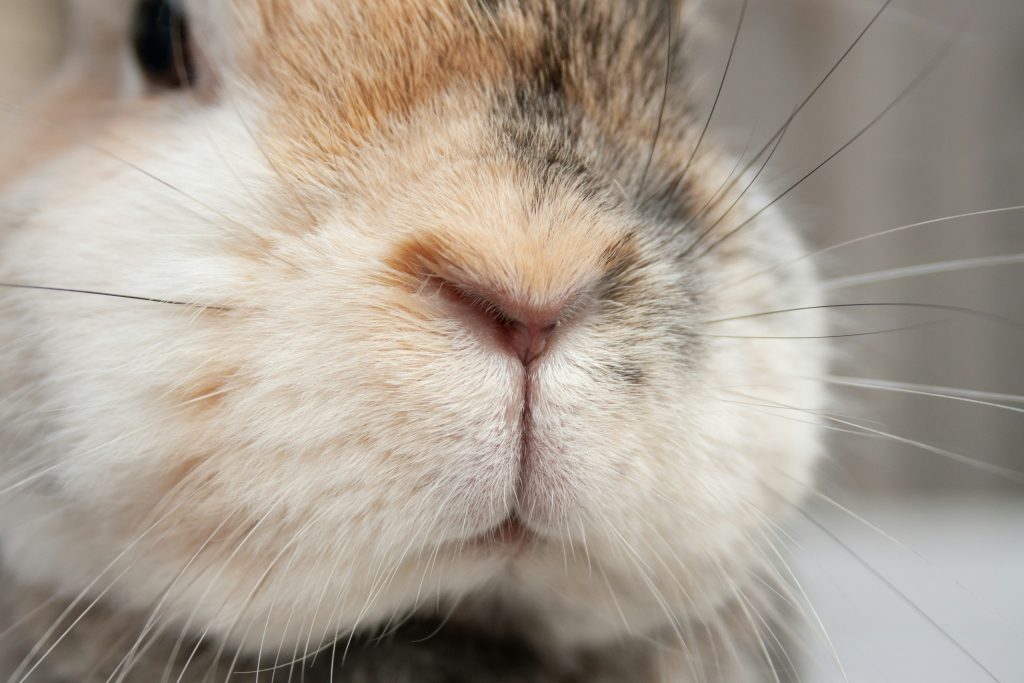
A rhythmic “achoo” from your rabbit might sound cute, but in lagomorph health, a sneeze is rarely harmless. “Snuffles” typically involves repeated sneezing, nasal discharge, noisy breathing, or matted fur on the front paws. Because rabbits instinctively hide illness to avoid appearing as prey, a minor sniffle is often a “check engine light” for a severe internal struggle. This evolutionary habit makes early detection a life-saving priority for every owner. To address the risk, you must first understand the clinical reality of the condition.
Rabbit snuffles is a bacterial upper respiratory infection that targets the sinuses and airways, often triggered by opportunistic pathogens like Pasteurella multocida. Look for telltale signs such as persistent sneezing, thick white nasal discharge, and crusted fur on the inner front paws where the rabbit has wiped its nose. Since lagomorph respiratory issues almost never resolve on their own, immediate veterinary intervention is required to prevent the infection from progressing to pneumonia or permanent sinus damage.
Unlike humans, rabbits cannot blow their noses; their narrow, convoluted turbinate structures effectively trap thick, bacterial-laden mucus. This physiological reality means a minor sneeze can rapidly escalate into chronic respiratory distress or fatal pneumonia. As a researcher of lagomorph behavior and health, I have found that the window between a “sniffle” and a medical crisis is dangerously narrow. Every sneeze must be treated as a potential breach in the rabbit’s biological defenses. To stop this progression, we must look closer at the specific signs, underlying bacterial causes, and treatment paths explored in the following sections.
1. What Is Snuffles in Rabbits?
The term “snuffles” is a bit of a linguistic relic in the rabbit community. It serves as a catch-all descriptor for a complex bacterial syndrome primarily affecting the Upper Respiratory Tract (URT). A well-informed perspective on rabbit health basics reveals it to be a persistent, opportunistic colonization that can rapidly transition from a localized infection to a systemic emergency. It is an umbrella term for rhinitis, sinusitis, and even dacryocystitis (inflammation of the tear ducts).
Rabbits have an incredibly complex nasal architecture. Their sinuses are not just empty air pockets; they are filled with delicate, scroll-like bones called turbinates. These structures are designed to warm and filter air, but they also provide a vast surface area for bacteria to take hold.
Once an infection enters these turbinates, it can become deep-seated and difficult for antibiotics to penetrate effectively. The high vascularity of this area means that while the body can send immune cells quickly, the bacteria can also use these same “highways” to migrate to other vital organs.
The “snuffles” is rarely a one-location disease. Because the nasolacrimal ducts (tear ducts), the eustachian tubes (ears), and the trachea (windpipe) are all interconnected within a relatively small skull, a nasal infection can quickly morph into a middle ear infection or pneumonia.
This interconnectedness is why a “snuffling” rabbit often presents with “weepy” eyes or a slight tilt of the head. The bacterial colonies often produce a biofilm—a sticky, protective matrix—that shields them from both the rabbit’s natural antibodies and many standard medications. For more on the complex anatomy of lagomorphs, the House Rabbit Society offers extensive anatomical diagrams and health briefs.
2. Symptoms of Respiratory Infection in Rabbits
Identifying the symptoms of snuffles requires more than a casual glance; it requires a systematic observation of the rabbit’s daily routines and physiological outputs. Because rabbits are obligate nasal breathers—meaning they physically struggle to breathe through their mouths—any obstruction in the nose is a high-stakes event.
Early Signs of Snuffles
In the initial stages, the body is attempting to flush out the irritant or pathogen. You may notice persistent sneezing: unlike the single “dust sneeze,” these are often episodic, happening several times in a row. Clear serous discharge makes the nose look perpetually “wet,” whereas in healthy rabbits, the nose is dry or only slightly cool to the touch.
You may also see epiphora (watery eyes); when the nasal passages swell, the tear ducts can become compressed. Tears then overflow onto the face rather than draining into the nose, creating distinct “tear stains.”
Moderate Symptoms
As the bacterial load increases and the immune system begins a full-scale inflammatory response, the symptoms shift from irritants to obstructions. In focused observations of house rabbits, moderate symptoms often correlate with a decrease in activity frequency, as the energy required to maintain oxygen levels increases.
Purulent discharge sees the mucus transition from clear to a thick, creamy white. This is “rabbit pus,” and it has a toothpaste-like consistency that the rabbit cannot easily sneeze out. Audible congestion—”snuffling” or “rattling” sounds during rest—indicates that the air is forcing its way through narrowed, mucus-filled passages. A congested rabbit loses their sense of smell, leading directly to a behavioral habits change where the rabbit refuses to eat hay.
Severe Symptoms
The severe stage indicates that the infection has likely breached the lower respiratory tract or is causing acute oxygen deprivation.
Table 1: The Snuffles Severity Index
| Stage | Primary Nasal Symptom | Behavioral Impact | Risk Level |
|---|---|---|---|
| Early | Clear, watery discharge | Normal appetite; occasional sneezing | Low; monitor closely |
| Moderate | Thick, white or yellow mucus | Reduced activity; matted paws | Moderate; vet visit needed |
| Severe | Labored/Open-mouth breathing | Total refusal to eat; blue gums | Critical; emergency care |
Severe symptoms include “Air Hunger,” where the rabbit will tilt its nose toward the ceiling in an attempt to straighten the trachea and maximize air intake. Cyanosis (a blue or purple tint in the gums or tongue) indicates a critical lack of oxygen. Finally, open-mouth breathing is a terminal sign in rabbits. If a rabbit is gasping with its mouth open, it is in a state of respiratory collapse and requires immediate oxygen therapy.
3. Why Rabbits Get Dirty Front Paws
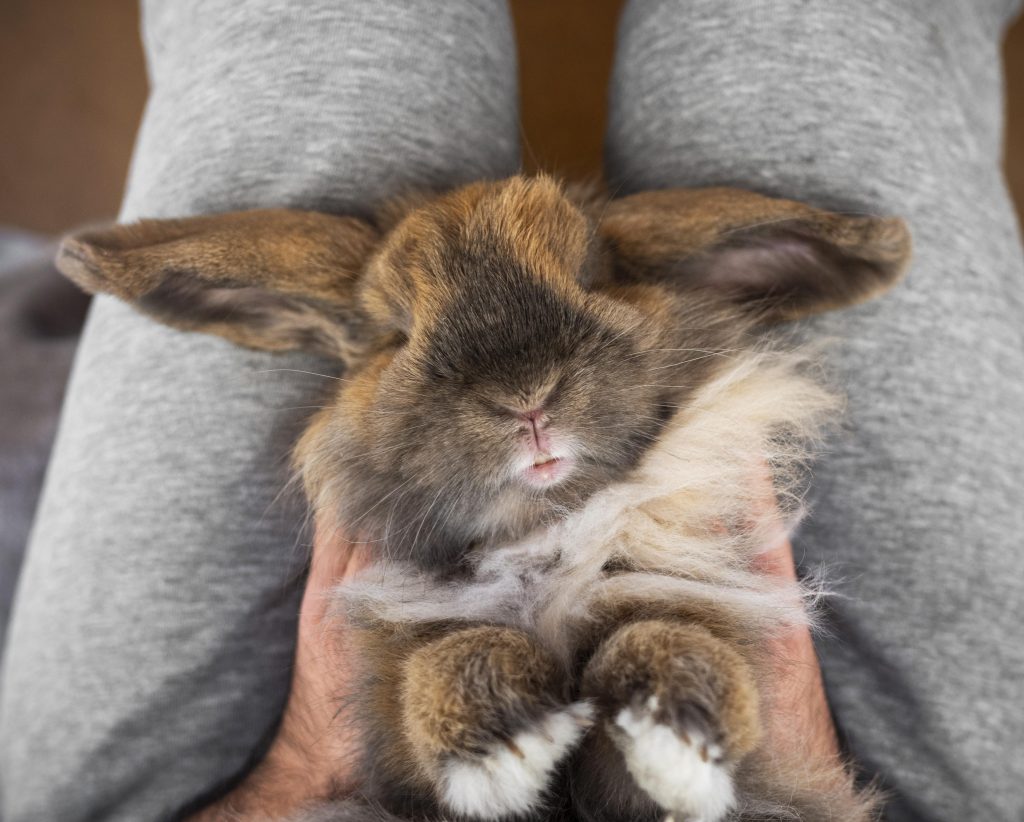
One of the most diagnostic behaviors of the house rabbit is their fastidious grooming. Rabbits do not like being dirty. When their nose begins to leak, they use their front paws as a biological tissue. They will reach up, swipe their nose with the inside of their forelimbs, and then lick the paws clean. This repetitive motion is instinctive, meant to keep the scent-glands and nostrils clear.
However, as the infection progresses and the mucus becomes thick and “cheesy,” the rabbit can no longer lick it away effectively. The mucus dries into the fur, creating a “wicking” effect that pulls more moisture into the area. This leads to the “matted paw” symptom, where the fur appears “spiky” or crusted. In chronic cases, the constant presence of bacteria on the skin can lead to fur loss in that specific region.
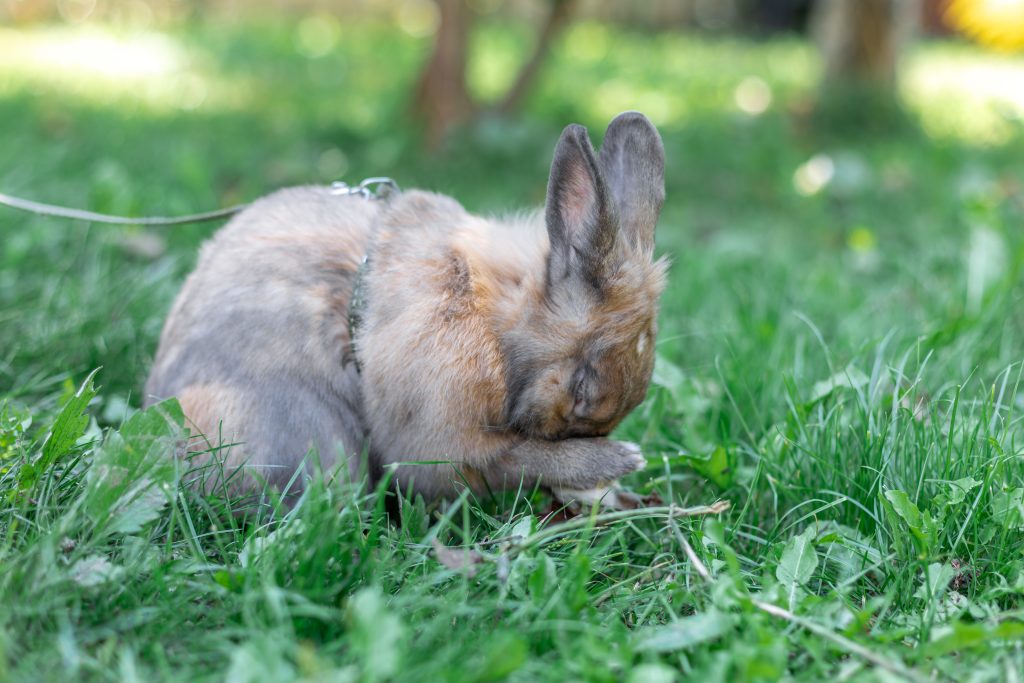
Observing a rabbit reveals they may “wash” their face more frequently than usual as an attempt to clear the airway. Over time, the constant moisture can lead to pododermatitis (sore hocks) on the front paws or localized dermatitis.
This “paw sign” is often visible even when the rabbit is not currently sneezing, making it a vital clue for owners who might miss the active sneezing fits. For a deep dive into rabbit health and grooming standards, PetMD provides comprehensive guides on identifying these subtle lagomorph-specific shifts.
4. What Causes Respiratory Infections in Rabbits?
Understanding the “why” behind snuffles requires looking at the intersection of microbiology and environmental science. The infection is rarely caused by a single factor but is usually the result of a suppressed immune system meeting a persistent pathogen.
Pasteurella multocida
This bacterium is the primary antagonist in most snuffles cases. It is a Gram-negative bacterium that is remarkably well-adapted to the rabbit’s respiratory tract. Many rabbits are asymptomatic carriers; they harbor the bacteria in their tonsils or upper airways, but their immune system keeps the population in check. It is only when the immune system is compromised—through stress, poor diet, or old age—that the bacteria multiply.
The Bacterial Profile
While Pasteurella is the most famous, it rarely works alone. Secondary invaders often exacerbate the condition, making it harder to treat with a single antibiotic.
Table 2: Pathogen Profile in Lagomorph Respiratory Disease
| Pathogen | Common Source | Clinical Impact | Persistence |
|---|---|---|---|
| Pasteurella multocida | Endogenous (carried in tonsils) | Primary cause of URT infection | High; tends to recur |
| Bordetella bronchiseptica | Contact with other pets | Paralyzes respiratory cilia | High; aids Pasteurella |
| Staphylococcus aureus | Environmental/Skin | Leads to deep-seated abscesses | Very High; antibiotic resistant |
| Pseudomonas | Contaminated water/surfaces | Causes severe tissue damage | Extreme; requires specific meds |
Bordetella bronchiseptica can paralyze the cilia (the tiny hairs that sweep mucus out of the lungs), making it easier for Pasteurella to descend. Staphylococcus and Pseudomonas are often found in chronic cases and can be resistant to common antibiotics, requiring more specialized treatment protocols.
Environmental Catalysts
The rabbit’s respiratory lining is incredibly sensitive. One of the biggest culprits is ammonia. When rabbit urine breaks down in a litter box, it releases ammonia gas. If the litter box is not cleaned frequently or the ventilation is poor, this gas burns the delicate mucosal lining of the nose.
This “chemical burn” provides the perfect entry point for bacteria. Research indicates that even low levels of ammonia (above 20 ppm) can significantly impair the rabbit’s natural defense mechanisms. Dusty hay is another factor; the micro-particles can act as “transport vehicles” for bacteria to enter the deeper sinuses.
5. Is Rabbit Snuffles Contagious?
The contagiousness of snuffles is a major concern for multi-rabbit households. The bacteria are shed through nasal secretions, and transmission occurs through direct contact (grooming), shared food bowls, or aerosolization during a sneezing fit. Even a small change in environment—like a new piece of furniture—can cause a “stress flare” that increases bacterial shedding in a carrier rabbit.
From a social perspective, rabbits are deeply communal. Their “allogrooming” (grooming each other) is the cornerstone of their bond. However, this same bond is a super-highway for bacteria. In my own observations of Mocha and Chino, I have seen how their “allogrooming” is the cornerstone of their bond; however, if Mocha were to develop an active infection, Chino’s habit of grooming her face would put him at immediate risk. The bacteria can survive on surfaces like water crocks or wooden toys for several hours in the right conditions.
While many rabbits in a pair may both be carriers, the one with the weaker immune system is usually the first to show symptoms. In high-density environments like shelters or “bunny rooms,” the infection can spread like wildfire.
While it is rare for these specific bacteria to jump to humans, the American Veterinary Medical Association (AVMA) emphasizes that maintaining high hygiene standards is essential. Handwashing between handling sick and healthy rabbits is a non-negotiable protocol.
6. When Rabbit Sneezing Is NOT Snuffles
One must avoid “diagnostic tunnel vision.” Not every sneeze is bacterial snuffles. Differentiating between an environmental irritant and a bacterial invasion is key to preventing over-medication.
Table 3: Irritant vs. Infection Diagnostic Matrix
| Feature | Environmental Irritation | Bacterial Snuffles (Infection) |
|---|---|---|
| Discharge Type | Absent or clear/watery | Thick, white, or creamy |
| Sneezing Frequency | Sporadic (tied to specific event) | Persistent (occurs throughout day) |
| Appetite | Normal | Often reduced or selective |
| Eye Involvement | Rare | Common (watery or pus-filled) |
| Front Paws | Clean | Matted or crusted fur |
Environmental irritants like strong perfumes, cleaning chemicals (like bleach or ammonia-based sprays), and even wood shavings can cause “vasomotor rhinitis.” Pine and cedar contain phenols which can irritate the lungs and even affect liver enzymes.
True “pollen allergies” are less common in rabbits than humans, but they can react to specific hay types or dust mites. Finally, foreign bodies like hay “seed heads” can get lodged in a nostril, causing sudden, violent, localized sneezing. If the sneezing starts suddenly after a fresh bag of hay is opened, a foreign body should be the primary suspicion.
7. What Does Rabbit Nasal Discharge Look Like?
The consistency of nasal discharge is like a “biological report card” of what is happening inside the sinuses. It provides immediate feedback on the state of the immune response.
Table 4: Diagnostic Significance of Nasal Discharge
| Appearance | Biological Context | Common Condition |
|---|---|---|
| Serous (Clear) | Early inflammatory response | Hay dust, early infection, or allergies |
| Mucoid (White) | High heterophil presence | Active bacterial snuffles |
| Purulent (Yellow) | Advanced/Chronic infection | Sinusitis or dental abscess |
| Sanguineous (Bloody) | Tissue trauma | Foreign body (hay) or severe tumors |
Clear/watery discharge is often the body’s attempt to “flush” an irritant, lacking the “cheesy” texture found in more advanced cases. White and creamy discharge is the signature of a rabbit bacterial infection; because rabbits lack the enzyme needed to “liquefy” pus, it becomes a thick, sticky paste.
Yellow or greenish discharge indicates a chronic or very aggressive infection, suggesting that the infection has likely invaded deeper tissues or bone. If discharge is only coming from one nostril, it is a massive diagnostic indicator for a deep-seated jaw issue where an infected tooth root has compromised the sinus, requiring an evaluation for overgrown teeth and dental disease.
8. How Veterinarians Diagnose Snuffles in Rabbits
Diagnosing a rabbit requires a specialized “Exotic” veterinarian. A standard dog-and-cat vet may not have the equipment to peer into a rabbit’s narrow ear canals or the expertise to interpret their unique blood chemistry. The rabbit’s physiology is so distinct that a “generalist” approach often misses the nuance.
The diagnostic process typically involves a Culture and Sensitivity (C&S) test, where the vet swabs the nasal passage to identify the specific bacteria and the correct antibiotic. Imaging via X-rays is vital to check the tooth roots and the tympanic bullae (ears).
For a definitive look at the turbinates, a CT scan is the gold standard, as it can show the “cheesy” pus trapped within the bone—something that rarely shows up clearly on standard X-rays. Auscultation (using a stethoscope) is used to ensure the infection hasn’t moved into the lungs. Detailed diagnostic protocols can be found on VCA Hospitals’ rabbit health pages.
9. Treatment for Respiratory Infection in Rabbits
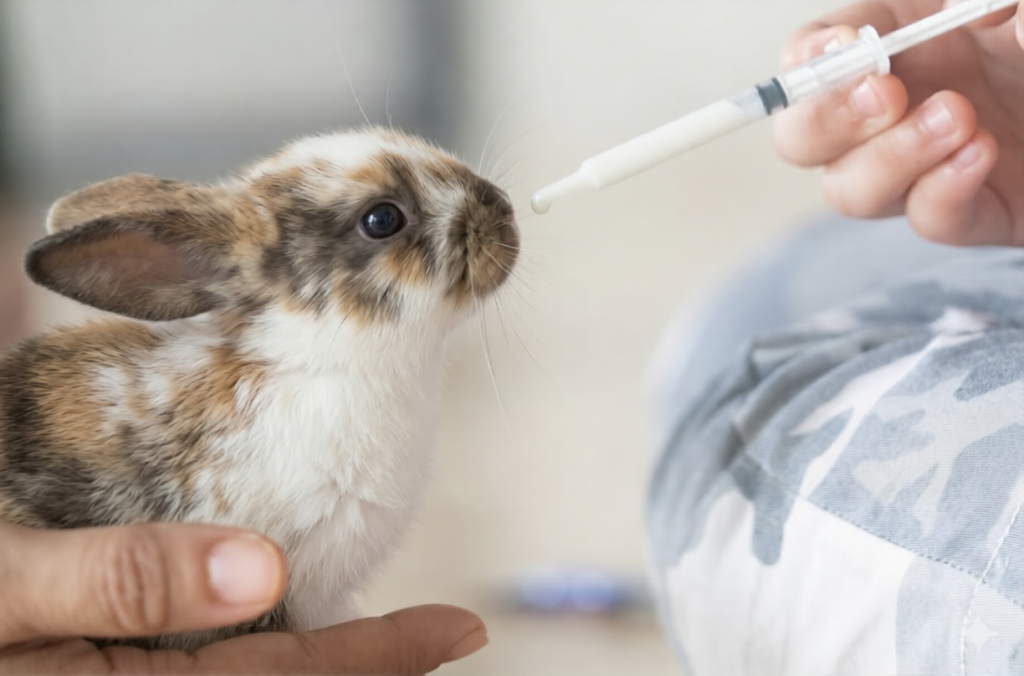
Treatment is multifaceted and must address both the bacteria and the rabbit’s comfort. Adhering to strict medication schedules is required to prevent the bacteria from developing a resistance.
Table 5: Common Medical Interventions and Rationale
| Treatment Type | Specific Medication/Method | Rationale |
|---|---|---|
| Antibiotics | Enrofloxacin, Azithromycin | Kills/Inhibits bacterial growth |
| NSAIDs | Meloxicam | Reduces inflammation and pain |
| Nebulization | Saline + Gentamicin mist | Delivers medicine directly to sinuses |
| Probiotics | Bene-Bac / Fiber supplements | Supports gut health during antibiotics |
Rabbit-safe antibiotics are critical, as many common antibiotics (like amoxicillin) are fatal to rabbits because they destroy the “good” gut bacteria. Nebulization—turning liquid medication into a fine mist—is the only effective way to get moisture and medicine deep into the scroll-like turbinates.
Using a rabbit-safe anti-inflammatory like Meloxicam helps reduce the swelling in the nose, which encourages the rabbit to breathe easier and continue eating. For those using a recovery diet, syringe feeding may be necessary to maintain energy levels.
10. Can Rabbit Snuffles Go Away on Its Own?
It is a common misconception that a “mild cold” will just pass. In the world of lagomorph medicine, this is a dangerous gamble. Because of the heterophilic nature of their pus, rabbits have a very hard time “resolving” a bacterial infection. Their immune cells are great at attacking, but they lack the tools to liquefy the dead cells and flush them out.
The pus acts as a reservoir for the bacteria; even if the rabbit’s immune system kills 90% of the invaders, the remaining 10% are tucked away in a “pus pocket” where they can multiply and flare up again. This is why “snuffles” so often becomes chronic.
Untreated snuffles often leads to permanent scarring of the nasal passages, making the rabbit a “chronic snuffler” for the rest of its life. If the bacteria reach the lungs, the mortality rate increases exponentially due to the rabbit’s limited lung capacity.
11. Home Care for a Rabbit With Snuffles
In my experience with Mocha and Chino, providing highly aromatic, wet greens can entice a congested rabbit to keep their GI tract moving; when Mocha once showed signs of congestion, I offered bruised herbs like fresh mint and oregano to break through the congestion and stimulate her appetite. Keeping the internal digestive loop moving prevents the rabbit from becoming dehydrated, constipated, or unable to poop.
Keeping a clean, soft cloth dampened with warm water to gently wipe away the “crusties” from the nose helps the rabbit feel less stressed. Hydration is also vital, as water thins out mucus. Providing both a bowl and a bottle, perhaps adding a splash of unsweetened apple juice to the water, can encourage them to drink more. Finally, ensuring a stable temperature and avoiding drafts ensures the rabbit can put all its energy into its immune system.
12. Emergency Signs That Require Immediate Veterinary Care
One must be able to identify the “tipping point” where home care is no longer sufficient. If you see any of the following, do not wait for your scheduled appointment:
- The “Gasp”: Any sign of breathing through the mouth, often with the lips pulled back.
- Extreme Lethargy: If the rabbit is “floppy” or doesn’t respond to their favorite treat.
- Hypothermia: If their ears feel cold and they are huddled in a ball, their body may be in shock.
- Abdominal Breathing: If the sides of the rabbit are heaving violently, it indicates the lungs are compromised. This is a clinical emergency that carries an imminent risk of acute respiratory failure or sudden death.
13. Recovery and Long-Term Outlook
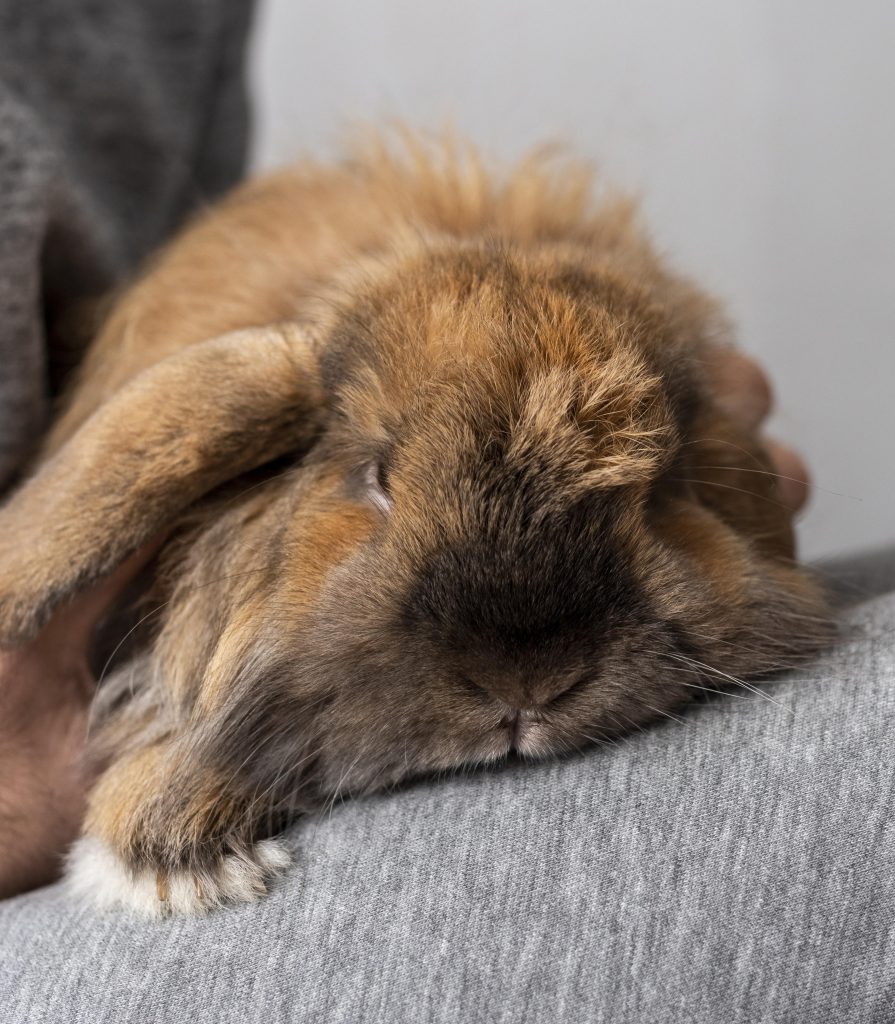
Recovery from snuffles is a slow process that requires patience and precise tracking. Monitoring the “Sneeze Count” daily is a good way to note trends. A successful recovery sees a gradual decline in sneezing and a return to a dry, clean nose.
However, some rabbits become “Career Snufflers.” In these cases, the bacteria have caused permanent damage or have become “walled off” in a way medicine can’t reach. Management for these special-needs bunnies involves regular nebulization sessions (often 2-3 times a week) and a pristine, dust-free environment.
Long-term management strategies and veterinary considerations for chronic cases are frequently detailed by VCA Animal Hospitals, especially regarding the need to control environmental stress and manage recurrent flare-ups over a rabbit’s lifespan.
14. How to Help Prevent Respiratory Infections in Rabbits
Prevention is far easier than eradication. Eliminating fine dust by taking hay outside and shaking it out before feeding removes a major respiratory irritant. Managing litter by changing “pee spots” daily prevents the ammonia buildup that paralyzes the respiratory cilia.
Ensuring that the rabbit’s area has good airflow and avoiding “plastic tub” style cages which trap humid, ammonia-filled air is also essential. A healthy gut equals a healthy immune system, so ensuring 80% of the diet is built around a protective high-fiber diet plan to prevent stasis is non-negotiable.
Establishing these baseline environmental and nutritional standards is a core focus of my complete rabbit health guide , as prevention is always cheaper—and far less stressful—than a course of exotic antibiotics. The AVMA also provides excellent checklists for maintaining a bio-secure and healthy home environment for rabbits. These environmental protocols are the baseline of expert lagomorph husbandry.
15. Essential Respiratory FAQs
Can rabbits survive snuffles?
Yes. Many rabbits recover with early veterinary treatment, although some develop chronic respiratory issues. Success depends on catching the infection before it reaches the lungs.
Why is my rabbit sneezing but acting normal?
Mild irritation or early infection may cause sneezing before other symptoms appear. Persistent sneezing should still be evaluated, as “acting normal” is a rabbit’s survival mechanism.
Is rabbit snuffles fatal?
It can become fatal if severe infection progresses to pneumonia, leads to a total loss of appetite, or results in respiratory failure.
Can indoor rabbits get respiratory infections?
Yes. Indoor rabbits can develop bacterial respiratory infections, especially in dusty or poorly ventilated environments where household irritants are concentrated.
Why does my rabbit sound congested?
Congestion in rabbits results from mucus buildup caused by infection or inflammation. Because they cannot mouth-breathe easily, this sound is a sign of significant airway restriction.
How long does rabbit snuffles last?
Some rabbits improve within weeks of treatment, while chronic cases may flare up repeatedly throughout life, especially during seasonal changes or stress.
16. The Bottom Line: Your Action Plan for a Snuffle-Free Future
Addressing “snuffles” requires shifting from passive observation to active environmental monitoring. While the name sounds mild, the bacterial reality is a life-threatening challenge for an animal that naturally hides weakness. Early intervention—at the very first sneeze or matted paw—is the only way to prevent a chronic cycle of illness.
By maintaining pristine air quality and acting quickly, you aren’t just treating a symptom; you are preserving your rabbit’s future. Treat every sneeze with clinical gravity to ensure your companion enjoys a full, healthy lifespan. For those looking for further reading, the Merck Veterinary Manual offers professional-grade guidelines on exotic respiratory disease.
Medical & Veterinary Disclaimer: Bunnyowners.com is an informational resource for rabbit owners and enthusiasts. We are not veterinarians. The content on this website is for educational purposes only and is not a substitute for professional veterinary advice, diagnosis, or treatment. Always consult a qualified veterinarian with any questions or concerns regarding your pet’s health, medical conditions, diet, or overall care. If you have concerns about your rabbit’s health, it’s always best to reach out to a veterinarian rather than relying solely on information found online.