
Veterinary & Affiliate Disclaimer: Bunnyowners.com shares educational rabbit care resources, not professional veterinary advice. Always consult a qualified veterinarian regarding your rabbit’s medical, dietary, or behavioral needs. This post may also contain affiliate links; as an Amazon Associate and affiliate partner, we earn from qualifying purchases at zero extra cost to you.
Let’s be real: wild rabbits aren’t waiting for a bowl of uniform brown nuggets. They forage a massive variety of fresh, mineral-heavy vegetation. Indoors, they are captive consumers of dried grass. While hay drives gut motility, it loses its vitamin potency the moment it’s harvested. Pellets aren’t the “main course”—they are a high-density insurance policy bridging the gap between store-bought hay and the wild. But with pet store shelves packed with sugary junk disguised as premium nutrition, how do you know which bag to actually trust?
The best rabbit pellets are Timothy-based, high in fiber (18–25%), and low in protein (12–14%). For an adult rabbit, the formula must be homogenous and extruded to prevent selective feeding behavior. Avoid “muesli” mixes containing seeds, corn, or colorful additives, as these disrupt the cecal pH and lead to systemic obesity, metabolic imbalance, and severe dental disease.
As the lead researcher at bunnyowners.com, I’ve spent more time than I’d like to admit looking at the metabolic “why” behind feeding standards. My goal is to give you a blueprint based on biological reality, not whatever marketing fluff the pet store is pushing this week. If you want to ditch the sales talk and see the hard data, check out my rabbit diet and food research guides. I skip the marketing fluff and get straight into the chemical and mechanical “why” behind every bag on the shelf.
1. Do Rabbits Need Pellets?
Technically, a rabbit can survive on a pellet-free diet, but it requires a level of botanical expertise that most owners simply don’t have. Within the broader scope of selecting the best rabbit food, domestic hay is often limited to one or two grass species; pellets provide a concentrated “nutrient packet” to fill the resulting void. They provide essential Vitamin D, Vitamin E, and Selenium—minerals that are often depleted in hay that has been sitting in a warehouse for months.
Indoor rabbits are particularly vulnerable to Vitamin D deficiencies because they lack direct exposure to UV-B radiation. Without this, their ability to regulate calcium is compromised, leading to brittle bones and dental resorption. Think of pellets as a multivitamin: you don’t live on vitamins, but they stop your “internal machinery” from developing metabolic creaks. According to the VCA Animal Hospitals clinical feeding guide, pellets should never exceed 5% of the total daily caloric intake to avoid displacing essential long-stem fiber.
The Bio-availability Factor Unlike fresh forage, where vitamins are bound in complex plant matrices, the vitamins in high-quality pellets are formulated for high bio-availability. This means the rabbit’s small intestine can absorb them efficiently before the remaining material enters the cecum for fermentation. Without this concentrated intake, a domestic rabbit would need to consume an impossibly large volume of varied greens to meet their baseline requirements for trace elements.
Essential Vitamins and Minerals
| Mineral/Vitamin | Biological Function | Deficiency Risk |
|---|---|---|
| Vitamin D | Regulates calcium/phosphorus absorption | Rickets, dental resorption, weak bones |
| Vitamin E | Antioxidant; protects cell membranes | Muscular dystrophy, immune failure |
| Selenium | Works with Vit E for cellular defense | White muscle disease, reproductive issues |
| Zinc | Protein synthesis and skin integrity | Dermatitis, poor coat, slow wound healing |
2. What to Look for in a Quality Pellet
A high-quality pellet is defined by its ability to provide structural fiber without a massive caloric load. Most owners look at “Crude Fiber,” but a researcher looks at the quality of that fiber and the processing method.
- Fiber (The Mechanical Broom): Look for a minimum of 18% crude fiber. This provides the indigestible bulk required to keep the “conveyor belt” of the gut moving.
- Protein Levels: Adult rabbits are metabolic “slow-burners” needing only 12–14% protein. Excess protein taxes the kidneys and results in “stinky” urine—that ammonia smell is usually a sign of excess protein being flushed out.
- The First Ingredient: It HAS to be grass meal (Timothy, Orchard, or Meadow grass). If the first ingredient is Alfalfa and your rabbit is an adult, put it back.
- Extrusion vs. Milling: Extruded pellets are cooked under pressure, which gelatinizes starches. This makes them easier to digest and ensures every bite is nutritionally identical, eliminating “selective feeding” where a rabbit picks out the tasty bits.
3. Extruded Pellets vs. Muesli Mixes
Muesli mixes are the fast-food drive-thru of the rabbit world. From an evolutionary standpoint, rabbits are programmed to forage for the highest-calorie items first to survive. In a domestic setting, this means they will gorge on the starchy corn and seeds, ignoring the healthy, fibrous pellets.
The clinical result of muesli feeding is catastrophic. According to research conducted by the PDSA, rabbits fed muesli-style diets have a significantly higher incidence of dental disease because they aren’t grinding their teeth on enough fiber. Furthermore, the high sugar content alters the pH of the cecum, allowing opportunistic pathogens like Clostridium to bloom, leading to fatal enterotoxemia.
The Starch Barrier
Rabbits have very limited capacity to digest starch in the small intestine. When a rabbit eats corn from a muesli mix, that starch passes largely untouched into the cecum. There, it acts as high-octane fuel for gas-producing bacteria. Because rabbits cannot belch or vomit, this gas becomes trapped, causing painful bloat and potentially leading to a total GI shutdown.
4. Best Rabbit Pellets on the Market
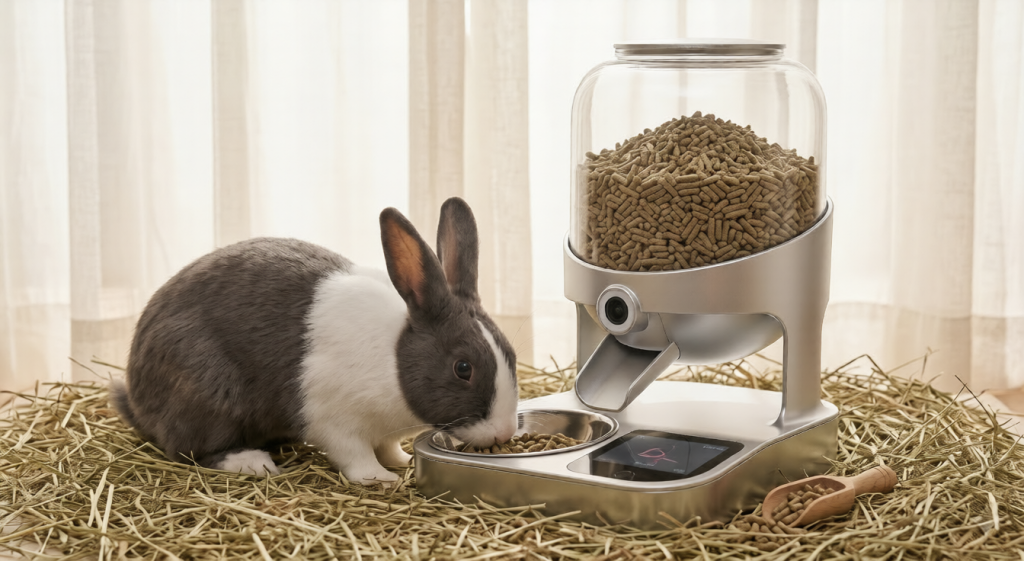
To shop like a researcher, you must ignore the “cute bunny” marketing on the front of the bag and head straight for the guaranteed analysis on the back. Based on metabolic profiles, fiber-to-protein ratios, and manufacturing quality, these are the top-tier selections currently dominating the research-backed pet market.
Best Overall: Oxbow Essentials Adult Rabbit Food This is the “Old Faithful” of the rabbit world and the clinical gold standard for the average adult. Timothy grass meal is the primary ingredient, and the uniform, extruded nuggets prevent selective feeding. It hits the precise 2:1 calcium-to-phosphorus ratio required to maintain bone density without turning their bladder into a sludge pit. With a crude fiber minimum of 25%, it provides the necessary “mechanical broom” for optimal gut transit.
Best Budget: Mazuri Timothy-Based Rabbit Diet Affordability does not have to indicate a lack of nutritional value. Mazuri is heavily committed to exotic animal research, and their Timothy-based formula offers a balanced, high-fiber profile at a lower price point. While it is slightly lower in fiber than our top pick, it remains free from corn and seeds, making it a safe, data-backed choice for owners managing a large warren on a budget.
Best for Baby Rabbits: Oxbow Essentials Young Rabbit Food For rabbits under six months, the metabolic priority is explosive growth. This formula utilizes an Alfalfa hay base to provide the elevated protein (15%) and calcium levels necessary for skeletal development. It is specifically designed to transition to the adult formula at the 6-month mark, preventing the long-term renal strain associated with adult Alfalfa consumption.
Best for Sensitive Digestion: Sherwood Pet Health Adult Rabbit Food If your rabbit is prone to “poopy butt” or frequent digestive slowdowns, Sherwood is frequently cited in researcher circles for its ultra-clean ingredient list. They often eliminate grain-based binders like soybean hulls or wheat middlings entirely. This “grain-free” approach is a primary clinical tool for stabilizing the cecal pH in rabbits with extreme metabolic sensitivity.
Quick Insight: Which brands represent the healthiest rabbit pellets? The gold standard for rabbit health involves Timothy-based formulas with at least 18% fiber and a capped protein level of 14%. Highly rated brands like Oxbow, Sherwood, and Small Pet Select lead the industry by avoiding the “muesli” trap of added seeds and sugars, focusing instead on nutritional uniformity through extrusion.
5. How Many Pellets to Feed Your Rabbit
Overfeeding is the #1 mistake in rabbit husbandry. Pellets are calorie-dense; it’s easy to accidentally turn your rabbit into a “metabolic potato.” If they’re too full of pellets, they won’t eat their hay, which is the baseline for dental health. A researcher’s goal is to find the minimum effective dose. For more precise portioning, consult the MSU Extension rabbit tracking guide.
Daily Portion Guidelines
| Rabbit Weight | Daily Pellet Ration | Clinical Rationale |
|---|---|---|
| 2–4 lbs (Dwarf) | 1/8 Cup | High surface-to-volume ratio requires precision |
| 5–7 lbs (Standard) | 1/4 Cup | Balanced micronutrient maintenance |
| 8–10+ lbs (Giant) | 1/2 Cup | Supports larger skeletal frames |
6. Choosing Pellets by Age (Baby vs. Adult)
A rabbit’s metabolism is a moving target. What fuels a kit will eventually compromise the renal health of an adult.
- Kits (Under 6 months): Require Alfalfa-based pellets. Alfalfa is a legume rich in the protein and calcium needed for explosive bone growth and muscle development. Kits have “open” growth plates that require a constant mineral influx to harden properly.
- Adults (1–7 years): Must be transitioned to Timothy-based pellets. Adults are “passive absorbers” of calcium—they take in nearly everything they eat, and their kidneys have to do 100% of the filtering work. High calcium for an adult is just a recipe for bladder stones.
- Seniors (7+ years): Aging rabbits often suffer from sarcopenia (muscle wasting). If your senior is losing weight, you may need to re-introduce a small percentage of Alfalfa-based pellets to maintain their body condition, as suggested by AVMA small mammal guidelines.
Pellet Guide by Age
| Life Stage | Primary Base | Protein Goal | Calcium Goal |
|---|---|---|---|
| Kit (< 6 months) | Alfalfa | 15–16% | High (Growth Support) |
| Adult (1–7 years) | Timothy | 12–14% | Low (Maintenance) |
| Senior (7+ years) | Variable | 13–14% | Moderate (Sarcopenia) |
7. How to Store Pellets Safely
Pellets are fortified with vitamins that are highly susceptible to photolysis (light damage) and oxidation (air damage). If you leave your pellet bag open or sitting in a clear container in the sun, the UV rays break down the molecular structure of the vitamins, essentially turning the pellets into “hollow calories.” Vitamin E and Vitamin A are the most volatile; once they oxidize, they lose their antioxidant properties.
The Mycotoxin Risk
Humidity is the enemy. Storing pellets in a damp garage encourages the growth of microscopic molds. These molds produce mycotoxins—poisonous chemical byproducts like Aflatoxin—that can cause acute liver failure. These toxins are invisible and odorless but extremely heat-stable. Always store your pellets in an airtight, opaque bin in a cool, dry pantry. If the pellets smell “dusty” or stale, they are likely oxidized and should be discarded.
8. How to Switch Pellet Brands Safely
Rabbits have digestive systems that hate change. Switching pellets too fast can cause the beneficial bacteria to die off, triggering a “gut shock” that leads to bloat or stasis. A strict 14-day protocol is the researcher’s preferred method and the standard for preventing digestive upset.
Observation Log: I’ve quantified the risks of rapid dietary shifts through consistent monitoring of my rabbits Mocha and Chino. When transitioning to a new batch of pellets, I utilize a strict 14-day protocol to ensure their cecal microbiome—the engine of the rabbit—doesn’t stall. I began with a 75% old / 25% new mix for the first 4 days. By day seven, we hit the 50/50 split. Only if fecal diameter remains consistent do we move to the final 100% transition. This allows the intestinal enzymes to adapt without triggering a pH crash.
9. Why You Should Stop Using Food Bowls
Just dumping pellets in a bowl is a wasted opportunity. In the wild, rabbits spend up to 70% of waking hours foraging. Bowl feeding creates “lazy” foragers who are more prone to behavioral issues. Evidence from studies on rabbit microbiota and behavior suggests that active foraging correlates with better overall gut health and lower cortisol (stress) levels.
Foraging Mechanics: Mocha and Chino I noticed a huge shift in Mocha and Chino when I ditched the bowls for foraging mats and treat balls. It turns a 30-second meal into a 20-minute cognitive workout. Since we started this “active feeding” strategy, Mocha has shown increased engagement with her hay—probably because her brain is already in “forage mode” from working for her pellets. This keeps their cortisol levels low and their environmental engagement high.
10. Understanding the Calcium-to-Phosphorus Ratio
Forget the branding—the only metric that actually counts is the Ca:P ratio. Rabbits absorb calcium passively, taking in almost everything present in the gut. An ideal ratio is 2:1 (Calcium to Phosphorus).
If the phosphorus level in a pellet is too high relative to calcium, it triggers the parathyroid to leach calcium out of the rabbit’s own jawbone to balance the blood levels. This demineralization leads to “bone softening,” causing tooth roots to “sink” into the skull, resulting in incurable abscesses. Always verify the mineral levels against the House Rabbit Society’s nutritional standards.
11. Bad Ingredients to Avoid
The pet food industry loves fillers because they are cheap. Your rabbit’s gut doesn’t. Many “gourmet” mixes are loaded with ingredients that a lagomorph’s hindgut simply cannot process. Reference the Pasadena Humane guide on safe and unsafe ingredients before buying a new brand to ensure you aren’t bringing home hidden toxins.
Table 4: Bad Ingredients to Avoid
| Component | Metabolic Impact | Researcher Rating |
|---|---|---|
| Dried Fruit | Osmotic diarrhea, gas | High Sugar/Toxic |
| Cereal By-products | Cecal dysbiosis, lactic acid | High Risk |
| Molasses / Honey | Dental caries, obesity | Avoid |
| Seeds and Corn | Enterotoxemia, fatal bloat | Extreme Danger |
12. Health Signs of a Bad Diet
If the diet is misfiring, the “clinical report card” will be in the litter box.
- Small, dark “peppercorns”: This visual indicator typically signals dehydration or a severe lack of indigestible fiber. The pellets may be displacing too much hay.
- Soft, smelly “mush”: Often mistaken for diarrhea, these are actually unconsumed cecotropes. This is usually caused by overfeeding pellets; the rabbit is simply too full of calories to perform the vital act of cecotrophy.
- Lethargy: If your rabbit isn’t excited about their pellets, it’s a major red flag. For a full breakdown of recognizing digestive failure, see the VCA Animal Hospitals clinical guide on GI stasis.
13. How Pellets Are Made
While I have focused on extrusion, the binders used in the process deserve a closer look. Most commercial pellets use soybean hulls or wheat middlings to hold the nugget together. While these provide necessary “non-fermentable” fiber, they also contain phytic acid.
The Anti-Nutrient Factor Phytic acid is an anti-nutrient found in grains and legumes. It binds to minerals—specifically zinc, iron, and calcium—in the digestive tract, preventing the rabbit from absorbing them. This is why the “Research-Grade” brands like Sherwood or Oxbow are so critical; they balance the vitamin fortification to compensate for this binding.
- Extruded: Ingredients are steam-conditioned and forced through a die. This gelatinizes starch, making it safer for the cecum, though it can degrade heat-sensitive vitamins.
- Cold-Pressed: Ingredients are pressed without high heat. This preserves the natural structural integrity of grass fibers but can result in “dusty” pellets that cause respiratory irritation if inhaled.
14. Frequently Asked Questions
Are pellets bad for rabbits? No, but too many pellets are. When fed in the correct 5% ratio, they provide essential trace minerals and act as a daily multivitamin.
Why did my rabbit stop eating hay? Pellets are calorie-dense and easy to chew. If you overfeed them, the rabbit will favor the high-calorie reward over the effort required to chew fibrous hay, leading to overgrown teeth.
What is the best pellet brand? Currently, Oxbow and Science Selective are the most data-backed options. The “best” brand is whichever one matches the 18% fiber / 12% protein metric and uses Timothy hay as the first ingredient.
Can I give my rabbit pellets with dried corn? Absolutely not. Corn starch is a “sugar bomb” for the cecum and fuels the growth of harmful bacteria, which can lead to fatal bloat.
15. Final Take on Optimal Pellet Nutrition
In the clinical world of rabbit care, the pellet bag is best viewed as a potent micronutrient supplement rather than a dietary staple. While pet-store marketing favors the visual appeal of “gourmet” mixes, metabolic stability is built on the predictable, the fibrous, and the extruded. By prioritizing high-quality Timothy-based pellets, you are actively managing a complex biological system.
Your rabbit is essentially a “biological tiny horse” that requires a researcher’s eye to thrive. Stay consistent with your monitoring, stick to the 14-day transition rule, and don’t let flashy labels distract you from the science. A rabbit’s health is a direct reflection of the numbers on the back of the bag. Happy feeding.
Medical & Veterinary Disclaimer: Bunnyowners.com is an informational resource for rabbit owners and enthusiasts. We are not veterinarians. The content on this website is for educational purposes only and is not a substitute for professional veterinary advice, diagnosis, or treatment. Always consult a qualified veterinarian with any questions or concerns regarding your pet’s health, medical conditions, diet, or overall care. If you have concerns about your rabbit’s health, it’s always best to reach out to a veterinarian rather than relying solely on information found online.