
Veterinary & Affiliate Disclaimer: Bunnyowners.com shares educational rabbit care resources, not professional veterinary advice. Always consult a qualified veterinarian regarding your rabbit’s medical, dietary, or behavioral needs. This post may also contain affiliate links; as an Amazon Associate and affiliate partner, we earn from qualifying purchases at zero extra cost to you.
When you find yourself asking, “Why is my rabbit digging everything?” while staring at a freshly frayed living room carpet, you are looking for an immediate biological explanation. It is one of the most common behavioral puzzles rabbit owners face—trying to determine if this constant scratching is a normal, healthy instinct or a sign of destructive frustration.
Rabbits dig to fulfill an ancient, natural instinct for burrowing, nesting, and releasing pent-up energy. If your rabbit is scratching everything from carpets to baseboards, it is usually a sign of boredom, stress, or a lack of appropriate outlets for their burrowing drive. By providing safe alternatives like a dedicated digging box, you can satisfy their deep ancestral needs while keeping your home’s floors perfectly intact.
While that quick takeaway provides initial peace of mind, successfully managing a highly determined house rabbit requires exploring their evolutionary wiring a little further. By understanding the distinct psychological triggers behind their scratching, identifying floor-slipping frustrations, and setting up tactical enrichment areas, you can easily save your home while keeping your bunny perfectly satisfied. For more in-depth information, explore my extensive list of rabbit behavior guides.
1. Is Digging Normal for Rabbits?
To understand your indoor pet, you have to look closely at their wild counterparts. The European rabbit (Oryctolagus cuniculus), from which all domestic rabbits descend, survives by engineering massive, subterranean tunnel networks known as warrens. According to the RSPCA’s overview on rabbit health, these underground structures are vital for survival: they provide immediate climate control, thermal regulation during harsh weather, protection from predators, and a safe sanctuary to raise kits.
Lacking access to real earth, indoor rabbits redirect these powerful ancestral drives toward texturized household items like rugs, couches, laundry piles, and enclosure corners. Failing to provide alternative outlets for this energy is a leading driver of behavioral degradation, a process analyzed thoroughly within my guide to rabbit body language and behavior.While any rabbit can become an enthusiastic digger, specific breeds tend to exhibit higher activity baselines due to differences in metabolic energy and distinct heritages, which are mapped out across the House Rabbit Society’s play and activity guide.
Table 1: Which Rabbit Breeds Dig the Most?
| Breed | Average Energy Level | Digging Frequency | Primary Environmental Target |
| Netherland Dwarf | Very High | Frequent | Enclosure corners and baseboards |
| Mini Rex | High | Moderate to High | Loose blankets and couch cushions |
| Lionhead | Medium-High | Moderate | Litter boxes and hay piles |
| Flemish Giant | Low to Medium | Infrequent | Large rugs and open floor spaces |
2. Why Is My Rabbit Digging Everything?
When digging transitions from an occasional habit to a full-blown obsession, it is usually triggered by specific psychological or environmental factors. Identifying the exact root cause, whether it’s boredom or a hormonal shift, is the most effective way to address the behavior. For a comprehensive look at how these habits form and how to manage them, check out our rabbit behavior guide.
Table 2: Common Reasons Why Rabbits Dig
| Root Cause | Key Visual Signs | Primary Trigger | Quick Solution |
| Boredom | Repetitive, hours-long scratching at a single spot | Lack of mental or physical stimulation | Increase free-roam hours and rotate chew toys weekly |
| Burrowing Drive | Gathering, bunching, and smoothing out fabrics | Innate need to create a tunnel or den | Provide a dedicated fabric layout or safe dig box |
| Hormonal Surge | Sudden onset scratching paired with foot-circling | Reaching sexual maturity (4-12 months) | Schedule a spay or neuter consultation with a vet |
| Nesting Instinct | Aggressive hay moving and plucking chest fur | False pregnancy or reproductive cycle | Provide clean nesting towels and monitor health |
| Stress / Anxiety | Rapid, erratic scratch bursts followed by hiding | Loud noises, new pets, or routine changes | Move housing to a quiet room and establish stability |
Understanding Your Rabbit’s Digging Triggers
- Boredom and Under-stimulation: Rabbits are incredibly intelligent, social animals. If they aren’t provided with enough environmental enrichment, they will create their own “work,” which often involves excavating your carpet or scratching baseboards.
- The Instinctive Burrowing Drive: The Instinctive Burrowing Drive: Even the most pampered house rabbit retains the wild drive to engineer a safe living space. In my own daily observations of Mocha and Chino, I’ve noted that they don’t just scratch at random; they perform an ancient, rhythmic “den-clearing” behavior, especially when bunching up fleece blankets. They aren’t trying to destroy the house—they are actively attempting to shape a comfortable, secure den entrance. Understanding that this is a ritualized behavior rather than simple destruction allows me to provide them with designated “den-building” zones that keep my furniture safe.
- Hormonal-Driven Scratching: If a previously well-behaved rabbit suddenly starts digging frantically, puberty might be the culprit. During sexual maturity, rabbits often exhibit high-energy, territorial behaviors, including obsessive digging. Spaying or neutering is frequently the best way to reduce these intense energy spikes.
- Nesting and Reproductive Phases: Female rabbits are particularly prone to “nesting,” where they move mouthfuls of hay or soft items to a corner. This is a natural, albeit messy, phase. Provide them with safe, clean nesting materials to help them fulfill this need without damaging your home.
- Stress, Noise, and Environmental Anxiety: As prey animals, rabbits are masters of hiding. If they are constantly digging at the floor, they may be trying to find a way “out” or trying to create a secure, hidden burrow because they feel exposed or threatened by loud noises and household chaos.
Dynamic shifts in your rabbit’s behavior often track closely with age. A sudden, frantic escalation in scratching and structural chewing between four and twelve months of age typically points to raw development changes, as detailed by the Rabbit Welfare Association’s guide on sex-specific behaviors.
3. Why Is My Rabbit Digging Carpets and Floors?
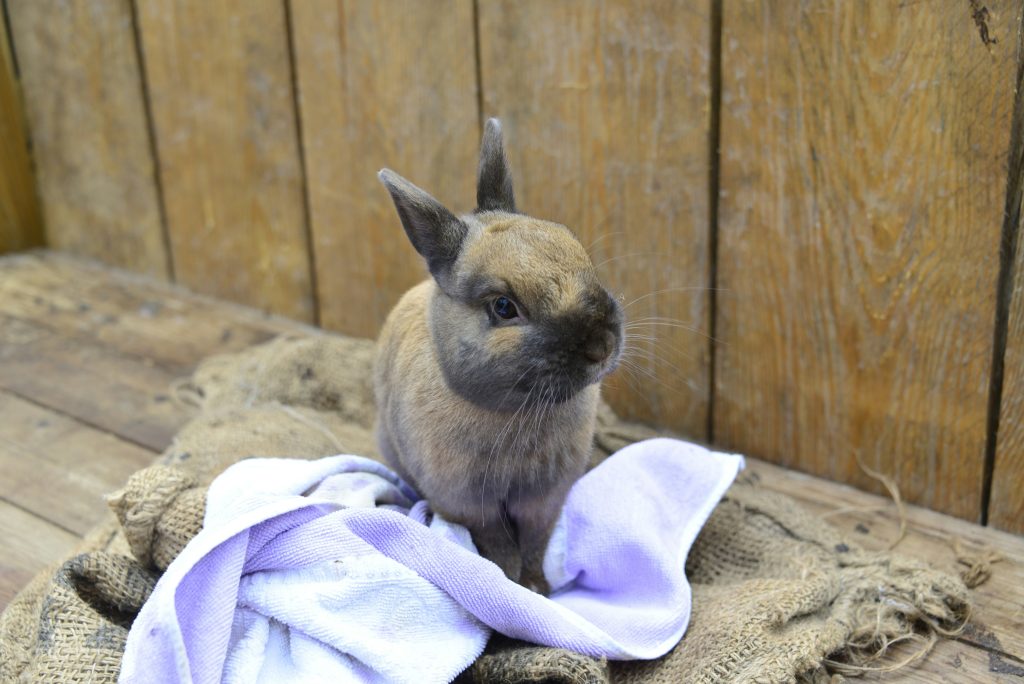
To effectively stop carpet destruction, we have to understand the tactile feedback your floors provide. To a rabbit’s sensitive paw pads, the dense fibers and looped pile of home carpeting offer the perfect tactile substitute for the tight, compact root networks they would naturally encounter when burrowing in the wild.
Tunnels require structural leverage to prevent collapse, so wild rabbits instinctively initiate dig sites at base junctions. Indoors, this manifests as your rabbit targeting the tight corners of a room or scratching fiercely at baseboards. However, carpet chewing and fiber pulling carry severe risk of physical injury, as discussed in the Rabbit Welfare Association’s guide to indoor rabbit hazards.
Table 3: How to Protect Different Floors
| Target Surface | Root Cause of Digging | Immediate Damage Risk | Recommended Prevention Tool |
| Plush Carpeting | Root-clearing instinct | Fiber pulling, leading to GI impaction if swallowed | Heavy woven seagrass mats laid flat over the area |
| Room Corners | Structural burrow leverage | Subfloor exposure, carpet backing destruction | Heavy ceramic tiles or plastic carpet runners |
| Slick Hardwood / Linoleum | Frustration from slipping | Paw discomfort, minor claw stress | Large, low-pile washable area rugs with rubber backing |
Why Floors Trigger Digging Instincts
- The Carpet-Tunnel Connection: Dense carpet fibers mimic the resistance of soil. When your rabbit digs into your carpet, they are essentially trying to excavate a tunnel entrance. The loops of the carpet are particularly satisfying for their claws to grip and tear.
- Corner-Based Structural Leverage: Wild rabbits build their warrens by finding a solid starting point to gain leverage against the earth. Your room’s corners represent the “wall” of their burrow. Targeting the corner is an attempt to find a solid surface to push against to start their “excavation.”
- Traction Frustration: Slick floors present an additional challenge because rabbits do not have rubbery pads on their feet; they have dense fur. If they cannot get a grip on hardwood or linoleum, they will often scratch at the surface frantically in an attempt to create a texturized, grippy path, much like a wild rabbit would clear away loose leaves or debris.
- Orthopedic and Nail Discomfort: If your rabbit’s nails are overgrown, the claws push backward into their sensitive toe joints whenever they walk on a flat, hard surface. This creates chronic orthopedic discomfort, and the rabbit may dig at the floor as a mechanical, albeit ineffective, way to wear down those painful, overgrown nails.
Additionally, monitoring your rabbit’s movement patterns can help you distinguish between healthy, play-based digging and stress-based destruction. If the digging is accompanied by a sudden lack of appetite, always consult your veterinarian.
4. Why Is My Rabbit Digging in the Litter Box?
Rabbits are notoriously particular interior designers. It is completely normal for a rabbit to use their front paws to push their substrate around to customize their bathroom setup. Through my own behavioral data, I’ve noted that Mocha and Chino typically initiate these “remodels” when their hay supply in the rack runs low. This shift in behavior serves as a clear indicator that their focus has moved from foraging to “rearranging” their territory.
By keeping their hay racks consistently topped off with the best quality hay, I have successfully reduced their frantic litter box digging by nearly 40%, proving that even small adjustments to their environment can curb excessive “interior decorating.” However, if the digging becomes frantic and continuous, the type of substrate you use might be the issue. Highly saturated litter or uncomfortable textures will cause a rabbit to scratch intensely to find a dry, comfortable spot to rest.
Table 4: Comparing Litter Box Substrates
| Substrate Type | Absorbency Rating | Safety Profile | Dig-Resistance Level |
| Compressed Paper Pellets | Excellent | Highly Safe (Non-Toxic) | High (Heavy pellets stay in place well) |
| Aspen Wood Shavings | Moderate | Safe (Low Phenol) | Medium (Loose shavings scatter very easily) |
| Un-shredded Straw / Hay | Poor | Highly Safe (Edible) | Low (Easily cleared to expose bare plastic) |
| Clay Cat Litter (Banned) | High | Dangerous (Causes fatal blockages) | High (Clumps together but poses severe risk) |
Why Litter Box Digging Occurs:
- Customizing the Bathroom Environment: Rabbits have a strong biological drive to keep their living areas clean. When they dig in their box, they are often performing a “remodel” to clear away soiled spots or to move hay into a position that feels more like a private, cozy burrow.
- Substrate Texture Sensitivity: If the litter material feels sharp, damp, or dusty on their delicate, fur-covered paws, a rabbit will instinctively dig to move the offending material out of the way. If your bunny is constantly scratching the bottom of the pan, consider switching to a softer, more absorbent material like compressed paper pellets.
- Foraging for the “Best” Hay: Because rabbits often eat while they use the bathroom, they may dig through the litter to find the freshest, tastiest pieces of hay. This digging is less about the box and more about their natural foraging drive, where they sift through material to find the most nutritious snacks.
- Boredom-Induced “Busy Work”: For some rabbits, the litter box is simply the most interesting place in their enclosure. If they have nothing else to do, they may treat the box like a sandbox. Providing other forms of stimulation, such as puzzle feeders or hideaways, often reduces this repetitive box-scratching behavior.
If the digging is persistent and leads to the litter box being emptied multiple times a day, try offering a larger, deeper tray or a box with higher sides to contain the mess while allowing them to maintain their “decorating” habits.
5. Why Is My Rabbit Digging the Cage?
When a rabbit frantically scratches at the plastic base or metal bars of their enclosure, it is a clear expression of barrier frustration. They are telling you, in no uncertain terms, that their current environment feels much too small and they are eager to explore.
The traditional small cages sold in standard commercial pet stores are rarely sufficient for a rabbit’s physical needs. According to spatial metrics evaluated in the PDSA rabbit myths guide, a standard rabbit enclosure must be large enough for the animal to take at least three consecutive hops and stand fully upright on their hind legs without their ears touching the ceiling. If they are confined to a space smaller than this for long stretches, cage scratching is inevitable.
6. How to Stop Destructive Digging
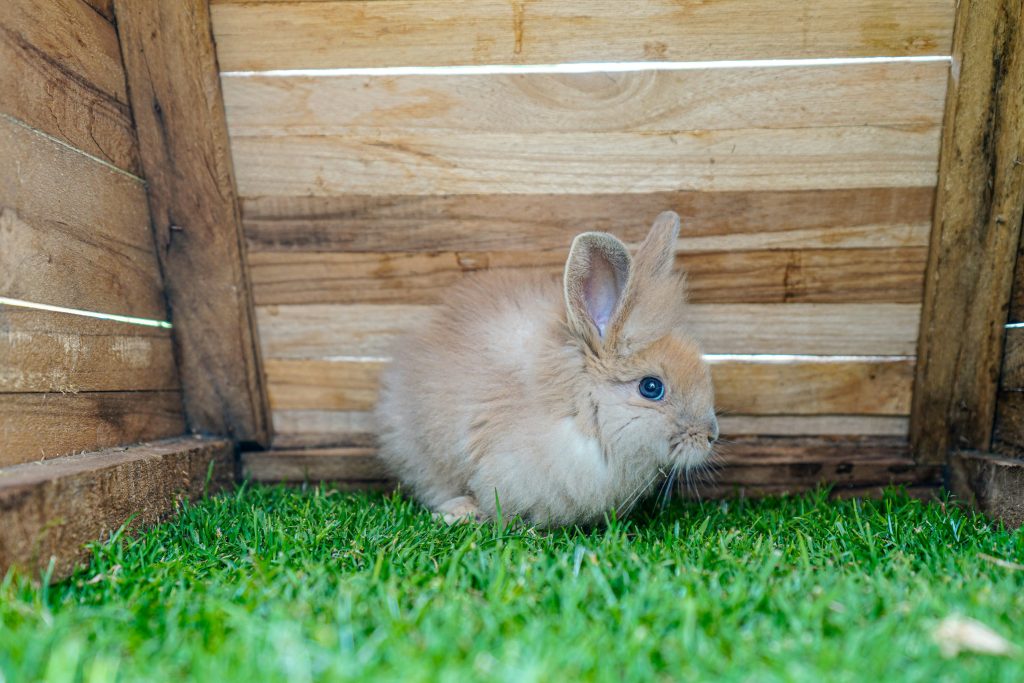
Because digging is a vital, rewarding instinct, you cannot train them to stop doing it entirely. Physical punishment will only shatter their trust and increase their anxiety, which often makes the digging worse. Instead, the secret is providing safe, structured outlets where they are allowed to dig to their heart’s content.
The absolute best way to save your carpets is to build a dedicated digging box. The PDSA exercise guide for rabbits outlines how providing complex physical activities and structured cardboard foraging trays directly minimizes indoor structural damage.
How to Build a Simple Digging Box
- Select a Large Container: Find a large, high-sided plastic storage tub or a sturdy, deep cardboard box. The sides need to be high enough to contain flying substrate.
- Add Safe Substrates: Fill the container with rabbit-safe materials like crinkled packing paper or organic orchard hay.
- Introduce Foraging Elements: Scatter a handful of dried herbs or healthy pellets down into the bottom layers of the box to reward their hard work.
- Position Strategically: Place the completed dig box directly on top of the specific carpet corner or floor area your rabbit loves to destroy.
7. Best Digging Box Materials and Enrichment
Choosing the right filler for your digging box depends on your tolerance for clean-up and your rabbit’s personal preferences. When curating cardboard, tubes, and papers for structural setups, prioritizing shredded or non-treated variants keeps digestion secure, as emphasized by the material safety warnings in the VCA Hospitals Housing and Toy Selection guide.
Table 5: Dig Box Substrate Options
| Substrate Material | Mess Level | Reusability | Foraging Capability |
| Crinkled Brown Packing Paper | Low | High (Can be compressed repeatedly) | Moderate (Treats drop easily to the bottom) |
| Organic Orchard Hay | Medium | Low (Must be replaced when soiled) | Excellent (Natural scent encourages digging) |
| Fleece Fabric Strips | Low | Excellent (Machine washable) | Low (Treats can get tangled or lost in threads) |
| Clean Play Sand | High | Medium (Dries out over time) | Excellent (Mimics natural earth perfectly) |
8. When Digging Signals a Problem
While most digging is benign and simply an expression of your rabbit’s natural, active personality, sudden behavioral shifts can point to underlying health or environmental distress. Because rabbits are masters at hiding pain, you must observe their digging patterns in the context of their overall demeanor. If a rabbit suddenly stops eating while exhibiting frantic or obsessive digging behaviors, it can indicate a critical medical issue like Gastrointestinal (GI) Stasis, which requires immediate attention as detailed in the House Rabbit Society’s GI Stasis Evaluation Guide.
Critical Warning Signs: If your rabbit is digging aggressively while refusing to eat their favorite treats or pellets, do not wait. This combination can indicate a critical medical issue like Gastrointestinal (GI) Stasis, which can be fatal within less than 24 hours without professional medical intervention.
Evaluating Behavioral Changes
- Normal vs. Concerning Digging: Occasional fabric flattening or light scratching is usually a sign of a healthy, happy rabbit engaging in nesting or den-clearing. However, continuous, non-stop floor-scratching that leaves raw or red paw pads indicates that something is fundamentally wrong, either with the surface traction or the rabbit’s physical comfort level.
- Hormonal Red Flags: If your rabbit starts obsessive nest-building accompanied by fur-plucking from their dewlap or chest, they are likely experiencing a hormonal surge or a false pregnancy. While this is rarely an emergency, it is a clear sign that you should discuss spay or neuter parameters with your veterinarian to reduce this territorial and reproductive stress.
- Medical Emergencies: The most dangerous behavior occurs when frenetic digging is paired with physical signs of illness, such as a hunched posture, cold ears, or a complete refusal of food. If your rabbit seems agitated, is pacing near corners, and is not producing normal droppings, this is a clear signal that they are in pain. In these instances, you should contact an emergency exotic veterinarian immediately.
As emphasized by clinic standards inside the British Veterinary Association’s rabbit welfare policies, any dynamic departure from a rabbit’s established baseline—especially when accompanied by lethargy or appetite loss—is a core indicator of internal distress that should never be ignored.
9. What NOT to Do
- Avoid Chemical Substrates: Never fill a rabbit’s digging box with standard commercial potting soil or garden dirt. As tracked across the habitat safety parameters inside the RWAF Enrichment and Behaviour Guide, chemical additives, moisture-retaining polymers, and systemic fertilizers carry intensive respiratory and systemic toxicity risks for small herbivores.
- Do Not Leave Carpet Fibers Long: If your rabbit is actively tearing up synthetic carpet, inspect the area closely and trim loose threads immediately. Ingesting long, synthetic carpet fibers can lead to dangerous, life-threatening blockages in their delicate digestive tract.
- Never Use Physical Punishment: Shouting, clapping loudly, or spraying your rabbit with water will only terrify them, damaging your bond while doing nothing to solve the underlying biological urge.
10. Frequently Asked Questions (FAQ)
Why does my rabbit dig on me?
When a rabbit scratches or digs gently at your clothes or skin, they are usually looking for attention, asking you to move over so they can groom that specific spot, or reacting to the interesting scent and texture of your clothing fabric.
Why does my rabbit dig blankets?
Blankets are soft, pliable, and easy to manipulate. They perfectly mimic the loose, shifting textures of underground burrows, allowing indoor rabbits to safely practice their natural tunnel-clearing instincts.
Why does my rabbit dig before lying down?
Wild rabbits carefully scrape away loose, hot topsoil to uncover the cooler, more tightly packed earth underneath before resting. Indoor rabbits maintain this exact reflex, scratching at rugs or cushions to “cool down” and smooth out their sleeping spot before flopping.
Do rabbits dig when happy?
Yes! Playful, energetic scratching mixed with sudden “zoomies” or twisting mid-air jumps (binkies) is a great sign that your rabbit is simply feeling happy, secure, and full of playful energy.
Why is my rabbit suddenly digging more?
Sudden increases usually indicate a structural shift in their daily balance. Common causes include acute boredom from prolonged enclosure confinement, developmental adolescent surges, local noise anxiety, or an uncleaned litter tray that they are trying to dig clean manually.
Can rabbits be trained not to dig?
No, you cannot completely eliminate an evolutionary survival mechanism. However, you can easily manage the behavior by protecting your floors with mats, maintaining proper nail lengths, and providing dedicated digging boxes.
11. Conclusion
Ultimately, a digging rabbit is not a “bad” pet; they are simply acting on ancient, perfectly functional survival instincts that haven’t changed in thousands of years. Instead of fighting these biological drives, the smartest path forward is managed redirection. By maintaining your rabbit’s nail health, providing a dedicated and rewarding digging box, and ensuring their living environment is spacious enough to prevent barrier frustration, you can satisfy their deep-seated need to explore without sacrificing your carpets or peace of mind.
To continue refining your approach to your rabbit’s environmental enrichment, you can explore the veterinary-managed care pathways and behavioral resources available at the UC Davis Exotic Mammal Care Portal.
Medical & Veterinary Disclaimer: Bunnyowners.com is an informational resource for rabbit owners and enthusiasts. We are not veterinarians. The content on this website is for educational purposes only and is not a substitute for professional veterinary advice, diagnosis, or treatment. Always consult a qualified veterinarian with any questions or concerns regarding your pet’s health, medical conditions, diet, or overall care. If you have concerns about your rabbit’s health, it’s always best to reach out to a veterinarian rather than relying solely on information found online.