
Veterinary & Affiliate Disclaimer: Bunnyowners.com shares educational rabbit care resources, not professional veterinary advice. Always consult a qualified veterinarian regarding your rabbit’s medical, dietary, or behavioral needs. This post may also contain affiliate links; as an Amazon Associate and affiliate partner, we earn from qualifying purchases at zero extra cost to you.
If you’ve ever been jolted awake at 5:00 AM by rapid sprinting across your living room or watched your rabbit go into a play frenzy at 8:00 PM, you aren’t alone. Many owners mistake these sudden, twice-daily energy spikes for random hyperactivity, sleep deprivation, or behavioral issues. In reality, these early morning and late evening bursts are completely normal, highly predictable events driven by your rabbit’s internal biological clock.
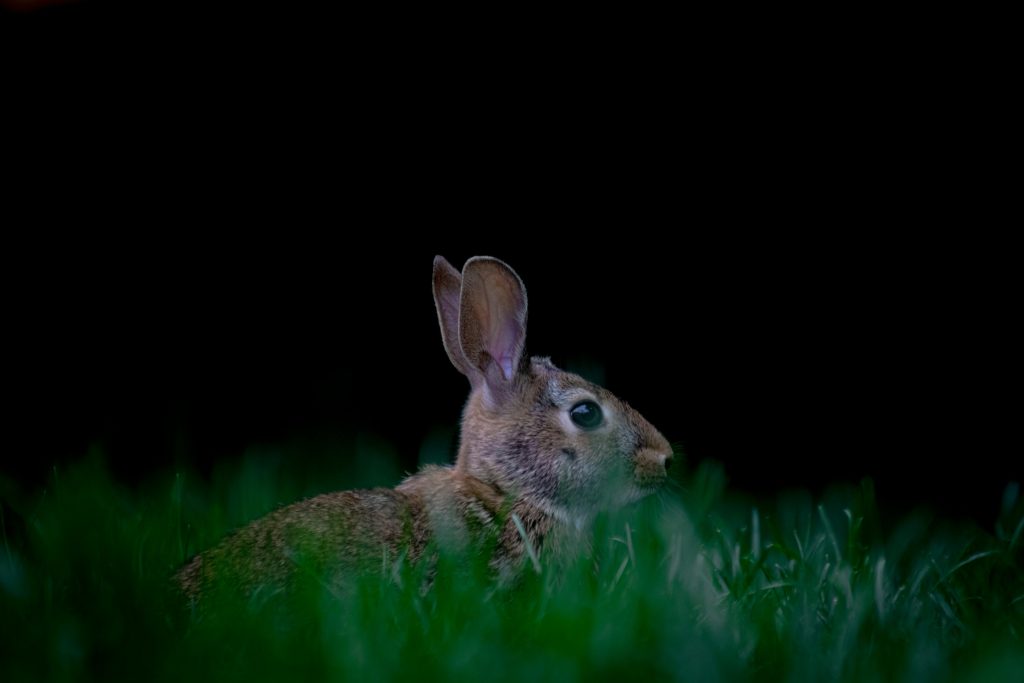
Rabbits are most active at dawn and dusk because they are crepuscular animals whose biological clocks are hardwired for twilight hours. Evolutionary pressure favored this schedule because the low light of sunrise and sunset provided wild rabbits with the safest balance of protection from predators, comfortable temperatures for grazing, and optimal foraging conditions. Even when living safely indoors, domestic house rabbits retain this ancestral survival mechanism, resulting in predictable bursts of high energy twice a day.
Understanding how to align your daily care routine with these natural activity peaks makes managing your rabbit’s environment significantly easier and fosters a stronger bond. Rather than trying to change thousands of years of evolutionary hardwiring, working with natural rabbit behavior brings peace to your household. Let’s break down the science behind the crepuscular instinct, what normal twilight behavior looks like, and how to handle those early wake-up calls.
1. Is It Normal for Rabbits to Be Active at Dawn and Dusk?
Experiencing two distinct activity surges each day is a primary indicator of a thriving, healthy rabbit. While humans operate on a diurnal schedule (active by day, sleeping by night) and many small animals like hamsters are strictly nocturnal (active during total darkness), rabbits occupy the middle ground.
To better visualize where rabbits fit among common animal sleep schedules, the comparison below details the peak activity periods for each behavioral rhythm:
Animal Activity Rhythms Comparison
| Rhythm Type | Primary Peak Activity Windows |
|---|---|
| Diurnal | Broad Daylight / Midday |
| Nocturnal | Total Darkness / Late Night |
| Crepuscular | Dawn (Sunrise) & Dusk (Sunset) |
Their eyesight, digestion, and daily routine are all adapted to these twilight hours. Seeing your rabbit sprint, explore, or demand food during dawn and dusk means their natural drives are functioning precisely as nature intended.
Why This Surprises New Rabbit Owners
Most domestic pets fit neatly into human daily routines. Dogs typically adapt to their owner’s wake-sleep schedule, and while house cats may have night-time antics, they frequently lounge alongside humans throughout the day. New rabbit owners often assume a bunny will follow a similar pattern.
When a newly adopted rabbit spends all afternoon napping under a chair, only to start rattling their pen or zooming around the room at the crack of dawn, it’s easy to assume something is wrong. You might wonder if they’re stressed, lonely, or just hyperactive. It can definitely catch you off guard, but recognizing that this pattern is wired into their biology—not a behavioral glitch—keeps you from worrying over totally normal bunny behavior.
House Rabbits Still Follow Ancient Wild Instincts
Thousands of years of selective breeding have dramatically altered the domestic rabbit. We have bred rabbits with lop ears, dwarf stature, long angora wool, and unique color patterns. However, selective breeding has barely touched the core internal wiring governing their daily rhythms.
Even a house rabbit who has lived indoors for generations, and has never seen a fox or an eagle, is guided by the same internal clock that protected their wild ancestors on the European plains. Subtle shifts in room light through a window, changes in ambient household temperature, or simply the arrival of dawn will trigger these deep-seated survival behaviors. To better understand these natural rabbit behaviors, it helps to observe how closely indoor bunnies mirror their wild counterparts.
2. Why Are Rabbits Crepuscular?
If you’ve ever wondered why your bunny gets a sudden burst of energy at 6:00 AM, it all traces back to wild survival instincts. Being near the bottom of the food chain meant wild rabbits had to be exceptionally smart about when it was safe to leave their burrows.
The rabbits that survived and passed along their genes were those smart enough to stay hidden underground when danger was highest. Thousands of generations later, that survival instinct lives on as a hardwired twilight schedule. Research published by the University of California highlights how prey animals naturally adjust when they forage to keep predator encounters to a minimum.
Dawn and Dusk Offered the Safest Feeding Window
The primary advantage of a crepuscular schedule is what wildlife experts call the “predator gap.” Twilight creates a natural overlap period where daytime and nighttime hunters are both at a distinct disadvantage:
- Diurnal Predators: Raptors like hawks and eagles rely on strong daylight and thermal updrafts to spot prey from high above. In low dawn or dusk light, their hunting advantage becomes reduced.
- Nocturnal Predators: Hunters like owls, foxes, and coyotes rely heavily on darkness or specialized night vision. During twilight, ambient light is bright enough for a rabbit to spot an approaching predator, yet dim enough to keep the rabbit’s own body hidden in shadow.
By concentrating foraging efforts into these brief twilight windows, wild rabbits minimized their risk of being caught while gathering essential food. If your rabbit suddenly starts racing around the living room just as you’re sitting down for dinner, congratulations—you’ve reached the evening zoomie hour.
Observing my bonded pair, Mocha and Chino, during daily feedings reveals just how deeply those ancestral foraging impulses are ingrained. The moment the afternoon light begins to soften, a subtle shift occurs: both rabbits instantly perk up, twitching their noses and systematically patrolling every corner of their enclosure to hunt for fresh greens, as if answering an ancient internal alarm clock.
Cooler Temperatures Prevent Overheating During Grazing
Rabbits have thick fur coats but very few ways to cool themselves down. They do not sweat like humans, nor can they pant efficiently like dogs; heat exchange happens almost entirely through the tiny blood vessels in their ears.
Because of this, grazing under the harsh midday sun puts bunnies at real risk for heat stroke. Understanding how sensitive rabbits are to temperature helps keep your pet safe. Practical care tips from the PDSA highlight just how important cool surroundings are for preventing heat stress. The fresh air at dawn and dusk offered wild rabbits the perfect weather window to run, dig, and graze without overheating.
Twilight Grazing Provided Better Hydration
Plant moisture likely also influenced this activity pattern. Early in the morning, wild grass is coated in fresh dew, giving rabbits crucial moisture alongside raw fiber. Digesting tough grasses takes a lot of water, and eating dew-covered plants allowed wild rabbits to stay hydrated without traveling to open water holes where predators waited.
Why Domesticated House Rabbits Never Lost This Instinct
Like other mammals, rabbits have an internal biological clock in the brain, specifically a cluster of cells called the suprachiasmatic nucleus, that responds directly to changing light levels.
This internal clock is deeply built into how a rabbit’s body works. It influences hormones, metabolism, and daily behavior, which is why even indoor rabbits continue following the same dawn-and-dusk routine as their wild ancestors. Studies published through the National Library of Medicine confirm that environmental lighting directly influences these deep-seated neurological pathways in small mammals. Bright indoor lamps might blur the lines between seasons, but they won’t erase thousands of years of survival instinct.
3. What Time Are Rabbits Usually Most Active?
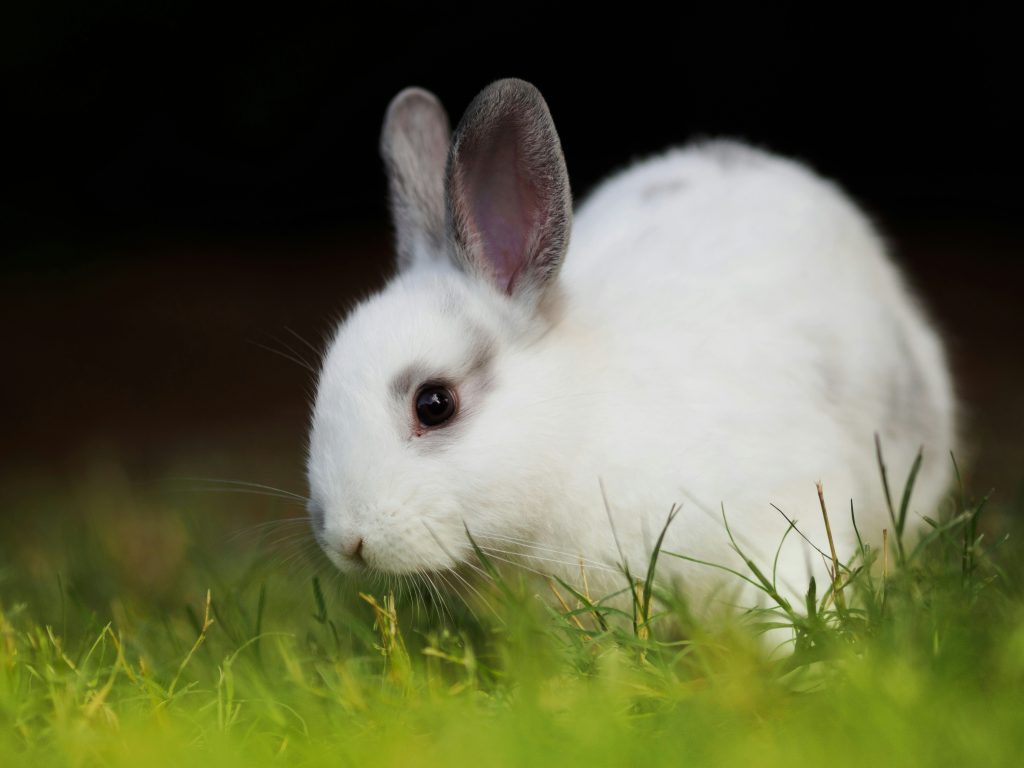
While every house rabbit adapts slightly to their household’s daily noise, their energy levels follow a remarkably consistent daily curve. Knowing when your bunny is likely to be wide awake versus deeply resting makes planning free-roam time, cage cleaning, and bonding sessions much easier. The schedule below outlines what a typical 24-hour routine looks like for a healthy house rabbit:
Typical 24-Hour Rabbit Activity Schedule
| Time Window | Typical Activity Level | What Your Rabbit Is Doing |
|---|---|---|
| 5:00 AM – 8:00 AM | Peak Activity (Dawn Burst) | Sprinting zoomies, eating breakfast hay, begging, grooming, exploring |
| 8:00 AM – 11:00 AM | Winding Down | Light nibbling, slow movement, finding a cozy resting spot |
| 11:00 AM – 4:00 PM | Deep Midday Rest | Sleeping, flopping, light twitching, minimal movement |
| 4:00 PM – 5:00 PM | Waking Up | Stretching, yawning, eating re-ingested cecotropes, light grooming |
| 5:00 PM – 10:00 PM | Peak Activity (Dusk Burst) | Binkies, digging, chew toys, social interaction, begging for dinner |
| 10:00 PM – 5:00 AM | Occasional Night Activity | Light activity, eating hay, exploring, short awake periods |
As this timeline shows, a rabbit that seems “lazy” all afternoon isn’t sick—they are simply saving up their energy for their second natural activity peak once the sun goes down. Keep in mind that individual rabbits can shift by several hours depending on age, personality, indoor lighting, feeding schedule, and whether they have a bonded companion.
4. What Does Dawn and Dusk Activity Actually Look Like?
When the crepuscular energy window opens, a rabbit’s energy level skyrockets in seconds. You’ll often see them burst into high-speed sprints across the open floor, cutting tight turns and coming to sudden, impressive stops.
Key Takeaway: Zoomies are a healthy expression of stored biological energy, letting your rabbit stretch their muscles and discharge metabolic tension accumulated during rest periods.
These explosive bursts of speed are often paired with athletic acrobatic twists, which you’ll notice whenever your pet does a binky out of pure excitement.
Binkies, Twisting Jumps, and Happy Flips
Along with rapid sprinting, peak activity hours frequently feature “binkies”—vertical jumps where the rabbit twists their body, flicks their ears, or kicks out their hind legs in mid-air. A binky is an unmistakable display of joy and physical vitality.
Seeing these acrobatic moves at 7:00 AM or 8:00 PM confirms that your rabbit feels secure and excited within their environment, making it much easier to tell if your bunny is feeling content and completely at ease. Behavioral guides published by the Rabbit Welfare Association & Fund highlight binkies as a top sign of emotional well-being.
Energetic Digging and Environment Rearranging
During twilight hours, wild rabbits work on expanding, repairing, and re-excavating their underground warrens. In the home, this instinct surfaces as vigorous digging on rugs, blankets, or cardboard boxes. Your rabbit may also push heavy ceramic dishes around, toss plastic toys, or drag towels to rearrange their living area.
To help connect these household habits back to survival instincts, the table below maps common indoor behaviors to their evolutionary wild roots:
Domestic Behaviors vs. Evolutionary Wild Instincts
| Expressed Behavior | Evolutionary Wild Root |
|---|---|
| Rug / Blanket Digging | Warren burrow excavation and maintenance |
| Toy Tossing & Pushing | Clearing debris from tunnel runs |
| Cardboard Shredding | Clearing root systems out of burrows |
Remember, digging is just basic territory maintenance to a rabbit. If carpet destruction is becoming a real problem, taking steps to redirect destructive digging habits will help keep your flooring intact. Animal welfare standards published by the RSPCA stress the importance of providing safe, alternative digging spots rather than trying to stop the behavior entirely.
Intensive Chewing and Foraging Behavior
Because dawn and dusk were primary grazing times in the wild, indoor rabbits display a sharp increase in chewing activity during these windows. They will sample hay racks enthusiastically, chew chew-toys with increased vigor, or search out cardboard to shred.
Providing fresh hay right before these activity peaks satisfies this foraging drive constructively. If you notice them targeting house baseboards or furniture legs instead of their toys, explore these tips for managing destructive chewing around the house.
Seeking Human Interaction and Following Your Steps
Because twilight is their primary period for social interaction, domestic rabbits often become noticeably affectionate during these windows. Many owners are surprised when their usually independent bunny suddenly starts nudging their ankles or following them from room to room as dusk approaches.
Catching this social push at the right time makes planning quality bonding sessions much easier. Paying attention to when your rabbit chooses to shadow you around the room lets you jump in right when they’re most eager to interact.
5. Why Does My Rabbit Go Crazy Every Morning?
As dawn approaches, a rabbit’s body experiences a natural surge in energy and alertness. This morning shift signals the digestive system to prepare for food intake after a period of quiet night-time resting. The frantic energy you see at daybreak is driven by a biological impulse to forage. In the wild, failing to forage quickly at dawn meant missing the safest feeding window of the day.
Learned Routines and Breakfast Anticipation
While internal biology sparks the initial wake-up, human conditioning quickly amplifies it. Rabbits possess sharp environmental awareness and quickly connect early morning sounds—such as an alarm ringing, footsteps in the hallway, or a cabinet door opening—with the arrival of pellets or fresh greens.
When their natural morning drive combines with these acoustic signals, intense begging behavior is the result. Once a rabbit connects your morning appearance with food, their natural crepuscular excitement doubles as a conditioned expectation for breakfast.
Differentiating Morning Excitement from Aggression
First-time owners are sometimes taken aback by intense morning behaviors, such as a rabbit swiping at food bowls, lunging toward an opening enclosure door, or biting at pen bars.
It’s essential to tell the difference between true territorial aggression and intense food excitement. Forward-oriented ears, high energy, and eager lunges toward the bowl usually just mean your bunny is thrilled to eat. However, if those fiery interactions happen outside of mealtimes, addressing sudden rabbit aggression helps you rule out underlying stress or shifting boundaries.
6. Why Is My Rabbit Hyper in the Evening?

As afternoon shadows lengthen and natural light dims, your rabbit’s internal clock triggers their second activity wave. After resting through the warmer midday hours, their energy levels rise and their body releases stored energy, leading to a second phase of exploration, territory checking, and social interaction.
In my home observations with Mocha and Chino, this evening window consistently produces their most extended play sessions; while morning activity is heavily focused on eating breakfast, dusk is when both rabbits engage in prolonged grooming rituals, tunnel exploration, and social interactions with me.
Play and Social Bonding Become More Intense
While morning energy focuses heavily on securing food, evening energy leans more toward social play and environment exploration. In wild colonies, dusk was the primary period for mutual grooming, social bonding, and warren maintenance.
For house rabbits, late evening brings peak willingness to sit for gentle pets, play, and interact. These bonding sessions quickly become second nature when you know how to interpret rabbit postures and ear movements in real time.
Best Strategies for Evening Enrichment
Because owners are usually awake and home during the evening peak, this window offers an ideal opportunity to channel your rabbit’s natural energy into positive activities. The table below highlights practical ways to fulfill your rabbit’s natural evening drives:
Evening Enrichment Ideas for Active Rabbits
| Enrichment Type | Practical Implementation Strategy |
|---|---|
| Foraging Challenges | Hide treats inside woven balls or treat mazes. |
| Spatial Exploration | Set up collapsible fabric tunnels and cardboard play castles. |
| Interactive Bonding | Offer hand-fed hay stems or perform gentle head rubs at floor level. |
7. Why Does My Rabbit Wake Me Up So Early?
It can be frustrating when your sleep schedule clashes with your rabbit’s 5:00 AM energy surge. If your bunny rattles pen bars, digs at doors, or races across your bed at dawn, you aren’t alone. Understanding why rabbits rise so early—and how human habits accidentally encourage it—is key to reclaiming your sleep while keeping your pet happy.
Their Internal Biological Clock Runs Earlier Than Ours
Humans living in modern society rely on alarm clocks to standardize wake-up times, often rising well after first light. A rabbit’s biological clock, however, reacts directly to the subtle shifts in illumination that occur before sunrise. During spring and summer, when first light arrives early, your rabbit’s internal clock triggers their morning activity peak long before your alarm goes off.
How Rabbits Train Their Humans to Get Up
Rabbits learn quickly through trial and error. If your rabbit rattles their pen, digs at a door, or thumps at 5:00 AM, and you respond by getting out of bed—even if only to scold them or throw a handful of hay into their bowl to quiet them—you have successfully rewarded the behavior. From the rabbit’s perspective, making noise successfully summoned the human to deliver food or attention.
Morning Begging Does Not Mean They Are Starving
It is easy to feel guilty when a rabbit makes a commotion at daybreak, but early morning begging is rarely a sign of food deprivation. As long as your rabbit has an unlimited supply of fresh grass hay and clean water overnight, they are not starving. Their early morning demand is driven by high energy and a desire for high-value foods like pellets or fresh produce, not a lack of basic sustenance.
8. Can You Change a Rabbit’s Activity Schedule?
It is functionally impossible to alter a rabbit’s crepuscular schedule to match a standard human sleep routine. You cannot train a rabbit to become strictly diurnal or nocturnal because their daily rhythm is tied to basic biology. Attempting to suppress these energy peaks through confinement or punishment creates chronic stress, frustration, and destructive behavior.
Working With Your Rabbit’s Natural Rhythm
Instead of trying to change your rabbit’s biology, adjust your management routine to accommodate their natural schedule smoothly:
- Late Night (10:00 PM): Pack hay racks fully to provide quiet morning forage.
- Early Morning (6:00 AM – 8:00 AM): Maintain a set feeding time and ignore pre-alarm noise.
- Midday Rest (11:00 AM – 4:00 PM): Protect their quiet environment and avoid unnecessary handling.
- Evening Peak (5:00 PM – 9:00 PM): Schedule free-roam play, exercise, and social interaction.
For a deeper dive into managing their setup over a 24-hour window, check out my breakdown of what rabbits do at night to keep their environment safe and quiet.
Why Forcing a Human Sleep Schedule Backfires
Attempting to force a rabbit awake during the day so they sleep at night is completely counterproductive. Depriving them of rest compromises their immune system, elevates stress hormones, and often triggers severe bar biting, carpet chewing, and sudden moodiness. Aligning your schedule with normal rabbit sleep habits keeps your pet calm and prevents behavioral burnout.
9. When Activity Changes Signal a Potential Health Problem

While high activity at dawn and dusk is expected, it is important to distinguish healthy, joyful energy from distressed or frantic movement. To help spot warning signs early, the breakdown below contrasts healthy crepuscular patterns with abnormal red-flag symptoms:
Normal Crepuscular Behavior vs. Health Red Flags
| Behavioral Area | Normal Crepuscular Pattern | Abnormal / Red-Flag Sign |
|---|---|---|
| Movement | Bursts of rapid sprinting and jumping interspersed with brief resting | Continuous, frantic pacing or aimless head pressing without settling |
| Appetite | Eager interest in food, hay, and treats during active hours | Complete disinterest in food or favorite treats during peak windows |
| Sound / Vocal | Quiet movement, occasional soft honking or soft chin-rubbing | Loud, repetitive bar-biting accompanied by sharp tooth grinding |
| Postural | Alert posture, perked ears, relaxed flopping during resting phases | Hunching in a tight ball, squinting eyes, pressing abdomen to floor |
Paying close attention to these posture changes makes it much easier to detect hidden pain and discomfort in rabbits during their normal daily routines.
When Hyperactivity Isn’t Normal
If your rabbit’s activity changes from playful energy to relentless, frantic pacing, circling continuously without stopping to rest, or biting enclosure bars with extreme distress, this may indicate underlying physical discomfort, severe anxiety, or unspayed/unneutered hormonal stress. Intact adult rabbits frequently exhibit intense, restless behaviors driven by reproductive frustration.
When Reduced Dawn and Dusk Activity Signals Illness
A sudden decrease in peak twilight activity is often more concerning than an excess of energy. Because dawn and dusk are a rabbit’s primary times for eating and exploring, a rabbit that remains lethargic, uncommunicative, or hidden in a dark corner during these windows is showing early warning signs of illness.
A loss of crepuscular activity peak often serves as an early warning sign of severe digestive distress or pain. According to veterinary guidelines from the House Rabbit Society, a drop in appetite or activity during peak hours requires immediate attention. When a rabbit skips meals during peak hours, quick action is key. Checking right away for early signs of GI stasis allows you to intervene before a minor slowdown turns into a life-threatening emergency.
10. Frequently Asked Questions
Are rabbits nocturnal or crepuscular?
Rabbits are crepuscular, not nocturnal. While many people assume rabbits sleep all day and play all night, their primary activity surges happen specifically around sunrise (dawn) and sunset (dusk). During the middle of the night, they may wake up for brief periods to eat hay, drink water, groom, or hop around, but their highest energy levels are always tied to twilight.
Do rabbits always wake up precisely at sunrise?
No. While their internal clock tracks daylight, indoor rabbits are also influenced by household routines, artificial lights, ambient sound, and strict feeding schedules. They may begin their active phase slightly before sunrise or adjust to regular household noise patterns.
Why is my rabbit running laps around my bed at 5:00 AM?
If your rabbit has free-roam access to your bedroom, running laps across your bed at 5:00 AM combines their natural morning activity surge with a learned desire for human attention or early breakfast. Setting up physical boundaries around sleeping spaces helps manage early morning activity.
Should I ignore my rabbit when they rattle their pen in the morning?
Yes. If you know your rabbit has fresh hay and water, ignoring morning pen rattling is essential. Responding to the noise teaches your rabbit that making a commotion brings attention or food, which reinforces the behavior.
Can artificial indoor lights mess up my rabbit’s crepuscular schedule?
Yes. Leaving bright overhead lights on late into the night disrupts light signals sent to the brain, confusing your rabbit’s internal biological clock. Keeping lights dim in the evening helps preserve their natural daily rhythm.
Are young baby rabbits more active than adult rabbits?
Yes. Juvenile rabbits have higher energy levels and less impulse control, leading to longer and more intense energy bursts during active windows. As rabbits mature, their twilight activity becomes more predictable and measured.
Why does my rabbit sleep all afternoon if they aren’t nocturnal?
Rabbits rest during the afternoon because their crepuscular biological cycle requires a quiet period between active phases. Midday naps conserve energy and align with the hottest hours of the day, when their wild ancestors stayed deep within cool underground warrens. If you’re concerned about sudden health changes during these quiet hours, paying attention to unusual shifts in appetite and energy makes it easier to catch potential issues early.
11. Final Thoughts
Seeing your rabbit sprint, dig, and leap at 6:00 AM or 8:00 PM is not a sign of misbehavior or random hyperactivity. It is an expression of an ancient biological rhythm that allowed their wild ancestors to thrive for thousands of years.
By understanding the science behind crepuscular behavior, respecting their need for midday rest, and aligning feeding and enrichment routines with their natural energy peaks, you can build a living setup that supports your rabbit’s instincts while keeping your household running smoothly.
Medical & Veterinary Disclaimer: Bunnyowners.com is an informational resource for rabbit owners and enthusiasts. We are not veterinarians. The content on this website is for educational purposes only and is not a substitute for professional veterinary advice, diagnosis, or treatment. Always consult a qualified veterinarian with any questions or concerns regarding your pet’s health, medical conditions, diet, or overall care. If you have concerns about your rabbit’s health, it’s always best to reach out to a veterinarian rather than relying solely on information found online.