
Veterinary & Affiliate Disclaimer: Bunnyowners.com shares educational rabbit care resources, not professional veterinary advice. Always consult a qualified veterinarian regarding your rabbit’s medical, dietary, or behavioral needs. This post may also contain affiliate links; as an Amazon Associate and affiliate partner, we earn from qualifying purchases at zero extra cost to you.
Realizing your rabbit’s behavior has suddenly changed can easily make any owner panic. Since these animals are built from the ground up as prey species, their deep-seated instinct is to act completely fine, playing the role of a perfectly healthy animal until they are literally at a breaking point. Waiting around until you hear a noise or see a stark, dramatic limp is a dangerous gamble; rabbits don’t do the canine drama routine, and a loud cry usually means a crisis is already fully underway.
You can tell a rabbit is in pain by monitoring for localized facial tension and clear deviations from their daily routine. Primary warning signals include a sudden reduction in food intake, a rigidly hunched or guarded posture, audible tooth grinding (bruxism), and diminished fecal output. Because rabbits instinctively mask physical vulnerability as a prey species survival mechanism, observing a combination of these markers warrants prompt evaluation by an exotic animal veterinarian.
Spotting these quiet warning signals early gives you a chance to step in well before a small, manageable health issue turns into a massive life-threatening crisis. This guide digs directly into the exact physical changes and behavioral quirks that show your rabbit is in distress, making it easy to navigate the essentials of rabbit health, read their subtle body language, judge the urgency of what’s going on, and know exactly when it’s time to load up the carrier and head to the clinic.
2. Why Rabbits Hide Pain
In the wild, an animal that stands out due to an injury or a sluggish pace becomes an immediate target for predators, potentially putting its entire group at risk. Because showing vulnerability carries such a high evolutionary cost, rabbits have evolved to look completely fine even when they are dealing with intense mouth pain, internal gut issues, or sore joints. If they know they are being watched, they will muster every ounce of stoicism they have to convince you they are fine.
This survival strategy triggers a silent timeline:
- The Trigger: A hidden health issue or injury occurs.
- The Defense: Prey instincts force the rabbit to actively mask all symptoms.
- The Illusion: The rabbit presents an appearance of normal behavior.
- The Trap: While everything looks fine on the surface, the underlying illness progresses silently until it reaches a sudden collapse or medical crisis.
This is why owners so often miss the early stages of a medical issue. People are naturally conditioned to wait for an obvious whine or a tragic, limping display of self-pity. In reality, a rabbit’s pain language is quiet, context-dependent, and remarkably easy to miss. Waiting until the problem is glaringly obvious usually means waiting until their ability to hide illness has reached its absolute limit, making treatment far more complicated than it needed to be.
3. Early Rabbit Pain Signs Most Owners Miss
Early distress signals seldom look like obvious medical crises. Instead, they manifest as minor, easily overlooked deviations from your rabbit’s typical behavioral habits.
Eating More Slowly
A total refusal to eat is a clear emergency, but changes in the way a rabbit chews often appear long before they stop eating completely. If a rabbit is dealing with a sore spot in its mouth, you might notice them chewing deliberately on just one side like they are analyzing a questionable piece of text, taking lengthy pauses between single bites of greens, or dropping pieces of food right back onto the floor. They might also begin completely ignoring their tough timothy hay while still eagerly diving into their softer pellets or favorite snacks.
Less Curious Than Usual
Healthy rabbits are fundamentally driven by curiosity, acting like self-appointed building inspectors that constantly map out their territory. When dealing with an underlying ache or early acute pain, a rabbit conserves energy because it isn’t feeling well. Early clues include a rabbit that doesn’t run up to demand treats when you walk into the room, stops investigating newly introduced toys or cardboard boxes, stays confined to one small area, or sleeps right through the hours when they are usually tearing around the house.
Changes in Daily Routine
Rabbits are absolute sticklers for routine, running on incredibly precise internal clocks for meals, naps, and grooming. Observational insights from daily floor time with my own rabbits, Mocha and Chino, show that monitoring these specific habits—such as noticing if a rabbit uncharacteristically skips an evening greeting, avoids a long-favored resting spot, or eats its meals hours later than normal—is often the quickest way to spot an issue before it escalates.
Reduced Grooming
Keeping a coat clean requires an immense amount of twisting, bending, and physical effort. If a rabbit is dealing with a sore back, a tight abdomen, or low-grade illness, their personal hygiene habits are usually the first thing to slide. These aesthetic shifts directly reflect internal wellness, as outlined in my comprehensive rabbit health guide. When pain sets in, you’ll notice their fur starts looking dull, clumpy, or separated along their sides, mats begin to form, and you might spot damp urine stains or soft cecotropes sticking to their hindquarters.
4. The 10 Most Common Rabbit Pain Signs
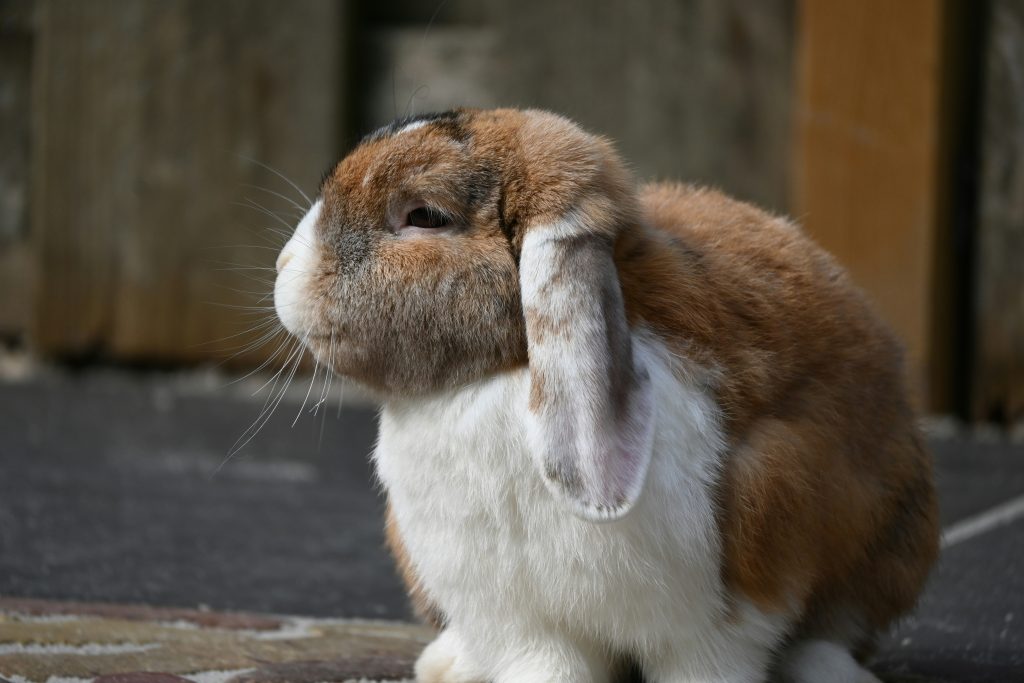
When you suspect your rabbit is unwell, a quick, direct comparison checklist can help you evaluate their condition immediately. The ten primary signs of physical distress below are paired with targeted guides to help you identify the problem and determine your next steps.
1. Eating Less or Food Refusal
A drop in daily food consumption or a total refusal to touch greens, pellets, and hay is the most reliable warning sign a rabbit can give you. While a complete strike on food is a massive, immediate emergency, keep a close eye out for early drops in enthusiasm. Any dip in food interest points to internal or oral discomfort, meaning you must monitor a rabbit that isn’t eating with extreme care to prevent complete digestive failure.
2. Hunched Posture
When a rabbit sits tightly balled up, arches its lower back high into the air, and keeps its chin pressed low to the ground, it is actively trying to guard its body. This specific stance shifts their weight forward to take pressure off a tender stomach or sore limbs. This tense, guarded shape is a primary reason you will find a rabbit lethargic or not moving normally around its space.
3. Loud Tooth Grinding
Completely distinct from a soft, content vibration, a harsh, slow, and grating sound that sounds like two rough rocks rubbing together is an unmistakable sign of intense physical pain. This grinding is usually loud enough to hear from a few feet away and will continue even when the rabbit is sitting completely untouched in its enclosure, showing they are using the jaw movement to cope with discomfort.
4. Hiding and Isolation
Rabbits naturally love covered spaces, but a healthy animal will always pop its head out for breakfast or environmental activity. A hurting rabbit will wedge itself into the absolute furthest, darkest corner of a room, closet, or enclosure and flatly refuse to come out. They will remain completely buried in that spot for hours, showing zero interest in treats or a passing owner.
5. Moving Less or Gait Stiffness
Pain immediately alters a rabbit’s natural, springy hop. You might notice them taking short, robotic steps, dragging their back end awkwardly, or showing a total reluctance to jump onto the low couches, boxes, or platforms they usually scale without a second thought. They will often choose to sit completely still in one spot for hours just to avoid the ache of moving.
6. Squinted or Glazed Eyes
Physical distress causes the muscles around a rabbit’s face to tense up, causing their normally wide, round eyes to narrow into tight football shapes. This squinting is almost always paired with a flat, glazed, or unblinking look that feels completely disconnected from what is happening around them.
7. Small or Missing Droppings
Pain quickly signals the gut to slow down its processing speeds. This internal stagnation causes their poop to instantly shrink in size, turning into tiny, hard, misshapen ovals or teardrops. If you observe a sudden drop in output size, identifying why your rabbit’s poops are so small is the most reliable way to intercept a total digestive lockdown before it is too late.
8. Uncharacteristic Aggression
A sudden spike in defensive behavior is a classic survival tactic for a vulnerable animal. A rabbit that has been completely docile for years might suddenly begin lunging, growling, grunting, or actively biting your hand when you open their cage door. They are simply terrified that you are going to pick them up and accidentally hurt them where it already aches.
9. Rapid or Shallow Breathing
Pain drives a rabbit’s heart rate and metabolic stress through the roof, resulting in incredibly fast, shallow chest movements. You will see their sides pumping hard like a set of bellows and their nostrils flaring wide with every single breath. Tracking a rabbit breathing fast while they are just sitting in a completely cool room is vital for catching hidden systemic stress.
10. Intense Restlessness
Certain types of sharp internal discomfort, like severe abdominal gas, will make it physically impossible for a rabbit to find a comfortable position. Instead of sitting still, they will pace nervously, shift their weight from paw to paw, lie down for only a few seconds, and then abruptly scramble back onto all four paws because no position brings relief.
To help owners cross-reference behaviors quickly during a stressful moment, the table below consolidates these main symptoms into a scannable tracking tool that contrasts early changes against severe clinical drops.
Table 1: Rabbit Pain Symptoms Tracking Checklist
| Pain Indicator | Early Warning Shift | Late Emergency Signal | Action Required |
| Appetite | Rejects hard hay; slow chewing. | Full refusal of greens and water. | Check mouth/gut motility immediately. |
| Posture | Relaxed loafing shifts to tight frame. | Tightly hunched; nose to ground. | Evaluate for acute gut discomfort. |
| Poop Output | Droppings are small or teardrop-shaped. | No pellets produced for 6+ hours. | Intervene before stasis locks down. |
| Interactions | Skips greetings; low threat response. | Total withdrawal into hidden corner. | Log metrics; do not drag out of cage. |
5. Physical Signs Explained
When physical discomfort transitions from low-grade to moderate, it leaves unmistakable visual markers across their entire body. Checking your rabbit systematically from nose to tail ensures you won’t miss these changes.
Head and Face
The micro-expressions and physical changes of a rabbit’s head provide the earliest visual evidence of neurological and systemic distress.
Face and Eyes
Tension in the facial muscles alerts owners to underlying discomfort. A rabbit in pain will display squinted, narrowed, or almond-shaped eyes rather than wide, round globes. The gaze frequently looks dull, glazed, or unblinking. In clinical settings, these changes form the basis of the standard Rabbit Grimace Scale:
When analyzing a rabbit’s facial profile, practitioners rely on specific muscle contractions. The comparative criteria below detail how to read soft-tissue tension markers systematically from ears to whiskers.
Table 2: The Rabbit Grimace Scale (RGS) Core Markers
| Facial Feature | Normal Baseline State | Pain Present State |
| Eyes (Orbital) | Round, wide, and fully open. | Squinted, tensed, or held half-shut. |
| Cheeks | Round, full, and relaxed. | Muscles contract, flattening profile. |
| Nose Shape | Relaxed, open U-shape bridge. | Sharp, pinched, tense V-shape bridge. |
| Whiskers | Flare loosely out to the sides. | Bunched tightly, flat, or downcast. |
| Ear Position | Rotate fluidly toward sounds. | Rigidly pinned flat against spine. |
In fact, field trials published in the Journal of the American Association for Laboratory Animal Science highlight how strongly the presence of an unfamiliar human observer causes rabbits to alter their baseline grimace responses, making passive observation from a distance vital for accurate assessment.
Ears
General or localized pain causes a rabbit to hold both ears rigid and tightly flat against the length of its back, ignoring environmental sounds. Localized issues—such as an internal ear infection—frequently cause asymmetric ear carriage, where one ear sags or droops lower than the other. Frequent head shaking or scratching at the base of the ears also indicates localized ear pain.
Teeth
Rabbits use jaw mechanics to communicate both comfort and distress. Owners must differentiate between these two sounds:
The Content Tooth Purr: A soft, light, rhythmic clicking or vibration produced when a rabbit is relaxing or being petted. It is accompanied by a loose posture and soft eyes.
The Pain Tooth Grind (Bruxism): A loud, harsh, slow, and grating sound that resembles small stones rubbing together. This grinding persists when the rabbit is isolated, untouched, and accompanied by a tense body and squinted eyes, serving as a primary indicator in the composite clinical pain scoring models detailed in PLOS ONE’s look at the CANCRS system.
Body
Evaluating physical markers across the torso and limbs requires watching the rabbit at rest and in motion on a non-slip surface.
Posture
A rabbit sitting tightly compacted with its spine arched high and its weight shifted entirely forward onto its front paws is exhibiting the classic hunched posture to guard its abdomen, a defense mechanism thoroughly detailed in Nature’s guide on recognizing small mammal pain.
Conversely, rabbits dealing with acute abdominal gas pressure will repeatedly stretch their bodies flat across the floor, pressing their bellies firmly into the ground. Other postural warning signs include standing stiffly on the tip-to-toe positions, keeping weight entirely off a specific limb, or sitting with the neck fully extended and the head held low to the floor.
Movement
Healthy rabbits move with a fluid, springy hop. A hurting rabbit moves with slow, mechanical movements, taking short steps or shuffling its hindquarters. Limping, a refusal to scale familiar platforms, or remaining completely stationary for multiple hours points directly to joint, spinal, or systemic pain, which is heavily documented during post-operative recovery monitoring models available in the Frontiers in Veterinary Science study on rabbit pain evaluation.
Breathing
Pain completely changes how a rabbit breathes. This strained breathing shows up as rapid, shallow breaths where the sides pump heavily and the nostrils flare wide, even when the animal is sitting completely at rest in a cool room. If this progresses to mouth-breathing, where the rabbit tilts its chin upward to straighten the airway, it is a critical sign of cardiovascular collapse that requires immediate emergency intervention.
6. Behavioral Signs Explained
Behavioral shifts occur when physical discomfort alters a rabbit’s psychological comfort, causing changes in how they interact with their environment and companions.
Hiding
Rabbits naturally rest in dark spaces, but healthy animals emerge promptly for meals, treats, or routine interactions. A rabbit in pain will retreat to the deepest corner of a closet or cage and remain completely non-responsive to food cues, rustling bags, or gentle calls for several consecutive hours.
Aggression
A sudden onset of territorial or defensive aggression indicates physical pain. A previously docile rabbit may lunge, bite, grunt, or growl when a hand enters its enclosure. This behavior is a defensive survival mechanism designed to prevent human touch from exacerbating a painful physical site.
Withdrawal
Pain causes social shutdown. Hurting rabbits systematically withdraw from their surroundings, turning their backs to the family or shunning cuddles and grooming from a bonded partner. Conversely, a healthy companion rabbit may begin continuously and frantically grooming its hurting mate.
Restlessness
Certain types of acute internal pain—particularly severe abdominal cramping—manifest as an inability to settle. The rabbit will pace, shift its weight continuously, lie down for only a few seconds, and then abruptly scramble back onto all four paws because no position relieves the internal pressure.
Changes Around the Litter Box
Spinal or hip discomfort makes hopping over the high rim of a standard litter box physically difficult, resulting in urine and droppings deposited directly outside the box. Additionally, conditions causing internal urinary tract pain cause the rabbit to strain visibly, lift its tail high, or grunt softly while attempting to urinate outside their normal area.
7. Appetite and Digestive Changes Caused by Pain
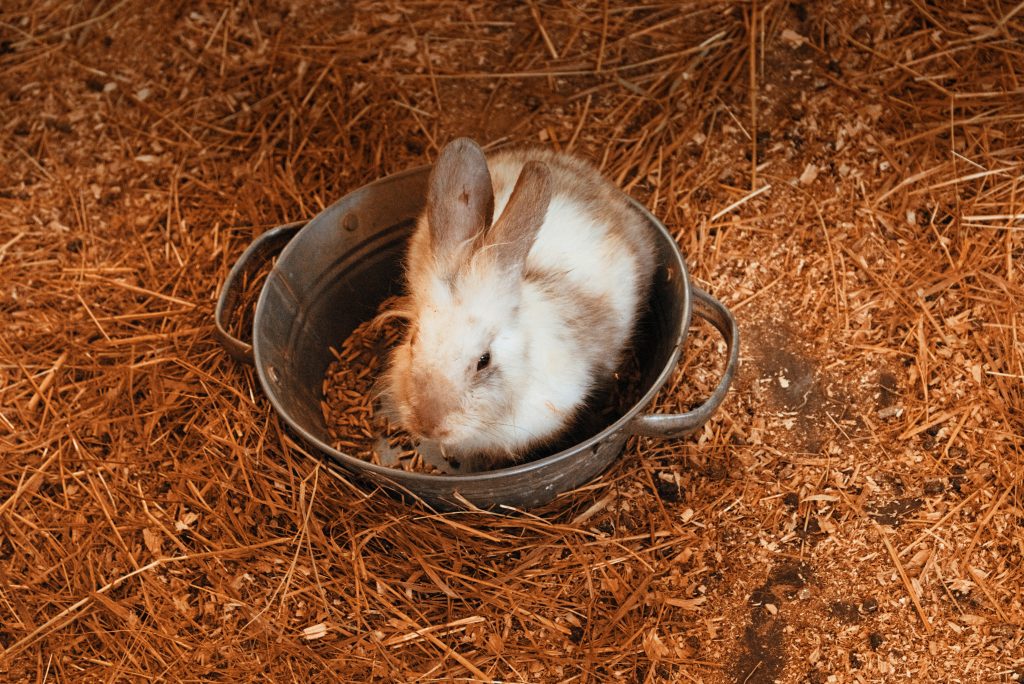
Pain affects much more than a rabbit’s comfort. It can also slow digestion, which is why changes in eating and droppings are often among the first warning signs owners notice. When a rabbit experiences pain from any source—whether it is an external injury, a mouth issue, or an infection—the resulting stress triggers an immediate slowdown in the movement of their gastrointestinal tract.
As the gut slows down, the contents within the digestive system begin to dehydrate and stagnate. This means that a rabbit’s dietary and fecal output serves as a direct mirror of their physical comfort.
When monitoring your rabbit, look for these specific warning signs:
- Reduced Food and Hay Intake: Progressing from eating slowly to ignoring long-stem timothy hay entirely, or choosing to leave their normal portions untouched.
- Diminished Water Consumption: A noticeable drop in water bowl or bottle usage, which rapidly accelerates dehydration in the digestive tract.
- Small, Misshapen Droppings: Fecal pellets that are suddenly a fraction of their normal size, rough in texture, or teardrop-shaped.
- Fewer Droppings: A measurable, steady decrease in the overall volume of poop left in the litter box over a 6-to-12-hour window.
These digestive changes are critical warning signs that your rabbit is hurting, but they are symptoms of distress rather than a final diagnosis. Because pain from any part of the body can stall a rabbit’s gut, observing these shifts means you need to protect them from a secondary medical crisis. For instance, severe abdominal tension often flags the initial onset of an emergency where the entire digestive system slows or stops moving normally, which is the foundational pathway behind full rabbit GI stasis.
In fact, recent peer-reviewed datasets hosted on PLOS ONE investigating the rabbit gut microbiota confirm that the systemic stress of a delayed digestive cycle systematically alters the delicate bacterial baseline of the cecum, prompting gas accumulation. Ultimately, keeping a watchful eye on these subtle shifts allows caretakers to seek supportive care before a complete loss of motility locks down the system entirely.
8. Pain vs. Fear vs. Stress
Rabbits have a limited set of defensive behaviors, meaning fear and environmental stress can occasionally mimic the signs of physical pain.
To prevent over-treating situational anxiety or under-treating an acute injury, owners can map presentation timelines against specific baseline trends. The following matrix isolates long-term medical changes from brief survival responses.
Table 3: Pain vs. Fear vs. Environmental Stress Matrix
| Metric | True Pain | Instinctual Fear | Chronic Stress |
| Symptom Duration | Persistent; does not resolve with space changes. | Short-term; clears once immediate threat is gone. | Variable; tied directly to active environmental triggers. |
| Dietary Response | Consistently low or completely absent. | Normal food velocity returns post-scare. | Fluctuates wildly; drops during peak stress events. |
| Poop Baseline | Pellets shrink, dry out, or stop completely. | Normal size; occasional burst of cecotropes. | Fluctuates between normal and smaller pellet sizes. |
| Resolution | Requires explicit medical/vet therapy. | Resolves naturally with quiet isolation. | Resolves once core environmental trigger is gone. |
The key differentiator is persistence. A frightened rabbit will hold its breath and its eyes will widen, but its posture will soften and it will accept food within 30 to 60 minutes of quiet isolation. A rabbit in pain remains rigid, withdrawn, and indifferent to food regardless of environmental security.
9. Mild Pain vs. Severe Pain
Evaluating pain intensity helps determine the urgency of veterinary care and provides clear data for your clinic, aligning with the diagnostic standards outlined in a PubMed indexed review on rabbit pain recognition.
To protect delicate digestive tracts from a secondary crisis, clinical shifts must be triaged by intensity. The scale below outlines the clear milestones used to dictate immediate supportive care timelines.
Table 4: Lagomorph Pain Severity Scale
| Area | Mild Pain Markers | Severe Pain Markers | Urgency Timeline |
| Mobility | Slight backend shuffle; lazy hopping. | Complete freeze; pacing; won’t move. | Schedule vet review same day. |
| Ingestion | Ignores hay; picks at greens/pellets. | Flat refusal of all treats and water. | Primary stasis risk; treat within 8 hours. |
| Poop Trends | Slightly smaller size; lower count. | Zero pellet output for 6 to 12 hours. | High emergency; go to clinic immediately. |
| Face/Eyes | Minor orbital squint; flexible ears. | Extreme almond squint; glazed look. | Immediate shock risk; prioritize care. |
Even mild pain indicators require professional assessment. Because their digestive tracts are delicate, a rabbit displaying mild symptoms can enter a life-threatening gastrointestinal crisis within hours.
10. Common Causes of Pain in Rabbits: An Owner’s Index
When a rabbit displays pain indicators, the discomfort can stem from several common health conditions. Use this high-level overview to understand potential sources of pain and find where to look next for detailed information.
- Digestive and Core Gut Illness: Sharp cramps, gas buildup, or severe intestinal slowdowns cause intense internal discomfort. Differentiating between a simple pocket of gas and true structural swelling requires comparing the clinical signs of a rabbit bloated stomach with gas vs GI stasis, which often trace back to obstructive issues reviewed in the PMC open-access study on rabbit gastroenterology.
- Dental Disease: Razor-sharp molar spikes or misaligned teeth make chewing agonizing, causing slow eating and eventual weight loss. Managing a progressive case of rabbit dental disease requires professional, corrective dental treatment from an exotic animal veterinarian.
- Urinary Tract Conditions: The presence of bladder stones, heavy calcium sludge, or local infections causes burning and severe straining during urination.
- Injuries and Soft Tissue Trauma: Physical shock, severe muscle strains, torn claws, or superficial wounds can manifest outwardly as a visible rabbit shaking or trembling inside its enclosure.
- Arthritis and Joint Wear: Gradual wear and tear in the joints is highly common in aging rabbits, causing general stiffness and behavioral withdrawal. Fortunately, progressive conditions like arthritis can be managed successfully for years with proactive environmental modifications.
- Ear Infections and Abscesses: Deep infections within the canal create significant pressure and balance problems. Spotting subtle markers like head shaking helps owners catch hidden rabbit ear infection symptoms before deep cranial inflammation takes hold.
11. When Pain Is a Veterinary Emergency
Certain clinical presentations indicate that the rabbit can no longer cope with the illness or injury and its body is becoming critically ill. Immediate emergency care is required if a rabbit exhibits:
- Complete food refusal (anorexia) exceeding 8–12 hours.
- Zero fecal output within an 8-to-12-hour window.
- Loud, sudden, high-pitched vocal screaming.
- A hard, physically distended, drum-like abdomen.
- Lateral recumbency (collapsing on the side, unable to stand or sit up).
- Open-mouth breathing or holding the chin tilted sharply upward.
- Hypothermia (ears, paws, and body feel cold to the touch, indicating failing circulation).
- Seizures, uncontrolled body twitching, or acute limb paralysis.
Recognizing these severe indicators early and acting without delay can quite literally save your rabbit’s life.
12. What To Do If You Think Your Rabbit Is in Pain

If your rabbit shows signs of physical discomfort, implement these immediate actions while arranging care:
- Stay Calm: Rabbits mirror human panic. Frantic movement elevates their adrenaline, which accelerates gastrointestinal slowdowns.
- Minimize Handling: Do not scoop up or handle a hurting rabbit unless placing them directly into a carrier. Handling increases stress and can worsen internal or skeletal injuries.
- Conserve Core Heat: A rabbit entering pain-induced shock loses body temperature quickly. Place a warm water bottle wrapped in a towel inside their enclosure, or wrap the rabbit loosely to preserve heat.
- Log Key Metrics: Record when the rabbit last ate, the timeline of fecal output, water consumption trends, and exact postural changes to present to your clinic.
- Avoid Human Medications: Never give over-the-counter pain relievers like ibuprofen, acetaminophen, or aspirin. These compounds are highly toxic to rabbits’ organs and trigger fatal gastric ulcers. All pain relief must be veterinary-prescribed.
- Contact an Exotic Vet Immediately: Call your exotic care specialist or an emergency veterinary hospital equipped to handle rabbits. State your logged symptoms clearly to establish the urgency of the case.
13. Can Rabbits Recover From Pain?
A rabbit’s recovery path depends entirely on the root cause of the discomfort and how early treatment begins. Acute issues like gas contractions or early-stage gastrointestinal slowdowns routinely resolve completely once appropriate treatment begins. For chronic conditions like progressive joint wear or structural dental misalignment, complete recovery may not be possible, but long-term comfort is highly achievable through veterinary-guided changes to their home and daily routine, weight management, and continuous observation.
14. How to Spot Pain Earlier in the Future
The best way to catch pain early is to know what is normal for your rabbit. Small changes are much easier to notice when you already understand your rabbit’s usual habits.
Weight Check Routine
We weigh weekly at the same time using a digital kitchen scale. Because thick fur hides structural muscle and fat loss, a steady downward trend in weight is often the earliest indicator of chronic discomfort or internal illness. Tracking these shifts weekly helps you catch trends that require a formal medical check; if you notice a clear downward trajectory, reading through my analytical look at a rabbit losing weight can help you decide when to seek clinical guidance.
Monitor Your Rabbit’s Droppings Daily
Evaluating the contents of the litter box daily during cleaning provides your single best window into their internal health. Checking the litter box might not be the most glamorous part of pet ownership, but establishing a clear baseline for the size, shape, and abundance of your rabbit’s normal output is essential. Spotting a sudden line of smaller, darker, or rougher pellets allows you to intervene with hydration support well before full gastrointestinal stasis occurs.
Eating Velocity Observations
Monitor how quickly your rabbit responds to and finishes their daily rations or fresh greens. If they typically clear their food bowl immediately but suddenly leave half of it behind to eat hours later, they are flagging an underlying physical issue.
The Health Journal
Keeping a dedicated health log for your pets eliminates guesswork. Document structural molts, brief shifts in daily behavior, exact weights, and veterinary dates. Tracking this health information allows you to identify subtle behavioral declines over months rather than relying on memory during an emergency.
15. Frequently Asked Questions
Do rabbits cry when they’re in pain?
Rabbits are almost entirely silent when hurting. The only vocalization they produce in response to extreme, agonizing pain or immediate mortal terror is a loud, piercing, high-pitched scream. If you hear this sound, it indicates a profound emergency. Daily or moderate pain is expressed entirely through silent physical and behavioral shifts.
How long can rabbits hide pain?
Rabbits can successfully mask mild to moderate chronic pain for weeks or even months. This is particularly true for slow-progressing conditions like joint wear or minor dental adjustments. They will continue to act normally when humans are directly in the room, making passive, routine health checks essential.
Can rabbits purr when they’re hurting?
Rabbits do not purr using vocal cords, but they do make a soft, relaxed tooth-clicking sound when content. When hurting, they perform an entirely different action called bruxism—a loud, slow, harsh crunching or grinding of the teeth. If the sound is loud enough to be heard from across the room and occurs while the rabbit exhibits a tense or hunched frame, it is a sign of pain, not happiness.
Do rabbits sleep more when in pain?
Yes. A rabbit in pain will frequently withdraw from their usual social activities and spend an unusual amount of time sitting quietly in a single corner or hiding spot. This lack of movement is often mistaken for deep sleep, but closer inspection will reveal that the body is tense, the eyes are squinted, and the rabbit is not truly relaxed.
Is hiding always a pain sign?
Not necessarily. Hiding is a perfectly normal, instinctual behavior for rabbits seeking a safe, dark space to napping during the middle of the day. It becomes a primary pain sign when the hiding behavior is uncharacteristic, lasts for an extended period, or is accompanied by a refusal to emerge for meals or interaction.
Can rabbits still eat while in pain?
Yes. A rabbit dealing with mild to moderate chronic pain will often continue to eat to sustain themselves, though they may eat much more slowly or selectively reject harder foods. A total refusal to eat (anorexia) typically indicates that the pain has transitioned from manageable to severe and acute.
What does a rabbit pain face look like?
According to the Rabbit Grimace Scale, a rabbit experiencing pain will display noticeably squinted or narrowed eyes, flattened cheeks, a tightly pinched nose that forms a distinct V-shape, whiskers that bunch together or point downward, and ears that are pinned tightly and rigidly back along the spine.
Should I wait overnight to see if my rabbit improves?
No. If your rabbit is showing clear signs of pain—especially if they have stopped eating or producing droppings—waiting overnight can be fatal. Their digestive tract can become severely impacted, and their body can slide into irreversible shock within a matter of hours. Prompt medical evaluation is always the safest course of action.
16. Conclusion
Recognizing pain in an animal designed by nature to hide it is one of the most challenging aspects of rabbit ownership. It requires transitioning from a passive caretaker to an active, informed observer who understands that a rabbit’s health is written in small details. Shifts in facial expressions, subtle changes in daily posture, a slight reduction in eating speed, or a sudden preference for isolation are the quiet distress signals of a creature in need.
By learning to notice these small changes, you can recognize problems earlier and get your rabbit the care they need before a minor issue becomes a medical emergency. Proactive monitoring, coupled with a willingness to seek prompt veterinary attention at the first sign of a consistent behavioral or physical shift, is the single most effective way to ensure your rabbit lives a safe, comfortable, and healthy life.
Medical & Veterinary Disclaimer: Bunnyowners.com is an informational resource for rabbit owners and enthusiasts. We are not veterinarians. The content on this website is for educational purposes only and is not a substitute for professional veterinary advice, diagnosis, or treatment. Always consult a qualified veterinarian with any questions or concerns regarding your pet’s health, medical conditions, diet, or overall care. If you have concerns about your rabbit’s health, it’s always best to reach out to a veterinarian rather than relying solely on information found online.