
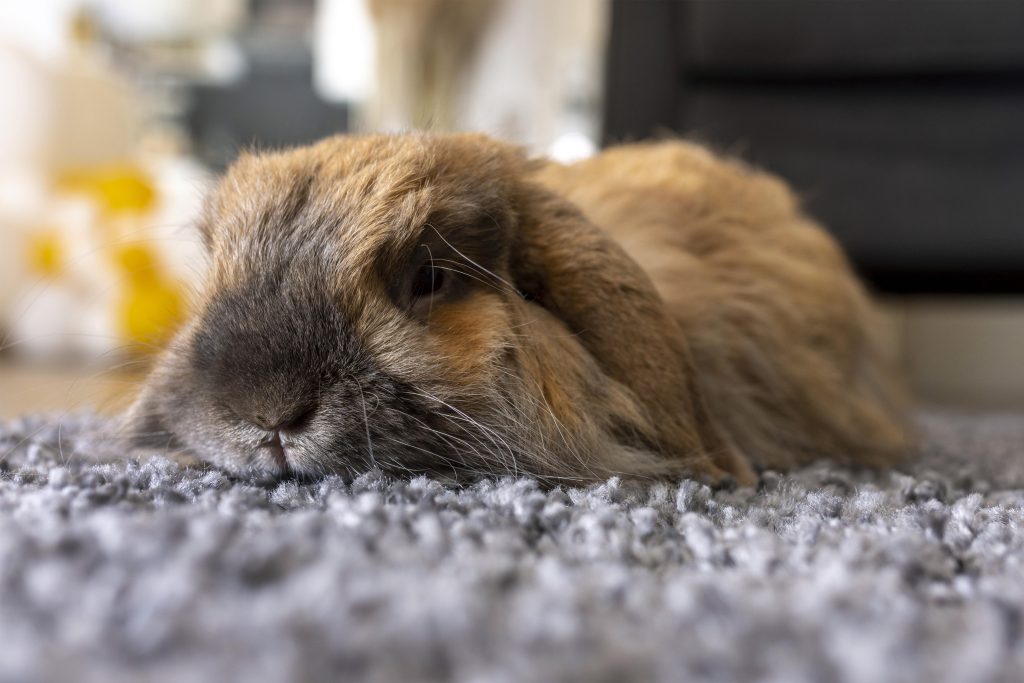
Veterinary & Affiliate Disclaimer: Bunnyowners.com shares educational rabbit care resources, not professional veterinary advice. Always consult a qualified veterinarian regarding your rabbit’s medical, dietary, or behavioral needs. This post may also contain affiliate links; as an Amazon Associate and affiliate partner, we earn from qualifying purchases at zero extra cost to you.
If you have noticed your rabbit hesitating before jumping out of their enclosure, slowing down on their morning hop to the veggie dish, or showing a sudden stiffness after a long nap, you are likely looking for answers. While it is easy to assume these behavioral changes are just a normal consequence of your pet getting older, true mobility limitations in domestic rabbits are rarely just “old age.” Instead, these subtle warning signs typically point to a very common, chronic joint condition that requires targeted care to manage successfully.
Rabbit arthritis is a progressive joint disease caused by the gradual breakdown of protective cartilage, resulting in chronic joint inflammation, pain, and reduced mobility. While it most frequently impacts senior rabbits, it can also be triggered by obesity, inherited conformation issues like splay leg, or historical skeletal injuries. Although the condition cannot be cured, a combination of veterinary-prescribed pain management, weight control, and home accessibility modifications can significantly improve your rabbit’s daily comfort and long-term quality of life.
Because pain affects movement, grooming, appetite, and digestion, arthritis can influence nearly every part of a rabbit’s daily routine. In my comprehensive library of rabbit health resources, I prioritize proactive care to prevent chronic conditions from lowering a pet’s quality of life. In the following guide, I will break down exactly how joint degradation develops in lagomorphs, how to decode the silent behavioral signs of chronic pain, and the concrete physical updates you can make to your home right now to keep your aging companion active, comfortable, and happy.
1. What Is Arthritis in Rabbits?
At its core, arthritis in rabbits—most commonly diagnosed as osteoarthritis or degenerative joint disease—is a progressive, inflammatory condition affecting the joints. In a healthy joint, a smooth layer of cartilage acts as a natural shock absorber, allowing bones to glide seamlessly against one another during movement. When arthritis takes hold, the protective cartilage becomes thinner, reducing cushioning and increasing friction and inflammation inside the joint.
Without this protective buffering layer, the joint capsule undergoes structural changes. The ongoing friction causes micro-trauma to the joint area, leading to the development of bone spurs, joint capsule thickening, and chronic discomfort.
Because rabbits often hide pain until mobility changes become obvious, arthritis may progress for some time before owners recognize a problem. In fact, peer-reviewed data published via the National Institutes of Health underscores that chronic joint diseases present a unique challenge in rabbit metabolism due to how quickly low-grade inflammation can lead to broader systemic changes.
It is vital for caretakers to differentiate this chronic condition from other common mobility issues:
- Arthritis: A long-term, progressive degradation of the joint, typically presenting as stiffness on both sides or gradual behavioral changes.
- Acute Injuries: Sudden lameness caused by sudden injuries like bone fractures, muscle strains, or ligament tears, which require emergency stabilization. Understanding why your rabbit is limping can help you quickly assess whether you are dealing with a sudden orthopedic trauma or a gradual decline.
- Sore Hocks (Pododermatitis): An external skin condition affecting the bottom surfaces of the hind feet. While severe arthritis can cause a rabbit to shift their weight abnormally, they are separate medical issues requiring distinct treatment plans.
Caretakers should also become highly familiar with how to look for subtle rabbit pain signs, as identifying distress is the first step toward securing timely veterinary care.
2. What Does Arthritis Look Like in a Rabbit?
Arthritis in rabbits often appears as subtle behavioral changes rather than obvious limping. The earliest signs of arthritis are easy to miss because they slowly blend into a rabbit’s everyday behavior. Owners may first notice a slight hesitation before jumping, a slower overall pace, or an uncharacteristic choice to rest on softer blankets rather than flat surfaces. Over time, these subtle shifts progress into distinct physical changes, including difficulty grooming the hindquarters, minor litter box accidents, or spending much more time resting in one spot.
3. How Common Is Arthritis in Rabbits?
Arthritis is an incredibly prevalent condition in domestic rabbits, though it remains heavily underdiagnosed. Because rabbits are prey animals, they often hide signs of pain until the condition becomes more advanced. Showing a limp or a physical weakness in the wild makes an individual an immediate target for predators. Consequently, a companion rabbit will often endure significant joint changes before displaying overt signs of mobility loss.
While the disease is most frequently identified in senior rabbits (typically those aged five years and older), it is not exclusive to old age. Veterinarians commonly identify arthritic changes in senior rabbits, sometimes before owners notice obvious mobility problems. Historical diagnostic data detailed by the House Rabbit Society emphasizes that joint care remains a key focus for aging rabbits. Middle-aged rabbits can develop localized arthritis due to a variety of secondary factors:
- Breed Predispositions: Large and giant breeds, such as Flemish Giants or French Lops, carry substantial weight, placing immense baseline stress on their hocks, knees, and hips.
- Prior Trauma: A previous bone fracture, severe joint dislocation, or soft-tissue ligament tear earlier in life alters the alignment of the limb permanently, accelerating cartilage wear.
- Subclinical Progression: X-ray studies frequently reveal that many rabbits possess mild to moderate arthritic changes in their spine or hind limbs well before their owners notice a single altered hop.
4. Rabbit Arthritis Symptoms
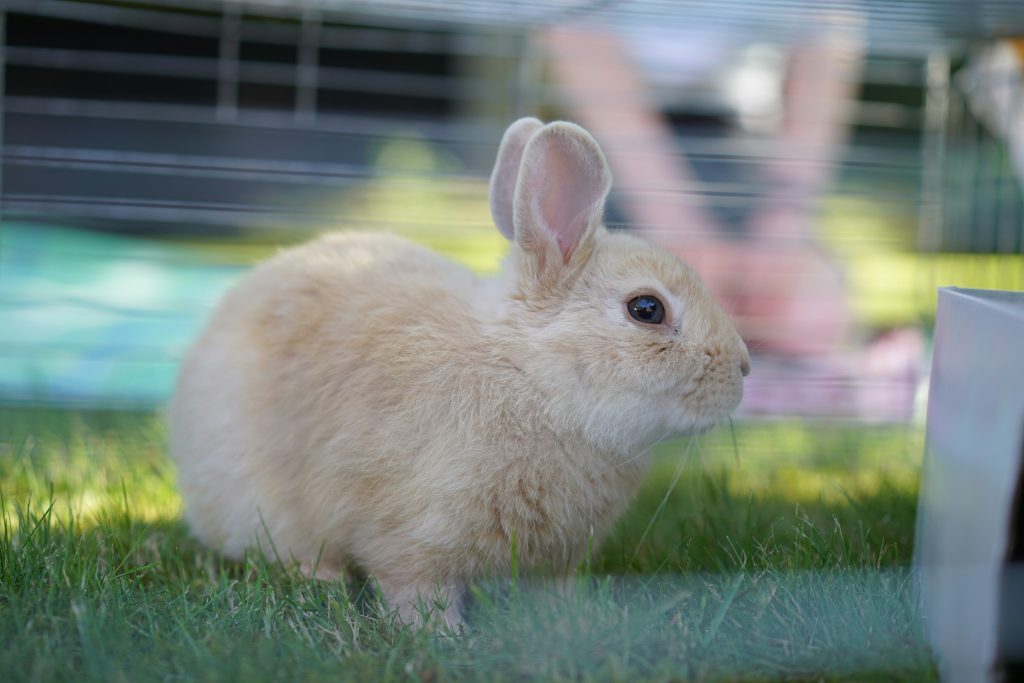
Because rabbits rarely whimper or cry out when experiencing chronic joint pain, identifying arthritis requires careful, daily observation of their behavioral patterns and physical posture.
Early Symptoms
- Micro-Stiffness: A brief, hesitant stiffness immediately upon waking up or rising from a long nap, which may subtly improve after the rabbit takes a few cautious steps.
- Altered Vertical Trajectory: Pausing, hesitating, or completely refusing to jump onto surfaces they previously navigated with ease, such as low footstools, couch cushions, or the base of their area.
- Decreased General Activity: Spending longer periods resting in their favorite spots, showing reduced enthusiasm for daily exploration, or sleeping through times of the day when they used to be active. If you notice your long-eared companion spending more time tucked away in a corner, it is crucial to determine if your rabbit is hiding or acting depressed due to underlying joint pain rather than simply having a quiet afternoon.
Progressive & Advanced Symptoms
- Trouble Grooming the Rear End: A noticeable buildup of urine scalding, cecotropes, or stray fecal pellets around the rear end. Arthritic rabbits frequently lack the flexibility required to reach their hindquarters for vital daily grooming.
- Litter Box Aversion: Urinating or defecating right next to the litter box rather than inside it. High-walled plastic boxes present a painful physical barrier for arthritic hips to clear.
- Muscle Wasting (Atrophy): A palpable loss of muscle mass along the hindquarters, spine, and thighs as the rabbit shifts their weight forward to reduce the burden on painful rear joints.
- The Cecotrope Drop: Finding intact, unconsumed cecotropes scattered across the flooring. Because spinal and hip stiffness prevents them from harvesting these nutrient-rich pellets directly from the vent, the rabbit will simply let them fall, missing out on crucial B-vitamins and amino acids. Recognising these red flags will help ensure your rabbit doesn’t suffer in silence.
I first noticed early stiffness with my own rabbit, Chino, during his morning routine. He began pausing for a few seconds before hopping over the low threshold of his enclosure—a tiny, split-second hesitation that was easy to miss but told me his joints were starting to trouble him.
To help you monitor your pet’s physical development, the summary table below contrasts the mild, easily missed adjustments of early joint strain against the highly visible indicators of advanced degenerative disease.
Table 1: Early vs. Advanced Arthritis Symptoms in Rabbits
| Symptom Category | Early-Stage Arthritis | Advanced-Stage Arthritis |
|---|---|---|
| Mobility | Mild stiffness after resting; slight drop in speed | Persistent lameness; shifting weight heavily to forelimbs |
| Jumping | Hesitation before leaping onto low platforms | Complete refusal or inability to clear low obstacles |
| Grooming | Normal appearance; occasional missed spots | Matted fur; dirty rear end; urine staining |
| Litter Habits | Consistently uses standard litter box | Eliminates outside the box due to high entry walls |
| Physical Form | Normal muscle tone and body symmetry | Palpable muscle wasting along the spine and thighs |
5. What Causes Rabbit Arthritis?
Arthritis usually develops because several factors add up over time, rather than stemming from one isolated issue.
Age-Related Wear and Tear
The most common driver is the simple, cumulative wear that occurs over years of hopping, running, and binkying. Over time, the natural regenerative capacity of cartilage slows down, leaving the joint vulnerable to micro-abrasions.
Previous Orthopedic Injuries
Any historical injury that disrupted the perfect alignment of a joint—such as an old fracture, a torn ligament, or a joint dislocation—creates uneven weight distribution. Even if the injury healed well years prior, the uneven pressure accelerates localized cartilage breakdown.
Obesity
Domestic rabbits carrying excess body fat place a continuous, disproportionate load on their joints. This chronic overload speeds up the degradation of the articular cartilage in the hips, knees, and hocks. Furthermore, fat tissue actively releases pro-inflammatory cellular signals (cytokines) directly into the bloodstream, which worsens joint inflammation across the entire body. Reviewing a good rabbit diet guide can help you structure a low-calorie, fiber-first meal plan to take the physical pressure off their frame.
Congenital and Conformational Deformities
Some rabbits are born with structural variations that predispose them to early-onset joint disease. Conditions like hip dysplasia, patellar luxation, or mild cases of splay leg alter the natural dynamics of movement, subjecting the skeletal frame to abnormal, repetitive stress.
Repetitive Environmental Stress
Living continuously on slick, uncarpeted surfaces (such as laminate, hardwood, or smooth tile) forces a rabbit’s feet to constantly splay outward to maintain grip. This lack of traction places ongoing strain on the ligaments and joints of the limbs, hastening structural decline.
6. Which Rabbits Are Most at Risk?
While any rabbit can develop degenerative joint disease, certain profiles are statistically much more likely to require medical intervention during their lives:
- Seniors: Rabbits entering their later years (5 to 8+ years old).
- Giant Breeds: Flemish Giants, British Giants, French Lops, and New Zealands.
- Overweight Individuals: Rabbits with a body condition score above the ideal baseline, often driven by high-calorie pellet diets and sedentary lifestyles.
- Rabbits with Secondary Pododermatitis: Chronic soreness alters how a rabbit plants their feet, forcing an unnatural gait that strains the joints upward. Learning how to properly manage your rabbit’s sore hocks can prevent these external foot ulcerations from throwing off their internal skeletal alignment.
- Confinement-Stressed Rabbits: Those kept in small cages with limited daily opportunities to stretch, run, and maintain supportive muscle mass.
7. How Veterinarians Diagnose Arthritis
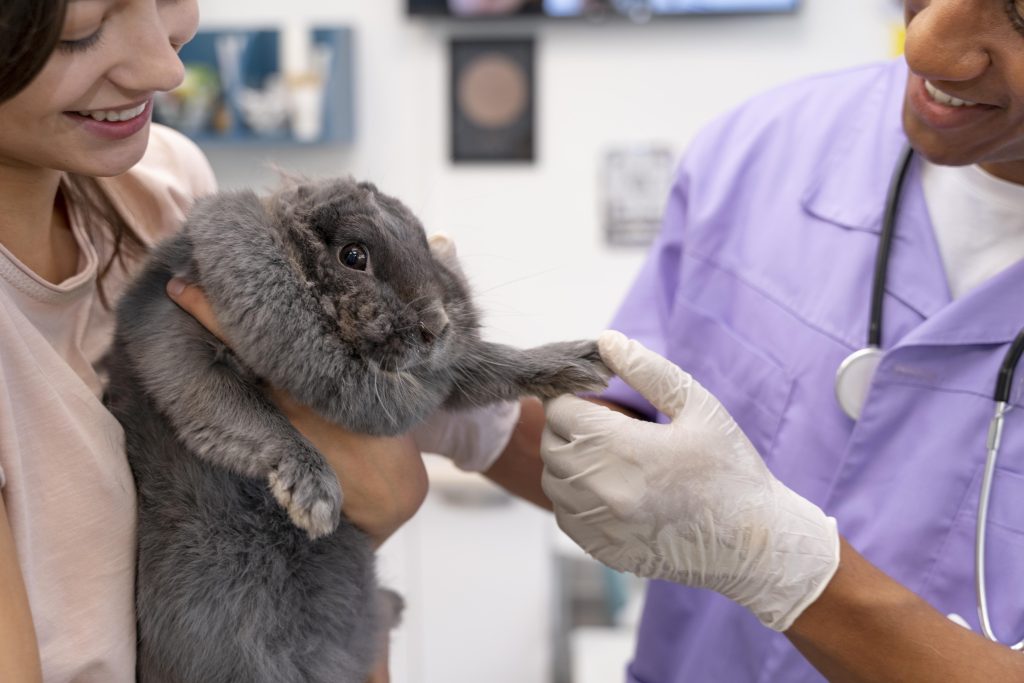
If you observe any behavioral indicators of joint discomfort, a professional veterinary evaluation is essential to confirm the diagnosis and rule out lookalike conditions. Keeping up with a thorough rabbit health guide is the best way to catch these issues early, allowing you to manage them before they become chronic, daily problems.
The Physical Evaluation & Palpation
Your exotic veterinarian will start with a hands-on physical exam. They will carefully feel the limbs, checking for joint thickening, heat, swelling, fluid buildup, or a grinding sensation known as crepitus. They will also assess the rabbit’s passive range of motion and utilize standardized clinical toolsets like the Rabbit Grimace Scale to observe ear position, eye tightening, and whisker tension to quantify acute discomfort.
Radiographic Imaging (The Gold Standard)
Because rabbits hide changes so well, definitive diagnosis almost always requires digital radiographs (X-rays). Under light, safe sedation to prevent stress and ensure precise positioning, your vet will take images of the spine and limbs. Radiographs help veterinarians identify joint changes and rule out other causes of pain, such as fractures or abnormal bone growth.
On a diagnostic x-ray film, a clear arthritic joint displays a highly distinct loss of space between the bones where the cartilage has worn down, coupled with jagged bone spurs forming along the edges of the joint capsule. According to clinical imaging guidelines published by the World Small Animal Veterinary Association, precise diagnostics ensure tailored treatment pathways.
Differential Diagnosis: Ruling Out Lookalikes
A thorough diagnostic protocol ensures the rabbit’s stiffness isn’t actually caused by a different issue altogether:
- Neurological Conditions: Central nervous system issues or protozoal infections like Encephalitozoon cuniculi (E. cuniculi) can cause hind-limb weakness or dragging. If you notice a rabbit losing balance or tilting their head alongside rear weakness, it is critical to screen for these neurological indicators rather than assuming it is purely joint wear.
- Deep Tissue Infections: Osteomyelitis (bone infection) or deep abscesses can cause localized swelling and severe lameness.
- Spinal Trauma: Acute vertebral injuries or disc herniations require vastly different management strategies than chronic degenerative joint disease.
Caretakers can routinely perform a basic at-home rabbit health check to establish a reliable baseline, making it much easier to catch these physical and neurological anomalies the moment they surface.
8. Rabbit Arthritis Treatment
Managing rabbit arthritis requires a multi-modal treatment plan. Because the underlying cartilage degradation cannot be reversed, medical intervention focuses squarely on reducing inflammation, controlling pain, preserving existing mobility, and halting secondary complications.
Veterinary-Prescribed Pain Medication
Pain medication is usually the foundation of arthritis management.
- Non-Steroidal Anti-Inflammatory Drugs (NSAIDs): Meloxicam is the most common anti-inflammatory prescribed for rabbits. Because rabbits process medications much faster than dogs or cats, they typically need higher or more frequent doses to get relief. Clinical drug guides by the Avian & Exotic Animal Clinic emphasize that these doses must be carefully tailored by an exotic veterinarian to protect their kidneys and liver. Keeping their pain under control does wonders for their appetite. Getting them back to happily munching on their hay is the single best way to avoid the downward spiral of a rabbit refusing to eat, which keeps their gut moving and prevents deadly GI stasis.
- Secondary Analgesics: In cases of advanced or breakthrough pain, veterinarians may introduce secondary medications such as Gabapentin (to target nerve discomfort) or Tramadol as part of a multi-drug pain strategy.
Signs Arthritis Medication Is Working
When a pain management plan is successful, you will notice distinct, positive improvements in your rabbit’s daily life. Keep an eye out for these signs that the medication is providing relief:
- More Frequent Self-Grooming: The rabbit will start cleaning hard-to-reach areas again, resulting in a cleaner coat and a drier rear end.
- Easier Litter Box Use: Your rabbit will stop avoiding the litter box and will comfortably step inside rather than leaving messes right outside the entrance.
- Increased Exploration: You will see your rabbit moving around the room more frequently, showing renewed curiosity in their surroundings.
- Improved Appetite: Because chronic pain suppresses hunger, a comfortable rabbit will eat their hay and greens with much more enthusiasm.
- Easier Jumping: While they may never leap to high surfaces again, they will show less hesitation when navigating low thresholds or stepping onto favorite blankets.
Targeted Weight Management
Reducing the weight load on compromised joints is an incredibly effective way to minimize pain. Your veterinarian can help tailor a weight loss strategy that minimizes concentrated, starch-heavy pellets while maximizing high-fiber, low-calorie grass hays (like Timothy or Orchard grass) and fresh leafy greens. This dietary shift safely slims down the rabbit while keeping the gastrointestinal tract moving consistently.
Joint Supplements & Nutraceuticals
While large-scale clinical trials regarding the efficacy of oral joint supplements in lagomorphs remain limited, many exotic practitioners incorporate them into early-to-mid-stage treatment plans:
- Glucosamine and Chondroitin: Administered to provide the molecular building blocks necessary to support remaining cartilage health and improve joint fluid quality. Extensive case resources outlined by veterinary networks like MediRabbit highlight how these supplements help slow structural breakdown when properly introduced alongside pain management.
- Omega-3 Fatty Acids: Sourced from high-quality plant or marine oils to offer mild, anti-inflammatory benefits.
- Note: Caretakers should maintain realistic expectations; nutraceuticals are supportive measures and cannot replace primary prescription pain relief.
Advanced Care Methods
Modern exotic medicine offers several non-invasive physical therapies that can complement traditional medication:
- Laser Therapy (Photobiomodulation): Utilizing specific wavelengths of light directed at the arthritic joints to stimulate cellular repair, improve local blood circulation, and alleviate localized inflammation. Many rabbits find these quick sessions deeply relaxing. Comprehensive clinical guides published by the American Association of Rehabilitation Veterinarians highlight that photobiomodulation works exceptionally well to relax localized muscle spasms, reduce pain, and restore joint tissue flexibility in companion animals.
- Passive Range-of-Motion (PROM) Exercises: Gentle, veterinarian-guided stretching of the limbs performed at home to maintain joint flexibility and combat muscle stiffness. Never attempt these exercises until a veterinarian has demonstrated the proper technique and confirmed the joints are stable.
9. How to Relieve Arthritis Pain at Home
While your veterinarian handles the medical prescription, your job as a caretaker is to update the physical environment. A few thoughtful modifications to their living space can dramatically reduce daily wear and tear on their joints.
Improve Your Rabbit’s Footing
Smooth, slippery floors are a major hazard for an arthritic rabbit. Cover all accessible living spaces with high-traction, non-slip surfaces. Thick, interlocking foam play mats topped with tightly woven fleece blankets or low-pile, rubber-backed rugs provide secure footing, preventing the painful slipping and splaying that aggravates inflamed joints.
Accessibility Upgrades
- Low-Profile Litter Boxes: Replace standard high-walled litter boxes with senior-accessible alternatives. You can purchase specialized low-entry boxes or modify a durable plastic storage container by safely cutting a wide, smooth opening just one to two inches off the floor.
- Single-Level Floor Plans: Block off access to steep ramps, multi-tier platforms, or high jumping spots. Keep all vital resources—such as water bowls, fresh hay piles, and hiding boxes—grouped close together on a single level to minimize unnecessary travel across the room.
- Orthopedic Rest Zones: Provide flat, supportive bedding options like dense memory foam orthopedic pet beds covered in easily washable fleece. Avoid overly plush, deep beds that sink excessively, as these can be difficult for a stiff rabbit to climb out of. If you need inspiration for arranging their space, look to the senior setup ideas from the House Rabbit Society, which show how to protect sore joints while keeping resources accessible.
⚠️ Critical Safety Warning: Never, under any circumstances, administer over-the-counter human pain medications (such as Ibuprofen, Aspirin, or Acetaminophen) or medications prescribed for other household pets to a rabbit. These medications can cause serious gastrointestinal, kidney, or liver complications in rabbits, and even a tiny dose can quickly prove fatal. All pain management plans must be designed and monitored directly by a qualified exotic veterinarian.
10. Living With an Arthritic Rabbit
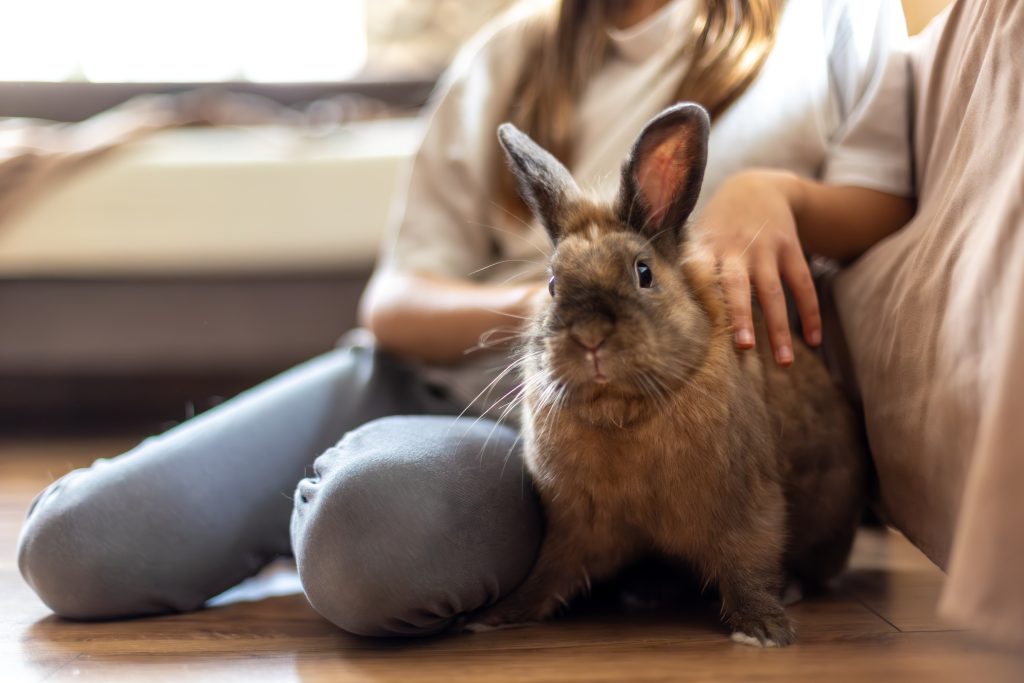
Providing care for a senior, arthritic rabbit is an ongoing commitment that requires adjusting your daily routine to meet their evolving physical needs.
Assisted Grooming and Perineal Care
Because your rabbit can no longer easily twist around to clean their hindquarters, you must step in to assist. Check their rear end daily for urine dampness or trapped fecal matter. Use a soft, warm, damp cloth to gently spot-clean the fur, ensuring you thoroughly dry the skin afterward to prevent painful moisture dermatitis (urine scald).
It is also crucial to learn how to clip rabbit nails safely and keep them neatly trimmed; overgrown claws alter the natural angle at which the foot hits the floor, creating an uneven skeletal tilt that places intense, unnecessary strain on the hocks and knees.
Harvesting Cecotropes
If your rabbit cannot reach their cecotropes, discuss feeding and hygiene strategies with your veterinarian. Collecting dropped cecotropes and managing secondary care helps prevent significant nutritional deficiencies. For example, the BSAVA rabbit housing guide highlights how restricted spaces directly contribute to joint stiffness, sore hocks, and a rabbit’s inability to harvest these essential soft feces.
When my rabbit, Mocha, started struggling with grooming due to hock discomfort, we stepped in with daily assisted cleanings. I quickly learned that offering her the cecotropes she dropped on a small, flat saucer kept her digestive health perfectly balanced without causing her the stress of trying to twist around.
Vigilant Pain and Flare-Up Monitoring
Keep a close eye out for sudden shifts in baseline behavior. A rabbit whose arthritis is well-managed should remain bright, alert, and interested in their environment. If you notice a sudden drop in appetite, a reluctance to move toward the food bowl, or continuous tooth grinding, they may be experiencing an acute pain flare-up or entering GI stasis.
Recognizing when your rabbit is lethargic or not moving is absolutely critical, as a sudden, severe drop in mobility demands immediate veterinary intervention rather than a “wait-and-see” approach. Groups like the Rabbit Welfare Association stress that structural monitoring, weight metrics, and behavior logs are vital to catching these sudden discomfort spikes early.
Table 2: Daily, Weekly, and Monthly Home Care Checklist
| Frequency | Care Action Item | Primary Health Focus |
|---|---|---|
| Daily | Perineal area check | Prevent urine scald and flystrike |
| Daily | Monitor hay intake and pellet appetite | Early detection of pain-induced GI stasis |
| Daily | Clean up/hand-feed dropped cecotropes | Maintain essential nutrient absorption |
| Weekly | Record body weight on a digital scale | Track muscle wasting or unhealthy weight gain |
| Weekly | Wash fleece bedding and check floor traction | Maintain clean environment; ensure secure footing |
| Monthly | Inspect nail length and trim if needed | Maintain proper anatomical alignment of feet |
11. How Long Can Rabbits Live With Arthritis?
Arthritis itself is not a life-ending condition. Many rabbits continue living comfortably for years after diagnosis when their pain is actively managed, mobility is supported, and structural complications such as GI stasis, urine scald, and unhealthy weight loss are actively prevented.
With consistent pain management, environmental changes, and regular veterinary monitoring, many rabbits continue to enjoy a good quality of life for years after diagnosis. Clinical research on appetite and gastrointestinal health published by the Cornell University College of Veterinary Medicine emphasizes that chronic pain is a primary trigger for appetite loss in rabbits, which can quickly lead to gastrointestinal stasis if left unmanaged.
If an owner is attentive to home layout changes, provides consistent veterinary care, and remains vigilant against secondary digestive issues, an arthritic rabbit can easily maintain an excellent quality of life through their golden years.
12. Prognosis & Prevention
Degenerative joint disease is a chronic, progressive condition with no permanent cure. However, an arthritis diagnosis is absolutely not a prompt death sentence. When backed by a proactive caretaker and a modern veterinary treatment plan, many arthritic rabbits continue to enjoy a wonderful quality of life, remaining active, affectionate, and happy family members for several years. The goal of treatment is not to cure arthritis, but to keep your rabbit comfortable, mobile, and interested in daily life.
Risk Mitigation Strategies
While you cannot entirely prevent age-related cartilage wear or override a genetic predisposition, you can take concrete steps throughout your rabbit’s early and middle years to significantly reduce the severity of the disease:
- Maintain Peak Body Condition: Weigh your rabbit regularly and adjust their diet to prevent obesity, ensuring they don’t carry extra weight into their senior years.
- Encourage Consistent Exercise: Provide ample daily floor time in a spacious, secure environment to build strong, supportive muscle mass around their joints. Detailed research published by the Royal Society for the Prevention of Cruelty to Animals highlights that rabbits restricted to small enclosures are at a significantly higher risk of developing progressive bone weakness, muscle wasting, and skeletal abnormalities.
- Provide High-Traction Flooring Early: Avoid raising rabbits exclusively on slick floors or wire-bottom cages, protecting their joints from lifelong micro-stress.
- Prioritize Prompt Injury Care: Treat all acute sprains, strains, or minor limps immediately with professional veterinary care to ensure proper healing and prevent long-term joint misalignment.
13. Frequently Asked Questions
Can young rabbits get arthritis?
Yes. While it is predominantly diagnosed in seniors, young rabbits can develop arthritis secondary to inherited birth defects (like hip dysplasia or splay leg), severe historical injuries, or early-onset obesity.
How long can rabbits live with arthritis?
Rabbits can live comfortably with arthritis for many years. Because it is a manageable chronic disease rather than a terminal illness, a combination of daily pain relief medications and proactive home modifications allows most senior rabbits to live out their natural lifespan.
Is arthritis painful for rabbits?
Yes, arthritis causes chronic, inflammatory pain. Because rabbits are prey animals, they instinctively hide this discomfort. Behavioral changes like moving less, hesitating before jumping, or withdrawing from social interactions are clear expressions of joint pain.
Why is my rabbit stiff after sleeping?
Arthritic joints often feel stiff after resting because they haven’t been moving. Gentle movement usually helps loosen them up as the body warms up and gets active again.
Should I exercise a rabbit with arthritis?
Gentle, self-paced movement is highly beneficial because it keeps joints lubricated and preserves supportive muscle mass. Encourage gentle exploration on high-traction, non-slip surfaces, but never force an arthritic rabbit to move, run, or exercise if they show signs of resistance or discomfort.
Can arthritis cause GI stasis?
Yes. Unmanaged, chronic pain is a major physiological stressor that can slow down gastrointestinal motility, leading to a dangerous reduction in appetite. Understanding the triggers of GI Stasis underscores why reliable, veterinary-monitored pain relief is so critical for preventing fatal digestive shutdowns in senior pets.
Can arthritis make my rabbit stop grooming?
Absolutely. The progressive spinal and hip stiffness associated with arthritis makes it physically painful for a rabbit to bend down and reach their rear end, tail, and hind legs, which quickly leads to a messy coat and dirty hindquarters.
Is arthritis the same as sore hocks?
No. Arthritis is an internal inflammation and degradation of the joints. Sore hocks (pododermatitis) is an external bacterial ulceration of the skin on the bottom of the hind feet. However, severe arthritis can cause a rabbit to sit with abnormal posture, shifting weight in a way that directly triggers sore hocks.
Can arthritis be seen on an X-ray?
Yes, arthritis can routinely be identified on rabbit X-rays. A veterinarian will look for clear radiographic indicators, including a visible narrowing of the joint spaces, changes to the bone density around the margins, and the presence of bone spurs.
How much does rabbit arthritis treatment cost?
Costs vary significantly depending on standard diagnostic examinations, required radiographic imaging, ongoing monthly prescription medications, and your specific geographic location.
When should I call the vet?
Schedule a veterinary visit immediately if you notice a sudden drop in daily food intake, complete structural lameness in a limb, a sudden inability to stand up, or signs of severe distress such as continuous tooth grinding, heavy breathing, or total social withdrawal.
14. Final Thoughts
Discovering that your companion rabbit is developing arthritis can certainly feel overwhelming, but it is simply the start of a new, gentler chapter in your caretaking journey. By recognizing the subtle behavioral signs of discomfort early, partnering closely with an experienced exotic veterinarian to establish a robust pain relief routine, and making targeted layout adjustments at home, you can easily remove the physical barriers that make their day difficult. With a little extra support, your senior rabbit can comfortably enjoy their favorite spaces, remain an active part of the family, and live a happy life for years to come.
Medical & Veterinary Disclaimer: Bunnyowners.com is an informational resource for rabbit owners and enthusiasts. We are not veterinarians. The content on this website is for educational purposes only and is not a substitute for professional veterinary advice, diagnosis, or treatment. Always consult a qualified veterinarian with any questions or concerns regarding your pet’s health, medical conditions, diet, or overall care. If you have concerns about your rabbit’s health, it’s always best to reach out to a veterinarian rather than relying solely on information found online.