
Veterinary & Affiliate Disclaimer: Bunnyowners.com shares educational rabbit care resources, not professional veterinary advice. Always consult a qualified veterinarian regarding your rabbit’s medical, dietary, or behavioral needs. This post may also contain affiliate links; as an Amazon Associate and affiliate partner, we earn from qualifying purchases at zero extra cost to you.
Every rabbit owner lives in quiet terror of Gastrointestinal (GI) Stasis—essentially the biological equivalent of an immovable highway gridlock inside your pet. Because a rabbit’s internal design relies on a mechanical conveyor belt that can never safely turn off, even a minor dietary detour can spark a massive metabolic crisis. Understanding how to manage this complex system through precise daily nutrition is the single best way to ensure your pet remains a functioning herbivore rather than a veterinary emergency.
The most effective way to prevent GI stasis in rabbits is to provide a diet consisting of 80% to 90% unlimited grass hay, tightly controlled pellet portions, and fresh daily greens. High-fiber forage keeps the smooth muscles of the intestines contracting constantly, while optimal hydration from wet greens prevents intestinal blockages. Restricting sugary treats and carbohydrates further protects the delicate balance of beneficial gut bacteria from a dangerous digestive shutdown.
To build a bulletproof baseline of digestive wellness, this guide will dissect the structural mechanics of high-quality grass hays, establish strict limits for commercial pellets, identify safe daily leafy greens, and trace the underappreciated role of systemic hydration. Real-world observation of my own resident rabbits, Mocha and Chino, show that mapping out these core dietary elements is the ultimate blueprint for protecting long-term lagomorph health. If you are tracking general wellness parameters beyond nutrition, incorporating foundational rabbit health care guides into your routine provides a vital roadmap for long-term health management.
1. Why Diet Is So Important for Preventing GI Stasis
Rabbits are obligate herbivores and highly specialized hindgut fermenters, which is a polite way of saying they run a tiny, high-stakes brewery in their lower intestines. After food clears the stomach and small intestine, it lands in the cecum: a massively enlarged fermentation vat packed with a delicate balance of specialized bacteria tasked with breaking down complex vegetation.
Crucially, this entire internal pump is mechanically driven by indigestible fiber (specifically cellulose and lignocellulose). Because this coarse, long-strand material cannot be broken down by the cecum’s microbes, its physical bulk acts as a biological cattle prod. It stimulates the smooth muscles of the intestinal walls to contract rhythmically in a wave-like motion known as peristalsis. This constant muscular pumping action rapidly clears out useless debris while sending digestible nutrients back into the fermentation loop. Without an absolute flood of long-strand fiber, the entire pump loses its physical stimulus and grinds to a sudden halt.
What Happens When Fiber Intake Drops
When dietary fiber drops below baseline parameters, the rabbit’s internal ecosystem suffers a spectacular cascading failure:
- Intestinal Hypomotility: Intestinal walls lose their muscular tone, and internal transit times slow to an ominous crawl.
- Cecal Dysbiosis: As movement stalls, the pH inside the fermentation vat shifts violently. The good, fiber-loving bacteria starve, allowing toxic, gas-producing pathogens (like Clostridium species) to launch a hostile takeover.
- Gas Accumulation: The newly dominant pathogens ferment stagnant sugars rapidly, inflating the non-moving intestines with incredibly painful gas pockets.
- Dehydration of Ingesta: The stomach and cecum continue to wick moisture out of the remaining food mass. Without new fluids and incoming fiber to force it forward, the material bakes into a dense, solid, immovable clay plug that effectively seals the tract shut.
The progression from optimal wellness to a total gastrointestinal breakdown can be tracked across distinct biological milestones:
| Phase of Decline | Physical Gut Conditions | Visible Symptoms in Rabbit | Urgent Owner Action Required |
| Phase 1: Motility Slowdown | Intestinal contraction frequency drops; material begins to lag in the gut. | Subtle drop in food excitement; slightly fewer or smaller droppings. | Increase fresh hay variety; limit or eliminate pellets temporarily; track water. |
| Phase 2: Dysbiosis & Gas | Cecal pH shifts; beneficial microbes die; gas-producing bacteria multiply rapidly. | Hunching over; loud gurgling noises from belly; shifting positions uncomfortably. | Administer vet-approved gas drops; encourage gentle movement; monitor hourly. |
| Phase 3: Full Impaction | Core fluids are stripped from remaining ingesta; a hard, dry food plug forms. | Total refusal of all food/water; zero droppings for 8+ hours; extreme lethargy. | Emergency Medical Crisis. Cease home changes and seek an exotic vet immediately. |
How Poor Diet Triggers GI Stasis
Low-fiber diets are one of the biggest risk factors for GI stasis in rabbits. Without enough hay, the digestive system slows down and harmful bacteria can begin to overgrow. A digestive shutdown is rarely a random stroke of bad luck; it is almost always paved with routine, everyday feeding errors. Low overall hay consumption is the usual catalyst, but it is routinely accelerated by over-feeding highly concentrated pellets, handing out sugary, carbohydrate-heavy treats, or accidentally offering toxic foods for rabbits that disrupt gut chemistry.
High levels of simple sugars and starches are biological mood killers for digestion; they suppress the production of motilin, the vital hormone responsible for promoting gut motility. When you mix a low-fiber menu with systemic dehydration (which instantly parches the gut contents) and obesity (which causes a sedentary lifestyle that strips the abdomen of natural movement), the rabbit’s digestive tract is left with zero mechanical capacity to maintain peristalsis.
2. The Foundation of a GI Stasis Prevention Diet
Fresh, long-strand grass hay is not an optional side dish; it is the structural framework of lagomorph survival. Beyond providing the coarse fiber required to mechanically keep the intestinal pump firing, hay forces a rabbit to chew in a highly specific, horizontal grinding motion. This continuous, side-to-side grinding is the only natural way to wear down their open-rooted, continuously growing teeth.
If a rabbit ignores their hay, their teeth will quickly grow out of control, developing razor-sharp enamel spikes (molar spurs) that slice into their tongue and cheeks. The resulting oral agony makes chewing impossible, causing the rabbit to stop eating entirely—which triggers secondary GI stasis via self-imposed starvation.
Best Hay Types for Adult Rabbits
For healthy adult rabbits (those who have successfully cleared their first birthday), selecting the best hay for rabbits means focusing entirely on low-calcium, low-protein, and high-fiber grass hays.
- Timothy Hay (First or Second Cut): The undisputed gold standard of the forage world, offering a flawless baseline of crude fiber and palatability. Second cut is usually the sweet spot for keepers, as it is leafier and softer while retaining excellent fiber integrity.
- Orchard Grass: A brilliant fallback option that matches Timothy’s nutritional stats but offers a softer texture and a sweeter fragrance, making it highly effective for sweet-talking picky eaters.
- Meadow Hay: A textured blend of pasture grasses and safe field herbs, providing excellent sensory enrichment for natural foraging behaviors.
- Oat Hay: A coarser, thick-stemmed forage packed with exceptional mechanical crunch, perfect for wearing down stubborn teeth.
Hay for Young Rabbits
Young, growing kits have vastly different metabolic demands than their settled elders. Between weaning and approximately six to seven months of age, rabbits require unlimited access to Alfalfa Hay. Alfalfa is technically a legume, meaning it is packed with the elevated protein, digestible calories, and heavy calcium needed to construct a growing skeleton.
However, keeping an adult rabbit on alfalfa is an express invitation to a medical crisis. The excessive calcium must be excreted through their urinary tract, predisposing them to bladder sludge and kidney stones—conditions that cause painful rabbit urinary problems—while the high calorie profile rapidly induces obesity and dangerous cecal over-fermentation. The transition from luxury legume to pure grass forage must be handled systematically between 6 and 12 months of age.
| Forage Variety | Relative Fiber Content | Relative Protein & Calcium | Primary Practical Purpose |
| Timothy Hay | Very High | Low to Moderate | Standard daily base for adult dental and gut maintenance. |
| Orchard Grass | High | Low | Excellent high-palatability replacement for picky or allergic owners. |
| Meadow Hay | Moderate to High | Moderate | Perfect for sensory foraging enrichment due to mixed wild grasses. |
| Oat Hay | Exceptionally High | Moderate | Coarse texture choice; ideal for wearing down stubborn molars. |
Signs Your Rabbit Is Eating Enough Hay
You can instantly audit your rabbit’s digestive efficiency by analyzing the output in their litter box. A rabbit consuming optimal levels of grass forage will consistently produce droppings that are:
- Large, perfectly round, and uniform in size.
- Light brown to medium golden-brown, displaying visible, tiny flecks of undigested hay when broken apart.
- Completely dry to the touch and entirely odorless.
- Produced in massive, high-volume quantities throughout the day.
Conversely, small, dark, oval, or misshapen pellets indicate a gut that is actively starving for fiber and slowing down to a crawl.
How to Encourage More Hay Consumption
If your rabbit actively avoids their forage, they are likely practicing selective feeding behavior—a bad habit where a pet snubs tough, fibrous stems to save room for tastier pellets or treats. You can break this strike and boost their intake with a few targeted environmental mind games:
- Litter Box Placement: Rabbits naturally drop cargo while they graze. Dumping a fresh mountain of hay directly inside or right above their litter box is the most effective way to instantly double their daily consumption.
- Foraging Relays: Scatter hay in unexpected locations—stuffed inside cardboard tubes, hanging from wire racks, or buried in brown paper bags—to engage their wild foraging instincts.
- The Freshness Rule: Hay loses its enticing aroma when left to sit. Dump out old, trampled forage twice daily and replace it with a fresh, fragrant handful.
- The Pellet Sanction: The most common reason a rabbit turns up their nose at hay is simple: they are completely full on pellets. If you are struggling with a rabbit not eating hay but eating pellets, tapering their pellet rations down to strict clinical limits is the fastest way to force a return to grass.
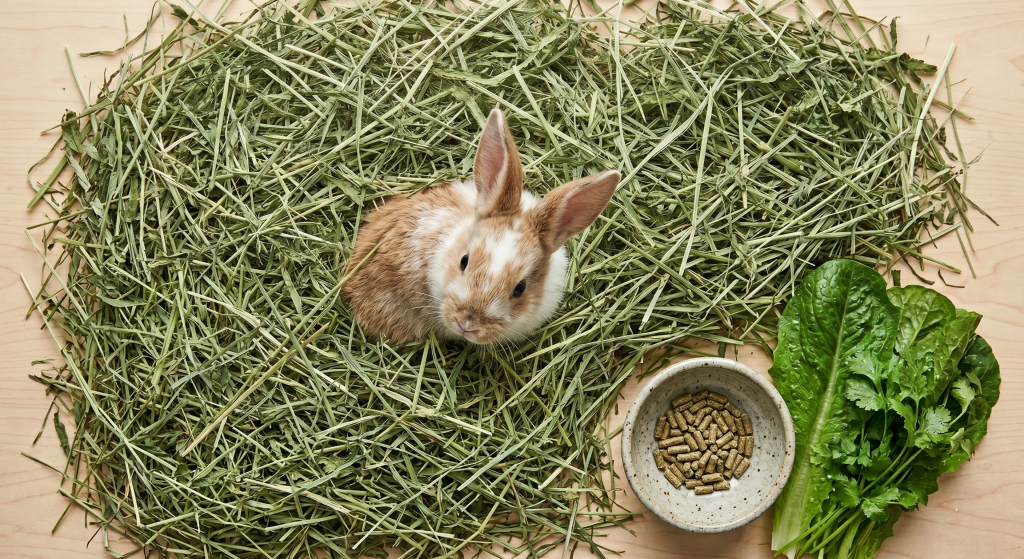
Unlimited grass hay should make up around 80–90% of an adult rabbit’s diet. Hay provides the crucial long-strand fiber needed to keep the digestive system moving normally.
3. How Pellets Can Help — or Harm — Digestive Health
Why Pellets Should Only Be a Small Part of the Diet
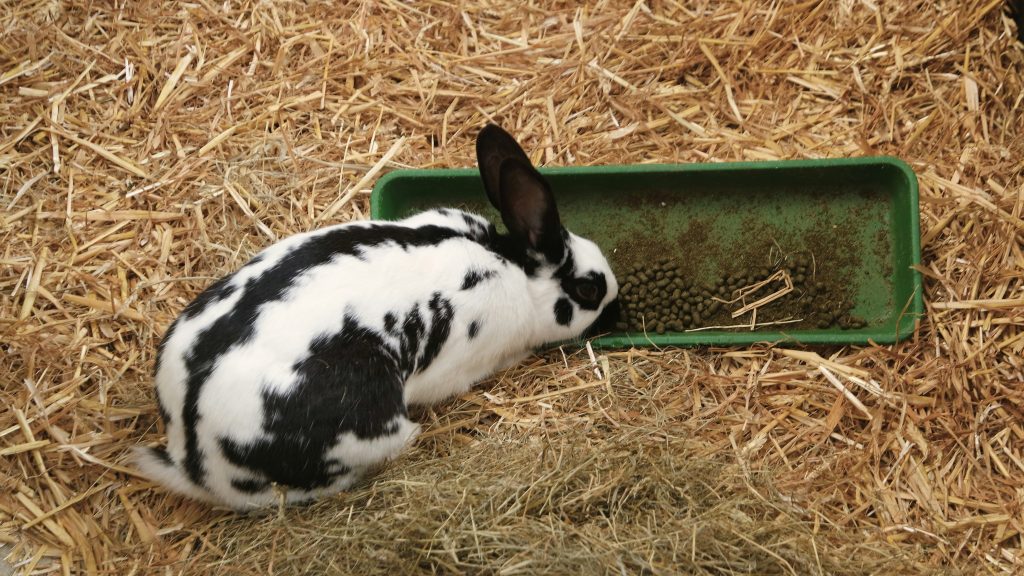
Commercial rabbit pellets were originally engineered for industrial livestock production, where rapid weight gain and accelerated growth were prized over long-term longevity. In a domestic pet setting, selecting the best rabbit pellets means finding a formula that functions only as a highly concentrated vitamin and mineral safety net to patch up any minor micronutrient gaps left by grass hay. They are a supplement, not the main event.
Problems With Overfeeding Pellets
When pellets are free-fed or offered in unrestricted quantities, the consequences for the rabbit’s internal machinery are disastrous. Pellets require minimal chewing effort and instantly dissolve into fine particles smaller than 0.3 millimeters. Data demonstrates that these tiny particles completely lack the physical structure needed to stimulate peristalsis; instead, they inherently slow down gut motility.
This extreme nutrient density guarantees rapid weight gain. Obese rabbits frequently suffer from physical mobility constraints, meaning they can no longer reach their rears to ingest their cecotropes (specialized, nutrient-dense nighttime droppings packed with volatile fatty acids and beneficial microbes). Left unconsumed in the enclosure, these vital clusters break down into a messy, sticky coating on the fur—a condition owners frequently mistake for true rabbit diarrhea. This selective neglect simultaneously destabilizes the internal chemistry of the hindgut.
Choosing a Healthy Pellet Formula
When shopping for a commercial pellet, completely ignore the adorable cartoon rabbits on the packaging and flip straight to the ingredient deck and nutritional breakdown:
| Nutritional Component | Target Requirement for Adult Rabbits |
| Crude Fiber | Minimum 20% to 25% (Higher is always better) |
| Crude Protein | Maximum 12% to 14% |
| Calcium | Maximum 0.5% to 0.6% |
| Fat | Maximum 1% to 2% |
The Uniformity Rule: Buy plain, uniform, grass-based pellets exclusively (ideally derived from Timothy grass). Absolutely avoid any commercial “muesli” or gourmet mixes that feature dried corn, peas, seeds, nuts, or colorful grain loops. Rabbits possess a highly developed sweet tooth and will expertly mine these mixes for the high-starch, high-fat treats while discarding the actual fiber. This selective snacking is a fast track to cecal dysbiosis and eventual dental decay.
Recommended Pellet Portions by Weight
To maintain ideal digestive velocity and keep weight within a healthy range, pellets must be precisely measured every single day. Eyeballing the portion size is not an option.
- Rabbits under 5 lbs: Maximum 1/8 to 1/4 cup daily.
- Rabbits between 5 and 10 lbs: Maximum 1/4 to 1/2 cup daily.
- Rabbits over 10 lbs: Maximum 1/2 to 3/4 cup daily.
Feel free to dial these numbers back even further if your pet prefers a sedentary lifestyle, or if you notice their daily hay enthusiasm starting to wane.
Common Pellet Mistakes That Increase GI Stasis Risk
Leaving a bowl permanently topped off with pellets is an absolute guarantee of a future digestive crisis. Similarly, switching pellet brands overnight is a dangerous gamble. A rabbit’s internal microbiome requires time to adjust its bacterial populations to a new recipe. If you change their food cold turkey, the existing microbes cannot process the new formula, triggering a massive bacterial die-off, toxic enterotoxemia, and acute stasis. All pellet transitions must be phased in gradually over a minimum of 7 to 10 days.
4. The Role of Fresh Greens in Digestive Health
Fresh, wet leafy greens are a double-agent for good in a preventative diet: they introduce vital micronutrients while acting as an exceptional delivery vehicle for continuous hydration. Because the moisture is structurally bound within the cell walls of the plants, it doesn’t get absorbed instantly in the upper tract; it travels deep into the digestive system, directly reaching the cecum. This keeps the stool mass soft and malleable, preventing the dangerous drying and impaction of ingesta that characterizes stasis. Additionally, the varied textures and pungent aromas offer essential mental stimulation that encourages a steady, active appetite.
Best Greens for Daily Feeding
To keep the hindgut moving smoothly, incorporating the best vegetables for rabbits into their routine offers an incredible source of natural micro-nutrients. While our primary goal here is maximizing gut moisture, you must prioritize varieties low in calcium and oxalates to safeguard their delicate urinary system:
- Romaine and Green Leaf Lettuce: High-moisture, low-calcium greens (avoid Iceberg entirely, as it consists almost purely of water and contains lactucarium, a compound that can cause mild sedation or neurological issues in high volumes).
- Cilantro and Parsley: Highly fragrant herbs that double as fantastic natural appetite stimulants.
- Bok Choy: Provides an exceptional crisp crunch along with excellent baseline hydration.
- Dill and Basil: Safe, highly palatable herbs that support normal gas dissipation within the gut.
While leafy greens provide daily hydration, fruits should be strictly controlled; consult our guide on what fruits can rabbits eat to learn how to ration natural sweets safely.
Greens That Should Be Limited
Certain vegetables are highly nutritious but come packed with heavy levels of oxalates (which can bind to calcium and overtax the kidneys) or contain complex sugars that can trigger excessive gas production if overfed. Limit greens like Spinach, Kale, and Swiss Chard to no more than once or twice a week, always mixing them sparingly into a larger base of safe daily lettuces.
| Feeding Category | Approved Botanical Varieties | Target Allocation in Diet | Nutritional & Functional Profile |
| Daily Base Greens | Romaine Lettuce, Green Leaf Lettuce, Cilantro, Bok Choy. | 75% of daily fresh bowl allocation. | Exceptional hydration metrics; low risk of mineral accumulation. |
| Limited Rotation Greens | Flat-leaf Parsley, Kale, Spinach, Swiss Chard, Mustard Greens. | 25% of daily fresh bowl allocation. | High trace nutrients; limited to preserve kidney and urinary wellness. |
| Strictly Excluded Items | Iceberg Lettuce, Rhubarb Leaves, All Bulb Onions, Garlic. | 0% (Permanent Blacklist). | Highly dangerous; prone to causing blood disorders or neurological issues. |
Introducing New Vegetables Safely
Never drop a massive bowl of unfamiliar greens into a rabbit whose digestive system has only ever processed hay and pellets. Introduce exactly one new green variety at a time, starting with a single, modest leaf. Monitor the rabbit’s droppings closely over the next 24 to 48 hours. If their fecal pellets remain large, round, and dry, that specific vegetable can safely join the standard rotation. If you notice soft stool, unformed cecotropes, or signs of gas, cancel that item immediately and let the gut stabilize on pure grass hay.
How Much Fresh Greens Should Rabbits Eat Daily
A reliable baseline for healthy adult rabbits is 1 to 2 packed cups of safe, fresh leafy greens per 5 lbs of body weight per day. For the best results, wash the greens thoroughly under cold water and serve them while they are still dripping wet to maximize daily fluid intake.
Fresh leafy greens provide vital hydration and variety that support healthy digestion. Introduce new vegetables slowly to avoid upsetting the rabbit’s sensitive gut.
5. Hydration and GI Stasis Prevention
Why Water Intake Matters
Hydration is the ultimate unsung hero of rabbit digestive health. A rabbit’s metabolic demand for fluids is astonishingly high; a 4-lb rabbit will easily drink as much daily water as a 20-lb dog. Within the digestive process, water acts as a continuous lubricant. If a rabbit experiences even mild, systemic dehydration, their body will instinctively pull moisture directly out of the gastrointestinal contents to protect core organ functions.
The material inside the stomach and intestines quickly becomes thick, dry, and sticky. This dry mass forms a solid, immovable plug that the smooth muscles of the intestines can no longer push forward, causing an acute mechanical blockage.
Bowl vs. Bottle: Which Encourages Better Drinking?
Veterinary research has definitively settled this debate: rabbits must always be provided with water in a heavy, open ceramic bowl rather than a hanging plastic drip bottle.
Drinking from a metal ball valve on a bottle is highly unnatural for a lagomorph; it forces them to tilt their head at an awkward angle and delivers water only in tiny, exhausting drops. Bowls mimic the natural action of lapping from a pristine puddle or stream, keeping their systemic hydration levels consistently peaked.
Ways to Increase Water Consumption
If you need to proactively boost your rabbit’s fluid intake—particularly during seasonal coat sheds when they swallow massive amounts of loose fur while grooming—implement these simple adjustments:
- Dripping Wet Greens: Never dry off your washed greens; let the surface water act as an effortless secondary hydration source.
- Multiple Water Stations: Place heavy ceramic bowls in multiple distinct rooms or enclosures so clean water is always within immediate reach.
- Frequent Water Refreshes: Rabbits are fastidious creatures and highly sensitive to water cleanliness. Dump, scrub, and refill their bowls with fresh, cold water twice daily to prevent hay dust, fur, or bacteria from filming over the surface.
Signs Your Rabbit May Not Be Drinking Enough
Recognizing a rabbit not drinking water quickly is critical, as immediate signs of low fluid levels include sticky saliva, darker urine, and small, malformed cecotropes. Keep a close eye on their litter box and water levels. A dehydrating rabbit will leave very specific, subtle warning signs:
- The daily water level in their ceramic bowl barely drops.
- Fecal pellets become noticeably smaller, dry, hard, and irregular in shape.
- Droppings appear strung together like a necklace by swallowed fur. While this shows they are technically passing hair, it indicates the gut contents are drying out and sticking to the fur rather than moving through freely.
6. Treats and Foods That Increase GI Stasis Risk
Sugary Foods and Digestive Imbalance
The domestic rabbit’s digestive tract is built to extract nutrients from tough, low-quality desert grasses; it is entirely unequipped to handle concentrated doses of simple sugars. Even natural treats can disrupt gut harmony if overfed; for instance, understanding how often rabbits can eat bananas or other high-sugar fruits prevents you from overloading the cecum with simple starches. When a rabbit ingests sweet items like commercial yogurt drops, honey-coated seed sticks, or excessive fruit, those simple sugars bypass normal upper-tract digestion and pour straight into the cecum.
This sugar dump acts as premium rocket fuel for dangerous, gas-producing bacteria. The resulting explosion in the pathogenic bacterial population causes rapid cecal hyperacidity, killing off beneficial fiber-fermenting microbes and bringing normal intestinal contractions to a sudden, painful halt.
High-Carbohydrate Foods to Avoid
You must enforce a strict, zero-tolerance policy against feeding dense carbohydrates and human processed items. Complex starches found in foods like crackers, bread, cereal, pasta, oats, and pretzels are completely incompatible with a rabbit’s digestive biology. These items alter the delicate microbial balance of the hindgut so aggressively that they frequently trigger fatal enterotoxemia or severe, acute mucoid enteritis within a matter of hours.
Dangerous Feeding Habits
One of the most insidious dietary mistakes is “junk food bonding“—the habit of constantly hand-feeding small pieces of commercial treats or fruits to gain a pet’s affection. Over time, these frequent sugar hits cause chronic, low-grade cecal dysbiosis. The rabbit remains perpetually on the verge of a digestive shutdown, missing out on vital hay intake because their appetite is continually blunted by empty, sugary calories.
Better Low-Risk Treat Options
You can easily satisfy your rabbit’s desire to forage without putting their gut at risk. Shift your reward strategy toward these safe, low-risk alternatives:
- Fresh Foraging Herbs: Use small sprigs of fresh mint, rosemary, oregano, or thyme as high-value training rewards.
- Dried Botanicals: Offer dried, pesticide-free rose petals, chamomile flowers, marigolds, or dried plantain leaves.
- Compressed Hay Rings: Choose commercial treats constructed entirely from compressed Timothy hay and dried safe herbs, with zero added binders, molasses, or starches.
- Fresh Fruit Limits: If you choose to offer fresh fruit (such as a strawberry or a slice of apple), restrict the portion to a tiny piece no larger than the size of your thumbnail, fed no more than once or twice a week.
| Treat Type | Common Retail Examples | Microbiome Impact Rating | Safe Alternative Strategy |
| Commercial Snack Drops | Yogurt chips, honey seed clusters, grain sticks. | Extremely Hazardous | Replace with completely unbonded, dried rose petals or marigold blossoms. |
| High-Carb Starchy Treats | Pretzel pieces, crackers, toast crusts, oatmeal oat flakes. | Extremely Hazardous | Offer a crunchy compressed pure Timothy hay ring or willow branch chew. |
| Fresh Intact Fruits | Banana slices, fresh strawberries, apple slices (no seeds). | Moderate Risk | Limit total intake to a single portion no larger than your thumbnail twice a week. |
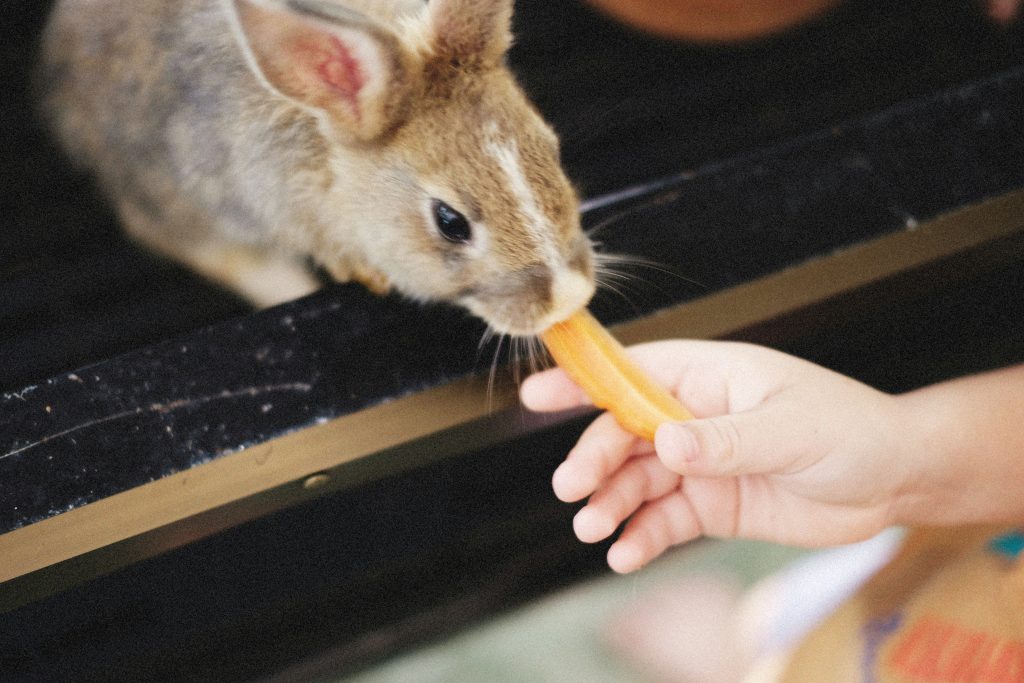
Too many sugary treats can disrupt the balance of bacteria inside a rabbit’s digestive tract. Even healthy fruits should only be fed in small amounts.
7. Feeding Routines That Help Prevent GI Stasis
Why Consistency Matters
Rabbits are creatures of strict, almost military habit. Their entire endocrine and digestive systems adapt directly to a predictable daily schedule. Sudden, unpredictable shifts in feeding times can induce significant emotional stress. Because rabbits are a sensitive prey species, stress causes an immediate release of adrenaline and cortisol into their bloodstream.
These hormones directly suppress the involuntary nervous system, slowing down or halting the muscular contractions of the stomach and intestines. A highly consistent, predictable routine is a foundational requirement for stable gut motility.
Ideal Daily Feeding Schedule
To keep their digestive tract moving smoothly, divide their daily food allowance into two distinct, structured feeding windows:
- Morning Protocol: Empty and clean their water bowls, refilling them with fresh water. Discard any soiled hay from the litter box and pack in a massive, fresh mountain of fragrant grass hay. Wash and serve their daily portion of wet leafy greens.
- Evening Protocol: Perform a second hay check, fluffing up the existing supply and adding fresh handfuls to stimulate grazing. Measure out their exact, restricted daily portion of plain Timothy pellets and place them into their feeding dish.
Encouraging Natural Grazing Behavior
In the wild, rabbits spend hours searching for food, traveling long distances to select specific blades of grass. You can easily replicate this natural physical enrichment inside your home by utilizing puzzle feeders, scattering their pellet allowance, or utilizing safe baskets. This structural play prevents the deep boredom that frequently leads to lethargy and digestive stagnation.
Why Exercise Works Together With Diet
Dietary fiber cannot do all the heavy lifting alone; physical exercise plays an essential mechanical role in maintaining gut motility. When a rabbit runs, binkies, hops, and explores, the physical movement of their external skeletal muscles naturally compresses and stimulates the internal organs of the abdomen. This movement directly encourages the intestines to keep contracting smoothly.
Regular daily exercise is the most effective tool to burn off excess calories and prevent obesity. Active rabbits boast significantly more consistent digestive rhythms and are dramatically less prone to the sudden, unprovoked bouts of gas that can initiate stasis.
Monitoring Appetite and Fecal Output Daily
The daily feeding routine provides your most valuable window to spot health shifts before they become life-threatening. A healthy rabbit will always greet their morning greens or evening pellets with intense, immediate enthusiasm. If your inspections reveal a rabbit not eating or a sudden shift where droppings stop completely, you must pivot immediately away from home remedies to clinical intervention. Use these daily interactions to catch warning signs early, when dietary adjustments can still make a difference.
8. Sample GI Stasis Prevention Diet Plan
| Life Stage Category | Daily Hay Requirement | Daily Pellet Limits | Daily Greens Portion | Daily Fluid Container Setup |
| Young Rabbit (Under 6 Months) | Unlimited Alfalfa Forage (Builds bone density via calcium). | Free access or 1/2 cup alfalfa-based formula daily. | Minimal introductory snippets (e.g., small single leaf of romaine weekly). | Open heavy ceramic bowl, checked and scrubbed twice daily. |
| Adult Rabbit (1 to 7 Years) | Unlimited Timothy or Grass Forage (Maintains gut and dental health). | Maximum 1/4 cup plain grass-based pellets per 5 lbs body weight. | 1 to 2 packed cups of thoroughly washed, wet dark leafy greens. | Open heavy ceramic bowl, checked and scrubbed twice daily. |
| Senior Rabbit (Over 7 Years) | Unlimited Grass Forage (Supplement with orchard for easier chewing). | Adjusted individually based on weight maintenance targets. | 1 to 2 packed cups of thoroughly washed greens (monitor calcium tolerances). | Open heavy ceramic bowl, checked and scrubbed twice daily. |
Foods to Keep Out of the Diet Entirely
The following items must be kept entirely out of your rabbit’s reach:
- All human baked goods (bread, crackers, cookies, cake).
- All breakfast cereals, oats, and grains.
- Nuts, seeds, corn, and peas (including those found in commercial pet shop mixes).
- Yogurt drops, chocolate, and honey-based treats.
- All meats, dairy, and all types of bulb onions or garlic (which can cause severe hemolytic anemia).
9. When Diet Alone Is Not Enough
GI Stasis Can Still Occur Despite Good Nutrition
While a flawless, fiber-rich diet drastically lowers the risk of a digestive shutdown, every rabbit owner must understand that GI stasis can still occur due to non-dietary triggers. Severe acute pain from an underlying condition—such as a hidden tooth root infection, painful arthritis, or a urinary tract issue—will immediately cause a rabbit to stop eating.
Sudden emotional trauma, environmental stress (such as moving to a new home or losing a bonded companion), and the accidental ingestion of a non-food foreign object can rapidly halt normal intestinal motility parameters. Reviewing a comprehensive medical breakdown like my rabbit health guide can assist in parsing these secondary mechanical triggers when standard nutritional blueprints face external interference.
Signs That Require Veterinary Attention
If your rabbit exhibits any of the critical red flags detailed in the grid below, do not attempt to fix the issue with dietary changes. Your rabbit is in pain and requires immediate emergency veterinary intervention:
| Critical Red Flag | Physical Presentation | Underlying Complication | Required Intervention |
| Complete Food Refusal | Rabbit avoids greens, favorite treats, or fresh hay for 8+ hours. | Acute abdominal distress or secondary painful dental molar spur. | Immediate triage consultation with an exotic veterinarian. |
| Fecal Arrest | Total absence of waste or tiny, dry, irregular pin-sized pellets. | Complete mechanical gut lock or advanced intestinal impaction. | Vet evaluation for fluid therapy and specialized motility medicines. |
| Abdominal Distension | Firm, tight, swollen belly; rabbit presses stomach hard against floor. | Dangerous accumulation of trapped gas pockets or toxic obstruction (Read my diagnostic guide on a rabbit bloated stomach: GI stasis vs gas). | Emergency vet attention. Home stomach massage or forcing recovery food (like Critical Care) into a completely blocked gut can cause a fatal stomach rupture. |
| Pain-Induced Lethargy | Unresponsive posture, glassy eyes, distinct audible clicking/grinding of teeth. | Advanced systemic shock due to severe pain or low core temperature, often showing as a rabbit grinding teeth in physiological distress. | Emergency supportive warmth and professional vet intervention. |
10. Frequently Asked Questions
Can rabbits get GI stasis even with a good diet?
Yes. Even on a perfect diet, intense pain, severe emotional stress, dental disease, or systemic illnesses can trigger an immediate slowdown of the gastrointestinal tract.
How much hay should a rabbit eat each day?
As a rule of thumb, a rabbit should eat a pile of hay equal to their own body size every single day. For a full breakdown of volumetric feeding protocols by breed weight, read my deep dive into how much hay should a rabbit eat daily.
Are pellets bad for rabbits?
No, but they are bad in unrestricted amounts. High-quality, plain pellets provide valuable micronutrients, but they must be strictly limited to prevent obesity and lazy hay-eating habits.
What foods commonly trigger GI stasis?
Foods high in simple sugars and starches—such as crackers, bread, muesli pellet mixes, yogurt drops, and excessive amounts of fruit—frequently destabilize the gut and trigger stasis.
Can too many treats cause GI stasis?
Yes. An excess of sugary or carbohydrate-heavy treats disrupts the delicate bacterial balance of the hindgut, causing painful gas and stopping normal muscle contractions.
Is alfalfa hay safe for adult rabbits?
No. Alfalfa is too high in protein, calories, and calcium for adult rabbits. It should only be fed to growing juveniles under six months of age or pregnant/nursing does.
Do rabbits need vegetables every day?
Fresh leafy greens are highly beneficial because they provide essential hydration and trace nutrients that help keep the digestive track lubricated and moving.
Does dehydration contribute to GI stasis?
Directly. When a rabbit is dehydrated, the body absorbs water out of the stomach and intestines, turning the food contents into a dry, impacted mass that cannot move forward.
How quickly should dietary changes be made?
All dietary adjustments, whether introducing a new vegetable or switching pellet brands, must be phased in gradually over a minimum of 7 to 10 days to let the gut bacteria safely adapt.
What are the earliest digestive warning signs in rabbits?
The earliest warning signs include a subtle drop in enthusiasm for food, a slight decrease in overall daily hay intake, and fecal droppings that become smaller, harder, or irregular in shape.
11. Conclusion
Preventing a digestive crisis means trading processed convenience for evolutionary biology. Your rabbit’s hindgut engine thrives on a predictable schedule built around long-strand fiber. As I observered in Mocha and Chino, providing a mountain of fresh hay, restricted pellets, and open-bowl hydration keeps the internal conveyor belt moving flawlessly. Build this biological resilience, treat the litter box as a daily report card, and leave the emergency biochemistry to the professionals.
Medical & Veterinary Disclaimer: Bunnyowners.com is an informational resource for rabbit owners and enthusiasts. We are not veterinarians. The content on this website is for educational purposes only and is not a substitute for professional veterinary advice, diagnosis, or treatment. Always consult a qualified veterinarian with any questions or concerns regarding your pet’s health, medical conditions, diet, or overall care. If you have concerns about your rabbit’s health, it’s always best to reach out to a veterinarian rather than relying solely on information found online.