
Veterinary & Affiliate Disclaimer: Bunnyowners.com shares educational rabbit care resources, not professional veterinary advice. Always consult a qualified veterinarian regarding your rabbit’s medical, dietary, or behavioral needs. This post may also contain affiliate links; as an Amazon Associate and affiliate partner, we earn from qualifying purchases at zero extra cost to you.
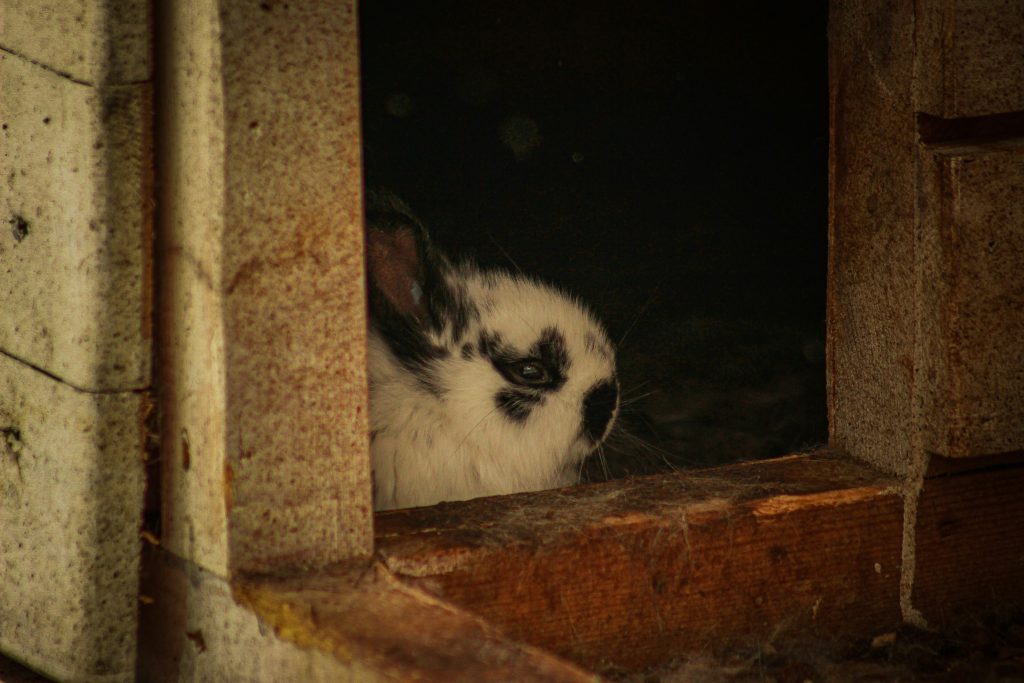
If you are staring at a bright crimson stain in your rabbit’s litter box and asking, “Why is my rabbit peeing blood?”, you are experiencing one of the most alarming moments a pet owner can face. Because rabbits are prey animals that naturally hide illness, sudden changes in their waste often leave owners in an immediate panic. However, it is critical to investigate the color closely, as a red spot in the cage can stem from a variety of sources ranging from benign dietary pigment shifts to urgent clinical disease.
True blood in a rabbit’s urine, known as hematuria, can be caused by urinary tract infections (UTIs), bladder stones, sludge, or serious reproductive cancers in unspayed females. However, rabbits also frequently excrete completely harmless, naturally red urine caused by natural plant pigments processed from foods like carrots or broccoli. While true bloody urine is rare, non-medical red urine is highly common. Because visual inspection alone cannot accurately rule out active bleeding, a veterinary urinalysis is the most reliable way to confirm whether blood is actually present.
Figuring out whether the red color is harmless or a sign of illness starts with looking at both your rabbit’s behavior and what you see in the litter box. To help you navigate these sudden physical changes alongside your regular rhythm of managing everyday bunny wellness, this guide will walk you through the precise visual differences between plant pigments and real blood, outline critical emergency red flags, and detail how exotic veterinarians diagnose and treat the underlying causes of urinary tract bleeding.
1. Is It Really Blood or Just Naturally Red Urine?
Rabbit kidneys process calcium and natural plant pigments differently than those of dogs and cats, which means their normal urine is rarely crystal clear or consistently yellow.
Normal Rabbit Urine Colors
A healthy rabbit can produce a wide variety of urine colors on any given day. These dramatic shifts are usually caused by natural plant pigments called porphyrins, which are absorbed from their diet and excreted through the kidneys. Educational material from the Georgia House Rabbit Society emphasizes that these metabolic color changes are perfectly normal.
Certain high-pigment greens can impact this color process quickly. Foods rich in beta-carotene or specific pigments—such as carrots, spinach, broccoli, or dandelion greens—can cause a rabbit’s urine to turn a vibrant, opaque red within 24 hours of ingestion. If you find yourself consistently monitoring your bunny for any unexpected shifts in their everyday behavior or eating habits, keeping a close eye on their physical output is a fantastic habit.
In my own home, my bonded pair, Mocha and Chino, frequently put this baffling natural variation on display. Mocha can eat a handful of fresh orchard grass and produce standard amber urine, while Chino can share the exact same handful and leave behind a spot of deep, rusty orange-red that looks highly alarming at a glance, but is completely benign. This individual metabolic difference is why visual inspection alone can trip up even experienced owners.
To help you tell the difference between a dietary color change and active bleeding, use this breakdown:
Table 1: Plant Pigment vs. Actual Blood
| What You See | What It Usually Means | Why It Happens |
| Uniformly red, orange, or brown puddle | Plant Pigment (Harmless) | The rabbit ate pigment-rich foods like spinach, broccoli, or carrots, causing natural plant pigment excretion. |
| Bright red streaks or distinct droplets | Actual Blood (Requires Vet) | Active bleeding from the lining of the urinary tract or the reproductive system. |
| Dark, jelly-like clumps or clots | Actual Blood (Requires Vet) | Blood is pooling and clotting, which never happens with normal plant pigments. |
| Red spots only at the start or end of peeing | Actual Blood (Requires Vet) | Targeted bleeding localized inside the bladder, urethra, or uterus. |
How Veterinarians Confirm Blood in Urine
Because natural plant pigments can mimic the exact shade of blood, veterinarians never rely on a visual assessment alone. Your veterinarian can quickly determine whether the red color is actually blood by performing a urinalysis. They will check the sample with a chemical dipstick and then look at it under a microscope. This is the only way to visually verify the presence of red blood cells, ensuring an accurate diagnosis before mapping out a treatment plan.
2. When Is Rabbit Peeing Blood an Emergency?
While discovering true hematuria warrants a veterinary appointment within 24 to 48 hours, certain accompanying symptoms indicate a severe, life-threatening crisis that requires an immediate trip to an emergency exotic animal hospital.
Emergency Symptoms That Need Immediate Veterinary Care
If you notice red urine alongside any of the following warning signs, your rabbit cannot wait for a standard clinic opening:
- Anorexia: Refusing to eat hay, pellets, or favorite treats for more than 6 to 8 hours. This sudden drop-off in appetite can quickly spiral into the early stages of GI stasis, which is a primary reason a rabbit stops eating altogether.
- Severe Lethargy: A rabbit that is limp, unresponsive, or flat out refuses to move when gently nudged. If you find your rabbit completely weak or motionless, it points to a serious system-wide crisis.
- Obvious Pain Posturing: Sitting hunched up in a corner, keeping the eyes tightly squinted, or breathing heavily with a rapid heartbeat. You can review my specific guide on recognizing rabbit pain signs to help catch these silent indicators of distress.
- Abdominal Distension: A belly that feels tight, hard, or visibly bloated like a balloon.
Signs of a Possible Urinary Blockage
The highest priority emergency in rabbit urology is a urinary tract blockage, usually caused by a lodged bladder stone. A rabbit experiencing a blockage will make repeated, unsuccessful attempts to urinate. They may sit in the litter box for minutes at a time, straining visibly, grinding their teeth loudly in agony, or making soft crying sounds.
If a stone completely cuts off the flow of urine, toxins will build up in the bloodstream, and the condition can become life-threatening very quickly. A blocked rabbit needs emergency veterinary treatment, which may include surgery.
3. Common Causes of Blood in Rabbit Urine
Pathological Triggers of Hematuria
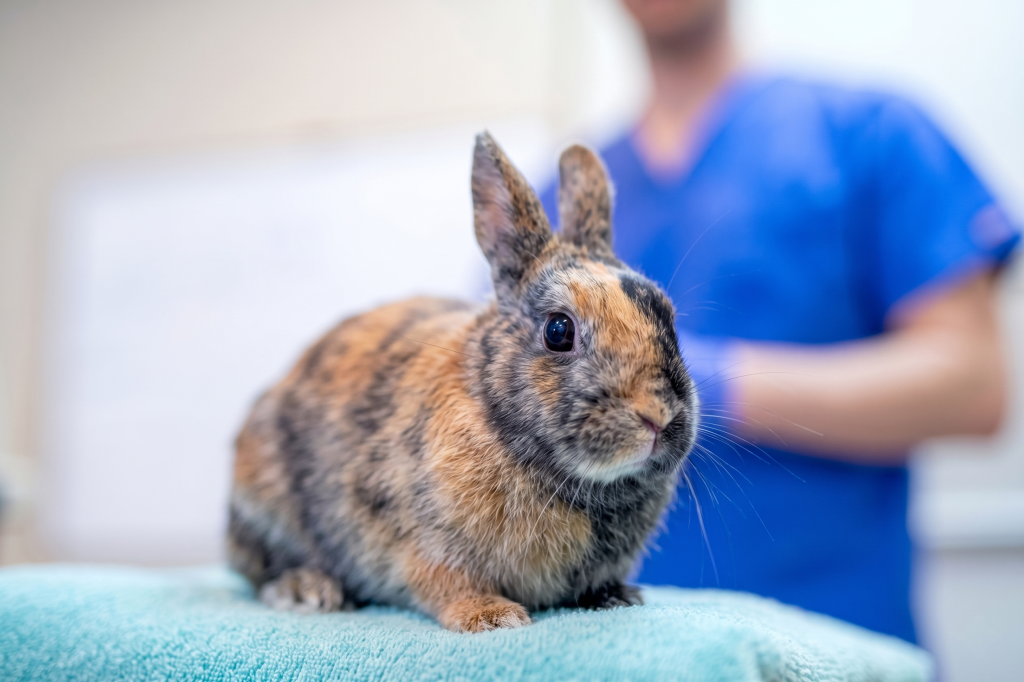
When a urinalysis confirms there is real blood present, it means there is some form of irritation, inflammation, or injury somewhere along your bunny’s urinary or reproductive tract. Catching these hidden baseline shifts early on is one of the best ways to stay ahead of their health, allowing you to fine-tune your overall domestic rabbit care strategies before a small issue turns into a stressful medical crisis.
Urinary Tract Infections (UTIs)
Though less common in rabbits than in dogs or cats, bacterial infections of the bladder (cystitis) or urethra do occur. According to the diagnostic protocols on LafeberVet, urinary tract issues frequently cause localized inflammation of the bladder lining, causing tiny blood vessels to bleed into the urine. This irritation makes rabbits urinate frequently in tiny amounts, lose their normal litter box habits, and experience discomfort when trying to go. These behaviors are typical classic symptoms of underlying rabbit urinary problems that need to be clinically evaluated.
Bladder Sludge (Hypercalciuria)
Rabbits absorb calcium from their diet much more efficiently than other mammals, excreting the excess entirely through their kidneys. If a rabbit is mildly dehydrated or eats a diet consistently high in calcium (such as alfalfa hay), this mineral sediment can settle at the bottom of the bladder. This pasty substance is known as bladder sludge.
Clinical breakdowns published by Vet Times Insights confirm that dense calcium carbonate accumulations intensely scratch the lower tract over time. If your bunny is passing thick, chalky discharge, tracking the progression of rabbit bladder sludge symptoms and treatments will help you implement the necessary dietary fixes. As the sludge shifts during movement, it physically rubs and irritates the bladder wall, resulting in chronic inflammation and intermittent bleeding.
Bladder Stones (Uroliths)
When calcium crystals aggregate and harden, they form bladder or kidney stones. The alkaline pH of rabbit urine naturally increases the risk of forming these insoluble calcium precipitates. Clinical studies detailed by DVM360 note that because fractional excretion of calcium sits between 45% and 60% in this species, crystals form exceptionally easily when saturation limits are crossed.
As the bladder contracts, the stone rubs against the bladder lining, irritating the tissue and causing sudden, painful bursts of frank blood. Bladder stones cannot be dissolved with diet and typically require surgical extraction.
Reproductive Disease in Female Rabbits
It is incredibly common for owners to mistake vaginal bleeding for urinary bleeding because both fluids exit the body from the same general area. In intact (unspayed) female rabbits over the age of three, a peer-reviewed clinical study published in the Journal of Preventive Veterinary Medicine notes that the risk of developing uterine adenocarcinoma—a highly malignant form of uterine cancer—exceeds 50 to 80 percent.
Diagnostic summaries shared via Veterinary Partner explain that this cancer can advance quickly, and silent bleeding inside the reproductive system will leak pools of blood into otherwise normal pools of urine. Data curated by PubMed Central confirms that out of all senior intact does presenting with active reproductive discharge, malignant adenocarcinoma remains the single most common finding. Uterine infections (pyometra) or uterine polyps can cause identical bleeding patterns, emphasizing why spaying female rabbits is a crucial health intervention.
4. Diagnostic Clues and Accompanying Symptoms
To help narrow down what might be happening before your veterinary appointment, look at your rabbit’s secondary behavior. Paying attention to how they behave while using the litter box provides important clues.
Table 2: Behavioral Changes and What They Target
| What Else Is Happening? | Common Underlying Cause | Main Thing Your Vet Will Look For |
| Peeing frequently in tiny, normal-looking puddles | Urinary Tract Infection (UTI) | Bacteria and white blood cells via a urine culture. |
| Leaving a thick, chalky, grey-white paste in the litter box | Bladder Sludge | Large mineral shadows on a physical exam or X-ray. |
| Straining intensely, crying out, or grinding teeth | Bladder Stone / Blockage | Immediate stone location via diagnostic imaging. |
| Dark blood clots from an unspayed female | Uterine Disease or Cancer | Wall thickening or tumors using an ultrasound. |
| Extreme weight loss paired with intense drinking | Chronic Kidney Failure | Elevated chemical waste products in a blood test. |
5. How Veterinarians Diagnose Hematuria
Because a symptom like blood in the urine can stem from several distinct anatomical locations, an exotic veterinarian will use a systematic approach to pinpoint the exact source of the bleeding.
- Physical Examination: The vet will carefully palpate your rabbit’s abdomen to check for an enlarged, painful bladder, feel for massive bladder stones, or evaluate if the uterine horns feel thickened or irregular.
- Urinalysis and Sediment Testing: A fresh urine sample is evaluated using a chemical reagent strip and centrifuged so the sediment can be examined under a microscope for bacteria, white blood cells, and calcium crystals.
- Diagnostic Radiographs (X-rays): Because rabbit stones are composed of calcium, they are highly radiopaque, meaning they glow bright white on an X-ray. As clinical guidelines from VCA Animal Hospitals point out, radiographs remain the absolute definitive tool for identifying the size, shape, and number of stones present.
- Abdominal Ultrasound: If the X-rays are clear but the bleeding persists, an ultrasound allows the vet to evaluate soft tissue structures, such as checking for uterine wall thickening, bladder tumors, or identifying early-stage sludge that isn’t fully calcified yet.
6. Medical and Surgical Treatment Options
Treatment for hematuria depends entirely on the root pathology identified during the diagnostic phase.
Managing Infections and Inflammatory Conditions
If a bacterial UTI is confirmed, your veterinarian may prescribe a rabbit-safe antibiotic based on the suspected or confirmed bacteria. Because the bladder wall is highly sensitive, this is almost always paired with a non-steroidal anti-inflammatory drug (NSAID) like Meloxicam to control pain and reduce swelling.
Surgical and Corrective Interventions
For structural diseases, surgery is frequently the only curative path forward:
- Cystotomy: A surgical procedure where the vet opens the bladder wall to manually flush out large bladder stones or dense, unmanageable pockets of sludge.
- Ovariohysterectomy (Spaying): If the bleeding is traced back to a uterine tumor, infection, or aneurysm, an emergency spay is performed to remove the compromised reproductive tract entirely, preventing the further spread of disease.
7. Home Care and Recovery Management
Supporting Your Rabbit at Home
Once your rabbit returns home from the clinic, your daily management and home care practices will dictate how quickly and permanently their urinary tract heals.
Encourage Hydration
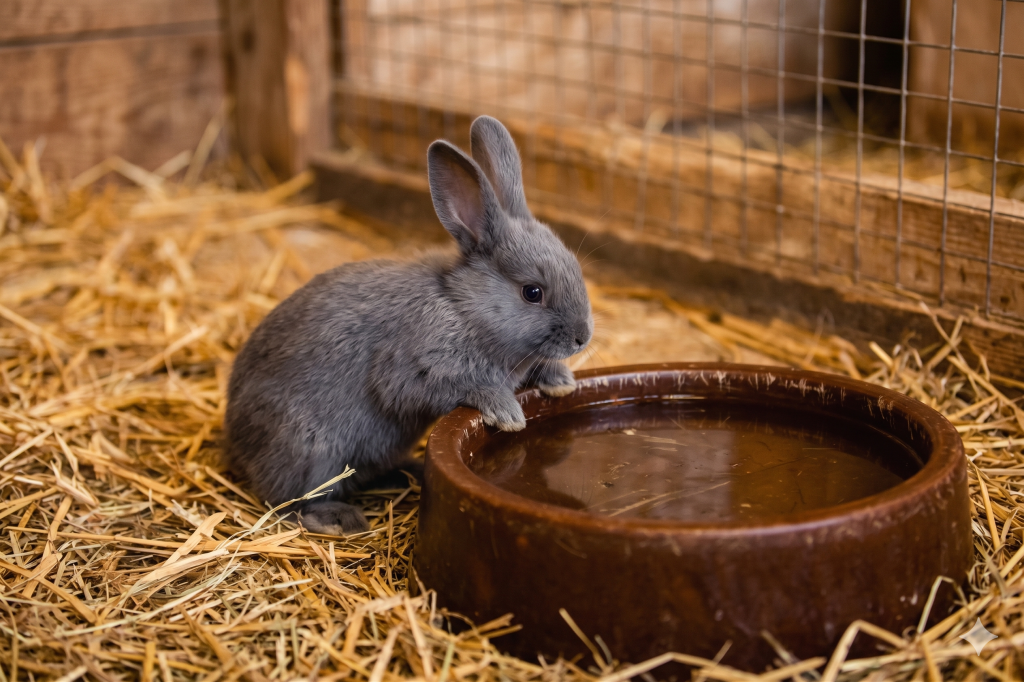
Increasing total fluid intake is the cornerstone of flushing out the urinary tract, whether your rabbit is recovering from a UTI or dealing with bladder sediment. While veterinary-prescribed subcutaneous fluids are often necessary in acute clinical cases, your primary job at home is keeping plenty of fresh, clean water available at all times.
If your bunny’s fluid drop-off is linked to a heavy build-up of bladder paste, checking my troubleshooting tips for identifying rabbit dehydration signs will help you assess your bunny’s hydration status accurately at home. A great practical trick is offering water in multiple formats. Many rabbits strongly prefer heavy ceramic bowls over plastic hanging bottles because bowls allow them to lap water naturally.
As an occasional option to encourage a stubborn drinker, you can try adding a tiny splash of unsweetened organic apple juice or 100% pure cranberry juice to their water bowl to sweeten the deal, though fresh water should always remain the main focus. When I noticed Chino showing minor signs of concentrated urine a while back, switching him and Mocha to wide ceramic bowls instantly boosted their daily fluid intake.
8. Outlook and Prognosis
The long-term outlook for a rabbit passing blood ranges from excellent to guarded, depending on how quickly the condition was diagnosed.
Natural Resolution vs. Chronic Conditions
If the red discoloration was caused by natural plant pigments, it requires no treatment and will resolve naturally on its own within 24 to 48 hours as the pigments clear the digestive tract. However, if true hematuria is present, it will never disappear permanently without medical intervention.
While bleeding from a simple UTI often improves within days of starting targeted antibiotics, conditions like bladder sludge require life-long dietary vigilance to prevent painful recurrences. Assuming that a temporary pause in bleeding means the rabbit has cured itself is a dangerous gamble, as underlying stones or uterine tumors will continue to advance silently.
9. Prevention Strategies
With a few strategic lifestyle choices, you can lower the probability of your rabbit ever developing painful urinary tract disorders. To structure your preventive approach, focus on these primary adjustments:
Table 3: Preventing Urinary Tract Issues
| Target Area | Home Care Checklist | Ultimate Goal |
| Dietary Limits | Switch from alfalfa to Timothy or Orchard hay. Severely restrict high-calcium greens like kale or spinach. | Reduces the raw mineral supply that creates sludge and stones. |
| Physical Activity | Provide hours of daily open-floor exercise to encourage running, jumping, and bouncing. | Mechanically shakes up the bladder, preventing sediment from settling. |
| Hydration Setup | Use heavy ceramic bowls alongside fresh water, changing it daily to encourage constant drinking. | Dilutes the urine and continuously flushes out micro-sediments. |
| Veterinary Milestones | Schedule annual or bi-annual wellness checks, and ensure female rabbits are spayed early. | Catches structural changes early and completely eliminates uterine cancer risks. |
To make sure you are protecting your rabbit from excess mineral build-up, verifying the ideal amount of hay a rabbit should eat daily will give you a perfect standard framework for safe long-term meal planning.
10. Frequently Asked Questions
Why is my rabbit peeing blood but acting completely normal?
Rabbits are hardwired to hide discomfort to avoid targeting by predators. A rabbit can experience significant internal irritation from a UTI or bladder stone while continuing to eat, play, and run normally until the pain becomes completely overwhelming.
Can certain foods turn rabbit urine red?
Yes. Foods high in beta-carotene or specific phytochemicals—like carrots, cabbage, spinach, and broccoli—frequently cause completely harmless red, orange, or rusty brown urine.
Is red urine always a sign of blood?
No. The vast majority of isolated red urine cases are caused by harmless natural plant pigments. True hematuria is less common but far more serious.
Can acute stress cause blood in rabbit urine?
Stress itself does not cause direct bleeding. However, chronic stress severely suppresses a rabbit’s immune system, making them much more susceptible to developing bacterial urinary tract infections or exacerbating underlying illnesses.
Can severe dehydration mimic hematuria?
When a rabbit is severely dehydrated, their urine becomes highly concentrated. This causes it to appear deep orange, amber, or dark brown, which owners often mistake for blood at a glance. If they start fully avoiding their water setup, looking over our advice for a rabbit not drinking water can help you safely spark their fluid interest again.
Should I try to collect a urine sample before heading to the vet?
If you can easily catch a clean sample in an empty, clean plastic litter box, it is incredibly helpful for your vet. However, do not stress your rabbit or delay their appointment trying to obtain one; vets can easily collect a sample via manual expression or catheterization if needed.
Can neutered male rabbits get blood in their urine?
While neutered males are not at risk for uterine disease or other female reproductive disorders, they remain fully susceptible to bladder stones, bladder sludge, kidney disease, and bacterial urinary tract infections.
11. Conclusion and Key Takeaways
Summary of Rabbit Urinary Health
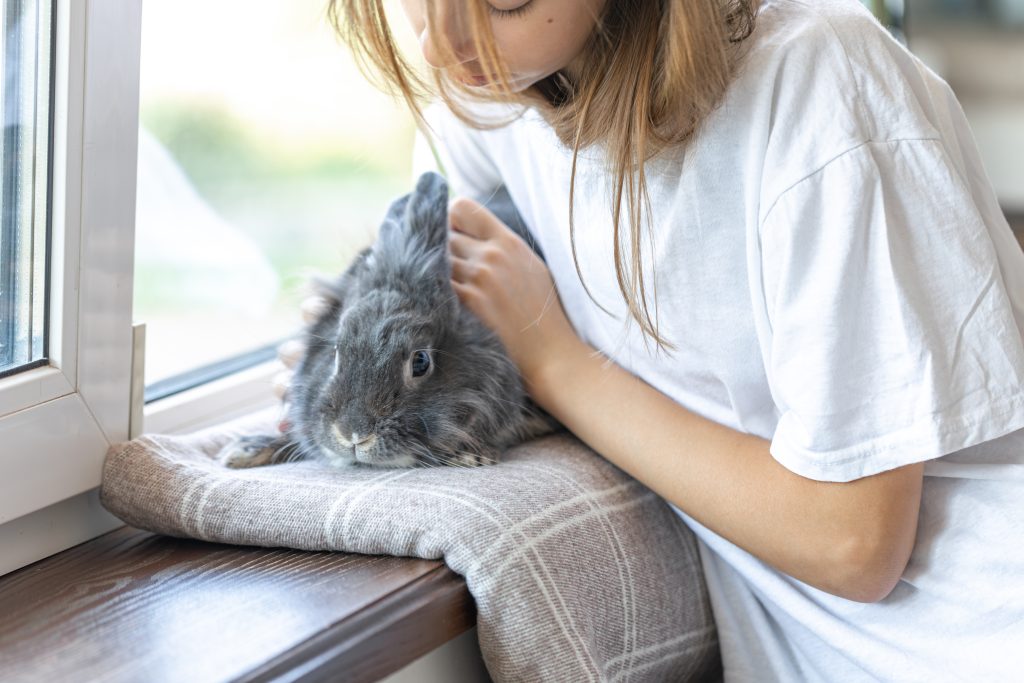
Finding discolored urine can range from a simple dietary false alarm to an important medical warning. Because rabbits instinctively hide pain, catching urinary changes early is vital for their long-term health. By learning to distinguish benign pigment changes from true hematuria (blood in the urine), you can avoid unnecessary panic while ensuring you act fast when a real emergency strikes.
Navigating these issues successfully requires a quick partnership with an exotic vet. Dietary color changes clear up on their own, but true urinary bleeding will not resolve without treating the root cause—whether that means antibiotics for a UTI, fluid therapy for sludge, or surgery for stones. Keeping your rabbit hydrated, feeding a balanced diet, and staying on top of vet checks are your best defenses for keeping their urinary tract healthy.
Final Takeaways for Owners
- Verify Before Panicking: Remember that normal rabbit urine spans a wide color spectrum, including deep red. Check for localized streaks, clots, or straining before assuming the worst.
- Diagnostics Trump Guesswork: Visual inspection alone cannot definitively rule out blood. A simple, inexpensive urinalysis or dipstick test at the clinic is the only way to confirm hematuria.
- Act Quickly on Red Flags: If a change in urine color is accompanied by lethargy, a firm abdomen, or a sudden loss of appetite, treat it as a medical emergency.
- Prevention is Foundational: Maximizing fluid intake through open water bowls and ensuring female rabbits are spayed remain the two most powerful tools an owner has against urinary tract pathology.
Medical & Veterinary Disclaimer: Bunnyowners.com is an informational resource for rabbit owners and enthusiasts. We are not veterinarians. The content on this website is for educational purposes only and is not a substitute for professional veterinary advice, diagnosis, or treatment. Always consult a qualified veterinarian with any questions or concerns regarding your pet’s health, medical conditions, diet, or overall care. If you have concerns about your rabbit’s health, it’s always best to reach out to a veterinarian rather than relying solely on information found online.