
Veterinary & Affiliate Disclaimer: Bunnyowners.com shares educational rabbit care resources, not professional veterinary advice. Always consult a qualified veterinarian regarding your rabbit’s medical, dietary, or behavioral needs. This post may also contain affiliate links; as an Amazon Associate and affiliate partner, we earn from qualifying purchases at zero extra cost to you.
Fresh culinary herbs can be an easy way to add variety, aroma, and enrichment to a rabbit’s regular greens. But not every plant commonly called an herb is rabbit-safe, and fresh and dried herbs shouldn’t necessarily be served in the same amounts. Knowing which varieties are appropriate makes it much easier to add herbs without disrupting the rest of a balanced rabbit diet.
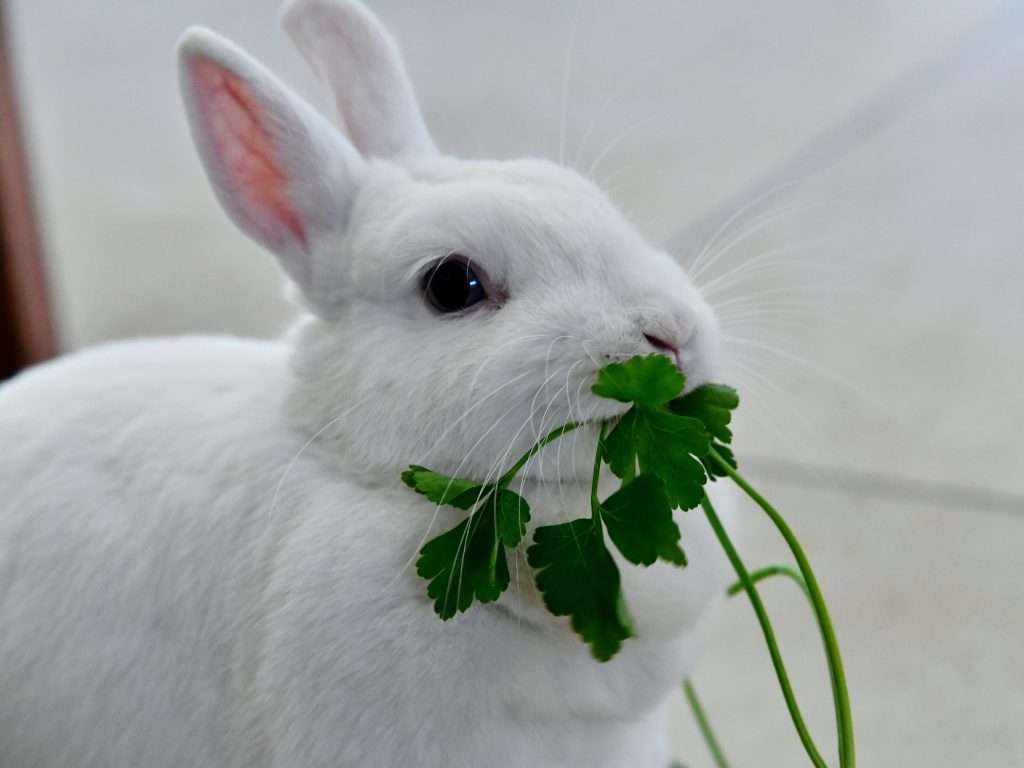
Healthy adult rabbits can safely eat a wide variety of culinary herbs, including cilantro, basil, mint, dill, parsley, and rosemary. Fresh herbs can be included as part of your rabbit’s daily leafy greens, while dried herbs are better offered in tiny pinches as occasional foraging toppers. Grass hay must always remain the main foundation of their diet, and new herbs should be introduced one at a time to ensure smooth digestion.
In this guide, we’ll look at which culinary herbs are safe, how portions differ between fresh and dried cuttings, and where they fit into a healthy rabbit’s diet. We’ll also cover unsafe garden lookalikes, simple prep tips, and easy ways to rotate new flavors into your rabbit’s weekly bowl.
1. What Herbs Can Rabbits Eat?
Many common culinary herbs are safe for rabbits, but their strong flavors and textures change how you should feed them. Mild, leafy choices like cilantro, parsley, and dill work great as regular salad greens, while pungent, woodier herbs like rosemary, thyme, and oregano are best saved for smaller, occasional sprigs.
To see which culinary herbs are safe and how to serve them, review the master reference table below:
Safe Herbs for Rabbits at a Glance
| Herb | Safe? | Fresh / Dried Form | Primary Plant Part | Practical Feeding Note |
|---|---|---|---|---|
| Cilantro (Coriander) | Yes | Fresh & Dried | Leaves & Stems | Mild, highly palatable leafy green; easy to include in regular rotation. |
| Basil (Sweet, Thai, Genovese) | Yes | Fresh & Dried | Leaves & Tender Stems | Fragrant leafy herb that mixes easily with other fresh greens. |
| Parsley (Flat-Leaf & Curly) | Yes | Fresh & Dried | Leaves & Stems | Nutrient-rich; rotate regularly as part of a varied salad. |
| Mint (Peppermint, Spearmint) | Yes | Fresh & Dried | Leaves & Stems | Strongly aromatic; offer fresh in salads or dried in small amounts. |
| Dill | Yes | Fresh & Dried | Fronds & Tender Stems | Feathery, aromatic leaves; easy to mix into a varied fresh salad. |
| Rosemary | Yes | Fresh & Dried | Needles & Tender Tips | Resinous and strong; best offered in small single sprigs. |
| Thyme | Yes | Fresh & Dried | Leaves & Thin Sprigs | Tiny leaves packed with flavor; excellent dried forage topper. |
| Oregano | Yes | Fresh & Dried | Leaves & Tender Stems | Pungent aroma; feed in modest pinches or small sprigs. |
| Sage | Yes | Fresh & Dried | Leaves | Earthy and slightly fuzzy; safe in moderate amounts. |
| Marjoram | Yes | Fresh & Dried | Leaves & Stems | Mild, sweet flavor profile similar to gentle oregano. |
| Tarragon | Yes | Fresh & Dried | Leaves & Tender Stems | Anise-like scent; safe to mix into occasional fresh salads. |
| Lemon Balm (Melissa) | Yes | Fresh & Dried | Leaves & Stems | Citrusy, aromatic leaves; offer fresh or as part of a dried forage mix. |
| Chamomile | Yes | Fresh & Dried | Flowers & Leaves | Fragrant botanical commonly included in dried forage mixes. |
| Dandelion Greens & Flowers | Yes | Fresh & Dried | Leaves, Stems, Flowers | Popular leafy forage; offer as part of a varied greens rotation. |
Because herbs have distinct flavors and textures, it helps to see how specific plants work in daily meals. Cilantro is one of the easiest ones to start with—both cilantro leaves and stems can go straight into their regular salad bowl.
Fresh herbs also contribute moisture and dietary variety when included as part of a balanced fresh-green rotation.
2. How Much Fresh Herbs Can Rabbits Eat?
A common point of confusion for rabbit owners is whether herbs should be treated as separate “extras” or counted alongside daily vegetables. Fresh herbs share the same space in the bowl as your rabbit’s other leafy greens and vegetables, rather than acting as an unlimited bonus on top of meals.
Practical Feeding Guidelines for Fresh Herbs
- Count Toward Daily Greens: Fresh herbs should make up a portion of your rabbit’s daily leafy green allowance, rather than an unlimited bonus on top of their meals.
- Rotate Varieties: Aim to include 2 to 3 different leafy greens and herbs in their daily bowl to provide broad variety and avoid over-relying on a single plant.
- Aromatic vs. Leafy Portions: Mild leafy herbs like cilantro, basil, and parsley can make up part of your rabbit’s normal fresh-green allowance. More strongly flavored herbs like rosemary, thyme, and oregano are easier to incorporate as smaller sprigs mixed with other greens.
- Keep Hay as the Priority: Fresh herbs should never crowd out your rabbit’s daily grass hay intake.
To keep meals balanced, calculate your rabbit’s daily fresh food allowance by weight and let herbs make up just one part of that total bowl.
3. Fresh vs. Dried Herbs for Rabbits
Both fresh and dried herbs have a valuable place in a rabbit’s diet, but their physical differences change how you serve them.
Drying removes most of an herb’s water, so a small volume of dried leaves represents considerably more plant material than the same volume of fresh leaves. For that reason, dried herbs are better offered as small pinches rather than fresh-greens-sized servings.
Fresh vs. Dried Herbs Comparison
| Feature | Fresh Herbs | Plain Dried Herbs |
|---|---|---|
| Moisture Content | High natural water content | Very low (Dry & crisp) |
| Physical Volume | Bulky, loose, hydrating | Concentrated, lightweight |
| Dietary Role | Part of daily fresh green salad | Forage topper, hay enrichment, training pinch |
| Standard Serving Size | Loose sprigs or small amounts | Small pinch scattered through hay |
| Ingredient Check | Pure fresh produce | Must be 100% single-ingredient, unseasoned |
Because dried botanicals are fragrant and easy to pinch into micro-portions, they also work well as healthy, low-sugar treats during foraging games.
Avoiding Seasoning Blends and Additives
When purchasing dried herbs from grocery store spice aisles, always inspect the ingredient label. Offer 100% pure, single-ingredient dried herbs (such as pure dried dill weed or crushed basil leaves). Never feed commercial culinary seasoning mixes, which frequently contain added salt, onion powder, garlic powder, anti-caking agents, or artificial preservatives.
Observing my own rabbits, Mocha and Chino, dried herbs always work best as an activity rather than a bowl food. Tossing a small pinch of dried mint or chamomile into their hay rack turns routine eating into a quick treasure hunt and gets them digging deeper into their hay.
Scattering dried herbs through hay also serves as an easy way to encourage natural foraging behaviors that keep house rabbits mentally active and engaged throughout the day.
4. Which Parts of Herbs Can Rabbits Eat?
Many commonly fed culinary herbs have edible leaves and tender stems, although the suitability of flowers, woody growth, and seeds can vary by plant:
- Leaves: Usually the main part offered from culinary herbs and an easy addition to a fresh greens rotation.
- Stems and Stalks: Tender stems (such as cilantro, parsley, dill, and basil stems) provide good structural crunch. Rabbits generally enjoy eating whole sprigs without any need to strip the leaves.
- Woody Branches: Mature branches of shrubby herbs like rosemary and thyme can be tough. While non-toxic, many rabbits prefer to strip the tender outer leaves and leave the woody stems behind.
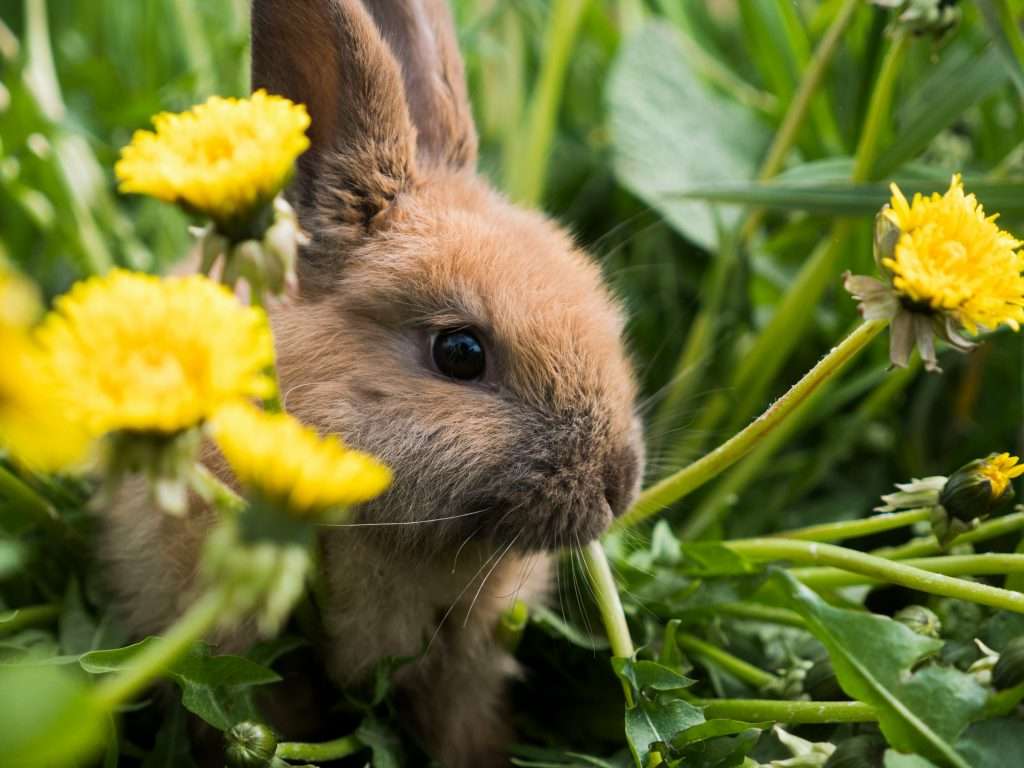
- Flowers and Blossoms: Herb flowers (such as basil blooms, rosemary blossoms, dandelion heads, and chamomile flowers) are safe, fragrant additions to fresh salads or dried foraging mixes.
- Seeds: Don’t assume an herb’s seeds should be fed simply because its leaves are rabbit-safe. Treat seeds as a separate food and verify their suitability before offering them.
Herbs don’t need their own mealtime—they fit right into your regular morning and evening feeding schedule mixed in with everyday salad greens.
5. How to Introduce a New Herb
Changes to a rabbit’s diet are best made gradually, especially when introducing unfamiliar fresh foods:
- Verify Plant Safety: Confirm the exact species is 100% rabbit-safe before offering it.
- Wash Thoroughly: Rinse fresh cuttings under cold running water to remove residual soil, garden pests, or surface residues.
- Offer a Single Variety: Introduce only one new herb at a time so you can accurately monitor your rabbit’s individual reaction.
- Start with a Micro-Portion: Offer a single sprig of a mild herb (like cilantro) or a single leaf of a strong herb (like mint or basil).
- Inspect the Litter Box for 24 Hours: Ensure fecal pellets remain round, dry, and plentiful, and confirm your rabbit is maintaining their normal hay appetite.
If you notice sticky or unformed droppings after offering a new herb, looking into the main causes of soft cecotropes in rabbits can help you figure out what went wrong.
6. Fresh, Store-Bought, Dried, and Garden Herbs
Whether you harvest herbs from your backyard, buy fresh bunches from the supermarket, or purchase packaged dried botanicals, keeping a few safety standards in mind ensures every meal is safe.
Store-bought herbs are great for quick variety, but always give them a good rinse before serving. They’re meant to add a little flavor to a healthy rabbit’s diet, not replace the grass hay your rabbit needs every day.
Sourcing and Prep Guidelines
- Grocery Store Produce: Choose crisp, vibrant bunches and trim away any slimy, yellowing, or decayed stems.
- Home Garden Herbs: Growing herbs at home is one of the easiest ways to provide fresh greens. Ensure your herb garden is positioned away from pet waste runoff, roadside exhaust fumes, and garden areas treated with chemical fertilizers or weed killers.
- Packaged Dried Botanicals: Commercial herb mixes formulated specifically for small pets make convenient forage toppers. Ensure the bag contains only dried leaves and flowers, without added cereal flakes, colored starch pieces, or sugary binding syrups.
- Foraging in the Wild: Only forage wild plants if you possess 100% botanical certainty of the plant’s identification. Never collect wild herbs or dandelions from public parks, roadsides, or lawns that may have been treated with chemical sprays or visited by unfamiliar animals.
Young bunnies can’t handle adult portions, so keep their age and digestive maturity in mind before feeding fresh or dried herbs to young rabbits.
7. Herbs and Plants Rabbits Should Avoid
While most common culinary herbs are harmless, several aromatic garden plants and culinary staples contain chemical compounds that make them unsafe or toxic for rabbits.
The table below outlines common aromatic plants that should not be offered to rabbits:
Unsafe Herbs and Aromatic Plants at a Glance
| Plant | Status | Practical Advice |
|---|---|---|
| Chives, garlic, onions, shallots, leeks | Avoid | Do not offer allium-family plants as rabbit food. |
| Pennyroyal (Mentha pulegium) | Avoid | Do not substitute it for ordinary mint varieties. |
| Foxglove | Toxic | Keep completely inaccessible to rabbits. |
| Comfrey | Avoid | Not recommended as a routine rabbit food. |
| Unidentified garden plants | High Risk | Never feed plants you cannot confidently identify. |
Herbs are only one part of the puzzle, so it helps to brush up on common toxic plants and foods for rabbits before picking anything outside.
Certain ornamental herbs and bulbs contain dangerous compounds, which is why avoiding hazardous garden plants is essential when letting rabbits explore outdoor spaces.
8. Quick Safe-Herb Checklist
Before serving fresh or dried herbs to your rabbit, run through this quick 8-point safety check:
- [ ] Is the herb positively identified? (Species confirmed safe)
- [ ] Is it free of all allium family members? (No chives, garlic, or onions)
- [ ] Has it been washed? (Cleaned of surface dirt, dust, and residues)
- [ ] Is the plant fresh and crisp? (Free of yellowing, mold, or slimy decay)
- [ ] Is it free of human seasonings? (100% plain, single-ingredient botanical)
- [ ] Is it free from unsafe chemical residues? (Sourced safely without pesticide contamination)
- [ ] Is the portion sized correctly? (A few sprigs for fresh herbs, small pinch for dried)
- [ ] Is your rabbit eating their normal hay? (Hay consumption remains steady and strong)
9. Frequently Asked Questions
Can rabbits eat herbs every day?
Yes. Mild leafy herbs like cilantro, basil, dill, and mint can be included as part of a rabbit’s regular fresh-green rotation. Variety is still useful, so rotate herbs alongside other rabbit-safe leafy greens rather than relying heavily on one plant every day.
Can rabbits eat dried herbs?
Yes. Plain, unseasoned dried herbs make great natural foraging toppers and training rewards. Because dried herbs lack water and have concentrated flavor, feed them in small pinches scattered across their hay rather than large bowl servings.
What are the best herbs for rabbits?
Cilantro, basil, dill, and mint are practical choices because they are easy to find, aromatic, and simple to incorporate into a varied fresh-green rotation. Individual preferences vary, so your rabbit may strongly favor some herbs and ignore others.
Can rabbits eat herb stems?
Yes. Tender stems from herbs like cilantro, parsley, dill, mint, and basil are safe and provide beneficial chew time. You do not need to pluck individual leaves off the stems before feeding.
Can baby rabbits eat herbs?
Young rabbits have more sensitive digestive systems, so fresh herbs shouldn’t simply be introduced according to adult feeding recommendations. The appropriate timing depends on the rabbit’s age, weaning history, existing diet, and general digestive development.
10. Conclusion
Whether you are tossing fresh cilantro into an evening salad bowl or sprinkling a fragrant pinch of dried chamomile through a hay rack, herbs can provide variety while also making feeding and foraging more interesting.
By keeping portions balanced, introducing new varieties one at a time, and ensuring fresh grass hay remains the undisputed foundation of their diet, you can safely explore a wide world of fresh and dried herbs that keep your rabbit active, engaged, and thriving.
Medical & Veterinary Disclaimer: Bunnyowners.com is an informational resource for rabbit owners and enthusiasts. We are not veterinarians. The content on this website is for educational purposes only and is not a substitute for professional veterinary advice, diagnosis, or treatment. Always consult a qualified veterinarian with any questions or concerns regarding your pet’s health, medical conditions, diet, or overall care. If you have concerns about your rabbit’s health, it’s always best to reach out to a veterinarian rather than relying solely on information found online.