
Veterinary & Affiliate Disclaimer: Bunnyowners.com shares educational rabbit care resources, not professional veterinary advice. Always consult a qualified veterinarian regarding your rabbit’s medical, dietary, or behavioral needs. This post may also contain affiliate links; as an Amazon Associate and affiliate partner, we earn from qualifying purchases at zero extra cost to you.
Finding mushy, dark smears in your rabbit’s litter box can easily trigger panic. However, if you see normal, hard, round pellets mixed in with these squashed masses, it is not an emergency intestinal shutdown. Instead, you are dealing with a classic case of the digestive tract going slightly off the rails: abnormal soft cecotropes.
Soft cecotropes are primarily caused by an imbalance in the rabbit’s cecum, often termed cecal dysbiosis, which is typically triggered by a diet too high in sugars or starches and too low in long-strand fiber. Unlike life-threatening diarrhea, this condition leaves normal fecal pellets intact while causing the nutrient-rich nighttime droppings to lose their form and become mushy or unformed. To fix soft cecotropes at home, owners must immediately eliminate treats, strictly limit concentrated pellets, and offer unlimited high-quality grass hay to restore proper gut fermentation.
Identifying why these nutrient-dense packages lose their shape is the best way to prevent a permanently messy enclosure. Fortunately, once you pinpoint the behavioral or physical triggers behind a gut flare-up, you can safely correct it at home. Knowing how to troubleshoot rabbit health issues allows you to systematically separate dietary imbalances from mobility barriers, rule out emergency conditions, and execute a successful gut recovery plan. I will systematically break down how to recognize abnormal cecotropes, isolate the root causes of cecal dysbiosis, and use a targeted home reset to get your rabbit’s digestive tract back into a healthy rhythm.
1. What Are Cecotropes in Rabbits?
Cecotropes are soft, nutrient-dense packages of fermented plant material produced in a rabbit’s hindgut that the animal must reingest directly from the source to survive.
Rabbits are hindgut fermenters, meaning they use a large muscular pouch called the cecum to break down tough, fibrous vegetation. As food passes through the digestive tract, it gets sorted by fiber size: coarse, woody pieces move straight to the colon to become standard hard fecal pellets, while the finer, digestible material gets diverted backward into the cecum to be processed into these vital, vitamin-rich clusters.
How Cecotropes Are Made
Inside this specialized pouch, billions of helpful bacteria and microbes process the food over several hours, churning out essential volatile fatty acids, B vitamins, and digestible proteins. According to research on the mechanisms of the rabbit digestive tract, this rich material is a vital nutritional asset that needs to be reintroduced into the body, not discarded waste.
The resulting packages—cecotropes—are excreted in small, shiny, grape-like clusters. They are protected by a thin layer of natural mucus that acts like a tiny shield, protecting the delicate nutrients from harsh stomach acids during their upcoming trip through the digestive system. Because rabbits eat cecotropes directly from the source, healthy clusters are rarely left behind in a clean enclosure.
Essential Components of a Healthy Cecotrope
Every normal cluster contains a dense mix of vital metabolic assets:
- Volatile Fatty Acids (VFAs): The primary energy source derived from microbial fermentation.
- B-Complex Vitamins: Crucial nutrients synthesized by the gut flora that support metabolic and neurological health.
- Highly Digestible Proteins: Microorganisms passed from the cecum that serve as an essential protein source.
- Active Gut Flora: A protective dose of live, beneficial microbes designed to safely repopulate the lower digestive tract.
- A Protective Mucus Membrane: A specialized outer barrier that shields the delicate proteins and vitamins from destructive stomach acids on their second pass.
2. Do Rabbits Eat Cecotropes and Why?
Yes, rabbits absolutely must eat their cecotropes directly as they are passed to survive. While standard hard fecal pellets are discarded waste, cecotropes are a rich, recycled food source. Watching a rabbit eat directly from their hindquarters looks strange to human observers, but this practice, known as cecotrophy, is a mandatory survival mechanism rather than a behavioral quirk.
Because a rabbit’s fibrous plant diet cannot be fully broken down in a single pass through the digestive tract, they rely on a specialized “double-pass” system to harvest their fuel:
- The First Pass: Coarse plant material travels to the cecum (fermentation pouch) at the very end of the digestive tract, where industrious microbes break down the tough cellulose.
- The Nutritional Lockout: Billions of beneficial bacteria successfully unlock vital proteins, essential amino acids, and B vitamins—but they do so too far down the line for the colon to absorb them before excretion.
- The Direct Harvest: To reclaim these assets, the rabbit instinctively catches the slippery, nutrient-dense cecotropes directly as they emerge, sending them back to the start of the system.
- The Second Pass: The pre-fermented packages travel through the stomach and small intestine a second time, allowing the upper digestive system to cleanly absorb the vital metabolic resources.
This secondary pass ensures that no energy or vital nutrients are permanently lost in the litter box bedding. If a rabbit stops eating their cecotropes due to an uncorrected diet, obesity, or chronic mobility pain, they will rapidly experience severe nutritional and metabolic deficiencies.
3. What Do “Soft Cecotropes” Look Like?
To address the issue effectively, you must be able to visually categorize what you are finding in the litter box or on your pet’s fur.
Normal Cecotropes
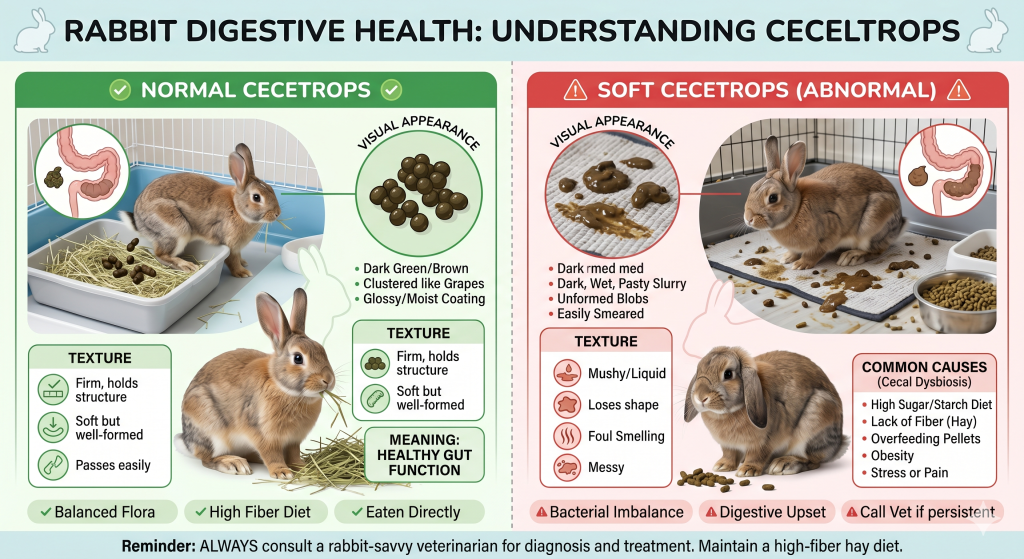
Normal cecotropes hold their shape entirely. When your rabbit drops them, they remain as a distinct, grape-like cluster. They are soft to the touch if compressed, but they do not puddle, smear spontaneously, or dissolve into the flooring of the enclosure.
Abnormal Soft Cecotropes
When the fermentation process goes awry, cecotropes lose their structural integrity. Instead of neat, glossy clusters, they appear as unformed, pudding-like blobs, irregular dark smears, or a single flattened mass stuck to the bottom of the litter tray. Because they lack the typical protective mucus coating and structure, they are easily stepped on, squashed, and tracked around the cage—acting less like fiber and more like a localized biological abstract art installation.
4. Cecotropes vs. Diarrhea in Rabbits
This is the single most critical distinction for a rabbit owner to make. True diarrhea in rabbits is a profound, life-threatening pathology where the entire stool turns to liquid or watery fluid, passed uncontrollably. As emphasized by local veterinary rescue guides on gastrointestinal stasis, true diarrhea requires immediate emergency veterinary care and is exceedingly rare in adult rabbits compared to simple soft cecotropes.
Soft cecotropes, conversely, are localized. You will still see plenty of perfectly normal, hard, round fecal pellets scattered right next to the messy, unformed cecotrope smears. If you see normal hard pellets, your rabbit does not have diarrhea; they are experiencing an isolated cecal imbalance.
Dropping Identification Metrics
| Dropping Type | Visual Structure | Texture | Odor | Accompanying Feces |
| Normal Fecal Pellets | Individual, round spheres | Dry, hard, fibrous | Virtually odorless | N/A |
| Normal Cecotropes | Tightly packed “grape” clusters | Soft, glossy, holds form | Distinct, pungent, earthy | Present in enclosure |
| Abnormal Soft Cecotropes | Pudding-like blobs, flat smears | Mushy, sticky, unformed | Strong, sour, or foul | Present in enclosure |
| True Rabbit Diarrhea | Fluid puddles, water-like spray | Liquid or entirely watery | Extremely foul, gaseous | Completely absent |
5. What Causes Soft Cecotropes in Rabbits?
When these droppings consistently lose their form, it points directly to a microbial disruption within the cecum known medically as cecal dysbiosis. When the delicate pH balance or population of beneficial bacteria in the hindgut shifts, the fermentation process stalls, resulting in malformed, mushy output. Several distinct factors can trigger this shift.
Too Many Pellets or Rich Food
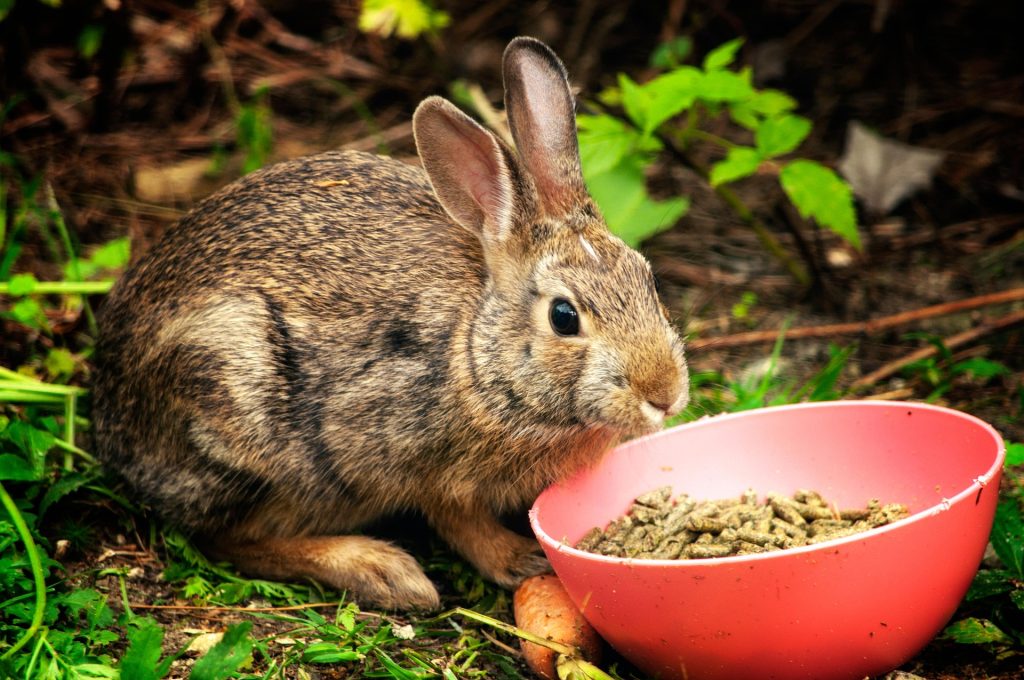
Commercial rabbit pellets are highly concentrated. Many brands are formulated with high levels of protein and easily digestible carbohydrates derived from alfalfa or cereal grains. When a rabbit is overfed pellets, an excess of simple sugars and starches reaches the cecum. The resident microbes rapidly ferment these sugars, throwing off the internal pH, destabilizing the microbial ecosystem, and causing the cecotropes to turn into an unformed, mushy slurry.
Too Many Treats or Sugary Foods
Just like excess pellets, high-sugar treats—such as apples, bananas, commercial yogurt drops, or carrots—act as rocket fuel for dangerous, gas-producing bacteria in the cecum. Resources like the Merck Veterinary Manual
detail common rabbit disorders, highlighting how simple sugars disrupt delicate cecal ecology and allow volatile pathogens like Clostridium species to proliferate and suppress healthy fermentation rhythms.
Low Fiber Intake (Hay Deficiency)
Long-strand indigestible fiber from grass hay is the mechanical engine that drives the rabbit’s digestive tract. It stimulates peristalsis, the muscular contractions of the intestines. If a rabbit isn’t consuming enough hay, gut motility slows down. When food sits stagnant in the cecum for too long, over-fermentation occurs, producing weak, unstable cecotropes that fall apart upon excretion.
Diet and Fermentation Variables
| Dietary Trigger | Primary Nutrient Excess/Deficiency | Direct Impact on Cecal Environment | Resulting Cecotrope Change |
| Excess Commercial Pellets | High protein, simple starch | Rapidly spikes glucose levels, destabilizes pH | Wet, unformed, paste-like slurry |
| Excess Fruit & Sugary Treats | High fructose, simple sugars | Fuels rapid gas-producing bacterial blooms | Foul-smelling, liquid-leaning blobs |
| Hay Deficiency / Low Fiber | Depleted long-strand cellulose | Stalls peristalsis, causes cecal stagnation | Weak, degraded clusters that disintegrate |
Obesity or Low Activity
Weight issues create a physical barrier to normal cecotrope consumption. Rabbits must be flexible enough to bend completely over and harvest their cecotropes directly as they emerge. When an animal carries too much weight, they physically cannot reach their hindquarters.
Observational Note: Weight management is a subtle, precise science. For instance, when my own pet rabbits, Mocha and Chino, both gained a few extra ounces last winter, the first clue wasn’t the numbers on the scale—it was a sudden trail of squashed, uneaten cecotropes on their fleece liners that they physically could not reach to clean. Once their portion sizes were re-evaluated and their weights normalized, their natural grooming postures returned, and the messy floors vanished.
Stress or Environmental Disruption
The rabbit digestive system is deeply tied to the autonomic nervous system. Chronic stress, fear, or a sudden change in environment triggers the release of catecholamines and cortisol, hormones that actively slow down intestinal motility and disrupt the strict circadian rhythm of nighttime cecotrope production.
Pain or Mobility Issues
A rabbit suffering from underlying pain will often alter their eating patterns, selectively avoiding coarse hay because it requires intensive chewing, which exacerbates dental disease. Hidden chronic pain—such as lower-back arthritis in aging rabbits—makes the physical act of tucking their head down excruciatingly uncomfortable. If you suspect structural discomfort is skewing their habits, review my protocol for identifying subtle rabbit pain signs before making adjustments.
Improper Lighting and Circadian Disruption
The production and excretion of cecotropes operate on a strict, hormonal timeline dictated by a rabbit’s internal circadian rhythm. Melatonin spikes and gut contractions drop into a predictable night-and-morning cycle to ensure these nutrient packages are formed when the rabbit is naturally prepared to harvest them.
When a rabbit is housed in an environment lacking a proper day-to-night light cycle, such as a windowless basement or a room where overhead lights stay switched on 24 hours a day, their internal biological clock breaks down. This neurological confusion leads straight to cecal stagnation, causing the microbes to over-ferment stagnant material and generate weak, malformed paste instead of structural clusters.
6. Why Is My Rabbit Leaving Cecotropes Uneaten?
Sometimes the cecotropes themselves are perfectly healthy, but they are left entirely abandoned in the litter tray or across the cage flooring. Understanding why a rabbit actively walks away from these vital resources requires isolating three distinct mechanical and behavioral triggers.
Dietary Over-Saturation
When a rabbit is consistently overfed high-calorie commercial pellets, sweet fruits, or starchy treats, they experience total nutritional satiety. Because their body has already met and exceeded its daily caloric requirements from the food bowl, their internal system shuts off the hunger signals that usually drive cecotrophy. They simply ignore the emerging cecotropes because they are too full to participate in a second course.
Physical Range-of-Motion Barriers
In many instances, a rabbit genuinely wants to consume their nighttime droppings but is physically prevented from reaching the source. Severe obesity creates a literal fat barrier that prevents them from cleanly flexing their spine. Similarly, older rabbits dealing with hidden lower-back arthritis or severe dental disease will skip harvesting because the physical act of bending down or manipulating the cluster with sore teeth causes intense, sharp pain.
Chemical and Taste Profile Degradation
Rabbits possess incredibly sensitive olfactory systems and will quickly evaluate their cecotropes by smell before consuming them. If subtle cecal dysbiosis has set in, the chemical composition of the protective mucus coating shifts, turning the outer layer acidic, gaseous, or foul-smelling. The rabbit will instinctively reject the taste of these imbalanced, sour blobs, leaving them behind to be squashed underfoot.
Mechanical and Behavioral Triggers
| Primary Root Cause | Core Biological Mechanism | Behavioral Presentation | Primary Consequence |
| Dietary Satiety | Caloric/Nutritional over-saturation | Ignores droppings due to lack of hunger | Healthy clusters left abandoned intact |
| Physical Obesity | Structural range-of-motion barrier | Inability to reach perineal area cleanly | Clusters squashed underfoot on floor |
| Chronic Pain / Arthritis | Spinal strain during flexion postures | Refusal to bend down during passing hours | Droppings dropped randomly in bedding |
| Cecal Dysbiosis | Chemical/Taste profile degradation | Rejects taste of overly acidic mucus | Smear-like blobs avoided by rabbit |
7. Are Soft Cecotropes Dangerous?
When It’s NOT Urgent
An isolated episode of soft cecotropes is rarely a cause for panic. If you introduced a new green vegetable the day before, or if there was a loud thunderstorm overnight, the temporary soft output is likely just a fleeting reaction to a minor digestive or emotional hiccup. If the rabbit remains active, alert, and continues to eat their hay enthusiastically, you can safely manage the issue through basic home care.
When It Becomes Concerning
When soft, unformed cecotropes persist for more than a few days, a minor digestive hiccup transitions into a chronic health concern. Clinical data mapping lagomorph microbiota confirms that a lack of long-strand fiber stalls intestinal motility, allowing pathogenic bacteria to alter the cecal environment.
This slowdown explains why a rabbit’s fecal pellets shrink alongside the cecal breakdown, signalling that systemic output is degrading. This constant accumulation of mushy material on the fur can lead to severe skin scalding, while an uncorrected fiber deficiency leaves the door open for the eventual onset of true, dangerous gastrointestinal stasis.
Observational Note: The secondary risks of chronic soft cecotropes can escalate rapidly. When tracking a brief bout of unformed cecotropes with Chino, I noted that the sticky residue began trapping moisture against his skin within just 12 hours. Catching and cleaning this immediately is critical; letting it sit even for a day risks severe skin scalding and creates an immediate vulnerability to flystrike before the gut can even begin to rebalance.
8. How to Treat Soft Cecotropes at Home
Reversing cecal dysbiosis is less about administering medicine and more about managing an industrial supply chain inside your rabbit’s belly. When you pull the plug on simple sugars and double down on long-strand fiber, you stop feeding the volatile, gas-producing bad bacteria. As coarse hay forces the gut muscles to start pumping properly again, food stops stagnating.
This mechanical reboot stabilizes the cecum’s internal chemistry, lowering the pH back to its optimal, slightly acidic baseline. Once the environment is hospitable again, the good microbes recover and take back control.
The Dietary Recovery Process
- The Baseline Trigger: Chronic overfeeding of pellets or high-sugar treats introduces excess glucose to the hindgut.
- The First Intervention: Immediately eliminate all commercial treats, fruits, and starchy vegetables while cutting the current pellet ration exactly in half.
- The Rebalancing Engine: Provide unlimited, free-choice access to fresh grass hay to stimulate consistent digestive movement.
- The Systemic Goal: Steady mechanical movement resets fermentation times, dropping the cecal pH back to its optimal level and restoring regular cecotrope formation.
Fix Diet Balance First
Your primary weapon against soft cecotropes is a strict dietary reset. Cut out all commercial treats, fruits, and starchy vegetables immediately—no matter how masterfully your rabbit begs. If you are free-feeding pellets, scale them back immediately to a strict, measured ration based directly on your rabbit’s ideal target weight.
Actionable Guidelines for At-Home Recovery
Before adjusting your rabbit’s daily routine, ensure you have removed all uneaten morning food bowls to prevent sneaky foraging while their system re-stabilizes. Implementing the specific home protocols detailed below will systematically flush simple starches from the hindgut, reset the internal cecal fermentation cycle, and safely dry up unformed stool within forty-eight hours.
Encourage Normal Eating Behavior
Provide unlimited access to fresh, fragrant, high-quality grass hays like Timothy, orchard grass, or meadow hay. Explicit advice in my dedicated rabbit health guide notes that mixing different textures can stimulate natural foraging behaviors and entice picky eaters away from concentrated foods.
Improve Activity Levels
Increased physical movement directly stimulates healthy, active gut motility. Ensure your rabbit has ample daily free-roam time outside of their standard enclosure. Provide tunnel structures, cardboard boxes, and foraging toys to keep them moving, which helps push food through the hindgut at a steady, healthy pace.
Hygiene Management
If cecotropes are actively matted into your rabbit’s fur, you must intervene to prevent skin infections. Never place a rabbit into a deep bath, as the stress can induce fatal shock. Instead, perform a localized “butt bath” using an inch of lukewarm water in a shallow basin, gently breaking up the dried matter with your fingers. Dry the fur thoroughly with a towel afterward unless you enjoy the smell of damp, fermented hay.
9. Preventing Cecal Dysbiosis in Rabbits
To maintain a permanently stable cecal environment, adhere to the standard golden rules of long-term rabbit husbandry:
- Ensure that fresh, clean grass hay makes up 80% to 90% of your rabbit’s total daily food intake.
- Restrict pellet feeding to no more than 1/4 cup per 6 pounds of body weight daily, opting strictly for high-fiber, timothy-based pellets.
- Treat fresh fruits and root vegetables as rare rewards rather than daily dietary staples.
- Maintain a predictable daily feeding and lighting schedule to protect their internal circadian clock.
Prevention Maintenance Protocols
| Maintenance Category | Target Standard Baseline | Banned Structural Habits |
| Grass Hay Intake | 80% to 90% of total daily volume | Offering alfalfa to adult rabbits |
| Pellet Control | Maximum 1/4 cup per 6 lbs of body weight | Free-feeding open bowls continuously |
| Treat Allowances | Under 1 teaspoon of fresh greens/fruit daily | Commercial yogurt drops or seed sticks |
| Environmental Security | Standardized, low-noise ambient setup | Random enclosure relocation cycles |
Adhering strictly to these preventative baselines ensures that the cecal pouch retains its optimal, slightly acidic pH. When the microbial ecosystem is supported by an endless supply of coarse cellulose, volatile fatty acids are synthesized smoothly, allowing the thin protective mucus membrane to coat each cluster cleanly.
However, breaking these rules—even for a weekend of well-intentioned over-treating—rapidly stalls peristalsis, flips the pH to alkaline, and invites the sticky, unformed output that disrupts both your floor plan and your rabbit’s natural hygiene.
10. When to See a Veterinarian
While most cases of soft cecotropes can be successfully resolved at home through a strict dietary reset, certain clinical signs point to a deeper, systemic issue that requires professional medical intervention. If you are currently trying to figure out if your rabbit is acting sick, closely monitoring their appetite and daily activity will help you catch complications early.
Should your rabbit exhibit any of the following red flags, do not wait for a dietary adjustment to take effect—seek veterinary care immediately:
- Complete Anorexia: If your rabbit stops eating entirely or refuses fresh grass hay for more than 12 hours, their digestive tract is in immediate danger. This sudden shutdown means they are fast-tracking toward the dangerous early stages of GI stasis.
- Systemic Lethargy: A rabbit that becomes unresponsive, sits hunched in a corner, or stops interacting with their environment is experiencing acute pain or severe metabolic distress.
- Zero Progress After 48 Hours: If you have strictly eliminated all treats and halved their pellet rations for two full days with absolutely no improvement in the consistency of the cecotropes, an underlying infection, parasite, or dental issue may be driving the dysbiosis.
- Severe Skin Scalding or Flystrike: If the sticky residue has caused raw, inflamed skin on the hindquarters, or if you detect any signs of fly larvae, immediate veterinary treatment is mandatory to prevent systemic shock.
11. FAQ (Frequently Asked Questions)
Does a rabbit’s age affect cecotrope production?
Yes. Juvenile rabbits under six months of age are still developing their hindgut microbiome and frequently drop unformed cecotropes as their digestive tract adapts to solid foods. Conversely, senior rabbits often produce abnormal cecotropes due to age-related issues like arthritis, which restricts the mobility needed to reach and ingest them directly.
Can a specific type of grass hay trigger soft cecotropes?
While high-fiber grass hay is the cure for dysbiosis, rich varieties like alfalfa are high in protein and calcium, which can overstimulate the cecum and cause sticky, unformed clusters. If a rabbit experiences chronic soft cecotropes on a grass diet, shifting from rich orchard grass to a more fibrous, first-cutting Timothy hay often resolves the issue.
Is it normal for a rabbit to produce cecotropes only at night?
While the fermentation process occurs continuously, rabbits typically produce and consume the vast majority of their cecotropes during their deepest resting periods—which usually occur in the late evening or early morning hours. This nocturnal routine is why owners rarely see healthy cecotropes and only notice a problem when unconsumed ones are left behind during the day.
Can dental disease cause abnormal cecotropes?
Molar spurs or misaligned teeth make it painful for a rabbit to chew coarse hay properly, leading them to swallow larger, unground food fragments. This poorly prepped material alters the fermentation process in the cecum, while the accompanying mouth pain simultaneously deters the rabbit from bending down to practice cecotrophy.
Should I manually feed dropped cecotropes back to my rabbit?
If the cecotropes are fully intact and healthy but were dropped due to a temporary mobility issue, they can be offered to the rabbit on a clean surface or mixed with a favorite herb. However, if the cecotropes are already mushy, squashed, or liquid, the rabbit will likely reject them, and forcing the issue will not fix the underlying gut imbalance.
12. Conclusion: Supporting Your Rabbit’s Hidden Lifeline
Managing cecotropes is ultimately a daily window into your rabbit’s internal health. Because the cecum responds so dynamically to diet, stress, and weight, consistent care is the most powerful tool you have to prevent gut issues before they escalate. By prioritizing coarse, long-strand fiber, keeping treating habits conservative, and monitoring their daily environment, you give their hindgut microbiome the stability it needs to thrive.
Medical & Veterinary Disclaimer: Bunnyowners.com is an informational resource for rabbit owners and enthusiasts. We are not veterinarians. The content on this website is for educational purposes only and is not a substitute for professional veterinary advice, diagnosis, or treatment. Always consult a qualified veterinarian with any questions or concerns regarding your pet’s health, medical conditions, diet, or overall care. If you have concerns about your rabbit’s health, it’s always best to reach out to a veterinarian rather than relying solely on information found online.