
Veterinary & Affiliate Disclaimer: Bunnyowners.com shares educational rabbit care resources, not professional veterinary advice. Always consult a qualified veterinarian regarding your rabbit’s medical, dietary, or behavioral needs. This post may also contain affiliate links; as an Amazon Associate and affiliate partner, we earn from qualifying purchases at zero extra cost to you.
Figuring out what to feed a rabbit throughout its life can get confusing as their nutritional needs evolve. A growing kit building bone and muscle requires a vastly different menu than a fully mature adult or an aging senior with sensitive teeth. Knowing how, and when, to adjust their daily bowl is one of the most important responsibilities you face as an owner.
Young, growing rabbits commonly need nutrient-dense forage and appropriately formulated growth pellets to support development, with the timing of the transition to adult food varying by breed, growth rate, and body condition. Adult rabbits thrive on a maintenance diet dominated by unlimited grass hay alongside strictly measured pellets and fresh leafy greens to control weight and support gut health. Senior rabbits should remain on an adult grass-hay diet unless age-related physical changes—such as weight loss, dental issues, or mobility loss—require individualized dietary adjustments.
Because a rabbit’s nutritional needs evolve alongside their physical development, successful feeding requires adjusting the diet gradually as they grow. To help you navigate these shifts confidently, this guide breaks down the essential foods for every life stage, explains how to transition between diets safely, provides clear daily portion frameworks, and highlights key health signals to monitor along the way.
1. Rabbit Feeding by Age at a Glance
Keeping track of your rabbit’s changing menu doesn’t have to be complicated. At a glance, their diet follows a simple path: nutrient-rich growth food when they are young, fiber-heavy maintenance food in adulthood, and personalized care as they age.
Life Stage Diet Comparison
To give you an immediate visual overview, the comparison table below outlines the core foods and dietary components recommended for each developmental stage before diving into specific feeding details.
| Life Stage | Main Diet | Hay | Pellets | Greens |
| Newborn | Mother’s milk → solid foods | Begins sampling hay near weaning | Begins sampling mother’s pellets near weaning | Usually introduced later |
| Young | Growth diet | Alfalfa + grass hay | Young-rabbit pellets | Gradual introduction |
| Maturing | Transition diet | Increasing grass hay | Gradually reduce growth formula | Regular rotation |
| Adult | Maintenance diet | Unlimited grass hay | Measured adult pellets | Daily |
| Senior | Individualized adult diet | Grass hay | Adjust to condition | Adjust to condition |
Breed size, growth rate, and individual health can all affect when a rabbit transitions from a growth diet to an adult routine.
2. Newborn & Weaning Rabbits
The first few weeks of a rabbit’s life are all about rapid growth. During this time, a kit’s tummy transitions from digesting rich milk to processing tough, fibrous plant material. Helping them navigate this initial change smoothly sets them up for a lifetime of healthy digestion.
Newborn Kits and Nursing
During the first few weeks of life, a newborn kit gets all its nutrition from its mother’s milk. Rabbit milk is highly concentrated, and mother rabbits typically nurse their kits only once or twice a day for relatively short periods. Newborn kits have very sensitive, developing tummies and rely completely on their mom during this stage.
If a mother cannot nurse her kits, reach out to a rabbit-friendly vet or experienced rabbit rescue immediately. Hand-rearing newborn kits is tricky, and using incorrect milk formulas or techniques can lead to severe digestive complications and aspiration.
The Early Transition to Solids
As their eyes open and they become more mobile, kits begin exploring outside the nest and may start nibbling hay and other solid foods available to them. Kits also start eating cecotropes during this developmental period, which provide nutrients and microbial products that support the developing digestive system.
Weaning Phase
By six to eight weeks, most kits are fully weaned and eating solid foods on their own. At this point, their menu shifts toward a growth-focused diet.
3. Young Rabbits
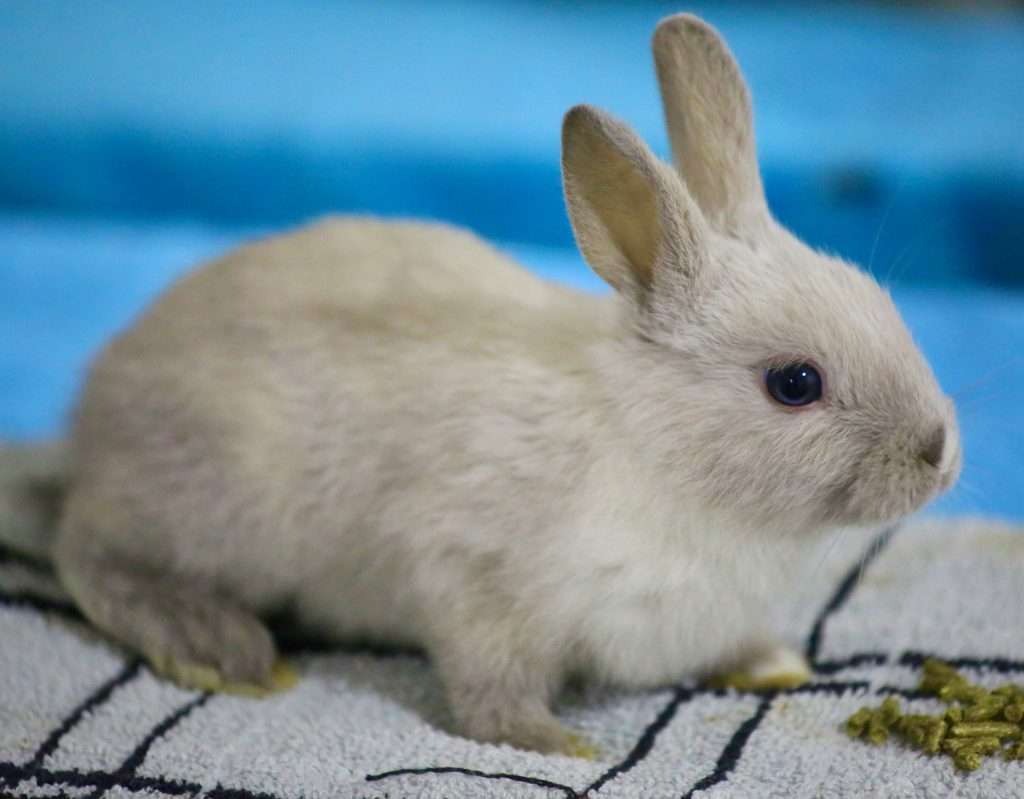
Once fully weaned, young rabbits enter a period of rapid bone and muscle growth. Their nutritional requirements for protein, energy, and minerals are higher than those of adult maintenance rabbits.
The Rapid Growth Phase
- Alfalfa Hay: Unlike grass hays, alfalfa is a legume. It is naturally richer in protein and calcium, making it a nutrient-rich foundation forage while your rabbit is rapidly growing.
- Young-Rabbit Pellets: Use a plain, high-quality growth formula appropriate for young rabbits, with the amount guided by the rabbit’s age, size, growth rate, body condition, and veterinary recommendations.
A quality young-rabbit pellet works alongside nutrient-dense forage to power early development. Offering grass hay during this phase also helps them get used to the core textures they’ll eat as adults. Higher calcium and protein levels are essential during this window to build strong bones and muscle tissue.
Introducing Fresh Greens
Fresh greens can be introduced gradually once a young rabbit is eating hay and pellets reliably. Some rabbit-care guidance uses around 12 weeks as a conservative starting point, while other protocols introduce greens earlier. What matters most is introducing new foods gradually and monitoring appetite and droppings.
When introducing greens for the first time, start small with a single leaf of a gentle variety like romaine lettuce or cilantro. Keep a close eye on your rabbit’s appetite and droppings over the next 24 to 48 hours before offering anything else. Double-checking which vegetables are safe for rabbits makes it easy to stick with mild, easy-to-digest choices right from the start.
Determining Physical Maturity
Rabbits reach physical maturity at different ages. Smaller breeds generally mature earlier than larger breeds, so use growth trajectory and body condition rather than a fixed age alone when transitioning the diet.
4. When to Switch to an Adult Diet
Transitioning your rabbit from a rich growth diet to an adult maintenance plan is a major milestone. As growth slows and the rabbit approaches adult size, its nutritional needs generally shift from growth toward maintenance. Consider transitioning to adult food as growth levels off and the rabbit approaches mature size, as continuing a calorie-dense growth diet after growth has ended can contribute to excess weight.
Transitioning from Alfalfa to Grass Hay
As healthy rabbits approach adulthood, alfalfa is generally replaced as the primary hay by grass hays such as Timothy, Orchard Grass, or Meadow Hay. Grass hays are generally lower in protein and calcium than alfalfa and are well suited to the forage-centered adult diet. Comparing the main types of rabbit hay makes it easier to select the right varieties during this shift.
5. Adult Rabbit Diet
During adulthood, the diet should focus on maintaining healthy body condition and providing abundant fiber. A typical adult diet centers on unlimited grass hay, measured pellets, and appropriate leafy greens. Relying on a high-fiber feeding approach helps maintain smooth gastrointestinal motility across all stages of development.
The Foundation: Unlimited Grass Hay
High-fiber grass hay should form the true core of an adult rabbit’s diet. Long-strand fiber keeps the digestive tract moving smoothly while providing the natural abrasive wear required to keep continuously growing teeth properly aligned. Knowing exactly how much hay a rabbit needs each day ensures forage stays front and center on their daily menu.
The Supporting Role: Measured Adult Pellets
Unlike growing kits, healthy adult rabbits shouldn’t have an open, unlimited pellet bowl. Limiting pellet quantities helps control calorie intake and can prevent pellets from displacing hay in the diet. If you feed pellets, focus on choosing quality rabbit pellets formulated for adults to supply balanced nutrition without excess calories. Comprehensive feeding standards outline how restricting pellet quantities prevents weight gain and protects dental health.
Daily Fresh Leafy Greens
Fresh greens provide additional nutrients, moisture, and dietary variety. Adult rabbits enjoy a regular serving of appropriate dark, leafy greens like romaine lettuce, parsley, cilantro, dandelion greens, or carrot tops. Incorporating moisture-rich leafy greens into the daily rotation helps support gut motility and keeps the urinary tract flushed.
Treats and Fruit in Moderation
Fruit and other sugary treats are best limited because they add concentrated sugars to a diet that should be dominated by high-fiber foods. Because excess simple carbohydrates can upset the delicate balance of beneficial gut bacteria, keep fruit portions tiny and infrequent.
Continuous Hydration
Fresh water supports normal digestion and helps your rabbit process a high-fiber diet. Rabbits should always have clean water available. A heavy water bowl is often a best choice because many rabbits prefer drinking from a bowl, though water bottles work well for some too.
6. Senior Rabbit Diet
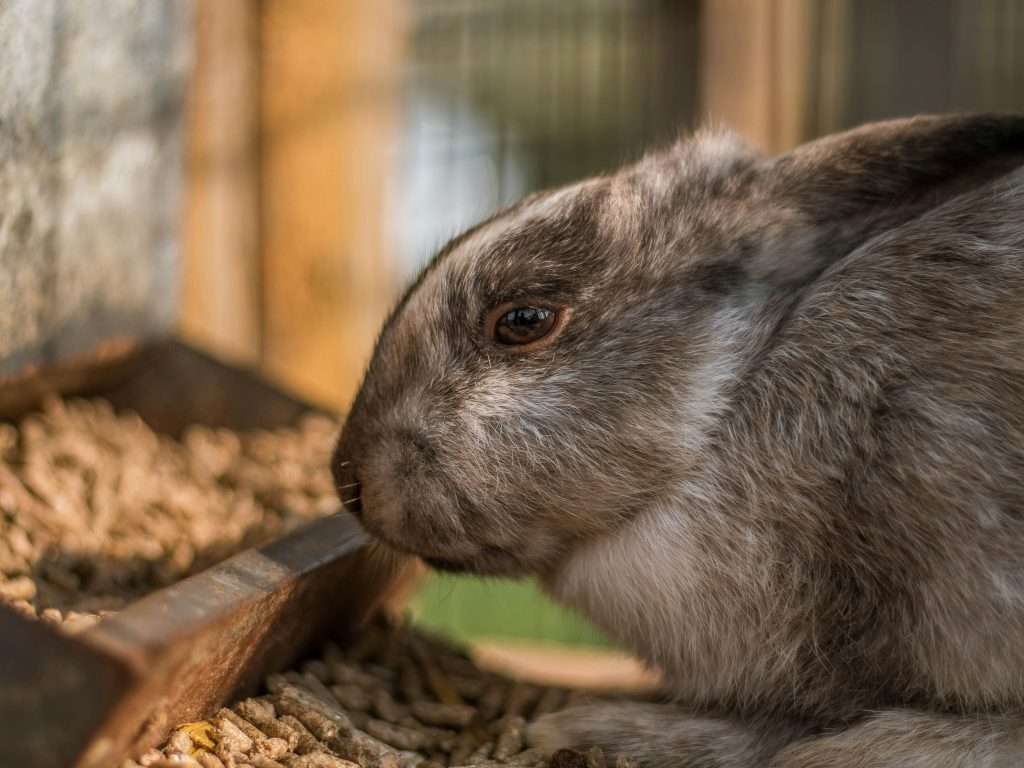
Senior rabbits do not automatically need a different diet. Healthy older rabbits may remain on their adult diet, while changes in weight, appetite, dental function, mobility, or other health conditions may require adjustments.
Key Rule: Don’t add pellets or alfalfa solely because a rabbit has reached a certain age. Dietary changes should respond to actual needs such as weight loss, dental problems, or other health changes.
Recognizing Senior Dietary Needs
Watch for changes such as weight loss, dental pain, reduced appetite, or difficulty eating hay. These may indicate an underlying problem that requires veterinary evaluation before changing the diet.
Managing Weight and Muscle Retention
Two important concerns are unintended weight gain and weight loss:
- The Overweight Senior: Excess weight can make movement and grooming more difficult and may contribute to mobility problems.
- The Underweight Senior: Muscle loss or a lower appetite can cause older rabbits to drop weight unexpectedly.
Unexplained weight loss in an older rabbit is a sign that something is going on, not just a normal part of aging. If your senior rabbit is losing weight, run through a home health check and have your vet evaluate them before making major food changes.
Dental and Mobility Accommodations
If a senior rabbit suddenly struggles to chew hay, don’t just swap them to softer hay and call it a day. Signs of rabbit dental disease or mouth pain need to be checked by a vet. In the meantime, your vet may recommend softer or more easily managed forage while the underlying dental problem is being evaluated and treated. For older rabbits with sore joints, make sure hay racks and water bowls are low enough that they don’t have to stretch uncomfortably to reach them.
7. How Should Rabbit Portions Change With Age?
As rabbits mature, the balance between forage and concentrated foods changes. The following matrix summarizes the general pattern:
Daily Portion Guidelines by Life Stage
| Life Stage | Hay | Pellets | Fresh Greens | Primary Focus |
| Young | Unlimited hay; alfalfa commonly used during growth | Young-rabbit formula, adjusted to growth and body condition | Introduced gradually | Growth and development |
| Adult | Unlimited grass hay | Measured according to body condition | Daily, as tolerated | Maintenance and weight control |
| Senior | Unlimited hay suited to the individual rabbit | Adjusted according to weight and health | Adjusted as needed | Maintaining body condition and comfort |
Avoiding Fixed Portion Pitfalls
Generic portion charts on food bags are helpful starting points, but every rabbit’s metabolism is a little different. Factors like activity level, neuter status, and individual body type all change how many calories your rabbit needs. It’s always better to adjust portions by checking your rabbit’s actual body condition rather than sticking rigidly to a cup measurement.
8. When Should You Change a Rabbit’s Diet?
Food changes should always be prompted by clear physical milestones or health needs, such as:
- Weight Shifts: Becoming noticeably underweight or overweight during routine weight checks.
- Medical Needs: Vet-diagnosed dental issues, kidney care, or recovery from illness.
- Pregnancy or Nursing: Periods when nutritional requirements increase and the diet may need veterinary-guided adjustment.
What If My Rabbit Is Between Stages?
Rabbits in the maturing phase don’t always fit neatly into a single row on a chart. During this middle stage, keep an eye on their weight and body shape. Larger breeds often need a little extra time on growth forage, while smaller dwarf breeds finish growing and move to adult food sooner. Unnecessary or premature diet changes bring an unwanted risk of digestive upset, so let physical condition—rather than a strict calendar date—guide your timing.
9. How to Change a Rabbit’s Diet Safely
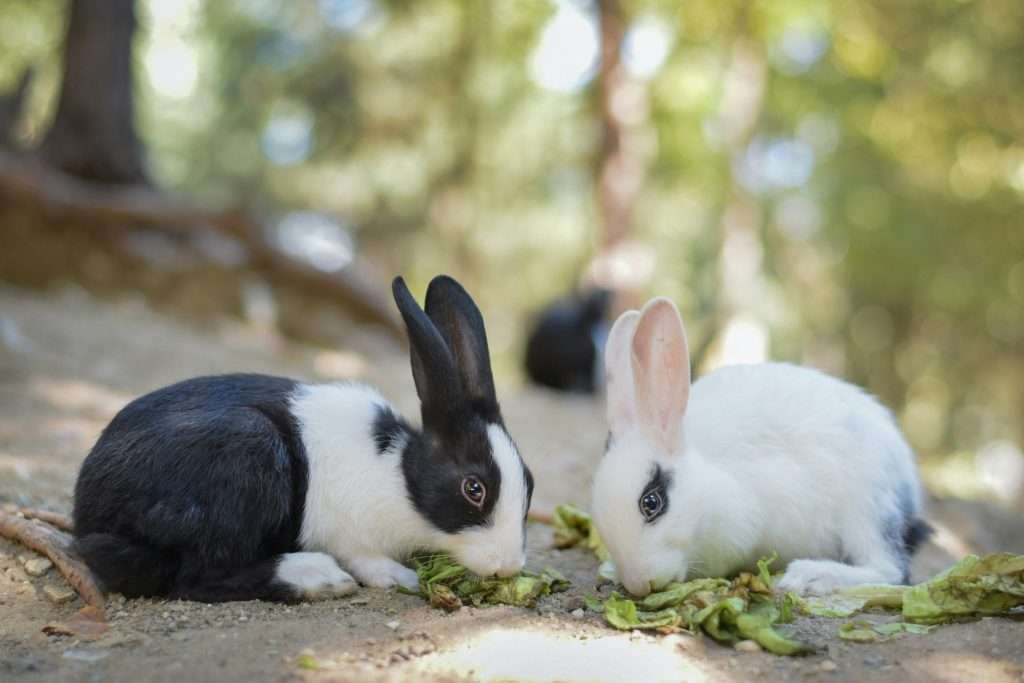
Make dietary changes gradually rather than replacing foods abruptly. When switching pellets or hay, introduce the new food progressively while monitoring appetite and droppings.
Key Indicators to Monitor
Whenever you change your rabbit’s menu, monitor appetite, fecal output, and behavior throughout the transition:
- Fecal Droppings: Poops should stay round, plentiful, and consistent in size and color.
- Appetite: Your rabbit should remain excited to eat when mealtime arrives.
- Behavior: Watch for signs of tummy pain, such as loud tooth grinding, sitting hunched up, or hiding.
10. How to Tell Whether the Diet Is Working
A successful diet should keep your rabbit at a healthy body condition while supporting normal appetite and fecal output.
Fecal Output Assessment
Healthy fecal pellets are generally round, dry, and relatively uniform. Changes in their size, shape, moisture, or quantity can signal a dietary or health issue.
Body Condition Scoring
Get into the habit of evaluating your rabbit’s body condition weekly:
- Ideal body condition: The ribs and spine should be easy to feel beneath a thin layer of tissue without feeling sharply prominent. Your rabbit should have a healthy, proportionate body shape without excessive fat covering.
- Underweight: Spine and hip bones feel sharp and prominent, with a noticeable loss of muscle along their back.
- Overweight: The ribs, spine, and hip bones are difficult to feel because of excess fat, with a noticeably rounded body shape or heavy fat covering that makes it tough for them to reach around and groom.
Evaluating weight through hands-on body condition scoring techniques gives you a much clearer picture of your rabbit’s true physical status than relying on visual checks alone.
Visual checks can be notoriously deceiving—my rabbit Mocha’s dense, plush fur can easily mask early muscle loss along the spine, whereas with my other rabbit, Chino, his softer build makes it trickier to judge his dewlap without feeling directly along his ribs. Running a firm, gentle hand down their backs during weekly grooming is the only reliable way to catch real shifts in body condition before they become health issues.
11. Common Feeding Mistakes by Age
Feeding mistakes differ by life stage, from inappropriate growth diets in young rabbits to excessive pellets in adults and overlooked health problems in seniors.
Mistakes with Young Rabbits
Common feeding mistakes in young rabbits include:
- Too Many Greens Too Soon: Introducing large quantities of new greens too quickly, which can cause digestive upset.
- Stopping Growth Foods Too Early: Abruptly taking away richer growth food before physical growth has fully leveled off.
- Muesli Feed Mixes: Offering cereal-style feeds with seeds, corn, and colored flakes, which encourages selective feeding and dangerous nutritional imbalances as growing rabbits pick out sugary bits while ignoring balanced pellets.
Mistakes with Adult Rabbits
Common feeding mistakes in adult rabbits include:
- Free-Choice Pellets: Leaving an overflowing pellet bowl out all day, which can contribute to excess calorie intake and may reduce hay consumption.
- Treating Hay as Optional: Viewing hay as bedding instead of the primary foundation of their daily diet. If an adult rabbit suddenly turns their nose up at forage, it’s critical to investigate what causes a rabbit to refuse hay or why they might be filling up on pellets while ignoring grass.
- Too Much Sugar: Too many sugary treats add unnecessary calories and can displace high-fiber foods from the diet. Make sure you check a list of toxic foods before introducing any new treats.
Mistakes with Senior Rabbits
Dietary care for senior rabbits is all about catching subtle physical changes early and keeping food easy to reach. Common senior pitfalls include:
- Dismissing Weight Loss: Assuming a skinny frame is “just old age” instead of checking for underlying dental pain or internal health changes.
- Ignoring Joint Strain: Mounting hay racks high on the wall where an arthritic senior has to stretch uncomfortably to eat.
- Overlooking Soft Droppings: Ignoring smeared cecotropes on the floor, which can occur when an older rabbit cannot comfortably reach or consume them, including because of mobility or pain problems.
12. Quick Reference Checklist
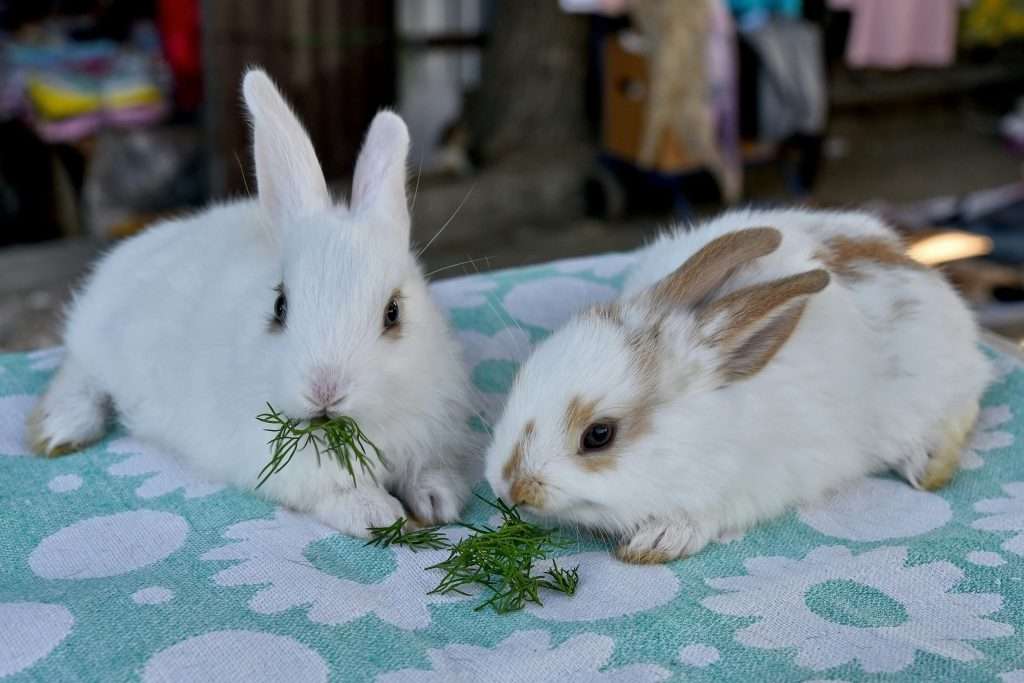
Use this checklist for a quick summary of the key feeding priorities by life stage:
- Weaning & Young:
- Alfalfa hay mixed with grass hay for growth and calcium.
- Young-rabbit pellets offered in amounts guided by growth rate and veterinary recommendations.
- Introduce single leafy greens slowly once hay and pellets are eaten reliably.
- Fresh water available at all times.
- Adult:
- Unlimited grass hay (Timothy, Orchard Grass, Meadow Hay) forming the main body of the diet.
- Measured adult pellets tailored to size and body condition.
- A regular serving of appropriate leafy greens.
- Treats restricted to small, occasional rewards.
- Senior:
- Unlimited grass hay suited to their teeth and chewing comfort.
- Pellet volume adjusted to keep them at a healthy weight.
- Easily accessible water bowls and low-mounted hay feeders.
- A vet checkup whenever unexpected weight loss or appetite drops occur, as reduced food intake can accompany or contribute to gastrointestinal stasis in rabbits and other serious problems.
13. Frequently Asked Questions
Rabbit owners often run into practical, real-world questions when adjusting their pet’s diet over time. Below are clear, straightforward answers to common questions about age transitions, orphaned kit care, and choosing the right hay.
What should I feed a baby rabbit if the mother isn’t nursing?
If a mother rabbit cannot nurse, get in touch with a rabbit-savvy vet or experienced rescue right away. Hand-rearing kits requires specialized formulas and precise techniques; incorrect milk or feeding methods can lead to serious digestive trouble or fatal lung complications.
When should rabbits switch from alfalfa to timothy hay?
Many rabbits begin transitioning from alfalfa to grass hay as the rabbit approaches physical maturity, with timing varying by breed, growth rate, and individual body condition. Make the transition gradually and use body condition and growth status—not age alone—as your guide.
Can a 2-month-old rabbit eat fresh vegetables?
Fresh greens can be introduced gradually once a young rabbit is eating hay and pellets reliably. Some care protocols use around 12 weeks as a conservative starting point, while others introduce greens earlier.
Do senior rabbits need alfalfa hay again?
Healthy senior rabbits don’t automatically need alfalfa hay. However, if an older rabbit is losing weight or muscle, a veterinarian may recommend adding a more calorie- or nutrient-dense forage as part of an individualized feeding plan.
Is fruit safe for growing rabbits?
Fruit isn’t necessary for growing rabbits and should be saved for occasional rewards rather than part of their daily diet. Their growing tummies are much better served by fiber-rich hay and young-rabbit pellets.
14. Bottom Line
Feeding a rabbit well throughout life means adjusting the diet as nutritional needs change while keeping high-fiber forage at the center. Growing rabbits need appropriate growth nutrition, healthy adults generally need a grass-hay-centered maintenance diet, and seniors may require individualized adjustments based on weight, appetite, dental health, and other conditions. Use age as a framework, but let body condition and health guide the final diet.
Medical & Veterinary Disclaimer: Bunnyowners.com is an informational resource for rabbit owners and enthusiasts. We are not veterinarians. The content on this website is for educational purposes only and is not a substitute for professional veterinary advice, diagnosis, or treatment. Always consult a qualified veterinarian with any questions or concerns regarding your pet’s health, medical conditions, diet, or overall care. If you have concerns about your rabbit’s health, it’s always best to reach out to a veterinarian rather than relying solely on information found online.