
Veterinary & Affiliate Disclaimer: Bunnyowners.com shares educational rabbit care resources, not professional veterinary advice. Always consult a qualified veterinarian regarding your rabbit’s medical, dietary, or behavioral needs. This post may also contain affiliate links; as an Amazon Associate and affiliate partner, we earn from qualifying purchases at zero extra cost to you.
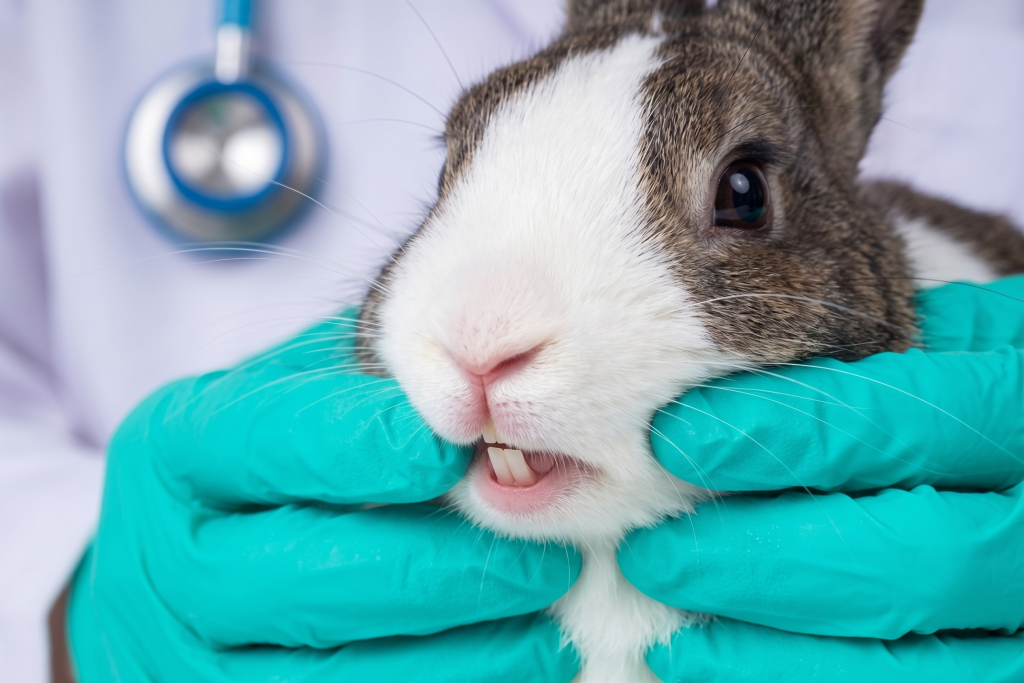
If you suspect your rabbit has a dental problem, recognizing the signs early is critical. Dental pain can quickly become dangerous when rabbits stop eating, which can trigger gastrointestinal problems such as GI stasis. A rabbit’s 28 teeth grow continuously throughout life, meaning any balance shift between growth and everyday wear can rapidly turn minor discomfort into severe health issues. Understanding what symptoms to look for, why these problems develop, and how veterinarians diagnose and treat them empowers you to protect your rabbit’s health before a minor issue becomes an emergency.
Rabbit dental disease occurs when continuously growing teeth do not wear down evenly, causing sharp molar spurs, overgrown incisors, or tooth root infections. Common signs include drooling, dropping food, refusing hay, teeth grinding, weight loss, and facial swelling. Treatment involves veterinary filing or extraction alongside unlimited grass hay.
Below, we break down the underlying mechanics of these dental issues, detail every warning sign you need to monitor, and walk through professional treatment and prevention strategies to support overall rabbit health and keep your pet comfortable. Whether you are dealing with a sudden shift in your rabbit’s eating habits or aiming to build a proactive routine, this comprehensive guide provides the clinical insights and practical steps necessary to keep your bunny thriving.
1. What Is Rabbit Dental Disease?
To understand how dental problems develop, it helps to start with how a rabbit’s mouth is built. Rabbits are lagomorphs possessing 28 elodont teeth, meaning their teeth continue growing throughout life and rely entirely on constant physical wear from chewing.
A healthy rabbit’s mouth relies on two distinct tooth groups working in tandem: 6 front incisors (4 upper and 2 lower, including the small “peg teeth” tucked directly behind the main upper teeth) used for slicing and grasping, and 22 back cheek teeth (molars and premolars) built with flat surfaces for grinding dense fiber into fine pulp.
Healthy dental wear in rabbits relies on three essential components working together:
Healthy Tooth Wear = Continuous Growth + High-Fiber Chewing + Normal Jaw Alignment
When any part of this balance fails, natural wear stops. The teeth quickly become uneven, leading to sharp enamel points, elongated crowns, and extra pressure on the roots beneath the gums.
While front incisors are easy to see when gently parting the lips, the vast majority of problems occur back in the cheek teeth. Molars sit deep inside a narrow mouth, so spurs and overgrown crowns stay completely hidden from view without specialized scopes used during an oral veterinary evaluation.
2. Normal Tooth Growth vs. Dental Disease
Many rabbit owners wonder how to distinguish normal, continuous tooth growth from actual dental disease. In a healthy mouth, growth and wear happen simultaneously without causing discomfort or altering chewing habits.
Healthy Tooth Wear vs. Active Dental Disease
| Feature | Normal Tooth Wear | Active Dental Disease |
|---|---|---|
| Crown Alignment | Teeth meet evenly; crowns remain smooth | Sharp spurs, jagged points, or curling incisors |
| Chewing Mechanics | Steady, side-to-side grinding motion | Slow, cautious chewing or dropping food pieces |
| Dietary Intake | Consumes long-stem grass hay eagerly | Prefers soft greens or pellets while avoiding hay |
| Saliva Control | Chin and jaw fur stay completely dry | Persistent wetness, matting, or drooling on the chest |
| Weight & Stool | Stable body weight, large golden droppings | Gradual weight loss, smaller or irregular fecal pellets |
3. Why Rabbit Teeth Problems Are So Common
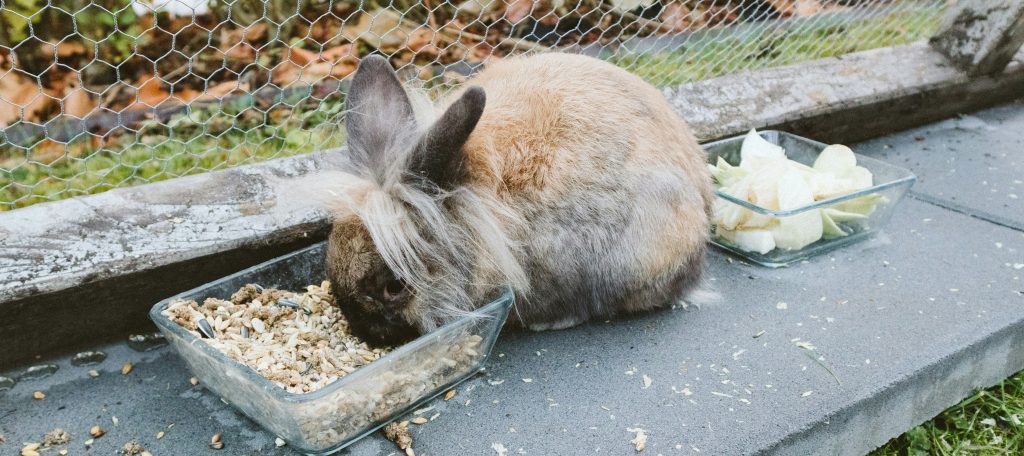
Dental issues rarely happen out of nowhere. Looking at how teeth wear down reveals why these problems show up so often in pet rabbits.
Low-Fiber Diets
Diet is one of the most important factors influencing rabbit dental health. Chewing grass hay requires a continuous side-to-side, figure-eight jaw movement that sweeps across all the molars. The long fibers require prolonged chewing duration and tooth-to-tooth friction that promotes normal wear across every crown surface.
Pellets and soft treats, on the other hand, only require a basic up-and-down crushing motion. Diets heavy in pellets or low in hay don’t provide enough lateral grinding time, letting the teeth grow too long and form razor-sharp edges. For full nutritional breakdowns, explore my rabbit diet guide.
Different foods impact chewing dynamics and dental wear in distinct ways:
- Long-Stem Grass Hay: Requires side-to-side grinding across all cheek teeth, providing maximum wear efficiency as tough fibers are chewed.
- Fresh Leafy Greens: Involves lateral slicing with light grinding, offering good hydration and moderate surface friction.
- Pellets & Compressed Feeds: Uses vertical, up-and-down crushing with localized force that does not produce sufficient grinding action.
- Seeds & Starchy Treats: Shortens overall chewing time and causes uneven crown wear due to simple vertical crushing.
Jaw Alignment Problems (Malocclusion)
Malocclusion happens when the upper and lower jaws don’t line up correctly. This misalignment can be genetic or caused by physical trauma. When jaw alignment fails, even a proper high-fiber diet cannot prevent abnormal enamel wear and structural malocclusion.
Breed Predispositions
Certain rabbit breeds are significantly more prone to dental problems due to selective breeding for short, rounded heads (brachycephaly). Flat-faced breeds—such as Netherland Dwarfs, Holland Lops, and Mini Lops—have shortened jawbones that crowd the teeth closely together. This altered angle prevents teeth from shearing properly against each other, drastically increasing the likelihood of early-onset molar spurs and incisor malocclusion.
Age-Related Changes & Trauma
As rabbits get older, gradual changes in bone density, jaw strength, and chewing habits can alter how their teeth wear down. Senior rabbits can develop root issues or uneven wear even if their diet has stayed the same for years. Similarly, if a rabbit suffers an injury or tooth infection, the follicle tissue beneath the gums can be permanently altered, causing the tooth to erupt at an awkward angle.
4. Rabbit Dental Disease Symptoms
Watching your rabbit’s daily eating habits and physical behaviors is the best way to catch trouble early:
Comparing Normal Dental Function vs. Dental Disease Symptoms
| Feature | Normal Function | Concerning Dental Sign |
|---|---|---|
| Eating Habits | Eats grass hay eagerly and continuously | Refuses hay, selects soft foods, or drops food pieces |
| Chewing Motion | Smooth, steady side-to-side grinding | Slow, awkward chewing or frequent stopping mid-bite |
| Chin & Fur | Clean, dry fur under the chin and jaw | Wet chin, matting, or persistent drooling |
| Weight & Stool | Stable body weight, large golden fecal pellets | Weight loss, smaller pellets, or fewer droppings overall |
Common Physical and Behavioral Signals:
- Drooling or Wet Chin: Painful chewing or sharp molar spurs make it difficult to swallow saliva normally, causing persistent rabbit drooling.
- Slower Eating / Dropping Food: Sharp enamel points cut into the cheeks or tongue, making chewing painful.
- Choosing Soft Foods Over Hay: A preference for pellets or greens over roughage indicates an avoidance of tough fibers due to dental pain.
- Teeth Grinding (Loud/Crunchy): Loud, harsh crunching or rabbit teeth grinding usually signals severe physical pain rather than relaxed purring.
- Unexplained Weight Loss: A result of reduced food intake when eating becomes too painful.
- Smaller or Misshapen Poop: Reflects reduced fiber intake, altering digestion.
- Facial Swelling or Lumps: Indicates advanced tooth root pressure or facial abscesses.
- Watery Eyes / Tear Staining: Upper molar roots pressing against tear ducts frequently result in rabbit watery eyes.
5. Hidden Signs of Dental Pain in Rabbits
Prey animal instincts drive rabbits to hide discomfort for as long as possible. Many owners notice the problem only after realizing their rabbit still runs over for treats but has quietly stopped eating hay. Paying attention to small behavioral shifts can help you catch oral pain long before major symptoms appear.
Watching for these smaller signs can help you intervene early:
- Sitting by the Food Bowl Without Eating: Nosing at food or sitting near the bowl, but walking away without taking a bite.
- Taking Much Longer to Finish Meals: Chewing greens or pellets unusually slowly or taking long pauses between bites.
- Turning Away From Favorite Treats: Refusing treats they normally love, or licking them without actually biting down.
- Awkward Head Tilts While Chewing: Tilting the head to one side to try to chew on the less painful side of the mouth.
- Acting Withdrawn or Less Social: Hiding more often, resting in dark corners, or avoiding interaction with family members.
- Changes in Grooming Habits: A messy fur coat from reduced grooming due to mouth pain, or matting around the front paws from wiping at a wet chin.
6. Common Types of Rabbit Dental Disease
Rabbit dental problems show up in a few main ways, from minor sharp points to deep infections.
Molar Spurs
Molar spurs are sharp, hook-like enamel points that form along the edges of the back teeth when grinding wear isn’t even.
- Mechanism: Lower molar spurs usually curve inward toward the tongue, causing painful cuts. Upper molar spurs flare outward, digging directly into the inner cheek.
- Symptoms: Hesitating to eat hay, dropping partially chewed food, and cautious jaw movements.
- Treatment: Professional filing (burring) under sedation by a vet to smooth the sharp tooth edges flat again.
Overgrown Incisors
When front teeth don’t line up, they can’t shear against each other properly and quickly turn into painful overgrown teeth that curl backward or flare outward, making it impossible to pick up food.
Tooth Root Disease
While spurs grow upward into the mouth, dental issues can also press downward into the jaw. Elongated roots extend deep into surrounding tissue, where upper roots can block tear ducts and lower roots can lead to painful jawbone changes and root elongation.
Dental Abscesses
Rabbit pus is thick and paste-like, which means abscesses cannot be simply drained like they can in dogs or cats. Bacterial infections around elongated roots or deep puncture wounds from molar spurs frequently develop into severe rabbit mouth abscesses.
7. How Dental Disease Causes Other Rabbit Health Problems
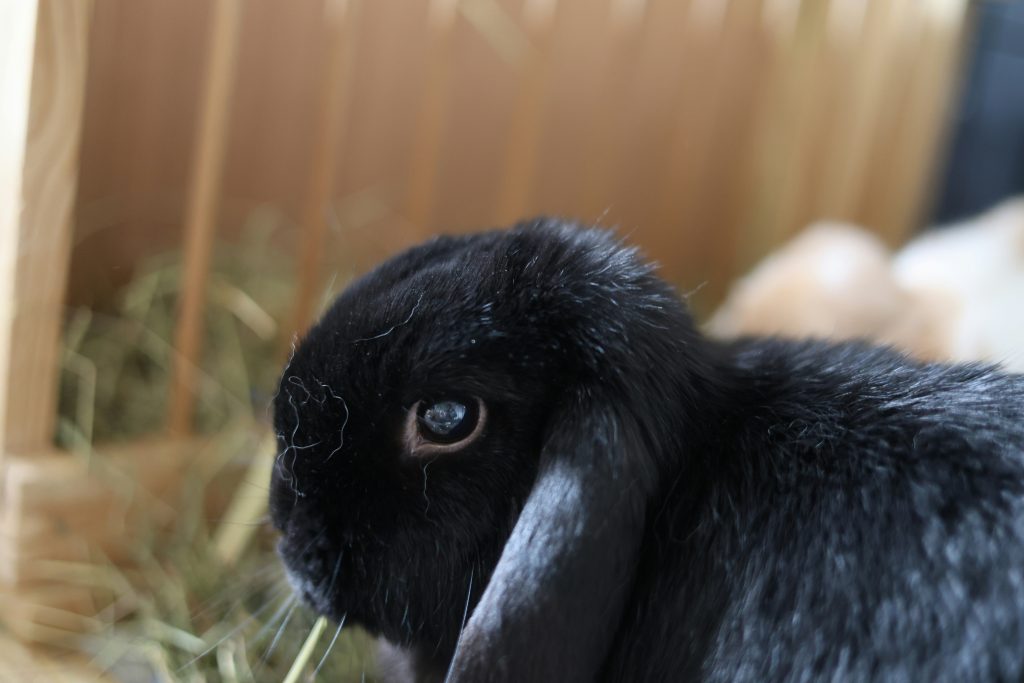
When chewing becomes painful, many rabbits quietly reduce their hay intake first. Because hay provides the vast majority of their daily fiber, this small shift quickly slows down gut movement, triggering a chain reaction that spreads far beyond the mouth:
- Oral Discomfort: Molar spurs or root pressure make chewing roughage painful.
- Reduced Fiber: The rabbit avoids tough grass hay, causing gut fiber levels to drop.
- Slowed Motility: Digestive movement slows down or halts entirely, directly triggering GI stasis.
- Selective Eating & Weight Loss: Rabbits with early molar spurs often switch to soft pellets while skipping hay. Even if they seem to be eating, overall intake drops, leading to muscle loss and a rabbit losing weight.
8. Can You Check Your Rabbit’s Teeth at Home?
It is natural to want to look inside your rabbit’s mouth when you suspect something is wrong, but it is important to know what you can—and cannot—safely check at home.
What Is Safe to Check at Home
Inspect the front incisors by gently lifting the upper lips to confirm they slightly overlap, look straight, and aren’t chipped or overgrown. Perform a gentle jawline check by running your fingers along the outside of the lower jaw to feel for smooth symmetry without bumps or tender spots, while keeping a close eye on daily chewing behavior and grooming habits.
What Is NOT Safe to Check at Home
Never attempt to force your rabbit’s mouth open or insert instruments inside. Rabbits have powerful jaw muscles and fragile bone structures; forcing the mouth open risks severe stress, jaw dislocation, or spinal injury. Additionally, inspecting cheek teeth at home without a specialized veterinary scope is impossible, and attempting to peek in with a flashlight will only startle your rabbit without providing a clear view.
If you notice front tooth issues, jaw lumps, or eating changes, leave the deep mouth exam to your veterinarian.
9. How Veterinarians Diagnose Dental Disease
Diagnosing dental issues requires a thorough professional evaluation using structured clinical steps:
- Physical Exam & Jaw Palpation: The vet feels along the jawline for subtle asymmetry, bony swelling, or tender spots along the lower mandible.
- Otoscopic & Endoscopic Oral Exam: Using an otoscope or rigid endoscope, the vet inspects deep inside the narrow oral cavity to check molars, cheeks, and tongue for sharp cuts or spurs.
- Sedated Examination: Because a rabbit’s mouth is small and narrow, a thorough exam often requires light sedation to evaluate every tooth surface safely without causing stress.
- Diagnostic Imaging: X-rays or CT scans look below the gumline, checking tooth roots to spot early bone changes or abscesses during a clinical dental examination.
10. Rabbit Dental Disease Treatment
Treating dental problems requires professional veterinary care. Never attempt to trim or clip a rabbit’s teeth at home; human clippers apply uneven pressure that can shatter the tooth down into the root, leading to severe infection and extreme pain.
Professional Tooth Trimming & Burring
Vets use specialized dental tools to gently trim overgrown front teeth or file down sharp molar spurs while the rabbit is safely sedated.
Tooth Extraction
In advanced cases involving chronically infected roots, severe malocclusion, or deep abscesses, extraction of the affected tooth may be required. While filing fixes visible crown spurs, extracted teeth prevent recurring tissue damage when the underlying root follicle is permanently damaged or diseased.
Abscess Management & Surgery
Treating dental abscesses takes dedicated care, often involving surgery to clean out infected tissue, remove affected teeth, and administer targeted antibiotics.
Supportive Recovery Care
Managing a dental patient involves essential home support:
- Pain Management: Vet-prescribed pain medication to reduce oral soreness and encourage self-feeding.
- Assisted Feeding: Syringe-feeding high-fiber recovery formulas is critical whenever a rabbit is not eating independently.
Managing dental recovery requires appropriate pain medication and hands-on nursing care aligned with established rabbit recovery standards to keep your pet eating and comfortable.
11. Recovery After Dental Treatment
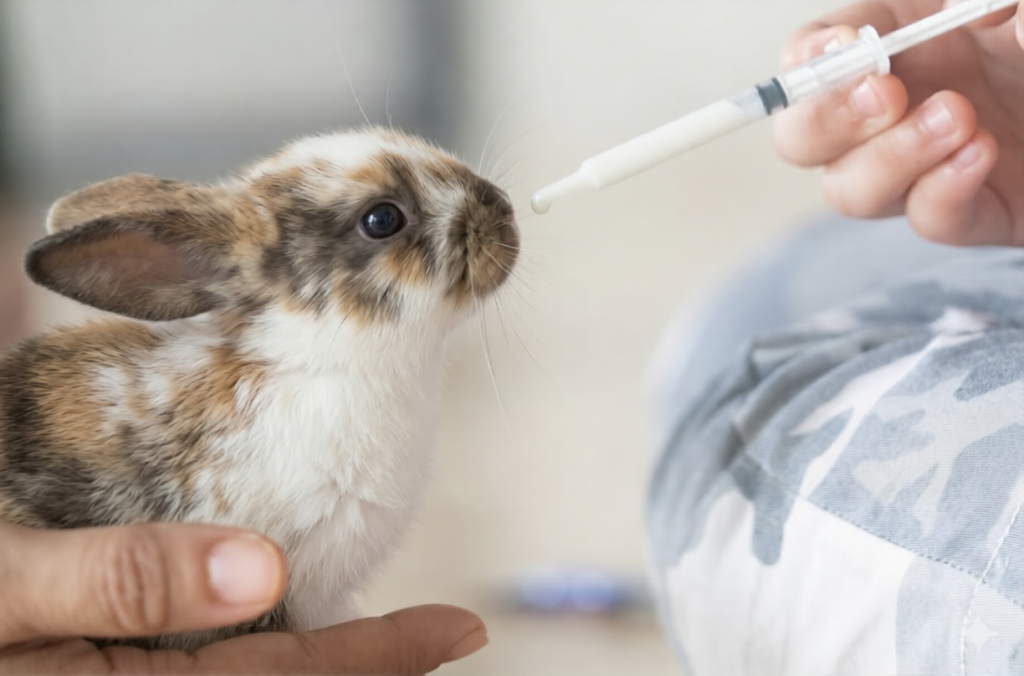
The recovery window after a dental procedure is crucial for getting appetite and digestion back on track.
This timeline highlights key recovery stages and warning signs to watch for during the first week:
Post-Procedure Recovery Stages and Care Priorities
| Timeframe | Expected Behavior | Key Care Actions | Warning Indicators |
|---|---|---|---|
| Hours 0–12 | Mild grogginess, slow movement | Keep in a warm, quiet space; offer wet greens | Complete unresponsiveness, cold ears/body |
| Hours 12–24 | Interest in soft greens, cautious chewing | Begin syringe feeding if no voluntary eating | Zero droppings, active tooth grinding |
| Days 2–3 | Gradual return to soft hay and pellets | Digital weight tracking, monitor stool size | Weight loss over 5%, complete refusal to eat |
| Days 4–7 | Normal hay chewing and active behavior | Transition off soft greens back to standard diet | Persistent drooling, new jaw swelling |
Long-Term Recovery Monitoring
Living with my own rabbits, Mocha and Chino, has shown me just how subtle the early signs of dental trouble can be long before obvious symptoms appear. Weighing your rabbit on a digital scale at the same time each morning gives you clear data, revealing minor weight drops days before physical changes or messy eating habits show up.
Keep a close eye on fecal output size and density. Returning to large, well-formed droppings confirms that fiber intake and jaw motion are returning to healthy levels. Regular physical evaluations should be part of a routine rabbit health check.
12. How to Prevent Rabbit Dental Disease
While inherited jaw alignment issues can’t be completely prevented, applying a thorough rabbit health guide to your daily routine goes a long way toward stopping problems before they start.
Unlimited Long-Stem Grass Hay
Grass hay should make up 80–85% of an adult rabbit’s diet. The continuous side-to-side chewing needed to break down long fibers provides necessary abrasion, keeping molar crowns worn down to a healthy height and preventing enamel points from forming.
Hay Quality Matters
Not all hay encourages the same chewing behavior. Coarse, long strands of 1st or 2nd cut timothy, orchard grass, or meadow hay require many more chewing cycles than small, finely chopped pieces. Providing fresh, fragrant, long-strand hay keeps your rabbit chewing longer and maximizes natural molar wear.
Controlled Pellets & Treats
Keep plain timothy pellets to measured daily portions based on body weight. High-sugar treats, seeds, and starchy snacks should be kept to a minimum to encourage proper chewing habits and follow veterinary rabbit nutrition standards.
Consistent Routine Monitoring
Establish a habit of weighing your rabbit weekly on a digital scale to catch silent weight loss early, while gently feeling along the lower jawline for bumps or damp chin fur. Additionally, scheduling professional oral examinations with an exotic veterinarian every 6 to 12 months allows a vet to inspect cheek teeth with specialized scopes before minor spurs become painful ulcers.
13. When Dental Problems Require Emergency Care
Dental complications can quickly turn critical. Seek immediate veterinary care if your rabbit shows any of these urgent warning signs:
- Complete Anorexia: Refusing all food for more than 12 hours.
- Significant Stool Drop or Absence: A major reduction or complete absence of fecal droppings, especially combined with food refusal, requires urgent veterinary attention.
- Severe Drooling: Wetness completely soaking the chin, neck, or chest.
- Facial Swelling: A sudden, firm lump or swelling along the jaw or cheek.
- Signs of Severe Pain: Sitting hunched up, bulging eyes, or uncharacteristic behavior shifts indicative of acute pain signs.
Acting fast keeps painful mouth issues from escalating into life-threatening emergencies.
Frequently Asked Questions
Can rabbits get dental disease if they eat hay?
Yes. While high-fiber hay dramatically reduces the risk, rabbits can still develop dental disease due to genetic jaw misalignment, age-related changes, or trauma to the tooth root follicle.
How do I know if my rabbit has teeth problems?
Key warning signs include dropping food out of the mouth, choosing soft leafy greens while ignoring hay, slow chewing, wet chin fur, small fecal pellets, and unexplained weight loss.
Do healthy rabbits need their teeth trimmed regularly?
No. Healthy rabbits naturally wear down their teeth through chewing long-stem grass hay. Routine trimming is only necessary for rabbits suffering from malocclusion or chronic molar spurs.
Can dental disease cause GI stasis?
Yes. Dental pain reduces a rabbit’s hay intake, leading to a sudden drop in dietary fiber. This slows down bowel movements, frequently triggering life-threatening gut stasis.
How often should a rabbit’s teeth be checked by a vet?
A complete oral examination using specialized otoscopic instruments should be conducted by a qualified exotic veterinarian at least once every six to twelve months during routine wellness checks.
Conclusion
Managing rabbit dental health comes down to vigilance, proper nutrition, and timely medical care. Because rabbits naturally mask physical distress, subtle changes in chewing speed, pellet preference, or drooling are often the only early warnings an owner receives. Providing unlimited long-stem grass hay offers the best daily protection against molar spurs and crown elongation, but routine veterinary checkups remain essential for catching hidden root issues early.
By staying observant and acting quickly at the first sign of discomfort, you can protect your rabbit from severe oral pain and ensure their digestive system stays healthy for years to come.
Medical & Veterinary Disclaimer: Bunnyowners.com is an informational resource for rabbit owners and enthusiasts. We are not veterinarians. The content on this website is for educational purposes only and is not a substitute for professional veterinary advice, diagnosis, or treatment. Always consult a qualified veterinarian with any questions or concerns regarding your pet’s health, medical conditions, diet, or overall care. If you have concerns about your rabbit’s health, it’s always best to reach out to a veterinarian rather than relying solely on information found online.