
Veterinary & Affiliate Disclaimer: Bunnyowners.com shares educational rabbit care resources, not professional veterinary advice. Always consult a qualified veterinarian regarding your rabbit’s medical, dietary, or behavioral needs. This post may also contain affiliate links; as an Amazon Associate and affiliate partner, we earn from qualifying purchases at zero extra cost to you.
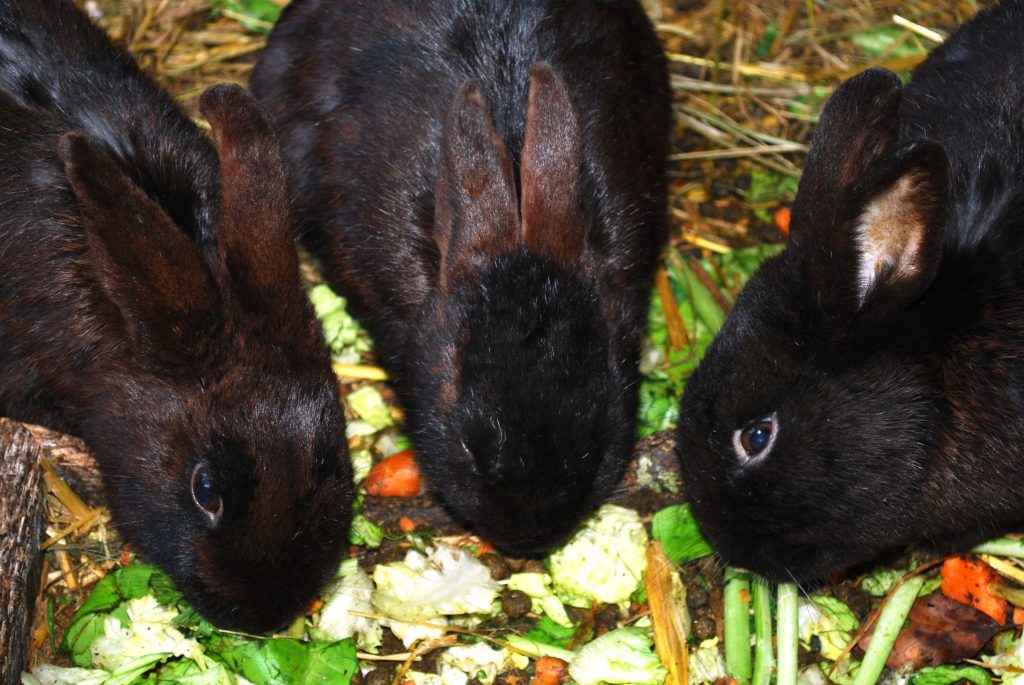
Choosing the best fresh vegetables for rabbits is one of the easiest ways to add hydration, variety, and essential micronutrients to your companion’s diet. While unlimited grass hay remains the primary source of the long-strand fiber rabbits need, fresh greens can play a useful supporting role by adding moisture, variety, and additional nutrients.
The best vegetables for rabbits are dark, mild leafy greens such as romaine lettuce, red leaf lettuce, carrot tops, and cilantro, which provide useful moisture, variety, and micronutrients. Adult rabbits should generally receive roughly 1 packed cup of fresh greens per 2 to 3 pounds of ideal body weight daily alongside unlimited grass hay. Rotating several familiar greens across the week helps provide variety, while sweeter foods such as carrot root are better kept to small occasional portions.
Caring for my rabbits, Mocha and Chino, has taught me that building a good salad bowl comes down to simple balance rather than rigid formulas. To help you navigate everyday rabbit diet and food choices, this guide breaks down 25 safe vegetables and herbs, daily portion guidelines, and easy rotation ideas to keep your rabbit healthy.
1. How Different Vegetables Fit Into a Rabbit’s Diet
Before looking at specific botanical profiles, it helps to separate vegetables by how they fit into the fresh-food portion of the diet:
| Category | How to Use | Main Purpose |
| Regular Leafy Greens | Can form much of the fresh-food rotation | Moisture & dietary variety |
| Rotate for Variety | Mix with other familiar greens | Dietary variety |
| Safe Herbs | Add in small or moderate amounts | Aroma, flavor & enrichment |
| Sweeter Vegetables | Keep portions small | Occasional variety or reward |
| Toxic / Avoid | Do not feed | Safety |
In short, think of your rabbit’s fresh bowl in terms of layers. Mild leafy greens make up the everyday foundation, while higher-mineral greens, peppery leaves, and fresh herbs work best as rotating accents to keep meals interesting. Sweeter root vegetables like carrots belong strictly in the treat category, and toxic plants should stay out of the kitchen entirely.
2. Safe Vegetables and Greens for Rabbits at a Glance
With this structure in mind, the master list below outlines the 25 primary greens and produce choices you can safely incorporate into your rabbit’s diet:
| Vegetable or Green | Best Use |
| Romaine Lettuce | Regular leafy-green rotation |
| Red Leaf Lettuce | Regular leafy-green rotation |
| Green Leaf Lettuce | Regular leafy-green rotation |
| Endive | Regular leafy-green rotation |
| Escarole | Regular leafy-green rotation |
| Carrot Tops | Regular leafy-green rotation |
| Cilantro | Regular leafy-green rotation |
| Celery | Supplemental variety |
| Fennel | Supplemental variety |
| Parsley | Rotate with other greens |
| Bok Choy | Rotate with other greens |
| Watercress | Rotate with other greens |
| Radicchio | Rotate with other greens |
| Kale | Rotate with other greens |
| Spinach | Rotate with other greens |
| Arugula | Rotate with other greens |
| Dandelion Greens | Rotate with other greens |
| Mustard Greens | Rotate with other greens |
| Turnip Greens | Rotate with other greens |
| Radish Tops | Rotate with other greens |
| Basil | Safe herb |
| Dill | Safe herb |
| Mint | Safe herb |
| Oregano | Safe herb |
| Bell Peppers | Modest non-leafy portion |
Carrot root is also safe, but because it contains more sugar than leafy greens, it is better treated as a small occasional extra rather than one of the 25 primary greens and vegetables in this guide.
3. Where Vegetables Fit in a Rabbit’s Diet
The main dietary priority for rabbits is a steady supply of fiber, which is why grass hay remains the foundation of the diet. Rabbits are hindgut fermenters, meaning their digestive system is adapted to processing a steady supply of fibrous plant material, with fermentation occurring primarily in the cecum. Fresh greens contribute useful moisture, but rabbits still need unrestricted access to clean drinking water.
Maintaining healthy digestion and adequate hydration is vital for avoiding gut slowdowns, a primary husbandry concern in small-herbivore care.
Fresh greens complement hay by adding moisture, different textures, and a broader range of nutrients alongside measured pellets. Offering a rotation of different greens helps provide a healthy variety of micronutrients.
4. How to Build a Balanced Vegetable Rotation
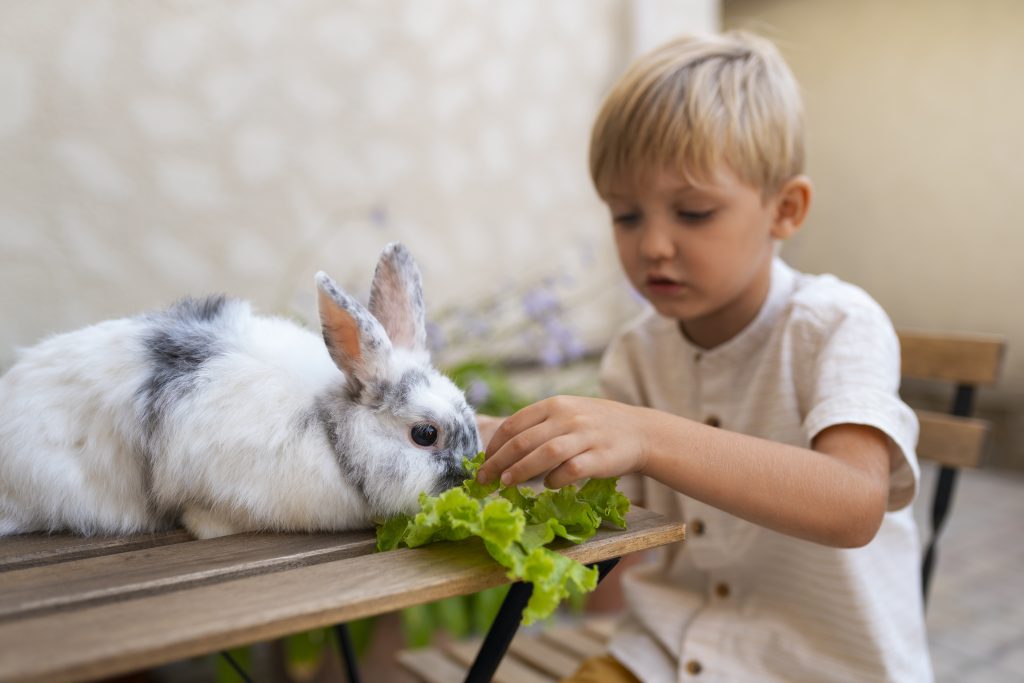
Regular leafy greens can make up much of the fresh-food rotation, while other greens are useful for adding variety. Culinary herbs can be mixed in for different scents and flavors, and sweeter foods such as carrot root should stay relatively small. These categories are practical guidelines rather than rigid feeding schedules; the goal is simply to avoid relying on the same few foods every day.
Useful Greens for a Regular Rotation
A mild, moisture-rich leafy green that works well in regular rotation. Darker outer leaves generally contain more micronutrients than the pale inner leaves.
2. Red Leaf Lettuce
A mild, lower-calorie leafy green that works well in a varied diet. Its tender leaves also provide a softer texture than stalkier vegetables.
3. Green Leaf Lettuce
Adds moisture and volume without much sugar or many calories, making it an easy option for a regular fresh-greens rotation.
4. Endive
A member of the chicory family whose slightly bitter flavor adds useful variety to a rabbit’s greens rotation.
5. Escarole
A broad-leafed chicory that provides moisture and a different texture from softer lettuces.
6. Carrot Tops
Carrot tops are safe leafy greens that can be included in a varied fresh-food rotation. Unlike the sweeter orange root, they do not need to be treated as a sugary vegetable.
A fragrant rabbit-safe herb that works well in regular rotation. Its strong aroma also adds a different scent and flavor to the bowl.
8. Celery
Celery is safe, moisture-rich, and useful for variety. Chopping long stalks into shorter sections can make them easier to eat.
9. Fennel
Both the bulb and fronds are safe and can add flavor, texture, and variety to the vegetable bowl.
Greens to Include in a Varied Rotation
10. Parsley
Because parsley contains more calcium and oxalates than some lettuces, use it as part of a varied rotation rather than as the only green every day.
11. Bok Choy
A crisp cruciferous green that provides a different texture and can be introduced gradually into the rotation.
12. Watercress
A flavorful leafy green that can add variety to the bowl with its peppery taste and dark leaves.
13. Radicchio
Its bitter flavor and firmer leaves provide a different taste and texture that holds up well in the refrigerator.
14. Kale
Kale is safe in a varied diet, but because it is relatively calcium-rich, there is little reason for it to dominate every serving.
15. Spinach
Spinach contains relatively high levels of oxalates. While general plant nutrition data provides helpful context on naturally occurring compounds, human dietary guidelines should not be used to set precise rabbit limits. For rabbits, the practical approach is to rotate spinach with other greens rather than make it the main daily leaf.
16. Arugula
A peppery leafy green that adds a different flavor and texture to the rotation.
17. Dandelion Greens
Safe for rabbits and useful in a varied rotation; rotate them with other greens rather than making them the only green every day.
18. Mustard Greens
Zesty greens that provide dietary variety. Use them as part of a varied rotation rather than allowing them to dominate the bowl.
19. Turnip Greens
They are relatively calcium-rich, so rotate them with other greens. If your rabbit has diagnosed urinary disease, follow your veterinarian’s recommendations for calcium-rich foods rather than relying on general serving rules.
20. Radish Tops
Crisp greens with a unique texture. Introduce them gradually if they are unfamiliar, as you would with any new green.
Safe Herbs to Add to a Rabbit’s Salad
21. Basil
Safe, aromatic, and useful for adding variety and scent enrichment to daily meals.
22. Dill
Dill is a safe aromatic herb that can add a strong scent and different flavor to the bowl. It should be treated as a food rather than an appetite remedy.
23. Mint
A safe culinary herb that many rabbits enjoy for its refreshing scent and flavor.
24. Oregano
Safe in small culinary amounts and useful for occasional dietary variety.
Non-Leafy Vegetables and Occasional Extras
25. Bell Peppers
Bell peppers can be offered in modest portions as part of the fresh-food allowance. Remove the stem and any spoiled areas; the seeds and white membrane do not need to be treated as hazardous.
Occasional Extra: Carrot Root
While carrot tops make excellent leafy greens, the orange taproot is higher in sugar than leafy greens. Keep root portions small and occasional so they do not displace hay or add unnecessary calories.
5. How Much Vegetables Should Rabbits Eat?
Published rabbit-feeding recommendations vary, but a practical starting range for many healthy adults is roughly 1 packed cup of fresh leafy greens per 2–3 pounds of ideal body weight per day. You can offer the daily portion at once or divide it into multiple feedings.
Daily Vegetable Portion Guide
(Note: This table serves as a rough starting point, not an exact prescription. Adjust based on your rabbit’s body condition and hay intake.)
| Rabbit Weight | Approximate Fresh Greens |
| 2–3 lb | About 1 cup |
| 4–5 lb | About 1½–2 cups |
| 6–8 lb | About 2–3 cups |
| 9–11 lb | About 3–4 cups |
| 12+ lb | About 4+ cups |
6. Calcium and Phosphorus in Rabbit Vegetables
Calcium and phosphorus matter, but urinary sludge and stones are multifactorial. Owners do not need to calculate a perfect 2:1 ratio from every meal.
Whole-diet mineral balance matters, but hydration, bladder emptying, activity, and individual susceptibility also influence urinary health. Maintaining good hydration is an important part of urinary health, while rabbits with recurrent sludge or stones may need individualized dietary changes overseen by a veterinarian.
7. Example Rabbit Salad Rotations
To show how these produce categories work together in practice, here are three examples of how familiar greens can be combined:
| Example | Greens Combination |
| Rotation 1 | Romaine + cilantro + endive |
| Rotation 2 | Green leaf lettuce + basil + small amount of kale |
| Rotation 3 | Red leaf lettuce + carrot tops + radicchio |
These combinations are practical examples rather than strict recipes; you can easily swap in whatever safe leafy greens are fresh and readily available.
8. Higher-Calcium and Higher-Oxalate Greens
| Higher-Oxalate Choices | Relatively Calcium-Rich Choices | Common Rotation Staples |
| Spinach | Dandelion Greens | Romaine Lettuce |
| Beet Greens | Turnip Greens | Green Leaf Lettuce |
| Swiss Chard | Mustard Greens | Carrot Tops |
| Parsley | Kale | Endive & Escarole |
These categories are comparative, not danger labels. Healthy rabbits generally do not need to avoid every higher-calcium or higher-oxalate green; the goal is simply to avoid letting one food dominate the overall rotation.
9. How to Introduce a New Vegetable Safely
Introduce one unfamiliar food at a time in a small amount, keep the rest of the diet unchanged, and watch appetite, hay intake, fecal pellets, and cecotropes before increasing.
Gradual introduction reduces the chance of digestive upset and makes it easier to identify a food that doesn’t agree with your rabbit. Established veterinary clinical literature provides general digestive guidelines on the importance of proper dietary transitions and appropriate feeding.
10. What Your Rabbit’s Droppings Can Tell You
Changes in fecal size or quantity can signal reduced food intake or digestive slowdown, but they are not specific to one vegetable.
Droppings connected by fur can occur during shedding; focus on hay intake, grooming, hydration, appetite, and total fecal output. If a newly introduced food is followed by persistent soft stool or excess uneaten cecotropes, stop that new food and return to the established diet. Smaller or fewer fecal pellets—especially with reduced appetite—deserve closer attention because they can signal reduced food intake or developing gastrointestinal slowdown.
11. When a Diet Change Becomes a Health Concern
Plant pigments can turn rabbit urine orange, brown, or red. Blood cannot always be identified reliably by appearance alone, so if your rabbit appears to be straining or uncomfortable while urinating, contact your veterinarian.
Behavioral changes also provide vital clues. Loud tooth grinding (bruxism), a tightly hunched posture, or reluctance to move can indicate abdominal discomfort. A major reduction or complete stop in eating or fecal production warrants prompt veterinary attention, following standard small-animal clinical emergency protocols.
12. Common Mistakes When Feeding Vegetables
Feeding Too Many Carrots
Large or frequent portions add unnecessary sugar and calories and may reduce interest in healthier foods such as hay. Keep root vegetables to small, occasional pieces.
Worrying Too Much About Cold or Wet Greens
Fresh vegetables do not need to be warmed to room temperature. Water left on freshly washed greens is not known to cause fermentation or bloat and can contribute a little extra moisture.
Relying on the Same Spring Mix Every Day
Check the ingredients and avoid relying on the exact same mix as the entire fresh-food rotation every day, particularly if it heavily features spinach and chard.
13. Vegetables and Foods to Limit or Avoid
| Food Item | Primary Concern |
| Iceberg Lettuce | Low nutritional value compared with darker lettuces; better to choose darker leafy options |
| Onions / Garlic | Allium-family foods are inappropriate and potentially harmful; avoid |
| Rhubarb leaves | Toxic plant material; do not feed |
| Certain Fruit Seeds & Pits | Some stone-fruit pits and seeds contain cyanogenic compounds; remove pits and large seeds before feeding fruit |
| Corn Kernels | Starchy and inappropriate as a routine rabbit food |
| Avocado | High-fat and potentially toxic; do not feed |
Why Some Foods Are Unsafe
Allium-family foods such as onions and garlic are inappropriate for rabbits and may damage red blood cells, so they should be avoided. Meanwhile, iceberg lettuce is better viewed as a low-value choice than as a toxic food; it provides little nutrition compared to darker leafy alternatives.
14. How to Wash and Prepare Rabbit Vegetables
- Wash produce thoroughly under clean running water to remove dirt and field residues.
- You can shake or spin off excess water for convenience, but greens do not need to be completely dry.
- Chop tough stalks like celery into shorter pieces for easier handling.
15. Frequently Asked Questions
Can Rabbits Eat Fresh Greens Every Day?
A daily selection of leafy greens can be a healthy part of the diet for many adult rabbits. Hay remains the most important dietary support for normal gut motility, with greens providing supplemental hydration and micronutrients as recommended by rabbit welfare specialists.
Is Iceberg Lettuce Bad for Rabbits?
Iceberg lettuce is not generally treated as a toxic food, but it offers relatively little nutritional value compared with darker leafy lettuces such as romaine, red leaf, or green leaf. Those options make better routine choices.
How Many Different Greens Should Rabbits Eat?
There is no medically established rule that every meal must contain exactly three vegetables. However, rotating a few different greens across the week helps prevent one ingredient from dominating the diet and keeps meals engaging.
Can Certain Vegetables Cause Gas in Rabbits?
Individual rabbits can respond differently to new foods, and some may seem more sensitive to certain vegetables, such as cruciferous varieties. If symptoms repeatedly appear after a particular food, stop offering it and discuss persistent digestive problems with your veterinarian.
What If My Rabbit Suddenly Refuses Vegetables?
Strong-smelling herbs may make a familiar meal more appealing to a picky rabbit. However, contact a rabbit-savvy vet promptly if the rabbit is also refusing hay, eating substantially less than normal, producing fewer droppings, or acting painful or lethargic.
16. Conclusion
Building a balanced vegetable rotation is simple when grounded in practical fundamentals. Keep unlimited grass hay at the center of the diet, offer a varied daily selection of familiar leafy greens, keep sugary vegetables small, and introduce unfamiliar foods gradually. By keeping hay intake strong, varying familiar greens, and watching appetite and fecal output, you can make fresh foods a safe and useful part of the daily diet.
Medical & Veterinary Disclaimer: Bunnyowners.com is an informational resource for rabbit owners and enthusiasts. We are not veterinarians. The content on this website is for educational purposes only and is not a substitute for professional veterinary advice, diagnosis, or treatment. Always consult a qualified veterinarian with any questions or concerns regarding your pet’s health, medical conditions, diet, or overall care. If you have concerns about your rabbit’s health, it’s always best to reach out to a veterinarian rather than relying solely on information found online.