
Veterinary & Affiliate Disclaimer: Bunnyowners.com shares educational rabbit care resources, not professional veterinary advice. Always consult a qualified veterinarian regarding your rabbit’s medical, dietary, or behavioral needs. This post may also contain affiliate links; as an Amazon Associate and affiliate partner, we earn from qualifying purchases at zero extra cost to you.
Rabbit owners are frequently told that new greens, vegetables, herbs, and treats must be introduced “gradually,” but generic advice rarely explains the actual portions, pacing, or warning signs to watch for. Because a rabbit’s digestive tract is easily disrupted by abrupt dietary changes, adding unfamiliar foods without a clear plan can quickly lead to digestive upset.
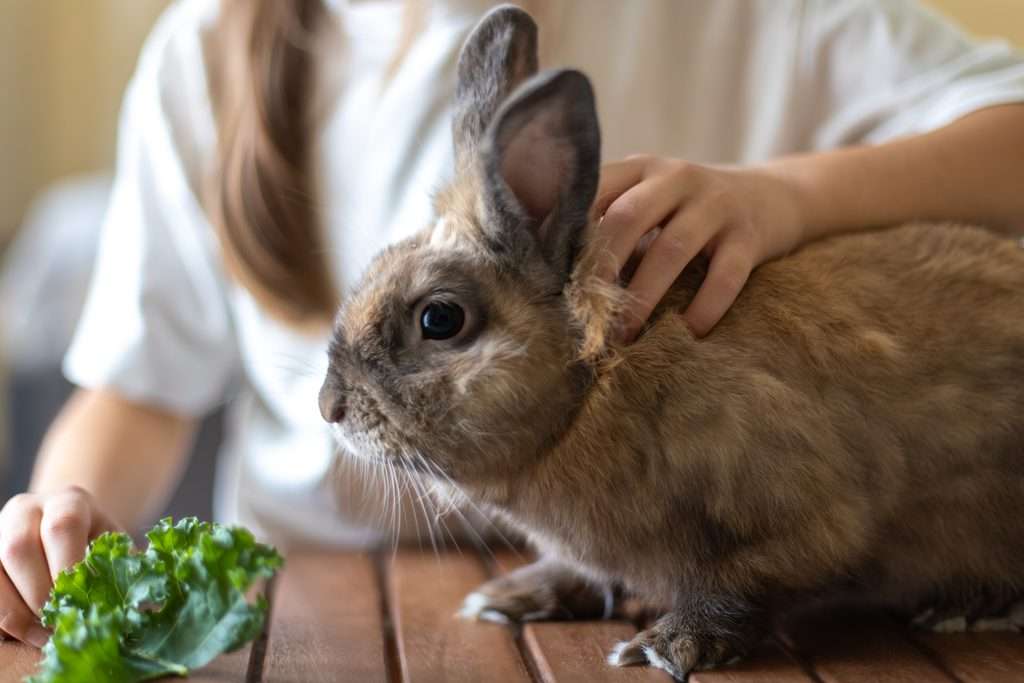
To introduce a new food safely, offer a very small sample of a single rabbit-safe item while keeping your rabbit’s established diet unchanged. Watch their appetite, hay intake, behavior, and droppings before gradually offering slightly larger amounts over subsequent feedings. Stop the new food if abnormal soft stools, repeated uneaten cecotropes, reduced appetite, or signs of discomfort appear, and always make sure your rabbit tolerates one item well before testing another unfamiliar food.
Testing new greens and treats safely is a simple way to add healthy variety to your rabbit’s diet. In this guide, we break down why rabbits need slow transitions, how to run a step-by-step introduction process, and how to spot early signs that a new food might not agree with your rabbit.
1. Why Rabbits Require Gradual Dietary Changes
Gradual transitions matter because of how rabbits process their food. They depend on the bacteria in their cecum to help break down fiber, so sudden diet changes can easily upset that delicate digestive routine.
A rabbit’s digestive system functions best with a consistent, fiber-rich foundation built around the right balance of hay, fresh greens, and measured pellets. Knowing what rabbits should eat makes it much easier to introduce unfamiliar items without disrupting the routine your rabbit already handles well. A steady, high-fiber diet also ensures everything moves smoothly through the gut without unexpected slowdowns.
Standard veterinary advice on rabbit feeding emphasizes that adding fresh produce too quickly can easily throw off intestinal balance. Just because a food is safe doesn’t mean a large first portion makes sense. Romaine lettuce, cilantro, and fresh grass are all healthy choices, but any new food needs a slow start so you can see how your rabbit responds.
2. Baseline Checks Before Introducing New Foods
Always verify that a plant is considered safe for rabbits before offering it. Never guess, and don’t assume something safe for humans or other pets is fine for a bunny. Foraged backyard plants need even closer scrutiny since plenty of common weeds and flowers are toxic. Before serving anything hand-picked, double-check it against a list of safe foraging plants and rule out any poisonous plants.
Always rinse fresh produce thoroughly under cold water and trim away any wilted, bruised, or moldy spots.
Timing matters just as much as prep. Introduce new foods only when your rabbit is eating normally and leaving their usual pile of healthy droppings, which gives you a reliable baseline to work with.
Note: Whenever I test a new herb or green with my own rabbits, Mocha and Chino, I always hold off if either of them is eating less hay than usual or seems even slightly off. Trying an unfamiliar food on an “off” day just makes it impossible to tell whether a weird dropping came from the new snack or a separate digestive dip.
3. How to Introduce a New Food Step by Step
For a healthy adult rabbit already eating a stable diet, the basic introduction process is simple:
- Step 1: Test Only One New Item at a Time. Introducing cilantro, parsley, and dill on the same day makes it impossible to know which ingredient caused an issue if your rabbit develops abnormal stools. When introducing fresh greens, testing just one item at a time keeps things simple and easy to track.
- Step 2: Begin With a Small Amount. Avoid offering a full serving on day one. Start with a small bite-sized sample instead.
- Step 3: Keep the Core Diet Stable. Do not change pellet brands, switch hay types, or add new treats during a food trial. Keep unlimited grass hay and clean water available at all times.
- Step 4: Watch How Your Rabbit Responds. Keep an eye on four main things over the next day or two before offering another serving: appetite, hay intake, energy levels, and droppings.
- Step 5: Increase the Amount Slowly. If droppings remain normal and your rabbit’s appetite stays strong, gradually offer slightly larger amounts over subsequent feedings until you reach a normal serving.
- Step 6: Introduce the Next Food Separately. Once your rabbit comfortably handles the first item as part of their regular routine, you can test another unfamiliar food using the same process.
There is no universal first-serving measurement that fits every food and every rabbit. The goal is simply to offer substantially less than a normal serving the first time, using the examples below as practical starting points:
First-Time Food Sample Sizes
| Food Type | Example | First Introduction Sample |
|---|---|---|
| Leafy Green | Romaine lettuce | Small piece of a leaf |
| Fresh Herb | Basil | Single leaf or small sprig |
| Non-Leafy Vegetable | Bell pepper | Small, bite-sized piece |
| Fresh Grass | Clean, hand-picked grass | Small pinch of clean blades |
| Fruit | Apple (seedless) | Tiny, treat-sized piece |
These examples are meant only for the first few introductions, not as permanent serving sizes. Once your rabbit handles a food well, check the daily portion guide to see how it fits into the rest of their diet.
4. Watching for Changes: Normal Shifts vs. Warning Signs

Keeping an eye on your rabbit’s litter box, appetite, and behavior during a food trial makes digestive changes easier to spot early.
Normal Variations
Minor, temporary changes in fecal color often reflect the natural pigments of freshly eaten greens. As long as the droppings remain round, plentiful, and firm, and your rabbit remains active with a healthy appetite, these small shifts are generally nothing to worry about.
When to Stop the New Food
If any of the following signs appear, discontinue the new item:
- Noticeably soft, misshapen, or clustered fecal droppings.
- Persistent uneaten cecotropes (appearing as soft, strong-smelling, grape-like clusters left in the pen or litter box). Recurring episodes are worth evaluating in the context of soft cecotropes.
- Mild sluggishness or hesitance to eat their usual hay or pellets.
Emergency Warning Signs
If your rabbit seems in genuine distress, get in touch with a vet right away. Gut slowdowns can spiral quickly once a bunny stops eating, so understanding how to prevent digestive slowdowns is essential. Catching the early signs of GI stasis helps you spot when an issue goes beyond an upset stomach from a new treat and needs immediate medical care.
Call a rabbit-savvy vet immediately if you notice:
- Complete refusal of hay, pellets, or usual foods.
- Markedly reduced or absent fecal output, especially alongside a drop in appetite.
- Persistent or loud tooth grinding that may indicate pain.
- Persistent hunching or an abnormal posture that suggests discomfort.
- True liquid, watery diarrhea (a severe medical emergency in rabbits).
5. How to Introduce Different Types of Food
Different foods need slightly different handling when they are introduced. Fresh greens and herbs can usually be tested in small amounts, while fresh grass and pellet changes deserve a little more planning because they can become a larger part of the regular diet.
Leafy Greens and Herbs
Leafy greens and herbs commonly make up much of the fresh-food portion of a healthy adult rabbit’s diet. Introduce each unfamiliar green or herb individually in small amounts, then watch their appetite, behavior, and droppings across subsequent feedings before trying another variety.
Once your rabbit does well with a few different greens, you can branch out into other safe vegetables. Fresh herbs are another great way to add variety, but keep in mind that fresh and dried versions aren’t equal in portion size—take a quick look at safe herbs before mixing them in.
Fresh Grass
If your rabbit has only ever eaten dried hay, go slow with fresh grass. Don’t turn them loose in the yard just yet—start by hand-picking a tiny pinch of clean blades to offer first. Before you expand their grazing time, make sure you know how to safely feed fresh grass.
Fruits and Treats
Because fruit is relatively high in natural sugar, the eventual serving should remain small even after your rabbit handles it without any issues. Start with a tiny treat-sized piece rather than treating fruit like a leafy green. Once tolerated, sweeter foods should still stay within safe treat limits rather than becoming a regular part of the fresh-food serving.
Changing Rabbit Pellets
Switching to a new brand of pellets isn’t the same as testing a new green, since you’re altering a core daily staple rather than offering an occasional treat. For that, follow a dedicated pellet transition instead of the fresh-food steps above.
6. Handling Special Circumstances
Rabbits with ongoing health issues, recent bouts of digestive trouble, or special veterinary diets may need extra care and advice from a vet before changing their menu.
Newly Adopted Rabbits With Unknown Histories
Whenever you bring a new rabbit home, try to find out what hay, pellets, and greens they were already used to eating. Sticking with their familiar menu prevents unnecessary stress during those first few days.
If you don’t know their history at all, keep things simple: stick to plain grass hay and fresh water until their routine settles. It pays to stabilize a new rabbit’s diet before experimenting with fresh additions. If you’re ever unsure about their overall health or which pellets fit their age, check in with an exotic vet first.
Young and Weaning Rabbits
Growing kits need extra care since their digestive systems are still developing. Before offering any fresh greens, review feeding changes by age so you don’t introduce new items before their gut can handle them.
7. Common Mistakes When Introducing New Foods
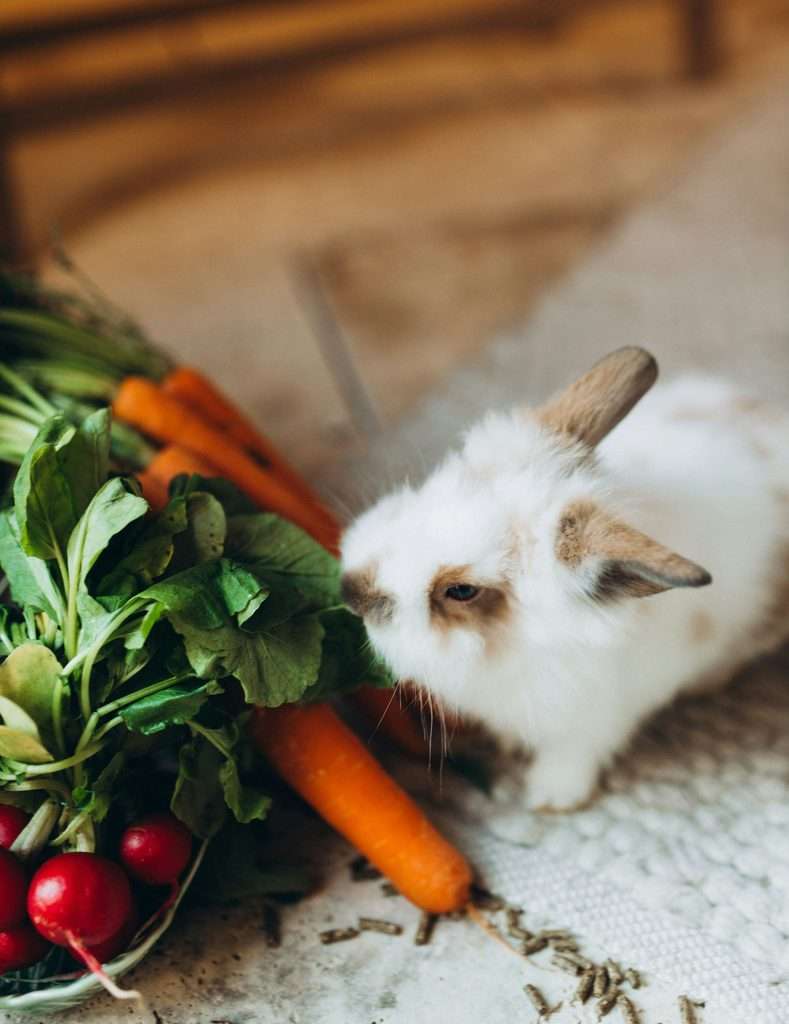
One of the easiest mistakes is introducing too much variety at once. A large salad containing several unfamiliar vegetables makes it difficult to identify the cause if your rabbit develops soft droppings or another digestive change. The same problem occurs when owners switch pellets, introduce treats, and test fresh greens within the same short period. Keeping the rest of the diet consistent makes each new food much easier to evaluate.
Portion size matters as well. A food being safe for rabbits doesn’t mean an unaccustomed rabbit should receive a large serving immediately. Fresh foods also shouldn’t begin displacing the hay your rabbit normally eats. If increasing greens coincides with a noticeable drop in hay consumption, reduce the fresh portion and make sure grass hay remains the foundation of a healthy adult rabbit’s diet.
8. Quick New-Food Introduction Checklist
- [ ] Confirm the food is safe for rabbits.
- [ ] Start when your rabbit is eating and pooping normally.
- [ ] Wash and inspect fresh foods.
- [ ] Introduce only one unfamiliar food.
- [ ] Start with a small sample.
- [ ] Keep the established diet unchanged.
- [ ] Watch appetite, hay intake, behavior, and droppings.
- [ ] Stop the new food if digestive changes appear.
9. Frequently Asked Questions
How long should I wait between introducing different new foods?
Waiting several days between unfamiliar items is a sensible, cautious approach. This gives you ample time to observe subtle changes in droppings, confirm the first food is well tolerated as portions increase, and keep your trial variables clear.
What should I do if my rabbit produces soft droppings after trying a new food?
Remove the newly introduced food and return to the diet your rabbit was previously eating and tolerating well, while keeping unlimited grass hay and fresh water available. If soft droppings persist, or if your rabbit shows signs of pain or a reduced appetite, consult a veterinarian rather than assuming the food was the only cause.
Can I introduce two new herbs at the same time?
It is much better to test them separately. Introducing both mint and dill at once makes it impossible to tell which herb was responsible if your rabbit develops soft stools or uneaten cecotropes later in the day.
Why are uneaten cecotropes appearing after trying a new food?
Occasional uneaten cecotropes can stem from several factors, including general dietary imbalances. If they begin appearing repeatedly after offering an unfamiliar food, stop that food and return to the previously tolerated diet. Persistent excess cecotropes warrant a closer look at the overall diet.
Do dried herbs follow the same introduction rules as fresh greens?
Dried herbs should still be introduced in small amounts, but remember that drying removes water and concentrates the plant by weight. Treat dried and fresh herbs as distinct forms rather than assuming equal-sized portions are interchangeable.
10. Building a Varied Diet
Expanding your rabbit’s menu provides wonderful enrichment and a broader range of nutrients, but patience is key. Rabbits thrive on consistency, and their digestive systems handle gradual transitions far better than sudden novelty. By offering one item at a time, starting with modest samples, and letting your rabbit’s appetite and litter box habits guide the pacing, you can safely build a nutritious variety of fresh greens and herbs.
Medical & Veterinary Disclaimer: Bunnyowners.com is an informational resource for rabbit owners and enthusiasts. We are not veterinarians. The content on this website is for educational purposes only and is not a substitute for professional veterinary advice, diagnosis, or treatment. Always consult a qualified veterinarian with any questions or concerns regarding your pet’s health, medical conditions, diet, or overall care. If you have concerns about your rabbit’s health, it’s always best to reach out to a veterinarian rather than relying solely on information found online.