
Veterinary & Affiliate Disclaimer: Bunnyowners.com shares educational rabbit care resources, not professional veterinary advice. Always consult a qualified veterinarian regarding your rabbit’s medical, dietary, or behavioral needs. This post may also contain affiliate links; as an Amazon Associate and affiliate partner, we earn from qualifying purchases at zero extra cost to you.
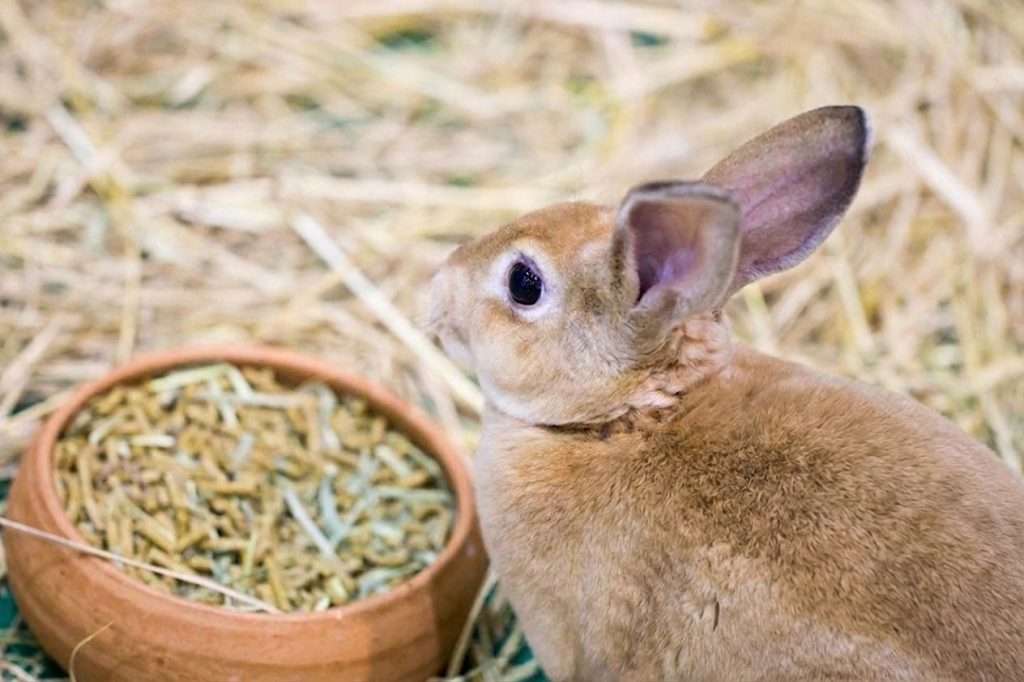
Changing your rabbit’s pellet brand or formula might seem as simple as pouring a new bag into their dish, but replacing the old food all at once isn’t the best approach. Because rabbits have a sensitive digestive system, abruptly replacing a familiar food may lead to digestive upset or cause a skeptical rabbit to reject the new pellets entirely. A gradual transition gives your rabbit time to accept the new smell, taste, and texture while giving you an opportunity to monitor their appetite and droppings.
To switch rabbit pellets safely, gradually replace the old pellets with the new pellets over 1 to 2 weeks rather than changing them all at once. Start with roughly 75% old pellets and 25% new pellets, progress toward a 50/50 mixture, then 25% old and 75% new before feeding only the new pellets. Keep your rabbit’s normal hay and water available throughout the transition and monitor their appetite and droppings for changes.
Switching food safely takes a little patience, but like everything else involved in managing a healthy rabbit diet, keeping a close eye on your rabbit’s routine makes all the difference. In this guide, I will cover what warning signs to watch for, what to do if you run out of old pellets, common mistakes to avoid, and how to handle specific brand or formula shifts.
1. How Long Does It Take to Switch Rabbit Pellets?
Most pellet transitions take about 1 to 2 weeks, though the exact timeline depends on your rabbit’s sensitivity and how different the new formula is from the original. Rabbits moving between similar formulas may adapt relatively quickly, while rabbits that have eaten the same food for years or have a history of dietary sensitivity may benefit from a slower transition.
Rather than watching the calendar, let your rabbit’s litter box and appetite dictate the pace. Advance to the next stage only when they are clearing their bowl willingly, drinking normally, and leaving plenty of large, well-formed droppings. If they hesitate or begin sorting out the new food, holding the current ratio for a few extra days is always the right call.
2. Rabbit Pellet Transition Schedule
Mixing the two foods gradually gives your rabbit’s digestive system plenty of time to get used to the new ingredients without getting upset. Here is an easy, 10-day schedule you can follow to mix the right ratios:
Sample Pellet Transition Chart
| Transition Stage | Old Pellets | New Pellets | Practical Timeline |
|---|---|---|---|
| Stage 1 | 75% | 25% | Days 1–3 |
| Stage 2 | 50% | 50% | Days 4–6 |
| Stage 3 | 25% | 75% | Days 7–9 |
| Stage 4 | 0% | 100% | Day 10 onward |
Note: Think of this timeline as a helpful guide rather than a race. If your rabbit seems hesitant about the new food, stick with your current mix for a few extra days instead of rushing ahead just because the calendar says so.
Transitioning a Rabbit on ¼ Cup Daily
Percentages can feel a bit confusing when you’re just trying to scoop breakfast into a bowl. If your rabbit normally gets ¼ cup (4 tablespoons) of pellets each day, here is the exact tablespoon breakdown for every step:
| Stage | Old Pellets | New Pellets | Total Daily Portion |
|---|---|---|---|
| 75 / 25 Mix | 3 tbsp | 1 tbsp | 4 tbsp (¼ cup) |
| 50 / 50 Mix | 2 tbsp | 2 tbsp | 4 tbsp (¼ cup) |
| 25 / 75 Mix | 1 tbsp | 3 tbsp | 4 tbsp (¼ cup) |
| 100% New | 0 tbsp | 4 tbsp | 4 tbsp (¼ cup) |
Important: Always swap out a portion of the old food rather than piling new pellets on top of your rabbit’s regular serving, which can easily lead to overfeeding. If you aren’t sure how much to start with, take a moment to figure out how many pellets your rabbit should eat each day first, then stick with that total amount all the way through the switch.
3. Step-by-Step: How to Transition Your Rabbit to New Pellets
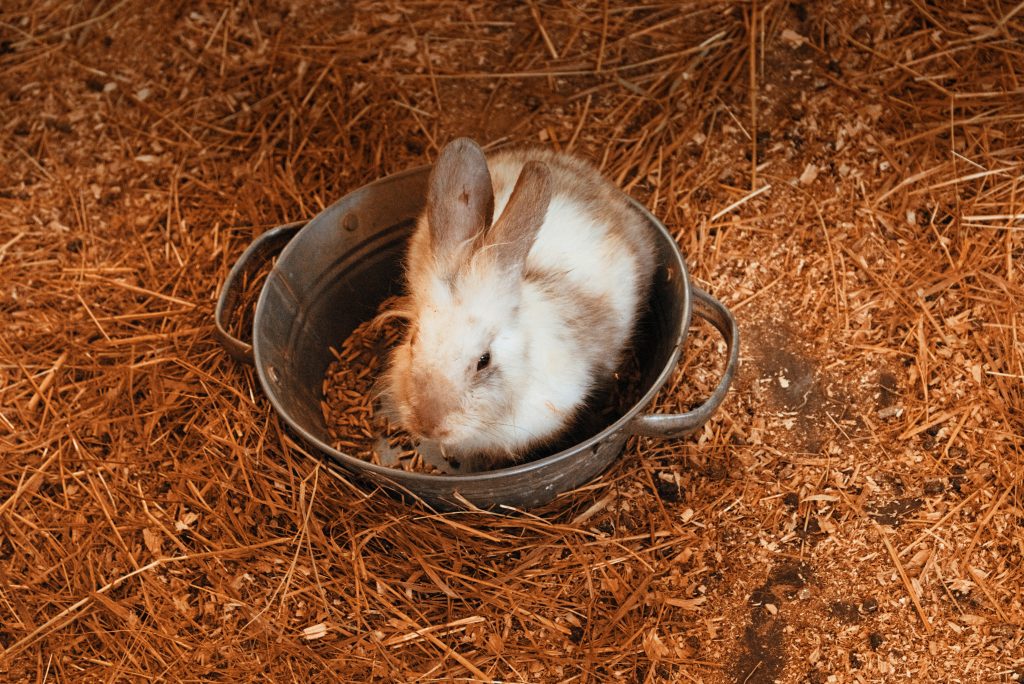
Putting the transition into practice is simple once you have your daily portion measured out and your bags ready to go. Follow these straightforward steps to blend the new pellets into your rabbit’s routine without throwing off their digestion:
Step 1: Measure the Normal Pellet Portion
Measure the exact daily amount your rabbit currently eats. Before starting the transition, make sure the replacement food is an appropriate plain adult pellet rather than a colorful muesli mix or treat-heavy formula.
Pellet amounts need to fit your rabbit’s regular daily portion sizes instead of being adjusted on their own without considering their hay and greens.
Step 2: Introduce a Small Amount of the New Pellet
Start by swapping out roughly one-quarter of the daily serving with the new pellets. Mix the two varieties together in the bowl so they are evenly distributed.
Step 3: Keep the Rest of the Diet Completely Consistent
Do not introduce new leafy greens, switch hay types, or offer unfamiliar treats during a pellet transition. Switching pellets is only one component of managing a balanced rabbit diet, so the rest of the daily feeding routine should remain steady while the new food is introduced.
High-fiber grass hay, such as timothy or orchard grass, should remain the foundation of an adult rabbit’s diet throughout the transition, so make sure normal daily hay intake stays steady while the pellets change. This keeps their daily fiber steady while you switch foods, protecting their gut just as standard rabbit feeding guidelines recommend.
Step 4: Increase the Ratio Gradually
Progress through the 75/25, 50/50, and 25/75 stages over the course of 1 to 2 weeks. Blend the portion each day to encourage balanced intake.
Step 5: Monitor Daily Output and Behavior
Observe your rabbit’s eating habits, water intake, and litter box habits every morning and evening. Healthy digestion is reflected in consistent fecal output and steady daily activity.
4. What If Your Rabbit Won’t Eat the New Pellets?
Rabbits have incredibly keen senses of smell and taste, making them natural skeptics whenever unfamiliar food enters their territory. With my own two rabbits, Mocha and Chino, I see this firsthand—they will systematically bulldoze their bowls with their noses, flicking out any unfamiliar pellets onto the floor while vacuuming up every last speck of their old favorites. That natural wariness is exactly why transitions require a slow, calculated approach.
If your rabbit starts sorting, stalling, or outright refusing their meals, a few practical adjustments can get the process back on track before minor fussiness turns into a digestive roadblock.
The Rabbit Picks Out the Old Pellets
If your rabbit sorts through the bowl and leaves the new pellets behind, do not jump ahead to the next stage. Maintain the current ratio for several additional days rather than continuously increasing the new food.
The Rabbit Eats the New Pellets and Leaves the Old
Even if your rabbit eagerly accepts the new brand, enthusiastic acceptance doesn’t mean the digestive transition should be rushed. Continue the gradual transition schedule as planned.
The Rabbit Refuses the Entire Mixture
First, check whether your rabbit is just being picky or genuinely losing their appetite:
- Eating hay normally: If your rabbit continues eating hay and greens normally but ignores only the pellet bowl, selective rejection of the new pellets becomes more likely. Remove the uneaten pellets after a few hours and try a smaller ratio (such as 90% old / 10% new) at the next scheduled feeding.
- Refusing hay and greens: If your rabbit begins refusing food altogether, sits hunched, or ignores hay and normally appealing greens, stop treating the problem as ordinary pellet selectivity and seek veterinary guidance promptly.
When the New Pellet Itself May Be the Problem
If the new food continues to be rejected even after you slow down the timeline, inspect the bag carefully for signs of spoilage, unusual odors, moisture, excessive dust, or an expired best-by date. Some rabbits simply dislike a particular pellet’s smell, flavor, texture, or level of dust.
Additionally, recheck the pellet ingredients label to make sure the formula is nutritionally appropriate for your rabbit’s life stage.
5. What to Watch for During a Pellet Change
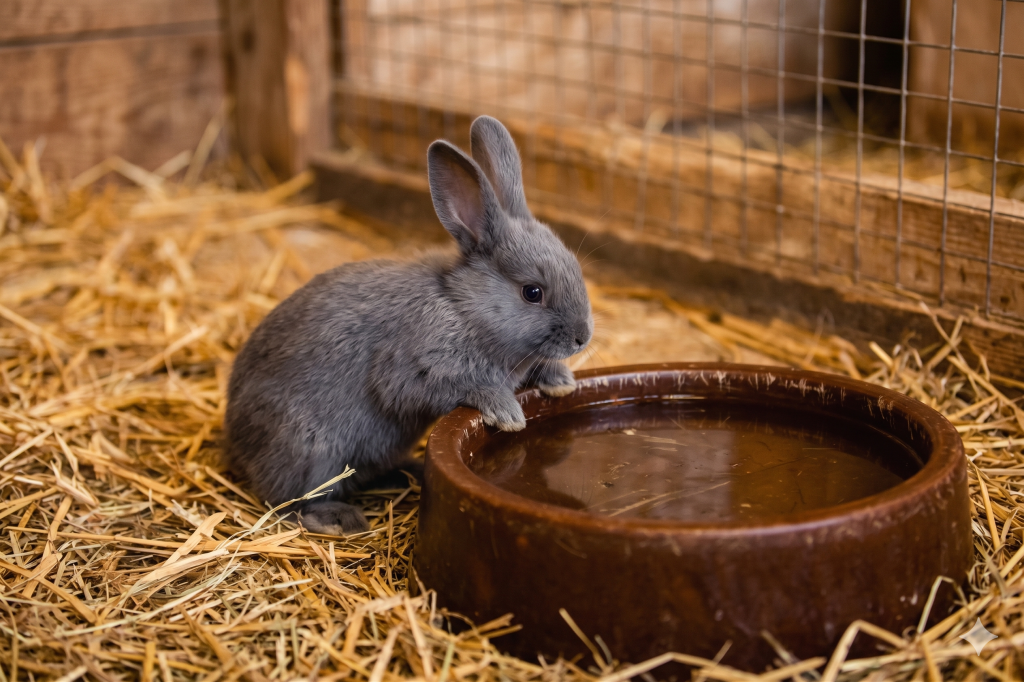
Keeping a casual eye on your rabbit’s daily routine makes it easy to see how well they’re handling the change. Here is a quick reference guide on what healthy adjustment looks like versus signs that you should slow things down:
| Observation Area | Healthy Sign | Warning Sign |
|---|---|---|
| Hay Intake | Steady, enthusiastic grazing throughout the day | Reduced interest or complete refusal of hay |
| Pellet Acceptance | Willingness to consume the blend steadily | Complete, ongoing refusal of all pellets alongside reluctance to eat |
| Fecal Droppings | Plentiful, round, uniform, and well-formed | Noticeably small, misshapen, strung together, or absent |
| Water Consumption | Regular drinking from bowl or bottle | Significant drop or sudden cessation of water intake |
| General Behavior | Active, alert, hopping, and greeting normally | Lethargic, hunched in corners, teeth grinding from pain |
A few abnormal droppings happen from time to time, but persistent sticky clusters or uneaten night feces mean it’s worth checking the causes of rabbit soft cecotropes rather than assuming the pellet switch is the only culprit.
When to Stop the Transition
There is a big difference between hitting pause on a food switch and stopping everything entirely. If your rabbit suddenly stops eating hay, barely touches their food, leaves tiny or missing droppings, or sits hunched up and lethargic, you are no longer dealing with a simple fussy phase.
A sudden drop in appetite or litter box output is always a red flag, as these are classic early warning signs of GI stasis. Don’t try to wait it out or force the new food hoping they will come around—reach out to your vet right away.
6. What If You Run Out of Old Pellets?
Running out of the original pellet brand before completing a transition happens occasionally. If you find yourself with an empty bag:
- Source a small bag if practical: Check local pet shops, neighbors, or rabbit rescues to see if you can obtain a small scoop of the original brand to finish the blend.
- Prioritize unlimited fresh hay: Grass hay provides the long-strand fiber that should remain the foundation of the diet and supports normal gastrointestinal function. If pellets must change abruptly, ensure hay supplies are plentiful and accessible.
- Avoid adding extra dietary variables: Do not compensate for missing pellets by offering extra treats, sugary fruits, or sudden heaps of new vegetables.
- Monitor your rabbit closely: Keep a close eye on overall appetite, water intake, and fecal production during an abrupt change.
- Seek veterinary guidance for special needs: If your rabbit has known digestive sensitivities or underlying medical conditions, contact an exotic veterinarian for individualized advice.
7. Common Mistakes When Switching Rabbit Pellets
Even a gradual transition can go poorly if a few basic mistakes creep in. The most common problems are:
- Switching overnight: Replace the old pellets gradually rather than making an abrupt change when you have enough of the original food available.
- Adding the new pellets on top of the normal portion: Keep the total pellet amount the same and replace part of the old serving with the new food.
- Changing several foods at once: Keep hay, greens, treats, and the general feeding routine consistent so you can better judge how the pellet change is going.
- Advancing despite rejection: If your rabbit keeps sorting out the new pellets, remain at the current ratio longer instead of forcing the schedule forward.
- Using sugary foods to disguise the pellets: Avoid fruit puree, juice, honey, or other sweet toppers. Slow the transition instead.
The goal is to make one controlled dietary change at a time while keeping your rabbit’s normal hay intake, appetite, and droppings easy to monitor.
8. Approaches for Specific Pellet Transitions
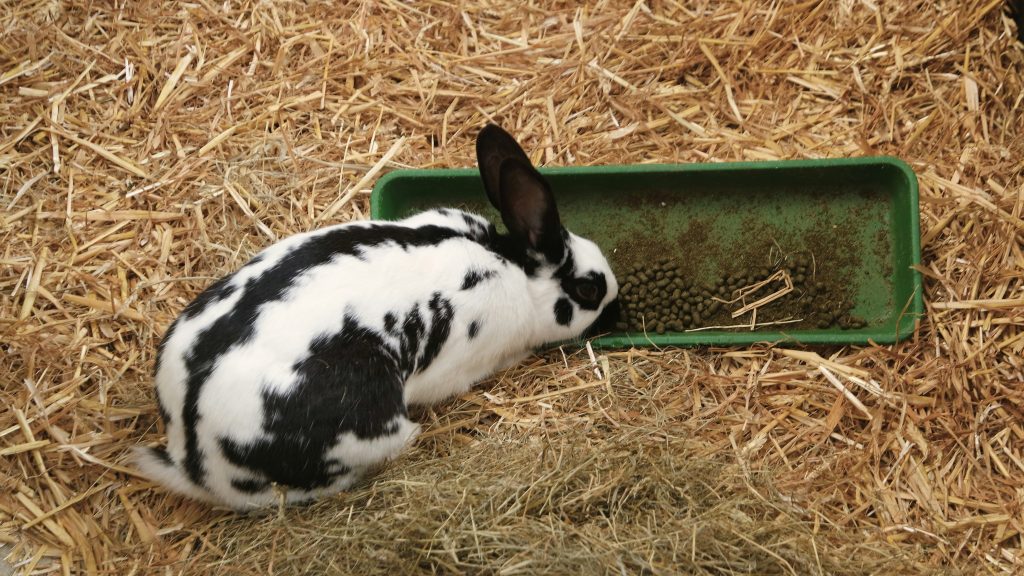
Different food transitions involve slightly different considerations:
Brand-to-Brand Shifts
Switching between two similar plain adult pellets is often one of the more straightforward transitions. Follow the standard gradual ratio chart over 1 to 2 weeks.
Switching from Alfalfa-Based to Timothy-Based Pellets
This change usually happens when you switch from young to adult rabbit food, matching the everyday feeding guidelines recommended by vets.
The appropriate point to move away from a growth-focused pellet depends on life stage, body condition, and individual needs, so follow the recommendations in our rabbit feeding guide by age rather than changing formulas based solely on reaching a specific month.
Moving Away from Muesli-Style Mixes
Muesli foods containing seeds, flaked corn, and colored pieces encourage selective feeding and are widely discouraged in modern small-animal diet guidance.
When transitioning from muesli to uniform, plain extruded pellets, rabbits may attempt to pick out the sweet flakes. Thorough mixing, patience, and a slightly slower progression help ensure a smooth transition.
9. Quick Pellet-Switching Checklist
- [ ] Have enough old pellets available to complete the transition
- [ ] Confirm the baseline daily portion using an accurate scoop or scale
- [ ] Start with a 75% old / 25% new blend
- [ ] Keep hay, greens, and water routines completely identical
- [ ] Gradually advance ratios every 3 to 4 days as long as eating is normal
- [ ] Inspect daily fecal droppings for normal size and shape
- [ ] Slow down if the new pellets are being rejected
- [ ] Contact your veterinarian if overall appetite or fecal output declines
10. Frequently Asked Questions
Can I switch my rabbit’s pellets immediately?
No. An immediate switch gives less time for digestive adaptation and may increase the likelihood of digestive upset or total food refusal. A gradual 1- to 2-week shift is much safer.
How long should I mix old and new rabbit pellets?
Many pellet transitions can be completed over about 1 to 2 weeks, although sensitive or particularly selective rabbits may need longer. Let normal eating and fecal output determine when to advance rather than following the calendar rigidly.
What should I do if my rabbit refuses the new pellets?
Hold the current transition ratio for several extra days. Avoid adding sugary treats or fruit purees to entice them, as this can encourage pickiness. Ensure they continue eating plenty of grass hay.
Can I mix two different rabbit pellet brands permanently?
While possible, feeding a single, nutritionally balanced plain pellet is generally preferred. Mixing two brands long-term can lead to selective feeding if your rabbit prefers the taste of one over the other.
Should I change the total amount of pellets during the transition?
No. Keep the total daily volume identical to your rabbit’s regular ration. Replace a portion of the old pellets with the new ones rather than adding extra food to the dish.
11. Conclusion
Switching rabbit pellets is straightforward when approached with patience. By measuring portions accurately, advancing the blend gradually, and keeping the rest of the diet steady, you give your rabbit time to adjust while making it easier to spot changes in appetite or digestion. Let your rabbit’s appetite, behavior, and litter box habits guide the pace rather than rushing through the calendar, and you’re much more likely to achieve a smooth transition.
Medical & Veterinary Disclaimer: Bunnyowners.com is an informational resource for rabbit owners and enthusiasts. We are not veterinarians. The content on this website is for educational purposes only and is not a substitute for professional veterinary advice, diagnosis, or treatment. Always consult a qualified veterinarian with any questions or concerns regarding your pet’s health, medical conditions, diet, or overall care. If you have concerns about your rabbit’s health, it’s always best to reach out to a veterinarian rather than relying solely on information found online.