
Veterinary & Affiliate Disclaimer: Bunnyowners.com shares educational rabbit care resources, not professional veterinary advice. Always consult a qualified veterinarian regarding your rabbit’s medical, dietary, or behavioral needs. This post may also contain affiliate links; as an Amazon Associate and affiliate partner, we earn from qualifying purchases at zero extra cost to you.
Determining the right daily food amounts for a rabbit can be surprisingly confusing, especially when different veterinary sources offer conflicting cup measurements or broad percentage estimates. Feeding too many calorie-dense foods can lead to an overweight bunny and a clear drop in hay appetite, while a sudden loss of appetite can signal a serious health issue. Knowing how much grass hay, plain pellets, and fresh leafy greens to offer your rabbit each day is essential for long-term health.
Healthy adult rabbits should have unlimited access to grass hay, a measured amount of plain pellets, and a daily serving of safe leafy greens, with fruits, carrots, and other sugary treats kept small and occasional. As a general starting point, offer roughly ⅛ to ¼ cup of plain pellets per 5 lbs of ideal adult body weight, alongside about 1 packed cup of safe leafy greens per 2 to 3 lbs of ideal adult body weight. These amounts serve as practical starting guidelines and should be adjusted based on your rabbit’s age, body condition, activity level, and overall health.
While standard portion rules give you a safe starting baseline, no single chart accounts for every rabbit’s individual metabolism or unique needs. Ideal adult body weight helps establish that initial benchmark, but factors like daily activity, age, overall health, and specific pellet formulations dictate how many calories your rabbit actually needs. The guide below breaks down practical daily portions for every essential rabbit diet and food category, while walking you through how to check body condition, avoid common feeding mistakes, and tweak serving sizes over time.
1. Setting Up Your Rabbit’s Daily Menu
When setting up your rabbit’s daily menu, it helps to keep every type of food in its proper place.
Core Food Category Breakdown
This table outlines recommended daily portions, feeding schedules, and the basic role each food plays in your rabbit’s diet:
| Food Category | Target Daily Portion | Feeding Frequency | Primary Dietary Role |
| Grass Hay | Unlimited (unrestricted volume) | Always available (24/7) | Keeps digestion moving & wears down growing teeth (The foundation) |
| Plain Pellets | Measured by ideal adult body weight (e.g., ⅛–¼ cup per 5 lbs) | Daily (single or divided feed) | Fills in essential vitamins, minerals, and balanced protein |
| Leafy Greens | Measured by ideal adult body weight (e.g., ~1 packed cup per 2–3 lbs) | Daily (fresh rotation) | Provides extra hydration, vitamins, and daily variety |
| Non-Leafy Veggies | Small rotating amounts (e.g., a few thin slices) | Occasional / Rotating | Great for crunchy texture and low-sugar enrichment |
| Fruit & Sweet Treats | Small occasional morsels (e.g., 1 tsp or small slice) | Occasional (1–2 times weekly max) | Strictly for rewards and training (high sugar) |
| Fresh Water | Unlimited (unrestricted volume) | Always available (24/7) | Crucial for smooth digestion and kidney health |
2. Daily Hay Amounts
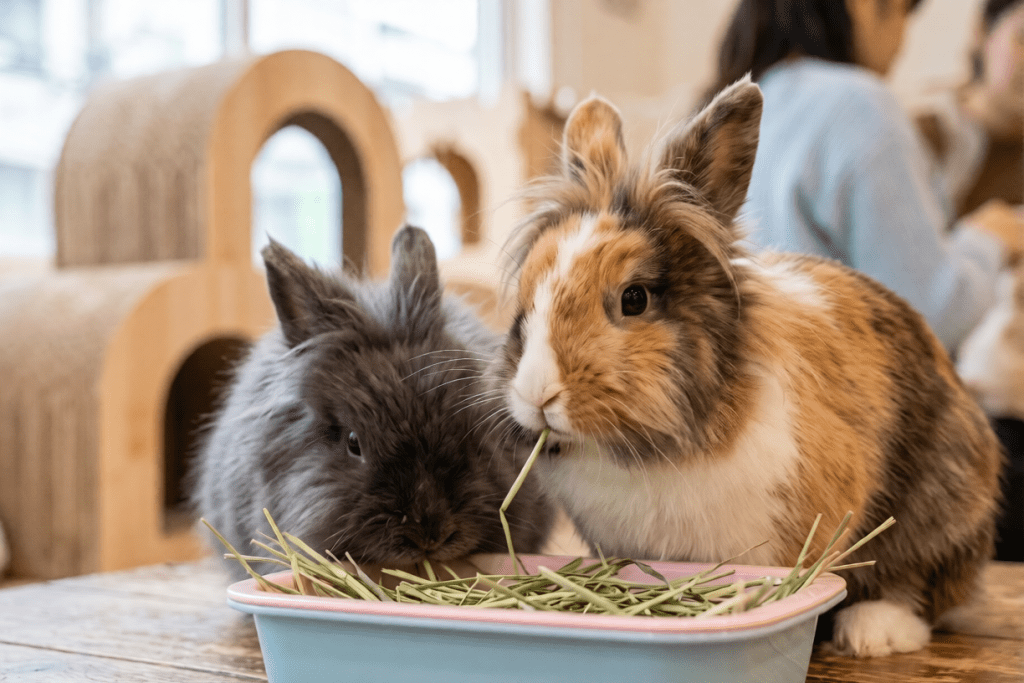
Unlike traditional pets whose entire meal fits neatly into a measuring cup, a rabbit’s primary food source should never be rationed. Grass hays—such as Timothy, orchard grass, meadow hay, or oat hay—are the absolute backbone of an adult rabbit’s diet and must remain available at all times, making sure there is unlimited hay available throughout the day rather than restricting it to fixed meal times.
Rabbits have teeth that grow continuously throughout their lives, along with a sensitive digestive system that relies on long-strand fiber to keep gut motility functioning smoothly. Keeping fresh grass hay available at all times supports healthy digestion and natural dental wear so their tummy keeps working as it should.
Trying to weigh or measure daily hay by the cup simply isn’t necessary. A common visual guide is a pile of hay roughly the size of the rabbit each day, but the main goal is simply keeping the hay rack stocked around the clock.
Instead of trying to measure how much hay is consumed, focus on keeping an eye on your rabbit’s appetite. A sudden drop in hay grazing is often an early sign of dental pain or another health problem, so it always warrants quick attention, especially if a rabbit stops eating hay but continues eating pellets.
3. Daily Pellet Amounts
Concentrated pellets pack far more calories per scoop than loose hay. In a home setting, leaving the pellet bowl full all day often leads to weight gain and a rabbit that turns their nose up at essential hay. Given free access, rabbits may preferentially eat pellets and consume less hay. Feeding excessive pellets or muesli-style mixes can encourage selective feeding, reduce hay consumption, and contribute to an imbalanced diet.
Pellet Portion Chart
Pellet portions should always be measured according to your rabbit’s ideal adult body weight. Offering plain, high-fiber pellets as a starting baseline of roughly ⅛ to ¼ cup per 5 pounds of ideal adult body weight daily helps ensure consistent nutrient intake without overfeeding.
Because different pellet brands vary in calorie density, the same cup measurement won’t always deliver the exact same energy; check the package recommendations alongside your rabbit’s current body condition.
The chart below breaks these guidelines down into simple kitchen measurements:
Daily Pellet Portions by Body Weight
| Target Body Weight | Daily Pellet Starting Baseline | General Feeding Focus |
| 2.0 lbs | 1 to 2 tbsp | Smaller-frame adult baseline |
| 3.0 lbs | 1½ to 2¼ tbsp | Small adult baseline range |
| 4.0 lbs | 2 to 3 tbsp | Small-to-medium adult baseline |
| 5.0 lbs | 2 to 4 tbsp (⅛ to ¼ cup) | Adult starting range |
| 6.0 lbs | 2½ to 5 tbsp | Scaled adult starting range |
| 8.0 lbs | 3 to 6 tbsp | Scaled starting range for larger frames |
| 10.0 lbs | ¼ to ½ cup | Larger adult starting range |
| 12.0+ lbs | ⅓ to ⅗ cup | Measured to ensure strong hay appetite |
Note: These ranges scale directly from the ⅛–¼ cup per 5 lb starting guideline, rounded to practical kitchen measurements. Amounts for weights not specifically listed are simple mathematical extrapolations of that baseline.
Adjusting Pellet Portions
Standard charts give you a solid place to start, but everyday life often calls for small tweaks:
- Underweight or Senior Rabbits: Older rabbits losing muscle mass or struggling to maintain weight may need a different diet or calorie intake, but the underlying cause of weight loss should be evaluated by your vet before simply increasing pellet portions.
- Highly Active / Free-Roam Rabbits: Rabbits with room to run and explore burn through energy quickly and often do well near the top of their weight range.
- Reluctant Hay Eaters: If your rabbit routinely ignores their hay rack, trimming back their daily pellet serving is often the fastest way to get them interested in grazing again.
Plain Pellets vs Mixed Foods
Stick strictly to plain, grass-based rabbit pellets. Skip the colorful muesli-style mixes packed with seeds, nuts, corn, or dyed bits, as rabbits will pick out the sugary pieces and leave the healthy fiber behind.
4. Daily Leafy Greens Amounts
Leafy Greens Guidelines
Fresh leafy greens bring natural moisture, vitamins, and minerals to your rabbit’s daily routine. While fresh produce recommendations tend to vary across different rabbit-care organizations far more than hay or pellet guidance, offering roughly 1 packed cup of greens per 2 to 3 pounds of ideal adult body weight serves as a practical starting point rather than a rigid rule. Serving fresh greens alongside unlimited grass hay is a great way to add crucial hydration and crisp dietary variety to their bowl.
Differences in Produce Guidelines
When reading through rabbit care guides, you might see slightly different suggestions for fresh produce. Some rescue groups recommend 1 packed cup per 2 pounds of weight, while others favor a slightly more conservative portion to help avoid upsetting sensitive digestive systems.
Practical Observation: Individual digestive tolerance varies significantly even between rabbits of similar weight. In my daily routine with my pet rabbits, Mocha and Chino, serving identical full-cup portions of watery greens like romaine or cilantro led to surprisingly different results: Chino digested his portion easily without issue, while Mocha developed soft, unconsumed cecotropes within a few hours. Scaling Mocha’s daily salad back to roughly three-quarters of a cup while leaving Chino’s full serving allowed her cecotrope consistency to return to normal.
Start with roughly 1 packed cup of leafy greens per 2–3 pounds of ideal adult body weight, then adjust based on how your rabbit tolerates fresh food. High-moisture greens offer great hydration, but if your rabbit is prone to soft stools or messy cecotropes, dialing back the daily salad helps keep everything firm and clean.
Packed vs Loose Measuring
A cup of fluffy, loosely tossed endive holds far less actual food than a cup of tightly pressed romaine. Give your leafy greens a moderate pack down into the measuring cup so your daily servings stay consistent from one morning to the next.
Safe Leafy Greens Selection
Build daily salads around a varied selection of rabbit-safe greens such as romaine lettuce, butterhead, cilantro, parsley, dill, endive, and escarole. Higher-calcium greens like kale or dandelion leaves are fine to include as part of a varied rotation, provided you balance them with low-calcium varieties rather than relying on a single high-calcium green for the bulk of the daily salad.
5. Daily Fruit Amounts
Even though cartoons make it look like rabbits eat fruit all day, sweet treats are packed with natural sugars and belong strictly in the “occasional treat” category.
Keep fruit portions very small and limited to once or twice a week at most. Safe, practical portion sizes include:
- One thin slice of apple (with the seeds and core removed)
- A small ½-inch coin of fresh banana
- A single small strawberry or blueberry
6. Daily Carrot Amounts
Despite the popular myth, carrots are root vegetables rather than daily leafy staples, meaning they are more concentrated in sugar and starch than regular greens.
Treat carrots with the same restraint as fruit by serving them only in small, occasional amounts. Keep carrot portions to a single thin slice (about ¼-inch thick) once or twice a week to promote healthy feeding habits and digestive balance. Offering whole carrots or giving them daily can spoil a rabbit’s appetite for hay, contribute to weight gain, and trigger messy cecotropes.
7. Daily Treat Limits
Pet store shelves are full of bright packaged treats, yogurt drops, seed sticks, and crunchy honey rings. Unfortunately, these starch-heavy snacks are tough on a rabbit’s digestion and are best avoided altogether.
If you choose to offer treats or botanical toppers, keep portions small enough that they never displace hay or regular meals:
- Stick to Hay- or Herb-Based Treats: Choose compressed timothy hay bites or dried flower petals (like marigold or chamomile) over sweet, grain-based snacks.
- Keep Servings Tiny: Treats should take up only a tiny fraction of your rabbit’s weekly diet.
- Never Bribe a Rabbit That Is Reluctant to Eat: Avoid offering sweet treats to tempt a bunny that isn’t eating. If your rabbit is turning down hay, using treats to test their appetite can mask early signs of illness or GI stasis and delay crucial care.
8. Daily Portions by Body Weight (2–12 Pounds)
Use this quick reference table to find baseline daily starting portions for pellets, leafy greens, and treats based on your rabbit’s target weight:
| Rabbit Target Weight | Unlimited Grass Hay | Daily Plain Pellets Starting Baseline | Approx. Leafy Greens Starting Range | Occasional Treat Cap |
|---|---|---|---|---|
| 2 lbs (0.9 kg) | Always available | 1 to 2 tbsp | ~1 packed cup | Tiny slice / 1 tsp max (1–2x/week) |
| 3 lbs (1.4 kg) | Always available | 1½ to 2¼ tbsp | ~1 to 1.5 packed cups | Tiny slice / 1 tsp max (1–2x/week) |
| 4 lbs (1.8 kg) | Always available | 2 to 3 tbsp | ~1.5 to 2 packed cups | Small slice / 1 tsp max (1–2x/week) |
| 5 lbs (2.3 kg) | Always available | 2 to 4 tbsp (⅛ to ¼ cup) | ~2 to 2.5 packed cups | Small slice / 1 tsp max (1–2x/week) |
| 6 lbs (2.7 kg) | Always available | 2½ to 5 tbsp | ~2 to 3 packed cups | Small slice / 1 tsp max (1–2x/week) |
| 8 lbs (3.6 kg) | Always available | 3 to 6 tbsp | ~3 to 4 packed cups | Moderate slice (1–2x/week) |
| 10 lbs (4.5 kg) | Always available | ¼ to ½ cup | ~3.5 to 4.5 packed cups | Moderate slice (1–2x/week) |
| 12 lbs (5.4 kg) | Always available | ⅓ to ⅗ cup | ~4 to 5 packed cups | Moderate slice (1–2x/week) |
9. Portions for Overweight Rabbits
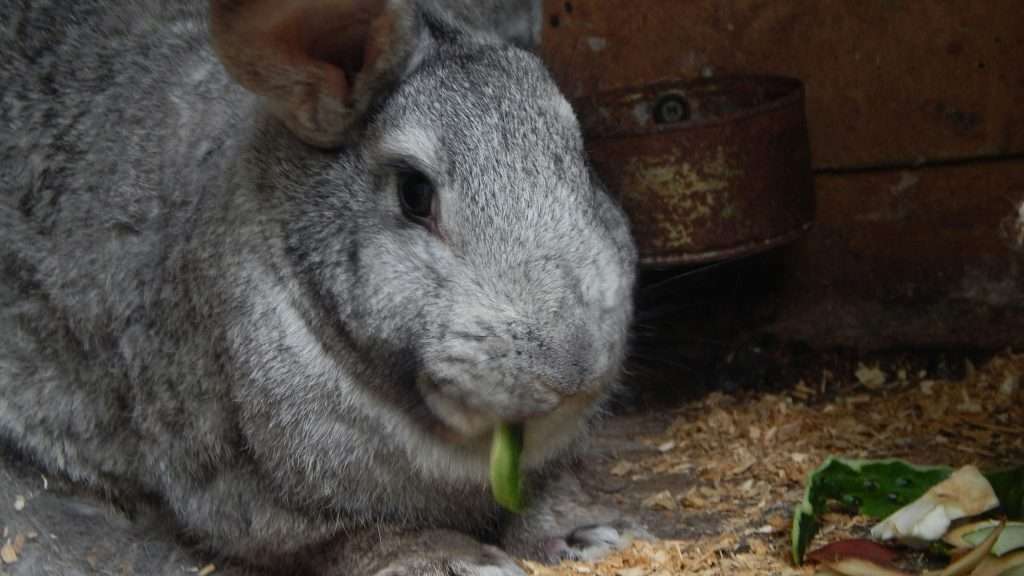
Carrying extra weight creates genuine comfort and health struggles for pet rabbits. An overweight bunny often struggles to reach down to groom or eat cecotropes directly, which can lead to messy fur, skin irritation, sore hocks, and extra stress on their joints. However, cutting off food suddenly to push weight loss is dangerous for a rabbit’s liver and digestive system.
Slimming down should always be a slow, steady process:
- Never Restrict Hay: Keep grass hay completely unlimited during weight loss. Continuous fiber keeps the gut moving safely.
- Trim Concentrates Slowly: Scale back pellets and treats gradually while checking weight every week or two.
- Cut Out Sugary Snacks: Eliminate fruit, carrots, and store-bought treats completely while working toward an ideal adult body weight.
- Get Them Moving: Encourage active movement by scattering measured pellets across the room or hiding them inside cardboard tubes and foraging toys.
- Check In With Your Vet: Always work with a rabbit-friendly vet before starting a structured weight-loss plan for an obese rabbit.
10. Portions for Underweight Rabbits
When you can easily feel a sharp spine or hip bones on your rabbit, it’s tempting to immediately fill their bowl with extra pellets. However, adding concentrated calories rarely fixes the real underlying issue. Unexplained weight loss usually signals a hidden medical problem that needs proper diagnosis, such as dental spurs, kidney trouble, or gut inflammation.
Observational Tip: Watch closely how your rabbit approaches their hay rack. Bunnies dealing with molar spurs or mouth pain often run to food enthusiastically, but will drop partially chewed hay strands or pick exclusively at soft pellets while ignoring structural fiber.
Always consult your vet to pinpoint what’s causing weight loss before making drastic changes to your rabbit’s meal plan.
11. Evaluating Portion Accuracy
Measuring cups are great for setting an initial starting point, but your rabbit’s energy, body condition, and litter box habits tell you if those amounts are actually working. Two rabbits weighing the exact same amount can easily have different calorie needs, so treat charts as starting guides rather than strict rules.
Daily Health and Portion Indicator Checklist
Use this quick checklist to monitor your rabbit’s weight, droppings, and overall behavior so you know when it’s time to adjust portions.
| What to Check | What Normal Looks Like | When to Reconsider Portions |
| Body Condition | Ribs readily palpable beneath a light layer of tissue without feeling sharp | Ribs/hip bones feel sharply prominent, or ribs are buried under thick fat |
| Fecal Droppings | Abundant, large, round, light brown, and fibrous | A sudden drop in size or quantity, or soft, misshapen droppings |
| Cecotropes | Rarely seen (consumed directly from the source) | Soft, smelly, squishy clusters consistently left on the floor |
| Behavior & Appetite | Eager for meals, steady hay grazing, good energy | Leaving pellets behind, skipping hay, or slow, unexplained weight shifts |
Evaluating body condition takes a simple, hands-on check. You should feel ribs and spine readily palpable beneath a light layer of soft tissue without the bones feeling sharply prominent or protruding. If you have to press firmly through a thick pad of fat to locate the ribs, your rabbit is likely carrying extra weight and could use a slight trim in concentrated calories. On the flip side, clearly prominent bones mean the current bowl size isn’t meeting their daily energy needs.
Litter box habits offer another immediate look at gut health. When an overly generous pellet portion fills a rabbit up, they naturally graze on less hay. This can show up as changes in fecal size or quantity, or messy, unconsumed cecotropes on the floor. If your rabbit is gaining or losing weight despite following a feeding chart to the letter, trust what their body and droppings are showing you over the measuring cup.
12. Common Feeding Portion Mistakes
Most portion problems don’t come from deliberate overfeeding; they usually creep in through small, everyday habits:
- Leaving the pellet dish full: Keeping pellets available 24/7 allows easy calories to replace long-strand fiber, gradually spoiling your rabbit’s appetite for hay.
- Rationing hay: Treating grass hay like a measured meal instead of an all-you-can-eat requirement reduces access to the long-strand fiber the digestive system depends on.
- Using treats to bribe a rabbit eating less than usual: Offering fruit, carrots, or sweet treats to persuade a quiet rabbit to eat can mask an appetite drop caused by dental pain or early GI stasis.
- Treating charts as unchangeable rules: Assuming every rabbit of the same weight burns calories at the exact same rate ignores real differences in age, metabolism, and free-roam activity.
- Making sudden diet swaps: Switching pellet brands or serving huge bowls of brand-new greens overnight can disrupt normal digestive adaptation and microbial balance.
A feeding chart gives you a helpful starting point, but physical condition and daily activity reveal the ideal portion over time. Remember that maintaining adequate long-strand fiber and avoiding abrupt dietary changes remains vital for overall digestive wellness. Unlimited hay should always serve as the foundation, with measured pellets and appropriate fresh foods filling out the rest of the daily diet.
13. Age-Based Portion Changes
As rabbits move through different life stages, their daily nutritional needs shift right along with them.
Baby and young rabbits. Growing kits need plenty of extra energy and protein while building healthy bones, muscle, and tissue. Their feeding needs change considerably as they approach adulthood, and young bunnies are typically offered free-choice young-rabbit pellets and alfalfa hay during primary growth according to established juvenile rabbit care standards, though specific intake should be monitored as they grow. Portions naturally taper down as they reach their full adult frame.
Adult rabbits. Once growth levels off, adult rabbits transition to a maintenance setup centered on unlimited grass hay, measured plain pellets, and fresh leafy greens. The weight-based guidelines throughout this guide are tailored specifically for this adult stage.
Senior rabbits. Aging can bring shifts in muscle tone, dental wear, mobility, or digestive efficiency. While many older rabbits stay at a healthy weight on their standard adult portions, others need custom adjustments. However, if a senior rabbit begins losing weight, avoid simply doubling their pellet scoop without having a vet check for underlying dental spurs or kidney health issues first. Age gives helpful context, but physical condition and health ultimately guide the portion size.
14. Measuring Food Portions Accurately
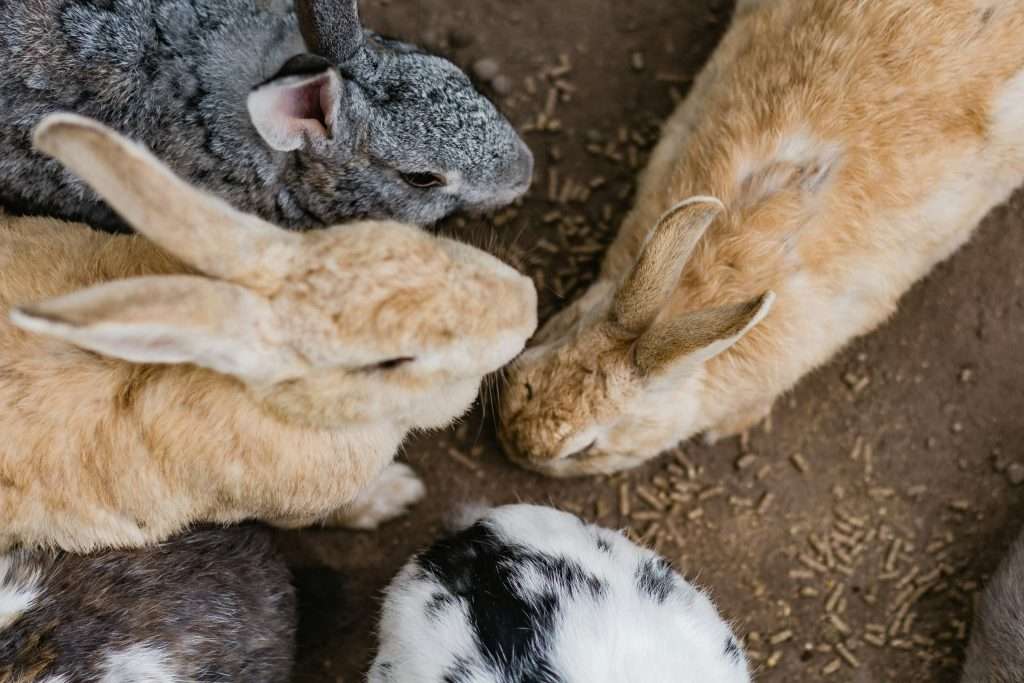
Establishing a consistent measuring routine is what makes portion tweaks actually work. When you use a random scoop or estimate a handful each morning, subtle shifts in daily intake become almost impossible to spot until your rabbit has already gained or lost noticeable weight.
For pellets, use standard kitchen measuring spoons or cups rather than arbitrary scoops, and divide the daily allocation between feeding periods if that fits your rabbit’s routine best. Measure out the exact amount meant for the day rather than topping off a half-full dish. For fresh greens, stick to the same packing style each time so your daily salads stay relatively uniform.
Regular weigh-ins add an extra layer of clarity that visual checks alone might miss. Setting your rabbit on a digital scale every few weeks helps catch gradual weight trends early, giving you clear feedback on whether a recent portion adjustment is doing its job.
Finally, keep an eye on what’s left behind at the end of the day. Consistently uneaten pellets can indicate that the daily portion is a bit too generous, especially if weight is creeping up or hay grazing is dropping off. Unexplained appetite changes always deserve a closer look, as they’re often an early sign of dental or digestive trouble.
15. Frequently Asked Questions
How much food should a rabbit eat per day in total?
An adult rabbit’s diet should be built around unlimited grass hay as the main event, rounded out by a measured daily serving of plain pellets and a fresh bowl of safe leafy greens.
How many pellets should I feed my rabbit each day?
A reliable starting baseline is roughly ⅛ to ¼ cup of plain grass-based pellets per 5 pounds of ideal adult body weight daily, adjusted for your rabbit’s individual activity and condition.
How many cups of vegetables should a rabbit eat daily?
Rabbits generally do best with about 1 packed cup of safe leafy greens per 2 to 3 pounds of ideal adult body weight daily, introduced slowly to make sure their tummy handles it well.
How much food should a 5-pound rabbit eat?
A healthy 5-pound adult rabbit typically gets unlimited grass hay, about 2 to 4 tablespoons (⅛ to ¼ cup) of plain pellets daily depending on calorie density and activity, roughly 2 to 2.5 packed cups of leafy greens, and minimal, occasional treats.
Can rabbits eat unlimited greens or vegetables?
No. While leafy greens offer hydration and nutrients, free-feeding vegetables can lead to soft stools, messy cecotropes, or a rabbit that skips their essential hay.
Do baby rabbits need measured food portions?
While growing kits require higher energy and protein, exact feeding protocols depend on age and breed. Young bunnies under 6 months old are typically offered unmeasured young-rabbit pellets and alfalfa hay, but individual portions should still be monitored as they mature.
How can I tell if I am overfeeding my rabbit?
Key signs of overfeeding include uneaten cecotropes left on the floor, weight gain, soft or misshapen droppings, and a noticeable drop in hay grazing.
16. Conclusion
Feeding a pet rabbit comes down to putting unlimited grass hay first, keeping daily pellets and fresh greens measured by weight, and keeping sweet treats strictly occasional. Using these weight-based guidelines gives you a reliable starting point, but paying attention to your rabbit’s body condition, energy, and daily droppings will always tell you when it’s time to adjust the bowl.
Medical & Veterinary Disclaimer: Bunnyowners.com is an informational resource for rabbit owners and enthusiasts. We are not veterinarians. The content on this website is for educational purposes only and is not a substitute for professional veterinary advice, diagnosis, or treatment. Always consult a qualified veterinarian with any questions or concerns regarding your pet’s health, medical conditions, diet, or overall care. If you have concerns about your rabbit’s health, it’s always best to reach out to a veterinarian rather than relying solely on information found online.