
Veterinary & Affiliate Disclaimer: Bunnyowners.com shares educational rabbit care resources, not professional veterinary advice. Always consult a qualified veterinarian regarding your rabbit’s medical, dietary, or behavioral needs. This post may also contain affiliate links; as an Amazon Associate and affiliate partner, we earn from qualifying purchases at zero extra cost to you.
Many rabbit owners look beyond the produce aisle to discover which common backyard greens, wild weeds, and woody branches are safe to pick. While outdoor foraging adds natural variety, texture, and enrichment to your pet’s routine, knowing exactly what to harvest—and what to leave behind—is essential to protect sensitive rabbit digestion.
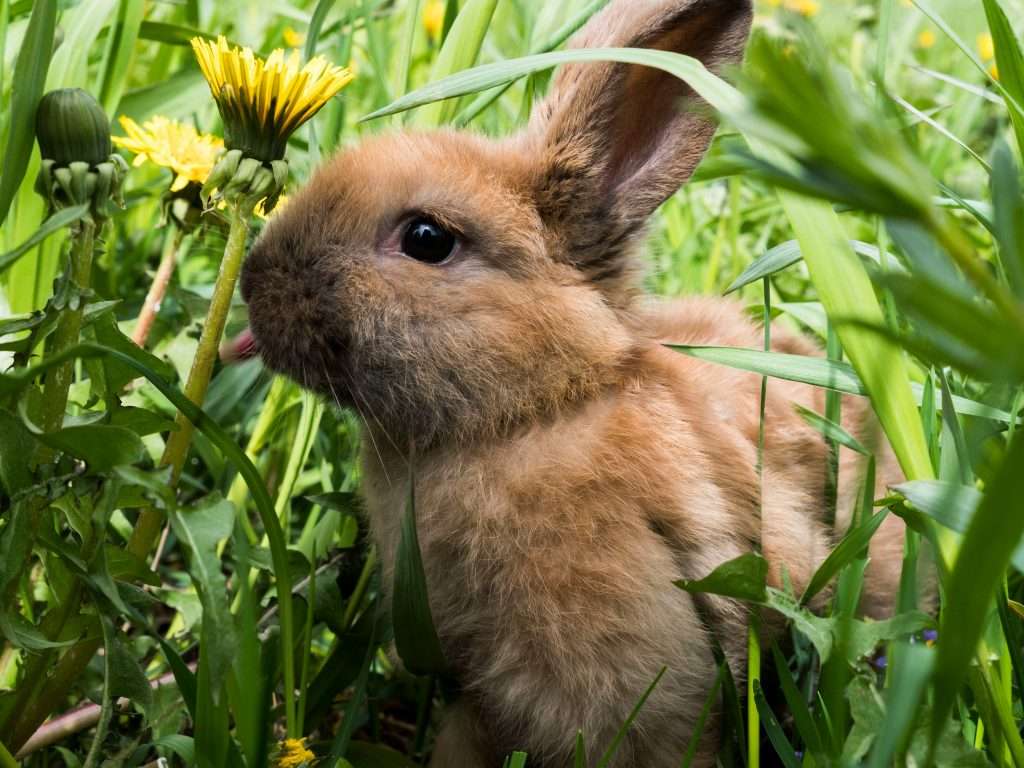
Rabbits can safely eat many common wild plants and weeds, including dandelion, plantain, sow thistle, bramble leaves, hawthorn, and willow. Always harvest exclusively from clean, non-polluted areas free from pesticides, traffic exhaust, and animal waste, and verify every plant species before picking. Introduce safe wild forage gradually in small amounts as part of your rabbit’s daily fresh green allowance alongside unlimited grass hay.
This guide walks you through the best wild plants, grasses, and tree branches you can safely gather, along with essential safety rules for identifying, picking, and drying them at home. When harvested responsibly, wild forage fits naturally into a balanced rabbit diet to give your bunny fresh variety and enrichment with their daily hay.
1. What Wild Plants Can Rabbits Eat?
Wild forage covers a fantastic mix of bunny-safe greens—from backyard weeds and clean garden grass to leafy tree twigs and edible flowers. Rather than replacing the core fiber in your rabbit’s bowl, these freshly gathered plants fit right into their normal daily fresh-green allowance.
The lookup table below outlines primary beginner-friendly forage options across gardens, meadows, and hedgerows:
Common Safe Plants and Weeds for Rabbits
| Plant Name | Safe Parts | Common Habitat | Good Starter Plant? | Practical Feeding Note |
| Dandelion (Taraxacum officinale) | Leaves, stems, flowers, roots | Lawns, meadows, verges | Yes | Popular leafy forage; feed as part of a varied fresh-green rotation. |
| Broadleaf Plantain (Plantago major) | Leaves, seed heads | Compacted soil, pathways | Yes | Highly fibrous; reliable introductory forage. |
| Ribwort Plantain (Plantago lanceolata) | Narrow leaves, flower heads | Grasslands, lawns | Yes | Tolerates air-drying exceptionally well. |
| Sow Thistle (Sonchus oleraceus) | Leaves, hollow stems, flowers | Cultivated beds, garden borders | Yes | Soft-spined leafy forage; offer as part of a varied mix. |
| Bramble / Blackberry (Rubus fruticosus) | Leaves, young green shoots, stems | Hedgerows, woodland edges | Yes | Tender leaves and thorny stems are both edible. |
| Hawthorn (Crataegus monogyna) | Leaves, young twigs, flowers | Hedgerows, scrubland | Yes | Dense wood provides productive chewing material. |
| Willow (Salix spp.) | Leaves, twigs, tender bark | Riverbanks, damp ground | Yes | Safe seasonal browse; feed as a woody chew. |
| Fresh Lawn Grass (Mixed varieties) | Leaf blades | Domestic yards, meadows | Yes | Hand-cut only; never feed lawnmower clippings. |
| White / Red Clover (Trifolium spp.) | Leaves, flower heads | Pastures, garden turf | Yes | Feed as part of a varied mix rather than alone. |
| Chickweed (Stellaria media) | Stems, leaves, tiny white flowers | Shady gardens, damp borders | Yes | High moisture content; feed small amounts with hay. |
| Wild Rose (Rosa rugosa / canina) | Leaves, non-sprayed petals | Hedgerows, gardens | Yes | Offer leaves and tender young thorned growth. |
| Apple Twigs & Leaves (Malus domestica) | Leaves, young branches | Untreated orchards, gardens | Yes | Excellent fibrous browse from culinary apple trees. |
| Cleavers / Goosegrass (Galium aparine) | Stems, leaves | Hedgerow bases, shady waste ground | Yes | Sticky stems and leaves can be offered fresh or dried. |
| Yarrow (Achillea millefolium) | Feathery leaves, flower heads | Dry meadows, grassy verges | Moderate | Highly aromatic; offer in modest amounts. |
| Shepherd’s Purse (Capsella bursa-pastoris) | Leaves, heart-shaped seed pouches | Disturbed soil, arable ground | Yes | Easily identified by triangular seed pods. |
| Common Mallow (Malva sylvestris) | Leaves, flowers | Road verges, field edges | Yes | Soft, crinkled foliage that dries very well. |
| Hazel (Corylus avellana) | Leaves, young green twigs | Woods, hedgerows, coppices | Yes | Highly palatable leafy branches for chewing. |
This starter list is a great foundation to get you going. While plenty of other backyard plants and garden flowers are perfectly safe for rabbits, it’s always easiest to master a handful of unmistakable varieties before branching out. In daily feeding routines, wild greens play virtually the same role as your standard safe leafy greens and vegetables.
You can also mix in backyard staples and fresh and dried herbs with your wild harvest to keep your rabbit’s bowl fresh and varied throughout the year.
2. Best Beginner Forage Plants for Rabbits
Starting with a small handful of unmistakable greens reduces identification mistakes while making it easier to monitor your rabbit’s digestive tolerance. For beginners, it makes sense to start with rabbit-safe wild plants and weeds that are simple to recognize and supported by established welfare guidance:
- Dandelion: Features a hairless, hollow stem leaking white sap and deeply serrated leaves growing in a flat basal rosette. Both leaves and bright yellow blooms are widely accepted by selective feeders.
- Plantain: Refers strictly to the wild Plantago genus, not the banana-like cooking fruit. Look for distinctive parallel, fibrous ribs running along the underside of broad or lance-shaped leaves.
- Sow Thistle: Characterized by soft, prickle-edged leaves and yellow composite flower heads. The upright, hollow stems exude a non-toxic latex that adds texture to leafy meals.
- Bramble (Blackberry): Serrated green foliage on trailing woody canes. Leaves and young shoots can be offered fresh or dried; even the prickly stems are routinely enjoyed by rabbits.
- Hawthorn: A deciduous shrub or tree with deeply lobed, glossy leaves and delicate spring blossoms. Freshly trimmed twigs offer sturdy woody stems that provide natural chewing material.
- Willow: Long, slender leaves on flexible stems. While willow bark contains trace amounts of salicin, it is a safe seasonal browse rather than a medical treatment. Offering safe branches to satisfy natural gnawing and foraging behaviors helps maintain dental health while providing valuable environmental enrichment.
3. Can Rabbits Eat Fresh Grass?
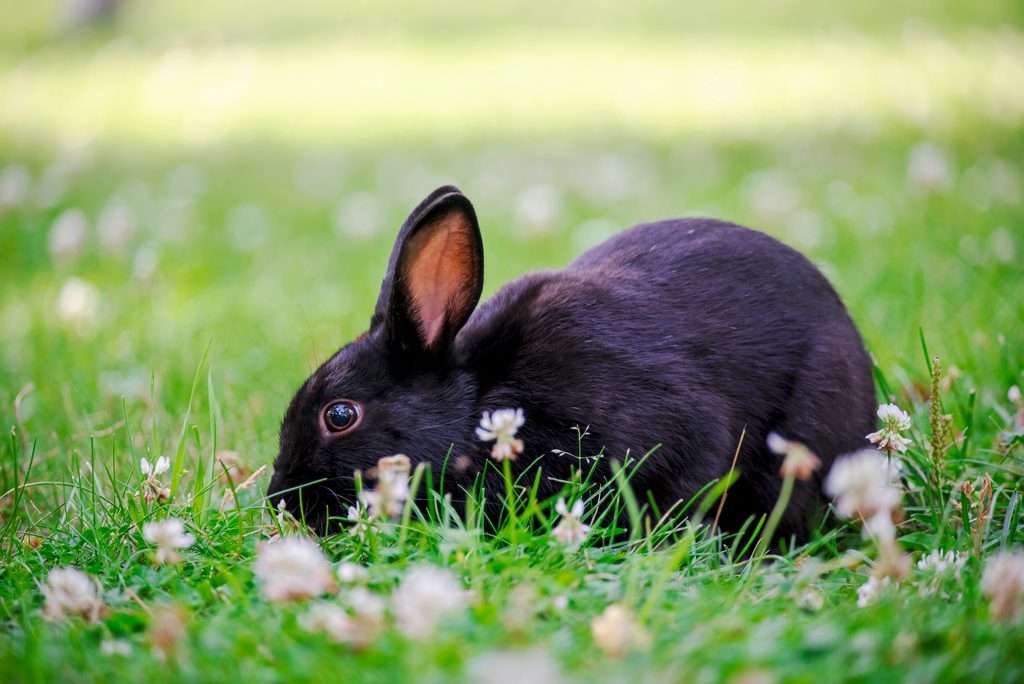
Rabbits can eat fresh grass, provided it is introduced slowly and harvested safely. Fresh pasture grass closely resembles part of a rabbit’s natural forage diet and provides fibrous material that encourages prolonged chewing. While fresh grass adds seasonal variety, it should never replace your rabbit’s required daily grass hay intake.
Fresh-Picked Grass vs. Lawn Mower Clippings
Never feed lawnmower clippings. Lawnmower clippings are crushed, warm, and deteriorate rapidly after cutting, so they should not be collected and fed to rabbits. If you want to collect grass for your rabbit, cut a small amount by hand using clean shears and offer it fresh. Ensure the lawn is entirely untreated by fertilizers, moss killers, or systemic herbicides.
4. Leaves, Twigs, and Woody Forage
Foraging is not limited to ground-level weeds; safe trees and shrubs provide additional fibrous material and mental stimulation. Thin twigs and fresh leaves from willow branches provide natural chewing opportunities, while freshly pruned spring stems from hawthorn bushes feature tender thorns that serve as robust, fibrous chew toys.
Young shoots from bramble canes provide fibrous woody material and additional texture, and prunings gathered from untreated culinary apple trees provide safe, sweet-tasting bark. Incorporating woody clippings fits naturally into balanced daily feeding routines to keep rabbits occupied and prevent destructive boredom.
5. How to Forage Safely for Your Rabbit
Foraging without a plan can expose your rabbit to chemical sprays, parasites, or toxic lookalikes. Stick to these five practical gathering rules on every outing:
- Positively Identify Every Plant: Never guess based on broad leaf shapes. Confirm the botanical features—stem cross-section, leaf attachment, flower shape, and sap color—before picking. If any uncertainty remains, leave the plant in the ground.
- Avoid Roadsides and Traffic Pollution: Avoid collecting alongside busy roads or other locations where plants are exposed to heavy traffic pollution, runoff, or roadside de-icing treatments. Harvest only from low-traffic, rural, or private garden environments.
- Avoid Herbicides, Pesticides, and Treated Lawns: Steer clear of public parks, golf courses, crop field margins, or manicured communal greens where municipal weed killers or agricultural sprays are applied.
- Avoid Heavily Contaminated Areas: Do not forage along busy public footpaths or popular dog-walking routes where canine waste and parasite eggs collect. Avoid standing, stagnant ditches prone to agricultural runoff.
- Harvest Responsibly and Legally: Do not uproot wild plants, avoid picking rare species, never take every plant from a patch, and vary your collection spots. Always secure landowner permission before gathering on private property.
6. How to Prepare and Introduce Wild Forage
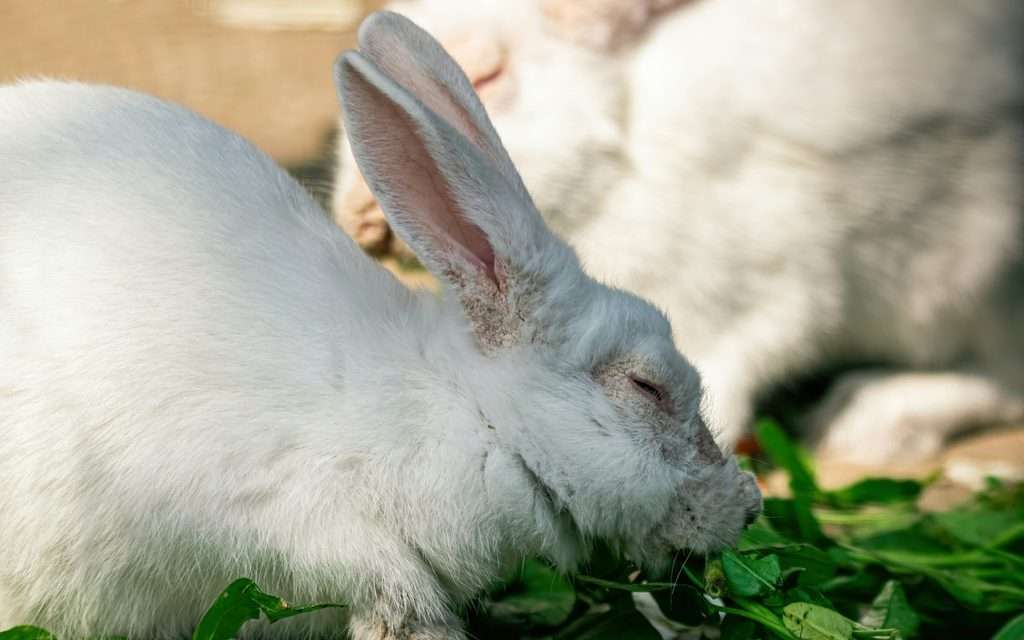
Treat wild greens with the same hygiene standards applied to human produce.
Wash and Inspect
Submerge gathered stems in cold water to remove surface dirt, soil grit, and hitchhiking insects. Washing removes surface debris, but it does not make plants from chemically treated or contaminated locations safe to feed.
Introduce One New Plant at a Time
Introduce a single leaf or stem of one plant variety at a time. Monitor your rabbit’s litter box output and appetite for a full 24 hours before increasing the portion or adding a second plant to the rotation.
In my home, whenever I introduce a brand-new weed to my rabbits, Mocha and Chino, I always isolate that single plant for a day or two. This lets me check their litter pan for normal, well-formed fecal pellets and confirm that their digestion remains steady before offering more variety. If an unfamiliar green ever triggers unformed poops or messy soft cecotropes, you can quickly adjust their greens without unnecessary panic.
How Much Wild Forage Can a Rabbit Eat?
Wild forage should be incorporated directly into your rabbit’s existing fresh-food allowance rather than automatically added on top of full vegetable rations. Aim for small amounts of a varied range of plants rather than a heavy pile of a single species.
Starting with modest amounts of mixed wild leaves provides dietary variety without allowing one forage species to dominate your pet’s daily fresh green allowance.
Hay Still Comes First
Fresh forage must never replace long-strand grass hay. Hay remains the foundation of your rabbit’s diet, providing the coarse fiber essential to keep their digestion moving normally.
7. Fresh vs. Dried Forage
You can serve wild plants fresh or air-dry them to build up a stash for colder months. Drying broadleaf staples like dandelion, ribwort plantain, and bramble locks in their natural flavor and crunch long after outdoor greens die back.
To dry your harvest safely:
- Spread clean, unblemished leaves in a single layer over breathable mesh or parchment paper.
- Store the trays in a warm, dark, well-ventilated room away from direct sunlight.
- Allow the leaves to dry until they are brittle and snap cleanly between your fingers.
- Store the dried forage in breathable paper bags or cardboard boxes to prevent moisture condensation and mold growth.
Because drying removes water, dried weeds are far more nutrient-dense by weight than fresh clippings. Adjust serving sizes downward accordingly.
Can You Forage for Rabbits Year-Round?
What you can harvest changes with the seasons. Spring and summer bring the biggest bounty of tender broadleaf weeds, lush lawn grass, and fresh leafy twigs. By autumn, you can still gather hardy hawthorn stems, woody cuttings, and late-season bramble leaves. Once winter hits and fresh outdoor growth dies back, dipping into your stash of dried forage keeps natural variety in the bowl until green shoots return in the spring.
8. Plants Beginners Should Not Guess At
Some dangerous wild plants look strikingly similar to harmless greens. If you are just starting out, it is best to skip tricky plant families entirely until your identification skills are razor-sharp.
Cow Parsley and High-Risk Umbellifers
Beginner foragers should steer clear of plants with umbrella-like clusters of tiny white flowers (the carrot or Apiaceae family). While wild cow parsley is edible, it looks nearly identical to deadly species. It is dangerously easy to confuse with poison hemlock (Conium maculatum) or hemlock water-dropwort (Oenanthe crocata), both of which contain potent toxins that can cause severe or fatal poisoning.
Other high-risk plants you should never touch or guess at include foxglove (which interferes with normal heart function), common ragwort (which causes lasting liver damage), and deadly or bittersweet nightshade (packed with dangerous alkaloids). Ingesting these plants can cause serious or potentially fatal poisoning, with symptoms and organ effects varying by species and dose.
Foraging slip-ups are only one risk, which is why it pays to know the wider list of foods and plants rabbits should avoid. If you ever suspect your bunny nibbled an unidentified wild weed, watching for the signs of rabbit poisoning and reaching out to trusted animal poison control resources will help you get them veterinary care without delay.
9. Quick Rabbit Foraging Checklist
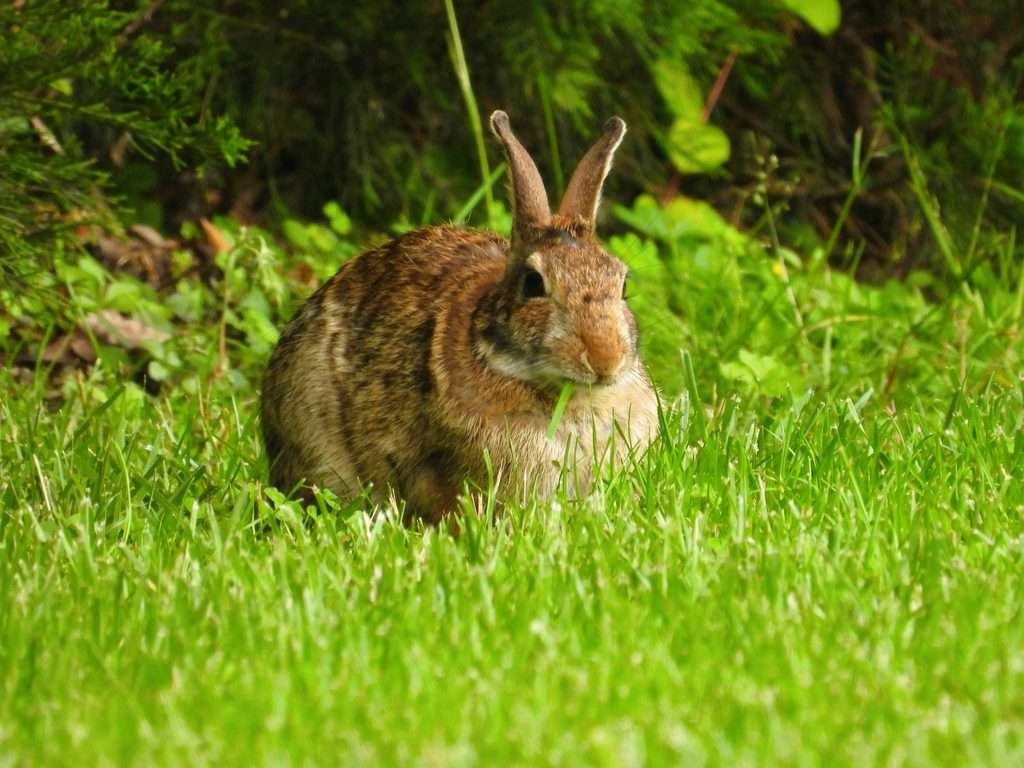
Run through this quality checklist before offering any wild harvest:
- [ ] I have positively verified the botanical identification of every collected plant.
- [ ] The harvesting site is free from herbicides, fertilizers, and chemical runoff.
- [ ] The collection area is well away from heavy vehicle traffic and dog walking paths.
- [ ] The forage was thoroughly inspected, washed, and dried of excess surface water.
- [ ] Only one new wild plant variety is being introduced at this time.
- [ ] The forage is offered as a measured portion of the daily fresh green allowance.
- [ ] The rabbit continues to consume unlimited hay and produces well-formed fecal pellets.
10. Frequently Asked Questions
Can rabbits eat weeds picked directly from my yard?
Yes, provided your yard is completely untreated with chemical weed killers, fertilizers, or pesticides, and the specific weed has been positively identified as rabbit-safe.
Can baby rabbits eat wild plants and weeds?
Young kits have delicate digestive systems that are still developing balanced cecal flora. When feeding fresh foods by age, wild weeds should be introduced cautiously only once the rabbit is already established on an age-appropriate diet and tolerating fresh greens. Introduce only one safe plant at a time.
Can rabbits eat lawn dandelions?
Yes. Dandelion leaves, roots, and yellow flowers are safe and nutritious for rabbits when collected from clean, untreated soil.
Can rabbits eat wild clover?
Yes, both red and white clover are safe in small amounts. Feed clover as part of a varied forage mix rather than a full meal.
Can rabbits eat plantain weeds?
Yes. Broadleaf and ribwort plantain (Plantago species) are excellent, high-fiber wild greens that support healthy digestion.
Can rabbits eat fresh grass from the garden?
Yes, provided it is cut by hand with clean shears rather than collected from a mechanical lawn mower, because clippings deteriorate rapidly after cutting.
Should I wash wild plants before feeding them to my rabbit?
Always rinse wild plants under cool water to remove surface dirt and insects, keeping in mind that washing cannot neutralize chemical weed killers.
Can rabbits eat dried weeds and leaves?
Yes. Properly dried, mold-free leaves such as bramble, plantain, and dandelion make safe and enriching winter forage.
How do I know if a wild plant is safe for my rabbit?
Match the plant’s botanical features against a reliable field guide. If you cannot confidently identify the plant, do not offer it.
11. Conclusion
Wild foraging adds dietary variety, texture, and natural enrichment to your rabbit’s routine without increasing grocery costs. Success relies on botanical certainty rather than harvesting volume. Begin with unmistakable starter plants such as dandelion, plantain, and bramble, collect exclusively from clean, non-polluted locations, and introduce new greens slowly while keeping fresh grass hay as the steady foundation of the diet.
Medical & Veterinary Disclaimer: Bunnyowners.com is an informational resource for rabbit owners and enthusiasts. We are not veterinarians. The content on this website is for educational purposes only and is not a substitute for professional veterinary advice, diagnosis, or treatment. Always consult a qualified veterinarian with any questions or concerns regarding your pet’s health, medical conditions, diet, or overall care. If you have concerns about your rabbit’s health, it’s always best to reach out to a veterinarian rather than relying solely on information found online.