
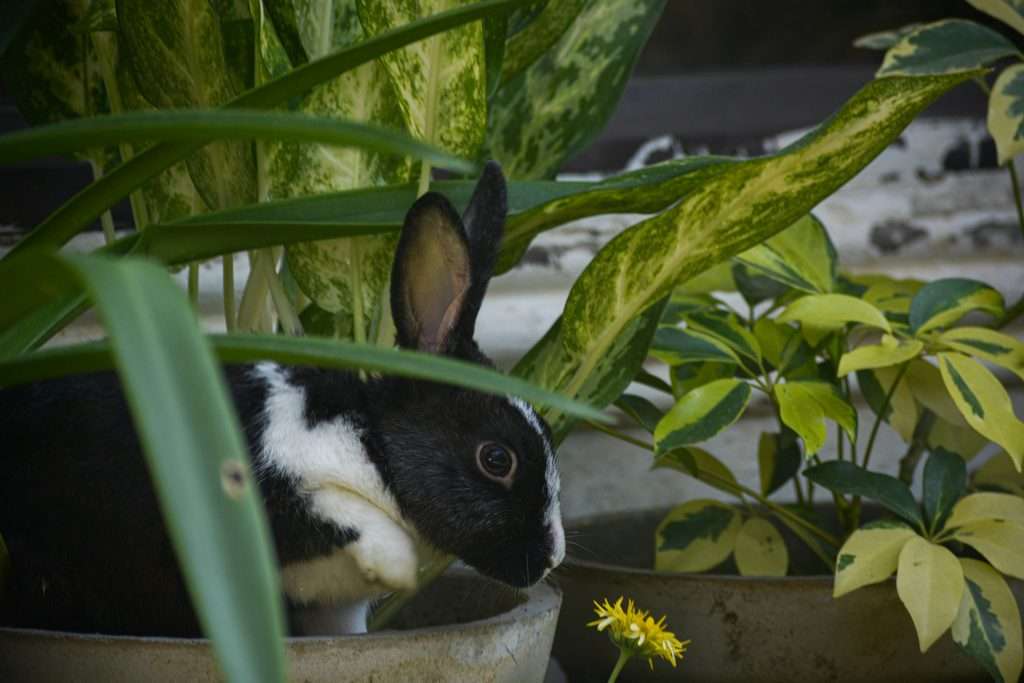
Veterinary & Affiliate Disclaimer: Bunnyowners.com shares educational rabbit care resources, not professional veterinary advice. Always consult a qualified veterinarian regarding your rabbit’s medical, dietary, or behavioral needs. This post may also contain affiliate links; as an Amazon Associate and affiliate partner, we earn from qualifying purchases at zero extra cost to you.
Rabbits explore their environment mouth-first, making backyards, parks, and living rooms potential hazard zones for accidental poisoning. Because domestic rabbits lack an innate instinct to avoid dangerous foliage, knowing which common wild weeds, ornamental flowers, and household greens are toxic is essential for every owner.
Many common garden flowers, wild weeds, landscaped shrubs, bulbs, and houseplants are poisonous to rabbits, including foxglove, ragwort, deadly nightshade, yew, lily of the valley, oleander, ivy, daffodils, and tulips. Rabbits cannot vomit, so ingested toxins cannot be expelled that way and may cause serious digestive, neurological, cardiovascular, or organ damage. If you suspect your rabbit ate a toxic plant, remove access immediately, save a sample or photo for identification, and contact a veterinarian right away.
To protect your pet before they take a bite, this guide covers the most dangerous plants across gardens, yards, and homes, plus what to do if you suspect toxic ingestion. For a safe breakdown of fresh daily greens and hay instead, see my other complete rabbit diet and food guides.
1. Can Rabbits Tell Which Plants Are Poisonous?
A widespread myth among pet owners is that animals possess an innate “wild wisdom” that stops them from eating harmful greenery. In reality, domestic rabbits cannot be trusted to self-regulate around toxic flora.
Rabbits often sample whatever greenery is in front of them unless a harsh or bitter taste causes them to naturally back away from the plant. Even then, palatability is no guarantee of safety. Some dangerous plants do not taste offensive to rabbits, and curious behaviors or boredom can easily override taste aversion.
Just because a rabbit previously ignored a specific garden plant or houseplant does not mean they will continue to leave it alone. A shift in diet, changing plant maturity, or simple curiosity can prompt a sudden nibble on foliage they walked past for months.
2. Primary Poisonous Plant Categories
While hundreds of individual wild and cultivated species exist, most accidental poisonings involve a handful of common botanical families. Recognizing these primary high-risk groups makes it much easier to spot potential hazards in your yard, garden beds, and living areas.
Common Poisonous Plant Groups for Rabbits
| Plant Category | Common Examples | Primary Concern | Avoid? |
|---|---|---|---|
| Spring Bulbs | Daffodils, tulips, hyacinths, snowdrops | Underground bulbs, stems, and flowers | Yes |
| Toxic Perennial Flowers | Foxglove, monkshood, lily of the valley | Natural heart and nerve toxins in all parts | Yes |
| Wild Pasture Weeds | Ragwort, nightshades, hemlock lookalikes | Leaves, berries, and stems (fresh or dried) | Yes |
| Landscape Shrubs & Hedges | Yew, privet, rhododendron, cherry laurel | Leaves, bark, berries, and pruning clippings | Yes |
| Vegetable Garden Foliage | Rhubarb leaves, tomato and potato vines | Natural acids and green-growth toxins | Yes |
| Ornamental Houseplants | Arum family (Philodendron, Dieffenbachia), amaryllis | Irritating sap crystals and underground bulbs | Yes |
Note: This table covers the most common toxic plant groups you are likely to encounter. Because rabbit-specific plant research is still limited, never assume an unlisted plant is automatically safe to feed.
3. Dangerous Garden Flowers
Many staple ornamental flowers contain potent chemical defenses designed to deter herbivores in the wild.
Foxglove, Monkshood, and Larkspur
Tall, flowering perennial spikes are frequent culprits in outdoor poisonings. Foxglove (Digitalis) contains digitalis and other heart-affecting compounds that severely disrupt normal heart rhythm and gut movement.
Monkshood (Aconitum) and larkspur (Delphinium) are especially hazardous cottage-garden staples that can cause rapid muscle weakness, severe belly bloating, and sudden collapse. These are species you should never grow anywhere near a rabbit’s exercise run.
Lily of the Valley and Other Toxic Ornamentals
Low-growing shade plants like lily of the valley (Convallaria majalis) contain toxins that directly impact heart function. Beyond the live bed, vase water holding cut stems can become dangerous if a free-roaming indoor rabbit drinks from it.
Other common garden varieties like hellebores, poppies, and climbing clematis vines carry acrid saps that lead to mouth pain, heavy drooling, and a sudden digestive slowdown.
4. Poisonous Weeds and Wild Plants
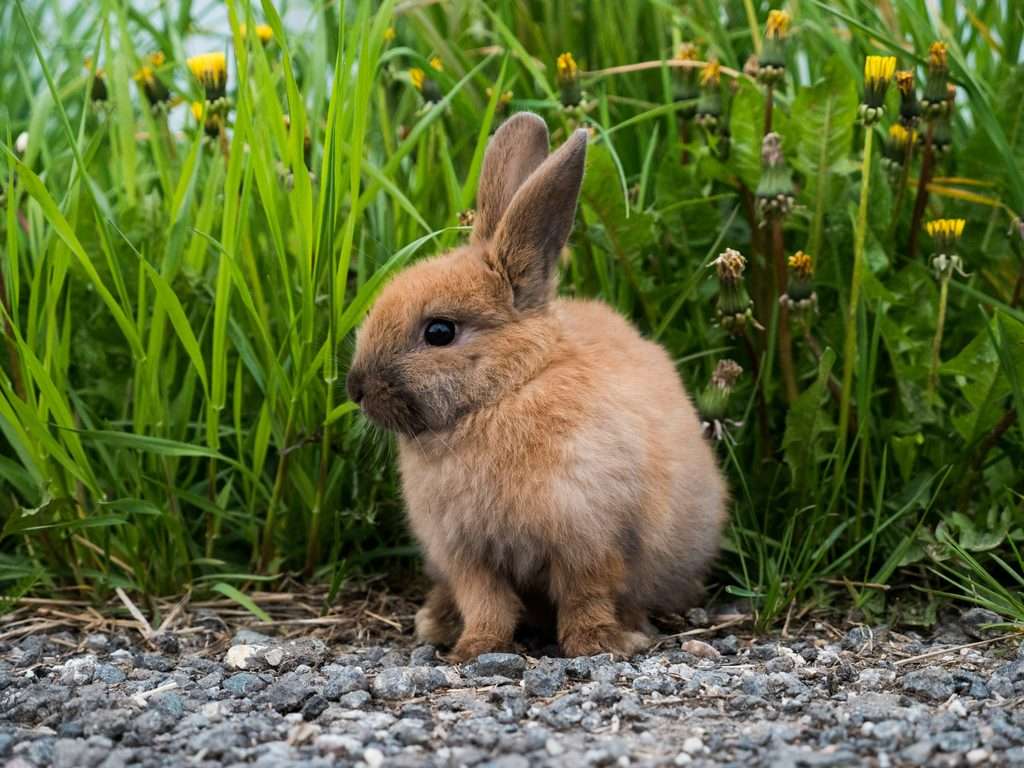
When collecting wild greens or allowing rabbits to exercise on natural turf, wild weeds present unique identification hazards. Outdoor grazing adds another layer of risk because weeds can grow directly through otherwise safe backyard grass, especially around fence lines and neglected corners.
Ragwort
Ragwort (Jacobaea vulgaris) is one of the most serious pasture hazards. It contains toxins that cause progressive, irreversible liver damage. The tricky part is that dried ragwort keeps its full toxicity while losing the bitter, unpleasant taste that normally stops rabbits from grazing it fresh.
Nightshades and Wild Lookalikes
Nightshades (such as deadly and woody nightshade) contain alkaloids that can trigger dilated pupils, digestive slowdown, and nervous system problems. Similarly, wild umbrella-flowered plants like hemlock closely resemble safe, edible members of the wild carrot and parsley families. Never forage wild greens with umbrella-shaped flower heads unless you possess advanced plant identification skills.
Other wild plants that should stay out of rabbit forage include wild arum (Lords-and-Ladies), groundsel, and fresh buttercups. If you collect wild vegetation intentionally, stick to wild weeds and greens rabbits can actually eat and leave behind anything you cannot confidently identify.
5. Poisonous Plants in the Vegetable Garden
Many backyard gardeners assume vegetable patches are entirely safe for pet rabbits, but several common kitchen crops produce dangerous leaves, vines, and stems. Keep your rabbits completely blocked off from the following crop plants:
Toxic Vegetable Garden Plants for Rabbits
| Crop Plant | Location | Primary Concern | Avoid? |
|---|---|---|---|
| Rhubarb | Vegetable beds | High oxalic acid and toxins in leaves | Yes |
| Nightshade Crops (Tomato, Potato) | Garden plots, greenhouses | Vines, green leaves, sprouts, and unripe tissue | Yes |
| Allium Family (Onion, Garlic) | Vegetable beds, herb plots | All plant parts, especially bulbs | Yes |
6. Poisonous Trees, Shrubs, and Hedges
Fallen leaves, hedge prunings, and overhanging perimeter shrubs represent a frequent source of accidental yard poisoning. The easy-to-miss danger here is garden clippings left on the grass after trimming.
Yew and Oleander
Yew (Taxus baccata) contains potent taxines capable of triggering sudden, life-threatening heart failure. Keep all needles, bark, berries, and hedge clippings completely away from rabbits. Oleander is equally dangerous in warm climates, retaining high concentrations of heart toxins in its living branches and dry, fallen leaves alike.
Landscape Hedges and Privacy Screens
Rhododendrons and azaleas contain grayanotoxins that can cause serious digestive, neurological, and heart problems. Common evergreen privacy screens like cherry laurel contain cyanogenic compounds that make cherry-family shrubs dangerous for pets. Privet, English ivy, and holly are other common landscape hedges to avoid, as their berries and leaves trigger intense mouth pain, gut inflammation, and deep lethargy.
7. Poisonous Bulbs and Spring Flowers
Spring-flowering bulbs deserve extra caution because rabbits often encounter both the above-ground foliage and the concentrated underground bulb while digging in flowerbeds.
Because plants pack their strongest chemical defenses straight into their subterranean structures, buried spring bulbs represent an easy-to-miss hazard for rabbits that love to dig in backyard beds.
Daffodils, narcissus, tulips, hyacinths, bluebells, and snowdrops contain concentrated toxins and microscopic crystal irritants that trigger immediate mouth pain, heavy drooling, and painful belly cramps. Because domestic rabbits instinctively enjoy burrowing, flower borders containing buried bulbs should be securely fenced off.
8. Poisonous Houseplants for Rabbits
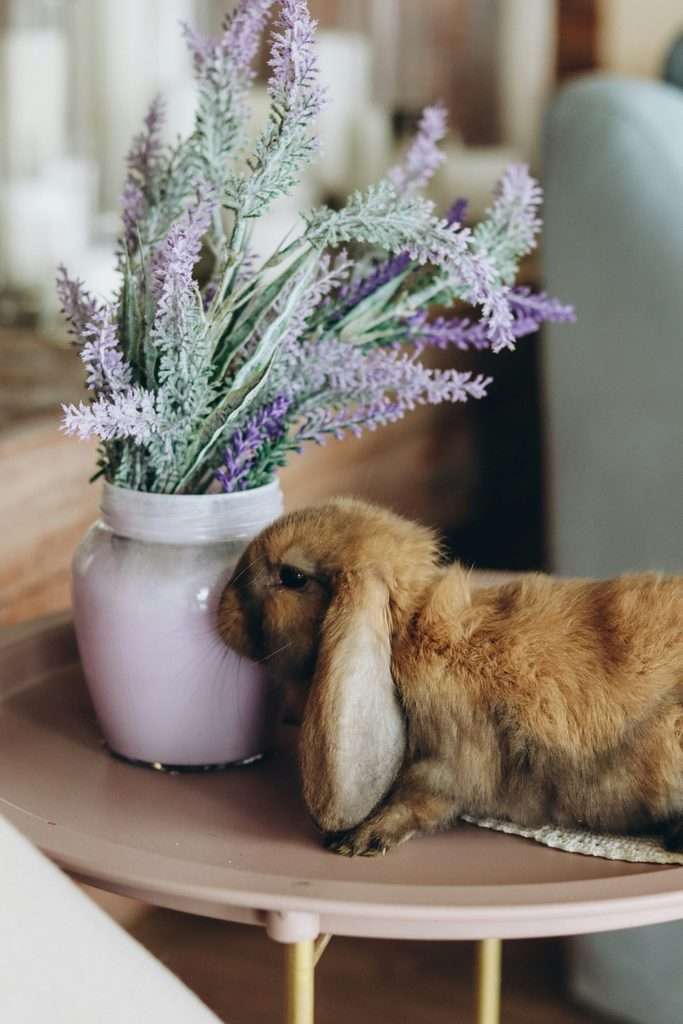
Indoor rabbits encounter distinct risks from decorative foliage. Keeping houseplants safe requires accounting for drifting leaves and shed blossoms that drop down directly into exercise pens.
In my own home with my bonded pair, Mocha and Chino, I initially thought elevating potted greenery onto side tables and plant stands was sufficient bunny-proofing. During floor time, however, I noticed both rabbits actively foraging along the baseboards directly beneath the stands, eagerly snapping up brittle, dried leaves and shed blossoms that had drifted down unnoticed. Moving risky botanical varieties completely out of their free-roam rooms proved to be the only truly dependable barrier.
Common tropical houseplants belonging to the Arum family—including Dieffenbachia, Philodendron, Monstera, and Pothos—contain microscopic, needle-like crystal irritants that cause immediate mouth burning, tongue swelling, and difficulty swallowing. Other household staples like amaryllis, cyclamen, and aloe vera should likewise be kept entirely out of reach, as their tissues trigger severe stomach and gut irritation.
9. Holiday Plants: Mistletoe, Holly, and Poinsettia
Seasonal botanical decorations bring unique hazards into living spaces during the winter holidays. Mistletoe sprigs contain toxic proteins that cause heart slowdown and stumbling, while pointed holly leaves create physical scratches alongside stomach distress.
Poinsettias are generally just mild stomach irritants for bunnies rather than lethal poisons.
The milky sap can cause mild oral irritation and loose stool, but it does not carry the acute toxicity of yew or foxglove. It should still be kept out of reach, and veterinary guidance is advised if significant amounts are consumed.
10. Can Rabbits Eat Dried Poisonous Plants in Hay?
Drying does not automatically neutralize plant poisons. While simple irritants break down during curing, many hazardous toxins remain completely active long after cutting.
Ragwort demonstrates this hazard clearly: its liver-damaging toxins remain fully active when dried into hay, while the plant loses the bitter taste that normally discourages grazing. A rabbit sorting through roughage may readily ingest dried ragwort flakes that they would have rejected in a pasture.
Beyond toxic weeds, sorting good hay from bad batches helps you catch mold, heavy dust, moisture, and odd stray weeds before filling up the litter box or rack. Pairing clean, inspected forage with the best rabbit food ensures your bunny gets complete nutrition without the hidden hazards of questionable weeds or low-grade fillers.
11. What to Do If Your Rabbit Eats a Poisonous Plant
Accidental plant ingestion requires swift, calm, and methodical action. Because rabbits cannot vomit, never try to induce vomiting after suspected poisoning. Emetics such as hydrogen peroxide are inappropriate for rabbits and can cause serious complications.
- Remove Access Immediately: Separate your rabbit from the plant source and clear any loose leaves or stems from their mouth.
- Photograph and Secure the Specimen: Take sharp, well-lit photos of the plant’s leaves, stems, flowers, and roots, saving a physical clipping in a sealed bag to aid identification.
- Contact a Veterinarian: Provide the clinic with the suspected plant species, the time of consumption, and an estimate of the volume eaten. Plant exposure is only one possible source of toxicity, so knowing what poisoning actually looks like in a rabbit is useful when the exact substance eaten is uncertain.
- Check Reliable Poison Databases: If you are unsure whether a garden clipping is toxic, searching plant safety profiles helps you look up specific species right away.
- Avoid Home Remedies: Never administer milk, salt, hydrogen peroxide, or oils without direct veterinary instruction.
12. Signs of Plant Poisoning in Rabbits
Symptoms vary according to the specific botanical compound, the rabbit’s body weight, and the amount ingested.
Because poisoning symptoms can progress quickly, seeking prompt veterinary attention after suspected poisoning is safer than waiting to see whether symptoms improve.
Depending on the plant, warning signs can include:
- Sudden loss of appetite or complete cessation of fecal pellets
- Excessive drooling, pawing at the mouth, or visible oral redness
- Watery diarrhea, abdominal bloating, or severe tooth grinding from pain
- Muscle tremors, uncoordinated hopping, head tilt, or seizures
- Abnormal breathing patterns, profound lethargy, or collapse
A sharp decline in eating and fecal output can quickly progress into gut stasis, which makes appetite and poop changes especially important to report during the veterinary call.
Even without an identified toxin, a rabbit refusing food should always be treated as a major warning sign rather than something to monitor casually.
Severe neurological reactions such as tremors or a sudden rabbit seizure require immediate veterinary attention regardless of whether the plant has been positively identified.
13. How to Prevent Poisonous Plant Exposure
Preventing an accidental poisoning is always easier than dealing with an emergency room visit, and a few practical habit changes around the house and yard are usually all it takes to keep your bunny safe:
- Inspect Outdoor Exercise Areas: Check turf carefully for emergent weeds, bulb shoots, or blown hedge trimmings before setting up runs.
- Control Falling Indoor Debris: Position houseplants well away from rabbit enclosures to prevent dropped leaves from landing in pens.
- Fence Off Garden Borders: Prevent access to bare soil and perennial beds where bulbs or ornamental roots might be excavated.
- Confidently Identify Wild Forage: If you cannot confidently identify a wild plant as a known rabbit-safe species, leave it behind.
14. Frequently Asked Questions
Do wild rabbits eat poisonous plants?
Wild rabbits may encounter and eat toxic plants, so their presence around a plant does not prove that it is safe for a pet rabbit. Never use wild-rabbit browsing behavior as a plant-safety test; positively identify anything you intentionally offer your rabbit.
What should I do if my rabbit eats an unknown plant?
Safely isolate your rabbit from the plant, take several clear photos of the foliage, stem structure, and any nearby flowers or berries, and contact your veterinarian immediately. An accurate photograph allows veterinary staff or poison control specialists to determine the botanical family.
Can rabbits eat dried flowers if they come from toxic species?
No. Drying does not reliably destroy many plant toxins, so flowers from a toxic species should still be treated as unsafe after drying. Only offer dried flowers that you can positively identify as rabbit-safe.
Are all garden weeds poisonous to rabbits?
Many common weeds are safe rabbit forage, but identification matters. Compare wild candidates against a dedicated safe-foraging guide for positively identified edible species rather than guessing.
Are pesticide-treated plants safe for rabbits?
A rabbit-safe plant can still become unsafe if contaminated with herbicides, pesticides, or other garden chemicals. Don’t collect forage from treated areas unless you know exactly what product was used and can confirm from its label or a veterinary professional that the vegetation is safe.
15. How to Keep Your Rabbit Safe From Poisonous Plants
The simplest rule for long-term safety is to only offer plants you can confidently identify as rabbit-safe, physically block access to questionable garden and houseplants, and contact a veterinarian promptly after suspected toxic ingestion. Treating all unknown vegetation as unsafe until positively verified provides the most dependable protection for your rabbit’s digestive and overall health.
Medical & Veterinary Disclaimer: Bunnyowners.com is an informational resource for rabbit owners and enthusiasts. We are not veterinarians. The content on this website is for educational purposes only and is not a substitute for professional veterinary advice, diagnosis, or treatment. Always consult a qualified veterinarian with any questions or concerns regarding your pet’s health, medical conditions, diet, or overall care. If you have concerns about your rabbit’s health, it’s always best to reach out to a veterinarian rather than relying solely on information found online.