Veterinary & Affiliate Disclaimer: Bunnyowners.com shares educational rabbit care resources, not professional veterinary advice. Always consult a qualified veterinarian regarding your rabbit’s medical, dietary, or behavioral needs. This post may also contain affiliate links; as an Amazon Associate and affiliate partner, we earn from qualifying purchases at zero extra cost to you.
When you open a fresh box or bale of rabbit hay, a sudden shift in color, texture, or scent compared to your last batch often raises an immediate concern: is this hay fresh and safe, or is it spoiled and dangerous? Because hay is a natural agricultural crop, natural variations from cutting to cutting are completely normal, but knowing how to distinguish harmless differences from genuine safety hazards is essential for every owner.
Good-quality rabbit hay should be completely dry, reasonably clean, low in excessive dust, and have a fresh, grassy, or neutral aroma. Because color and coarseness naturally vary by harvest, grass species, and cutting, hay does not need to be uniformly bright green or soft to be safe to feed. If the hay feels damp, shows visible mold, emits a musty or sour odor, or contains suspicious contamination, it should be discarded immediately.
Evaluating hay quality requires moving past oversimplified rules like “green means good and brown means bad” and looking at the full picture when managing your pet’s daily feeding and nutrition choices. By using a multi-factor inspection process that combines smell, touch, sight, and cleanliness, you can easily evaluate any batch right at your feeding station. The following guide provides a step-by-step framework to help you inspect new hay with confidence, recognize normal variation, and know exactly when a bag is safe to serve or time to throw out.
1. The Five-Point Hay Inspection: Good vs. Questionable vs. Unsafe
When opening a new shipment, take a moment to check five simple things: smell, moisture, dust levels, color, and what’s mixed in with the grass. Severe red flags like visible mold or sour odors mean the batch should be thrown out right away, but minor shifts in color or texture are usually fine. Physical testing shows that unappealing smells often point to elevated dust and poor hygienic condition in baled forage, which is why checking all these traits together gives you the clearest picture.
The following table offers a quick-scan guide to help you categorize hay based on these five factors:
Rabbit Hay Quality Classification
| Inspection Factor | Generally Good Quality | Worth Inspecting More Closely | Unsafe / Discard Immediately |
|---|---|---|---|
| Smell | Fresh, sweet, grassy, or neutral | Weak, stale, or flat aroma | Musty, moldy, sour, fermented, or rotten |
| Feel / Moisture | Completely dry; soft to coarse stems | Very brittle, stiff, or heavily fragmented | Damp, wet, clammy, sticky, or clumped |
| Dust & Fines | Small amount of dry, fine leaf particles | Heavy loose dust at the bottom of the bag | Clouds of airborne powder or dark/white residue |
| Color | Bright green to pale tan/yellow | Heavily sun-bleached, brown, or faded | Dark, wet-looking patches or blackened decay |
| Contents | Grasses, stems, leaves, normal seed heads | High proportion of mature, woody stems | Visible mold, trash, twine, feces, or unidentified plant material you cannot confidently assess as safe |
Use this matrix as an initial filter. If a batch lands in the “Questionable” column for a single factor, such as faded color, check the remaining criteria before deciding whether to feed it. Knowing how to weigh these traits helps when choosing the best hay for your rabbit.
2. What Should Fresh Rabbit Hay Smell Like?
Smell is one of the most useful at-home clues when evaluating hay. An abnormal odor can sometimes reveal a hay-quality problem even when obvious mold is not visible.
What Good Hay Usually Smells Like
Freshly cured grass hay typically emits an inviting, sweet, or earthy aroma reminiscent of a mowed field. The exact intensity of this scent depends on forage type, storage duration, and packaging methods. Timothy and orchard grass often maintain a distinct, pleasant aroma, whereas meadow or oat hay may carry a milder, neutral herbal scent.
A light or subtle smell does not mean the hay has gone bad; it simply indicates that the natural aromatic oils have settled. Different grass varieties naturally vary in texture and scent depending on when and how they were harvested.
What Bad Hay May Smell Like
Spoiled or mold-affected hay often develops an abnormal, unpleasant odor. Discard any batch that exhibits:
- Musty or Mildewed Scent: Smells similar to a damp basement, wet cardboard, or old towels.
- Sour or Fermented Odor: Indicates that internal moisture caused heat buildup and spoilage within the bale.
- Rotten or Chemical Smells: Signals decaying organic matter or contamination during harvesting or transport.
I saw this firsthand with my two Lionhead rabbits, Mocha and Chino, when I brought out two handfuls from different batches—one from a freshly opened, fragrant box and another from an older bag that had mostly lost its scent. Mocha immediately pushed her nose into the fragrant pile, and Chino followed right behind her, completely ignoring the older handful until they had picked through the fresh grass.
Does Hay Lose Its Smell as It Gets Older?
Yes. Over time, dried grass naturally loses its field-fresh smell, especially if it’s stored in a cardboard box or open bag. That fade in aroma is just a normal part of aging—it doesn’t mean the hay has gone bad. As long as the stems stay crisp, dry, and free of any musty odor, older hay is still completely safe to feed, even if a picky rabbit turns their nose up at it.
3. What Color Should Good Rabbit Hay Be?
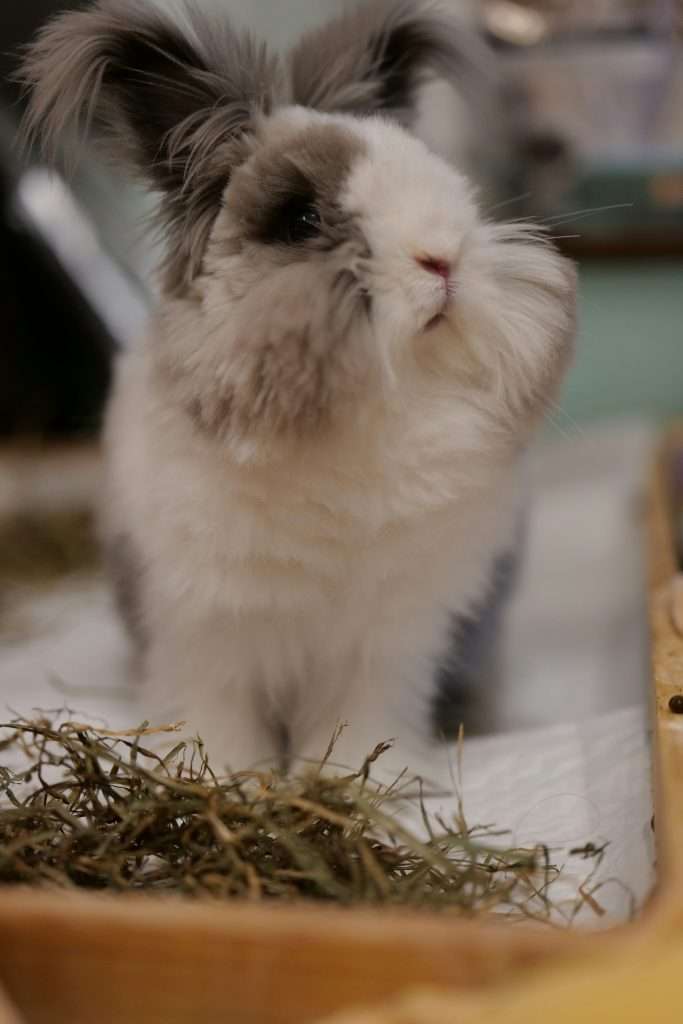
One of the most persistent myths in rabbit care is that acceptable hay must always display an intense, deep green hue. While vibrant green coloration indicates high chlorophyll preservation, color alone is an incomplete measure of safety.
Does Rabbit Hay Have to Be Bright Green?
No. While green hay is attractive to owners, forage naturally varies in color based on several environmental and agricultural factors:
- Plant Maturity at Harvest: Early-cut hay tends to be greener and leafier, while late-harvest hay contains thicker, lighter-colored stems.
- Sun Curing: Baled hay cured under bright sunlight often undergoes sun-bleaching on the outer edges, turning outer stalks yellow or straw-colored.
- Weather Conditions: Rain during the drying process or shifting humidity levels can soften the green tint without ruining the crop.
Is Yellow or Tan Hay Bad for Rabbits?
Yellow or tan stalks can result from maturity or sun bleaching and are not automatically signs of spoilage. Check the hay’s smell, dryness, and overall condition before deciding whether to feed it. Inspect tan hay for dryness and a fresh scent; if both are present, it can be safely fed.
Is Brown Hay Bad?
Finding a few brown leaves or stems mixed into a bag is completely normal—it’s just older grass that was cut alongside the fresh growth. But if the whole box looks dark brown or has dark, patchy spots, take a closer look. Getting rained on or staying damp while curing can cause weathering and nutrient loss, which lowers the quality and opens the door for mold.
4. What Should Good Rabbit Hay Feel Like?
Pick up a few handfuls. Good hay should feel dry, although its softness and stem thickness can vary considerably between batches. Grasping a handful allows you to distinguish between normal fiber variations and dangerous dampness.
Soft vs. Coarse Hay
Hay naturally ranges from coarse and stemmy to soft and leafy depending on species, maturity, and cutting. Neither texture is inherently a sign of freshness or spoilage. Coarser hay generally requires more chewing, while softer hay may be more appealing to some rabbits. Keeping track of daily forage intake helps ensure your rabbit is getting enough dry fiber regardless of texture.
Look for Hay That Is Dry
Regardless of whether the stalks are fine or thick, safety hinges on dryness. Good hay feels crisp, springy, and completely dry to the touch. If a handful feels cool, clammy, limp, or sticky, moisture is trapped within the plant tissue. Damp hay should not be fed because retained moisture increases the risk of microbial spoilage and mold. Standard animal care guidelines emphasize that hay must remain thoroughly dry during storage and serving to protect pets from digestive and respiratory illness.
Is Brittle or Broken Hay Bad?
When hay gets super dry, it naturally turns brittle, causing delicate leaves to crumble into small bits as you move it around. Tightly packing and compressing hay into boxes or bags also snaps stems and knocks leaves loose. As long as those broken pieces stay dry, clean, and smell fresh, physical breakage isn’t a sign of spoilage. Pickier rabbits might prefer longer, intact stems, but broken hay is still completely safe to feed.
5. How Much Dust Is Too Much Dust in Rabbit Hay?
Dust management is a critical aspect of rabbit respiratory health. Because rabbits are obligate nasal breathers with sensitive respiratory tracts, inhaling fine particulate matter can trigger upper respiratory irritation, sneezing, and discharge.
A Little Fine Hay Material Is Not the Same as Mold
It is essential to distinguish between natural “hay fines” and hazardous fungal dust. Hay fines consist of tiny leaf fragments, broken stems, and shattered seed heads that accumulate at the bottom of a bag due to handling during baling and shipping. This material is simply broken grass. It is dry, matches the color of the surrounding hay, and carries a clean, grassy scent.
Signs Hay Is Excessively Dusty
While minor settling is expected, a batch is unacceptably dusty if:
- Shaking a handful creates a visible cloud of airborne powder that settles over your hands and feeding area.
- The bottom third of the package consists entirely of dense, flour-like silt rather than recognizable leaf fragments.
- Handling the hay triggers immediate coughing or sneezing fits for you or your pet.
Properly shaking out or sifting batches helps reduce airborne particles before topping off your pet’s litter box or feeding tray.
Dust vs. Mold: What’s the Difference?
Natural hay particles break apart cleanly when rubbed between your fingers and remain light green or tan. In contrast, mold dust often appears as an off-white, gray, or dark residue that clings to stems in web-like patterns or clumped clusters. Fungal particulate matter can trigger upper respiratory inflammation and persistent sneezing, whereas ordinary leaf fines rarely cause severe airway reactions.
6. How to Tell if Rabbit Hay Is Moldy
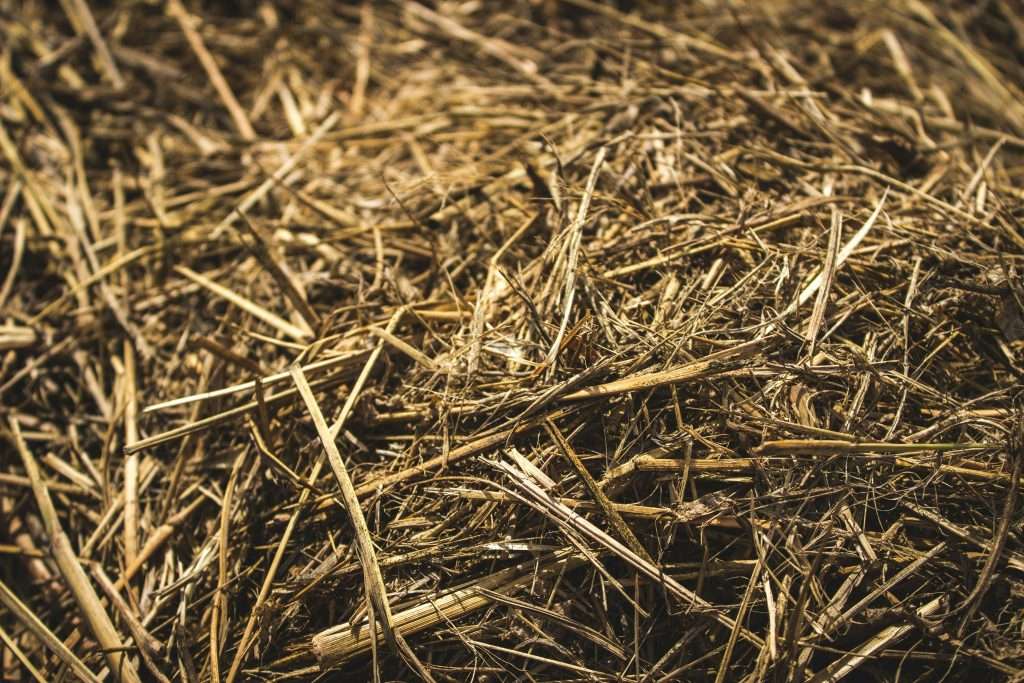
Fungal contamination is a major defect in packaged forage. Moldy hay can expose rabbits to fungal spores and other potentially harmful contaminants, creating respiratory and digestive health risks.
What Moldy Hay Looks Like
Mold in packaged grass does not always manifest as bright green fuzz. Watch for these subtle visual warnings:
- Fuzzy or Webbed Patches: White, gray, or black filaments bridging the gaps between compressed stems.
- Discolored Clumps: Localized clusters of dark, ash-gray, or discolored stalks that stick together.
- Powdery Film: A dull, chalky coating on individual stems that rubs off as a dark or pale residue.
What Moldy Hay Smells Like
Mold-affected hay often develops a musty, damp, or otherwise abnormal smell. Fungal growth produces a heavy, damp scent reminiscent of wet soil or decaying leaves. If hay has a clearly musty, sour, or spoiled odor, don’t feed it.
Can Mold Be Hidden Inside a Box or Bale?
Yes. Mold spores thrive in warm, damp environments. If hay is baled before it has dried thoroughly in the field, moisture trapped in the dense core initiates internal heating and mold growth, even while the outer layer remains dry and clean. Always inspect handfuls pulled from the center of a box or bale rather than relying on the appearance of the top layer.
Can You Remove the Moldy Part and Feed the Rest?
No. If genuine mold is present, the safest approach is to discard the affected bag, box, or bale rather than trying to sort out apparently clean portions. Fungal spores spread easily beyond the visually affected areas, and discarding questionable forage prevents unnecessary health risks.
7. How to Tell if Rabbit Hay Is Too Damp
Moisture control is the primary mechanism used to preserve harvested hay. When grass is thoroughly dried before packaging, it remains stable for extended periods. When excess moisture is present, microbial activity resumes rapidly.
Why Damp Hay Is a Red Flag
Dampness in hay allows bacteria, yeasts, and fungi to multiply. As these organisms consume plant sugars, they generate heat, which further accelerates decay and destroys essential nutrients. Damp hay creates conditions that favor microbial spoilage and mold growth, which is why visibly or noticeably damp hay should not be fed to rabbits, protecting the stability of a fiber-rich daily menu.
Signs of Moisture Problems
When evaluating a package, inspect for these physical signs of excess water content:
- Stems that feel cold, limp, or noticeably flexible rather than crisp and brittle.
- Dense clusters of stalks glued together in tight, heavy blocks.
- Visible condensation droplets clinging to the inside of plastic bags or storage liners.
- Unusual warmth radiating from the center of a newly opened box or bale.
What if Only the Packaging Is Damp?
If shipping packaging arrives damp due to rain during transit, immediately open the container and inspect the contents. If the packaging is damp but the hay itself remains completely dry, clean-smelling, and otherwise normal, inspect it carefully before feeding. However, if moisture reached the hay, the affected areas will spoil quickly in sealed storage and must be discarded.
8. Are Weeds, Seed Heads, and Debris Normal in Rabbit Hay?
Because hay is an agricultural crop harvested directly from open fields using heavy machinery, non-target plants and foreign material occasionally make their way into final packaging.
Normal Plant Material vs. Contamination
A healthy hay field contains a variety of broadleaf meadow plants alongside target grasses. Finding occasional seed heads, harmless broadleaf plant fragments, or varied grass species is completely normal. Commercial hay is a natural product, and absolute uniformity is neither realistic nor necessary.
Seed heads in particular are a completely normal part of mature grass hay and are not signs of contamination. Timothy seed heads resemble long, fuzzy cylinders, whereas oat hay features prominent, flattened grain heads. If a seed head is attached naturally to an otherwise clean, dry stalk, there is no reason to remove it.
Foreign Objects That Warrant Concern
While stray field plants and seed heads are common, foreign trash and major contamination require immediate action. Inspect your rabbit’s daily supply for baler twine, plastic wrapping, wire, rocks, heavy soil clumps, animal droppings, or rodent remains.
If you encounter a single piece of twine, simply remove it and inspect the surrounding hay. However, if a bag contains widespread soil contamination, crushed insects, or foreign chemical odors, discard the batch entirely. Taking a moment to shake out loose dirt before filling feeders makes it much easier to catch unwanted debris.
9. Is Old Hay Automatically Bad?
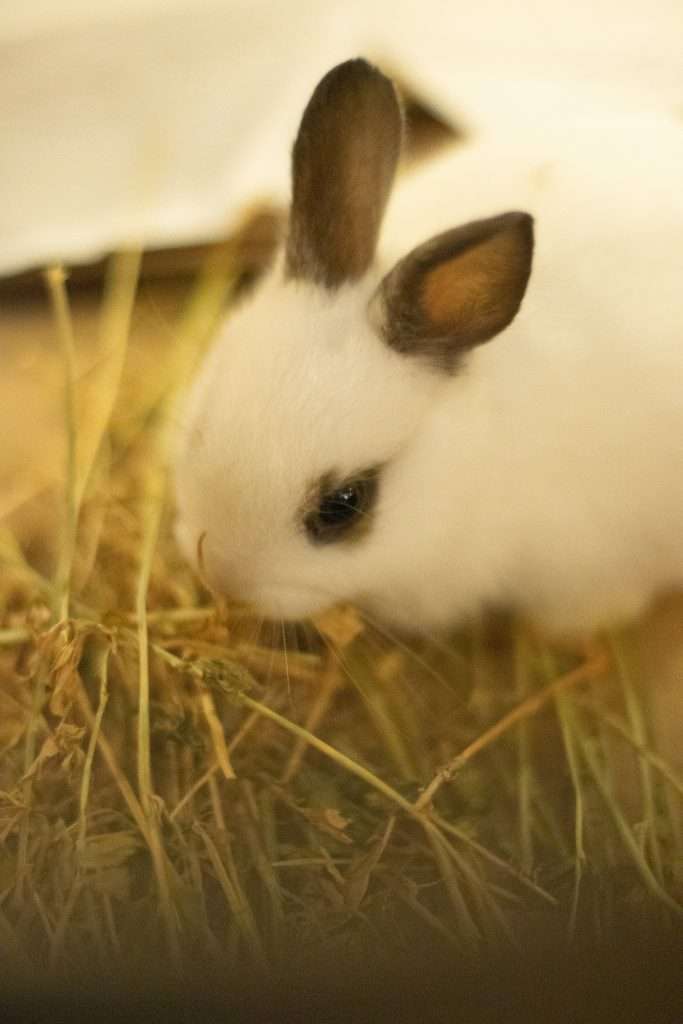
There is a fundamental difference between forage that has lost peak freshness and forage that is unsafe. Freshness and safety are not the same thing.
As dried grass ages, it gradually loses chlorophyll and volatile aromatic compounds. Over time, green hay fades to a pale tan and loses its sweet, field-fresh scent. Time and air exposure can also cause gradual vitamin degradation, even though the hay still retains its structural fiber.
Properly stored hay may remain acceptable to feed after its brightest color and strongest aroma begin to fade, provided it remains dry, clean, and free from mold or abnormal odors. High-fiber forage remains the foundation of a complete daily nutritional routine, so condition matters more than appearance alone.
Hay quality is better judged by its condition than by age alone. Rather than relying on dates, inspect its smell, dryness, cleanliness, and overall condition before feeding.
10. What if My Rabbit Refuses a New Bag of Hay?
It can be alarming when your pet suddenly ignores a newly opened bag of hay. However, a rabbit refusing one new batch does not prove that the forage is spoiled or dangerous.
Rabbits possess acute senses of taste and smell, making them highly sensitive to subtle variations between harvests. Different harvests naturally vary in aroma, texture, maturity, and taste, so a rabbit may prefer one batch over another.
If your pet refuses a new package:
- Inspect the batch using the smell, moisture, dust, and mold checks above.
- If it passes all physical safety checks, your rabbit may simply prefer a different texture, sweetness level, or harvest. Try mixing a handful with an established favorite or offering stems from a different part of the box.
- When a pet ignores fresh forage while still eating pellets but refusing hay, or shows sudden picky behavior, reviewing common causes for why a rabbit turns away from hay can help pinpoint the issue.
- If a rabbit repeatedly refuses multiple batches of acceptable hay while showing signs like drooling, selective eating, or difficulty chewing, underlying dental disease should be evaluated by a vet.
- If your pet stops eating food generally—including treats, pellets, and greens—that indicates a medical emergency rather than a picky palate. Refer to my guide on what to do when a rabbit stops eating for immediate health steps.
11. How to Inspect a New Bag, Box, or Bale
Establishing a consistent inspection routine helps you spot quality issues before compromised forage ever reaches your pet’s litter box or feeder. Follow this six-step procedure whenever you open new hay:
- Smell the Opening: Check for a sweet, grassy scent versus a musty or sour odor.
- Visual Surface Scan: Look across the top layer for damp patches, dark discoloration, or obvious foreign debris.
- Core Sampling: Reach deep into the center of the box or bale to check inner stems, where moisture is often trapped.
- Tactile Check: Ensure stems feel crisp and dry rather than cool, limp, or clammy.
- Agitation Test: Gently shake a handful over a container to verify if loose material is dry leaf fragments or clouds of airborne dust.
- Continuous Monitoring: Re-inspect lower layers as you work through the package over several weeks.
12. Fresh Hay vs. Lower-Quality Hay vs. Unsafe Hay
Categorizing hay into three clear tiers helps prevent the common mistake of throwing away perfectly safe, slightly imperfect hay, while ensuring hazardous material is discarded immediately.
Tier 1: Fresh, Good-Quality Hay
- Completely dry and crisp to the touch.
- Vibrant green to naturally sun-bleached light green/tan.
- Fragrant, grassy, or pleasant sweet aroma.
- Low dust content consisting mainly of fine leaf fragments.
- Free from mold, dampness, and foreign debris.
Tier 2: Lower-Quality or Less Appealing Hay
- Pale yellow, straw-colored, or heavily sun-bleached.
- Mild, weak, or stale aroma, but no musty or sour smells.
- Brittle stalks with a higher proportion of broken fragments.
- Coarse, thick stems with lower leaf ratios.
- These traits do not automatically make hay unsafe, provided it also passes the smell, moisture, mold, and contamination checks.
Tier 3: Unsafe Hay (Discard Immediately)
- Visible white, gray, or black mold filaments or powder.
- Distinct musty, mildewed, sour, or rotting odors.
- Damp, wet, clammy, or warm to the touch.
- Plentiful dark, slimy, or decaying plant clusters.
- Contaminated with dirt clouds, animal droppings, trash, or unidentified plant material you cannot confidently assess as safe.
Summary Rule: Discard hay immediately if it is moldy, musty or sour-smelling, damp, decaying, or clearly contaminated. Otherwise, inspect minor flaws closely before deciding to throw it out.
13. Quick Rabbit Hay Quality Checklist
Before filling your rabbit’s hay rack today, run through these essential checks:
- [ ] Scent: Does it smell like clean, dried grass rather than a damp basement?
- [ ] Dryness: Do the stems feel completely dry and crisp in your hand?
- [ ] Mold Check: Are the stalks free of gray fuzz, white webbing, or dark chalky powder?
- [ ] Dust Levels: Is the loose material composed of green leaf fragments rather than dense airborne dust clouds?
- [ ] Cleanliness: Is the batch free of baler twine, plastic, soil clumps, and droppings?
- [ ] Consistency: Does the hay inside the center of the box match the quality of the top layer?
If your current batch passes these core smell, dryness, and cleanliness checks, natural variations in leaf texture, stalk thickness, and green-to-yellow color are simply normal agricultural fluctuations.
14. Common Rabbit Hay Problems at a Glance
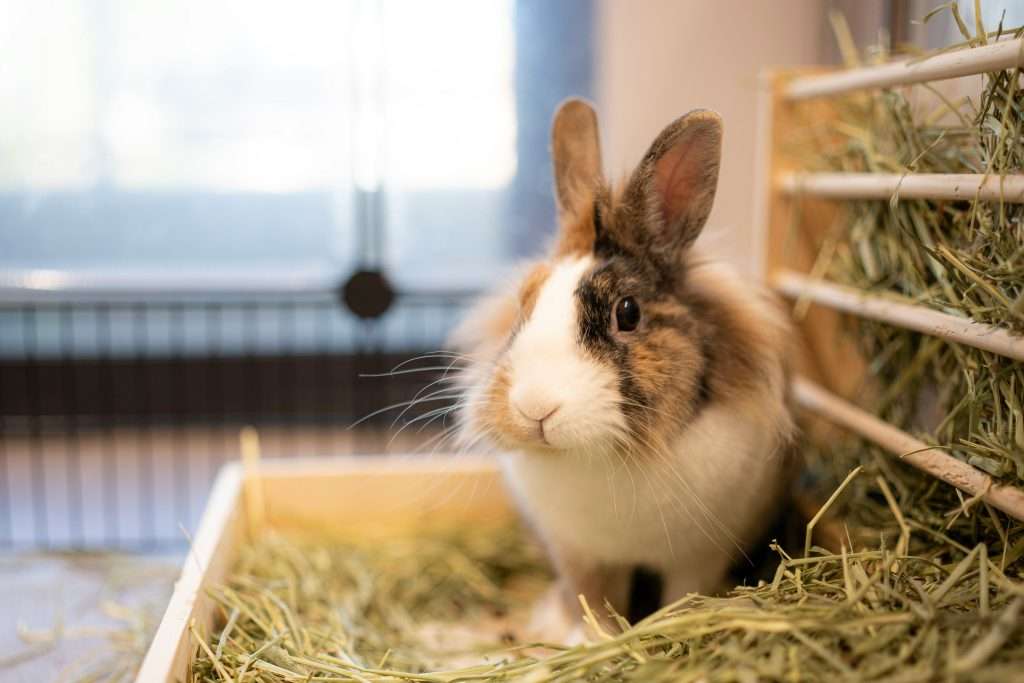
It can be confusing when hay doesn’t look perfect. The following table provides a quick-glance diagnostic guide to help you interpret specific physical characteristics you might notice in your hay:
Common Rabbit Hay Problems at a Glance
| What You Notice | What It Usually Means | What to Do |
|---|---|---|
| Hay is pale yellow or tan | Often normal sun bleaching or mature stems | Check smell, dryness, and overall condition |
| A few brown stalks | Normal plant variation or aging | Inspect the rest of the batch before discarding |
| Hay feels coarse or stemmy | Normal variation by species, maturity, or cutting | Feed if clean and dry; preference may vary |
| Hay feels brittle or breaks easily | Often older or heavily dried hay | Check for excessive dust and poor aroma |
| Fine green/tan powder at bottom | Usually broken leaves and hay fines | Avoid feeding large amounts of very dusty material |
| Normal seed heads | Mature grass growth | Safe if attached to otherwise clean hay |
| Rabbit rejects a new batch | May be a preference or harvest difference | Inspect for spoilage first, then try another section or batch |
| Musty or sour smell | Possible spoilage or mold | Do not feed |
| Damp or clammy stems | Excess moisture and spoilage risk | Discard affected hay |
| Fuzzy, webbed, or suspicious powdery growth | Possible mold | Discard the affected package |
15. Frequently Asked Questions
Is brown hay safe for rabbits?
A few scattered brown stalks are not automatically a sign of spoilage and may simply reflect normal plant aging or weathering. However, if an entire box is dark brown, damp, or musty, it indicates heavy weathering or spoilage and should not be fed.
Is yellow hay bad for rabbits?
No. Yellow or tan hay can still be acceptable to feed if it is dry, clean, and free from mold or abnormal odors. Yellowing is usually just sun-bleached grass that lost chlorophyll while drying in the field.
What does mold on rabbit hay look like?
Mold can appear as web-like white filaments, fuzzy dark spots, gray clumps of matted stems, or a pale, chalky powder clinging to the stalks.
Is dusty hay safe for rabbits?
Small amounts of dry green or tan leaf fines are normal. However, forage that creates thick clouds of airborne dust should be avoided, as inhaling fine particles can irritate your rabbit’s delicate respiratory system.
Why is there powder at the bottom of my hay bag?
Powder at the bottom of a bag is usually composed of shattered leaves and fragile seed heads that broke apart during transport. This is usually normal plant material, though very dusty fines should be sifted out.
Are seed heads normal in rabbit hay?
Yes. Seed heads are a normal part of mature grass hay and are not by themselves a sign that the hay is spoiled or contaminated.
Why does every bag of rabbit hay look different?
Hay is an outdoor agricultural crop. Soil conditions, weather patterns, seasonal temperatures, rainfall levels, and harvest timing vary with every cutting, creating natural differences from batch to batch.
Should I throw away hay my rabbit won’t eat?
Not right away. First, inspect it for hidden mold, excessive dust, or dampness. If the batch passes all safety checks, your pet may simply be reacting to minor flavor or texture variations between harvests.
16. Final Takeaway
Evaluating rabbit hay comes down to looking at the whole picture rather than relying on a single feature like color. A pale stalk, a coarse stem, or an abundance of seed heads are all normal variations in a natural crop.
Real quality problems show up clearly across multiple senses: a musty smell, damp stems, fuzzy growth, or heavy dust clouds. By trusting a simple inspection routine based on smell, touch, and overall cleanliness, you can easily filter out bad batches while keeping safe, high-fiber forage in your rabbit’s diet every day.
Medical & Veterinary Disclaimer: Bunnyowners.com is an informational resource for rabbit owners and enthusiasts. We are not veterinarians. The content on this website is for educational purposes only and is not a substitute for professional veterinary advice, diagnosis, or treatment. Always consult a qualified veterinarian with any questions or concerns regarding your pet’s health, medical conditions, diet, or overall care. If you have concerns about your rabbit’s health, it’s always best to reach out to a veterinarian rather than relying solely on information found online.