
Veterinary & Affiliate Disclaimer: Bunnyowners.com shares educational rabbit care resources, not professional veterinary advice. Always consult a qualified veterinarian regarding your rabbit’s medical, dietary, or behavioral needs. This post may also contain affiliate links; as an Amazon Associate and affiliate partner, we earn from qualifying purchases at zero extra cost to you.
Walking down the pet aisle or sharing fresh fruit from the kitchen makes it easy to assume treats are a harmless daily routine. Between brightly colored seed sticks, yogurt drops, and sweet banana slices, figuring out what is truly safe and how much a rabbit can enjoy without getting an upset stomach can be tricky. The key is remembering that treats are purely optional extras for fun, bonding, and training—not foods your rabbit actually needs to stay healthy.
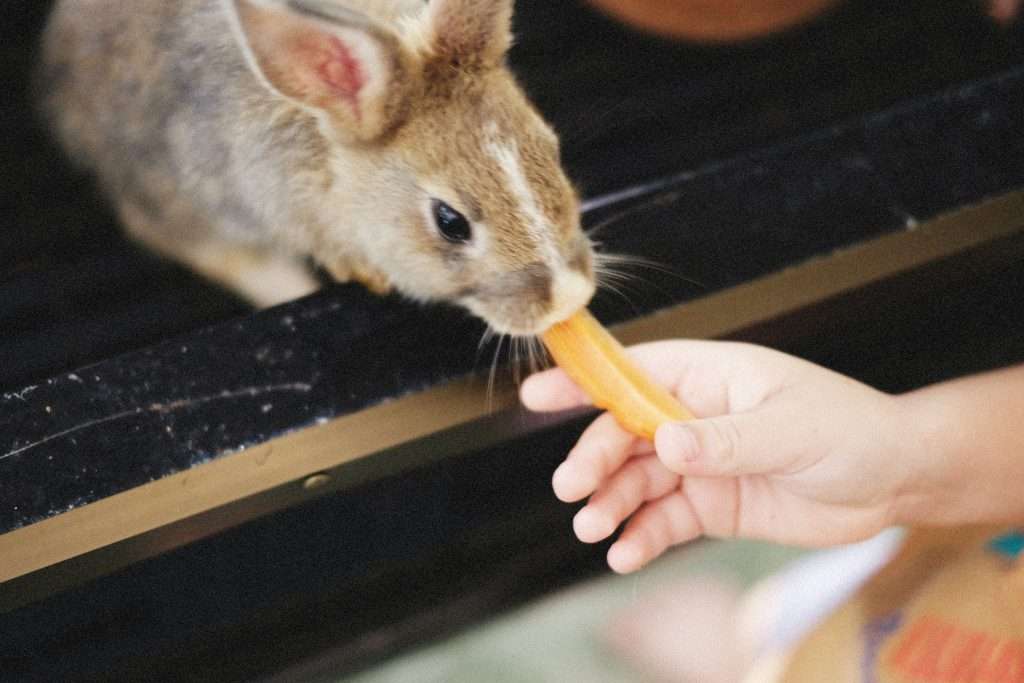
Healthy adult rabbits can generally enjoy small amounts of safe treats, such as a sliver of apple, a thin slice of carrot, or simple hay- and herb-based snacks. Treats should always stay a minor extra and should never push out unlimited fresh grass hay or regular balanced meals. How much your rabbit can handle depends on the specific treat, their body size, and their personal digestive tolerance, so keeping servings tiny and conservative is generally the safest approach.
In this guide, you will learn how to accurately portion fresh and dried snacks, spot misleading pet-store labels, and use low-sugar rewards for bonding and teaching tricks as part of a healthy rabbit feeding plan. In this guide, we break down what really counts as a good treat, how to avoid common mix-ups like the whole family handing out snacks, and how to tell when it’s best to take treats off the menu for a bit.
1. What Counts as a Treat for a Rabbit?
For a rabbit, a treat is simply any extra snack offered for fun, playtime, learning tricks, or bonding rather than something they need to stay nourished.
A healthy rabbit digestive system depends on a high-fiber, low-sugar diet. When you offer anything beyond that everyday foundation, the type of food decides whether it is a regular staple or a rich, special extra.
To see where everyday favorites land, take a look at the quick breakdown below:
Dietary Role and Treat Status of Common Rabbit Foods
| Food Category | Normal Daily Role | Is It a Treat? | Practical Handling |
|---|---|---|---|
| Grass Hay (Timothy, Orchard, Oat) | Main daily food staple | No | Unlimited 24/7 access |
| Rabbit-Safe Leafy Greens | Daily fresh hydration and greens | Usually No | Daily measured salads |
| Plain Measured Pellets | Concentrated nutritional supplement | No | Strictly measured daily |
| Fresh Fruit (Apple, Berry, Banana) | Sweet supplemental extra | Yes | Very small, occasional nibbles |
| Carrots & Sweet Root Veggies | Starchy, sugary supplemental snack | Yes | Treat-like; small pieces only |
| Dried Fruit (Raisins, Papaya) | Concentrated sugar without water | Yes | Extremely tiny pinches |
| Hay-Based & Herbal Biscuits | Crunchy, high-fiber extra | Yes | Occasional fun snacks |
| Commercial Seed/Honey Sticks | High-fat, high-sugar snack | Yes (Avoid) | High in fat and sugar; not appropriate as routine rabbit treats |
The Treat vs. Training Reward Distinction
Not every reward that sends your rabbit into happy zoomies needs to be a piece of sugary fruit. One of the handiest strategies for rabbit owners is separating a training reward from a sugary treat.
A sprig of fresh dill, a stem of cilantro, or a single fragrant leaf of basil pulled right from your rabbit’s daily bowl of fresh salad greens works wonderfully to reward a quick spin or good litter box habits—without sneaking extra sugar into their day.
2. Do Rabbits Actually Need Treats?
Nutritionally speaking, no. Pet rabbits do not need commercial biscuits, sweet fruits, or starchy snacks to live their best lives. An everyday menu of fresh grass hay, clean water, leafy greens, and a measured scoop of plain pellets gives them the complete foundation of a healthy rabbit diet.
Still, offering a little snack has plenty of practical perks when done thoughtfully:
- Teaching Fun Behaviors: Tiny rewards make positive reinforcement training, like coming when called or hopping into a travel carrier, easy and stress-free.
- Building Trust & Bonding: Hand-feeding treats helps shy rabbits realize you are their friend and makes gentle petting routines much easier.
- Checking On Their Appetite: A rabbit that comes running for a favorite herb or berry is usually showing a strong appetite. If they suddenly turn their nose up at a beloved treat, it gives you an early heads-up that they might be feeling under the weather.
In my daily routine with my two house rabbits, Mocha and Chino, I’ve noticed that the excitement is really about the reward itself, not how big it is. Handing over a fingernail-sized sliver of strawberry gets the exact same eager nose twitches and happy chewing as offering a much larger piece—without loading their digestion with extra sugar.
3. How Much Treat Can a Rabbit Have?
There is no single portion size that fits every rabbit out there. Setting up a safe snack routine starts with knowing appropriate daily feeding amounts so rich extras do not crowd out the long-strand hay they need.
Published rabbit-care guidelines offer helpful upper limits rather than daily quotas you have to fill. For example, some trusted sources suggest keeping sweet extras down to one teaspoon of fresh fruit per two pounds of body weight as a safe ceiling.
Other experienced veterinarians prefer limiting high-fiber fruit to once or twice weekly to keep sensitive digestive tracts on track. Think of these amounts as upper limits, not targets to reach.
Understanding the Portion vs. Piece Dilemma
It is easy to get caught up in vague terms like “one piece.” A single strawberry can be tiny or huge, and a banana slice can be paper-thin or an inch thick. To get a realistic sense of what a safe serving looks like, check out the simple guide below:
Practical Visual Portions by Treat Category
| Treat Variety | Easy Visual Guide | Practical Portion Style |
|---|---|---|
| Fresh Fruit (Berries, Apples) | Tiny cube or sliver | Very small bite-sized nibble |
| Sweeter Root Veggies (Carrots) | Thin round coin | Single thin slice |
| Dried Fruit (Cranberries, Raisins) | Fraction of a whole piece | Tiny pinch or partial piece |
| Hay/Herb Biscuits | Biscuit broken into crumbs | Follow package guidelines |
| Training Rewards | Pinches of fragrant herbs | Tiny shreds of a single leaf |
Things That Affect How Many Treats Your Rabbit Can Handle
Before handing over a tasty snack, keep these three practical factors in mind:
- Body Condition: Rabbits carrying extra weight do best when sugary and starchy snacks are paused while you help them slim down.
- Everyday Hay Appetite: A rabbit that consistently eats plenty of grass hay every day is generally better positioned to tolerate small extras.
- Digestive Stability: Rabbits prone to sticky or messy droppings need strict limits on sugars, especially because nutritional needs change across different life stages.
4. How Often Can Rabbits Have Treats?
How often you can offer treats comes down to what kind of treat it is and how much you give overall. Setting up a dependable routine is easiest when paired with a consistent daily feeding schedule.
Remember, frequency and total amount are two different things. Giving five tiny pinches of dried dill during a five-minute trick session does not mean your rabbit had five big snack sessions—it just means you broke one small daily treat into five fun moments.
- Sweet Fruits & Root Veggies: Keep servings small and occasional. Even if some guidelines allow tiny daily tastes, rabbits do not need fruit every day, and saving it for a few special days a week is an easy, conservative routine.
- Rich Dried Fruits: Best kept as an rare, special indulgence instead of a regular habit.
- Fresh Herbs (Basil, Mint, Cilantro): Can be shared daily in small pinches, as long as you count them toward your rabbit’s daily fresh salad.
- Plain Hay Cubes & Dried Forage: Can be offered a few times a week for fun chewing and foraging games.
5. Safe Natural Rabbit Treats
When choosing treats, simple whole foods with minimal added ingredients are often the easiest treats to evaluate. They make it straightforward to see exactly what is going into your rabbit’s bowl.
Fresh Fruit Options
Fresh fruits provide natural moisture, but their natural sweetness means they belong in the occasional snack category. The table below lists popular safe fruits, simple prep steps (like removing unsafe seeds and hard pits), and modest serving sizes:
Safe Fresh Fruits, Preparation Notes, and Portions
| Fruit | Simple Prep & Safety Notes | Practical Portion |
|---|---|---|
| Apples | Always remove all seeds and the core. | Small, thin slice |
| Bananas | Super sweet and soft; very easy to overfeed. | Very thin coin slice |
| Blueberries | Naturally bite-sized; skin adds good fiber. | One or two small berries |
| Strawberries | Rinse well; leave the green top on for chewing. | Small bite or slice |
| Raspberries | Naturally soft texture; easy to break apart. | One or two berries |
| Pears | Remove all seeds, core, and stem. | Small, thin cube |
| Watermelon | Lots of sweet juice; feed sparingly. | Small cube |
| Peaches | Take out the hard center pit completely. | Thin slice |
Rotating through suitable fresh fruits for rabbits adds variety while keeping higher-sugar options in moderation.
Sweeter Vegetables and Herbs
Some kitchen vegetables act a lot more like sugary fruit than everyday salad. For instance, while crunchy sweet carrot roots work best as an occasional reward, the leafy green carrot tops can be fed every day in their salad. Thin strips of sweet bell pepper or small parsnip shavings can also be shared now and then in tiny amounts.
If you want to treat your rabbit frequently without adding extra sugar, fragrant culinary herbs (like dill, mint, basil, and cilantro) and dried edible flowers (like chamomile, rose petals, and marigold) make tasty rewards that naturally match what rabbits thrive on.
6. Fresh Fruit vs. Dried Fruit: Understanding Density
One of the easiest ways to accidentally give a rabbit too much sugar is treating dried fruit the same as fresh fruit. When fruit is dried out, the water disappears, but all the natural sugars stay right there. That concentrates all the sweet flavor into a tiny package, making dried fruit much richer than it looks.
Take a look at the quick comparison below to see why visual size can be tricky:
Fresh Fruit vs. Dried Fruit Comparison
| Snack Feature | Fresh Fruit | Dried Fruit |
|---|---|---|
| Moisture Level | High (Juicy and fresh) | Very Low (Chewy and dry) |
| Visual Bowl Size | Looks like a normal bite | Looks tiny and misleading |
| Sugar in Every Nibble | Naturally diluted by water | Packed and concentrated |
| Risk of Giving Too Much | Moderate | Higher |
| Easy Serving Guide | Small, measured piece | Tiny fraction of a single piece |
If you buy dried fruit for your rabbit, make sure to pick plain varieties with no added sugar or sweetened coatings, and keep the serving to a tiny sliver of a single piece.
7. Are Store-Bought Rabbit Treats Safe?
Just because a colorful bag has a cute rabbit picture on the front does not mean the snack inside is great for everyday feeding. Many commercial treats are made to sit on store shelves for a long time or look appealing to human buyers rather than support a rabbit’s natural digestion.
A rabbit’s digestive system runs smoothest on low-energy, high-fiber forage. Packaged snacks packed with honey, molasses, or dairy can easily throw their digestion off balance.
Use the simple checklist below to evaluate ingredients before buying new treats:
Evaluation of Common Commercial Treat Formulations
| Common Package Ingredients | Safety Check | Practical Takeaway |
|---|---|---|
| Timothy Hay + Dried Mint / Herbs | Generally Appropriate | High fiber; matches what rabbits naturally eat. |
| 100% Freeze-Dried Pure Fruit | Safe in Tiny Bits | No additives, but still concentrated natural sugar. |
| Baked Seed & Honey Sticks | Skip These | Too fatty and sugary for rabbit digestion. |
| Yogurt Drops / Milk Treats | Skip These | Dairy-based treats are not appropriate for adult rabbits. |
| Crunchy Alfalfa Biscuits | Use Selectively | Rich in protein and calcium; best as a rare treat for adult rabbits. |
| Colorful Cereal & Grain Shapes | Skip These | Starchy ingredients that provide poor-quality fiber. |
8. Treats Rabbits Should Never Eat
Some human kitchen snacks and store-bought items are completely unsafe for rabbits and should never be offered, even in tiny tastes:
- Chocolate, Candy, and Cocoa: Carry serious theobromine toxicity risks that are dangerous for a rabbit’s heart and nervous system.
- Bread, Crackers, Pasta, and Cereal: Heavy, starchy foods that are too rich for a rabbit’s digestive tract.
- Avocado: Contains persin, a natural compound that is unsafe for rabbits.
- Onions, Garlic, Shallots, and Chives: Can damage red blood cells and cause serious illness.
- Nuts and Seeds: High in fat and are not appropriate routine foods for rabbits.
Because everyday kitchen items and houseplants can be dangerous, it helps to be familiar with unsafe foods for rabbits before sharing anything from the fridge.
9. Using Treats for Training and Enrichment
Rabbits are remarkably clever and love learning when fun rewards are involved. When teaching tricks or keeping their minds active, the secret is keeping your rewards tiny, easy to eat, and engaging.
The Micro-Portion Strategy
During a quick learning session, your rabbit gets excited about how often they get a reward, not how large the food is. Handing over a big chunk of fruit stops the fun right away because your rabbit gets full, sticky, and starts grooming their face.
- Cut Treats in Advance: Snip a thin piece of fruit or herb stem into tiny, seed-sized pinches before you begin.
- Hand It Over Quickly: Offer the reward right as your rabbit performs the cue, pairing it with cheerful praise or a clicker.
- Use Regular Pellets: Saving a few pellets from their normal daily bowl makes great, healthy training rewards without adding extra calories.
Pairing small tasty bites with a consistent cue makes teaching basic rabbit commands gentle, engaging, and cooperative.
Simple Enrichment Ideas
- Hay Box Treasure Hunt: Mix a pinch of dried chamomile or raspberry leaf into their main hay rack so they can dig around and hunt for good bits.
- Cardboard Snack Roll: Stuff an unprinted cardboard tube with fresh hay and hide a sprig of fresh parsley right in the middle.
- Hand-Feeding for Trust: Lay a fragrant herb flat on your open palm on the floor and let a nervous rabbit hop over to grab it at their own pace.
When watching Mocha and Chino explore their play pen during our evening routines, I’ve found that scattering loose dried botanicals like dandelion greens and chamomile flowers across their cardboard tunnels creates far more sustained mental engagement than dropping a piece of fruit in a bowl. They spend twenty to thirty minutes actively foraging, nudging, and tossing toys to find every dried leaf.
10. How to Safely Introduce a New Treat
A rabbit’s digestive tract relies on a balanced, steady microbial community to ferment fiber. Giving new foods slowly gives their system plenty of time to adjust comfortably:
- One New Item at a Time: Never offer two brand-new treats on the same day so you can easily spot what caused any digestive upset.
- Start with a Tiny Nibble: Offer a single piece no larger than your thumbnail.
- Watch the Litter Box for 24 Hours: Make sure droppings stay round, dry, and regular, and that your rabbit is eating their normal hay.
In my home, whenever I test a new rabbit-safe botanical forage or fruit slice with our rabbits, my first stop the next morning is always the litter tray. If you notice any soft, clumped, or messy droppings, pull the new snack right away and check my guide on signs of soft cecotropes to help get their digestion back on track.
11. When to Limit or Completely Skip Treats
There are times when treats should be put on pause to keep your rabbit safe and comfortable:
- Skipping Hay: If your rabbit starts ignoring their hay rack to hold out for pellets or sweet snacks, hit pause on treats and rich extras. If they continue turning their nose up at hay, investigate the underlying reasons rabbits stop eating hay to help rule out dental issues or mouth pain.
- Messy Stools: Sticky or unformed droppings can be a sign that sugary extras should be reduced while the overall diet is reviewed.
- Carrying Extra Weight: Extra body weight puts stress on small joints and can easily interfere with grooming and cecotrope consumption.
- Loss of Appetite: Never use sweet treats to bribe an ailing rabbit into eating when they clearly feel unwell. A rabbit that refuses their normal meals could be showing early signs of digestive stasis and needs to be seen by a rabbit-savvy vet right away.
Keeping a rabbit’s digestive tract moving smoothly is the whole secret to their health, which is why maintaining steady digestion and gut motility should never take a back seat to sweet snacks.
12. Common Rabbit Treat Mistakes to Avoid
Even the most dedicated rabbit owners occasionally fall into common feeding mix-ups. The table below covers everyday snack habits that can cause digestive trouble, along with quick, practical fixes:
Common Feeding Mistakes, Associated Risks, and Solutions
| Common Feeding Mistake | What Can Go Wrong | Easy Fix |
|---|---|---|
| Giving a whole fruit (like a full apple or banana) | Sugar overload, soft droppings, and excess weight | Cut fruit into tiny, bite-sized slivers and save the rest for yourself. |
| Everyone in the house sharing snacks separately | Accidental overfeeding from multiple family members | Set up a shared daily treat container on the counter so portions are visible. |
| Counting every training nibble as a big treat | Rabbit gets full fast and consumes too many extras | Snip one small snack allowance into tiny training crumbs before you start. |
| Thinking dried fruit is the same size as fresh | Delivers a dense dose of sugar in a deceptive shape | Offer tiny fractions of a dried piece or stick to fresh green herbs. |
| Treating crunchy carrots like leafy salad | Starch and sugars sneak in too frequently | Treat root slices as rare goodies; use carrot greens for their daily salad. |
| Trusting pet-store labels without checking | Accidentally feeding dairy, honey, and corn | Read the back ingredient list; avoid yogurt drops and seed sticks. |
| Handing out treats when hay eating drops | Rewards picky eating and masks mouth discomfort | Pause all treats to get them back on hay, and check their teeth if refusal continues. |
The “Household Treat Stacking” Hazard
In busy homes, family members often hand out treats without realizing someone else already did. A partner gives a sliver of banana in the morning, the kids share a carrot slice after school, and another family member tosses in a store-bought biscuit before bed.
Whenever visitors or family are around my house, I quickly learned how easy it is for well-meaning treat-giving to get out of hand. While every single treat seemed harmless on its own, a rabbit can end up eating far more sweet snacks than anyone intended. Keeping a small, clear treat dish on the counter means once it is empty for the day, everyone in the family knows treat time is finished.
13. Quick Rabbit Treat Checklist
Before you hand your rabbit a treat today, run through this quick 6-point checklist:
- [ ] Is the snack 100% rabbit-safe? (Free of chocolate, dairy, whole seeds, onions, and added sugars)
- [ ] Is the portion nice and small? (A tiny cube for fruit, a pinch for herbs)
- [ ] Is your rabbit eating plenty of hay today? (Good, normal daily hay appetite)
- [ ] Are droppings looking normal? (Round, firm, dry, and regular)
- [ ] Did anyone else in the house give a treat today? (Check the shared treat dish)
- [ ] Is this a familiar food? (If it’s new, offer a micro-nibble and watch for 24 hours)
14. Frequently Asked Questions
What are the best treats for rabbits?
The best treats are simple, natural, and low in sugar. Fresh herbs like dill, mint, and cilantro, pure dried flowers (like chamomile and rose petals), and crunchy hay-based biscuits give your rabbit wonderful flavor and fun chewing without overloading their digestive system with sugar.
What fruit can rabbits eat as treats?
Rabbits can safely eat small pieces of apples (seeds removed), blueberries, strawberries, raspberries, pears, peaches, and bananas. Make sure all fruits are washed and served in tiny, bite-sized amounts.
How much fruit can a rabbit have in a day?
If you offer fruit on a given day, keep the portion very small and matched to your rabbit’s body size. Offering a tiny bite a few times a week is a great, conservative way to keep sweet extras from pushing out their daily hay.
Can rabbits eat carrots every day?
No. Carrot roots are high in natural sugars and starches, so they work best as occasional special rewards. The leafy green tops, however, are great to mix into their daily salad bowl.
Can rabbits eat bananas?
Yes, rabbits love bananas, but they are very sweet, soft, and rich. A very thin slice occasionally is the safest way to prevent excess weight gain and soft stools.
Are store-bought rabbit treats healthy?
Many commercial treats contain yogurt, molasses, corn, and whole seeds that are not good for rabbits. Look for simple, hay-based biscuits or pure dried herbs, and always check the back ingredient list before buying.
Can baby rabbits eat treats?
Young rabbits have sensitive, developing digestive systems, so sweet fruits and rich snacks should not be introduced casually. It is best to stick to an age-appropriate diet and introduce new foods slowly and gradually as their digestive systems mature.
Can rabbits have dried fruit?
Rabbits can eat unsweetened dried fruit, but because drying concentrates all the natural sugars into a tiny package, you should keep portions down to a tiny fraction of a single piece.
Conclusion
Sharing treats with your rabbit should be a fun, happy part of your daily routine that builds trust without putting their digestive health at risk. At the end of the day, treats are fun extras—never a required meal.
The goal isn’t to see how many treats your rabbit can eat, but to pick simple, safe snacks, keep portions small, and make sure sweet treats never crowd out unlimited grass hay, fresh leafy greens, and measured pellets. When it comes to your rabbit’s health, a steady hay appetite, great energy, and a clean, normal litter box will always tell you far more than how eagerly they beg for another slice of banana.
Medical & Veterinary Disclaimer: Bunnyowners.com is an informational resource for rabbit owners and enthusiasts. We are not veterinarians. The content on this website is for educational purposes only and is not a substitute for professional veterinary advice, diagnosis, or treatment. Always consult a qualified veterinarian with any questions or concerns regarding your pet’s health, medical conditions, diet, or overall care. If you have concerns about your rabbit’s health, it’s always best to reach out to a veterinarian rather than relying solely on information found online.