
Veterinary & Affiliate Disclaimer: Bunnyowners.com shares educational rabbit care resources, not professional veterinary advice. Always consult a qualified veterinarian regarding your rabbit’s medical, dietary, or behavioral needs. This post may also contain affiliate links; as an Amazon Associate and affiliate partner, we earn from qualifying purchases at zero extra cost to you.
When a rabbit stops drinking due to stress or illness, catching fluid depletion early is a major challenge for owners. Because rabbits instinctively hide physical weakness to protect themselves from predators, they rarely show obvious signs of distress until they are significantly unwell. If you are currently monitoring an unusually quiet pet, establishing a definitive diagnostic baseline is critical before health complications emerge.
To spot rabbit dehydration early, owners should watch for key signs like a sudden loss of appetite, lethargy, small or dry droppings, sunken eyes, and dry or sticky gums. The primary underlying causes of this fluid loss typically range from dental pain and heat stress to progressive gastrointestinal stasis. Immediate home treatment includes offering open water bowls, serving soaking wet leafy greens, and cooling the room, but any rabbit displaying clear dehydration symptoms requires urgent veterinary medical care for targeted fluid therapy.
To safely evaluate these symptoms, calculate fluid needs, and know when to seek care, read my rabbit health hub before a mild issue escalates into a crisis. Recognizing these subtle physiological shifts early allows you to implement vital home support and make informed choices for your pet’s well-being. This guide arms you with the tactical knowledge required for accurate at-home triage, breaking down hidden causes of fluid loss, precise monitoring checklists, and diagnostic assessment steps.
1. How Much Water Should a Rabbit Drink Daily?
A rabbit’s daily water consumption is a foundational marker for monitoring their health. As a general rule of thumb, a healthy rabbit typically drinks approximately 50 to 150 milliliters of water per kilogram of body weight every single day. For a clearer real-world perspective, a small two-pound rabbit can frequently consume as much daily water as a twenty-pound dog. They are effectively furry, long-eared water filters.
my own rabbits, Mocha and Chino, perfectly demonstrate how varied these daily habits can be. Mocha completely refuses to use a traditional plastic water bottle and will only drink from a bowl, whereas Chino prefers the bottle and often plays with the valve. Providing both options ensures every rabbit can drink comfortably without staging a tiny thirst strike.
While the chart below outlines standard requirements by weight, keep in mind that individual fluid needs fluctuate. Larger body sizes naturally require a higher total volume of fluid, while rabbits on a heavy pellet diet or living in hot summer weather will drink significantly more than rabbits consuming moisture-rich fresh greens.
Average Rabbit Water Consumption by Weight
| Rabbit Weight | Typical Daily Water Intake (Ounces) | Typical Daily Water Intake (Milliliters) |
| 2 lbs (0.9 kg) | 1.5 – 4.5 oz | 45 – 135 mL |
| 4 lbs (1.8 kg) | 3.0 – 9.0 oz | 90 – 270 mL |
| 6 lbs (2.7 kg) | 4.5 – 13.5 oz | 135 – 405 mL |
| 8 lbs (3.6 kg) | 6.0 – 18.0 oz | 180 – 540 mL |
| 10 lbs (4.5 kg) | 7.5 – 22.5 oz | 225 – 675 mL |
2. What Causes Dehydration in Rabbits?
Dehydration rarely happens in a vacuum; it is almost always driven by an external physical obstacle or an underlying systemic health issue.
Mechanical and Environmental Obstacles
Simple physical and environmental issues can trigger rapid fluid depletion. A dirty water bowl, a ball-valve bottle that has frozen or become stuck, or localized environmental stress (such as traveling or moving into a new room) can cause a rabbit to stop drinking entirely.
Daily equipment checks are essential because a stuck metal ball can cut off a rabbit’s water supply instantly. If they choose to skip drinking altogether, you will notice your rabbit is not drinking water, which demands immediate investigation.
Gastrointestinal Stasis (GI Stasis)
When a rabbit’s digestive motility slows down, fluid is aggressively pulled out of the GI tract and into the body tissues, leaving the remaining stomach contents dry, impacted, and heavily dehydrated. This rapid fluid shift creates a vicious cycle that can cause a rabbit’s health to deteriorate within hours. This cascade occurs because decreased gut motility shifts fluid out of the intestine, drying out the remaining contents. This process is deeply tied to the broader pathology of gi stasis in rabbits.
Dental Disease and Oral Pain
Elongated spurs on the molars or incisor alignment issues cause severe oral pain. This intense localized discomfort directly discourages the rabbit from attempting to swallow water or physically manipulating a metal water bottle spout, quickly leading to a secondary drop in internal hydration. In many cases, dental disease in rabbits and overgrown teeth cause a sudden preference for water bowls over bottles because manipulating a metal valve becomes too agonizing.
Heat Stress and Overheating
Lacking the ability to sweat efficiently, rabbits overheat easily. Poor room ventilation, a lack of accessible shade, or heavy winter coats during sudden warm spells can trigger rapid dehydration as their bodies work overtime to try and dump heat through their ears—which act as their built-in radiators.
True Diarrhea and Fluid Loss
While rare in adult rabbits compared to soft, unformed cecotropes, genuine watery diarrhea causes catastrophic, sudden fluid loss. This severe, acute depletion robs the body of critical hydration and requires immediate medical stabilization at an exotic animal clinic. In young populations, conditions like intestinal coccidiosis spark severe diarrhea and lethal fluid depletion within a matter of days.
Systemic Illnesses and Infections
Chronic conditions like kidney disease alter the kidneys’ ability to concentrate urine, causing the rabbit to excrete too much fluid. Acute viral or bacterial infections, deep abscesses, and the physical stress of recovering from recent surgical procedures similarly disrupt normal daily drinking behaviors.
3. Why Rabbits Hide Their Symptoms
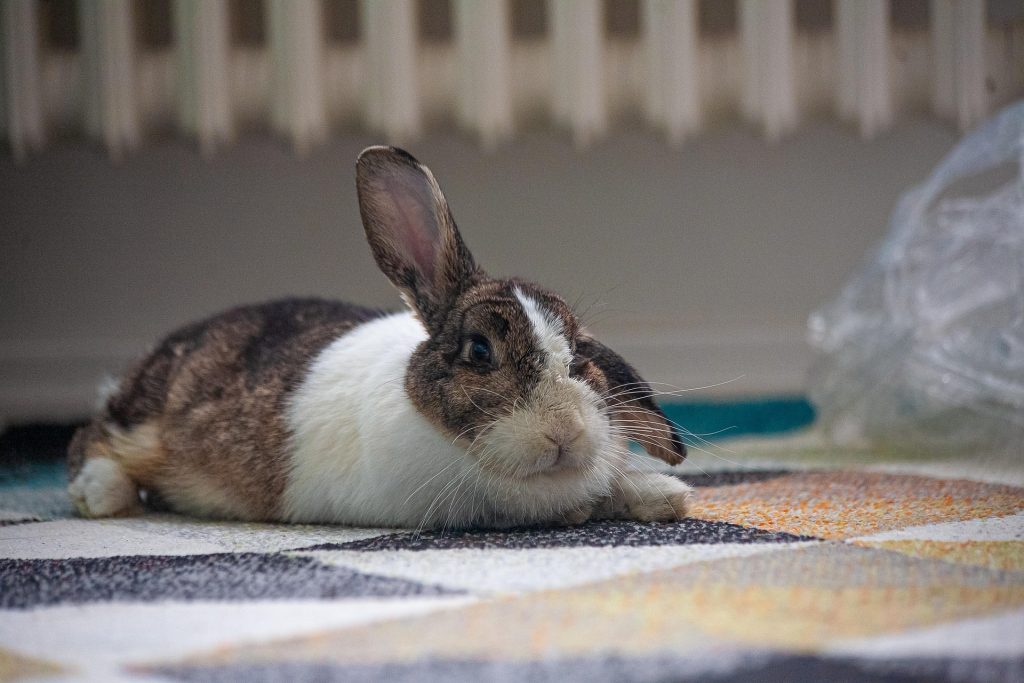
In the wild, showing any sign of physical weakness makes a rabbit an immediate target for predators. Consequently, domestic rabbits have retained an intense evolutionary drive to mask their symptoms until they are in an advanced state of physical distress. They are masters of the poker face.
By the time a rabbit visibly appears dull or sick, they may have been struggling with low fluid levels for hours or even days. This preservation instinct means owners must look past obvious behavioral cues and actively evaluate subtle diagnostic physical changes to determine if their rabbit is lethargic or not moving normally, helping to catch dehydration early before it spirals into a secondary digestive emergency.
4. Key Signs of Dehydration to Watch For
Monitoring a rabbit for fluid loss requires a keen eye for physical and behavioral changes. Use this diagnostic checklist to evaluate your pet’s physical condition:
- [ ] Drinking less than normal: A noticeable drop in the water line of a bowl or bottle over a 24-hour window is often the very first indicator.
- [ ] Smaller, drier droppings: As the body conserves water, it robs moisture from the digestive tract. Feces become notably small, hard, dense, and misshapen—looking more like stray peppercorns than normal rabbit pellets. If you are left wondering why your rabbit’s poops are small, systemic dehydration is a primary culprit.
- [ ] Loss of appetite: Dehydration quickly causes nausea and systemic discomfort, leading directly to a situation where a rabbit is not eating their usual pellets and favorite greens.
- [ ] Sluggish lethargy: The rabbit will spend extended periods sitting hunched in a corner, showing little to no interest in interacting or exploring their environment.
- [ ] Sticky or dry gums: Healthy rabbit gums are glistening, slippery, and pink. In a dehydrated rabbit, the mucus membranes feel tacky, sticky, or completely dry to the touch.
- [ ] Sunken eye sockets: In moderate to severe cases, the fat pads behind the eyes shrink due to fluid loss, causing the eyeballs to take on a noticeably receded, dull appearance within the sockets.
- [ ] Delayed skin elasticity: Gently lifting the loose skin between the shoulder blades and observing how fast it snaps back is a classic hydration check. In a well-hydrated rabbit, it snaps back instantly. If it forms a temporary “tent” and takes several seconds to return to normal, dehydration is likely.
- [ ] Cold peripheral ears: Poor peripheral circulation occurs when the body shunts remaining blood volume inward to protect vital organs, causing the ears to feel unusually chilly.
- [ ] Weakness and collapse: This is the final stage of severe dehydration. The rabbit cannot support its own weight, may lay completely flat on its side, and requires instant emergency intervention.
Important Note: The skin tent test is notoriously unreliable as a standalone diagnostic tool for rabbits. A rabbit’s skin structure differs significantly from dogs or cats; older rabbits or those with specific coat types can naturally have loose skin that tents even when hydrated, while young rabbits might retain skin elasticity despite moderate fluid loss. Never diagnose dehydration on skin tenting alone.
5. Home Hydration Assessment Framework
Evaluating a rabbit’s overall hydration status accurately requires combining multiple physical observations. Relying on a single metric, like checking the water bowl level or a skin tent alone, can lead to dangerous false assumptions. To form an accurate assessment, cross-reference behavior, gum tackiness, skin elasticity, and litter box habits using the clinical tiers below.
Mild vs. Severe Rabbit Dehydration Chart
| Hydration Level | Estimated Fluid Loss | What Owners Observe (Clinical Signs) | Immediate Action Required |
| Mild | 5 – 6% | Slightly smaller droppings; minor decrease in hay consumption; gums feel normal or slightly tacky; normal alertness. | Offer fresh water options, wet leafy greens, and monitor output closely for 12 hours. |
| Moderate | 7 – 9% | Distinctly small, dry, or absent droppings; lethargy; noticeable skin tenting (2–3 seconds to snap back); sticky gums; reluctant to move. | Contact a rabbit-savvy vet immediately for a same-day appointment. Home care alone is insufficient. |
| Severe | 10% or more | No droppings for hours; sunken eyes; completely dry, pale gums; cold ears; severe weakness or total collapse; rapid shallow breathing. | Medical Emergency. Transport to an exotic emergency veterinary hospital immediately. |
6. Understanding Overlapping Health Emergencies
Catching a drop in fluids during the mild or moderate stages gives you a vital window to support your rabbit at home. However, because dehydration frequently occurs alongside other rapid-onset illnesses, owners often struggle to tell where a lack of drinking ends and a major medical crisis begins.
Before introducing home remedies or waiting to see if extra water dishes resolve the issue, you must confirm that your rabbit isn’t actually experiencing a primary digestive block or acute heat stress. Because rabbits have an incredibly limited physical vocabulary for expressing severe internal pain, completely different life-threatening emergencies can initially look identical to a simple case of a low water dish. Checking my all-inclusive rabbit health guide helps isolate these identical-looking conditions during at-home triage.
Dehydration vs. GI Stasis vs. Heat Stroke Symptoms
| Symptom / Feature | Pure Dehydration | Gastrointestinal (GI) Stasis | Heat Stress / Stroke |
| Primary Trigger | Lack of water intake, minor illness, or dry ambient air. | Primary digestive shutdown, high pain, or stress. | Ambient temperature exceeding 80°F (26.7°C) with poor ventilation. |
| Fecal Output | Small, dry, but consistently hard droppings. | Progressively shrinking droppings that stop completely; presence of mucus. | Normal droppings initially, stopping abruptly as the body overheats. |
| Ear Temperature | Cool to normal to the touch. | Cool to cold (due to systemic hypothermia). | Extremely hot to the touch; red, engorged blood vessels. |
| Key Distinct Sign | Sticky oral mucous membranes; skin tents across shoulders. | Grinding teeth loudly in pain; tight, hard, bloated abdomen. | Rapid panting; wet chin or nose; drooling; blue or dark red gums. |
7. What to Do If Your Rabbit Is Dehydrated
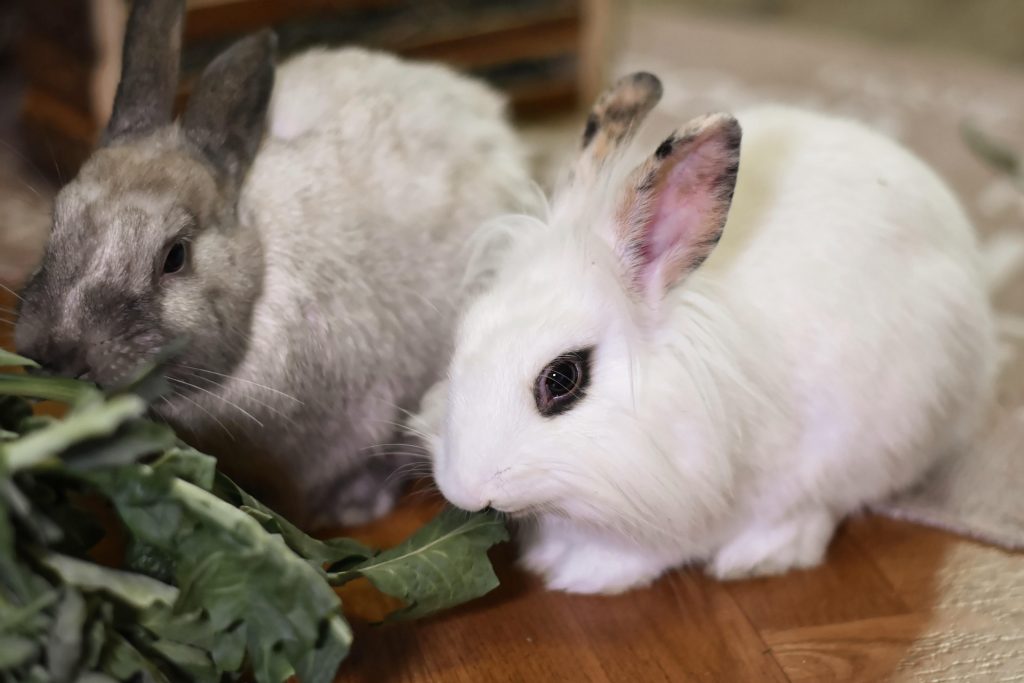
To see how these principles play out in real life, consider a common scenario from my home setup with Mocha and Chino. During a warm summer afternoon, Chino ignored his fresh greens and sat quietly under a shelf. His skin elasticity seemed fine, but his gums felt tacky rather than slippery and wet. While his water bowl was clean, a close inspection of his secondary water bottle revealed that a piece of loose timothy hay had wedged into the metal spout, completely blocking the valve. Clearing the obstruction and offering fresh, wet cilantro allowed Chino to rehydrate naturally, preventing a minor issue from turning into a medical emergency. Always double-check mechanical water parts daily.
If you suspect your rabbit is dealing with a similar drop in fluids, execute these direct home-care steps immediately while arranging to consult a veterinarian:
- Provide Multiple Water Sources: Place a fresh, heavy ceramic bowl of water directly next to their traditional bottle. Many weak or uncomfortable rabbits will readily lap from an open dish when they lack the energy to push a metal ball-valve tip.
- Offer Wet, Leafy Greens: Wash fresh greens like cilantro, Romaine lettuce, or parsley, and serve them dripping wet. The surface moisture clinging to the leaves is an excellent, low-stress way to sneak extra fluids into a hesitant pet.
- Encourage Fresh Grass Hay: Keep clean grass hay within easy reach to maintain normal intestinal movement. Avoid forcing dense pellets, which require significant internal moisture to digest and can worsen internal blockages.
- Cool the Surrounding Environment: Ensure the room temperature stays safely between 60°F and 72°F. Set up an oscillating fan nearby (never blowing directly on the enclosure) or place a frozen water bottle wrapped in a towel next to them.
- Track Litter Box Output: Monitor the exact size, texture, and frequency of all urinations and droppings every two hours to verify if the introduced fluids are successfully processing through the digestive tract.
Critical Safety Warning: What NOT to Do
- Never force fluids via a mouth syringe: Forcing water into a reluctant rabbit’s mouth frequently triggers panic, leading to fluid aspiration into the lungs and fatal pneumonia.
- Avoid sports drinks, juices, or soda: Human hydration beverages are packed with refined sugars and electrolyte balances formulated for primates. These sugars cause catastrophic bacterial overgrowths in a rabbit’s sensitive cecum.
- Do not rely on sugar water or honey mixtures: Adding heavy doses of honey or sugar to water can upset delicate intestinal flora. Stick exclusively to pure, clean water.
- Do not wait overnight: If your rabbit has completely stopped eating or passing droppings alongside signs of dehydration, a “wait and see” approach can result in rapid, irreversible organ decline.
8. When Is Dehydration a Medical Emergency?
This quick checklist serves as a definitive guide to help you decide whether your rabbit needs continued home monitoring or an immediate trip to the clinic.
Home Monitoring vs. Emergency Vet Treatment Guide
| Condition Indicators | Monitor at Home Path | Urgent Veterinary Path |
| Appetite & Feeding | Actively chewing hay; eating wet greens. | Refusing all food and favorite treats for over 4–6 hours. |
| Litter Box Output | Droppings are normal round size and frequent. | Zero droppings for 6–8 hours; dark, tiny, misshapen pellets. |
| Behavior / Energy | Fully alert, moving around, exploring. | Sitting hunched up in a corner, hiding, weak or collapsed. |
| Oral Tissues | Gums feel wet, slippery, and look bright pink. | Gums feel dry, sticky, tacky, or look pale. |
| Ocular Changes | Eyes are bright, clear, and fully alert. | Eyes appear dull, dry, or noticeably sunken into sockets. |
How Veterinarians Treat Dehydration
When you arrive at the clinic, your veterinarian will perform a physical exam, check body weight, and categorize the severity of the fluid loss. To restore hydration safely, the clinical team will typically administer sterile fluids. For mild to moderate cases, subcutaneous fluids (fluids injected directly beneath the loose skin over the shoulders) are given to create a fluid pocket that the body absorbs slowly over several hours.
When clinical stabilization requires direct vascular routes, vein catheter placement is utilized via the ear or legs to safely introduce targeted electrolyte values into the bloodstream. Along with fluid therapy, your vet will provide targeted pain relief and treatments to address the primary underlying cause of the dehydration. Clinical baseline variables for computing fluid deficits are built around veterinary fluid-loading equations designed specifically to balance lagomorph circulatory systems.
9. Rabbit Hydration FAQs
Can rabbits become dehydrated overnight?
Yes. Because of their fast metabolic rates and delicate digestive systems, a sudden water bottle failure or an acute bout of abdominal pain can cause a rabbit to become moderately dehydrated in less than 12 hours.
How long can a rabbit go without water?
A rabbit should never go more than 24 hours without water. Depriving them of fluids for a single day can cause severe organ damage, trigger a total digestive shutdown, and quickly prove fatal.
Can rabbits recover from dehydration?
Yes, rabbits can recover completely from mild to moderate dehydration if fluid therapy is started before major organs fail or severe GI stasis sets in.
Will dehydration cause GI stasis?
An absolute yes. When a rabbit’s body runs low on water, it pulls moisture directly out of the digestive tract to protect vital organs. This leaves the food material in the gut dry and static, creating a dangerous physical blockage.
Are dry droppings always a sign of dehydration?
Dry, hard droppings are a primary indicator of fluid loss, but they can also point to a low-fiber diet or the early stages of a digestive slowdown.
Should I syringe water into my rabbit’s mouth?
You should never syringe-feed water unless a rabbit-savvy veterinarian has explicitly instructed you to do so and shown you the proper technique. It carries a very high risk of accidental choking and aspiration.
Is it normal for a rabbit to drink less water in the winter?
It is common for rabbits to drink slightly less water when ambient room temperatures drop. However, significant drops in water consumption should never be ignored, as indoor winter heating can dry out the air and increase hydration needs.
Can rabbits get dehydrated from eating only pellets?
A pellet-only diet is inherently dry and lacks the natural moisture found in fresh grass or leafy greens. While a rabbit can stay hydrated on pellets if they drink plenty of water, a diet heavy in hay and fresh greens provides a safer, more consistent level of hydration.
10. Conclusion: Acting Quickly on Hydration Clues
Recognizing dehydration in rabbits requires looking past their natural instinct to hide illness. Because a drop in fluid levels directly impacts their highly sensitive digestive systems, catching the early warning signs, like sticky gums or slightly smaller droppings, can prevent a minor issue from escalating into a severe medical emergency like GI stasis.
By tracking your rabbit’s daily water consumption, offering both bowls and bottles, and monitoring their physical responses to changing weather, you can provide a vital layer of protection for their long-term health. Never hesitate to contact an exotic animal veterinarian the moment you suspect their fluid intake has dropped; when it comes to lagomorph health, early intervention is always the safest path.
Medical & Veterinary Disclaimer: Bunnyowners.com is an informational resource for rabbit owners and enthusiasts. We are not veterinarians. The content on this website is for educational purposes only and is not a substitute for professional veterinary advice, diagnosis, or treatment. Always consult a qualified veterinarian with any questions or concerns regarding your pet’s health, medical conditions, diet, or overall care. If you have concerns about your rabbit’s health, it’s always best to reach out to a veterinarian rather than relying solely on information found online.