
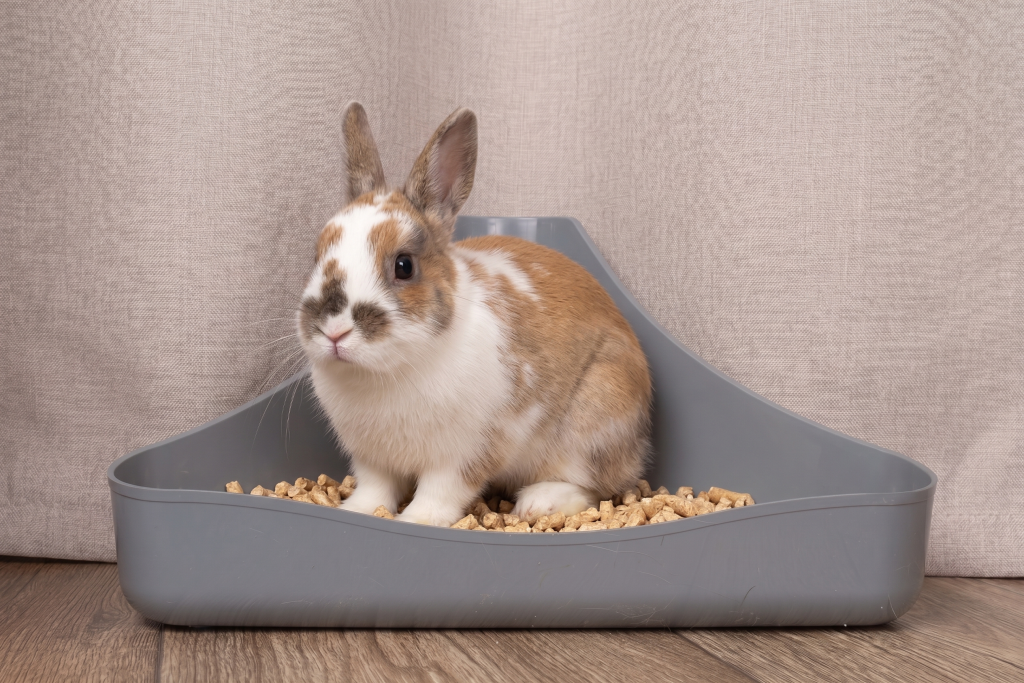
Veterinary & Affiliate Disclaimer: Bunnyowners.com shares educational rabbit care resources, not professional veterinary advice. Always consult a qualified veterinarian regarding your rabbit’s medical, dietary, or behavioral needs. This post may also contain affiliate links; as an Amazon Associate and affiliate partner, we earn from qualifying purchases at zero extra cost to you.
Discovering that your rabbit has urinary issues can be an incredibly alarming experience. When a rabbit begins straining in the litter box or showing signs of abdominal discomfort, identifying the precise underlying condition is critical for their survival. While many owners immediately worry about infections or temporary inflammation, one serious possibility is a bladder stone, a hard mineral deposit that forms in the urinary tract.
Rabbit bladder stones, or uroliths, are concrete-hard mineral masses composed almost entirely of calcium carbonate that form inside a rabbit’s urinary tract. These calcified structures develop due to the rabbit’s unique calcium metabolism and cannot be dissolved naturally through dietary or medical changes. Because they present a high risk of causing life-threatening urinary obstructions, true bladder stones typically require surgical removal via a veterinary cystotomy.
To safely guide your pet through this condition, it is vital to understand the structural differences between treatable sediment and permanent stones. Consulting comprehensive rabbit health guides helps break down the primary causes of these stones, how to recognize early emergency symptoms at home, and what veterinarians look for during a diagnostic workup. Additionally, evaluating the surgical reality of stone removal, step-by-step post-operative recovery timelines to prevent complications like gastrointestinal stasis, and lifelong preventative hydration tactics ensures the stones never return.
1. Emergency Warning Signs of a Urinary Blockage
🚨 Critical Red Flags
If your rabbit is experiencing a complete urinary blockage, their condition can turn fatal within a matter of hours. Seek emergency veterinary care immediately if you notice any of these signs:
- No urine output despite repeated, forceful straining
- Collapse or extreme lethargy
- Cold ears and extremities (indicating shock)
- Loud, persistent teeth grinding (a clear sign of severe, acute rabbit pain)
- A swollen, tense, or painful tummy
If you observe these symptoms, stop reading and go to an emergency clinic right away.
2. Understanding Rabbit Bladder Stones
Bladder stones, known medically as uroliths, are solid, concrete-like mineral masses that form within a rabbit’s urinary tract. While other companion animals like dogs or cats frequently develop struvite or ammonium urate stones, rabbits are different. Due to their specific biological makeup, rabbit uroliths are composed almost exclusively of calcium carbonate (CaCO3).
These are not soft accumulations or sludge; they are hard, calcified structures that cannot be broken down by the body. According to the Merck Veterinary Manual, rabbit bladder stones form when calcium carbonate crystals aggregate into solid mineral deposits that range from the size of a grain of rice to that of a large marble.
Where Bladder Stones Develop in the Body
While uroliths can form anywhere within the urinary system, their primary site of development is the urinary bladder. The bladder acts as a holding reservoir where urine sits, providing a low-velocity environment for heavy calcium crystals to settle and fuse. However, stones can migrate or form in other critical areas:
- The Urethra: The narrow tube draining urine out of the body. If a bladder stone attempts to pass and becomes lodged here, it creates an acute, life-threatening urethral obstruction.
- The Kidneys and Ureters: Less common but highly dangerous, kidney stones can damage renal tissue and block the flow of urine from the kidneys to the bladder, rapidly leading to kidney failure.
3. Can Rabbit Bladder Stones Be Treated Without Surgery?
Because this is the most common question rabbit owners ask after a diagnosis, it is critical to address the biological realities of treatment up front.
Usually not. Unlike some bladder stones found in dogs and cats, rabbit bladder stones are almost always composed of calcium carbonate, which cannot be dissolved with specialized diets, fluids, or medications. Most rabbits require surgical removal via a cystotomy to prevent lethal blockages, although a few very small stones in female rabbits may occasionally be removed by a veterinarian using non-surgical flushing methods like voiding urohydropropulsion.
4. Signs Your Rabbit Might Have Bladder Stones
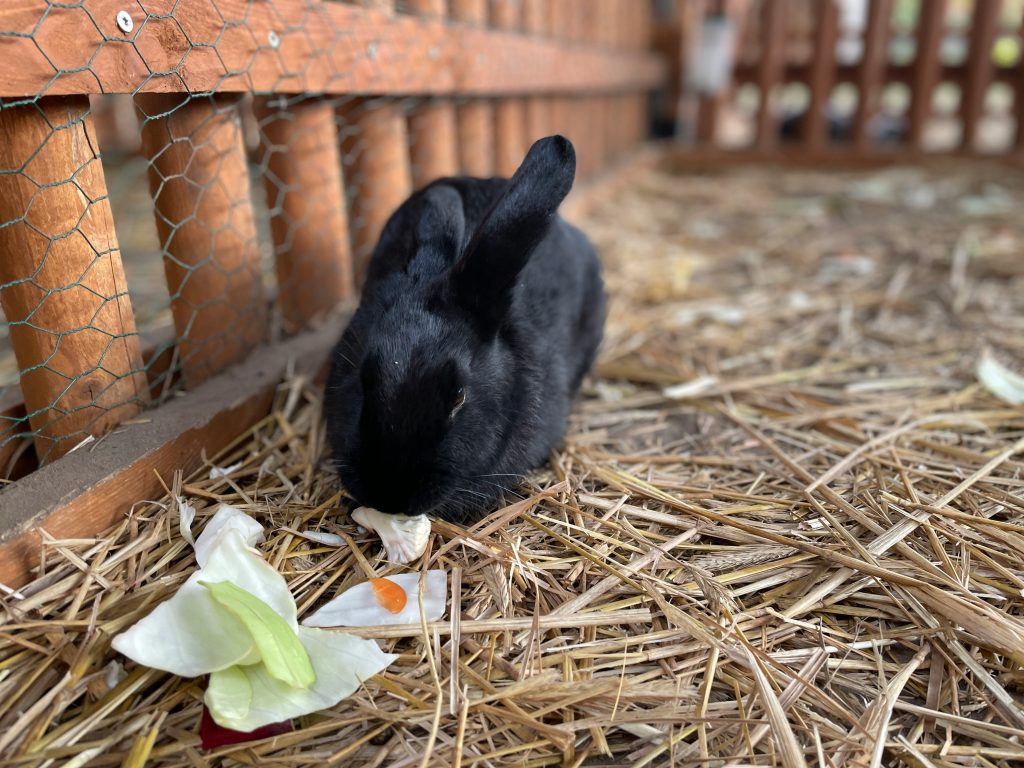
Changes in Litter Box Habits and Behavior
The earliest indicators of bladder stones are frequently mistaken for behavioral quirks or territorial disputes. Prey animals instinctively mask overt signs of physical vulnerability, meaning initial symptoms typically manifest as subtle alterations in their litter box habits.
An owner might notice more frequent trips to the box with very little urine output, or sudden accidents outside their established elimination areas. LafeberVet notes that changes in litter box habits are often one of the earliest signs of urinary tract disease, making a reliable rabbit health guide essential for cross-referencing these subtle behavioral shifts before a serious issue develops.
If you live with a bonded pair like I do with my two rabbits, Mocha and Chino, you know that tracking individual litter box habits is an absolute logistical nightmare. When Chino suddenly started lifting his tail and posturing repeatedly without peeing, it would have been incredibly easy to dismiss it as him just trying to assert territorial dominance over Mocha. But watching him closely, it became clear this wasn’t some social power move—it was a genuine physical strain that required an immediate trip to the vet.
Visible Signs of Pain and Discomfort
As the stone grows or shifts, causing direct friction and inflammation against the sensitive, highly vascularized bladder lining, symptoms escalate significantly. Advanced physical signs include:
- Bruxism (Teeth Grinding): A distinct, slow, loud grinding teeth sound that indicates severe internal pain, completely different from soft, rhythmic chattering.
- Hunched Posture: the rabbit will sit tightly tucked up, often pressing its abdomen flat against the floor to try to alleviate bladder pressure.
- Urine Scalding: Frequent dribbling of highly alkaline urine causes chemical burns on the skin of the hindquarters, leaving the fur damp, matted, and bald.
- Hematuria: Visible blood spots or a thick pinkish-red hue in the urine due to localized tissue trauma from the stone.
Total Blockage: A Life-Threatening Emergency
A total urinary blockage is a catastrophic medical emergency. If a stone becomes physically wedged in the neck of the bladder or within the urethra, the rabbit cannot void urine. Within hours, toxins build up in the bloodstream, the bladder stretches to its absolute limit, and the kidneys fail.
Veterinary Partner recommends immediate treatment whenever a urethral obstruction is suspected because the condition can quickly become life-threatening if the bladder ruptures. If a rabbit exhibits repeated, violent straining while producing zero liquid, displays cold ears, is completely lethargic, or collapses, they are slipping into shock.
Symptom Urgency Guide
Understanding when to monitor your rabbit and when to rush to an emergency clinic can be life-saving. Use the following guide to assess what your rabbit’s signs mean and what action to take:
Table 1:Symptoms and Emergency Levels
| What You Notice | What It Usually Means | What You Need To Do |
|---|---|---|
| Frequent litter box visits | Early bladder irritation or tiny crystals starting to build up | Schedule a normal veterinary checkup |
| Straining to pee | A physical stone shifting or thick sludge buildup | Get a same-day veterinary appointment |
| Visible blood in the urine | Inflammation or internal scratch from a moving stone | See a veterinarian within 24 hours |
| Loud, continuous teeth grinding | Significant internal pain and severe distress | Seek urgent veterinary attention |
| Straining hard but producing no urine at all | A complete and dangerous blockage in the urinary tract | Go to an emergency veterinary hospital immediately |
5. What Causes Rabbit Bladder Stones?
To understand why rabbits get stones, one must look at their unusual calcium metabolism. In humans, dogs, and cats, calcium absorption is tightly regulated; the intestines only absorb what the body requires, and the rest is excreted through feces. Rabbits, conversely, absorb dietary calcium with near-total efficiency, completely independent of their immediate needs. Their blood calcium levels rise in direct proportion to what they eat.
VCA Animal Hospitals explains that rabbits absorb much more dietary calcium than most mammals and eliminate the excess through their urine. Because a healthy rabbit maintains a highly alkaline urine pH (typically between 8.0 and 9.0), it creates the perfect chemical environment for this excess calcium to drop out of solution as calcium carbonate crystals. Recognizing unusual pigment deviations alongside these crystal spikes is key, and monitoring your rabbit’s urine changes closely allows owners to catch potential mineral imbalances before they form solid obstructions.
Food and Diet Mistakes That Trigger Stones
While calcium is the raw building block of a stone, diet acts as the primary catalyst. Feeding high-calcium alfalfa hay to adult rabbits (who no longer need the massive calcium loads required by growing kits) introduces far more mineral content than their kidneys can safely process. Similarly, over-reliance on commercial alfalfa-based pellets, coupled with a lack of varied, high-moisture leafy greens, leaves the digestive and urinary tracts overwhelmed with concentrated mineral sediment.
How Dehydration Makes Crystals Stick Together
Urine is a solvent, and the minerals within it are solutes. When a rabbit does not drink enough water, the volume of the solvent drops, causing the urine to become highly concentrated. In a dehydrated state, the calcium carbonate crystals are brought into tight physical proximity, making them much more likely to stick together and initiate the formation of a permanent stone.
Left unmanaged, chronic fluid deficits quickly lead to clinical dehydration, which severely compromises kidney function and accelerates mineral crystallization.
How a Couch Potato Lifestyle Affects the Bladder
The physical mechanics of how a rabbit moves play a surprising role in stone formation.
The mechanical influence of daily physical activity is clearly illustrated when comparing active and sedentary rabbits. While Chino spends his days sprinting, binkying, and leaping onto furniture, Mocha prefers lounging quietly in comfortable corners. This stark contrast in activity levels highlights how regular exercise and movement help shake up the bladder contents to keep sediment moving, whereas a sedentary lifestyle makes it easier for heavy calcium sediment to settle toward the bladder floor.
6. Bladder Stones vs. Bladder Sludge: Spotting the Differences
It is common to confuse bladder stones with bladder sludge (hypercalciuria), as both stem from excess calcium. However, their physical properties and treatment paths diverge completely. If your vet suspects your pet has this pasty, non-solid variant instead of a distinct, calcified stone, the management plan and long-term recovery steps will require a very different approach.
Table 2: Quick Comparison Chart
| Features to Look For | Bladder Stones | Bladder Sludge |
|---|---|---|
| What It Feels Like | Solid, concrete-hard calcified masses | Thick, gritty, paste-like suspension |
| How It Looks on an X-Ray | Distinct, sharply defined, brilliant white shapes | Diffuse, cloud-like, uniform white opacity |
| Can It Be Dissolved? | No: Cannot be dissolved naturally | Yes: Can be flushed and managed |
| Main Treatment Plan | Surgical intervention (Cystotomy) | Aggressive fluid therapy and manual expression |
| Risk of a Severe Blockage | High risk of acute urethral blockage | High risk of structural impaction and scalding |
7. How Veterinarians Test for Bladder Stones
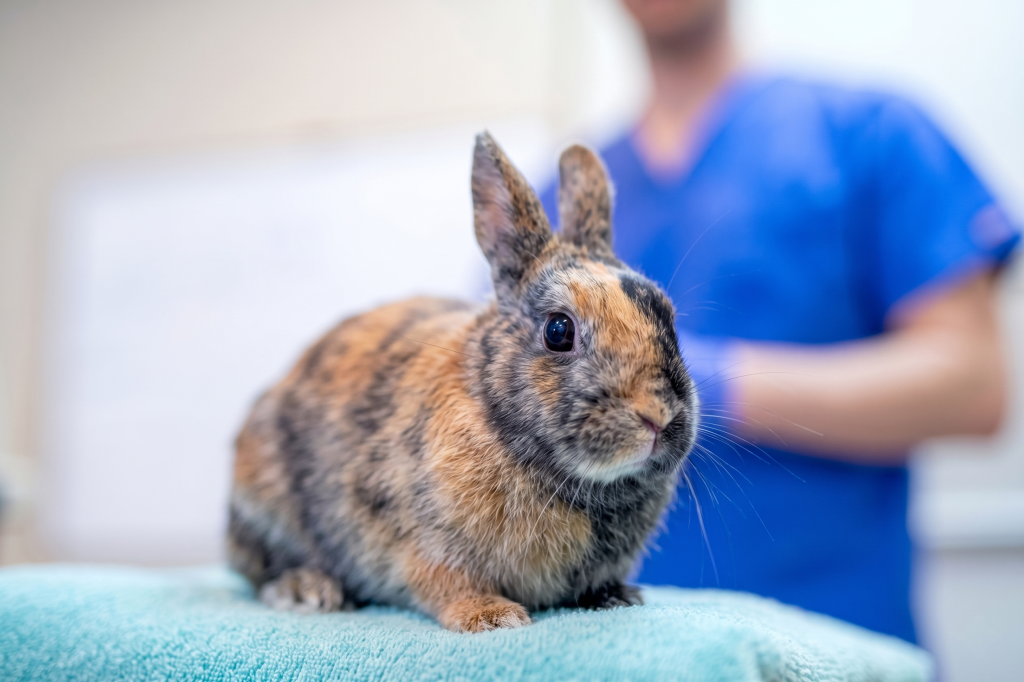
During a physical exam, a veterinarian will gently feel the rabbit’s lower abdomen. If a stone is large enough, it can often be felt as a hard, distinct, marble-like object sliding within the bladder wall. However, abdominal palpation can be highly painful for an inflamed bladder, causing the rabbit to tense its abdominal muscles, which can hide smaller stones from a practitioner’s fingers.
According to clinical protocols in the BSAVA Library, manual palpation must always be verified with diagnostic imaging due to this abdominal guarding.
Why X-Rays Are the Ultimate Proof
The gold standard for diagnosing rabbit bladder stones is digital radiography. Because calcium carbonate is an incredibly dense mineral compound, it acts as a total shield against X-rays.
The University of Miami Department of Biology explains that dense calcium carbonate stones appear with brilliant, unmistakable white clarity on a standard radiograph view. X-rays are also vital for scanning the entire length of the ureters and urethra to verify that no secondary stones are hidden elsewhere in the system.
Pee Tests and Pre-Surgery Blood Work
A complete urinalysis is performed to check for the presence of microscopic blood cells, measure urine concentration, and evaluate for secondary bacterial infections that thrive in stagnant, stone-blocked urine. Crucially, blood chemistry profiling must be run prior to any medical intervention. Evaluating blood urea nitrogen (BUN) and creatinine levels tells the veterinary team whether the stone has caused backup pressure that has compromised kidney function, dictating how safely the rabbit can handle anesthesia.
8. Veterinary Treatments for Bladder Stones
Before a rabbit can safely undergo corrective procedures, they must be stabilized. Aggressive intravenous (IV) or subcutaneous fluid therapy is initiated to help stabilize blood pressure, support kidney function, and safely dilute the urine. Because urinary pain triggers an immediate adrenaline surge that can shut down a rabbit’s sensitive gastrointestinal tract, robust pain management—typically utilizing systemic non-steroidal anti-inflammatory drugs (NSAIDs) like meloxicam—is paramount.
Why Home Remedies and Diets Won’t Dissolve the Stones
In canine and feline medicine, certain types of bladder stones can be completely dissolved over several weeks by altering the urinary pH with specific prescription diets. This is biologically impossible for rabbits.
Calcium carbonate requires a highly acidic environment to dissolve—a state that cannot be achieved in a live lagomorph without causing systemic health complications and death. The Merck Veterinary Manual notes that surgical intervention remains the standard primary treatment for true uroliths, and trying to wait out a solid stone with herbal remedies or dietary shifts leaves the rabbit in chronic pain and at constant risk of a fatal blockage.
What to Expect From Bladder Surgery (Cystotomy)
The primary, definitive treatment for a rabbit bladder stone is a surgical cystotomy. The procedure follows a strict sequence to clear the tract:
- Anesthesia: The rabbit is placed under tailored general anesthesia, with close monitoring of core body temperature and heart rates.
- The Incision: A surgical opening is made along the midline of the lower abdomen to expose the pelvic cavity.
- Bladder Isolation: The bladder is gently lifted out of the abdomen, and an incision is made into the bladder wall away from major blood vessels.
- Extraction and Flushing: The stone is physically lifted out. The surgeon then aggressively flushes the bladder and urethra with warm sterile saline to remove every microscopic speck of residual crystal grit.
- Closure: The bladder wall is closed using specialized, ultra-fine absorbable sutures in an inverting pattern to ensure a completely watertight seal, followed by closure of the abdominal wall.
Non-Surgical Flushing (For Specific Cases Only)
In highly specific cases, surgery can be avoided via voiding urohydropropulsion. According to research published on PubMed, this flushing technique is strictly reserved for female small mammals because they possess a shorter, wider, more stretchable urethra than males.
It is only viable if the stones are confirmed via X-ray to be small enough to fit through the urethral opening. Under deep sedation, the bladder is filled with fluid, and the veterinarian applies precise, manual pressure to mechanically force the small stones out through the urethra.
9. Helping Your Rabbit Heal After Surgery
The surgical removal of the stone is only half the battle; home recovery management dictates the ultimate success of the procedure.
Table 3: Home Care Roadmap and Timeline
| Recovery Stage | What You Need To Do | Signs of Success / What to Watch For |
|---|---|---|
| Day 1 (Right After Surgery) | • Restrict movement to a single-level hospital cage. • Provide clean, white fleece or towels. • Begin immediate critical care syringe feeding if necessary. | • Tracking the first voluntary drop of urine. • Stools should resume within 12–24 hours. • Urine may be slightly pink-tinged initially. |
| Week 1 (Active Healing) | • Administer oral pain medications and antibiotics exactly as prescribed. • Inspect the midline abdominal incision twice daily. • Keep the environment completely sanitary. | • Stable baseline appetite and normal hydration levels. • Incision lines remain dry without swelling or discharge. • No picking at staples/sutures. |
| Weeks 2–4 (Fully Recovered) | • Attend veterinary follow-up for staple/suture removal. • Gradually lift enclosure confinement limits. • Schedule a post-op baseline urinalysis. | • Return to normal agility and energetic behavior. • Full structural skin healing across the surgical line. • Normal litter box output volume. |
Preventing the Threat of Post-Op GI Stasis
The single greatest threat to a rabbit recovering from a cystotomy is not the surgical site opening; it is Gastrointestinal (GI) Stasis. The combination of surgical pain, handling of internal organs, and the slowing effects of anesthetic drugs can cause the smooth muscles of the hindgut to stop moving.
Rabbit Welfare Association & Fund emphasizes that avoiding GI stasis requires aggressive pain management paired with immediate syringe feeding if the rabbit refuses to eat voluntarily. If a post-op rabbit stops eating or producing stool for more than 6 to 8 hours, it is a secondary emergency.
10. How to Keep Bladder Stones From Returning
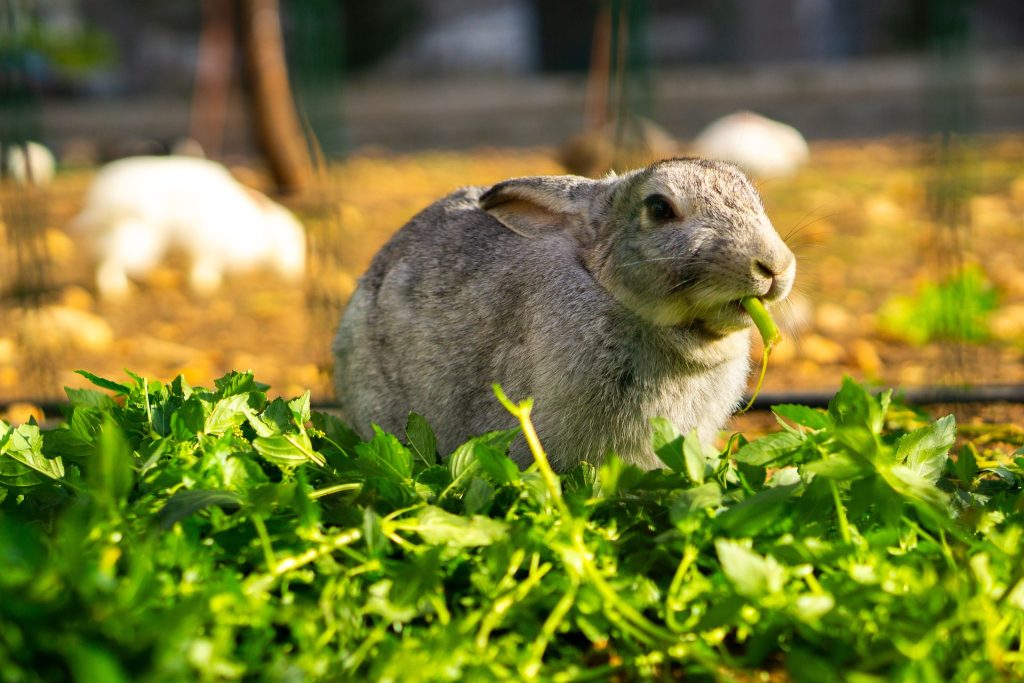
Can Rabbit Bladder Stones Come Back?
Yes, calcium carbonate uroliths carry a notable recurrence rate because the underlying physiological mechanics remain part of the rabbit’s biology. If a rabbit returns to a high-calcium diet or poor hydration routine, new stones can form within just a few months to a year following a successful surgery.
Preventative maintenance requires establishing a lifelong monitoring protocol with an exotic veterinarian. This routine includes regular urinalysis every six months to check for crystal spikes, alongside proactive, annual screening radiographs to catch new micro-stone formations long before they cause physical blockages or clinical pain.
The Bowl vs. Bottle Water Debate
The most effective preventative measure against future stone formation is maximizing water intake. Hanging water bottles force rabbits to extract water drop by drop in an unnatural posture, which often leads to mild, chronic dehydration. If your rabbit is not drinking water becomes a consistent issue at home, troubleshooting their setup immediately is critical to increasing daily fluid volumes.
The House Rabbit Society recommends offering water in a heavy ceramic bowl, which encouraging natural crouching posture and helps rabbits consume larger fluid volumes more readily than a bottle. Additionally, serving leafy greens soaking wet directly increases daily water consumption.
Changing the Diet and Adding Exercise
Adult rabbits must be transitioned entirely to high-quality, low-calcium grass hays, such as Timothy, Orchard, or Meadow hay. Alfalfa must be completely eliminated from the diet. Commercial pellets should be strictly rationed (typically no more than 1/4 cup per 6 lbs of body weight daily), ensuring they are timothy-based rather than alfalfa-based.
Daily fresh greens should favor low-calcium options like romaine lettuce, cilantro, organic leafy greens, and raspberry leaves, while minimizing high-calcium options like spinach, kale, and dandelions. Tailoring these portions into a well-planned rabbit diet guide protects the entire urinary tract while actively keeping the gastrointestinal system moving smoothly.
11. Frequently Asked Questions (FAQ)
Can rabbits pass bladder stones naturally without surgery?
Small micro-crystals or fine sludge can sometimes be passed naturally if the rabbit is highly hydrated and active. However, once a true, solid stone has formed, it cannot safely pass through the narrow urethra—especially in male rabbits—and requires veterinary intervention to prevent a fatal obstruction.
Can bladder stones be dissolved with specific dietary changes or supplements?
No. Rabbit bladder stones are composed of calcium carbonate, which is highly insoluble in the alkaline urine natural to lagomorphs. There are no safe dietary modifications, juices, or supplements that can acidify a rabbit’s urine enough to dissolve a solid stone without causing fatal systemic damage.
What is the typical recurrence rate for rabbit uroliths after surgery?
The recurrence rate can be high if the underlying dietary, hydration, and lifestyle factors are not permanently corrected. If a rabbit returns to a high-calcium diet with low water intake, new stones can form within just a few months to a year following a successful surgery.
How can I tell if my rabbit’s straining is a medical emergency?
If your rabbit is straining but still producing drops or small puddles of urine, it is a serious issue that requires a prompt veterinary appointment. If the rabbit is shifting positions, lifting its tail repeatedly, straining forcefully, and producing zero urine, it is a total urethral blockage and a life-threatening emergency that requires immediate veterinary care.
How much does a rabbit cystotomy surgery usually cost?
The cost of a bladder stone removal varies significantly based on geographic region, whether the procedure is performed at a general practice or an emergency hospital, and the level of post-operative care required. Generally, a comprehensive surgical package includes pre-op blood work, digital X-rays, general anesthesia, the cystotomy procedure, and multi-day hospitalization.
12. Conclusion
Managing rabbit bladder stones requires quick medical action and permanent lifestyle adjustments. Because a rabbit’s unique metabolism naturally channels excess calcium into the bladder, recognizing early signs like subtle litter box changes or straining is critical to preventing a fatal blockage. Since calcium carbonate stones cannot be dissolved naturally, a surgical cystotomy remains the only effective treatment to remove them and eliminate chronic pain.
Post-operative recovery relies on strict pain management and proactive feeding to prevent GI stasis. Long-term prevention focuses on maximizing hydration with open water bowls, eliminating alfalfa in favor of low-calcium grass hays, and encouraging physical exercise to keep sediment moving. Combined with annual monitoring X-rays, these adjustments give your rabbit the best protection against recurrence and ensure a healthy, comfortable life.
Medical & Veterinary Disclaimer: Bunnyowners.com is an informational resource for rabbit owners and enthusiasts. We are not veterinarians. The content on this website is for educational purposes only and is not a substitute for professional veterinary advice, diagnosis, or treatment. Always consult a qualified veterinarian with any questions or concerns regarding your pet’s health, medical conditions, diet, or overall care. If you have concerns about your rabbit’s health, it’s always best to reach out to a veterinarian rather than relying solely on information found online.