
Veterinary & Affiliate Disclaimer: Bunnyowners.com shares educational rabbit care resources, not professional veterinary advice. Always consult a qualified veterinarian regarding your rabbit’s medical, dietary, or behavioral needs. This post may also contain affiliate links; as an Amazon Associate and affiliate partner, we earn from qualifying purchases at zero extra cost to you.
Finding bald spots, loose tufts of fur, or unusual thinning on your rabbit can be alarming—especially when you are unsure whether you are seeing a normal molt or a health problem. Because rabbits are prey animals that instinctively hide illness, physical shifts like localized baldness, coat thinning, or changes to the skin texture are often the very first clues they give you that something is wrong.
Rabbits lose fur primarily due to normal seasonal molting, which can look patchy but leaves behind smooth, healthy pink or normally pigmented skin. However, abnormal rabbit hair loss (alopecia) can also be caused by underlying medical issues including external parasites like mites or fleas, fungal infections like ringworm, dental disease, or stress-induced overgrooming. If the exposed skin looks inflamed, flaky, scabby, or wet, it indicates a disease or health problem rather than standard shedding and requires prompt veterinary care.
Knowing where and why fur loss happens helps you separate normal shedding from problems that need treatment. This guide breaks down how to tell the difference between a standard seasonal shed and abnormal hair loss, maps out the most common causes based on where the fur is missing, and details what safe steps you can take while waiting to see an exotic animal vet to protect your pet’s overall rabbit health and well-being.
1. Quick Guide: Why Is My Rabbit Losing Fur?
Not sure what’s causing your rabbit’s fur loss? Use this quick guide to compare the most common patterns. Remember that many conditions look similar, so a veterinary exam is still the best way to confirm the cause.
Table 1: Quick Guide to Fur Loss Symptoms
| If you notice… | Most likely cause | What to do next |
|---|---|---|
| Loose fur all over with smooth, healthy pink or pigmented skin | Normal seasonal molt | Brush daily, provide unlimited hay, and monitor appetite. |
| Bald patches with red, flaky, or scabby skin | Ringworm or another skin condition | Schedule a veterinary exam promptly. |
| Hair loss around the ears with heavy scratching or crusts | Ear mites | See your vet for rabbit-safe treatment. |
| Circular bald spots with broken hairs | Ringworm | Isolate your rabbit from other pets and contact your vet. |
| Fur missing from the chest, dewlap, or belly of an unspayed female | Pregnancy or false pregnancy | Monitor nesting behavior and provide a quiet nesting area if needed. |
| Wet fur around the mouth or chin | Dental disease or chronic drooling | Arrange a veterinary dental examination. |
| Fur missing from the neck or shoulders with healthy-looking skin | Barbering by another rabbit | Observe interactions and adjust housing if necessary. |
| Hair loss around the tail or hindquarters with damp skin | Urine scald or moist dermatitis | Keep the area clean and dry, and have your rabbit examined by a vet. |
2. Is Fur Loss Normal in Rabbits?
Rabbits can lose an astonishing amount of fur during a normal molt. Both wild and domestic rabbits naturally swap out their old coats several times a year to adapt to changing temperatures.
A standard molt typically starts at the head, moves down the spine, and finishes along the flanks and belly. During this time, the old coat may detach in large, loose tufts. If you pull gently on these clumps, they will slide out easily without causing your rabbit any discomfort.
Indoor environments can mix up these patterns. According to the Rabbit Welfare Association & Fund (RWAF) Moulting Guide, house rabbits kept in centrally heated homes often experience a constant, low-level shed year-round rather than two clean seasonal blowouts. Additionally, young rabbits naturally shed their fine baby coats at around 4 to 5 months of age to grow their transitional and adult fur. Senior rabbits can experience general coat thinning, which is usually fine as long as the underlying skin looks healthy.
3. Normal Shedding vs. Abnormal Hair Loss
Telling the difference between a heavy shed and a medical condition comes down to evaluating two things: the pattern of the loss and the condition of the exposed skin.
During a normal molt, you might see even thinning or a clear “shed line” moving down the body. While it can look patchy, a healthy rabbit will rapidly sprout a fine layer of new velvet-like fur over the area. True alopecia—where the skin is left completely bare, raw, or altered—indicates a medical issue, as detailed in comprehensive clinical studies archived in the National Institutes of Health Database on Rabbit Skin Disease.
Table 2: Normal Shedding vs. Abnormal Hair Loss
| Visual Indicator | Normal Shedding | Abnormal Hair Loss (Alopecia) |
|---|---|---|
| Skin Appearance | Smooth, healthy pink, or normally pigmented | Red, inflamed, scabs, crusts, or bleeding |
| Fur Distribution | Loose tufts everywhere; uniform thinning | Defined bald spots, circular patches, asymmetry |
| Behavior | Normal energy, good appetite, minimal scratching | Heavy scratching, biting at skin, lethargy, hiding |
| Coat Texture | Clean, dry surrounding fibers | Matted fur, damp areas, foul odors, or pus |
4. 14 Common Causes of Rabbit Fur Loss
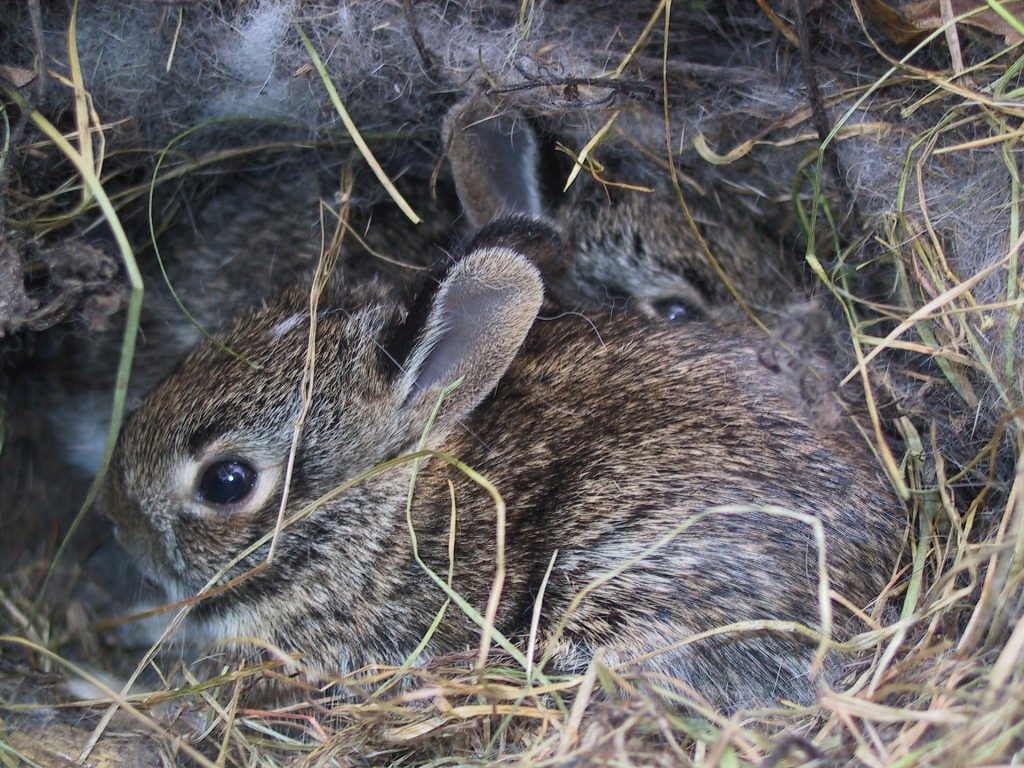
From normal seasonal molting and nesting behaviors to parasitic infestations, fungal infections, and dental issues, numerous factors can impact your rabbit’s coat:
1. Normal Molting
Rabbits molt several times a year. When it hits, it can look alarming—some rabbits develop odd ridges, dark spots where new pigmented fur is coming in, or temporary uneven tracking across their shoulders. The skin should never look damaged or entirely naked for long.
Daily brushing during a heavy molt is important because rabbits groom themselves constantly, and swallowing large amounts of loose fur can become a problem if their digestive system slows down. Hair itself does not usually cause blockages; the bigger concern is when reduced gut movement allows ingested fur to accumulate. Regular grooming helps remove excess loose fur before your rabbit can swallow too much of it. The PDSA rabbit grooming guide explains how to safely care for your rabbit’s coat.
2. Pregnancy and Nest Building
An unspayed female rabbit driven by hormonal shifts will pull fur from her own dewlap (the pocket of skin under her chin), chest, and sides to line a nesting box. This is a normal instinct, and the fur grows back cleanly after weaning. Unspayed females can also experience a “false pregnancy” (pseudopregnancy) due to temporary hormonal fluctuations, displaying the exact same fur-pulling and nesting behaviors.
3. Ear Mites (Psoroptes cuniculi)
One common culprit behind missing coat patches is the ear mite. These microscopic pests cause intense irritation inside the ear canal. As the rabbit scratches obsessively to relieve the deep itching, the fur around the base of the ears, head, and neck begins to fall out.
Because an infestation spreads quickly through a multi-rabbit household, learning more about rabbit ear mites
can help you step in before painful crusting and deep canal infections take hold. You will notice heavy flakes and a dark brown discharge inside the ear structure. Detailed guidance on diagnostic identification can be reviewed in the Rabbit.org Educational Guide on Skin and Ear Mites.
4. Fur Mites (Cheyletiella)
Often called “walking dandruff,” fur mites are surface-dwelling pests that cause patchier, more diffuse hair loss along the spine and shoulders. The affected skin underneath will look heavily flaked or powdery. Unlike ear mites, these pests don’t burrow deeply, but they cause a constant, low-grade itch that makes rabbits over-groom, pulling out large chunks of hair along their backs.
5. Fleas
Fleas aren’t one of the most common reasons rabbits lose fur, but they do happen—especially in homes with dogs or outdoor cats. Some rabbits scratch constantly, while others simply groom the irritated areas until bald patches develop. The constant biting leads to inflamed skin, excess grooming, and patchy hair loss along the spine and rump.
6. Ringworm
Despite its name, ringworm isn’t caused by a worm at all. It’s a fungal infection that usually starts as a small bald patch before developing flaky, circular edges. The remaining hairs within the circle are often broken off close to the root. Ringworm is highly contagious and can easily spread to humans and other pets. Visual examples of fungal hair borders can be studied in the Merck Veterinary Manual Rabbit Ringworm Gallery.
7. Barbering
Owners often first notice missing patches on the shoulders, back of the neck, and upper spine when two rabbits are housed together. Barbering occurs when one rabbit chews or pulls the fur out of another. In bonded pairs, a dominant rabbit may over-groom their partner.
You can identify the victim because the exposed skin looks healthy, and the rabbit isn’t the one scratching or biting at themselves. Companion interactions of this nature are outlined extensively in the Rabbit.org Guide to Understanding Overgrooming and Barbering Behavior
.
8. Stress, Boredom, and Arthritis
Bored or anxious rabbits sometimes over-groom themselves, stripping the fur off their front legs or flanks until the skin is bare. Chronic pain can trigger a similar response; aging rabbits suffering from arthritis will often compulsively chew or lick at the fur directly over a painful, aching joint, or they may stop grooming other parts of their body entirely because they are too stiff to reach.
9. Skin Infections and Moist Dermatitis
In severe cases, bacterial infections can take hold if the skin is consistently damp. Moist dermatitis (often called “green bag” or “hutch burn”) frequently occurs under the chin if a rabbit drools, or around the tail and belly from urine scald if a rabbit has mobility issues. Damaged skin from constant wetness causes the fur to loosen and fall out in damp sheets, leaving behind sore, red tissue.
10. Subcutaneous Abscesses
Rabbits form a thick, toothpaste-like pus that hardens into a firm lump under the skin. If you suspect a swelling around the jaw, face, or lower head, checking for a rabbit mouth abscess will help you determine if the deep infection has started moving into the underlying bone structures. As the pressure builds and the skin stretches over the mass, the localized fur will thin out and fall away.
11. Dental Disease
If your rabbit is drooling, dental disease is one of the first problems your veterinarian will investigate. When a rabbit develops overgrown molars, spurs, or jaw misalignment, they experience chronic pain and difficulty swallowing. This leads to continuous drooling, which saturates the fur around the mouth, chin, and neck. Figuring out why your rabbit is drooling is an essential step, as chronic moisture quickly destroys the skin. When left unchecked, advanced tooth issues can cause permanent facial scarring, permanent jaw damage, and systemic weight loss. Clinical signs and secondary “slobbers” fur loss details can be cross-referenced via the Merck Veterinary Manual Database on Rabbit Disorders.
12. Hormonal Problems
Hormonal disorders are quite rare compared with parasites, molting, or dental disease. However, problems affecting the adrenal glands or reproductive organs can occasionally trigger symmetrical hair thinning across both sides of the body, usually without causing active itching.
13. Injection-Site Alopecia
Occasionally, a rabbit will lose a small, clean patch of fur right between their shoulder blades a few weeks after receiving a vaccine or an antibiotic injection. This reaction is benign; the localized skin irritation simply causes the hair follicles to temporarily go dormant, and the fur typically grows back completely during the next regular molting cycle.
14. Poor Nutrition
A severe lack of trace nutrients can cause a dull, brittle coat that sheds easily and regrows slowly. A healthy rabbit requires a foundation of unlimited grass hay to maintain both their teeth and their metabolism.
5. Rabbit Fur Loss by Body Location
The location of the hair loss provides significant diagnostic clues. Parasites, injuries, and behavioral issues follow predictable patterns on a rabbit’s body.
Table 3: Causes of Fur Loss by Location
| Location of Loss | Primary Suspects to Investigate |
|---|---|
| Face & Eyes | Dental disease (drooling), ringworm, or tear duct infections |
| Ears & Crown | Ear mites (Psoroptes cuniculi), localized fighting, or scratch damage |
| Back of Neck & Shoulders | Barbering by a companion rabbit, or topically applied mite treatments |
| Spine & Flanks | Normal seasonal molting pattern, fur mites (Cheyletiella), or flea infestations |
| Belly & Dewlap | Nest building (pregnancy/false pregnancy) or moist dermatitis |
| Rear Quarters & Tail | Urine scald, poor hutch sanitation, or mobility-related staining |
| Hocks & Feet | Sore hocks (pododermatitis) caused by hard flooring or damp bedding |
6. Can Indoor Rabbits Get Parasites?
Owners ask this constantly, assuming that keeping a pet indoors completely insulates them from bugs. Unfortunately, the answer is yes.
Indoor rabbits can still develop mites, fleas, or fungal infections. Parasites can easily hitch a ride into your home on clothes, shoes, pet carriers, or through other household pets that go outside. Contaminated batches of fresh hay or wood shavings can also introduce mites directly into your rabbit’s living space.
7. What Does Healthy Skin Look Like Under Lost Fur?
An essential part of checking your rabbit’s condition is getting your fingers into the coat to look closely at the skin itself.
The first time my rabbit Mocha had a major summer molt, it honestly looked like she’d rubbed half the fur off her sides. Gaps opened up along her flanks, and I was initially worried. But a close look showed that the bare skin underneath was smooth, clean, and a perfectly healthy pale pink. Within just a couple of days, a dark, velvety shadow appeared under the skin surface—which was just her new coat pushing through.
Healthy skin under a molt should look uniformly clean, smooth, pliable, and free of any discoloration. If you see bright red skin, yellow crusts, thick white flakes, dry scabs, or a damp, weeping surface, the skin has been compromised and needs veterinary treatment.
8. Symptoms That Mean It Is More Than Shedding
Because many rabbit skin problems look similar at first glance, the condition of the skin and your rabbit’s behavior matter more than the missing fur alone. Missing hair alone is rarely a reason to panic, but certain warning signs indicate that the problem goes deeper than seasonal shedding. Schedule an immediate veterinary appointment if the bald spots show bright red skin, swelling, or warm inflammation. Thick yellow crusting, scabs, and flaky white dandruff are clear signs of an active parasite or fungal issue.
Pay close attention to accompanying behavior. If your rabbit is constantly shaking their head, digging furiously at their ears, or grooming a single patch of fur to the point of bleeding, they are in significant discomfort. Learning to recognize signs of pain is vital to catching these silent behavioral changes early.
Pay close attention to their daily habits as well; a sudden drop in their hay consumption, wet facial fur, unusual lethargy, or sitting hunched up in a dark corner of their enclosure means the fur loss is tied to a systemic health problem or internal pain. For a broader framework on navigating general illness, you can reference my rabbit health guide to evaluate behavioral shifts alongside physical symptoms.
9. How Vets Diagnose and Treat Fur Loss
Because so many rabbit skin conditions look identical to the naked eye, vets usually perform several tests to find the cause. The process begins with a detailed clinical history, focusing on your rabbit’s diet, cage sanitation, social structure, and recent changes in the home environment. They will then perform a full physical examination, using an illuminated speculum to look past the cheeks for sharp molar spurs that might be causing pain or drooling.
A weekly rabbit health check at home can help you spot minor ear debris, skin flaking, or tooth alignment changes before your appointment. To identify microscopic pests, the clinic team will perform a quick skin scraping or use a clear tape preparation to pull flakes directly from the fur. When ringworm is a suspect, a fungal culture confirms the diagnosis, while complex dental issues or jaw swelling require skull X-rays.
Depending on what these specific tests uncover, a veterinary treatment plan typically targets the root issue with safe, rabbit-specific options:
- For Parasites (Mites/Fleas): Your vet will prescribe a targeted topical or injectable medication (such as ivermectin or selamectin), backed by peer-reviewed field trials like the PubMed Study on Rabbit Selamectin Efficacy. Never use over-the-counter dog or cat treatments like fipronil, which are highly toxic to rabbits. You will also need to completely clean and sanitize their entire enclosure to remove lingering eggs.
- For Fungal Infections: Ringworm is managed using localized topical antifungal ointments or systemic oral medications for widespread cases.
- For Bacterial Skin Infections: The vet will treat underlying issues like moist dermatitis with systemic, rabbit-safe oral antibiotics paired with targeted antimicrobial skin cleansers to keep the tissue dry.
- For Dental Disease: Drooling issues require veterinary dental treatment to correct the underlying structural tooth disease causing the irritation.
- For Barbering Behaviors: If a dominant cage mate is the cause, adjustments include territory expansion, adding more enrichment toys, or utilizing temporary mesh dividers to safely keep pairs in sight of one another without the chewing.
10. Safe Home Care While Waiting for the Vet
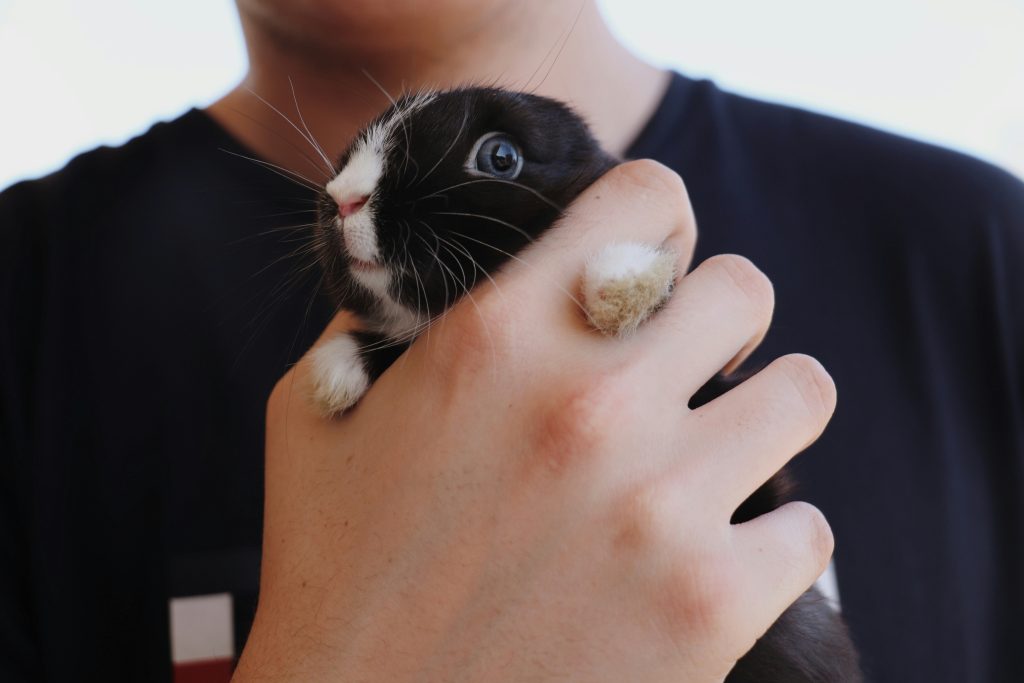
If you are waiting for a scheduled veterinary appointment, your primary goal is to minimize skin irritation and keep your rabbit stabilized. Focus heavily on gentle grooming using a soft-bristled brush to remove shedding fibers before your rabbit can ingest them. Enclosure hygiene is critical during this waiting window; strip out any rough or dusty substrate and replace it with thick layers of soft, clean, absorbent paper bedding to prevent friction against exposed skin.
Keep your rabbit thoroughly hydrated and well-nourished by offering multiple fresh water sources and misting their favorite leafy greens with water. Keep a close eye on their droppings. If you notice a sudden drop in the size or frequency of their pellets, their digestive tract is slowing down.
Most importantly, avoid the temptation to apply over-the-counter human creams, hydrocortisone lotions, or zinc ointments. Rabbits groom continuously and will immediately lick these chemicals off their skin, which can upset their digestive system and create serious health risks. For proper handling during home observations, consult the RWAF Safe Grooming and Handling Instructions.
11. Can Rabbit Fur Grow Back?
While normal coat transitions and minor health conditions resolve quickly with a predictable recovery timeline, permanent hair loss can occasionally occur if severe skin trauma or deep tissue inflammation destroys the underlying hair follicles.
Expected Regrowth Timelines
Once the underlying trigger is resolved, rabbit fur usually grows back very well. However, the speed of recovery varies quite a bit depending on what caused the initial hair loss:
- Minor shedding-related loss: Affected skin left briefly bare during a heavy seasonal molt will usually sprout a soft, velvety undercoat within just a few days to two weeks.
- Parasite or fungal infections: Once mites or ringworm are eliminated, the coat typically starts showing noticeable, even regrowth within three to four weeks as the skin barrier stabilizes.
- Shaved surgical areas: Hair lost to diagnostic shaving or operations takes the longest to recover, often requiring several months to completely match the surrounding guard hair length.
- Severe scar tissue: If the skin suffered severe trauma from deep abscesses or chemical burns, the follicles may be permanently destroyed, leaving a smooth bald patch.
Permanent Changes and Scarring
When My rabbit Chino required minor surgery, the vet team had to shave a large section of his belly down to the skin. For the first few weeks, the area looked bare and vulnerable. But once the skin healed completely, the fur returned in a dense, uniform layer.
However, if your rabbit has suffered from a deep bacterial skin infection, severe urine scald, or a ruptured subcutaneous abscess, the intense inflammation can permanently destroy the delicate hair follicles. In these scenarios, the body lays down tough, fibrous scar tissue, resulting in a smooth, hairless bald patch that will remain for the rest of your rabbit’s life.
12. Long-Term Prevention Strategies
Preventing future bouts of abnormal hair loss relies entirely on consistent husbandry and early behavioral intervention. Detailed management methods for mitigating high-risk environmental pressures are expanded upon in the RWAF Sore Hocks Prevention and Care Guide. Incorporating these specific care standards into your weekly routine protects your rabbit’s coat and skin health:
- Provide Unlimited Dietary Fiber: Keep a constant supply of clean timothy or meadow grass hay available to wear down teeth naturally and keep the digestive tract moving.
- Establish a Fixed Grooming Schedule: Brush your rabbit at least once a week, shifting to daily sessions during heavy seasonal coat transitions to prevent mats and minimize hair ingestion.
- Perform Weekly Skin Inspections: Part the fur manually during regular handling sessions to examine the skin barrier for early flakes, minor redness, or hidden lumps.
- Maintain Strict Enclosure Sanitation: Clean litter boxes and replace soiled bedding daily to prevent the buildup of damp ammonia that causes urine scald and bacterial dermatitis, as noted in the Vet Times Clinical Report on Rabbit Urine Scalding.
- Monitor Bonded Interactions: Keep close tabs on your pair’s social dynamics. Watch for obsessive over-grooming, and add extra enrichment toys or temporary mesh barriers if you notice one companion consistently barbering or chewing on the other’s coat.
- Schedule Annual Veterinary Evaluations: Ensure an experienced exotic veterinarian checks your rabbit’s molar health and overall body condition at least once a year.
13. Frequently Asked Questions
Why is my rabbit losing fur in patches?
Patchy hair loss typically points to an active external parasite infestation (like fur or ear mites), a localized fungal infection like ringworm, or barbering by a dominant companion. While a normal seasonal molt can occasionally look uneven, it should never leave the skin completely bare, inflamed, or scabby.
Is it normal to see my rabbit’s skin during shedding?
Yes, it can be normal during a very heavy molt. When large clumps of dead winter fur pull away all at once, you may catch brief glimpses of the clean, smooth pink skin underneath. The key indicator of health is that new, short velvet fur should already be visible or growing in within a few days, and the skin must show no signs of redness or scaling.
Why is my rabbit pulling out its own fur?
If you have an unspayed female rabbit, fur pulling from the chin, chest, and belly is a strong behavioral sign of pregnancy or a false pregnancy, as she uses the fluff to line a nest. In neutered rabbits, self-plucking is typically a response to localized skin pain, chronic boredom, or environmental stress.
Can stress make rabbits lose fur?
Yes. Chronic stress elevates cortisol levels, which can disrupt their normal hair growth cycle and lead to diffuse thinning. More commonly, a stressed or anxious rabbit will turn to compulsive self-grooming, physically chewing and stripping the fur off their own forelegs or flanks.
Does rabbit fur grow back?
Yes, rabbit fur almost always grows back once the primary cause is successfully addressed. You can expect to see a fine layer of new fur emerging within two to three weeks after a normal molt ends or after parasites are eliminated. Only deep wounds or severe infections that form dense scar tissue will cause permanent hair loss.
14. Conclusion
Managing your rabbit’s fur loss successfully comes down to daily observation. While a dramatic, patchy molt can look startling, checking the skin underneath is often all it takes to put your mind at ease. If the bare skin reveals smooth, pink or naturally pigmented tissue and your rabbit has plenty of energy, you are simply dealing with a normal coat transition.
When hair loss is paired with inflammation, raw patches, or obsessive scratching, it becomes a medical issue that requires a clean environment, a high-fiber hay diet, and a quick trip to an experienced exotic animal vet.
Medical & Veterinary Disclaimer: Bunnyowners.com is an informational resource for rabbit owners and enthusiasts. We are not veterinarians. The content on this website is for educational purposes only and is not a substitute for professional veterinary advice, diagnosis, or treatment. Always consult a qualified veterinarian with any questions or concerns regarding your pet’s health, medical conditions, diet, or overall care. If you have concerns about your rabbit’s health, it’s always best to reach out to a veterinarian rather than relying solely on information found online.