
Veterinary & Affiliate Disclaimer: Bunnyowners.com shares educational rabbit care resources, not professional veterinary advice. Always consult a qualified veterinarian regarding your rabbit’s medical, dietary, or behavioral needs. This post may also contain affiliate links; as an Amazon Associate and affiliate partner, we earn from qualifying purchases at zero extra cost to you.
If your rabbit is suddenly wobbling, stumbling, or tipping over onto its side, you are likely in the middle of a stressful pet emergency. A sudden loss of coordination typically means something is throwing off your rabbit’s delicate internal equilibrium centers. Because rabbits are prey animals that instinctively hide illness to avoid looking vulnerable to predators, this physical tipping point usually means a health condition has progressed past their ability to mask it.
Rabbits lose balance due to disruptions in the inner ear, brain, or central nervous system. The most common medical causes include deep ear infections, head tilt (vestibular disease), Encephalitozoon cuniculi parasitic infections, head trauma, and toxic exposures. Because severe physical weakness from conditions like GI stasis can also cause wobbling, any rabbit with a sudden loss of coordination requires immediate veterinary assessment to ensure accurate diagnosis and timely treatment.
Observing my own rabbits, Mocha and Chino, taught me that timing is everything in a health crisis. Caregivers often first spot trouble when a rabbit clings to a corner or slides on familiar floors. This unsteadiness frequently triggers severe nausea and a sudden drop in appetite, which can quickly snowball into a secondary gut emergency. This guide breaks down common causes, home stabilization steps, and what to expect at the clinic. If you want to explore other signs of illness, look over my archive of essential rabbit health articles.
1. Quick Summary: Common Balance Triggers
While a precise medical cause requires a professional diagnosis, unsteadiness in rabbits typically stems from a few primary areas:
- The Inner Ear: Bacterial pressure buildup that completely throws off the inner ear structures responsible for equilibrium.
- Central Nervous System: Diseases affecting the brain or spinal cord that disrupt the communication pathways needed for coordination.
- Physical Trauma: Concussions, back injuries, or severe muscle strains from accidental drops or poorly calculated jumps off the couch.
- Toxin Exposure: Poisoning from eating toxic household plants, lead paint, or chemicals that a curious rabbit managed to sniff out.
- Severe Weakness: Physical exhaustion and shock caused by separate, advanced illnesses like long-term gut stasis where the muscles simply run out of fuel.
2. Common Signs of Balance Problems in Rabbits
Balance issues in rabbits rarely look like a simple, clumsy trip over a toy. Depending on what part of the brain or ear is struggling, the physical presentation varies significantly. Coordination problems often worsen quickly, moving from subtle drifting to complete disorientation in a surprisingly short window of time. The House Rabbit Network notes that affected rabbits can progress rapidly from mild wobbling to severe, continuous rolling.
Many owners first mistake early coordination loss for simple slipping on smooth flooring or a temporary clumsy moment. If you are tracking your rabbit’s behavior right now, their movements will generally fall into one of these distinct visual warning signs:
Wobbling and Stumbling
You might notice your rabbit swaying slightly while standing completely still, or swerving out of a straight line when trying to hop forward. In the early stages, their feet simply slide out from under them on smooth surfaces, or their gait looks oddly disjointed.
Falling to One Side or Leaning
As the unsteadiness grows, rabbits often fight a heavy pull to one side. They will lean their entire body weight against the walls of their pen, a heavy food bowl, or your legs just to stay upright and keep from tipping over.
Walking or Hopping in Circles
When the inner ear or brain cannot properly sense position, rabbits frequently begin walking or hopping in tight, repetitive circles. They do this because their internal compass is entirely confused and they are trying desperately to find steady ground.
Uncontrollable Rolling
If spatial disorientation becomes absolute, the situation transitions into continuous rolling on their side like a runaway log. This is one of the most serious and distressing signs you’ll see, and it requires instant care to prevent them from physically injuring themselves.
Rapid, Involuntary Eye Movements (Nystagmus)
If you look closely at their eyes during a rolling or leaning episode, you may see them twitching rapidly from side to side or up and down. This means the rabbit’s brain is processing a constant, exhausting sensation of spinning vertigo, even while they are lying completely still.
Sudden Feeding Deficits
Beyond the physical panic, balance deficits create an instant crisis at the food dish. If a rabbit cannot hold its head steady, it cannot comfortably lower its neck to chew hay or reach its water bowl. As emphasized by PetMD, a rabbit’s digestive tract must move constantly, meaning this sudden loss of physical stability can rapidly trigger secondary, life-threatening GI stasis in rabbits.
3. Could This Be Head Tilt? Quick Evaluation
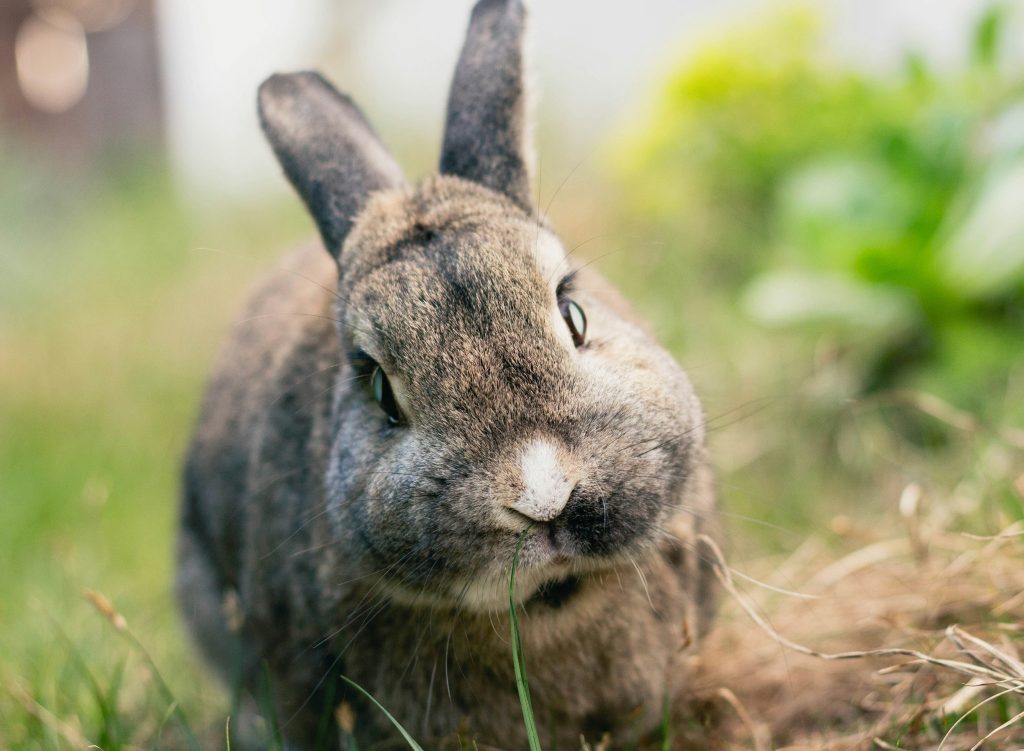
When a rabbit loses its balance, owners often wonder if they are looking at classic “head tilt” or a different underlying injury. Use this comparison matrix to evaluate your rabbit’s physical signs.
Table 1: Visual Symptom vs. Clinical Urgency Status
| If Your Rabbit Is… | It Frequently Indicates… | Clinical Urgency Status |
|---|---|---|
| Holding its head at a fixed angle | Classic Head Tilt (Vestibular Disease) or an early inner ear infection | Same-day urgent exotic vet appointment |
| Rolling over continuously | Advanced vestibular disease, brain lesion, or severe physical trauma | Immediate Emergency Clinic Visit |
| Wobbling but their head is straight | Severe weakness, arthritis, or early dehydration | Same-day or next-morning veterinary visit |
| Dragging its back legs | Spinal cord injury, luxation, or central E. cuniculi lesions | Immediate Emergency Clinic Visit |
When is this NOT a balance emergency?
If your rabbit is running around normally, binkying, and eating well, but occasionally performs a dramatic “head flick” or temporary tilt during play, this is typically normal behavioral communication or a response to an itchy ear canal, such as rabbit ear mites.
A true balance emergency features continuous disorientation, persistent leaning, or unsteadiness that doesn’t magically disappear when the rabbit stops moving.
4. Most Common Causes of Coordination Loss
Keeping a master domestic rabbit health guide on hand can help you track minor changes before severe symptoms develop, but these primary medical causes are the ones you should discuss directly with your vet.
Head Tilt (Vestibular Disease)
The vestibular system helps your rabbit maintain balance and know which way is up. Vestibular disease is the most common driver behind classic head tilt, and WabbitWiki notes that it causes sudden spatial disorientation when inflammation or nerve damage disrupts these pathways.
Deep Inner Ear Infections
Some inner ear infections develop when bacteria spread from the respiratory tract or middle ear into the inner ear cavity. PetMD explains that when bacterial pus builds up inside the tiny, bony chambers of the ear, the pressure erodes the structures responsible for balance, causing a rapid onset of wobbling and leaning. If you notice fluid discharge or heavy pawing at the base of the ear alongside unsteadiness, consult my guide on rabbit ear infection symptoms immediately.
Encephalitozoon cuniculi (E. cuniculi)
E. cuniculi is a microscopic parasite that many rabbits carry without ever showing signs of illness. However, if the parasite becomes active, often taking advantage of a weakened immune system, it can target the brain and kidneys. Research from the Royal Veterinary College shows that neurological infection with E. cuniculi commonly causes head tilt, hind-limb weakness, and a loss of coordination.
Head and Spinal Trauma
Rabbits have fragile, lightweight skeletons paired with incredibly powerful back legs, a combination that makes them excellent at jumping but highly vulnerable to impact. A sudden drop, an accidental fall from furniture, or an impact injury caused by another pet can cause concussions or spinal fractures that instantly disrupt coordination.
Environmental Toxin Exposure
Curious free-roam rabbits will chew on almost anything once just to see if it’s secretly a treat. Eating toxic houseplants (such as lilies or ivy), chewing on old baseboards covered in lead-based paint, or coming into contact with household chemicals can cause acute poisoning, marked by dizziness and stumbling.
Advanced Illness and Severe Weakness
It is crucial to distinguish true neurological balance loss from extreme muscle weakness. The University of Illinois College of Veterinary Medicine notes that a rabbit suffering from severe dehydration, dental pain, or advanced gastrointestinal stasis may sway, stumble, or struggle to stand simply because their blood pressure has dropped and their muscles lack the physical strength to hold up their body mass. This collapse is frequently accelerated by acute dehydration, where the muscles simply run out of fuel.
5. Can Severe Stress Cause a Rabbit to Lose Balance?
A direct answer is no. Acute environmental stress—such as a loud noise, a sudden fright, or a stressful car ride—can induce temporary physiological shock, muscle freezing, or profound lethargy, but it will not create true balance loss, head tilts, or involuntary eye tracking.
However, chronic stress has a dangerous secondary mechanism. In my home sanctuary, keeping environmental stress low for Mocha and Chino is vital because prolonged anxiety can suppress a rabbit’s baseline immunity. A drop in immune defenses can allow hidden, low-grade issues—like a quiet inner ear bacterial infection or a dormant E. cuniculi load—to suddenly multiply and affect the nervous system.
6. Immediate Home First-Aid Protocol
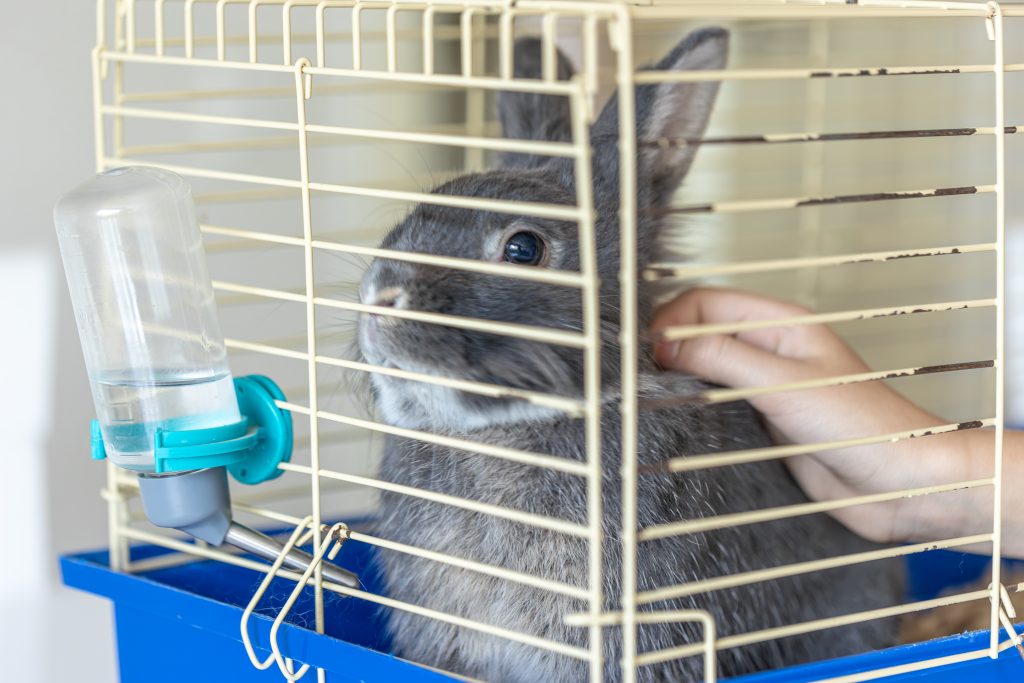
If your rabbit begins losing their balance, your immediate job is to play bodyguard and keep them safe. A disoriented rabbit can easily panic, thrash around, and break a limb or fracture their spine against hard objects. Use this high-contrast action plan to secure them safely before you head to an emergency clinic:
Table 2: 4-Step Home Emergency Stabilization Protocol
| Step | Immediate Action | How to Do It | Why It Is Critical |
|---|---|---|---|
| 1 | Restrict the Space | Move your rabbit into a small travel carrier or compact, single-level crate. | Blocks momentum and prevents violent rolling or crashing into hard walls. |
| 2 | Add Padding | Line the floor and walls with tightly rolled bath towels or fleece blankets. | Braces their body and absorbs impact if they tip over, creating a secure “bumper nest.” |
| 3 | Lower Resources | Remove hanging bottles; place a very shallow water dish and hay on the towels. | Prevents dangerous neck straining that can trigger violent vertigo episodes. |
| 4 | Kill Stimuli | Dim the lights, turn off electronics, and keep other pets away. | Calms a sick rabbit and reduces neurological panic by dropping sensory input. |
Critical Safety Note: Never attempt to force-feed pellets or syringe-feed water to a rabbit that is actively rolling or unable to hold its head upright. This creates an immediate choking hazard and can cause life-threatening aspiration pneumonia. Focus entirely on containment and padding until a professional can evaluate them.
7. Avoid These Common Mistakes: What Not to Do
When managing a balance crisis, knowing what to avoid is just as vital as knowing what steps to take. Minor missteps can inadvertently worsen disorientation or lead to physical injuries.
- Don’t wait to see if it fixes itself: Vestibular and bacterial ear issues progress rapidly. Early intervention dramatically improves the chances of a full recovery.
- Don’t allow free-roaming: A rabbit in a balance crisis can easily suffer high-speed collisions with furniture and dangerous falls down steps.
- Don’t force movement: Pushing a disoriented rabbit to stand or walk increases their panic and can trigger uncontrollable rolling.
- Don’t syringe-feed blindly: If the head is tilting or spinning, liquid food can easily enter the lungs instead of the stomach.
- Don’t assume it’s “just old age”: Senior rabbits may have stiff joints from arthritis, but tipping, spinning, or eye-twitching points to a specific medical condition, not a natural aging milestone.
8. How Veterinarians Diagnose Balance Deficits
Exotic mammal veterinarians use specific diagnostic steps to pinpoint the root cause of coordination loss without adding unnecessary stress to a patient that already feels like the room is spinning. Vets use a physical exam, neurological assessment, and diagnostic testing to determine the cause. Michigan State University shows that systematic tracking of these baseline steps is vital to rule out physical trauma from active, infectious conditions.
During the initial examination, the veterinarian checks the ear canals with an otoscope for debris, wax blockages, or fluid buildup. They also test neurological reflexes, noting how your rabbit responds to light, tracking movements, and changes in position.
Advanced screenings are usually required to see what is happening beneath the surface:
- Blood Tests: Drawn to check for E. cuniculi antibodies and evaluate baseline organ function.
- Imaging Scans: Skull X-rays or CT scans are the gold standard to inspect bone density around the inner ears.
- Medication Trials: Depending on the results, the vet may prescribe bone-penetrating antibiotics, anti-inflammatories, or antiparasitic treatments.
9. Can a Rabbit Fully Recover from Balance Loss?
The prognosis depends heavily on how quickly treatment begins. Acute inner ear infections caught in their earliest stages often resolve beautifully with a dedicated course of appropriate antibiotics. Long-term central nervous system damage from parasites or severe trauma carries a much more unpredictable timeline.
It is common for a rabbit to retain a residual, permanent head tilt or a subtle hitch in their gait even after the underlying cause is completely eradicated. Think of this as structural scar tissue or permanent nerve damage, not an active, ongoing illness. Rabbits with permanent minor balance alterations adapt remarkably well. They learn to adjust their vision, navigate flat environments with ease, and live long, joyful, pain-free lives.
10. How to Protect Your Rabbit’s Balance Health
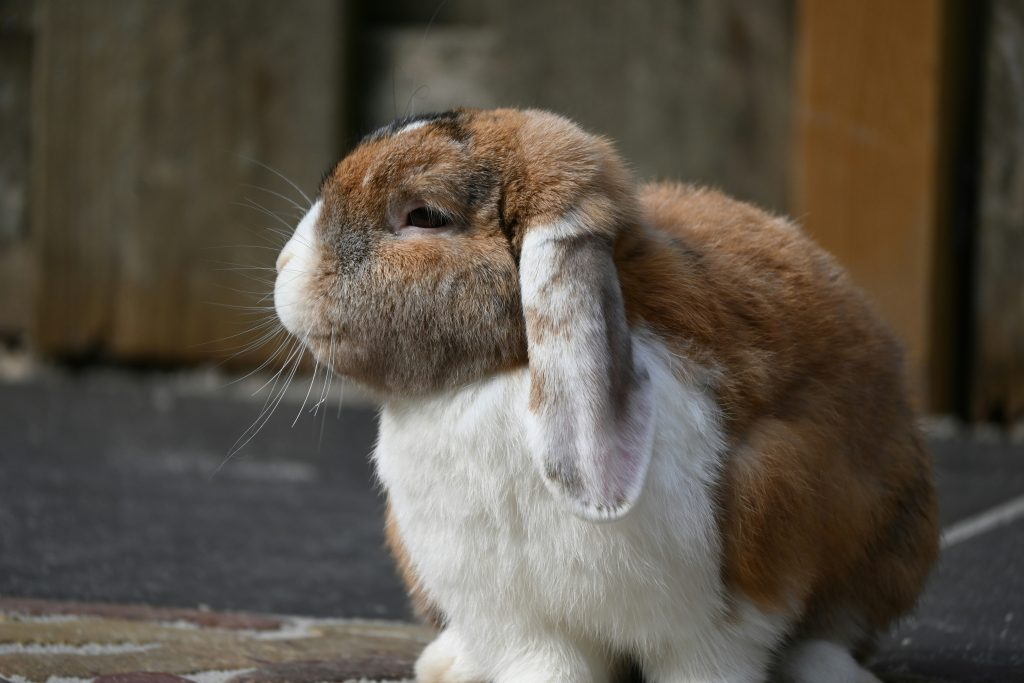
While you can’t prevent every illness, targeted husbandry practices significantly lower the baseline risk of coordination issues. Persistent nasal discharge should be evaluated promptly because untreated respiratory infections can spread up into the ear canals, which you can read about in depth via the Chewy PetMD Ear Care Steps.
Table 3: Preventative Actions
| Target Hazard | Preventative Action | Caregiver Protocol |
|---|---|---|
| Bacterial Ear Disease | Early Pathogen Detection | Schedule annual exams; check ears weekly for scratching, redness, or shaking. |
| Immune Suppression | Immune System Defense | Minimize household stressors; maintain a highly consistent, fiber-rich hay routine. |
| Physical Trauma | Fall Prevention | Line spaces with high-traction rugs; block or shield access to high furniture drop-offs. |
| Internal Nerve Stress | Ear Canal Health | Address respiratory sneezes immediately, tracking guidelines at the University of Missouri CVM. |
11. Frequently Asked Questions
Why is my rabbit suddenly falling over to one side?
This is usually a sign of acute vestibular dysfunction, often caused by a fast-moving inner ear infection, a flare-up of the E. cuniculi parasite, or head trauma. It warrants emergency veterinary evaluation.
Can a simple ear infection cause a rabbit to lose its balance?
Yes. A rabbit’s balance centers are deeply intertwined with their inner ear structures. If a bacterial infection travels past the outer canal, it causes severe inflammation, resulting in vertigo, wobbling, or head tilt.
Can a rabbit recover from losing its balance?
Yes. Many rabbits make full recoveries if the issue is diagnosed and treated early. Even if a permanent head tilt remains, rabbits can adapt and live high-quality lives.
Is a permanent head tilt painful for a rabbit?
No, a residual head tilt left behind after an illness is cured is typically not painful. It is simply the result of structural scar tissue or nerve damage. Once healed, rabbits adjust their vision and movement patterns to live comfortably.
Why is my rabbit hopping or walking in circles?
Circling behavior indicates uneven signals arriving from the inner ear or brain. The rabbit feels as though the world is spinning and circles toward the side of the issue to stabilize itself.
Should I feed my rabbit if it can’t stand up safely?
Do not force-feed using a syringe if your rabbit is actively rolling or unable to hold its head upright, as this poses a severe choking risk. Keep fresh greens within reach, and seek a vet’s assistance for safe stabilization first.
Can senior rabbits lose their balance purely due to old age?
No. While older rabbits may slow down or develop arthritis that weakens their hind legs, a true loss of balance, circling, or rolling is always caused by a specific medical condition rather than old age alone.
12. Conclusion
A loss of balance in a rabbit is always a clear signal that something requires immediate attention. It is a symptom of an underlying issue, not a disease in itself, and it should never be ignored or treated with a “wait and see” approach.
By taking quick action to secure your rabbit in a safely padded space and contacting an exotic animal veterinarian immediately, you give your pet the best possible chance at a successful recovery. Early treatment not only improves clinical outcomes but also prevents structural complications, keeping your rabbit comfortable and on the path to stability.
Medical & Veterinary Disclaimer: Bunnyowners.com is an informational resource for rabbit owners and enthusiasts. We are not veterinarians. The content on this website is for educational purposes only and is not a substitute for professional veterinary advice, diagnosis, or treatment. Always consult a qualified veterinarian with any questions or concerns regarding your pet’s health, medical conditions, diet, or overall care. If you have concerns about your rabbit’s health, it’s always best to reach out to a veterinarian rather than relying solely on information found online.