
Veterinary & Affiliate Disclaimer: Bunnyowners.com shares educational rabbit care resources, not professional veterinary advice. Always consult a qualified veterinarian regarding your rabbit’s medical, dietary, or behavioral needs. This post may also contain affiliate links; as an Amazon Associate and affiliate partner, we earn from qualifying purchases at zero extra cost to you.
Properly storing rabbit hay is essential for preserving its freshness, rich aroma, and nutritional value after you bring a bag, box, or bulk bale home. Without the right environment, simple household factors like moisture, direct sunlight, and stagnant air can rapidly turn sweet forage into dusty, moldy waste. Knowing where and how to keep your supply protected helps ensure your rabbit always gets clean, appetizing fiber.
The best way to store rabbit hay is in a cool, dry, dark location protected from moisture, pests, and household chemicals. Cardboard boxes, fabric bags, plastic totes, or metal containers all work well—provided the hay is thoroughly dry when stored and the container stays clean and moisture-free. Always keep bulk supplies elevated off potentially damp floors, and inspect the batch periodically for musty odors or signs of spoilage.
In this guide, you’ll learn how to set up a simple hay storage system that protects your bulk supply, keeps daily feeding mess-free, and prevents costly spoilage. Whether you buy small retail bags or full farm bales, establishing a reliable routine keeps forage fresh, fragrant, and clean. After all, protecting your hay’s quality after you bring it home is just as important as choosing the right rabbit diet and food to begin with.
1. Core Principles of Storing Rabbit Hay
The most critical factor in rabbit hay storage is simple: moisture control. Harvested grass hay is a dried forage crop, and keeping it thoroughly dry is what prevents fungal growth, decay, and nutrient breakdown. Proper environmental management helps keep your rabbit’s daily supply fresh and appealing as part of a healthy diet.
As agricultural research on spoilage from moisture buildup shows, even minor moisture increases cause fungal spores to generate heat, which breaks down digestible carbohydrates and spoils forage quality. While processed commercial foods are often vacuum-sealed, hay storage centers on keeping environmental dampness out and preventing moisture from becoming trapped around the forage.
Key Rule: If hay is completely dry when stored in a clean, dry container and remains protected from moisture and contamination, it can stay usable for an extended period. The primary danger arises when hay that contains hidden dampness—or hay stored in a humid environment—gets sealed inside a container where that moisture remains trapped.
The table below outlines the core environmental factors that directly affect stored hay quality, along with the primary risks and recommended solutions for each:
Core Storage Requirements for Rabbit Hay
| Storage Factor | What Rabbit Hay Needs | Primary Storage Risk | Best Storage Solution |
|---|---|---|---|
| Moisture | Dry conditions | Mold, decay, spoilage | Indoors, off damp floors, away from leaks/humidity |
| Cleanliness | Dust- and pest-free space | Contamination, pest intrusion | Clean containers, covered storage, regular sweeping |
| Protection | Defense against spills & light | Fading color and nutrient decline | Opaque or covered containers, dark rooms, shade |
| Location | Stable, clean environment | Chemical fumes, severe humidity | Pantries, dry closets, dedicated utility nooks |
| Elevation | Raised off damp surfaces | Floor moisture absorption | Shelving, pallets, risers |
The goal of a reliable storage system is to maintain clean, dry conditions while shielding your supply from water spills, dust, and pest activity. These storage basics apply across common rabbit hay varieties like Timothy, orchard, and oat, even though leafiness, stem thickness, and texture naturally vary between them.
A good storage system can preserve quality, but it cannot improve poor hay after purchase. Starting with good-quality hay your rabbit actually enjoys eating makes long-term storage much easier and reduces the chance that a picky eater rejects the supply.
2. Choosing the Best Hay Storage Container
Selecting the right container balances moisture defense against pest protection and household convenience. No single container fits every home, but understanding the trade-offs of each option helps you choose the best setup for your needs.
Cardboard Boxes
Cardboard is one of the most practical overall options for storing pet hay. Thick cardboard blocks most direct light to preserve light-sensitive nutrients and offers minor breathability that helps manage subtle ambient humidity shifts.
- Pros: Naturally breathable, opaque, cost-effective, ideal for indoor storage.
- Limitations: Zero resistance to liquid spills or standing water. A leaking pipe, mop splash, or damp concrete floor will ruin a cardboard box and the hay inside. Cardboard can also be chewed through if pests enter the storage space.
Fabric Bags and Canvas Bins
Woven fabric bags, canvas laundry hampers, and mesh storage bins contain loose stems and dust effectively while making transportation easy. Fabric containers work well for apartment dwellers keeping a month’s supply inside a closet or near a rabbit enclosure.
- Pros: Highly breathable, portable, prevents mess.
- Limitations: Minimal barrier against liquid spills and limited defense if pests enter the storage area. Always keep fabric bags elevated on shelving rather than sitting directly on the floor.
Plastic Bins and Metal Totes
Plastic totes and metal containers offer high physical protection against external water leaks, spills, and pests. Professional advice on keeping hay clean and protected highlights that clean, dry containers, such as metal bins or sturdy totes, effectively shield hay from moisture and household dust.
Storing Rabbit Hay in Plastic Bins
Yes, storing hay in plastic totes is safe provided the hay is completely dry before it goes into the bin and the container itself is clean and dry.
The main risk with sealed bins is trapping moisture that is already present in the hay or introducing condensation in a humid or temperature-variable storage area. In testing different storage setups through seasonal weather shifts, I’ve noticed that even a tightly snapped bin lid can create micro-beads of sweat along the interior walls overnight if the room temperature drops.
If you store bulk hay in humid areas like basements, or if you purchase farm bales that may hold residual field moisture, choosing a ventilated tote design or leaving the lid slightly unfastened helps prevent moisture from trapping inside.
Original Store Packaging
Commercial pet store hay frequently arrives in heavy plastic bags. Once opened, keep the bag in a dry, clean area. Roll the top over loosely to shield the contents from dust while keeping it easy to access, or transfer the contents into a dedicated storage box or bin.
To help you decide which container fits your space, the following comparison breaks down each material by moisture protection, pest resistance, and ideal use case:
Comparison of Rabbit Hay Storage Containers
| Container Type | Moisture Defense | Pest Protection | Best Application |
|---|---|---|---|
| Cardboard Box | Moderate (vulnerable to spills) | Moderate | Indoor closet or pantry bulk storage |
| Fabric / Canvas Bag | Low | Low | Small living spaces, daily feeding storage |
| Sealed Plastic or Metal Bin | High (external leaks/spills) | High | Dry indoor spaces; ideal for completely dry hay |
| Ventilated Plastic Tote | Moderate to High | Moderate to High | Basements with dehumidifiers, utility setups |
| Open Wire Basket | Low | None | High-turnover daily feeding station |
3. Best Storage Locations for Rabbit Hay
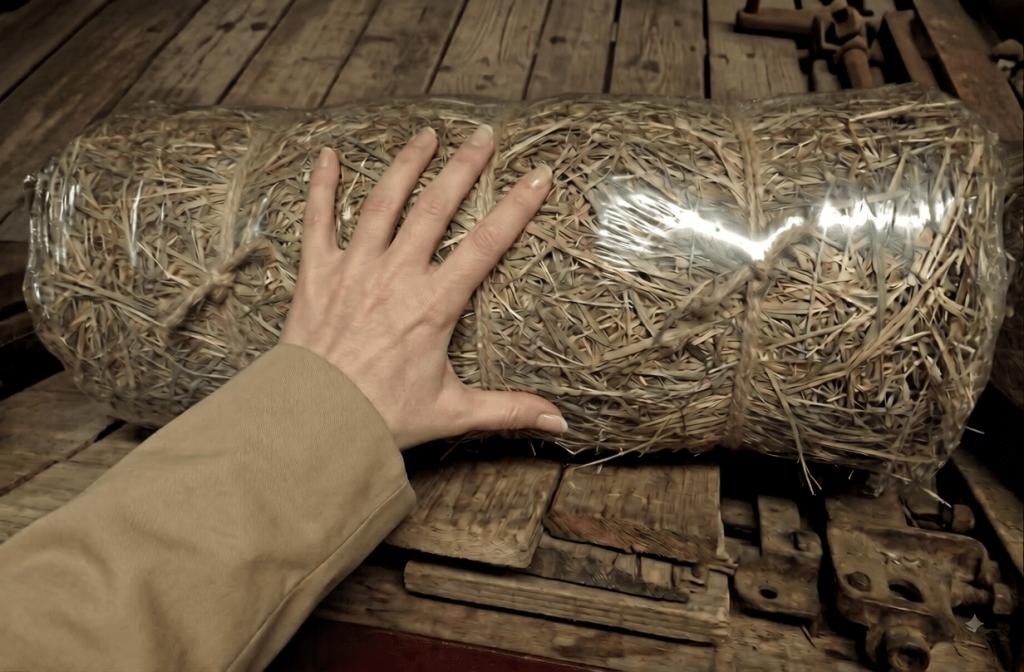
Where you place your storage container matters just as much as the container itself. The ideal storage spot maintains a stable temperature and low ambient humidity.
Indoor Storage Areas
Indoor living areas provide the most reliable storage environment. Recommended locations include:
- Guest room closets or linen closets away from bathroom steam
- Pantries or utility closets isolated from washing machines
- Under-bed storage using low-profile fabric or plastic bins
- Dedicated rabbit supply corners away from direct heating vents
Note: Avoid placing hay near kitchen sinks, dishwashers, or areas subject to frequent steam and splashes.
Garage and Shed Storage
Garages and outdoor sheds seem convenient for large boxes, but they carry distinct risks. Temperature swings in unconditioned spaces can increase condensation risks, especially if moisture is already present or humid air enters the container.
Additionally, hay stored near fuels, paints, pesticides, lawnmowers, or strong household chemicals can pick up odors or become contaminated. Keep food-storage areas completely separate from automobile and household chemical products.
Basement Storage
Basements are naturally cool and dark, but they can be damp. Only use a basement if it stays consistently dry and free from condensation or musty humidity. A dehumidifier can help maintain a dry environment in damp spaces, provided all containers are elevated off the floor.
Outdoor Storage Risks
Never store uncovered or exposed rabbit hay outdoors. Rain, fog, direct sunlight, wild birds, and pests increase the risk of contamination and spoilage.
4. Moisture Control Strategies
Moisture control is the fundamental rule of safe hay storage. Hay that becomes damp is far more vulnerable to microbial spoilage and mold. Forage-storage guidance on fungal growth and nutrient losses during hay storage confirm that storage molds like Aspergillus colonize damp plant matter quickly, releasing spores that spoil the batch and risk your pet’s respiratory health.
Direct Water Spills vs. High Humidity
- Direct Moisture: Comes from obvious sources like roof leaks, wet floors, or water bottle spills.
- Ambient Humidity: More gradual. Dried grass can absorb moisture from damp air over time, making dry storage areas essential for long-term quality.
Handling Damp Hay
If stored hay becomes damp, separate it from the remaining supply and inspect it carefully before feeding. Musty odors, visible mold, persistent dampness, or unusual discoloration are clear red flags, and knowing how to check if your hay is fresh makes these routine checks quick and straightforward.
5. Airflow and Ventilation Guidelines
While completely dry hay can be safely stored in closed containers, allowing subtle airflow can be helpful when managing bulk quantities or storing hay in areas with variable humidity.
Keeping air moving stops warm, muggy pockets from forming inside fresh hay. Good ventilation also helps keep loose hay dust from accumulating around the storage area. Because rabbits are obligate nasal breathers, keeping their feeding environment reasonably clean and low in airborne debris is a sensible part of everyday hay management.
How to Maintain Simple, Practical Ventilation:
- Keep cardboard box flaps folded over loosely rather than taped shut.
- Leave plastic tote lids slightly unfastened if stored in a garage or basement.
- Place a light fabric cover over open wire baskets to keep ambient dust off the top layer while allowing air exchange.
The goal is not to expose hay to constant open air, but to avoid creating a warm, damp pocket around the forage. If the hay is completely dry and the storage environment is stable, only modest ventilation is needed.
6. Floor Elevation Options
Keep hay off floors that may become damp or contaminated, especially concrete garage or basement floors. Concrete floors can become damp or transmit moisture to cardboard boxes, so bulk hay is better kept on shelving, pallets, or another raised surface.
Recommended Elevation Options:
- Heavy-duty wire shelving units
- Wooden pallets or plastic risers
- Low slatted platforms or shelving
Elevating containers keeps the bottom of your storage completely dry, promotes clean conditions, and makes it vastly easier to inspect the surrounding area for pests.
In my own home setup, placing the bulk hay boxes for my two rabbits, Mocha and Chino, onto raised wire shelving made an immediate difference. Lifting the cardboard off the cold floor eliminated dampness risks along the bottom panels, improved air circulation underneath, and made it effortless to sweep up stray stems and dust during routine cleanings.
7. Bulk Storage and Farm Bale Management
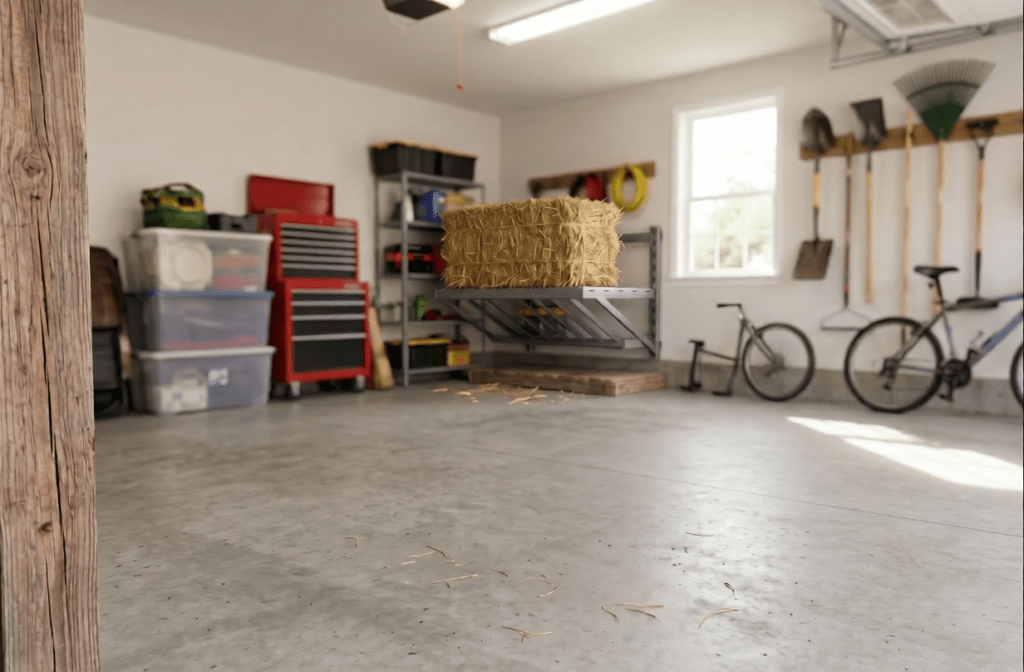
Buying farm-fresh bales or large commercial boxes saves money, but managing bulk quantities requires a clear routine.
Bulk Bales vs. Small Retail Bags
Understanding the practical differences between bulk bales and small retail bags helps you manage their unique storage risks:
Small Retail Bags (Low Density, Quick Inspection): Commercial pet bags feature loosely fluffed hay that allows air to pass through easily. They are effortless to handle and simple to inspect at a glance, but offer far less value for homes feeding hay continuously throughout the day.
Bulk Bales (High Density, Manual Monitoring): Farm-sized or large compressed bales pack grass extremely tightly. While cost-effective, this high density makes it difficult to inspect the center. Bulk storage requires periodic hands-on checks into the inner core to confirm no heat or trapped moisture has built up over time.
Storing a Full Farm Bale
- Elevate Immediately: Place the bale on a pallet or wire rack off the floor.
- Cover for Protection: Drape a cotton sheet, canvas dropcloth, or clean tarp loosely over the bale to block dust and light while protecting against minor splashes.
- Inspect Periodically: Check deeper portions periodically as you work through the bale to ensure it remains dry and free from musty odors.
Setting Up a Two-Tier Storage System
Rather than digging into a large bale or 50-pound box multiple times a day, transfer a smaller supply to a convenient feeding container near your rabbit’s enclosure.
Using a simple two-tier system—keeping the main bulk supply untouched while filling a small daily or weekly bin—keeps the bulk storage area cleaner, reduces room clutter, and makes daily feeding fast and easy.
The smaller container should still hold enough forage that hay remains continuously available rather than becoming a rationed meal. Estimating how much hay your rabbit needs each day makes it easy to decide how much to transfer from bulk storage at a time.
8. Shelf Life and Freshness Signs
Hay does not have a simple universal expiration point. Color, aroma, palatability, and some nutrients can decline over time even when hay remains physically sound and dry.
Physical Changes in Older Hay
Under cool, dry conditions, grass hay can remain usable for many months when stored properly. Because rabbits require unlimited daily hay, keeping your supply dry helps preserve its aroma, texture, and palatability over time.
In watching how hay holds up over six to eight months, I’ve noticed that the rich green color and sweet grassy scent begin a slow, natural fade long before the stems actually lose their dry, fibrous texture. Several normal changes can occur during extended storage:
- Visual Color: Vibrant green hues gradually shift to lighter golden-green shades.
- Scent Profile: The initial sweet, herbal aroma slowly becomes milder.
- Nutritional Content: Fiber remains stable, but light-sensitive vitamins gradually fade.
- Palatability: Stiff stems may lose surface sweetness, making the batch less appealing to picky eaters.
Faded color alone does not mean forage is spoiled, though a rabbit may show less enthusiasm for older hay.
Reasons for Reduced Hay Intake
Older hay can gradually lose the crisp texture and rich aroma that make fresh forage so enticing. However, if your rabbit suddenly eats much less, don’t assume storage age is the only cause—dental discomfort, diet changes, stress, or illness can all reduce appetite.
Evaluating Specific Refusal Patterns
Not all hay refusal looks the same, and how your rabbit avoids their forage can offer crucial clues about what’s going on.
- Dietary Imbalance: A rabbit munching on pellets while ignoring hay may be dealing with a different preference or health issue than one whose appetite has declined across every food category.
- Dental Issues: Persistent avoidance of coarse forage deserves extra attention if it appears alongside drooling, selective eating, or difficulty chewing, because warning signs of rabbit teeth trouble can drastically change how comfortably a rabbit eats hay.
Keeping stored forage clean and appealing matters because consistent hay intake supplies the long-strand fiber that anchors a gut-friendly feeding routine and helps maintain normal digestion. Routine inspection ensures the forage remains safe to feed alongside these foundational dietary needs.
9. Pest and Chemical Prevention
Securing your hay against household pests and environmental contaminants requires non-chemical preventive measures.
Preventing Insects and Rodents
Keep hay away from pesticides, fuels, cleaning chemicals, and other potential contaminants. As House Rabbit Society safety guidelines stress, all dry feed and living areas should be kept well away from toxic household items. Never spray chemical insecticides or place rodent baits directly inside or around hay storage containers.
- Sweep up loose stems and dust around storage areas weekly.
- Keep storage containers elevated off floors.
- Use sturdy plastic or metal containers if pests are a concern in utility spaces, as solid bins provide a strong physical barrier against insect and rodent intrusion.
Avoiding Household Chemical Fumes
Dried plant fibers can absorb strong ambient smells. Storing hay near laundry detergents, air fresheners, cleaning supplies, or gasoline cans can alter its natural scent and make it less appealing to rabbits.
10. Common Hay Storage Mistakes
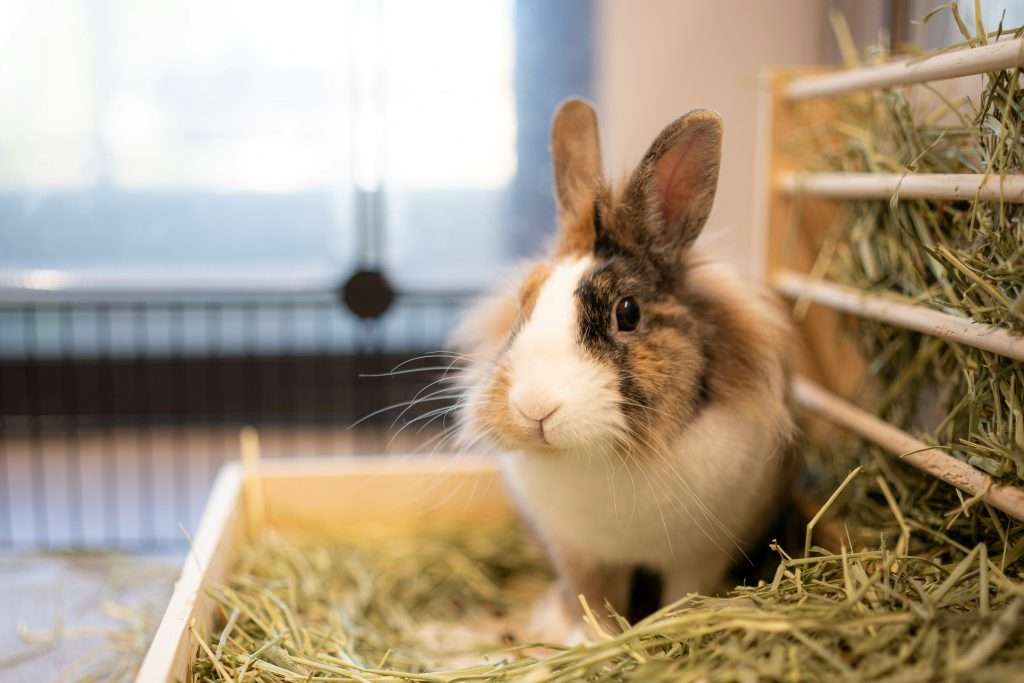
Avoiding common storage traps keeps your hay supply fresh, safe, and appealing.
The table below highlights the most frequent storage mistakes pet owners make, along with the risks involved and how to fix them:
Common Rabbit Hay Storage Mistakes and Corrections
| Storage Mistake | Underlying Risk | Corrective Action |
|---|---|---|
| Storing directly on damp concrete | Absorbs floor moisture, leading to spoilage | Elevate containers on wire racks, pallets, or risers |
| Storing damp hay in a sealed container | Traps moisture and increases spoilage risk | Only containerize hay that is completely dry |
| Storing near laundry vents/heaters | High humidity and steam accelerate spoilage | Move storage to a dry pantry, closet, or spare room |
| Buying far beyond storage capacity | Longer exposure risk and fading aroma over time | Buy quantities you can store properly and use fresh |
| Placing containers in sunny windows | Light bleaches color and degrades vitamins | Store in dark, shaded locations away from windows |
| Storing near paints, fuels, or cleaners | Picks up chemical odors and risks contamination | Keep feed storage separate from chemical products |
11. Practical Storage Examples
Here are three practical storage setups tailored to different home environments and purchasing habits:
Apartment Setup
- Primary Container: Medium cardboard box or canvas laundry hamper inside a bedroom closet or utility nook.
- Elevation: Placed on a low wire shelf or wooden riser.
- Workflow: Top flaps closed loosely to block light while keeping access simple.
Multi-Rabbit Household Setup
- Primary Container: Large plastic tote or dedicated storage bin kept in a dry utility area.
- Elevation: Stacked on heavy-duty wire pantry shelving.
- Workflow: Main tote opened once a week to refill a daily canvas dispenser near the enclosure.
Farm Bale Setup
- Primary Container: Compressed farm bale kept on a wooden pallet in a dry utility room.
- Covering: Drape a breathable canvas dropcloth or sheet loosely over the top and sides.
- Daily Dispenser: For Mocha and Chino’s daily feeding rotation, we decant a week’s worth of hay into a wide canvas basket placed near their pen. This keeps the daily supply easy to reach while keeping the main bale area clean.
12. Quick Storage Checklist
Review this checklist to confirm your storage area meets core safety standards:
- [ ] Dry & Cool: Stored in a cool, dry, dark area away from direct sunlight
- [ ] Moisture-Free: Hay is completely dry before being placed into storage containers
- [ ] Elevated: Raised off floors that could become damp or dirty
- [ ] Isolated from Steam: Positioned away from humidity sources (water heaters, dryers, bathroom steam)
- [ ] Chemical-Free: Kept separate from chemical fumes, car exhaust, and scented cleansers
- [ ] Two-Tier System: Main bulk supply is separated from a clean daily-use dispenser
- [ ] Regularly Checked: Inspected periodically for musty odors, dampness, or pest signs
13. Frequently Asked Questions
Can I store rabbit hay in a plastic tote?
Yes. Sturdy plastic totes provide excellent protection against external moisture spills and pests. Ensure the hay is completely dry when stored. If storing in areas prone to humidity or temperature shifts, leaving the lid slightly unlatched or using a ventilated tote helps prevent moisture accumulation.
Should rabbit hay be kept in the refrigerator or freezer?
No. Refrigerators contain high humidity that makes dried grass damp. Freezing can cause condensation to form inside the cold hay when brought back into warm room air, introducing unwanted moisture.
Does rabbit hay expire or go bad after a year?
Hay does not automatically spoil after a specific timeframe when stored properly. Color, aroma, palatability, and some nutrients can decline over time even while the hay remains dry and structurally fibrous.
Is it safe to store rabbit hay in an outdoor shed?
Outdoor sheds are generally unsuitable due to rain leaks, humidity spikes, pest access, and temperature shifts that increase condensation risks. Keep hay in a dry indoor space whenever possible.
How do I prevent hay dust from getting all over my home?
Use a two-tier storage system. Keep your primary bulk box undisturbed in a closet or utility space, and transfer a week’s supply into a canvas basket or hamper near the enclosure. Decanting hay over a utility sink or utility area keeps living-room floors clean.
Summary of Key Storage Rules
Proper hay storage comes down to keeping forage dry, clean, protected, and elevated. By selecting appropriate containers, keeping storage off damp floors, and isolating feed from household chemicals, you preserve both the nutritional value and appeal of your rabbit’s primary food source.
Storage controls the environment after purchase, but routine inspection ensures the forage remains safe to feed. Keeping your system structured and well-maintained keeps your rabbit’s daily diet safe and appetizing.
Medical & Veterinary Disclaimer: Bunnyowners.com is an informational resource for rabbit owners and enthusiasts. We are not veterinarians. The content on this website is for educational purposes only and is not a substitute for professional veterinary advice, diagnosis, or treatment. Always consult a qualified veterinarian with any questions or concerns regarding your pet’s health, medical conditions, diet, or overall care. If you have concerns about your rabbit’s health, it’s always best to reach out to a veterinarian rather than relying solely on information found online.