
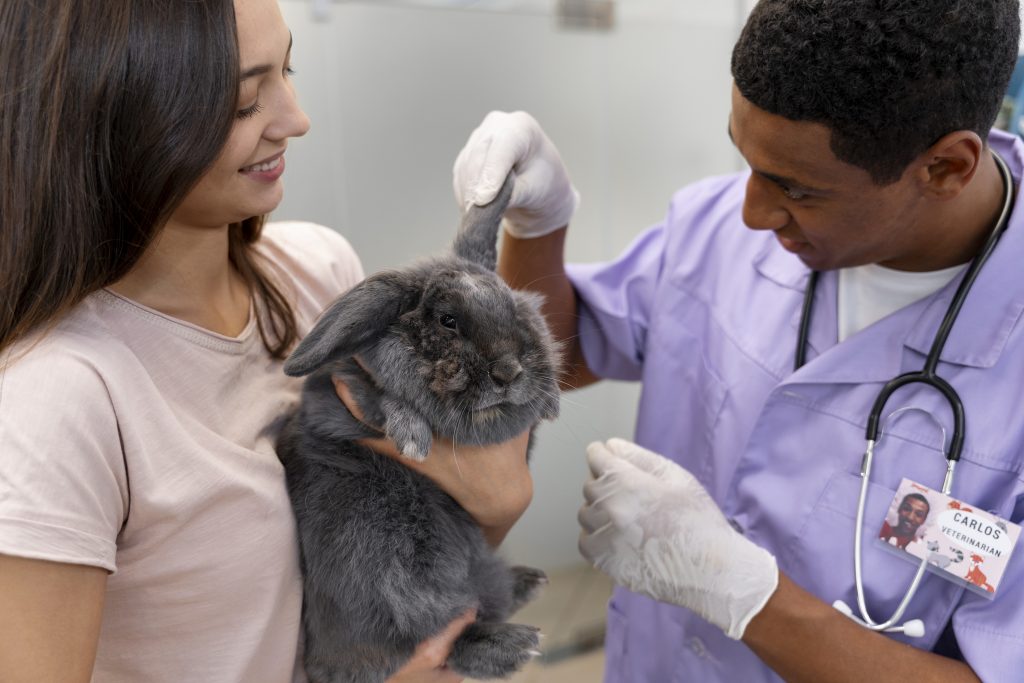
Veterinary & Affiliate Disclaimer: Bunnyowners.com shares educational rabbit care resources, not professional veterinary advice. Always consult a qualified veterinarian regarding your rabbit’s medical, dietary, or behavioral needs. This post may also contain affiliate links; as an Amazon Associate and affiliate partner, we earn from qualifying purchases at zero extra cost to you.
Ear infections in rabbits often start as a seemingly harmless itch, but this stealthy condition can rapidly escalate into a full-blown neurological emergency. Because our lagomorph companions treat hiding their illnesses like a competitive Olympic sport, recognizing the earliest physical and behavioral shifts is the only way to catch the problem before it spirals out of control.
A rabbit with an active ear infection will typically show:
- frequent or frantic head shaking
- persistent scratching at the base of the ear
- thick, foul-smelling ear discharge
- a newly drooping or asymmetrical ear
- sudden balance problems or stumbling
- an unexplained refusal to eat
- a pronounced, lingering head tilt
These symptoms become critical for rabbit health care when inflammation attacks the middle and inner ear’s vestibular system. Observing my rabbits, Mocha and Chino, has shown me that infections breaching these deep structures essentially unplug the animal’s internal gyroscope—causing severe dizziness, frantic circling, and a complete loss of orientation. Preventing this terrifying stage requires understanding symptom progression, hidden root causes, and aggressive medical treatments.
1. What Does an Ear Infection Look Like in a Rabbit?
Because rabbits hide pain as if their lives depend on it (which, in the wild, they absolutely do), symptoms usually escalate in distinct, observable stages. Mother Nature programmed them to act completely fine until the very last possible moment—a brilliant evolutionary strategy for avoiding predators, but a terribly stressful one for a modern pet owner. By the time a rabbit actually looks visibly sick, they have likely been battling the infection behind the scenes for quite some time.
Recognizing the Stages of Infection
Understanding the mechanics of these symptoms is crucial for any diligent owner. Head shaking isn’t just a quirky new habit; it is a frantic, mechanical attempt to dislodge debris, wax, or fluid trapped deep in the twisting cavern of the ear canal.
Similarly, a suddenly drooping ear—especially in breeds that normally boast erect, upright ears—is often a structural, gravitational response to heavy inflammation and fluid weight pooling at the base. Knowing precisely what to look for at each phase can save you from a late-night panic at the emergency clinic and give your rabbit a significantly better prognosis.
Table 1: Quick-Scannable Symptom Severity Guide
| Severity Stage | Hallmark Indicator | Vet Action Required |
|---|---|---|
| Early | Head shaking / Ear scratching | Schedule regular appointment |
| Moderate | Canal swelling / Base discharge | Prompt clinical evaluation |
| Severe | Head tilt / Continuous rolling | Immediate emergency triage |
Early Stage Infection Symptoms
- Physical Signs: Notable redness inside the opening of the canal, heavy wax buildup, dry crusting, and a distinct, yeasty odor.
- Behavioral Changes: Frequent shaking of the head, rubbing the sides of the face along the floor, intense scratching at one particular ear, and a protective flinch when you touch the base of the skull.
Moderate Stage Infection Symptoms
- Physical Signs: Visible swelling around the outer ear cartilage, thick creamy discharge, and wet, matted fur staining the base of the head.
- Behavioral Changes: Frequent, loud tooth grinding indicating physical pain, sudden irritability, long periods of hiding in corners, and a sharp drop in their interest in food.
Severe Stage Infection Symptoms (Middle/Inner Ear)
- Physical Signs: A permanent, involuntary sideways tilt of the head and rapid, uncontrollable horizontal or vertical eye flicking (known clinically as nystagmus).
- Behavioral Changes: Sudden loss of balance, falling over sideways when attempting to groom, continuous rolling across the floor, walking in tight circles, severe lethargy, and a complete refusal to touch food or water.
2. Is a Rabbit Ear Infection an Emergency?
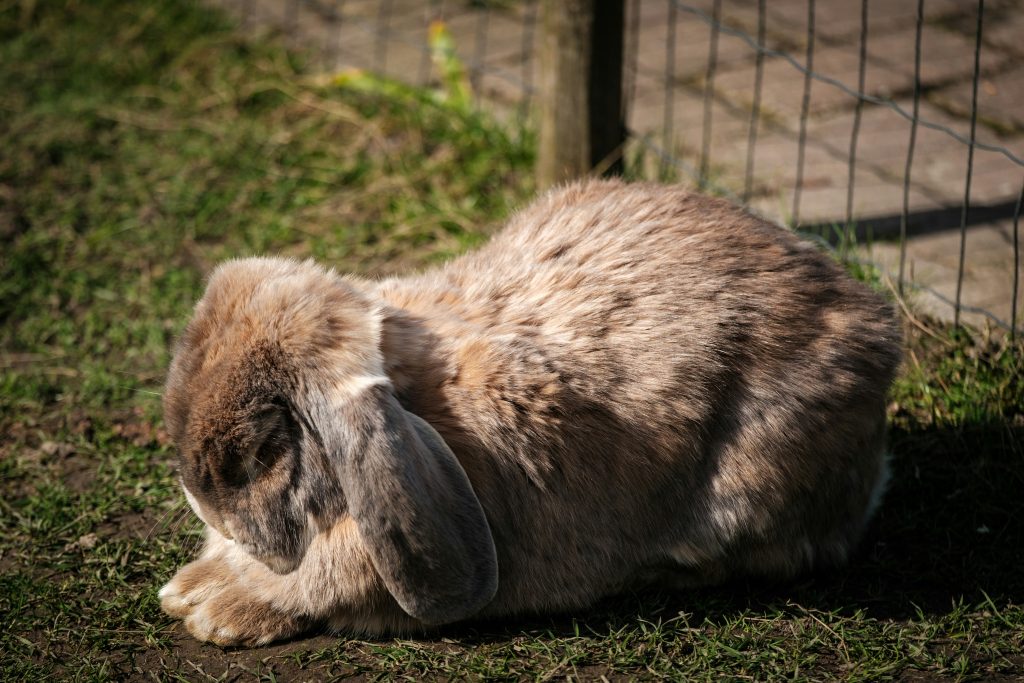
Emergency veterinary care is immediately needed if a rabbit has a head tilt, rolling or falling, an inability to stand, stopped eating, severe lethargy, facial paralysis, eye movement abnormalities, pus or blood from the ear, or signs of extreme pain.
Why Ear Infections Escalate Quickly
An ear infection can spiral out of control within a matter of hours for two major biological reasons. First, the moment bacteria break through the eardrum into the inner ear, they directly damage the vestibular system, completely wiping out the rabbit’s ability to orient its body. This triggers a state of blind panic and constant, terrifying motion sickness.
Second, the intense pain and disorientation from this shift will almost always cause a rabbit to stop eating, which triggers gastrointestinal (GI) stasis. A rabbit’s digestive system requires a non-stop influx of fiber to stay functional; when that conveyor belt stops, painful gas builds up, dangerous toxins multiply in the gut, and the animal’s body can shut down entirely. What looks like a localized ear issue can quickly become a fatal digestive crisis within 24 hours.
3. Types of Ear Infections in Rabbits
Rabbit ear anatomy is uniquely complex. The canal travels vertically down the side of the head before making a sharp, ninety-degree turn inward toward the skull. This design is highly efficient at capturing sound, but it is equally efficient at trapping debris, moisture, and bacteria. The location and depth of the infection within this pathway determine exactly how severe the illness will be and how aggressively your vet will need to treat it.
Understanding Anatomical Depth
Most infections follow a predictable path, starting in the exposed outer canal and steadily working their way deeper into the skull if they aren’t caught and treated in time.
Table 2: At-a-Glance Anatomical Depth Comparison
| Condition Name | Skull Location | Primary Physical Risk |
|---|---|---|
| Otitis Externa | Outer vertical canal | Blockage from waxy debris |
| Otitis Media | Behind tympanic membrane | Eardrum rupture & acute pain |
| Otitis Interna | Deep neurological structures | Permanent loss of equilibrium |
Outer Ear Infection (Otitis Externa)
This condition stays confined to the visible, upper portion of the ear canal. It is generally the easiest type to manage and clear up, usually caused by trapped shed skin, excess wax, or common bacteria taking advantage of a warm environment. The main indicators are localized itching, a sour smell, redness, and dark debris.
Middle Ear Infection (Otitis Media)
This occurs when the infection breaches the eardrum and moves into the tympanic bulla, which is a hollow, rounded bony chamber at the base of the skull. This stage is intensely painful and can cause structural damage to the tiny bones inside the ear. You will often notice a drop in appetite, heat around the base of the ear, and the very first hints of balance trouble.
Inner Ear Infection (Otitis Interna)
This is the most critical stage, where the infection invades the deep neurological and balance structures embedded within the bone. Once bacteria reach this zone, the rabbit loses its balance entirely. According to documentation in the Merck Veterinary Manual, otitis interna triggers profound neurological indicators, including rapid, unprovoked rolling, frantic circling, nystagmus, and a total inability to remain upright.
4. What Causes Ear Infections in Rabbits?
Understanding the root cause is the key to preventing a chronic, recurring nightmare. Ear infections rarely happen in a vacuum; they are usually secondary to an underlying environmental, anatomical, or systemic failure that essentially rolled out the red carpet for bacteria.
Primary Triggers and Underlying Conditions
Table 3: Common Pathogens Profile
| Bacterial Strain | Core Clinical Feature | Pus Consistency |
|---|---|---|
| Pasteurella multocida | High risk for system-wide spread | Caseous (dry & cheese-like) |
| Staphylococcus | Promotes local tissue abscesses | Thick & non-draining |
| Pseudomonas | Extremely resistant to standard drops | Dense & highly persistent |
Bacterial Infections
The vast majority of rabbit ear issues stem from opportunistic bacteria. Strains like Pasteurella multocida, Staphylococcus, and Pseudomonas frequently cause issues. Unlike humans, rabbits do not produce liquid pus; their white blood cells lack specific enzymes, resulting in a thick, dry, cheese-like material that forms solid plugs inside the ear canal and resists drainage.
Ear Mites
An infestation of the specific rabbit ear mite (Psoroptes cuniculi) causes intense irritation, thick brown crusting, and severe scratching. While the mites themselves stay on the surface, the raw skin and micro-tears caused by non-stop scratching allow environmental bacteria to enter the tissue, triggering a severe secondary infection.
Dental Disease Connection
A rabbit’s skull anatomy is incredibly compact. In fact, the roots of their open-rooted cheek teeth sit right next to the nasal passages and the tympanic bulla. When jaw misalignment strikes, these roots grow backward into the bone, triggering severe overgrowths and deep-seated abscesses. These structural infections can easily break through the skull’s thin bone walls, traveling directly into the middle ear chamber—a dangerous anatomical domino effect highlighted by the House Rabbit Society.
Moisture and Poor Ventilation
Bacteria thrive in dark, damp, warm environments. If a rabbit lives in a poorly ventilated space, or if a lop-eared rabbit has heavy, folded ears that completely seal off the canal opening, moisture gets trapped inside. This lack of airflow creates a perfect incubator for bacterial colonies to grow.
Weakened Immune System or Chronic Illness
Older rabbits, those living under constant stress, or individuals managing long-term conditions like kidney disease have significantly fewer resources to fight off mild bacterial exposure. Microorganisms that a healthy immune system would easily suppress can quickly take over and cause deep tissue infections.
5. Can Ear Infections Cause Head Tilt in Rabbits?
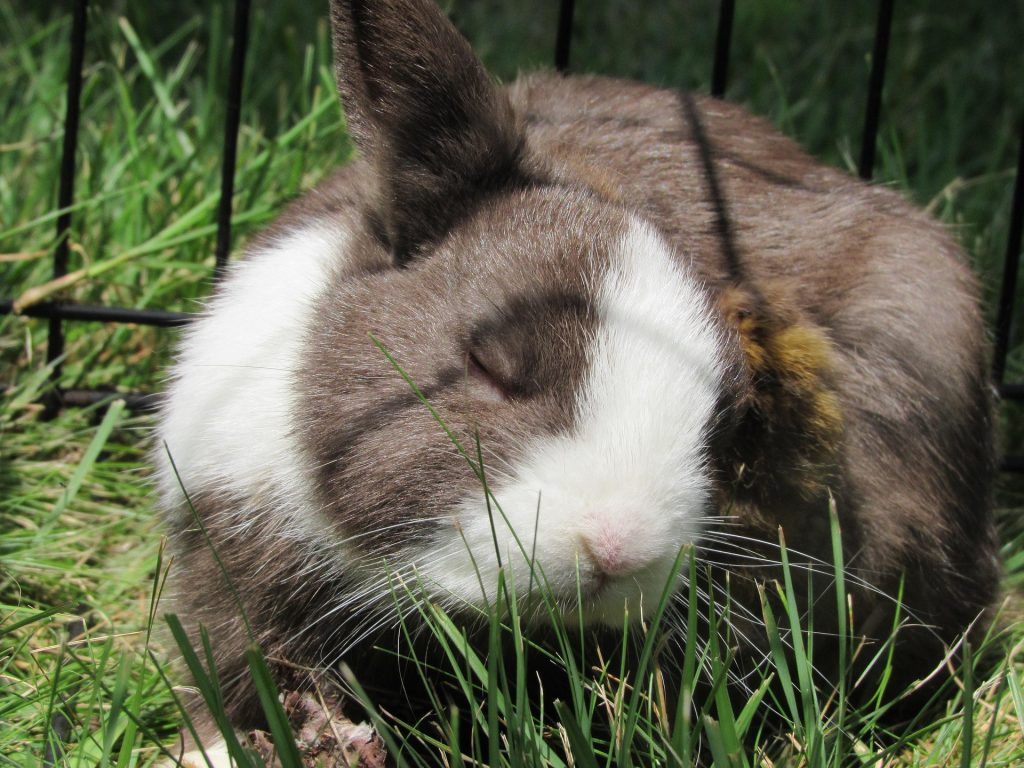
Yes, they absolutely can, and it is easily one of the most frightening things an owner can witness. When a bacterial infection confidently marches into the inner ear, it causes severe, chaotic vestibular dysfunction.
The Role of the Vestibular System
Think of the vestibular system as a highly sensitive, fluid-filled internal spirit level inside the inner ear that acts as the rabbit’s internal gyroscope, continuously sending precise signals to the brain about spatial orientation.
When inflammation, thick pus, or severe swelling disrupts this delicate system, the brain receives wildly inaccurate, chaotic signals. The inflammation directly disrupts the rabbit’s ability to tell up from down, resulting in a profound, dizzying loss of equilibrium.
Symptoms associated with this vestibular disease include a permanent sideways head tilt (sometimes rotated nearly 90 degrees), uncontrollable spinning, a complete loss of orientation, rolling continuously in one direction, absolute panic, and eye flicking (nystagmus) as the eyes desperately try to compensate for the false sensation of constant spinning.
Ear Infection vs E. cuniculi
It is absolutely crucial to note that the microscopic intracellular parasite Encephalitozoon cuniculi (E. cuniculi) can also cause a severe head tilt by forming lesions directly on the brain and kidneys. The neurological symptoms overlap significantly, making visual diagnosis impossible.
However, a proper clinical diagnosis requires thorough veterinary evaluation, blood testing, and imaging, as the treatment paths for a bacterial inner ear infection (antibiotics and pain meds) and a parasitic E. cuniculi infection (anti-parasitic drugs like fenbendazole) are entirely different. Guessing wrong can cost precious time.
6. How Veterinarians Diagnose Rabbit Ear Infections
Do not attempt to play detective at home with a household flashlight. Leave the anatomical spelunking to the professionals. A veterinarian has the necessary specialized tools, optical equipment, and medical training to see exactly what is happening deep inside your rabbit’s remarkably complex skull anatomy.
Professional Diagnostic Methods
Because of the steep bend in the rabbit’s ear canal, you cannot simply look inside and see the eardrum. Specialized techniques and advanced diagnostics are required to confirm exactly how far an infection has traveled.
Veterinary Diagnostic Methods for Rabbit Ear Infections Here is a detailed breakdown of each Diagnostic Method along with its Description & Purpose:
Physical Examination
The vet will conduct a thorough overall inspection, palpate the base of the ears to check for firm abscesses, assess pain levels, and carefully evaluate any neurological signs like a subtle head tilt or nystagmus.
Otoscope Examination
Using an otoscope allows the vet to view the deeper, horizontal canal, assess the integrity of the tympanic membrane (eardrum), and spot hidden debris or discharge. VCA Animal Hospitals notes that this is a critical first step in determining the depth of the bacterial invasion.
Culture and Sensitivity Testing
A deep swab is usually taken to culture and identify the exact bacteria causing the chaos. This is crucial because it ensures the vet chooses the most effective, targeted antibiotic rather than relying on broad-spectrum guesswork that might ultimately fail.
Imaging
X-rays and CT scans are invaluable for revealing middle ear disease, deep-seated bulla abscesses, and chronic infections that an otoscope simply cannot reach. CT scans are increasingly considered the absolute gold standard as they offer a pristine 3D view of the complex rabbit skull without superimposing bone structures over one another.
Sedation in Painful Rabbits
Rabbits in severe pain will actively resist exams, which can easily lead to catastrophic spinal injuries if they thrash. Mild sedation is often entirely necessary to safely, ethically, and thoroughly inspect the ear without causing the rabbit further trauma or immense, unnecessary stress.
7. Rabbit Ear Infection Treatment
The treatment protocol depends entirely on how deep the infection has traveled and exactly what strain of bacteria is throwing the party. Owners should absolutely never use random over-the-counter medications in a rabbit’s ear, as many common dog or cat ear drops contain steroids or compounds that are highly toxic to lagomorphs.
Targeted Medical and Surgical Interventions
Unlike the liquid pus humans produce, rabbit pus is caseous—meaning it has the stubborn, dry consistency of a thick cheese paste. It’s a fascinating, albeit deeply frustrating, biological quirk that makes treating these abscesses an absolute test of endurance and requires significant dedication from the owner.
Common Veterinary Treatments for Rabbit Ear Infections Here is a detailed breakdown of each Treatment Type along with its Details & Considerations:
Antibiotics
Whether using oral antibiotics (like Enrofloxacin) or injectable varieties (like Penicillin G procaine, which should never be given orally), the treatment duration is notoriously long. Because rabbit pus is so thick, antibiotics have a hard time penetrating the mass, meaning treatment often lasts for a minimum of 4 to 6 weeks. Your vet may also actively recommend probiotics to protect the delicate gut flora during this marathon of medication.
Pain Management
Pain control (such as Meloxicam or Buprenorphine) is absolutely vital. It preserves the rabbit’s appetite and heavily reduces stress, which are both critical components for preventing deadly, secondary GI stasis.
Ear Cleaning by Veterinarians
While vets may carefully flush out the ear under sedation, not all ears should be cleaned this way due to the incredibly high risks associated with a ruptured eardrum, which can disastrously push an outer infection deeper into the middle ear. Let the professionals handle any deep cleaning.
Treatment for Severe Inner Ear Disease
Treatment for Severe Inner Ear Disease: If the rabbit is rolling or completely refusing to eat food, treatment involves intensive supportive care: syringe feeding a recovery formula (like Critical Care), administering subcutaneous fluids for hydration, anti-nausea medications to stop the spinning sensation, and sometimes full-scale hospitalization.
Surgery in Chronic Cases
For severe chronic infections, deep bulla abscesses, or stubbornly nonresponsive disease, surgical intervention may be heavily required. Procedures such as a lateral ear canal resection or a partial ear canal ablation (PECA) can open the canal for better drainage, while a bulla osteotomy allows the surgeon to directly, physically scoop out infected bone and caseous pus from the middle ear.
8. Caring for a Rabbit With an Ear Infection at Home
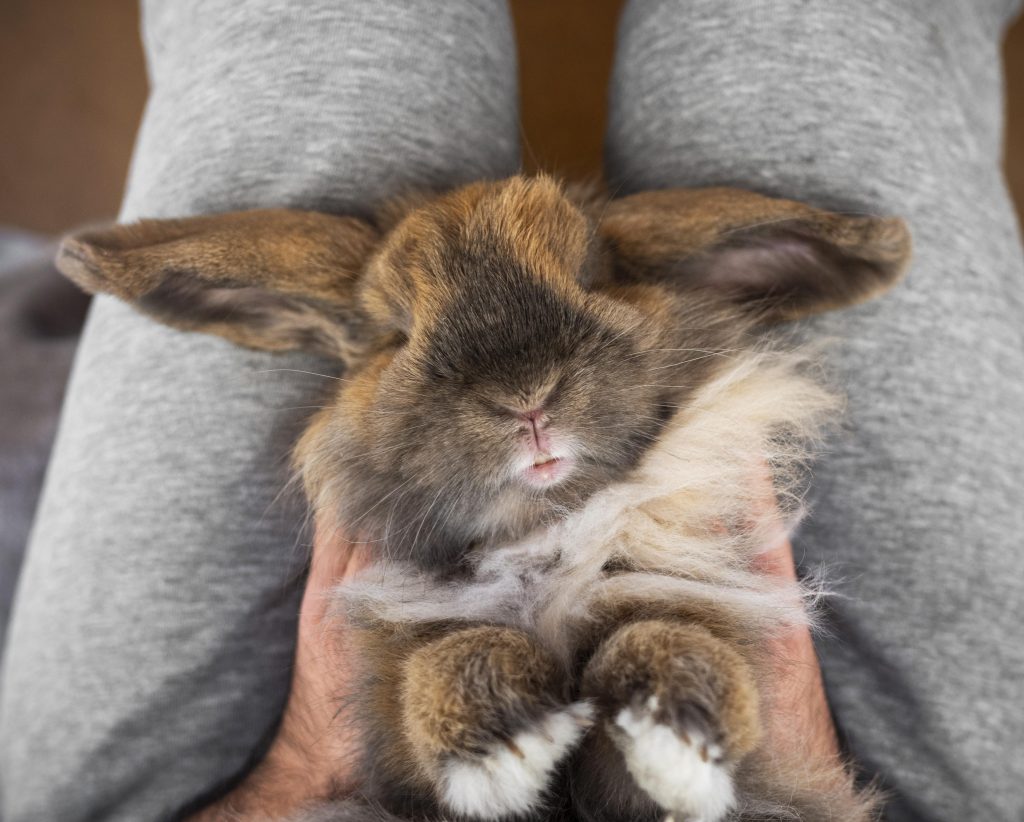
Your primary job at home is to act as the ultimate supportive nurse while the prescribed medication does the heavy, clinical lifting. This phase requires intense vigilance, as a rabbit’s condition can crash rapidly if they stop eating or severely injure themselves during a disorienting dizzy spell.
Table 4: Home Care Do’s and Don’ts Checklist
| Care Activity | Approved Action? | Core Reason / Risk |
|---|---|---|
| Padded recovery zone | YES | Prevents impact injuries during rolls |
| Obsessive food tracking | YES | Identifies impending GI stasis immediately |
| Over-the-counter pet drops | NO | Formulations for dogs/cats can be toxic |
| Alcohol or Peroxide flushes | NO | Destroys tissue and causes severe pain |
Keep the rabbit eating:
Monitor their appetite and fecal output obsessively. GI stasis is a constant, looming threat when a rabbit is stressed or in pain. If they stop eating independently, you must be prepared to step in and syringe-feed a high-fiber recovery food under the explicit guidance of your vet to keep their digestive engine moving.
Reduce stress and falling injuries:
If your rabbit has balance issues or an active head tilt, you must create a heavily padded, single-level recovery enclosure. Use rolled-up towels along the edges to create a soft “bumper pad” that safely prevents them from thrashing against hard cage bars if they begin to roll.
When setting up a temporary recovery zone for my own observational subjects, Mocha and Chino, I make absolutely sure to strip out anything they have to jump over to reach their hay. If they were dizzy, I certainly wouldn’t want them risking a clumsy fall or a broken limb just to get a drink of water. Ensure easy, ground-level access to heavy ceramic food and water bowls that cannot be easily tipped over in a moment of panic.
Monitor hydration:
Monitor hydration: Watch carefully for signs of dehydration. You can perform a gentle “skin tent” test by lifting the skin behind their neck; if it takes a sluggishly long time to snap back into place, they may be dehydrated. Look out for a dry mouth, smaller, darker droppings, or increased lethargy and general weakness. If fluid balance collapses, a rabbit can easily stall, becoming dangerously constipated and unable to poop.
Never put random products into the ear:
Avoid putting hydrogen peroxide, alcohol, essential oils, or leftover dog and cat medications into your rabbit’s ear. Doing so can cause excruciating pain, create a massive toxic reaction, or permanently destroy a compromised eardrum, effectively forcing a manageable outer ear infection directly into the inner ear.
9. How Long Does Recovery Take?
Patience is highly mandatory here. Rabbit infections do not clear up overnight, and expecting a quick, magical fix will only lead to profound frustration. The tricky anatomy of their ear canals and the stubborn nature of the bacteria they host mean that healing is a grueling marathon, not a sprint.
Mild infections:
Simple outer ear infections (otitis externa) caught very early typically resolve in a few weeks with appropriate, targeted antibiotic drops and professional, careful cleaning.
Severe middle/inner ear infections:
These require a demanding timeline of weeks to months of aggressive systemic therapy. Even when the bacteria are successfully killed off, the sheer inflammation can take a significant amount of time to subside. It is remarkably common for a rabbit to remain on antibiotics long after the outward symptoms have seemingly improved to strictly ensure every last bacterial spore is fully eradicated.
Permanent head tilt possibility:
While many rabbits recover fully, others may retain a residual head tilt for the rest of their natural lives due to permanent scar tissue or irreversible nerve damage in the vestibular system. Fortunately, rabbits possess an incredible degree of neuroplasticity.
They are highly adaptable creatures and can quickly learn to compensate for their newly altered worldview. Once the active infection and pain are completely gone, they can live incredibly happy, functional, and active lives—even if the world always looks a little bit sideways to them.
10. Can Rabbit Ear Infections Come Back?
Unfortunately, yes. Recurrence risks are notoriously high in the lagomorph world. Bacteria are deviously clever and often build what is known as a biofilm—essentially a protective, microscopic fortress around themselves that conventional antibiotics struggle to penetrate.
Recurrence Risks and Biofilms
Factors that invite the infection right back include incomplete antibiotic treatment (the classic mistake of stopping the medication the moment the rabbit looks better), lingering chronic bacteria hiding deep in the tympanic bulla, unaddressed dental disease that continually seeds the ear with fresh new bacteria, untreated mites, or deep-seated caseous abscesses that were never surgically cleared out.
Because of this frustratingly high rate of recurrence, frequent vet rechecks, follow-up CT imaging or radiographs, and absolutely finishing all prescribed medications to the very last drop are mandatory steps to permanently break the vicious cycle of infection.
11. How to Help Prevent Ear Infections in Rabbits
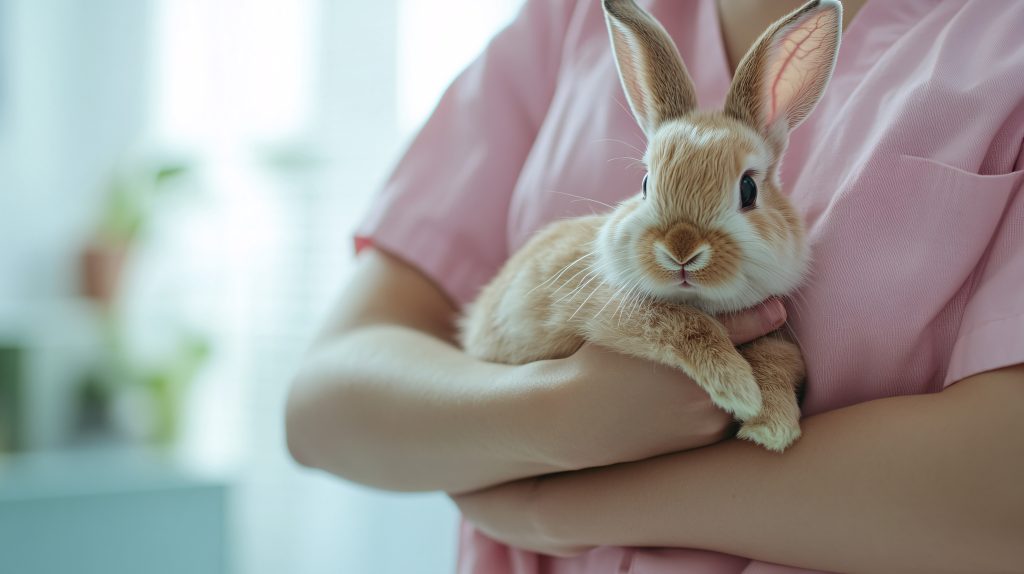
As any seasoned rabbit owner knows, staying one step ahead of a lagomorph’s health requires borderline obsessive vigilance. An ounce of prevention is absolutely worth a pound of highly stressful, wildly expensive exotic veterinary bills. Managing a rabbit’s daily husbandry and environment, as detailed in my comprehensive rabbit wellness and care overview, is the single most effective tool in your health arsenal.
Proactive Husbandry and Care
- Routine health checks: Inspect their ears weekly. Look down the canal with a small, gentle light for excessive wax buildup, crusting, redness, or unusual yeasty odors. Catching minor inflammation early is truly half the battle.
- Clean living environment: Keep enclosures immaculately clean and well-ventilated to keep environmental bacteria, mold spores, and ammonia (from resting urine) at bay. Unchecked ammonia buildup can severely irritate a rabbit’s delicate respiratory tract, making them significantly more susceptible to respiratory strain or active bacterial snuffles outbreaks.
- Promote proper dental wear: Provide unlimited, 24/7 access to high-quality Timothy, orchard, or meadow grass hays. The constant side-to-side grinding action required to chew dense hay keeps their ever-growing teeth properly worn down, naturally preventing the elongated tooth roots that so often trigger deep ear and eye infections.
- Monitoring for early symptoms: React proactively to the very first sign of frantic head shaking or repetitive scratching, rather than waiting for a dramatic, terrifying head tilt or sudden loss of balance.
- Prompt treatment of mites or dental disease: Stop the anatomical domino effect before it ever has a realistic chance to reach the delicate, vulnerable structures of the middle ear.
12. Frequently Asked Questions
Can a rabbit ear infection heal on its own?
No. Bacterial ear infections in rabbits are incredibly stubborn, require targeted veterinary treatment, and will only worsen over time. They will absolutely not resolve on their own, potentially leading to permanent neurological damage or a painful death if stubbornly ignored.
Can rabbits die from ear infections?
Yes. While the localized ear infection itself may not cause immediate death, the resulting pain, neurological damage, inability to eat, and subsequent rapid GI stasis are frequently fatal without rapid, aggressive medical intervention.
Why is my rabbit shaking its head?
Head shaking is a primary early symptom of a physical irritant in the ear canal, most commonly caused by an early bacterial infection brewing, a highly irritating infestation of ear mites, or a heavy, uncomfortable buildup of wax and debris deep in the canal. If the shaking spreads into rhythmic body tremors, it can indicate a broader fever, stress, or neurological shaking or trembling dynamic.
What does rabbit ear discharge mean?
Discharge usually indicates an active, highly advanced infection (otitis externa or media). Rabbit pus is notoriously thick and paste-like, meaning it physically cannot drain properly on its own and requires a veterinarian’s immediate attention for safe removal.
Can indoor rabbits get ear infections?
Absolutely. Indoor rabbits are still highly susceptible to common respiratory bacteria like Pasteurella, complex secondary dental disease complications, and moisture buildup in the ear, all of which can easily and rapidly trigger severe ear infections regardless of their housing.
Are ear infections painful for rabbits?
Extremely painful. Middle and inner ear infections cause severe physical pressure, intense inflammation, and profound disorientation. They require aggressive, dedicated pain management to keep the rabbit comfortable enough to continue eating and functioning.
13. The Bottom Line: Don’t Ignore the Shake
Rabbit ear infections should never be ignored or downplayed, because a seemingly mild ear irritation can quickly progress into severe neurological disease, chronic ongoing pain, catastrophic balance problems, and genuinely life-threatening complications if veterinary treatment is delayed.
Keep a close, watchful eye on your rabbit’s notoriously subtle behavioral cues, manage their environment meticulously, and never hesitate to consult your trusted exotic veterinarian at the very first sign of a persistent head shake.
Medical & Veterinary Disclaimer: Bunnyowners.com is an informational resource for rabbit owners and enthusiasts. We are not veterinarians. The content on this website is for educational purposes only and is not a substitute for professional veterinary advice, diagnosis, or treatment. Always consult a qualified veterinarian with any questions or concerns regarding your pet’s health, medical conditions, diet, or overall care. If you have concerns about your rabbit’s health, it’s always best to reach out to a veterinarian rather than relying solely on information found online.