
Veterinary & Affiliate Disclaimer: Bunnyowners.com shares educational rabbit care resources, not professional veterinary advice. Always consult a qualified veterinarian regarding your rabbit’s medical, dietary, or behavioral needs. This post may also contain affiliate links; as an Amazon Associate and affiliate partner, we earn from qualifying purchases at zero extra cost to you.
If you have just noticed your rabbit limping, favoring one leg, or hopping differently, it is normal to worry. Rabbits often hide pain, so a visible change in movement deserves attention. Whether they caught a claw on the carpet or landed badly from a jump, identifying the source of their discomfort quickly is key to preventing further injury.
A rabbit may limp due to minor issues like a torn nail or muscle strain, or serious conditions including bone fractures, sore hocks (pododermatitis), arthritis, or spinal injuries. Because pain can rapidly trigger life-threatening gastrointestinal (GI) stasis in rabbits, a persistent or severe limp requires professional medical evaluation. If your rabbit refuses to bear weight, has a dangling limb, or stops eating, they must be examined by a rabbit-experienced veterinarian immediately.
To help you navigate this stressful situation, this guide will walk you through exactly how to safely assess your rabbit’s mobility. We will cover how to recognize critical emergency warning signs, break down the most common causes of limping, and outline the immediate steps you can take at home to support overall rabbit health while arranging professional care.
1. Why Rabbits Hide Pain (And Why It Matters)
In the wild, a rabbit showing any sign of weakness or injury is basically wearing a neon sign that says “free lunch” to local predators. This survival instinct is deeply hardwired into our domestic companion rabbits, even if their biggest household threat is a noisy vacuum cleaner.
Because of this, your rabbit will actively mask their discomfort. They might run, jump, and even eat while dealing with a physical issue that would have most people resting for days. By the time you notice a distinct limp, the pain has likely progressed past what they can easily hide. Knowing how to recognize signs of pain in rabbits is crucial: you should never assume a limp is minor just because your rabbit is trying to act like everything is normal.
2. How Serious Is Limping in Rabbits?
Limping is a symptom, not a diagnosis. While some rabbits might have a mild muscle strain that gets better with a day of strict rest, others could be dealing with a broken bone or a severe infection. Rabbits often begin eating again once pain is properly controlled by a veterinarian, so getting an accurate evaluation is vital.
Emergency Warning Signs
Go to an emergency veterinary clinic immediately if your rabbit’s limp is accompanied by:
- A leg hanging or twisting at an unnatural angle
- Bone breaking through the skin or active bleeding
- Complete inability to stand up, hop, or keep their balance
- High-pitched vocalizing or screaming (Rabbits rarely vocalize loudly, so screaming should always be treated as an emergency)
- Dragging both back legs (paralysis)
- A sudden loss of appetite, fewer droppings, or refusing hay
- Fast, shallow breathing or panting with an open mouth
- Extreme, sudden swelling that feels very hot
Symptoms That Often Accompany Limping
Rabbits show pain through subtle body language. Along with the limp, keep an eye out for these secondary pain signs:
- Eating less or refusing pellets: A sudden drop in appetite is often the very first sign of pain and a precursor to digestive distress.
- Hunched posture: Sitting tightly tucked up, often with their eyes half-closed or squinting.
- Loud teeth grinding: This slow, heavy crunching sound is a strong indication that your rabbit is grinding their teeth because of physical distress.
- Changes in grooming: Neglecting their coat, or obsessively licking at the injured leg.
- Hiding: Staying in the back of their enclosure or under furniture, refusing to come out and interact.
- Sudden aggression: Growling, lunging, or nipping when you try to touch the sore limb.
3. Which Leg Is Limping?
Watching how your rabbit hops can help you narrow down what might be wrong. The table below outlines common correlations between the affected limbs and potential diagnoses.
Table 1: Identifying Issues by Affected Limb
| Limb Affected | Common Potential Causes |
|---|---|
| Front Leg | Torn nails, toe injuries, paw infections, sprains, or wounds. |
| Back Leg | Fractures, hip dislocation, sore hocks, arthritis, or back injuries. |
| One Foot Only | Splinters, thorns, sharp hay, or a split nail. |
| Multiple Legs | Wear-and-tear arthritis, neurological issues, or major trauma. |
4. Common Causes of Rabbit Limping
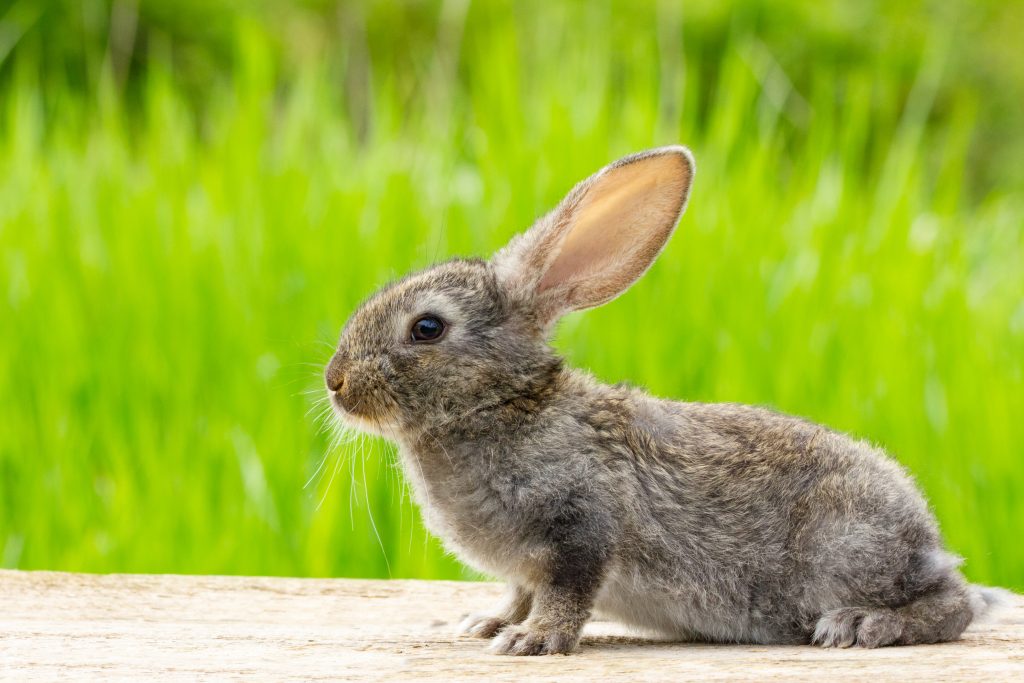
While a limp is always a clear sign of physical discomfort, the root cause can stem from anything from a minor skin irritation to a structural bone injury. Understanding exactly what is affecting your bunny’s mobility requires a closer look at how these different issues develop and how they impact a rabbit’s lightweight frame.
Torn or Broken Nail
If your rabbit is suddenly holding a front paw up or licking at their toes, they may have snagged a claw. This is incredibly common on carpets or wire cage doors. When the nail gets pulled, it tears the sensitive “quick” inside, which hurts and can bleed quite a bit.
In many cases, a snagged nail looks dramatic because it can bleed much more than most owners expect, but once treated it often heals very well. When my rabbit Chino accidentally caught a claw during playtime, the sheer volume of blood was alarming. After veterinary care and time to heal, he was soon hopping normally again.
A vet can trim away the damaged nail safely, clean the area to prevent infection, and give you safe pain relief while the claw plate slowly regrows over the next few weeks.
Nail Bed Infection (Paronychia)
Even if a nail hasn’t completely torn off, bacteria can sometimes work their way into the tiny space where the nail meets the toe. This is especially common if your rabbit lives in a damp environment or steps on wire flooring.
The nail bed will look red, swollen, and tender. Your rabbit might obsessively lick the toe and refuse to bear weight on that foot. Nail infections can sometimes spread deeper into the toe bone if left untreated, so a veterinary exam is necessary to clean the area and start a course of rabbit-safe antibiotics and anti-inflammatories.
Sprain or Muscle Strain
Sometimes a rabbit simply lands awkwardly off the couch or slips while doing zoomies on slick hardwood flooring. These sudden twists can pull or stretch muscles and ligaments. I once watched my rabbit Mocha slide mid-zoomie on an uncarpeted patch of floor; she favored her front leg for a few hours before her sprain settled down with rest.
Usually, a rabbit with a sprain will have a mild to moderate limp but will still be able to put some weight on the foot. Their appetite is usually fine, and there is rarely any visible swelling. Mild strains may improve with rest, but persistent limping should still be checked by a veterinarian.
Broken Bone (Fracture)
If your rabbit suddenly refuses to use a leg after a fall or being dropped, a broken bone should be high on your list of possibilities. Rabbits have a lightweight skeleton and powerful hind legs, which means sudden struggling or awkward landings can result in serious fractures.
You will likely see the leg dangling abnormally, rapid swelling, and clear signs of shock, like pale gums or cold ears. Never try to splint or bandage the leg yourself. Rabbit bones are extremely delicate, and improper handling can easily make the injury worse or complicate hind limb fractures in rabbits. Instead, keep them in a small, padded carrier and get to the vet immediately.
Sore Hocks (Pododermatitis)
Sore hocks usually develop slowly, especially in rabbits that spend long periods on rough, wet, or hard flooring. It starts as hair loss on the bottoms of their heels, which can progress to red, raw skin and painful, deep ulcers.
If your rabbit is shifting their weight uncomfortably or walking with a stiff, guarded gait, check the bottoms of their feet. Pressure from hard flooring, poor bedding, excess weight, and overgrown nails can damage the protective fur and skin covering the heel. This severe structural stress is why exploring proper management options for sore hocks forms the baseline of healing.
Environmental issues, heavy body weight, and long nails can deteriorate the foot pad, which is why mitigating pododermatitis through proper housing and hygiene forms the foundation of healing. Switching to soft, solid flooring like fleece, alongside prescribed creams, pain medication, and sometimes protective foot wraps, will help reverse the damage.
Arthritis
Just like us, aging rabbits can develop wear-and-tear in their joints. This is especially common in larger breeds or rabbits with older injuries.
You will notice this coming on gradually over months rather than overnight. They might struggle to hop into their litter box, appear stiff when they first wake up, or stop grooming their back and ears because they can’t bend easily.
Unlike sore hocks, arthritis affects the joints rather than the skin on the feet. While you can’t cure joint degeneration, your vet can prescribe safe daily anti-inflammatory medications (like meloxicam) and suggest environmental adjustments, like low-entry litter boxes, to keep them comfortable.
Abscesses
One unusual thing about rabbits is that their pus doesn’t behave the way most people expect. Unlike many abscesses in other animals, rabbit abscesses often contain thick material that does not drain easily. If your rabbit gets a tiny scratch or bite wound that gets infected, it can quickly turn into a hard, painful lump. When an infection develops deeper in the facial structure, it can lead to a rabbit mouth abscess, but localized lumps near a joint or on the foot will manifest directly as a distinct limp.
The pressure from these hard swellings makes movement highly uncomfortable. These lumps usually need to be surgically removed by a vet because simple draining rarely works. Your vet will also prescribe targeted antibiotics to clear the deep-seated infection.
Joint Infection (Septic Arthritis)
Sometimes bacteria manage to get directly inside a joint capsule, either from a deep puncture wound or through the bloodstream. This infection can cause severe pain and rapid swelling.
The joint will look visibly swollen, feel hot, and your rabbit will refuse to put any weight on it at all. When bacteria invade the joint space, managing septic arthritis and related bone infections rabbits becomes a fast-moving medical emergency. It requires urgent veterinary care, which may include flushing the joint under anesthesia, heavy pain management, and aggressive antibiotic treatment to protect the joint from permanent damage.
Foreign Object in the Foot
Because rabbits spend so much time digging through hay and bedding, sharp debris can occasionally get stuck in their foot pads. A stiff hay stem, a wood splinter, or a tiny wire fragment can pierce the skin and stay lodged there.
Your rabbit will suddenly start limping, biting at their foot, or licking the area obsessively. Avoid digging into the foot pad with tweezers at home, as you can easily push the object deeper or introduce bacteria. Let a vet examine the foot and extract it safely.
Spinal Injury
A rabbit’s back is incredibly fragile. If they panic and kick out their powerful hind legs without proper support, they can actually fracture or dislocate their own spine.
This causes sudden weakness in both back legs, dragging of the toes, loss of tail movement, or urinary incontinence. This is a critical emergency. If you suspect a back injury, minimize all movement immediately, place your rabbit on a flat, padded surface to keep their spine secure, and get to an exotic vet right away.
Neurological Disease
Sometimes a limp isn’t a bone or joint problem at all, but a brain or nerve issue. Certain neurological conditions, including E. cuniculi infection and inner ear disease, can affect balance and coordination.
Instead of favoring a specific sore spot, you might notice that your rabbit is losing balance, wobbling, tilting their head to one side, or stumbling uncoordinatively. A veterinarian will look at the whole clinical picture and may run blood panels to see if E. cuniculi exposure is a likely factor.
5. Less Common Causes of Limping
While the issues above cover the vast majority of cases, a persistent limp can occasionally be caused by:
- Bone Tumors: Malignant growths (like osteosarcoma) that weaken the bone and cause deep pain.
- Congenital Deformities: Conditions like splay leg, where a rabbit’s limbs grow outward and cannot hold weight properly.
- Metabolic Bone Disease: Weak skeletal structures caused by a lack of proper dietary calcium or sunlight.
- Hip Dislocation: The hip joint popping out of its socket, usually after a sudden twist or fall.
6. What Should You Do If Your Rabbit Is Limping?
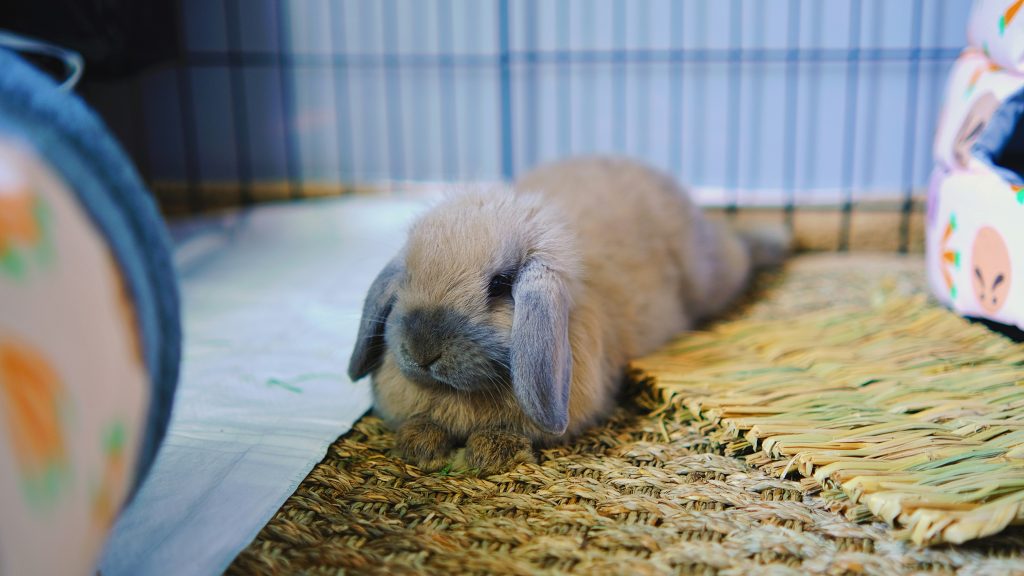
If you notice your rabbit limping, taking a few immediate, controlled steps at home can prevent further injury while you arrange for a professional evaluation.
Restrict All Activity Immediately
Move your rabbit into a smaller, single-level enclosure or a puppy playpen. Block off access to ramps, couches, platforms, or boxes to completely eliminate the temptation to jump. Keeping them in a smaller space naturally limits movement and helps protect the injured leg:
Minimize Environmental Stress
Keep the room dim, quiet, and free from the sight or scent of other household pets. Stress can make an injured rabbit panic, which increases the risk of making the injury worse.
Perform a Gentle Visual Inspection
If your rabbit allows it without struggling, look closely at the leg for obvious bleeding, a dangling nail, swelling, or something stuck in the foot. If they thrash or panic, stop immediately; forcing the issue isn’t worth the risk.
Encourage Your Rabbit to Keep Eating
Because pain can quickly lead to gastrointestinal stasis, keeping your rabbit eating is one of the most important things you can do while waiting to see your veterinarian. Looking over foundational methods for preventing and reversing rabbit gastrointestinal stasis can save a life. Pain, stress, and underlying trauma can easily stall the digestive tract; if your rabbit is not eating pellets or hay entirely, you must treat this as an immediate priority to stop gut stasis from setting in while you arrange medical care.
Never Administer Human Pain Medications
Never give your rabbit human pain medications unless specifically directed by a veterinarian. Many are completely toxic or unsafe for rabbits, and even medications that are occasionally used require very specific, precise dosing.
7. How Veterinarians Diagnose Limping
Your veterinarian will start by examining the leg and looking for the source of pain. Because rabbits hide their symptoms so effectively, this step is essential to pinpoint the exact source of mobility issues. Learn more about checking for early warning signs in my rabbit health guide.
Veterinarians may also use the Rabbit Grimace Scale, a validated pain assessment tool that evaluates subtle changes in facial expression, to help assess discomfort alongside the physical examination. For diagnostic clarity, a thorough assessment overview from the University of Miami details how physical symptoms and neurological markers are evaluated. Several different approaches may be utilized during an exam:
- Comprehensive Orthopedic Exam: The vet will gently palpate the muscles, joints, and long bones to isolate areas of pain, check for heat, or feel for crepitus (grating sounds in the joint).
- Neurological Evaluation: This involves testing reflexes, deep pain responses, and physical awareness to check whether your rabbit can properly sense its limb positioning.
- Digital Radiography (X-rays): This is the gold standard for confirming bone fractures, joint dislocations, advanced arthritis, or deep bone infections.
- Advanced Imaging (CT or Ultrasound): Used in complex cases to evaluate joint trauma, soft tissue tears, or to map out the exact boundaries of deep abscesses before surgery.
- Blood Profiles & Serology: Blood tests and serology may help support the diagnosis of conditions such as E. cuniculi, although results are interpreted alongside your rabbit’s symptoms and examination findings.
8. Treatment and Recovery Timeline
How your vet treats the limp depends entirely on what is causing it. Not every fracture requires complex surgery; some are managed with strict cage rest, while other issues like sore hocks require daily environmental care and topical treatments.
Here is what treatment usually looks like:
Table 2: Rabbit Limping Treatment Plans and Expected Healing Times
| Diagnosis | Typical Veterinary Treatment Approach | Expected Recovery Timeline |
|---|---|---|
| Torn Nail | Hemostatic bleeding control, local cleaning, and temporary pain relief. | 1–3 weeks |
| Sprain/Strain | Strict crate rest, restricted exercise, and a short course of rabbit-safe NSAIDs. | 2–6 weeks |
| Fracture | Cage rest, external splinting, or surgical stabilization (pins/plates). | 6–12 weeks or longer |
| Arthritis | Long-term NSAID therapy (e.g., meloxicam), joint supplements, weight control, and soft flooring. | Lifelong management |
| Sore Hocks | Substrate correction (fleece), cleaning, topical creams, and foot wraps. | Weeks to several months |
| Abscess | Complete surgical excision of the mass coupled with targeted antibiotics. | 3–6 weeks |
| Foreign Object | Careful extraction, deep wound care, and brief antibiotics if infected. | Days–2 weeks |
| Joint Infection | Joint flushing under anesthesia, aggressive long-term antibiotics, and heavy pain care. | Weeks to months depending on severity |
| Neurological Disease | Targeted antiparasitic or antibiotic therapy, anti-inflammatories, and supportive care. | Depends on underlying cause |
9. How to Prevent Limping and Leg Injuries
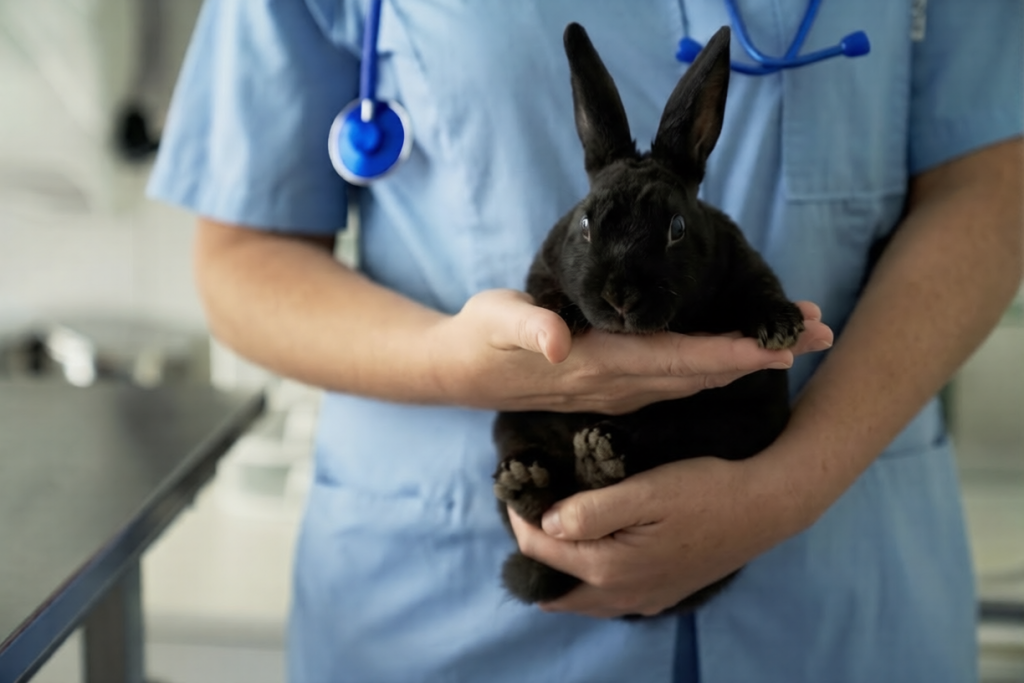
While you can’t prevent every accident, you can make your home much safer with a few simple adjustments:
- Lay Down Non-Slip Flooring: Smooth floors like tile, laminate, and hardwood are incredibly slippery for rabbits. Cover their play areas with large, low-pile rugs, foam play mats, or fleece blankets so they have plenty of grip.
- Maintain Strict Nail Trimming Schedules: Keeping up with regular nail care is vital; following a structured step-by-step tutorial on how to clip rabbit claws safely can assist you in trimming your rabbit’s nails every 4 to 6 weeks so they don’t get snagged easily.
- Proof Their Enclosure: Remove any sharp edges, exposed wire grates, or tall platforms where a clumsy jump could lead to a bad landing.
- Keep Them Lean: Maintaining a healthy weight through a proper high-fiber diet reduces unnecessary stress on joints and feet. Providing the best rabbit food allows you to balance their nutrients, keep them at a stable weight, and protect their musculoskeletal frame from unnecessary strain.
- Hold Them Safely: For safety, always practice proper rabbit handling and lifting techniques which explain how to lift a rabbit by always supporting their chest with one hand while securely cradling their hindquarters with the other to avoid spinal injury from kicking.
- Schedule Regular Wellness Exams: Make sure to schedule regular wellness exams, especially for senior rabbits, to help detect joint changes and other orthopedic problems before mobility declines. Practical care guidelines for healthy habits in pet rabbits highlight that routine check-ups are vital to monitor unique musculoskeletal needs and maintain long-term physical comfort as they age. As rabbits age, routine diagnostic screenings ensure they remain active and comfortable by catching wear early.
10. Frequently Asked Questions
Can a rabbit recover from a limp on its own?
A very minor muscle strain might improve with a couple of days of strict rest, but because a limp can be a sign of a broken bone, a deep infection, or severe pain, it should never be left to heal on its own. If the limp doesn’t improve within 24 hours, or if your rabbit stops eating, they need to see a vet.
Should I wrap my rabbit’s leg at home?
No. Rabbit skin is incredibly thin and fragile, and their bones are very easy to break. Wrapping a leg incorrectly can cut off their blood circulation, make a broken bone worse, or cause serious skin damage. Leave all bandaging and splinting to an experienced vet.
Why is my rabbit limping but still eating normally?
This is their survival instinct at work. In the wild, showing that they are too sore to eat makes them easy prey. A normal appetite is a great sign that their digestive system is still working, but it does not mean they aren’t in pain or dealing with a serious injury.
Why is my rabbit limping but not showing pain?
Rabbits often continue eating and moving despite discomfort because they naturally hide weakness to avoid looking vulnerable to predators. A normal appetite or a lack of crying out does not rule out a physical injury.
Can overgrown nails make a rabbit limp?
Yes. If their nails grow too long, they force the toes to bend sideways when they walk. This shifts their weight backward onto their heels, which causes chronic soreness, bad posture, and eventual limping.
Why is my rabbit limping after nail trimming?
Sometimes trimming a nail too short exposes the sensitive quick, making the foot sore for a day or two. Persistent limping, heavy bleeding, or swelling should be evaluated by a veterinarian because another underlying injury may be present.
When is a rabbit’s limp considered a true emergency?
It is a critical emergency if the leg is hanging at an odd angle, if there is bleeding or visible bone, if they are dragging their back legs, or if they have stopped eating entirely. If you notice any of these signs, seek veterinary care immediately.
11. Final Thoughts
A limp is your rabbit’s clearest way of letting you know that they are hurting. While the problem might turn out to be a simple fix like a torn nail, it can also be the first sign of a broken bone, a painful infection, or arthritis. By restricting their movement immediately, keeping them eating to ward off GI stasis, and getting them to an experienced exotic animal vet, you are giving your rabbit the absolute best chance at a quick, comfortable recovery.
Medical & Veterinary Disclaimer: Bunnyowners.com is an informational resource for rabbit owners and enthusiasts. We are not veterinarians. The content on this website is for educational purposes only and is not a substitute for professional veterinary advice, diagnosis, or treatment. Always consult a qualified veterinarian with any questions or concerns regarding your pet’s health, medical conditions, diet, or overall care. If you have concerns about your rabbit’s health, it’s always best to reach out to a veterinarian rather than relying solely on information found online.