
Veterinary & Affiliate Disclaimer: Bunnyowners.com shares educational rabbit care resources, not professional veterinary advice. Always consult a qualified veterinarian regarding your rabbit’s medical, dietary, or behavioral needs. This post may also contain affiliate links; as an Amazon Associate and affiliate partner, we earn from qualifying purchases at zero extra cost to you.
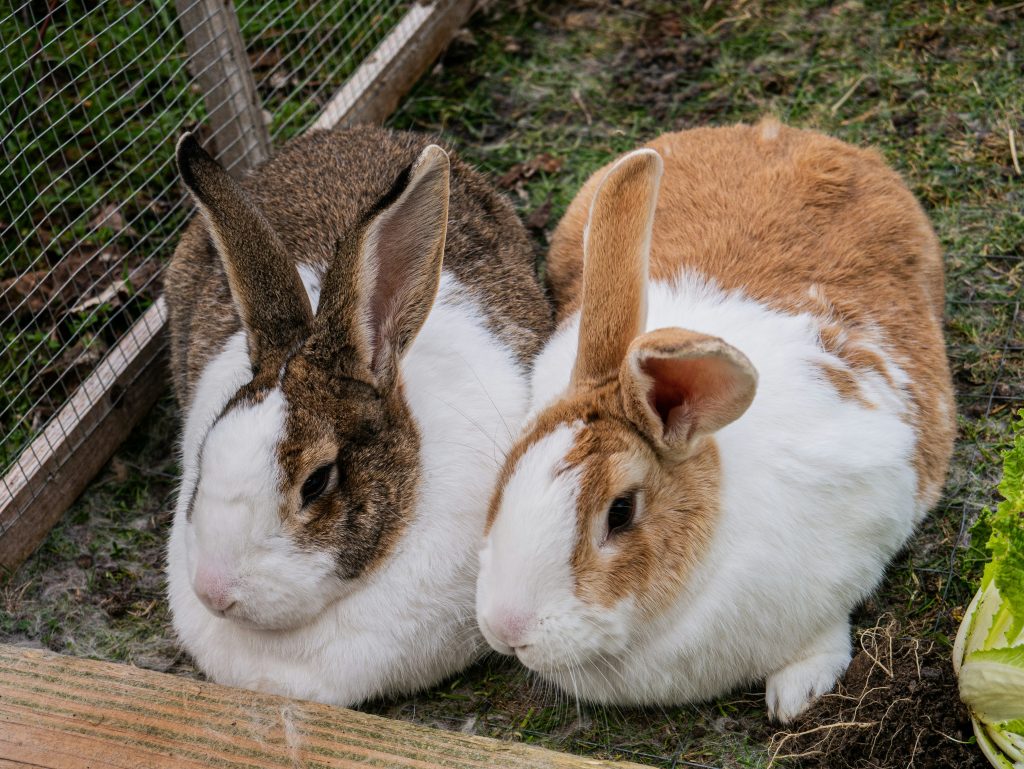
If you are bringing multiple bunnies into your home, you might be wondering exactly how these complex little creatures build relationships. When asking how rabbits bond with each other, the answer lies in their wild instincts: they are highly social prey animals that rely on strong companionship for everyday security, comfort, and happiness.
Rabbits naturally bond with each other through repeated positive interactions, mutual grooming, resting side-by-side, and peacefully sharing their territory. The strongest signs of rabbit bonding include sleeping pressed together, eating from the same hay pile, and voluntarily seeking out the other’s company. While the timeline for building this friendship varies for every pair, these distinct social behaviors clearly show that a deep, trusting relationship is forming.
In this guide, which belongs to my rabbit behavior guide hub, we will unpack how these unique attachments develop naturally and decode the subtle trust milestones that define healthy rabbit dynamics. By understanding how bunnies communicate their social status, you will be fully prepared to handle the messy reality of introductions, navigate hierarchy shifting, and set your pair up for a lifetime of shared confidence.
1. Do Rabbits Naturally Form Bonds?
A ton of new owners think rabbit friendships are just a cute, artificial setup humans invent. That is a total myth. The craving for a partner is hardwired straight into their DNA.
Out in nature, wild rabbits live in sprawling, chaotic underground colonies. Because literally everything in the world is trying to eat them, sticking together is a non-negotiable survival rule. Having extra ears swiveling to listen for threats means a rabbit can finally unclench its muscles, drop its guard, and actually sleep. Our living room pets keep those exact same frantic survival instincts, which is why we often find ourselves wondering, do rabbits get lonely? The short answer is a resounding yes.
Most bunnies genuinely ache for a companion they can count on. Just don’t confuse cold tolerance with a real friendship. Coexisting in the same room doesn’t mean they actually like each other. Real bonds happen when they spend hours shoulder-to-shoulder and finally realize the other guy isn’t going to launch an attack.
The Rabbit Welfare Association & Fund’s guide on companionship explicitly notes that finding a proper, bonded companion is easily the single biggest thing you can do to transform a rabbit’s daily quality of life.
2. What Rabbit Bonding Actually Looks Like
Forget about big, cinematic breakthroughs. Solid rabbit relationships form quietly in the background through tiny, practically invisible everyday moments.
Grooming Is Often the First Sign of Trust
In the bunny world, grooming isn’t just about licking dirt off fur. It is a massive, vulnerable sign of respect and acceptance. They groom to show affection and to scrub those itchy, unreachable spots tucked behind the ears. Whenever a rabbit lowers its head or lets another bunny drag its tongue right over its fragile eyelids, it is making a huge statement of surrender. It is pretty amazing to watch one rabbit meticulously wash its partner’s forehead while the other completely melts heavily into the carpet, eyes half-closed.
They Begin Choosing Each Other’s Company
As the tension thaws, you will catch them relaxing with their flanks physically touching. They will start sleeping pressed right up against each other’s spines. You will even notice one patiently standing guard around the litter box until the other is finished. Voluntary proximity is everything here. If they have an entire sprawling living room to explore but choose to sit shoulder-to-shoulder, you are looking at the real deal.
The House Rabbit Society’s behavioral guide to bonding specifically emphasizes that these quiet moments of shared gravity are the true building blocks of a lifelong relationship.
Solo tasks suddenly turn into a synchronized team effort. They will violently dismantle new cardboard boxes together and perfectly mirror what the other one is doing. Confidently burying their faces into the exact same morning hay pile is a huge milestone.
Table 1: Rabbit Bonding Signs Checklist
| Everyday Activities | What Rabbit Bonding Actually Looks Like |
|---|---|
| Grooming Behavior | Grooming around the eyes, ears, and forehead as a major sign of acceptance and deep trust. |
| Choosing Company | Sitting side by side, resting with their bodies touching, and voluntarily seeking each other’s company throughout the day. |
| Shared Activities | Eating hay together, exploring rooms together, and using favorite resting spots together. |
3. How Rabbits Build Trust Over Time
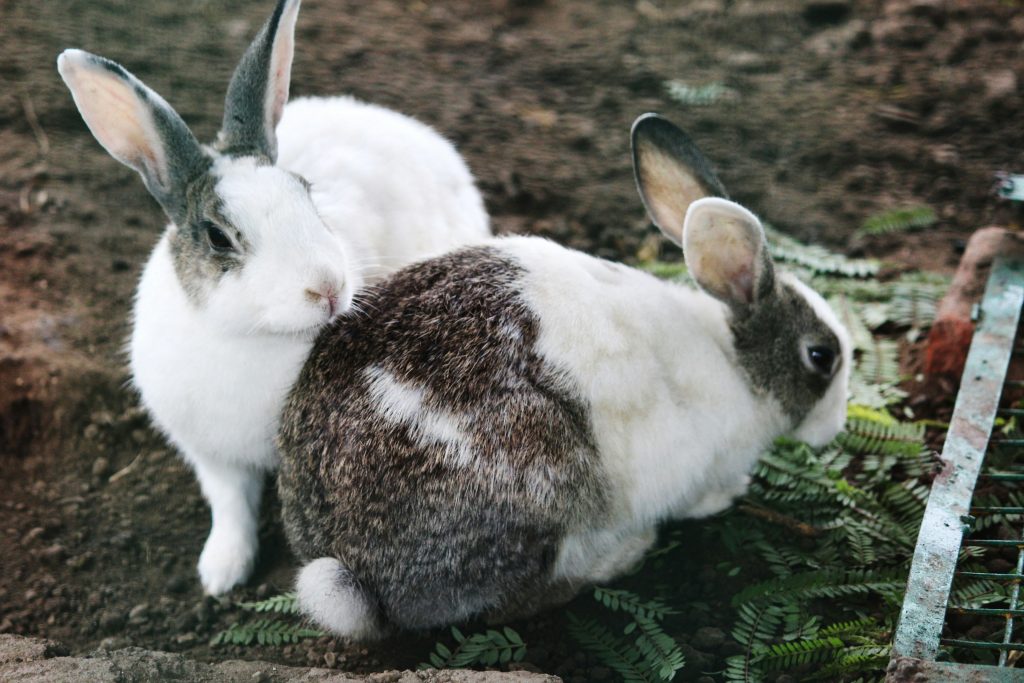
Prey animals are naturally suspicious. They never hand out trust for free—they force the other rabbit to earn it through hundreds of small, totally safe interactions.
Just breathing the same air without anyone launching a surprise attack helps a rabbit figure out the new guy isn’t a threat. It takes exhausting patience. Basic behavioral outlines, like the Tri-County Humane Society’s Rabbits 101 guide, highlight how giving rabbits the choice to explore each other without feeling trapped cuts the territorial panic in half.
As they stack up good experiences together, like aggressively snatching the same piece of romaine or collapsing sideways into a warm patch of afternoon sun, the whole vibe shifts. Once they cross that line, bonded rabbits usually seem dramatically heavier, calmer, and less twitchy than they ever did living alone.
4. Why Some Rabbits Become Best Friends While Others Never Truly Click
Just because bunnies are social doesn’t mean any two random rabbits will automatically be best friends. Personality chemistry dictates everything.
Their individual attitudes run the entire show. A swaggering, hyper-dominant rabbit will probably clash violently with another alpha type. On the flip side, a quiet, fragile senior rabbit might get completely terrorized by a hyperactive baby bunny. Things like age, lingering shelter trauma, and early life experiences heavily skew the odds. Exploring the differences between male and female rabbits can give you a baseline, but some rabbits just snap together perfectly like magnets, while others are simply hardwired to view each other as bitter rivals.
Rabbits can be incredibly, frustratingly picky. Because of that, a lot of rescues lean on the House Rabbit Society’s strict warning about patience in bonding and offer rabbit “speed dating.” These quick, hyper-supervised meet-ups let your rabbit pick their own partner, which completely saves you the heart-pounding nightmare of refereeing a relationship that is doomed from day one.
5. Understanding Dominance During the Bonding Process
This is usually the exact phase where owners hold their breath and panic.
Why Rabbits Establish a Social Hierarchy
Bunnies desperately need a clear pecking order. Figuring out who the undeniable boss is makes their chaotic world predictable. Almost every pair has a dominant partner and a submissive partner. It isn’t mean, relentless bullying; it is just how they hammer out the house rules so nobody has to draw blood over who gets the premium nap spot.
Behaviors Owners Commonly Mistake for Aggression
While they are violently sorting out who is boss, rabbits do things that look absolutely terrifying but are actually just regular, heavy-handed negotiations. You will see:
- Head lowering (firmly demanding to be groomed)
- Aggressive grooming requests
- Mounting
- Minor, bursts of chasing
- Stubbornly claiming favorite resting spots
- Roughly nudging another rabbit out of the way
I see this intense dynamic playing out every single day with my own two, Mocha and Chino. Chino will march over and bulldoze his nose violently under Mocha’s chin. To someone who doesn’t speak bunny language, they might wonder why their rabbit nudges or headbutts and assume he is launching a full-blown assault. Really, he is just arrogantly bossing her around for a forehead wash, and Mocha happily leans in to do it.
If you want to dive deeper into parsing out these subtle, stressful communications, you can reference my definitive guide to rabbit behavior to save yourself from a lot of unnecessary panic.
When Normal Bonding Behavior Becomes a Problem
There is a massive, undeniable line between sorting out boundaries and actual dangerous fighting. If the tension explodes into airborne clumps of fur, tight spinning circles (the terrifying “rabbit tornado”), or deep, latching bites, you need to step in immediately and figure out why your rabbit is suddenly aggressive. The PDSA guide on safely introducing rabbits says to always slide a solid piece of cardboard between them or use a thick towel to break up a real fight so your bare hands don’t end up taking a trip to the emergency room.
Table 2: Decoding Rabbit Dominance Behaviors vs. True Aggression
| Bonding Behavior Type | Actions Owners Commonly Observe During Social Hierarchy Establishment |
|---|---|
| Normal Hierarchy Negotiations | Head lowering (demanding to be groomed), grooming requests, mounting, minor chasing, nudging another rabbit out of the way, and claiming favorite resting spots. |
| Problematic True Aggression | Escalating intense fur pulling, lunging, biting, aggressive tight circling (a “rabbit tornado”), and causing any injuries requiring immediate separation. |
6. How Long Does Rabbit Bonding Take?
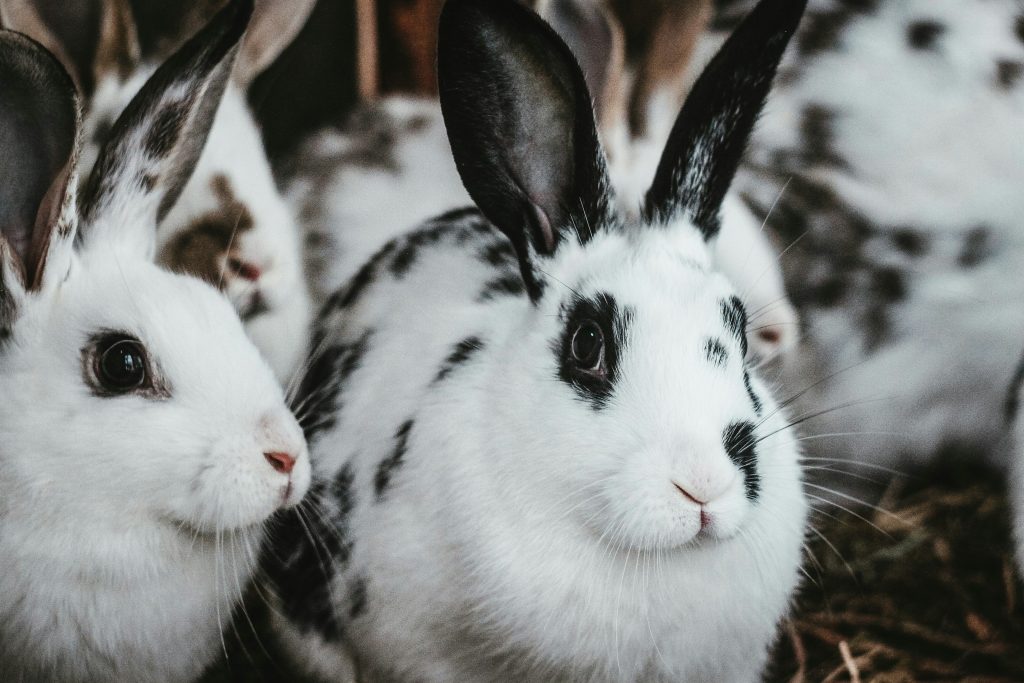
Throw the calendar out the window. Every single setup is wildly unique.
Some incredibly lucky owners see their bunnies fall deeply in love within 48 hours. Others spend grueling months setting up short, sweat-inducing dates in strictly neutral zones. Advanced age and a loud, chaotic house can severely stall things, but raging hormones will shatter the project completely. Trying to bond unneutered or unspayed rabbits is a total, dangerous waste of time. Your best tool is just relentless, stubborn patience.
Table 3: Key Factors Influencing the Pet Rabbit Bonding Timeline
| Bonding Timeline Factor | How It Affects Rabbit Friendships and Trust Building |
|---|---|
| Personality Compatibility | Highly confident, bossy rabbits might clash, while individual rabbit personalities that naturally complement each other form close friendships quickly. |
| Rabbit Age & Energy Levels | High-energy, young rabbits might completely overwhelm timid, senior rabbits who just want to nap, requiring more time to bond. |
| Previous Social Experiences | Early socialization and previous experiences with other rabbits dictate whether a rabbit builds trust gradually rather than instantly. |
| Environmental Stressors | Sharing space without conflict in neutral territory helps cautious prey animals feel safe and reduces long-term conflict. |
7. What a Fully Bonded Rabbit Pair Looks Like
When the grueling intro phase is finally over, the whole mood of the room shifts. They will sleep totally tangled up like a boneless, multi-colored puddle of fur. You will catch them obsessively grooming each other’s ears without a single prompt. If you’ve ever wondered how to tell if your rabbit is happy, witnessing this pure bliss is your answer.
Watching Mocha and Chino do their daily routine is a perfect slice of this. They will happily hoover up the exact same strand of timothy hay until their noses bump—without a single defensive grunt. If a loud truck rumbles past the window, they instantly press their shoulders tightly together to brace for the noise. The exhausting territorial drama completely evaporates. They simply walk through the world with so much more swagger because they know they have a dedicated bodyguard watching their back.
8. Can Rabbits Bond in Groups?
Yes, but it is a massive, fragile logistical puzzle. Two rabbits are relatively easy to read. Adding a third or a fourth turns the whole social ladder into a hair-trigger minefield.
If the main “boss” bunny in a larger colony gets sick or slows down even a fraction, the whole hierarchy can violently snap, causing a wave of brutal infighting. Watching a massive pile of four sleeping bunnies is breathtaking, but managing that delicate group takes serious, exhausting work. The clinical profiles over at the Merck Veterinary Manual’s management guide note that while some super-outgoing rabbits genuinely thrive in a bustling group, plenty of them heavily prefer the quiet, drama-free lifestyle of just having one best friend.
9. What Happens When a Bonded Rabbit Loses a Companion?
These friendships run bone-deep. When you look at the reality of whether rabbits mate for life, you realize the emotional stakes. When a partner suddenly passes away, the rabbit left behind absorbs that crushing silence immediately.
They mourn hard. You will usually notice stark, alarming warning signs, like:
- Sudden, steep drops in appetite
- Heavy, listless inactivity
- Spending hours staring blankly at the exact spot where their companion used to sleep
- Desperate, needy clinginess toward you for any shred of comfort
The team at the Blue Cross Pet Bereavement and Loss service has excellent, compassionate advice on how to drag a grieving bunny through the worst of the loss. Keep their daily routine completely locked in and double up on the physical affection until they slowly start to adjust to the new normal.
10. Signs Two Rabbits Are Not Truly Bonded
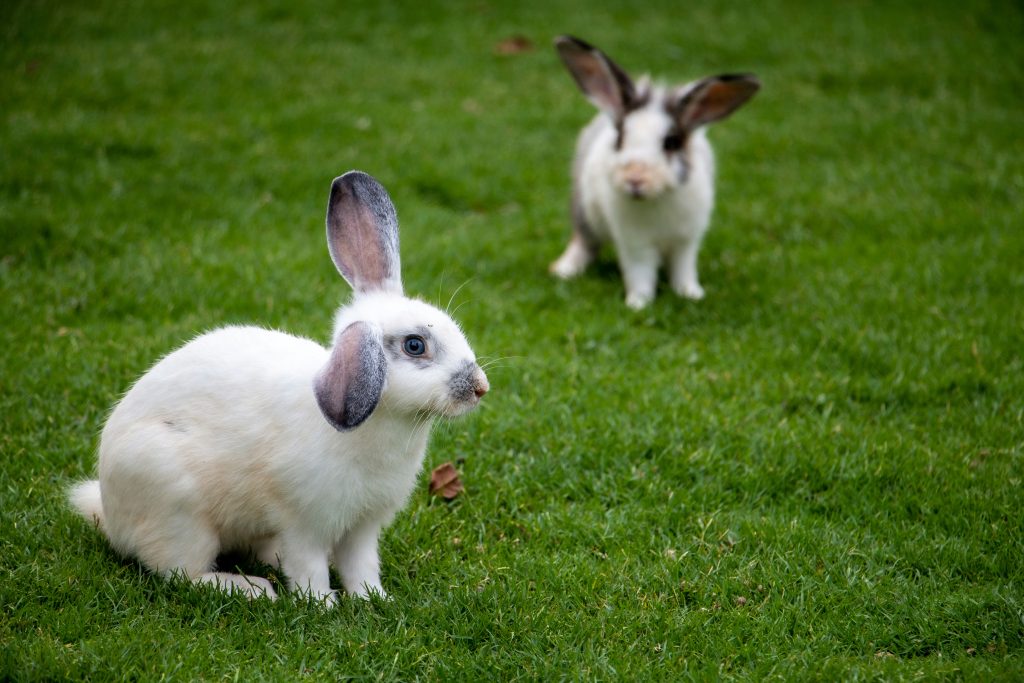
Don’t mix up a cold, silent war with an actual friendship. If they spend all day stubbornly ignoring each other on opposite sides of the room, the bond is a fake.
Signs of a failed or “false” bond usually look like:
- A thick, electric tension you can literally feel in the room
- Vicious resource guarding over food bowls or litter boxes
- Relentless chasing that never quite resolves into peaceful resting
- A stubborn, flat-out refusal to rest anywhere near one another
- A total, icy lack of mutual grooming
- Exhausting, ongoing competition over every square inch of territory
According to the PDSA’s deep dive into reading rabbit body language, true bonds show soft, completely relaxed physical postures and absolutely zero resource guarding. Having peaceful roommates is fine, sure. But true, affectionate bonding operates in a completely different universe.
Table 4: Genuine Rabbit Friendships vs. False Bonds
| Genuine Social Bond | False Bond (Mere Tolerance and Peaceful Coexistence) |
|---|---|
| Mutual grooming without prompting and sleeping pressed against one another. | Complete refusal to rest near one another and a total lack of mutual grooming. |
| Eating together without tension and showing incredibly relaxed body language. | Intense resource guarding over food bowls or litter boxes and ongoing competition over territory. |
| Seeking comfort from one another during stressful situations and mirroring one another’s behavior. | Constant avoidance, persistent tension in the air, and frequent chasing that never resolves into peaceful resting. |
11. Frequently Asked Questions
Can Two Male Rabbits Bond?
Yes, they can. The massive catch is that boys are hardwired to fight brutally over territory. Understanding why your rabbit is territorial is crucial here; you have to make absolutely sure both males are fully neutered and totally healed up long before you let them make eye contact.
Can Two Female Rabbits Bond?
They can. Just like the boys, females desperately need to be spayed to permanently turn off that intense, hormonal territorial drive. Once the hormones drain out of their system, it all comes down to their individual attitudes.
Is a Male-Female Pair Easier to Bond?
Usually, yes. Opposites tend to click much faster. The absolute best success rates with fixed male-female pairs, mostly because it perfectly mirrors how they naturally set up families in the wild.
Table 5: Pet Rabbit Pairing Compatibility and Bonding Success Rates
| Pet Rabbit Pairing Type | Bonding Considerations and Pairing Challenges |
|---|---|
| Male-Female Rabbit Pair | Generally the easiest to bond. High success rates with opposite-sex pairings (provided both are altered), as this dynamic closely mimics their natural colony structures in the wild. |
| Female-Female Rabbit Pair | Territorial considerations are significant, so both females must be spayed. Individual personality compatibility is often the deciding factor in female-female pairings. |
| Male-Male Rabbit Pair | Common challenges regarding territorial disputes. It is absolutely essential that both males are neutered well before introductions begin to prevent unneutered males from fighting over territory. |
Can Rabbits Bond After Fighting?
It heavily depends on how nasty the fight got. A little scuffle or a brief chase? You can usually take a breather and try again later in a totally fresh, neutral space. If they latched on and drew blood, that delicate trust is probably shattered forever.
Can Bonded Rabbits Become Unbonded?
Sadly, yes. A sudden, terrifying illness, a weird shift in hormones, or a massive environmental shock (like a scary car ride to the vet where they blindly blame each other for the panic) can shatter a solid bond. If they suddenly turn on each other, you usually have to start the whole grueling intro process over from step one, which requires strict, hyper-vigilant monitoring of their environment.
12. Conclusion
Bunnies are brilliantly built to live together. Desperately looking for a partner is just a core part of who they are. While finding the perfect match and surviving the incredibly messy hierarchy drama takes an iron will and a lot of patience, the payoff is huge. When you finally see your two rabbits confidently exploring a room side-by-side or melting into a big, sleepy grooming puddle on the carpet, you will know the exhausting work was worth it. A bonded pair simply lives a much braver, happier, and profoundly less stressed life.
Medical & Veterinary Disclaimer: Bunnyowners.com is an informational resource for rabbit owners and enthusiasts. We are not veterinarians. The content on this website is for educational purposes only and is not a substitute for professional veterinary advice, diagnosis, or treatment. Always consult a qualified veterinarian with any questions or concerns regarding your pet’s health, medical conditions, diet, or overall care. If you have concerns about your rabbit’s health, it’s always best to reach out to a veterinarian rather than relying solely on information found online.