
Veterinary & Affiliate Disclaimer: Bunnyowners.com shares educational rabbit care resources, not professional veterinary advice. Always consult a qualified veterinarian regarding your rabbit’s medical, dietary, or behavioral needs. This post may also contain affiliate links; as an Amazon Associate and affiliate partner, we earn from qualifying purchases at zero extra cost to you.
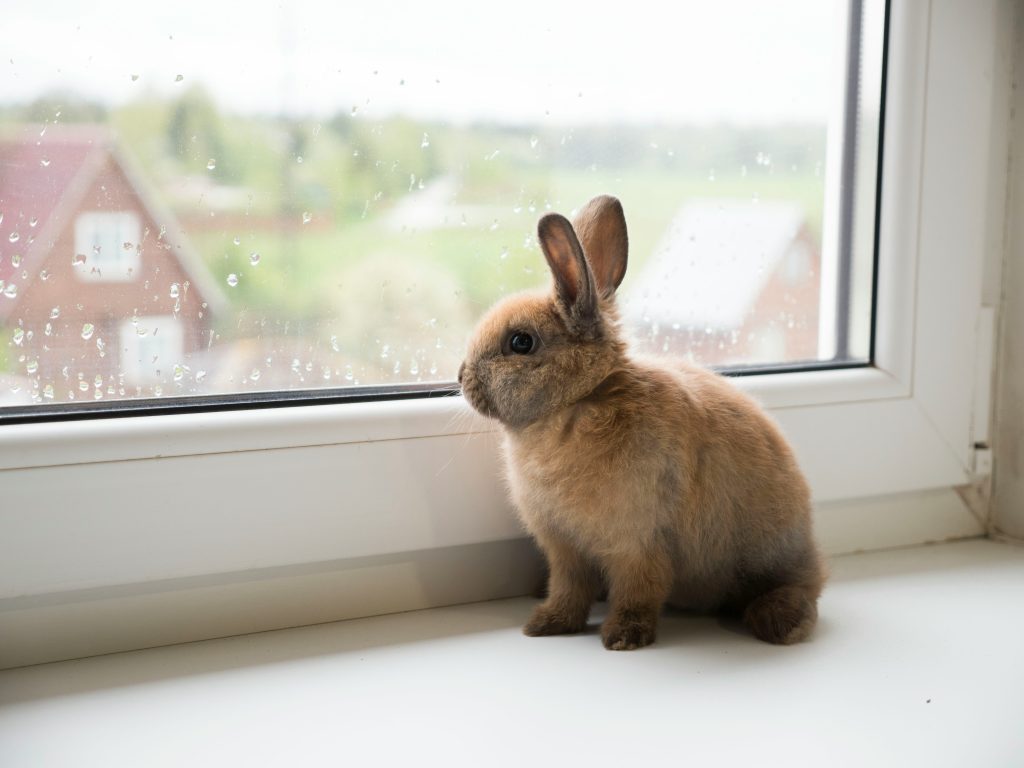
Many pet owners notice sudden shifts in their bunny’s mood and immediately look for answers to a critical question: do rabbits get lonely when left without a companion? Because these animals evolved to live in tight-knit communal settings, think of it as a highly organized, underground neighborhood watch, chronic isolation directly targets their emotional well-being and alters their basic survival instincts.
Rabbits absolutely get lonely because they are naturally social animals that form intense psychological bonds with companions. Without regular interaction, severe social isolation quickly manifests as lethargy, destructive behaviors, and life-threatening digestive issues like GI stasis. Owners can prevent rabbit loneliness by dedicating several hours to daily human floor time or introducing a compatible, spayed or neutered partner.
To address this emotional vulnerability, this guide, like my collection of rabbit behavior guides, explores the evolutionary causes of rabbit isolation, details the warning signs that your bunny is feeling blue, and provides a clear medical matrix to separate depression from physical illness. Understanding these behavioral cues allows you to implement targeted bonding, environmental design, and interaction strategies to safeguard your pet’s health, saving both your bunny’s sanity and your baseboards.
1. Do Rabbits Get Lonely?
Wild rabbit colony structures are built entirely upon community-driven safety and comfort networks. According to detailed breakdowns of natural lagomorph behavior from the Rabbit Welfare Association, they live in complex underground networks called warrens. These house multi-tiered social colonies where they are biologically programmed to interact, forage, and rest together.
Within these communities, social grooming, known as allogrooming, serves an essential physiological purpose. Licking one another’s heads and ears acts as a natural stress reliever, effectively lowering heart rates and cortisol levels. To truly understand this depth of isolation, it helps to understand how rabbits feel emotions on a biochemical level, which even drives the evolutionary question of whether rabbits mate for life to maintain colony stability.
Can a Single Rabbit Be Happy?
A single rabbit can live a happy, fulfilling life, but it requires a dedicated owner willing to bridge the social gap. A solo rabbit’s happiness depends entirely on the volume of daily human interaction, environmental enrichment, and the amount of time they are left completely on their own.
As a researcher, I’ve spent hours digging through the data, but observational experience tells the same story. Before I successfully bonded my own pair, Mocha and Chino, I saw firsthand how a solo rabbit’s routine must be highly customized to mirror natural safety structures. It turns out I am not an adequate substitute for another rabbit, no matter how much premium hay I offer.
By tracking a lone rabbit’s activity cycles during peak morning and evening hours, owners can accurately judge whether their pet is thriving or sliding into a state of chronic boredom. It is critical to distinguish between a rabbit being “alone temporarily” while you are at work and a state of total “social isolation,” where the animal is tucked away in a quiet corner of the house with minimal stimulation.
Are Some Rabbits More Social Than Others?
Just like humans, rabbits possess distinct personality types that dictate how they respond to solitude. Some individuals are naturally introverted, highly independent, and easily overwhelmed by the presence of other animals. These rabbits often flourish as the center of attention in a single-pet household. Conversely, highly social, extroverted rabbits may show signs of depression if left alone for even a few hours.
The following foundational background elements outline how a rabbit’s developmental history, age, and genetics directly shape their social comfort levels and susceptibility to feeling isolated:
- Introverted Bunnies: Flourish as single pets when given consistent human contact, often becoming overwhelmed by other animals.
- Extroverted Personalities: Prone to rapid psychological drops if left solitary without a high-traffic family presence.
- Early Traumas: Rescue histories can cause certain rabbits to view potential partners as physical threats rather than companions.
- Sibling Bonds: Ingrains a permanent, biological expectation of constant physical closeness from birth.
Table 1: Rabbit Personality Profiling for Household Placement
| Rabbit Personality Type | Behavioral Traits | Ideal Household Environment | Socialization Needs |
| Introverted / Independent | Easily overwhelmed, territorial, high boundary focus | Single-pet home with calm routines | Low rabbit-to-rabbit, high passive human presence |
| Extroverted / Social | Seeks constant engagement, high energy, attention-driven | Multi-rabbit bond or high-traffic family area | Chronic need for constant companionship |
| Trauma / Rescue History | Fear-aggressive, hyper-vigilant, defensive of space | Single-pet setup with experienced handler | Prefers human-only interaction; low stress |
| Sibling-Raised Bonded | Deeply codependent, low boundary awareness | Multi-rabbit household exclusively | Susceptible to acute loneliness if separated |
2. Signs Your Rabbit May Be Lonely
One of the most common indicators of a lonely rabbit is a noticeable shift toward lethargy. A rabbit experiencing social deprivation will often sit completely still for hours on end, hunched in a tight ball with their ears pressed flat against their back. This posture is easily confused with normal resting, but a depressed rabbit lacks baseline curiosity. They will stop exploring their environment, ignore open enclosure doors, and show zero interest in toys or novel items that would normally trigger their investigative instincts.
Attention-Seeking Behaviors
On the opposite end of the spectrum, some lonely rabbits display hyper-active, attention-seeking habits when their owners are nearby. They may begin tracking your every move, following closely at your heels like a dog that forgot how to bark, which I break down thoroughly in my guide on why your rabbit follows you around the house.
Clinical advisory boards, such as those documenting rabbit communication traits at the PDSA, note that these physical demands are a rabbit’s way of forcing the social engagement they lack. Lonely rabbits often become unusually clingy or withdrawn because they are seeking social interaction. They may repeatedly nudge your hands, a classic communication style explained in my analysis of why rabbits nudge or headbutt for social contact.
While occasional nudging is a standard piece of rabbit vocabulary used to ask for a nose rub, as detailed in my definitive guide to rabbit behavior, a sudden, insistent escalation of this behavior suggests an underlying emotional deficit.
Destructive or Repetitive Behaviors
When a social animal is starved of stimulation, boredom and frustration quickly turn into destructive habits. Veterinary care profiles, like the exotic companion mammal enrichment guidelines from Lafeber Vet, frequently cite behavioral destruction as a primary symptom of under-socialization. This manifests as compulsive bar biting or cage rattling, which can cause severe dental damage over time. You may also notice obsessive digging at carpet corners, baseboards, or smooth linoleum floors. These repetitive, stereotypic behaviors are physical releases for pent-up mental frustration.
Changes in Eating or Grooming Habits
Rabbits are creatures of habit, so any deviation in their daily intake or self-care routine warrants immediate attention. A lonely or bored rabbit may experience a drop in their consumption of timothy hay, or conversely, they might begin overeating their pelleted food simply because chewing provides a brief hit of dopamine in a dull environment.
Grooming habits also shift. A depressed rabbit may completely neglect their self-cleaning routine, resulting in a dull, messy, or matted coat. Alternatively, they might turn to overgrooming, compulsively chewing or licking at their own front paws and flanks until they create raw, bald patches. This stress-driven self-grooming is a far cry from the affectionate social behavior owners wonder about when asking, “why does my rabbit lick me?“
Increased Sleeping or Inactivity
Because rabbits are crepuscular, it is entirely normal for them to sleep through the middle of the day. However, a lonely rabbit will often extend these sleeping periods far into the morning and evening hours—times when they should naturally be at their most active. If your rabbit no longer does a “binky” (a joyful mid-air twist) or races around the room during dawn and dusk, their prolonged inactivity is a strong sign of emotional withdrawal.
Table 2: Checklist of Behavioral Shifts Caused by Loneliness
| Symptom Category | Lone Active Expression | Lone Passive Expression | Long-Term Risk Profile |
| Activity Levels | Tracking feet, persistent heel following | Hunched posture, frozen corner sitting | Muscle atrophy, low cardiovascular drive |
| Enclosure Habits | Bar rattling, compulsive cage chewing | Refusal to exit open enclosure gates | Dental degradation, severe paw pododermatitis |
| Grooming Routines | Compulsive flank licking, paw biting | Shabby coat, complete self-neglect | Fur balls, raw skin infections, matting |
| Dietary Intake | Rapid pellet binging out of sheer boredom | Timothy hay refusal, dropping consumption | Severe obesity or sudden digestive crash |
3. What Causes Loneliness in Rabbits?
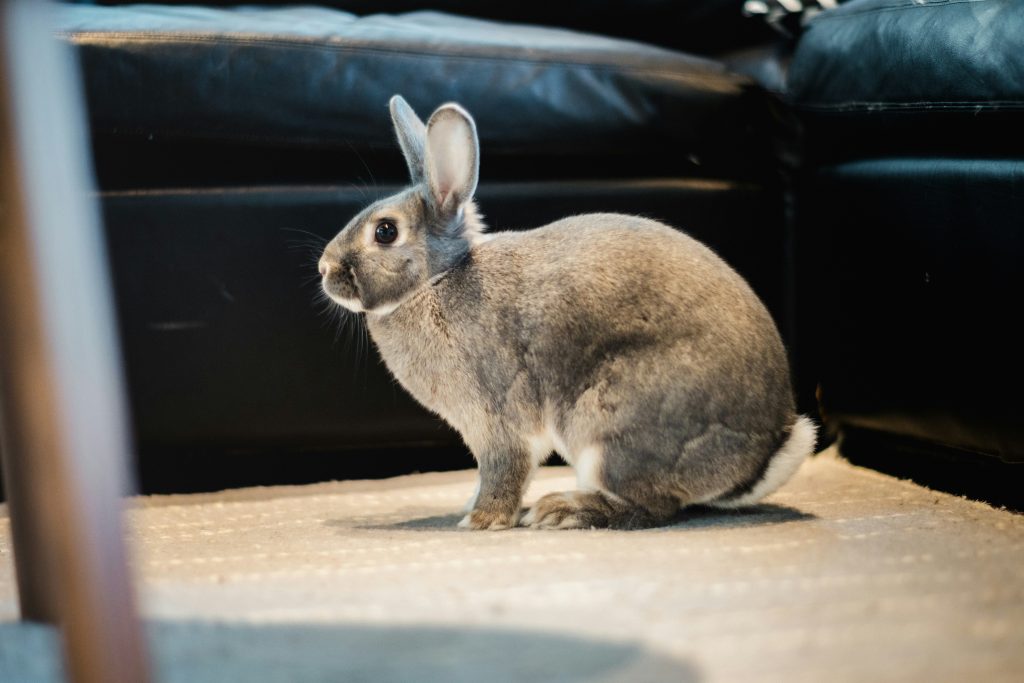
The modern work schedule is one of the leading drivers of rabbit isolation. Leaving a rabbit entirely on their own for 9 to 10 hours a day while you commute and work isolates them during critical blocks of time. This risk increases exponentially if the rabbit is housed in a low-traffic area of the home, such as a separate spare bedroom, a basement, or a formal dining room that family members rarely use. Out of sight often means out of mind, and staring at the same wallpaper for ten hours isn’t exactly a thrilling Tuesday for a species built to forage.
Loss of a Bonded Companion
The passing of a mate is a massive shock to a rabbit. Because they form intense, monogamous attachments, the emotional fallout from losing a partner can leave them completely shut down.
As detailed in the rabbit grief and loss guidelines published by the House Rabbit Society, surviving animals regularly undergo a recognizable two-phase behavioral response to separation. This mourning ritual typically initiates with frantic searching and increased environmental vigilance, followed by a prolonged period of energy conservation, social withdrawal, and a sharp, temporary drop in appetite.
Grieving rabbits require gentle, hands-on emotional support to ensure this mental depression does not progress into physical illness. This protective response to loss isn’t limited to adult pairings either; we see similar survival mechanisms triggered when looking at whether rabbits get sad when their babies die.
Lack of Mental Stimulation
A rabbit’s psychological health is tightly tethered to their environment. A barren enclosure, one without tunnels, varied chewing textures, or foraging opportunities—forces a rabbit into a state of sensory deprivation. When a rabbit has nothing to do, they become hyper-focused on their lack of company. In this way, standard environmental boredom acts as an accelerator for chronic loneliness.
Sudden Environmental Changes
Rabbits find comfort in predictability. Major life events, such as moving to a new apartment, remodeling a home, or adjusting to a shifting human schedule, can destabilize their sense of security. When their environment suddenly feels unfamiliar, a single rabbit loses their baseline confidence. Without a companion to lean on for shared comfort, these routine disruptions can cause a rabbit to retreat inward, displaying signs of fear-induced loneliness.
4. Do Rabbits Need Another Rabbit?
While a dedicated human can do a lot, a bonded rabbit pair offers round-the-clock social comfort that we simply cannot replicate. A pair shares meals, sleeps side-by-side to conserve body heat, and spends hours systematically grooming each other’s faces and ears. This constant physical presence provides immense reassurance. During stressful events, such as a loud thunderstorm or a necessary trip to the veterinary clinic, having a bonded partner present drastically lowers an individual rabbit’s physiological stress response.
Can Humans Replace Rabbit Companionship?
Many single rabbits live incredibly rich lives alongside their human owners, but it is important to acknowledge our limitations. We don’t speak fluent ear-twitch, and we certainly don’t want to chew on hay. Welfare literature, including the RSPCA’s directives on companion animal socialization, shows that while human handlers provide critical affection, they cannot fully replicate day-long partner vigilance.
Humans simply cannot mimic the complex communication styles, subtle nose-touches, and continuous physical presence that a fellow lagomorph provides.
Humans cannot be present during a rabbit’s peak active hours at dawn and dusk. While our petting sessions offer great comfort, they are ultimately a supplement to, rather than a perfect mirror of, natural rabbit-to-rabbit interaction. Our interspecies bond is fascinating, and though we might wonder if rabbits think humans are just giant rabbits, or marvel at how deeply rabbits feel human sadness, our presence cannot substitute for a fellow herbivore’s 24/7 vigilance.
When a Rabbit May Prefer Living Alone
Despite the clear benefits of pairing, certain rabbits are genuinely better off living solo. Hyper-territorial individuals, often those who were improperly socialized during youth or possess an aggressive temperament, may view any other rabbit as an active threat. Extensive animal charity guidelines, like the rabbit bonding and companionship resources from the Blue Cross, note that forced bonding attempts can sometimes result in severe physical fights and chronic stress.
Additionally, rabbits with complex, contagious medical conditions or fragile physical disabilities may require a separate, controlled environment. If another rabbit is out of the question due to severe territorial space battles, you might look into alternative configurations listed in my companion animal compatibility guide.
Signs Your Rabbit Might Benefit From a Companion
If your single rabbit continues to display attention-seeking behaviors, repetitive chewing, or general boredom despite your best efforts to provide toys and floor time, they are a prime candidate for a companion. Another strong indicator is how they react to other animals from a distance. If your rabbit shows calm, non-aggressive curiosity—such as soft nose-twitching and forward ear positioning—when spotting another rabbit through a secure divider or screen, it highlights a strong desire for species-specific companionship.
Table 3: Social Dynamics Comparison: Human vs. Rabbit Companionship
| Social Matrix Factor | Human-to-Rabbit Dynamics | Rabbit-to-Rabbit Dynamics |
| Communication Nuance | Verbal cues, large physical hand strokes | Ear posture adjustments, chin clicking, licking |
| Availability Window | Restricted to post-work and waking hours | Continuous 24/7 cohabitation presence |
| Crepuscular Alignment | Low; humans typically sleep during active windows | High; shared dawn/dusk biological clocks |
| Stress Alleviation | Relies on trust levels with the handler | Inherent evolutionary comfort via shared alertness |
5. How Long Can Rabbits Be Left Alone?
Rabbits require active engagement every single day. At an absolute minimum, a solo rabbit needs at least 3 to 4 hours of out-of-enclosure exercise and direct interaction with their human family. To maximize the value of this time, structure these interactions around their natural internal clock.
Sit on the floor with them during the early morning or late evening hours when their energy is naturally high, allowing them to dictate the pace of play and social contact.
Why Rabbits Should Not Be Isolated for Days
Under no circumstances should a rabbit be left entirely unmonitored for days at a time, even if you leave behind a mountain of hay big enough to climb. They are not succulents; they require active monitoring.
Clinical reports tracking domestic lagomorph pathology, frequently handled by specialized departments like the UC Davis Exotic Animal Medicine Service, outline that their delicate digestive systems can shut down rapidly if they experience a sudden bout of loneliness or stress.
A strict 24-hour monitoring limit is vital. If a lonely rabbit stops eating due to acute emotional stress, they can slip into gastrointestinal stasis within hours. Without rapid veterinary intervention, this condition can quickly become fatal, making regular daily check-ins a matter of literal life and death.
Difference Between Solitude and Neglect
There is a healthy boundary between normal daily solitude and systemic neglect. It is perfectly fine for a rabbit to spend 6 to 8 hours resting quietly in their enclosure while the household is away at school or work; this aligns naturally with their midday nap cycle. Solitude becomes neglect when those hours stretch into consecutive days, or when the rabbit’s baseline emotional withdrawal is ignored, leaving them with no avenues for mental stimulation or physical affection.
6. How to Help a Lonely Rabbit
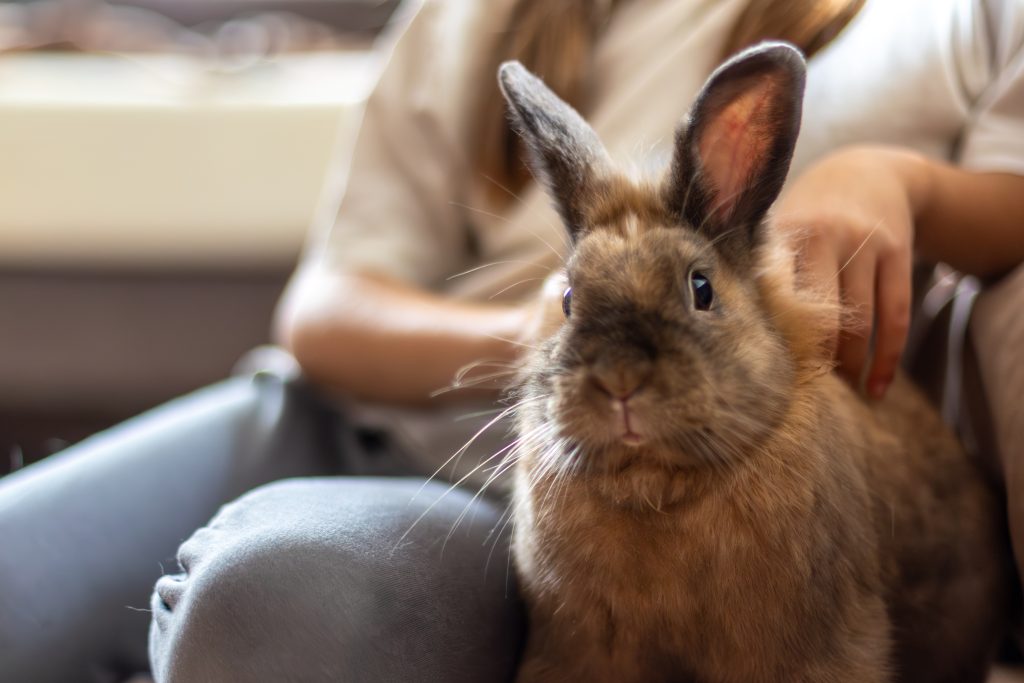
The fastest way to alleviate a solo rabbit’s loneliness is to change how you spend time together. Do not just sit on a couch while your rabbit runs on the floor; get down at their eye level. Passive floor time, simply lying on your stomach reading a book or working on a laptop, makes you approachable and unthreatening. Let the rabbit investigate you on their own terms. When they approach, offer gentle strokes along the top of their head, cheeks, and long back, mimicking the deep-pressure sensations of natural allogrooming.
Increase Mental Enrichment
To break the cycle of boredom-induced depression, step up your environmental enrichment game. You do not need expensive store-bought gadgets; simple DIY projects work wonders. When I introduced homemade dig setups to Mocha and Chino during their early bonding phases, their territorial frustration levels dropped immediately. Turns out, redirecting their angst into a cardboard box of shredded paper was a lot cheaper than couples therapy.
The following household items can be used to construct interactive DIY rabbit toys that keep solitary bunnies active and mentally engaged while their owners are away from home:
- Forage Boxes: Fill a shallow cardboard box with a mix of orchard grass, dried herbs, and a handful of compressed hay pellets to encourage natural foraging behaviors.
- Dig Boxes: Create a dedicated digging zone using a large plastic tub filled with clean play sand, shredded paper, or packing paper.
- Puzzle Toys: Use empty toilet paper rolls stuffed with fresh timothy hay and hidden treats to force your rabbit to solve problems for their food.
Consider Bonding With Another Rabbit
If your schedule cannot meet your rabbit’s social needs, look into adopting a second rabbit. However, this process must be approached systematically. As highlighted in the House Rabbit Society’s step-by-step bonding manual, both individuals must be fully spayed or neutered and given at least 4 to 6 weeks to allow their hormones to completely stabilize. When you begin the bonding process, always conduct face-to-face meetings in strictly neutral territory, a room where neither rabbit has ever set foot, to prevent defensive, territorial fights.
Create a More Stimulating Environment
An expansive, multi-dimensional living space can fundamentally alter a single rabbit’s mood. Guidance on setting up these spaces can be found in the RWAF’s recommendations for proper rabbit housing. Upgrade their standard setup to a large, modular exercise pen that allows for full-speed sprints. Introduce safe, elevated platforms, cardboard castles, and multi-entry fabric tunnels that mimic the architectural complexity of a wild warren. Giving them choices on where to sit, hide, and look out changes their daily experience from static confinement to active territory management.
Table 4: Action Plan for Mitigating Single Rabbit Boredom
| Enrichment Strategy | Core Environmental Materials | Target Behavioral Expression | Cognitive Impact |
| Passive Floor Contact | Yoga mat, low cushions, floor books | Voluntary investigation, chin rubbing | Lowers human-threat baseline perception |
| Foraged Nutrient Layout | Orchard grass, dried marigold, herb dust | Scent trailing, piece sorting, sorting chewing | Simulates natural open pasture grazing |
| Subterranean Simulation | Plastic bins, dust-free sand, paper strips | Intensive excavation, back-foot kicking | Relieves pent-up nesting/digging frustration |
| Architectural Expansion | Structural cardboard, ramps, multi-tunnels | Vertical boundary scouting, hiding choice | Restores baseline territory management confidence |
7. Can Lonely Rabbits Become Depressed?
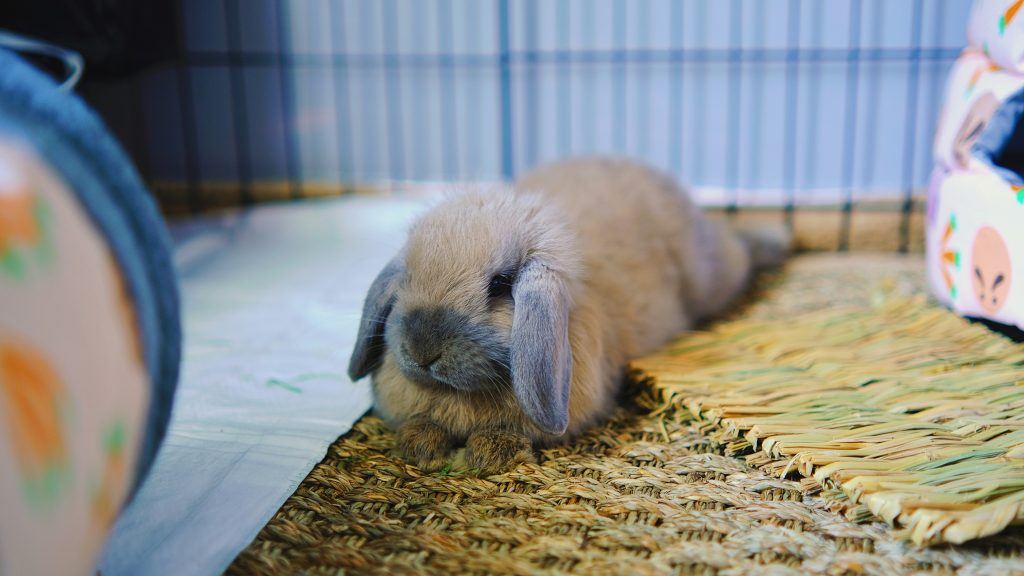
When social animals go long periods without contact, their baseline brain chemistry shifts. Over time, an isolated bunny can experience a complete behavioral shutdown. Severe environmental confinement and lack of companionship systematically reduce baseline health parameters. Chronic stress triggers constant cortisol production, which compromises their immune system and leaves them highly vulnerable to respiratory conditions or skin problems that a healthy rabbit would normally fight off easily.
When to Be Concerned (Red Flags)
While behavioral changes develop gradually, certain red flags demand immediate, emergency action. If your rabbit completely refuses to eat their favorite fresh greens or treats for more than 10 to 12 consecutive hours, their situation is critical.
Owners should watch for these emergency symptoms requiring immediate veterinary attention, as they indicate a lonely or depressed rabbit’s behavioral shutdown has turned into a physical crisis:
- Total Greens Refusal: A complete disinterest in eating high-value vegetation or everyday snacks that lasts past a tight 10-hour window.
- Severe Lethargy: A total lack of muscular response or movement when favorite target sounds, rustling bags, or approaching footsteps enter the room.
- Physical Unresponsiveness: A glazed, unfocused gaze profile coupled with a limp body position that requires an immediate, emergency clinic intervention.
Loneliness vs. Medical Problems
It is an absolute medical rule that system-wide pain, dental disease, parasitic infections, and early-stage GI stasis can perfectly mimic the outward symptoms of emotional depression. According to the House Rabbit Society’s breakdown of gastrointestinal stasis, a rabbit hunched in a corner refusing food might be incredibly lonely, or they could be experiencing agonizing pain from an overgrown molar, a systemic infection, or a gas pocket in their cecum.
You must always rule out physical illness with an experienced, rabbit-savvy veterinarian before assuming your pet’s behavior is entirely psychological. For a deeper diagnostic walkthrough, see our troubleshooting roadmap on why a rabbit hides or acts depressed to isolate physical ailments from emotional distress.
Table 5: Emergency Matrix: Behavioral Loneliness vs. Critical Medical Pathology
| Observational Vector | Emotional Loneliness Presentation | Critical Medical Emergency (GI Stasis / Pain) | Immediate Action Sequence |
| Favorite Treat Response | Inspects treat slowly, may eat eventually | Complete head turn away, active refusal | Offer treat immediately; if ignored, prep clinic run |
| Physical Touch Reaction | Relaxes under long strokes, tooth clicks | Tenses body, grinds teeth loudly, shifts away | Check belly for hard swelling or cold extremities |
| Posture and Placement | Loosely tucked in preferred rest corner | Tightly rigid, pressed to floor, shifting spots | Monitor for lack of fecal output over 6 hours |
| Ambient Awareness | Tracks moving objects with eyes/ears | Glazed expression, unresponsive to sharp noises | Contact emergency exotics vet within 12 hours |
8. Frequently Asked Questions
Is it cruel to keep one rabbit?
It is not inherently cruel, provided you have the time and energy to become their primary social outlet. A single rabbit can thrive if they receive several hours of daily human interaction, have free-roam access to a stimulating environment, and are never left isolated in a low-traffic room. However, if your lifestyle keeps you away from home for long stretches, keeping a solo rabbit without a companion can quickly cross the line into emotional deprivation.
Do indoor rabbits get lonely?
Yes, indoor rabbits are just as susceptible to loneliness as outdoor rabbits. While living indoors protects them from extreme weather and predators, a sterile indoor cage or a quiet back bedroom offers very little sensory engagement. If human family members are busy or away, the lack of background noise, shifting scents, and direct companionship will cause an indoor rabbit to experience social isolation.
Can rabbits get lonely at night?
Because rabbits are crepuscular, meaning they hit their peak activity cycles during the twilight hours of dawn and dusk, they are often wide awake and full of energy while the rest of the household is fast asleep. If a single rabbit has no companion to interact with during these midnight and early morning energy bursts, they can easily experience waves of frustration and loneliness while waiting for the home to wake up.
Biological sex plays almost no role in determining how social an individual rabbit will be. A rabbit’s desire for company is driven entirely by their unique personality, age, early-life socialization, and spay or neuter status. Intact rabbits of either sex are driven by territorial hormones, whereas altered rabbits are generally far more receptive to forming stable, balanced social bonds.
Will a lonely rabbit stop eating?
Yes. Deep emotional distress, severe boredom, or the acute grief that follows the loss of a bonded companion can cause a rabbit to lose interest in their food. Because their digestive tracts require a continuous throughput of fiber to function properly, a stress-induced drop in appetite can quickly spiral into a life-threatening episode of GI stasis.
9. Conclusion
Rabbits are fundamentally social creatures whose emotional lives are far more complex than many people realize. From the shared vigilance of wild warrens to the deep comfort of domestic grooming partnerships, their need for connection is a core biological drive. Loneliness is not a minor behavioral quirk; it is a profound form of stress that can directly impact their physical health, lifestyle, and overall longevity.
Whether you choose to fulfill those social needs through hours of dedicated, daily human floor time or by navigating the careful process of bonding them with a rabbit partner, keeping your bunny engaged is an essential part of responsible ownership. By staying attuned to the subtle signs of emotional withdrawal and proactively upgrading their environment, you can ensure your rabbit remains happy, curious, and thriving for years to come.
Medical & Veterinary Disclaimer: Bunnyowners.com is an informational resource for rabbit owners and enthusiasts. We are not veterinarians. The content on this website is for educational purposes only and is not a substitute for professional veterinary advice, diagnosis, or treatment. Always consult a qualified veterinarian with any questions or concerns regarding your pet’s health, medical conditions, diet, or overall care. If you have concerns about your rabbit’s health, it’s always best to reach out to a veterinarian rather than relying solely on information found online.